

Dreaming of longer, fuller, or more versatile hair is common, but knowing how to choose the right hair extensions is key to getting the perfect look. The best extensions for you depend on your specific hair goals, your natural hair type, daily habits, and budget. With the right match, extensions can provide instant length, volume, or even a pop of color that blends seamlessly with your hair.
Understanding extension options—like clip-ins for quick changes or tape-ins for longer wear—helps narrow your decision based on whether you want temporary volume for a night out or a lasting transformation. Taking factors like color match, texture, and installation preference into account will ensure extensions look natural and meet your expectations.
Key Takeaways
- Choose extensions based on your hair goals and lifestyle.
- Matching color, texture, and type is essential for a natural look.
- The right method depends on how long you want to wear the extensions.
How to Match Hair Extensions to Your Hair Goals
Choosing hair extensions involves aligning the product to your specific needs for length, volume, and style. It’s essential to evaluate your hair type, texture, and maintenance preferences to ensure the best possible result.
Identifying Your Desired Length, Volume, and Style
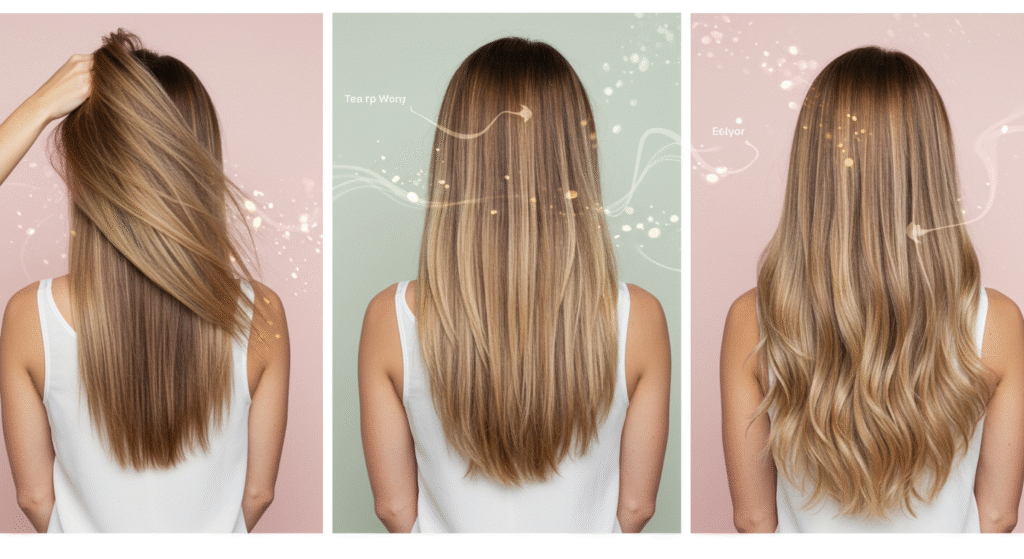
Begin by determining what you want to achieve with hair extensions. If you are seeking added length, measure how many inches you want to add, considering your hair’s current length and the final result you envision. For volume, choose extensions that provide enough grams of hair to blend seamlessly—those with fine hair may need lighter sets, whereas thicker hair benefits from fuller wefts.
When it comes to style, consider the look you are aiming for, such as straight, wavy, or curly. Opt for extensions that closely match or enhance your desired look. For those interested in highlights or lowlights without chemical treatments, selecting different tones can add dimension.
Assessing Your Hair Type and Hair Texture
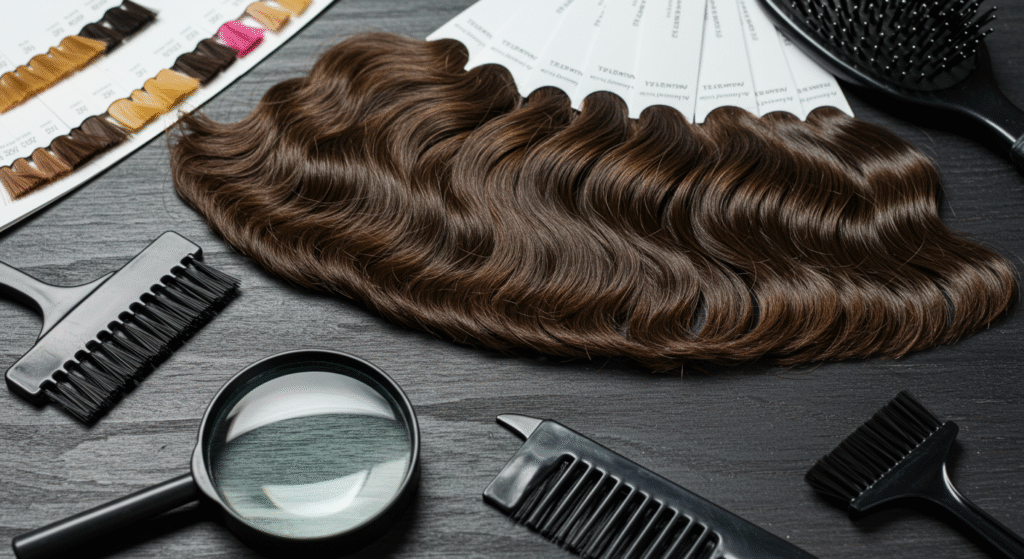
Matching hair extensions to your hair type and hair texture is vital. For fine or thin hair, select lighter, seamless options that minimize strain on roots. Thick hair may require heavier sets or multi-part wefts to blend naturally.
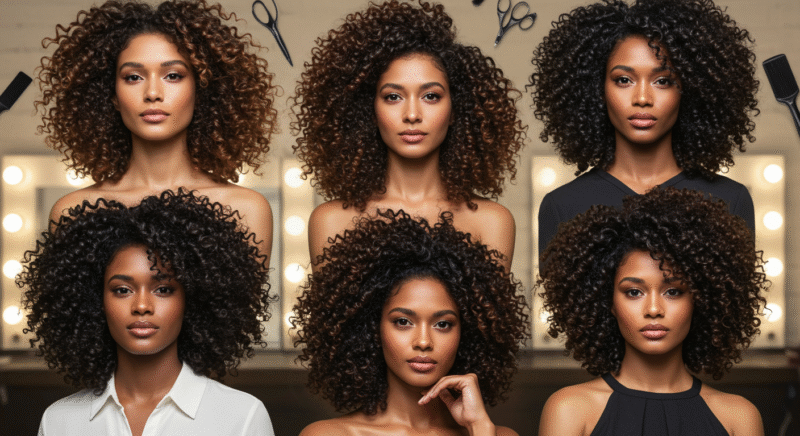
Be sure the extensions’ texture—straight, wavy, or curly—mirrors your natural hair. If your hair is curly, look for extensions that mimic the curl pattern closely. Synthetic extensions often have a limited texture range, while human hair options suggest more variety and realistic blending. For those seeking subtlety, hair extensions without clips, such as tape-ins or micro-links, can integrate better with certain hair textures and reduce visible hardware.
Recommended For You
The Wigs and Hair Extensions Colours Taking Over 2025
How to Choose the Perfect Bag for Any Outfit: A Practical Guide
Defining Your Maintenance Preferences and Lifestyle Needs
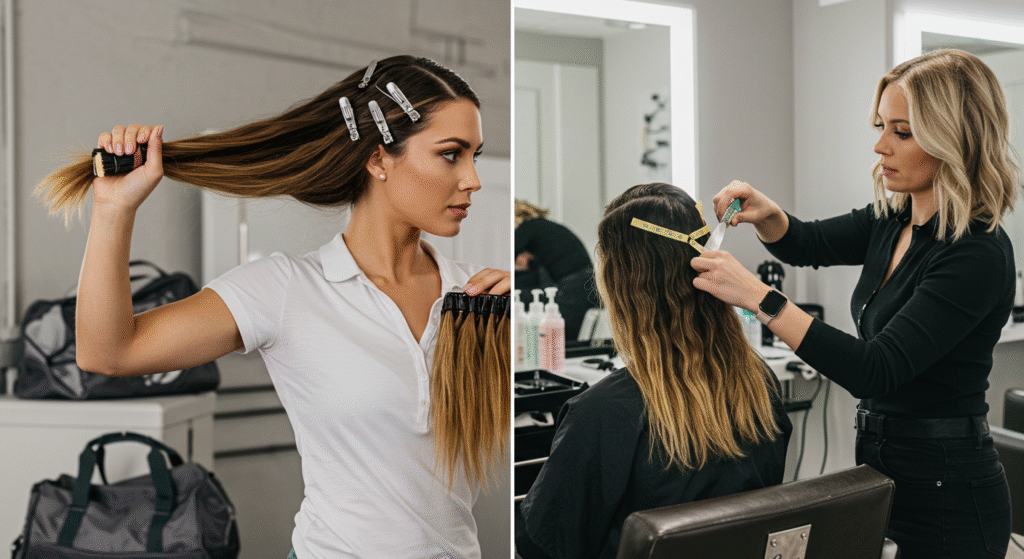
Maintenance requirements vary depending on the extension method. Clip-in extensions are best for those wanting flexibility and easy removal. In contrast, semi-permanent options like tape-ins, sew-ins, or micro-links require professional application and more maintenance.
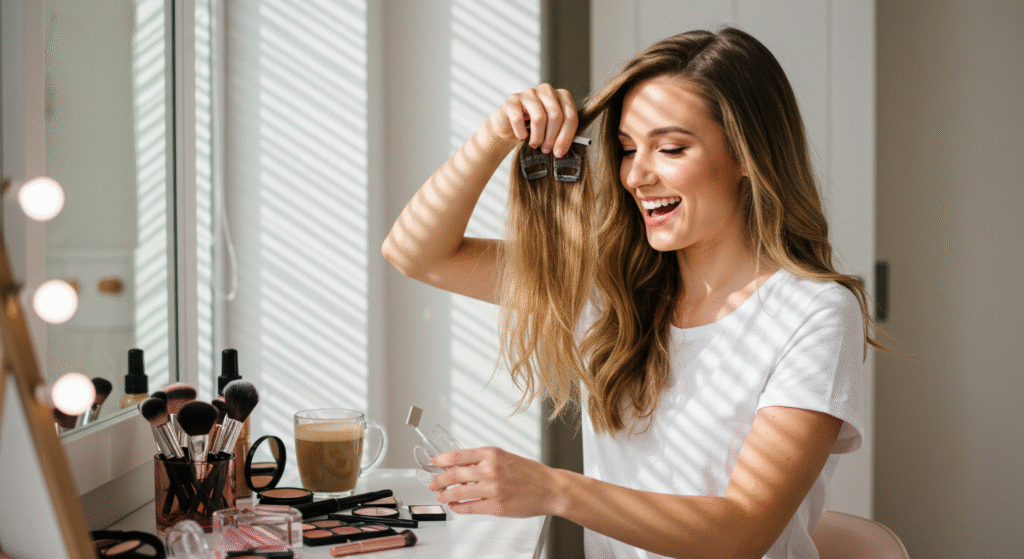
Consider your daily routine and how often you style your hair. If you exercise frequently, extensions that withstand frequent washing and movement, such as tape-ins or keratin bonds, are better suited. Lifestyle factors such as travel, busy schedules, or minimal styling time point towards low-maintenance options, including hair extensions without clips. Think about required aftercare: some types need regular salon visits, special products, or limited use of heat tools. Select a method and material that matches the time and effort you’re willing to commit.
Choosing the Best Hair Extension Type for You
Selecting the right hair extension means considering factors like installation method, styling needs, and how well the extensions blend with your natural hair. Choosing wisely helps achieve natural-looking results, optimal comfort, and minimal damage.
Understanding Types of Extensions: Clip-In, Tape-In, Sew-In, Micro-Link, and Fusion
The most common types of hair extensions each offer distinct benefits and considerations. Clip-in extensions are popular for flexibility; they can be put in or taken out at home in minutes, making them suitable for occasional use. Tape-in extensions involve adhesive strips that lay flat against the scalp for a discreet appearance. They last several weeks and are ideal for those seeking a longer-term solution that is less damaging than sewn-in methods.
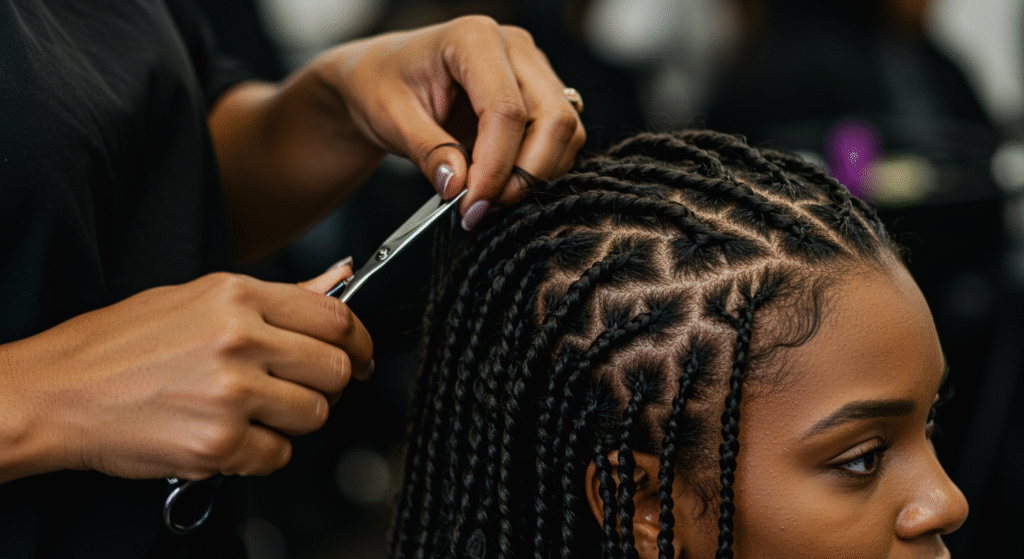
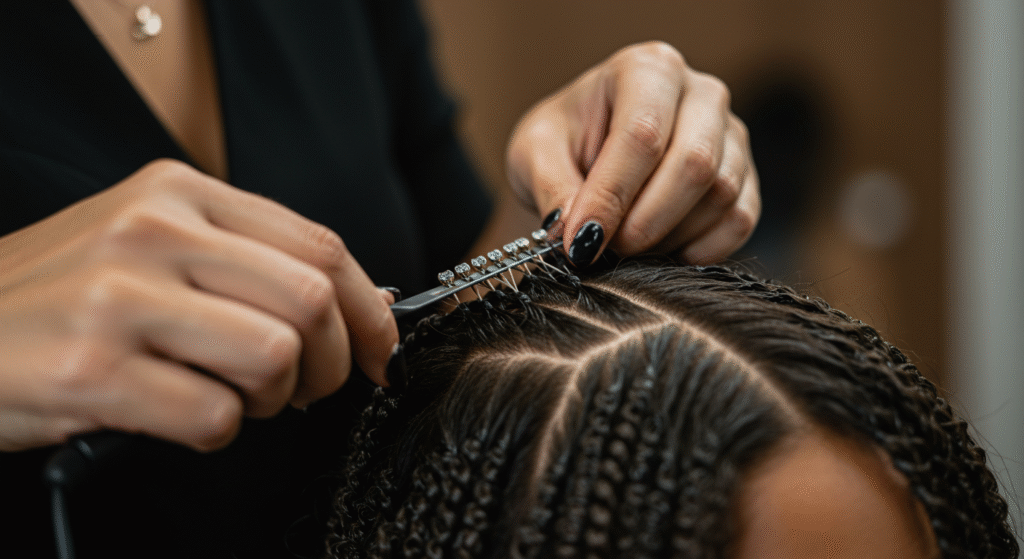
Sew-in (weave) extensions are best for thick or curly hair. The natural hair is braided, and wefts of hair are sewn onto the braids. This method is durable but may not be suitable for thin hair types. Micro-link (or micro-bead) extensions use small beads to attach strands to the natural hair, allowing movement and easy adjustments. They work well for adding volume and length but require careful installation to avoid breakage.
Selecting Extensions Based on Hair Texture and Hair Type
Ensuring extensions match hair texture and type affects the outcome and comfort. People with fine hair benefit from lighter extension methods like tape-ins or nano-rings, which are less likely to cause strain or visibly pull at the roots. Curly and coily hair types often do best with sew-in or braided methods, as these styles offer stronger support and blend better with textured hair. Matching the extension’s wave pattern to that of the natural hair is critical for a seamless appearance.
For straight or wavy hair, clip-ins and tape-ins generally provide a smooth transition if the natural texture is similar to the extension. If in doubt, consulting a stylist can help determine the optimal match based on thickness, density, and natural pattern.
Conclusion
Choosing the right hair extensions depends on understanding your own hair type and clearly defining your goals, such as adding volume, length, or experimenting with style. Matching the extension type to your daily lifestyle and maintenance preferences helps ensure satisfaction and long-lasting results. Seeking professional advice may also help individuals find extensions that blend naturally and maintain the health of their hair.