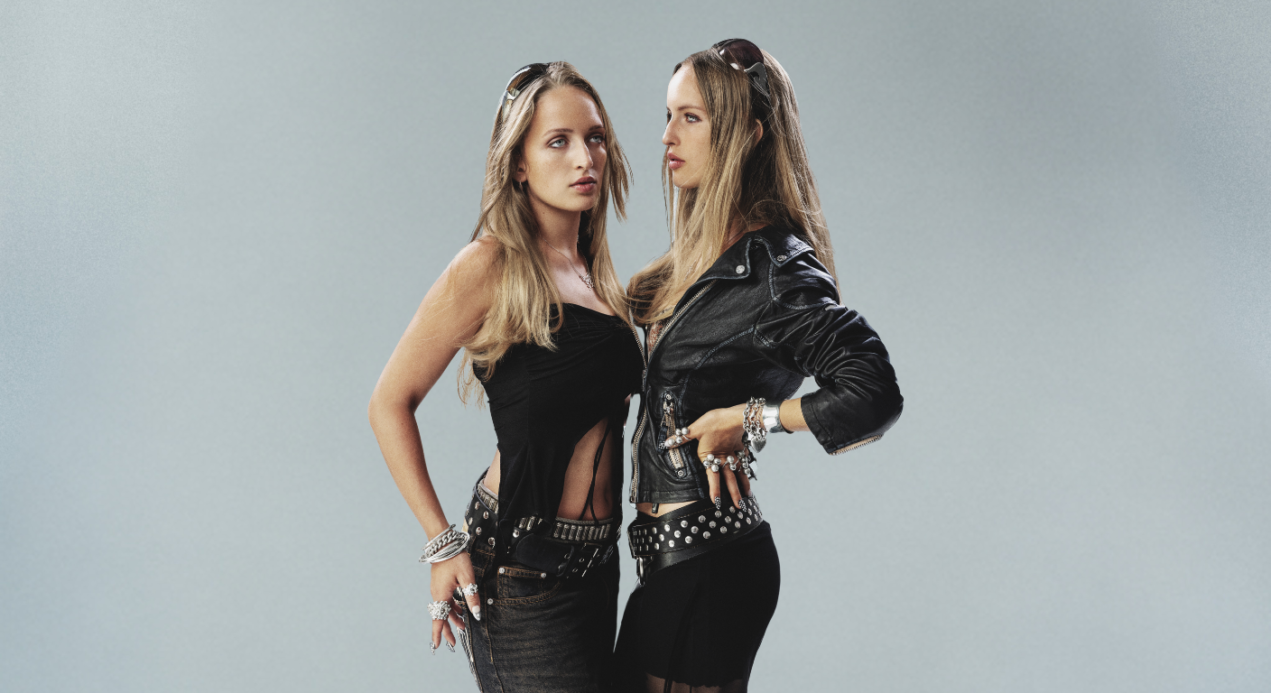
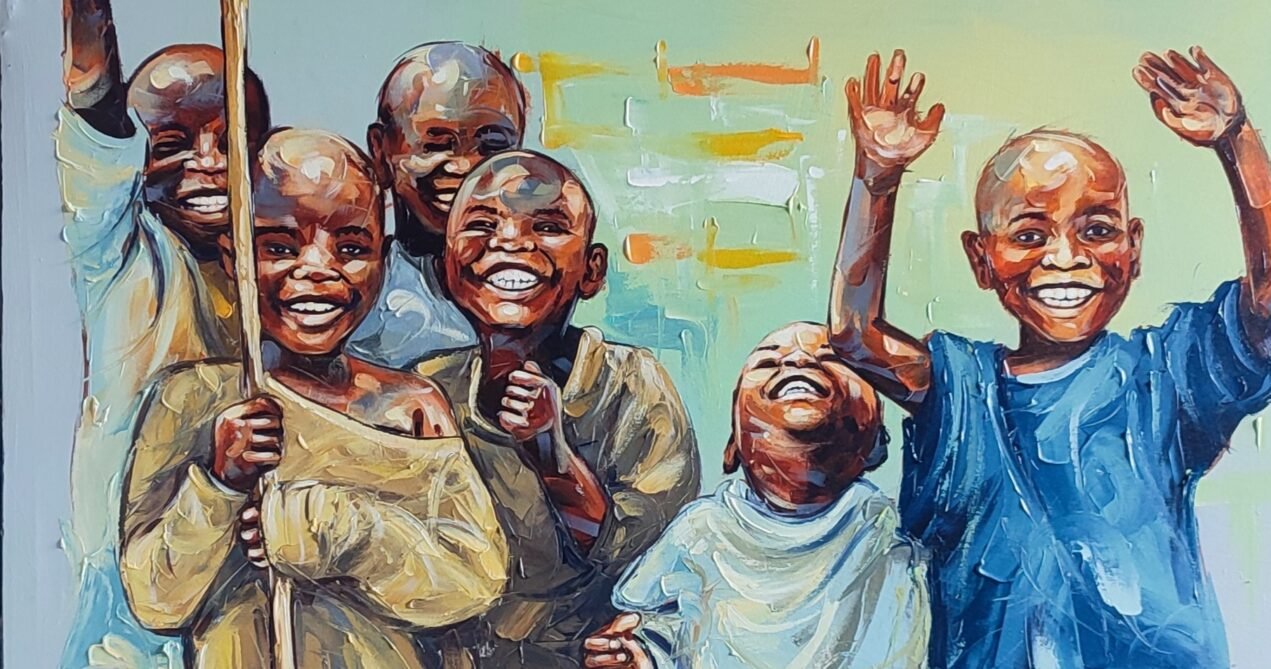
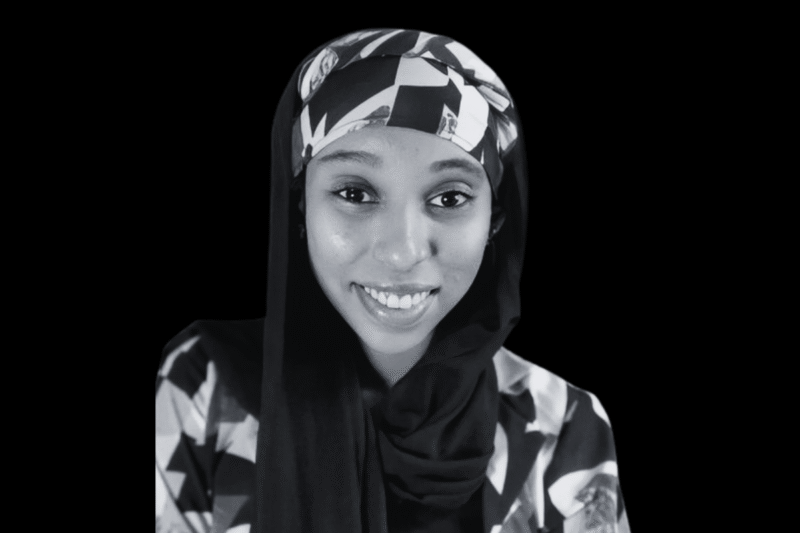
What happens when a Nigerian geologist turns digital artist in the middle of a global pandemic? Ni’ima Kahtan Ali was never supposed to be an artist, at least, not on paper. Trained in geology, she spent years studying rocks and minerals before an unexpected spark during the 2020 lockdown set her on a completely different path. Today, she’s one of Nigeria’s most intriguing emerging digital artists, blending gemstone-inspired textures with AI technology to tell bold, culture-rich stories. In this conversation, she opens up about her journey, her inspirations, and why hope is the heartbeat of her work.
FAB: Can you tell us about your background and how you first discovered your passion?
Ni’ima Kahtan Ali: I’m originally from Kano State, Nigeria. My journey into digital art began during the COVID lockdown in 2020, when I started merging images to create vibrant, textured pieces. With an academic background in geology, I drew inspiration from the natural beauty of gemstones, blending them with digital artistry using AI and Photoshop. My work gained recognition at the Shutter’s Exhibition in Abuja in 2022, followed by the Gold & Gemstone Conference in Lagos in 2024. I held my first solo exhibition at the Discovery Museum in Abuja from December 2024 to January 2025. In March 2025, I participated in the Celebrating Womanhood Art Gala by Nigeria Health Watch. These experiences have fueled my passion, pushing me to keep exploring and refining my craft.
Inspirations Behind Ni’ima Kahtan Ali’s Artwork
FAB: What inspires your work?
Ni’ima Kahtan Ali: My work is inspired by a mix of fantasy, culture, and the simple desire to make people feel something. Fantasy lets me create magical worlds where colours are richer and possibilities are endless. I love how it can bring joy, spark curiosity, or offer a sense of calm, almost like a brief escape from reality. But I am also deeply inspired by our culture. In my Gele series, I blend cultural elements with natural resources, celebrating where I come from while telling stories that feel familiar yet fresh. Above all, my art is about hope. I want people who see my work to feel inspired, to see life from new perspectives, and to believe that things can get better. Whether through bold colours, hidden symbols, or heartfelt stories, I aim to create art that connects, comforts, and transforms.
FAB: Do you remember the first artwork you ever created? What was it, and how did it make you feel?
Ni’ima Kahtan Ali: Yes, I remember. It was in 2020 when I saw someone’s submission for a competition, and I really loved it. I decided to replicate it, and I loved the result. It was the first time I actually tested if I could do what they do. It was not perfect, but it was the beginning of many more creations. I felt so happy. It was like the artist in me, who I thought did not exist anymore, had finally woken up. That moment gave me the motivation to start creating more and to join online competitions for Photoshop artists.
FAB: Who are your biggest influences (whether in art or outside the art world)?
Ni’ima Kahtan Ali: My biggest influences currently are Mr Bayo Omoboriowo, founder of Tikera Africa, and Maryam Bukar Hassan, an award-winning renowned spoken word artist. Never miss a beat in fashion, arts, beauty, and lifestyle, follow FAB L’Style Magazine.
Recommended For You
Can AI Be an Artist? The Debate Changing Art Forever in 2025
Materials, Techniques, and the Role of Gemstones
FAB: How would you describe your artistic style, and what makes it unique?
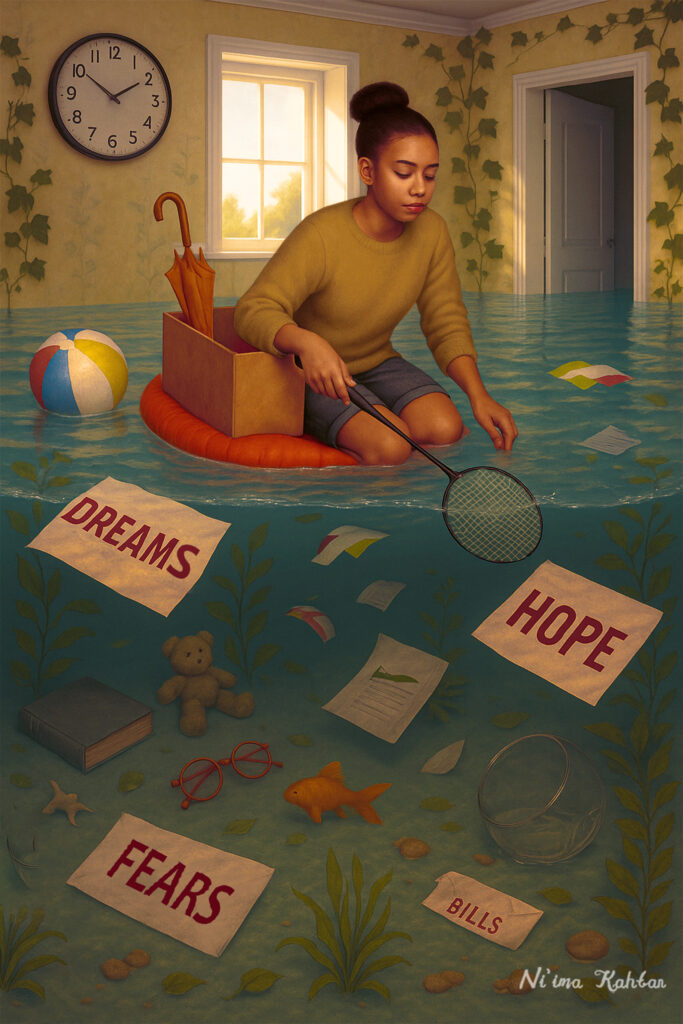
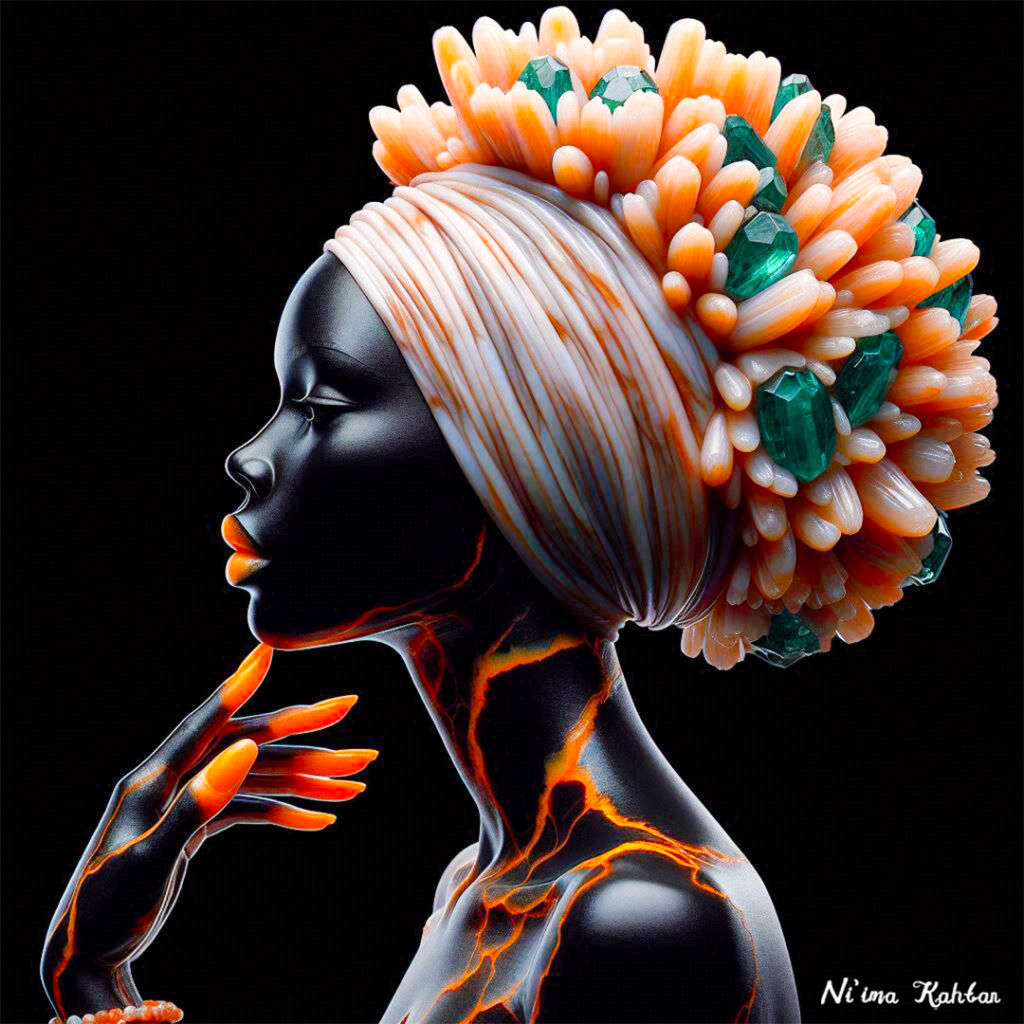
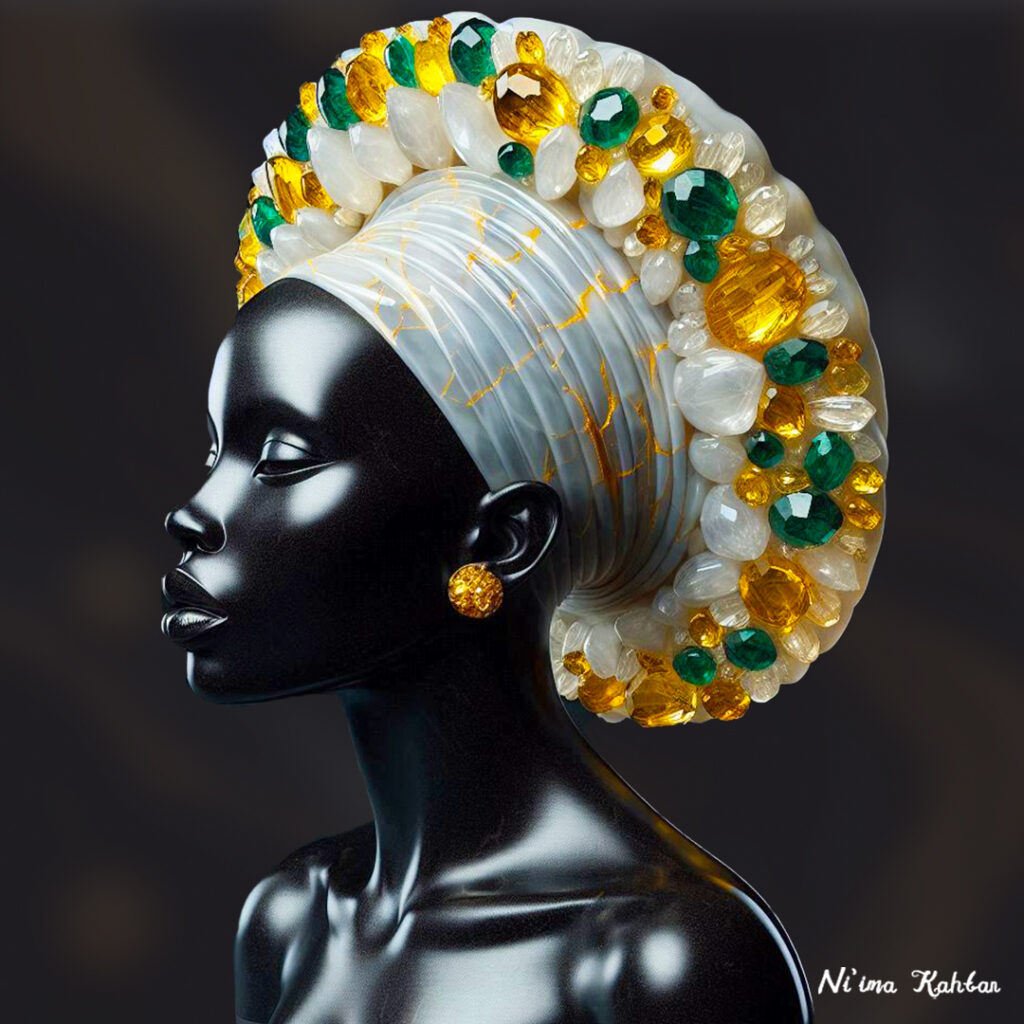
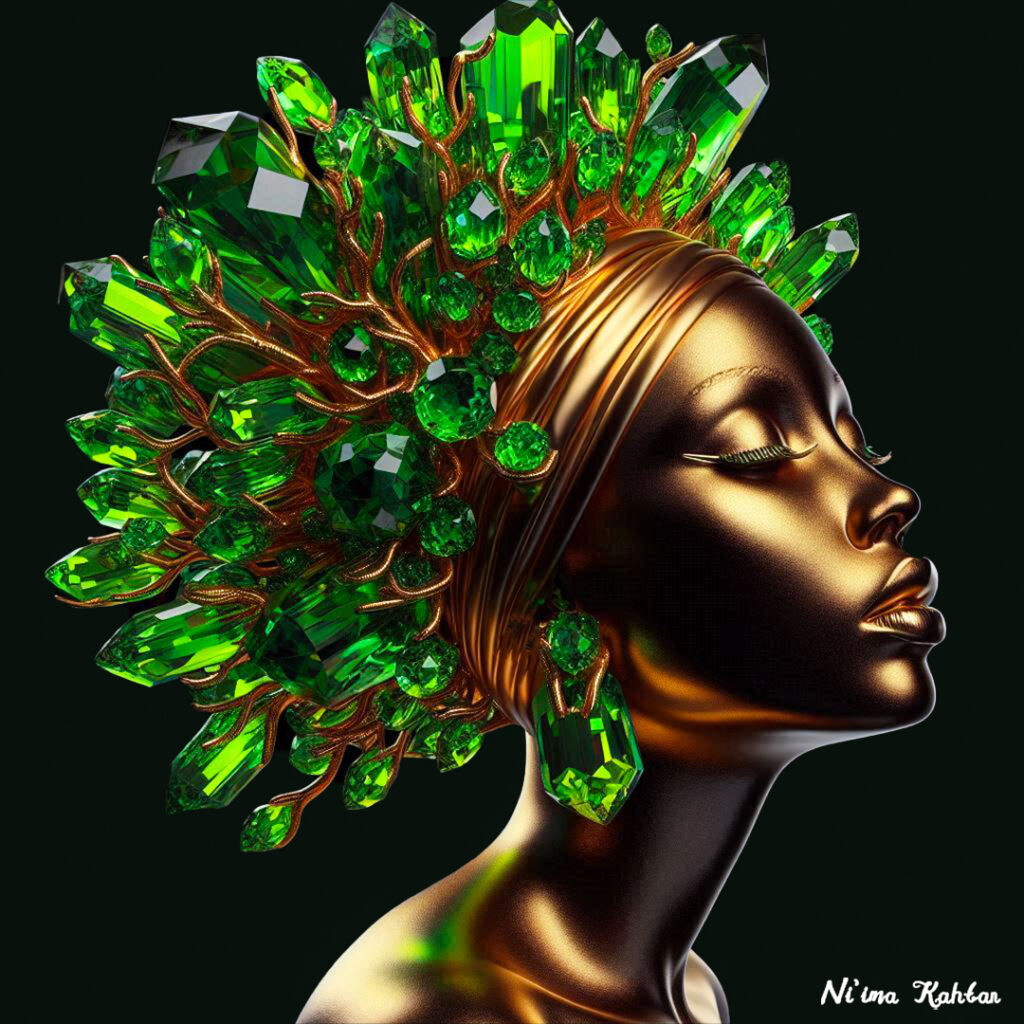
Ni’ima Kahtan Ali: My artistic style blends digital innovation with cultural storytelling using Photoshop and AI. Gemstone-inspired textures reflecting my geology background are a unique hallmark of my work, helping me celebrate Nigerian culture and highlight our natural resources. Beyond this I create powerful digital pieces addressing social change through surreal scenes and symbolic imagery. This combination allows me to craft visually striking art that both honours heritage and inspires meaningful conversations.
FAB: What’s your creative process like from the moment you get an idea to the final piece?
Ni’ima Kahtan Ali: When an idea comes to me, the first step is to identify the core message I want to convey through the art. I write it down and refine it, often using AI to help improve the concept until the message feels fully formed. Next, I describe every detail I want in the piece, paying close attention to colours and overall mood. Thereafter, I sketch my idea on A4 paper. These initial steps give me clarity and direction.
Then I create an AI prompt to generate a digital version of my vision. Since AI often does not get it right the first time, I spend time tweaking the prompt, sometimes for days, which can be frustrating. Once the AI produces an image close to what I envision, I bring it into Photoshop to refine and finalize the piece. This stage involves adding or removing elements to achieve the perfect balance and expression. In conclusion, Photoshop is where everything comes together to complete the artwork.
FAB: What materials and techniques do you enjoy working with the most?
Ni’ima Kahtan Ali: I primarily enjoy working with digital techniques, especially using AI and Photoshop to create my art. Recently, I have been exploring other materials that add more depth and value to my work. One material I particularly enjoy incorporating is gemstones. It is amazing how they transform my pieces and bring a unique texture and richness. While digital creation offers incredible possibilities, it sometimes lacks the tactile connection that traditional art provides. Incorporating physical materials like gemstones helps me build that connection and adds a new dimension to my creative process.
FAB: Is there a specific theme or message that runs through your work?
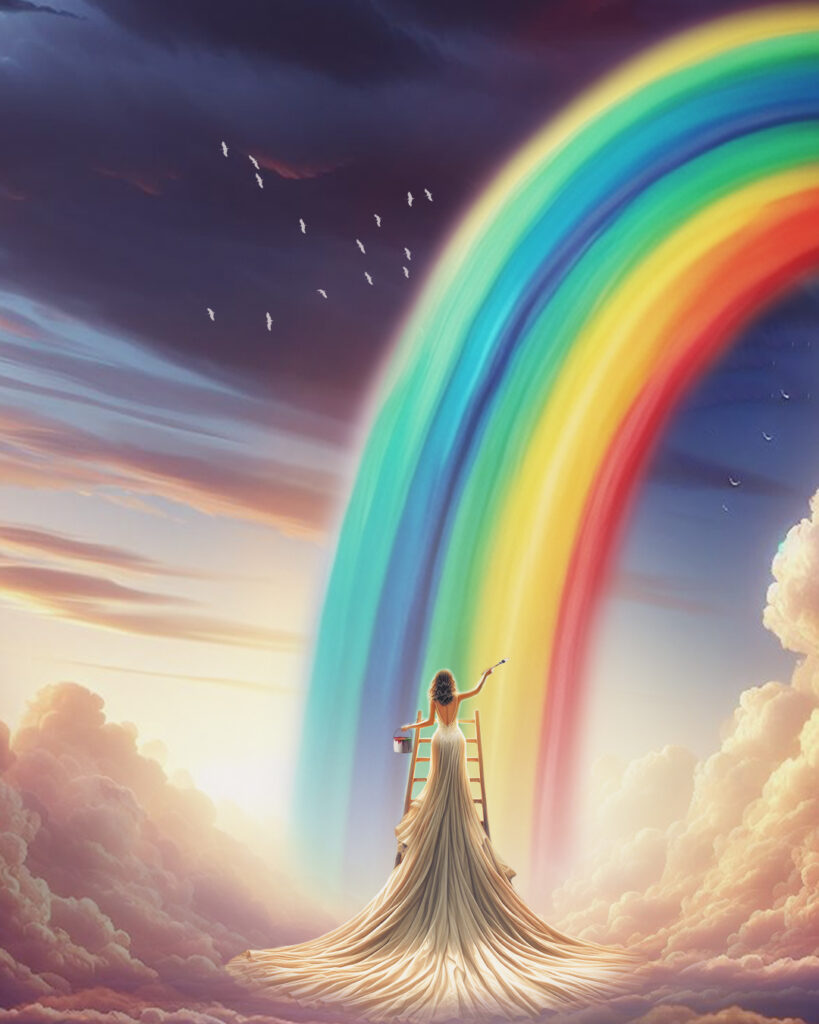
Ni’ima Kahtan Ali: Yes, the theme of hope runs deeply through my work. One of my main objectives is to inspire social change. Through my art, I aim to give people hope and show that positive change is possible.
Challenges and Triumphs as a Nigerian Female Artist
FAB: As a female artist in Nigeria, what challenges have you faced, and how have you overcome them?
Ni’ima Kahtan Ali: Some of the main challenges I have faced include lack of funds to bring ideas to life, limited access to materials, and a small market with few buyers. For example, when I first conceived my gemstone-themed artworks, I had no idea how to realize them due to limited resources. However, with advancements in technology, AI enabled me to bring these ideas to life, removing many of the barriers I faced. Another challenge has been finding the right market for my work. While this is a common struggle for many artists, I am gradually overcoming it by reaching out, collaborating, and building networks to increase the visibility of my art.
FAB: What has been the most rewarding moment in your career so far?
Ni’ima Kahtan Ali: My most rewarding moment so far has been bringing my gemstone artwork to life by incorporating actual gemstones into physical forms of my digital creations. This transformation added depth and texture, making the pieces more visually captivating and meaningful. It was a powerful experience because it allowed me to merge my background in geology with my digital art, creating something truly unique that resonates with viewers.
FAB: Have you ever doubted your abilities as an artist? If so, how did you push through?
Ni’ima Kahtan Ali: Yes, I have doubted myself many times. As an artist who incorporates AI in my work, it can be challenging to feel fully accepted by others and sometimes even by myself because some people do not yet recognise AI-assisted art as genuine artistry.
I overcame these doubts by focusing on constantly improving my skills and creating work that has depth and meaning rather than simply relying on a few prompts without a story behind them. For me, the key is to keep refining my craft and ensuring that every piece reflects intentional creativity and purpose.
FAB: How do you confront the conflict between creating for yourself and meeting market demands or audience demands?
Ni’ima Kahtan Ali: As I build my brand, I am very intentional about my creations. I focus on making art that holds value not only for myself but also for anyone who encounters it. Rather than simply trying to meet market or audience demands, I strive to create meaningful work that resonates on a deeper level, balancing personal expression with broader relevance.
The Future for Ni’ima Kahtan Ali and Nigerian Digital Art
FAB: How would you describe the state of the art scene in Nigeria, particularly for women?
Ni’ima Kahtan Ali: The Nigerian art scene is still evolving, and while there are challenges, opportunities are not restricted by gender. What truly matter are talent and skill. Nigerian women artists have access to the same platforms and opportunities as their male counterparts, and many have made significant strides in gaining recognition both locally and internationally. However, there is always room for greater support, visibility, and appreciation for women artists in the industry.
FAB: What changes would you like to see in how female artists are supported and recognized in Nigeria?
Ni’ima Kahtan Ali: I would like to see more art events that provide exposure for female artists both locally and internationally. There should also be more opportunities for mentorship, where experienced artists can guide and support emerging female talents. Additionally, I would love to see more initiatives that connect female artists with audiences genuinely interested in their work, creating spaces where their creativity is appreciated and valued.
FAB: What role do you think art plays in addressing societal issues, especially those affecting women?
Ni’ima Kahtan Ali: Art is a powerful tool for addressing societal issues because it can communicate complex messages, spark conversations, and inspire change. For issues affecting women, art can amplify voices, highlight struggles, celebrate achievements, and challenge harmful stereotypes. It also creates awareness by visually bringing attention to topics that may be ignored or misunderstood. With many organizations advocating for women’s rights, art can serve as a bridge, connecting these causes with broader audiences and encouraging support, empathy, and action.