
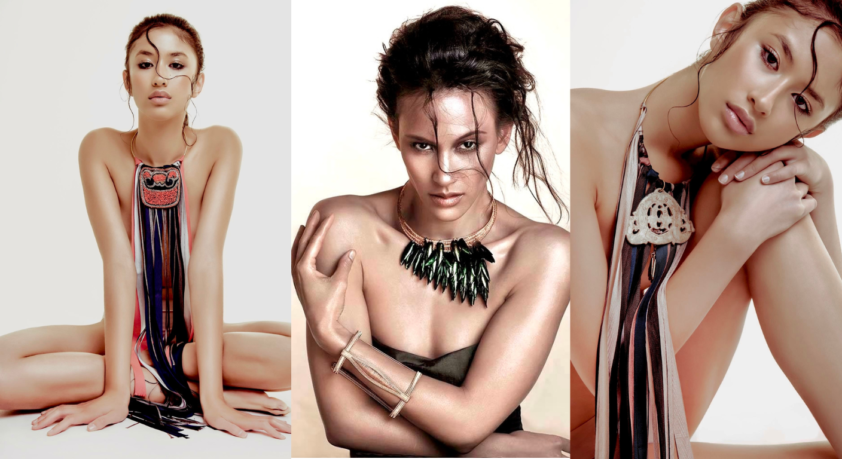
For Austrian jewellery designer Petra Hauser, jewellery has never been just about precious stones or beautiful objects. It is about stories, cultural exchange, craftsmanship, and the intimate relationship between a piece and the person who wears it. In this chat with FAB L’Style Magazine, Hauser shared her journey from a highly disciplined goldsmith apprenticeship to creating one-of-a-kind collections inspired by heritage, travel, and unexpected materials.
The Long Road to Creating Her Own Pieces
Unlike many designers who begin experimenting at a young age, Petra Hauser entered jewellery through a rigorous traditional education. “My training was extremely conservative and technical,” she recalled. “During my two-year apprenticeship as a goldsmith and stone setter, I only worked on practice pieces because of the exclusive nature of the work. My boss, Thomas Stern, was known in the industry as ‘the Professor’ and worked only with precious jewels. It was an excellent education, although the training demanded a great deal of patience before I was finally allowed to become part of the actual production process.”
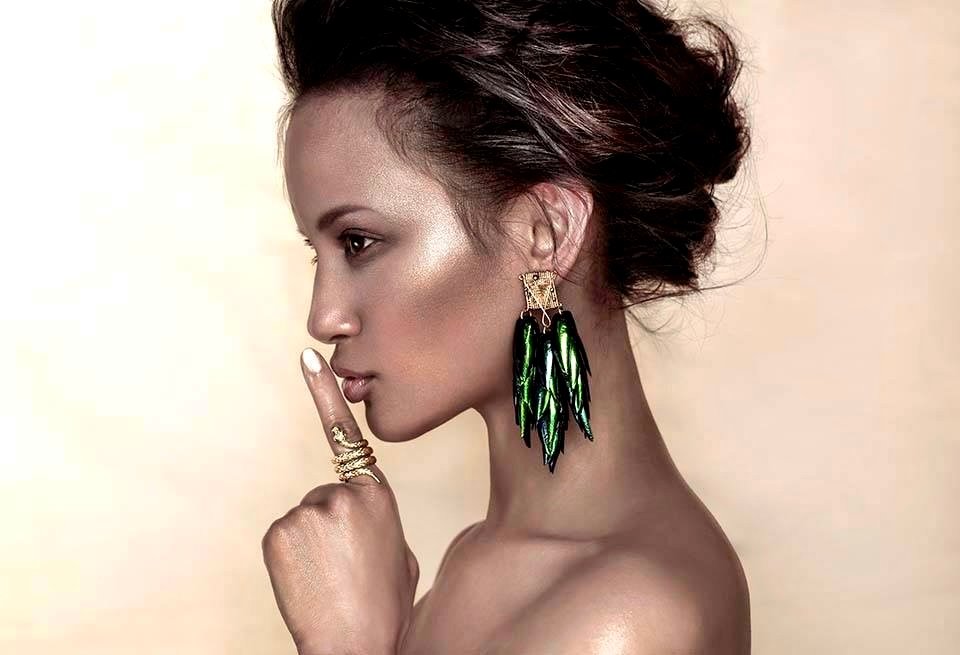
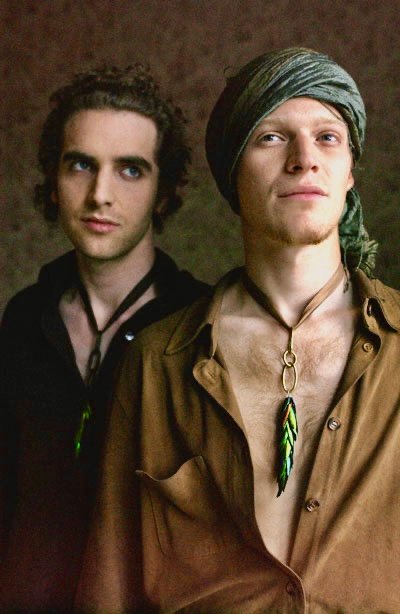
By her early twenties, she had already moved into the high-end jewellery world, managing production, sourcing gemstones, and travelling internationally. Yet the turning point came years later while living in Asia. “I was managing a jewellery factory in Bangkok and designing for international brands,” she said. “At the same time, I started travelling through the jungle and discovered these extraordinary shimmering green beetle wings.” The discovery became the foundation of her first independent collection. “The beetles die naturally, and only the armour remains. Villagers collect the wings the same way people collect shells on a beach. I realised the wings were a beautiful recycled material. The game changer for me was selling my beetle wing collection after VOGUE GIOIELLO published a feature about my work in 2006.
Ahead of Her Time
Today, sustainable materials and unconventional design elements are celebrated across fashion and jewellery. In the early 2000s, however, Hauser’s vision was met with hesitation. “When I returned to Vienna after living in Asia, it was a culture shock,” she admitted. “People liked the beetle wing pieces, but many didn’t dare to wear them themselves.”
To introduce the collection, she paired it with traditional Austrian Tracht and collaborated on shoots featuring heritage-inspired fashion. “My first collections were deeply connected to Austrian costume culture. I additionally started collaborating with the artist Marianne Cornelius, who specialises in the Soumak hand-weaving technique. Together, we created the Cochine Cornelius beetle wing collection. But I never wanted the work to remain in a niche. I wanted people to wear it in everyday life.”
Slowly, attitudes began to shift. “It was always wonderful to see someone appreciate the pieces. At first, people only wore them to special events or celebrations. I wore them casually, but customers needed time to see them that way.”
Creating Through Cultural Conversation
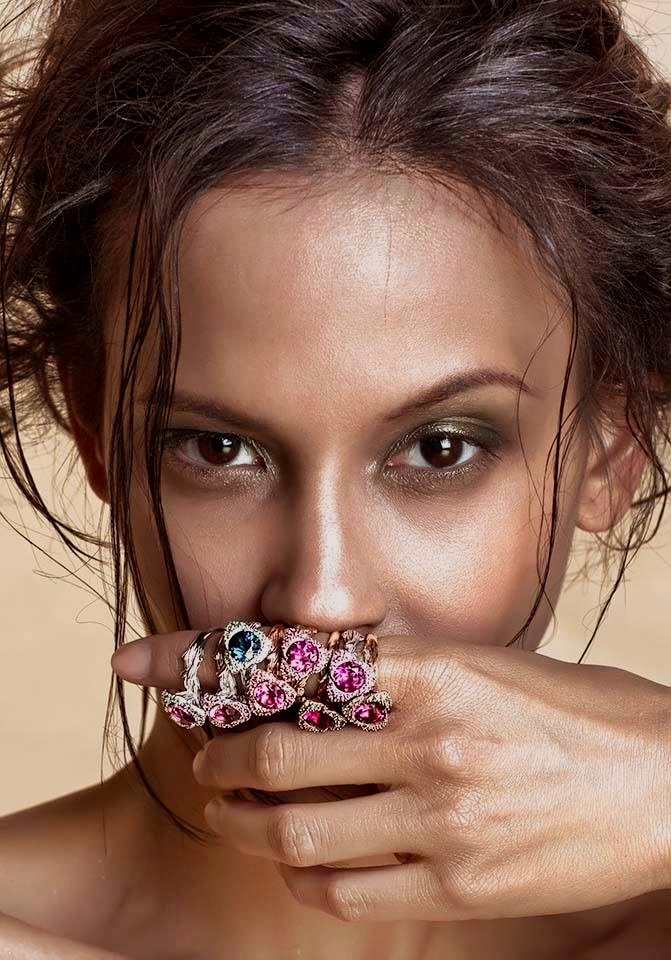
At the heart of Hauser’s work is a fascination with combining elements from different places, cultures, and periods. “My greatest strength is bringing together objects from different heritage cultures, different countries, and different time periods to create something completely new,” she explained. “I find it fascinating to see how people interpret and wear those combinations.”
For Petra Hauser, jewellery is far more than an object of adornment. “For me, jewellery becomes a dialogue between cultures, times, and human stories,” she said. “By bringing together objects from different origins, I create pieces that celebrate both individuality and our shared humanity.”
Her creative process is driven by constant discovery. “I am constantly searching for unusual materials, and sometimes the materials seem to find me,” she explained. “I discovered beautiful scarab-shaped cabochons from the 1980s, which I now use in my beetle wing collection. Also, I love transforming classic and conservative jewellery into something unexpected and contemporary, for example, by combining traditional pearl necklaces with antique bronze elements from the Naga culture in India.”
“My designs often combine elements from completely different epochs and cultures. I may use antique bronze elements from Mali together with Victorian jewellery components, creating unexpected connections between histories, materials, and traditions. Through these combinations, I express my perspective as a world traveller and as someone who believes that, beneath cultural differences, we are all deeply connected. No matter where we come from, people have always shared similar desires — the desire for beauty, art, identity, emotion, and a meaningful life.”
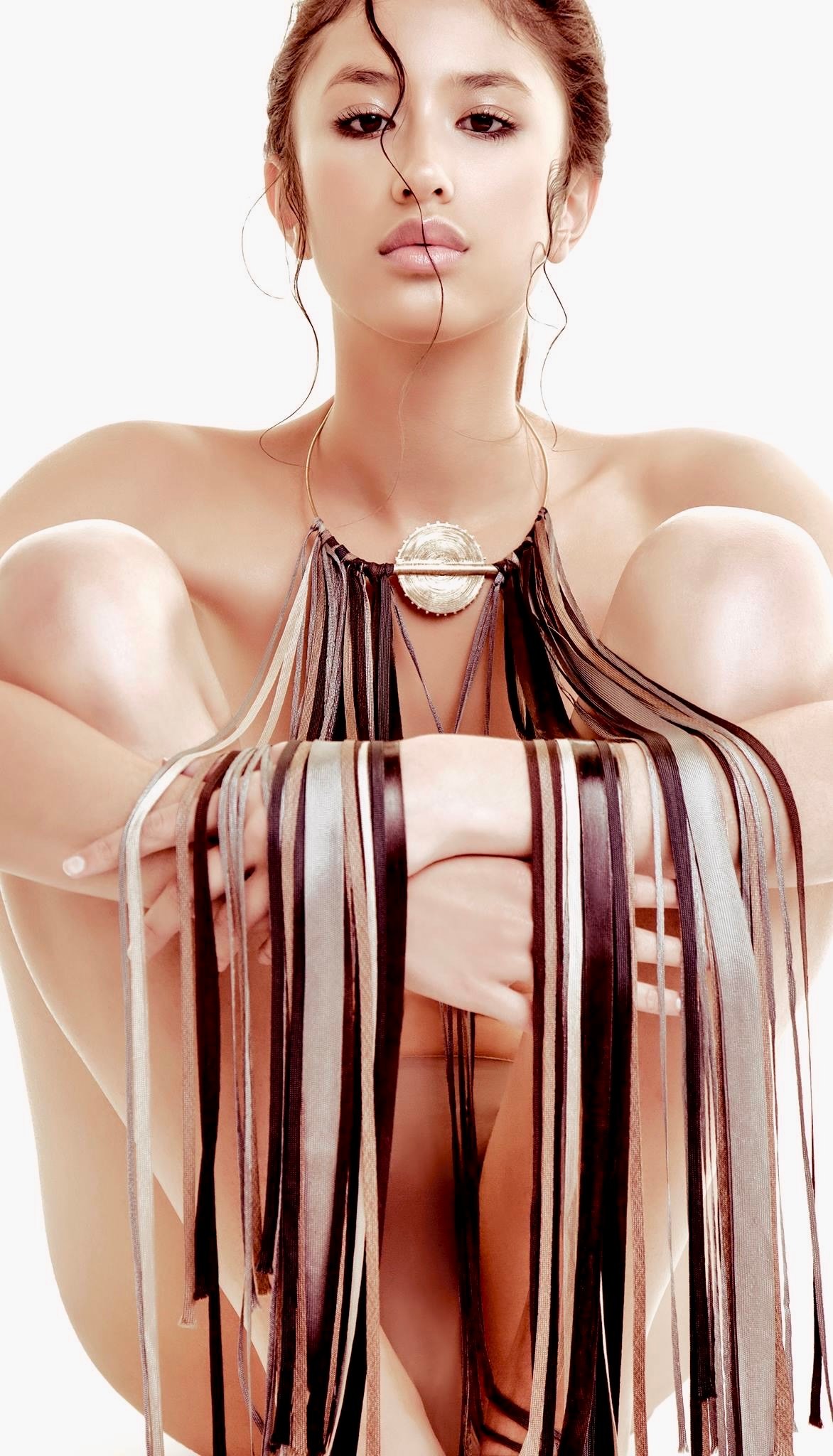
That philosophy continues across her collections. One of her most distinctive creations is her “neck dress” concept, developed after designing jewellery for a couture presentation held inside Vienna’s Peterskirche. “The lighting wasn’t ideal, so I needed larger pieces that could really be seen,” she said. “That led me to create these flowing jewellery pieces that move over the body almost like garments.” The pieces combine ethnic ornaments from Africa, Asia, and Europe with vintage textiles.
The Stories Behind the Work
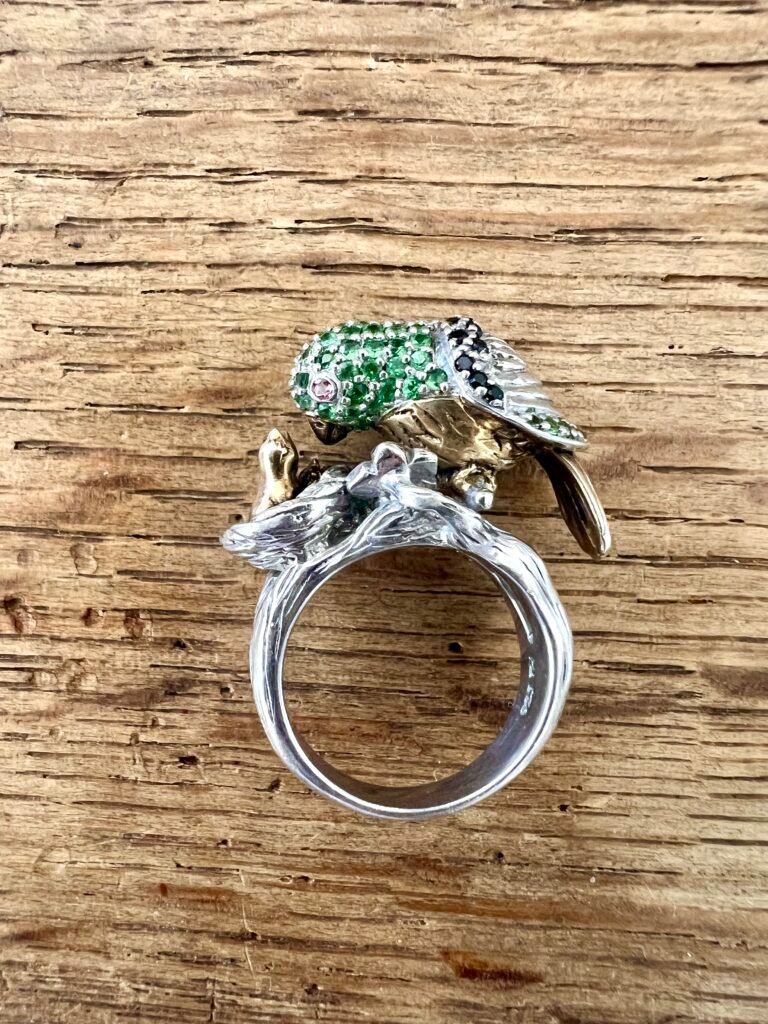
“What I enjoy most is giving new life and elegance to objects that may have been forgotten or overlooked,” she said. “I love assembling unexpected materials and creating a new story from them. I also produced a vintage-inspired collection using thousands of antique chandelier glass beads combined with old gold braids and coloured stones that I discovered at antique dealers’ markets. This way of combining history, craftsmanship, recycling, and fashion has become one of my greatest strengths as a designer.”
Long before sustainability became fashionable, she was already building her collections around reuse and reinvention. “Today, when sustainability and climate awareness are becoming increasingly important, I feel even more connected to this philosophy,” she said. “For me, creativity is also about respecting resources, preserving beauty, and reimagining what already exists in a new and meaningful way.”
Jewellery and Human Connection
When asked whether she is more fascinated by jewellery itself or the people connected to it, Hauser rejected the idea that the two can be separated. “There isn’t a division between the piece and the person,” she said. “For me, it is always a shared connection.” Because she creates mostly one-of-a-kind works, letting go of certain pieces can be surprisingly emotional. “Sometimes I want to keep them,” she laughed. “When you make something yourself and invest so much of your energy into it, there is naturally an attachment.”
Yet seeing someone connect with a design remains one of the most rewarding aspects of her work. “The people who are drawn to my jewellery are often very interesting personalities. When someone falls in love with a piece and takes it home, it feels like a compliment not only to the work but also to everything behind it.”
Why She Doesn’t Have a Favourite Stone
After decades in the jewellery industry, Petra Hauser has handled some of the world’s most extraordinary gemstones. Surprisingly, she refuses to choose a favourite. “I’ve seen beautiful untreated rubies and sapphires in Myanmar. I’ve worked with huge emeralds and many rare stones throughout my career,” she said. “I honestly cannot choose one.”
Instead, her inspiration comes from different places depending on the collection. “Sometimes it starts with a drawing. Other times it starts with an ornament or an object I discover. Then the conversation between materials begins.” She is particularly careful about respecting the origins of the cultural elements she incorporates. “If I use an ornament from another culture or historical period, I always acknowledge it. I’m proud of combining cultures, but I also respect where those pieces come from.”
The Most Challenging Piece She Ever Created
One of the most technically demanding projects of Hauser’s career involved a collection of flower brooches created for an exhibition in Paris. “They were life-sized flowers,” she explained. “A tulip, a rose, a Casablanca lily, and another bloom. I designed them in white gold with pink sapphires, green garnets, diamonds, and sapphires.”
The process required extraordinary precision. “At the time, everything was done very traditionally. You had to cast the forms, set every stone, and oversee every stage of production.” Seeing the finished pieces remains one of her proudest memories. “When I finally held them in my hands, it was incredible. They felt like museum pieces.”
The Reality of Handmade Luxury
As an independent designer, Petra Hauser believes the people who seek out handmade jewellery generally understand the value behind it. “I serve a niche,” she said. “The people who come to me appreciate craftsmanship and artistic work.” Still, she recognises the economic realities facing many consumers. “There are people who absolutely adore a piece but simply cannot afford it, and I completely understand that. The middle class faces real challenges today.” For her, success has never been about designing to please everyone. “I don’t need to design for everybody. The right clients are the people who genuinely connect with my design language and style.
Jewellery as Self-Expression
Perhaps nowhere is Petra Hauser more passionate than when discussing jewellery’s role in personal identity. “Jewellery plays a huge role in how people express themselves,” she said. She believes a single piece can completely transform an outfit. “You can wear a conservative outfit and add an artistic necklace, and suddenly everything changes. Or you can wear jeans and a simple shirt, and the jewellery elevates the whole look. “More importantly, jewellery often becomes deeply personal. “I designed a ring using a stone that belonged to my grandmother. I never take it off.”
For Hauser, that emotional connection is what makes jewellery so powerful. “Jewellery is where you can truly express your personality and individuality,” she said. “It doesn’t have to be expensive. If you have an eye for things, you can create your own identity through what you wear.”
Trends Come and Go, Identity Remains
While she sees growing interest in layered styling, organic forms, oversized stones, insects, florals, and nature-inspired motifs, Petra Hauser remains sceptical about chasing trends. “Jewellery should always be timeless,” she said. “For me, it is a personal statement, not a trend you follow.” That philosophy extends to business as well. “The biggest lesson entrepreneurship taught me is to stay true to your own ideas,” she reflected. “If you constantly follow what everyone else is doing, you lose your identity.”
Although social media and changing markets have transformed the industry, she remains committed to authenticity. “Sometimes it’s better to grow slowly than move in a direction that doesn’t feel right.”
Living Her Art Every Day
Asked which piece she wears most often, Petra Hauser pointed to one of her signature necklace designs. “It expresses who I am,” she said. “It’s elegant, artistic, and represents everything I do.” And when forced to choose between gold and silver? She answered without hesitation. “Gold.”
Picture Credits:
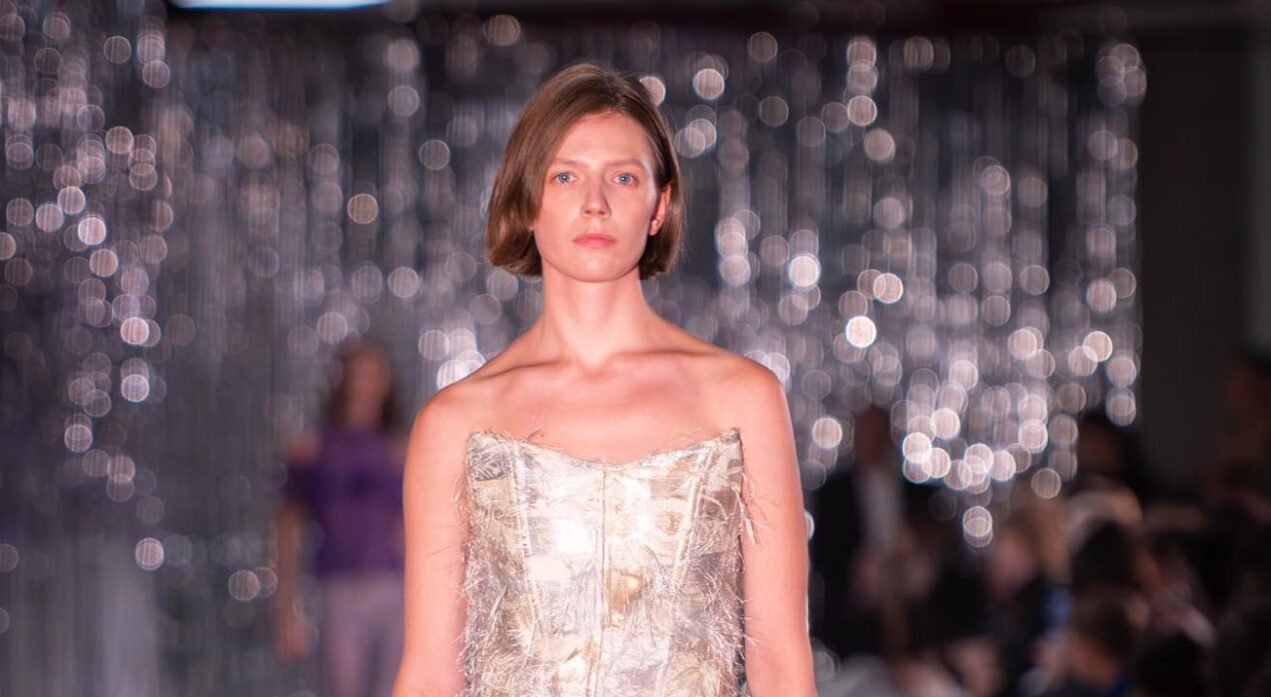
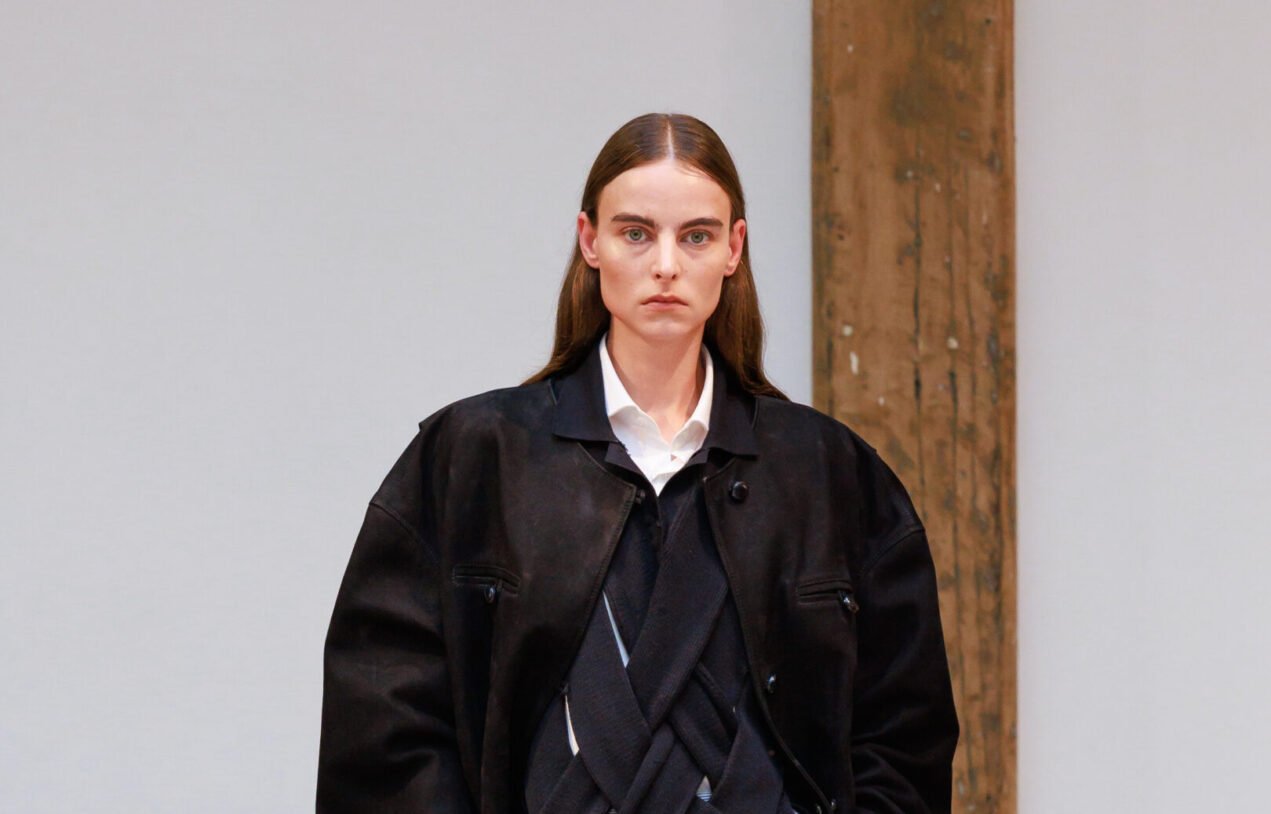
Photographer: Isabella Abel | Model: Aila