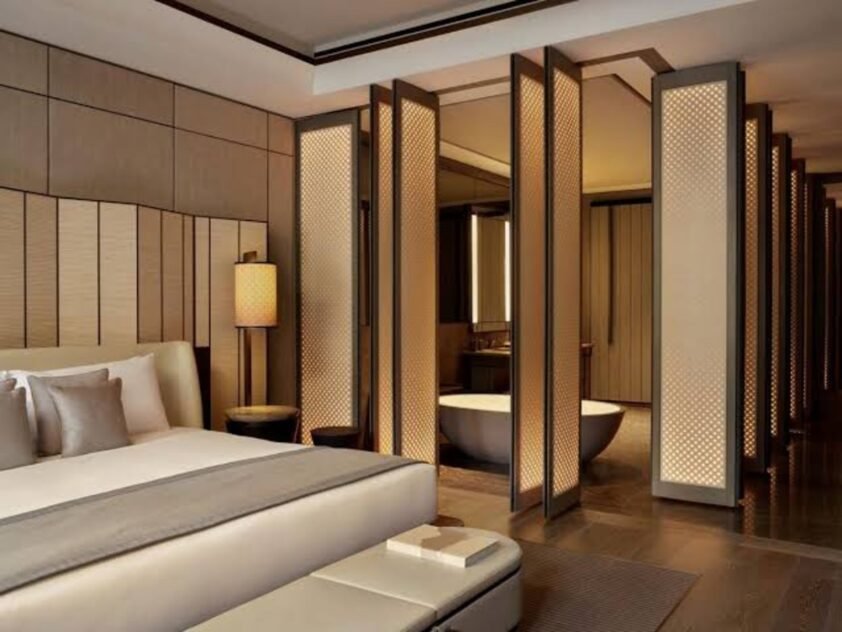
Luxury travel is taking a more personal direction. From sleep programmes and circadian-friendly environments to health diagnostics and recovery therapies, affluent travellers are increasingly choosing holidays that promise more than a change of scenery. They want to return home feeling better.
A holiday has traditionally offered an opportunity to step away from work, explore somewhere unfamiliar and enjoy a different pace of life. For some travellers, however, a few days beside a swimming pool or in a beautiful hotel room no longer feels like enough.
They want to sleep better. They want to recover from exhaustion, understand their health and return to their routines with more energy. Increasingly, they are choosing destinations that make these objectives part of the travel experience.
This is where sleep tourism and bio-hacking enter the luxury hospitality conversation. The shift reflects a wider interest in intentional travel, where the purpose of a journey extends beyond leisure. According to the Global Wellness Institute’s 2026 Wellness Tourism Initiative, deep rest, nervous system recovery, urban wellness and longevity travel are among the developments shaping the sector. Its Sleep Initiative also identifies sleep tourism as one of the fastest-growing segments of the global wellness economy.
When sleep becomes the destination
The idea behind sleep tourism is straightforward. Rather than treating sleep as something that happens between holiday activities, hospitality providers are designing experiences around helping guests achieve better rest.
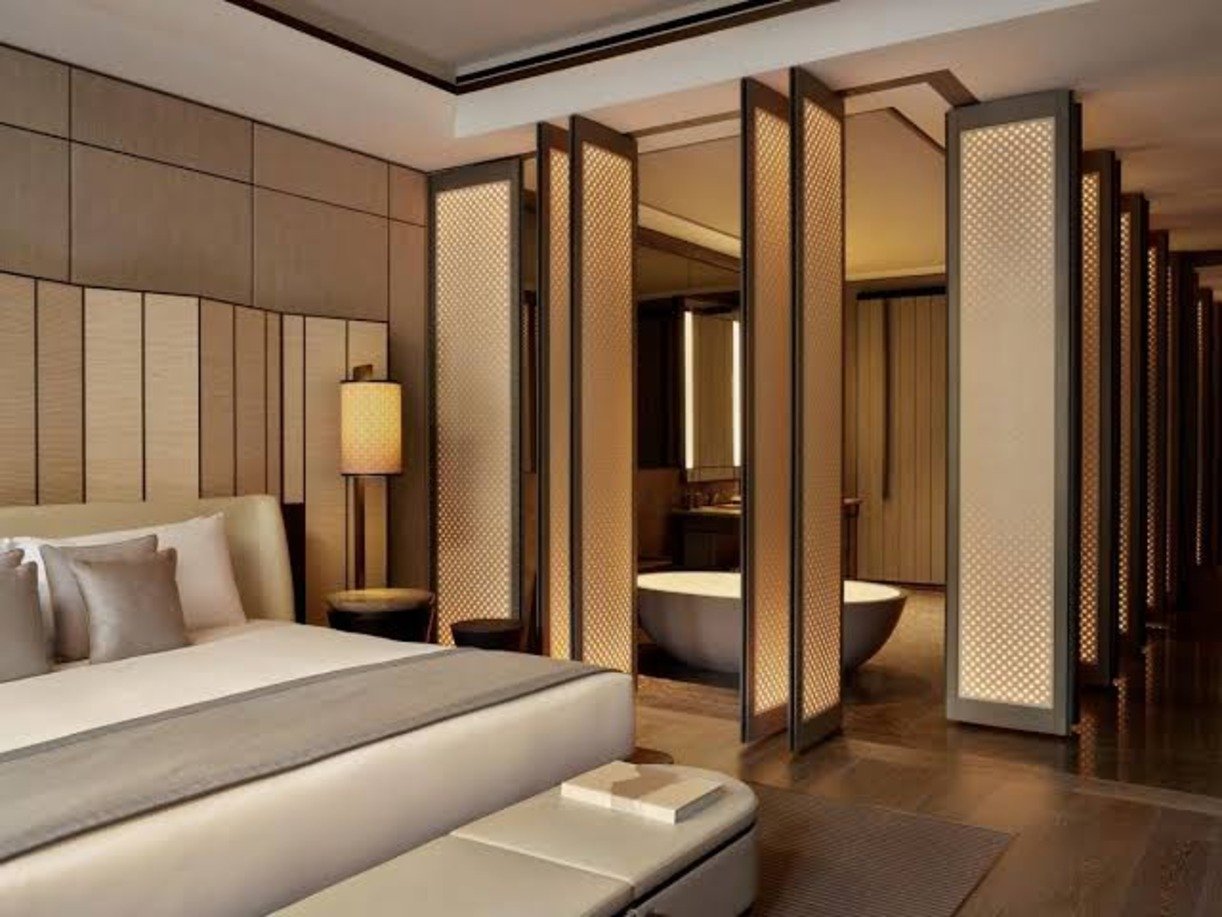
This goes beyond offering a comfortable mattress or a selection of pillows. Some properties now incorporate specialised bedding, sound management, temperature control, circadian lighting, sleep consultations and guided evening routines. The aim is to create an environment that supports the body’s natural sleep-wake cycle.
The Global Wellness Institute’s 2026 Sleep Initiative, led by Allison Howard, founder and CEO of Nollapelli, and JD Velilla, founder of Designing Sleep, highlights this transition. Its report identifies a movement towards sleep by design, in which bedroom temperature, light exposure, air quality, noise and bedding are treated as important parts of the sleep experience.
The development is particularly relevant to frequent travellers. Long flights, changing time zones, demanding schedules and constant digital communication can interfere with established sleeping patterns.
Properties such as Kamalaya Wellness Sanctuary have responded with dedicated sleep-enhancement programmes. Their approach combines wellness consultations, relaxation practices and treatments designed to support better rest. The attraction is not simply sleeping in an expensive room. It is having the conditions and support to develop better habits that can continue after the journey.
Recommended For You
Bio-hacking moves into hospitality
Alongside sleep tourism is the growing interest in bio-hacking. The term describes approaches that use lifestyle changes, technology and, in some cases, health data to influence aspects of human performance and wellbeing. In luxury hospitality, this can include health assessments, metabolic health programmes, movement analysis, cold-water immersion, sauna experiences and other recovery treatments.
The Global Wellness Institute identifies urban recovery travel as a notable 2026 development. Its research describes shorter wellness breaks that combine diagnostics, recovery technology, movement, nutrition and relaxation. Bio-hacking, once associated with a relatively small group of health enthusiasts, is becoming a more visible part of the travel experience.
One example is RAKxa Integrative Wellness, which combines health assessments, personalised programmes and wellness treatments within a hospitality setting.
At the more clinical end of the market, SHA Wellness Clinic offers medical and wellness programmes that address health, nutrition and longevity. These establishments illustrate how hospitality and health services are increasingly being brought together.
However, the distinction between wellness and medicine remains important. Not every treatment marketed as bio-hacking has strong clinical evidence behind it. Recovery experiences may support relaxation and physical comfort, but they should not be presented as substitutes for medical diagnosis or treatment.
The most credible retreats are therefore likely to be those that explain their methods, employ qualified professionals and distinguish measurable health outcomes from marketing promises.
The business of returning home better
The commercial opportunity is becoming clearer. BookRetreats.com’s State of Retreats 2026 report, published in October, surveyed more than 1,000 American travellers. It found that 64 per cent had a retreat planned within the following 12 months. Rest and relaxation were the leading motivations, while mental wellbeing and burnout recovery were also important considerations.
These findings suggest that travellers are assigning greater value to experiences that address how they feel, not only where they go.
For luxury operators, this creates an opportunity to develop more specialised programmes. A guest may arrive for a short sleep reset, a longer longevity assessment or a recovery-focused stay. Each experience requires a different combination of accommodation, professional expertise and follow-up support.
The challenge is making the benefits meaningful beyond the property itself. A week of carefully managed sleep means little if a guest returns home to the same habits without any guidance on maintaining progress.
This is why personalised consultations, realistic recommendations and continued support are becoming important parts of the offering.
A more considered definition of luxury
Perhaps the most interesting change is the way luxury itself is being understood. For years, hospitality excellence was closely associated with beautiful surroundings, exceptional dining and attentive service. Those qualities remain important. But they are increasingly being accompanied by another expectation: that a stay should contribute something to the guest’s wellbeing.
Not every traveller needs a diagnostic assessment or a programme of recovery treatments. Sometimes, a quiet room, a consistent sleeping schedule and time away from digital distractions are enough to make a difference.
The future of luxury wellbeing may depend on understanding that distinction. The best retreat will not necessarily be the one with the most technology or the longest treatment menu. It will be the one that understands what its guest needs and provides credible support to achieve it.