As the meaning of luxury shifts from visible extravagance to personal freedom, affluent travellers are finding a different kind of indulgence in private residences, secluded estates and hospitality that knows when to step back.
There was a time when the address of a hotel said almost everything about a holiday. The name above the entrance, the marble lobby, the view from the penthouse and the attentiveness of its staff were all part of the experience. A reservation at a recognised five-star property carried its own kind of distinction. It was luxury that could be seen, recognised and, occasionally, photographed.
That idea is becoming more complicated. For a growing segment of affluent travellers, the appeal of a luxury holiday is no longer measured only by the quality of its facilities or the reputation of its hotel. It is also about what they can avoid. The crowded breakfast room, the familiar faces in the lobby, the shared swimming pool and the possibility of having their movements noticed have become considerations in the accommodation decision.
Increasingly, the preference is for somewhere that feels entirely their own. This is the thinking behind what the hospitality industry is beginning to describe as hushpitality. The term captures a particular expression of quiet luxury in travel: exceptional accommodation, highly personalised service and the freedom to enjoy an experience without unnecessary attention. It is not an established hospitality classification, but it offers a useful description of a changing luxury consumer mindset. And the private villa is becoming one of its most appealing expressions.
When privacy becomes the ultimate amenity
The movement has a measurable foundation. McKinsey’s May 2024 study, Updating Perceptions About Today’s Luxury Traveller, surveyed more than 5,000 luxury travellers across five markets. Its findings distinguished between different levels of affluence and their expectations. High-net-worth individuals showed a preference for privacy and exclusivity, while ultra-high-net-worth individuals were more likely to seek remote destinations, personalised service and quiet luxury.
For travellers at the highest end of the market, the value of an experience increasingly lies in how well it accommodates their personal preferences rather than how recognisable its brand might be.
More recent research reinforces the point. Capital One Travel’s 2026 Luxury Trendcast, based on a survey of 3,100 American luxury travellers, found that 86 per cent prioritised privacy and seclusion when choosing accommodation. Another 83 per cent identified exclusivity of access as an important consideration. When choosing a vacation or house rental specifically, 45 per cent looked for spaces offering greater privacy.
These findings do not suggest that luxury hotels have lost their appeal. Rather, they reveal that privacy has become an important part of the value proposition.
For someone whose professional life involves constant visibility, public appearances and extensive social interaction, the opportunity to spend a week without having to share personal space with strangers can be particularly attractive. The holiday becomes less about being somewhere impressive and more about having the freedom to enjoy it privately.
The villa as a private world
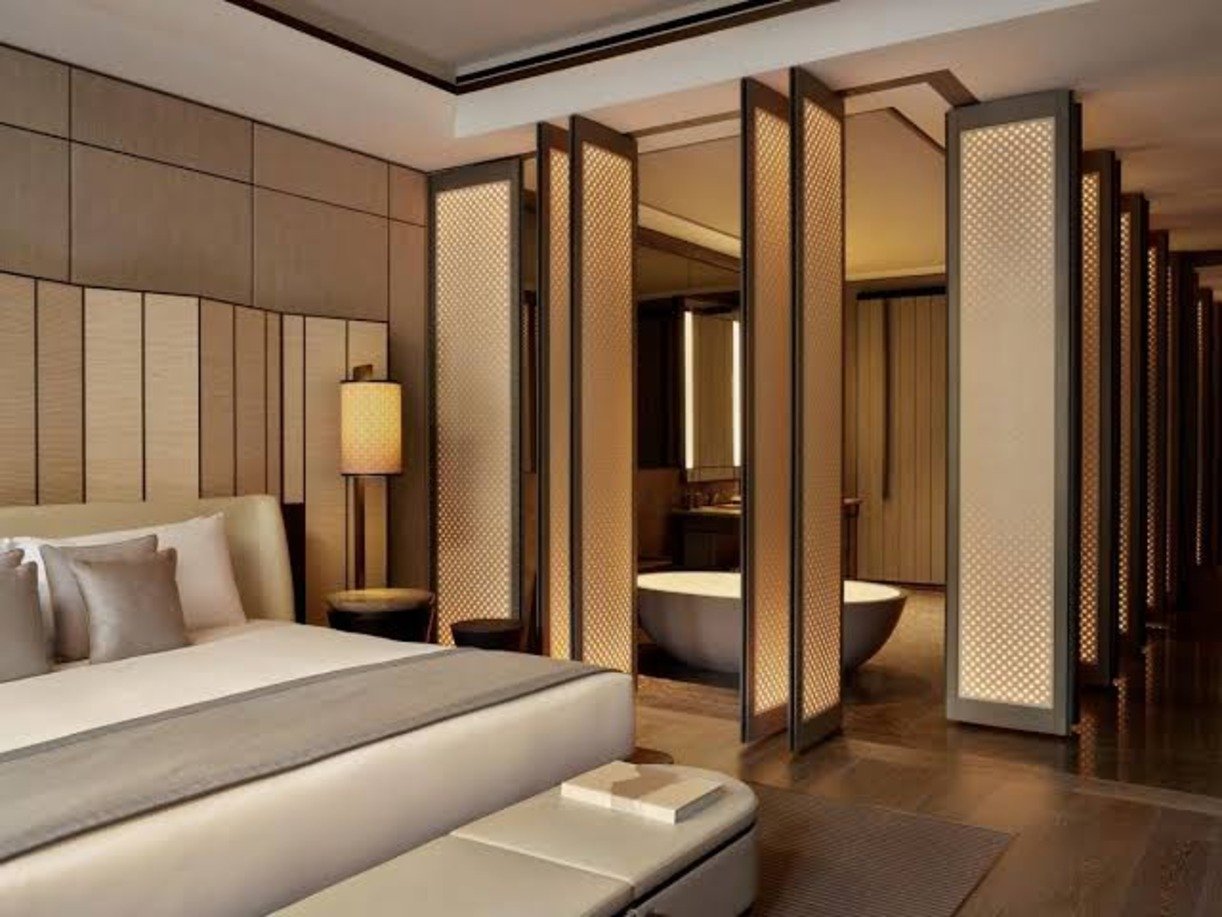
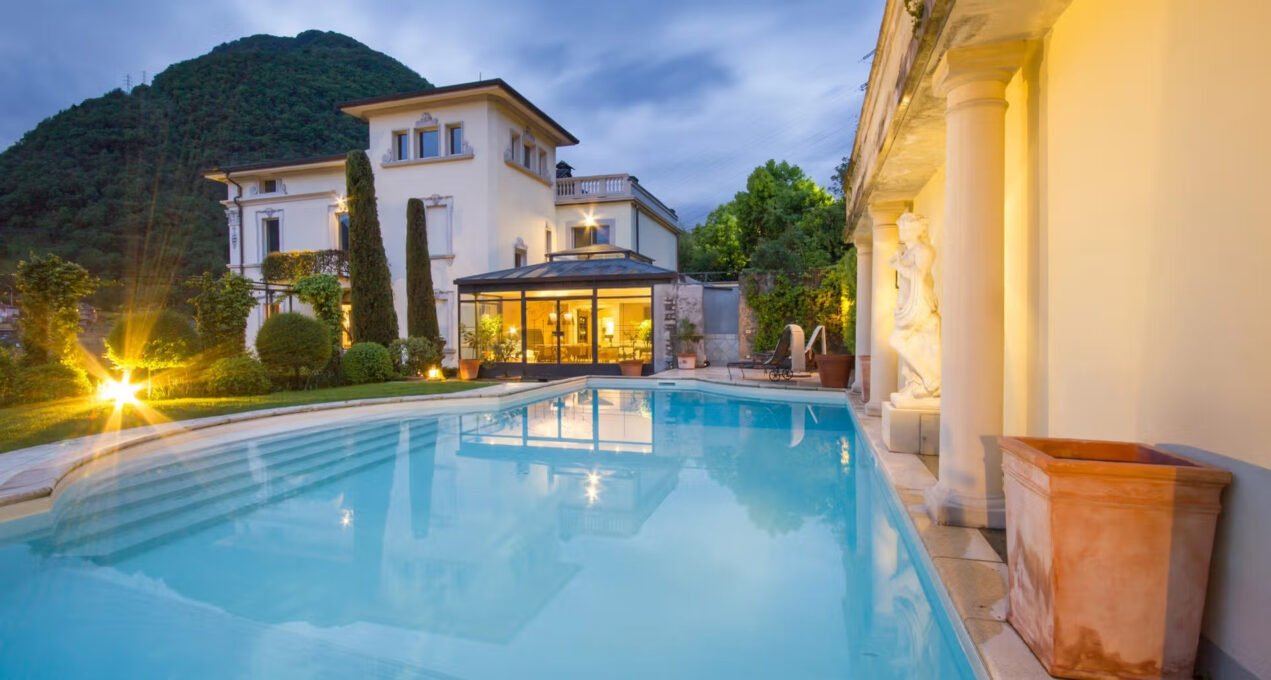
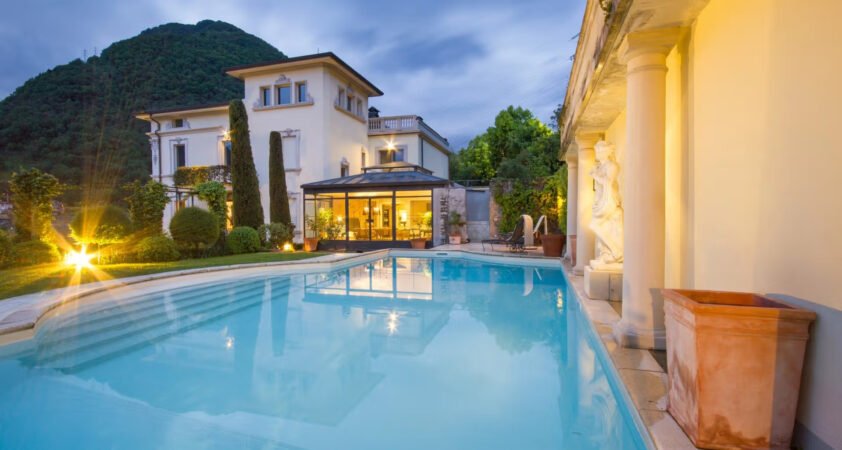
A luxury villa offers something that even an exceptional hotel suite can struggle to replicate: an entire environment organised around its occupants.
There is room for family members to spend time together without sacrificing individual space. Meals can follow personal schedules. A private chef can prepare dishes according to specific preferences, while housekeeping, wellness treatments and concierge arrangements take place without interrupting the rhythm of the stay.
For multigenerational families, this arrangement has an additional appeal. Grandparents, children, relatives and close friends can share a property rather than occupy separate hotel rooms across different floors. The experience feels more like living together in a beautiful home than checking into an accommodation facility.
The commercial market is responding to this preference. In its July 2025 report for Forbes, journalist Jennifer Leigh Parker examined how affluent American travellers were increasingly choosing private vacation homes over traditional luxury hotels. Space and privacy were central considerations, alongside expectations of private chefs, concierge support, housekeeping and in-villa wellness services.
The hotel industry is also adapting. Established hospitality groups are expanding their private residence offerings, bringing hotel management, service standards and operational support into standalone properties.
Daria Guristrimba, writing for Hospitality Net in October 2026, describes this development as an important part of the changing relationship between privacy and personalisation. She notes that affluent clients increasingly want the independence of a private residence without losing the reliability associated with established hotel operators. The appeal is not necessarily to dispense with hospitality. It is to experience it without the usual public setting.
The art of being looked after without being watched
Perhaps the most interesting dimension of hushpitality is the changing meaning of good service. Luxury hotels have traditionally distinguished themselves through recognition. Staff remember a returning guest’s preferred drink, favourite table or usual breakfast order. Personalisation has been an important measure of hospitality excellence.
But there is a point at which recognition can become uncomfortable. In her October 2026 article, Guristrimba argues that some ultra-high-net-worth travellers are becoming more conscious of how hotels collect, retain and use personal information. She recounts instances where outdated guest records and inappropriate personalised communications created problems rather than convenience.
Her argument raises a question for the industry: how much should a hospitality provider know about its guests, and how much information should it retain? The answer may be found in a more restrained approach to service. A good host understands what a guest needs without making the guest constantly aware of being attended to. Staff are available when required, but do not impose themselves on every moment.
This is where private hospitality has an advantage. A carefully managed residence can provide a dedicated team while allowing guests to determine the level of interaction they want. Privacy, in this context, extends beyond physical separation. It includes discretion, data protection and control over personal space.
Recommended For You
A different measure of exclusivity
The broader luxury travel market is also moving towards more personal experiences. Virtuoso’s 2026 Luxe Report, based on contributions from more than 2,400 travel advisers across over 50 countries, identifies privacy as one of the five leading ultraluxury travel experiences. The report also identifies family travel, multigenerational holidays, authenticity and cultural immersion among the major travel trends for 2026.
This suggests that the private villa is not simply a place to withdraw from the world. It can also provide a setting for more meaningful engagement with it. Guests can arrange private cultural visits, locally sourced dining experiences, guided excursions and activities that reflect their interests, returning afterwards to an environment away from the crowds.
However, private hospitality is not without its considerations. A secluded property must still provide dependable security, competent staff, reliable transport, maintenance and access to essential services. Without these, privacy can quickly become inconvenience. Nor does every traveller want isolation. Some continue to value the social atmosphere, restaurants and spontaneous encounters that make a good hotel stay memorable.
The choice is therefore not between hotels and villas as competing definitions of luxury. It is between different ways of experiencing hospitality. What is changing is the expectation that a luxury experience should be designed around the guest, rather than the guest having to adapt to the institution.
For the hospitality industry, this presents an opportunity to reconsider what exceptional service looks like. For travellers, it offers a more personal understanding of exclusivity.
Perhaps the greatest luxury is no longer having the best room in the hotel, or being recognised by everyone who works there. It is having a place where everything has been considered, nothing feels forced and the world can wait until you are ready to return.