
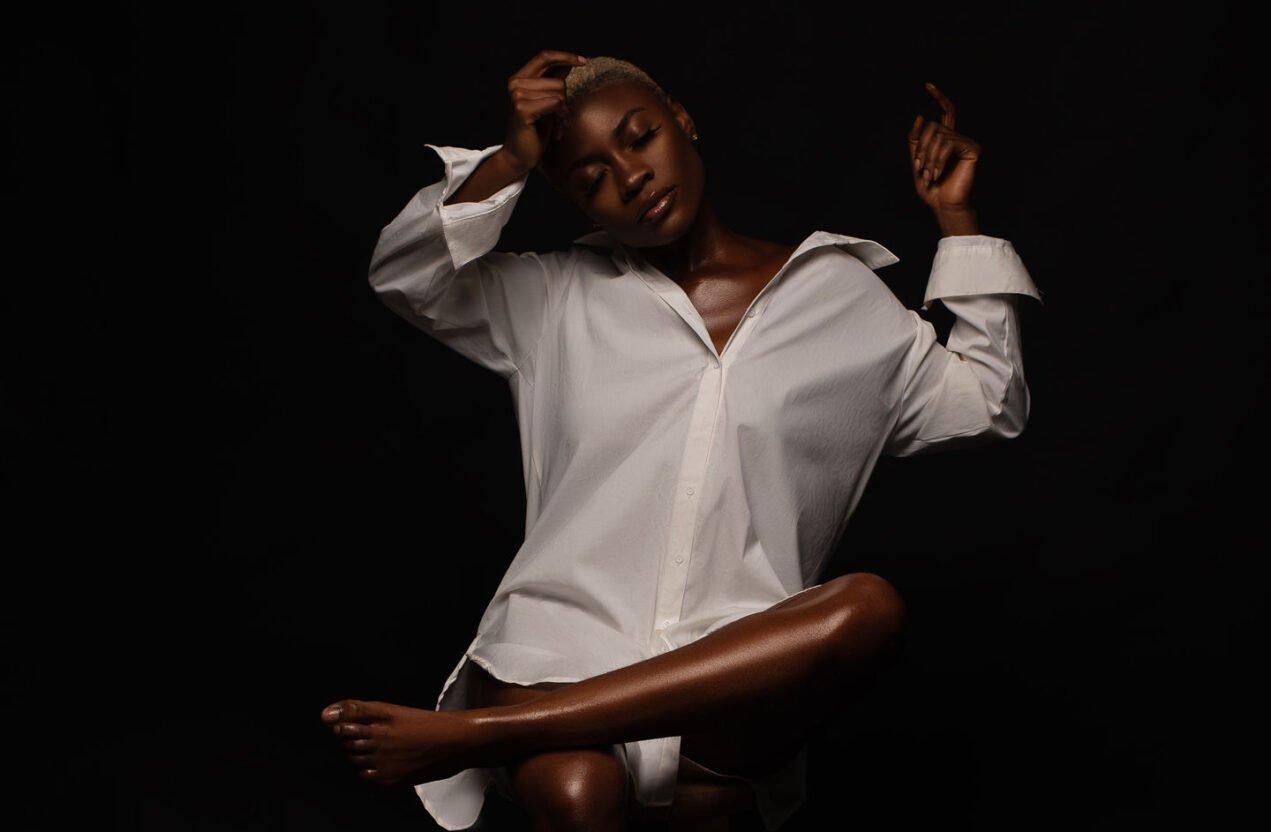


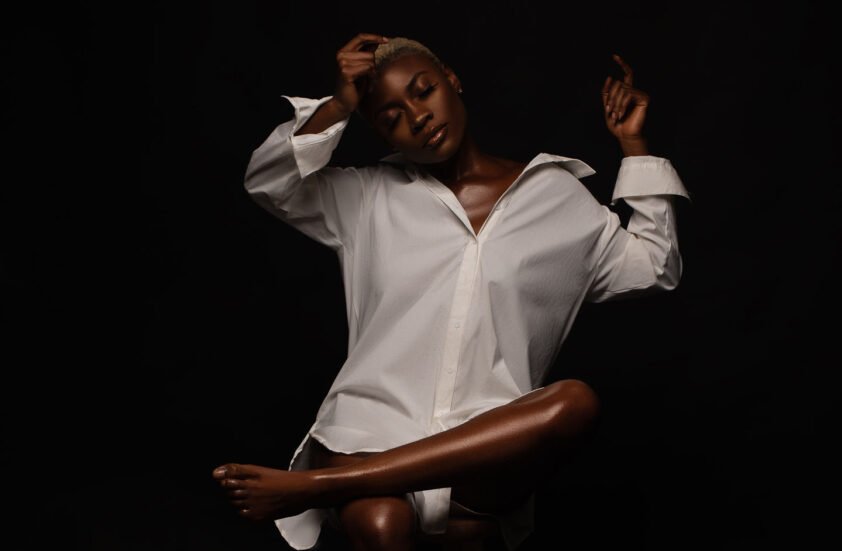
A dance can travel around the world before anyone thinks to ask who created it. A few seconds of movement, a catchy Congolese beat and a viral challenge can introduce millions of people to an African dance style. But what happens to the names, histories and cultural experiences behind those steps? Who remembers the dancers, choreographers and musicians who created the movements long before social media turned them into trends? For choreographer and dance educator Ornella Adjo Degboe, these are not minor details. They are the stories African dance cannot afford to lose.
Through AfroDanceSchool, Degboe is building a platform that does more than teach people how to move. Its work includes documentation, dance education and community gatherings, with a particular focus on Ndombolo and Congolese street styles. Its community now reaches more than 25,000 people across 23 US states and 12 countries, a reminder of just how far African dance travels and how much opportunity exists to deepen that connection.
For Degboe, the challenge is not to make African dance exclusive or turn every class into a history lesson. She wants people to enjoy the music, find their rhythm and feel welcome, while making accurate cultural knowledge available to those who want to understand more. She is also concerned about the dancers whose careers are often reduced to performing behind musical artists, despite the possibilities in theatre, fashion, advertising and other creative industries. Her ambition is to help build a record that recognises the people behind the movement, not just the movements themselves. When she sat down with FAB L’Style, we spoke about Ndombolo, cultural identity in the diaspora, the influence of social media, the business of dance and why the next generation deserves to know who made the steps.
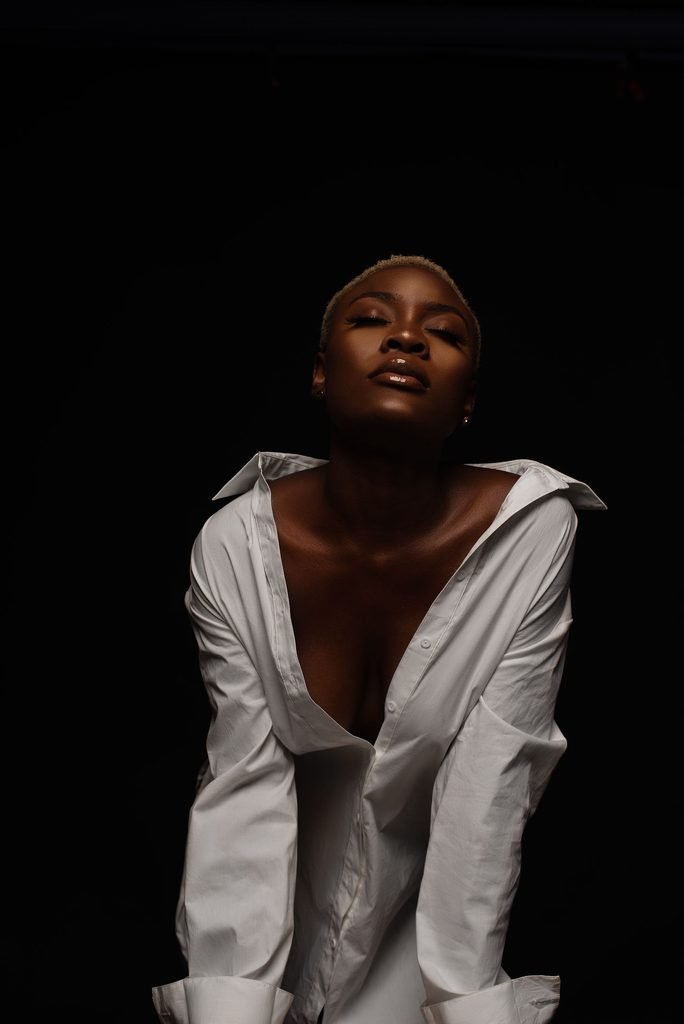
FAB: Before AfroDanceSchool existed, what did you feel was missing? Was there a particular experience, conversation, or moment that made you think someone needed to document this properly?
Ornella Degboe: Before I decided African dance needed to be archived, I had to examine where my own information came from. In any field, sources matter. People may teach and share African culture without always explaining the history behind what they teach.
Living in the diaspora, we are often far from direct access to cultural practitioners at home. A song goes viral, and people learn the movement, but they may not know why people move that way or what the music and dance mean. I wanted to bridge that gap with accurate information.
The people who create steps, music and movements can disappear from the historical record. I remember hearing a discussion about how little was known about some of the women who performed with Fela Kuti. That stayed with me. I want to help preserve the people and stories behind the movement.
FAB: You work particularly with Ndombolo and Congolese street dance styles. What do outsiders misunderstand, and what should they understand before learning the steps?
Ornella Degboe: Ndombolo is the style I have chosen to master. I explored several styles before deciding on that specialty because I wanted to understand the wider culture.
The first thing I want people to understand is that music lives within you. Congolese music has profoundly influenced African dance and music, and its sounds, social spaces, and cultural experiences are deeply connected.
I can teach you the steps and the rhythm, but I do not want you to think you must dance exactly like me. What do you hear? How does it make you feel? How can you embody that feeling through the movements? That matters as much as getting the steps right.
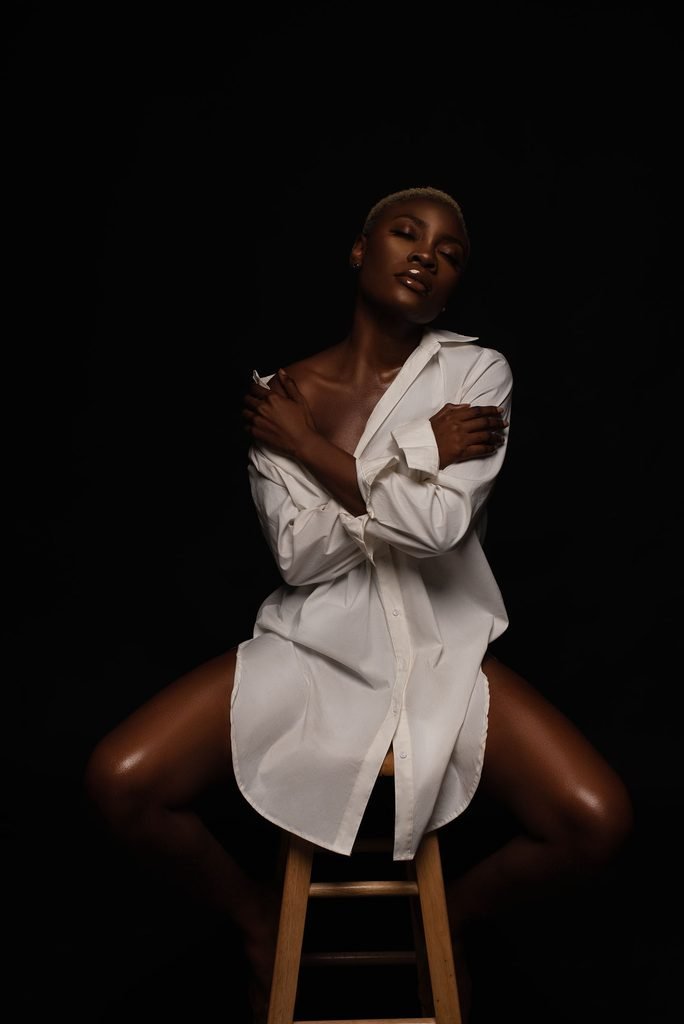
From College Dance Team to Professional Dancer
FAB: Have you always known you wanted to be a dancer? What was life like for the young Ornella growing up?
Ornella Degboe: I always knew I wanted to dance. I began pursuing dance professionally around 2011. The One Africa Festival was an important turning point for me. I saw an audition flyer while I was still dancing with my college team, and I thought it might be my opportunity to work professionally.
The audition was with Kaffy Dance, a Nigerian dancer I deeply admired. Her encouragement and validation gave me the confidence to take the next step.
Recommended For You
Convincing Her Parents That Dance Is a Career
FAB: How did your parents respond to your decision to pursue dance?
Ornella Degboe: In many African homes, art is seen as a hobby rather than a career. But I have seen people build livelihoods and businesses through the arts. Dancers contribute to concerts, music videos and so many other experiences. There is real demand for creative work.
It took time to convince my parents. I showed them the opportunities, numbers and recognition that came from my work. They continued to emphasize education and having a plan B. I value that lesson: education matters in every career, and we should keep learning.
The Stories That Expand a Dancer’s Possibilities
FAB: Through STAMPS, what stories have you discovered that might otherwise disappear?
Ornella Degboe: One of my guests, Nigerian choreographer Izzy Odigie, spoke about how dancers often see themselves only as performers supporting a musical artist. But dance can also open doors in theatre, advertising, fashion and many other industries.
I have seen Izzy use everyday gestures and movement in fashion content to tell a story while promoting a brand. It is a reminder that a dancer’s abilities extend far beyond the stage. I want those possibilities to be visible to the next generation.
Finding Identity Through Dance
FAB: What have you learned about the diaspora from watching people come into a room to dance? What are they searching for beyond the dance?
Ornella Degboe: I think people are searching for connection and identity. That includes Africans living abroad and people from many other backgrounds who are drawn to the culture. They are asking where they belong in the community.
Dance brings people together. I tell my students not to dance for the room, but for themselves and with one another. Sometimes I cover the mirrors so people face each other. Even if they miss a step, I want them to keep moving and enjoy the moment.
FAB: What does authenticity mean to you in African dance, and how can we make it accessible without diluting it?
Ornella Degboe: Growing up in Africa shaped the way I hear and respond to rhythms. But someone who did not grow up with those experiences may need a different entry point. I use storytelling, familiar examples and explanations to make the cultural context understandable without watering it down.
You cannot expect everyone to embody a culture in the same way. Direct experience deepens understanding. With better funding, we can bring more practitioners from the continent into diaspora spaces to share what is happening now, not only what we remember.
Enjoy the Dance, Then Learn Its Story
FAB: Should cultural context be compulsory when teaching African dance internationally?
Ornella Degboe: People should be allowed to experience the joy of movement. If we make participation too restrictive, we risk closing doors that have helped the culture travel.
For those who want to go deeper, there should be opportunities to learn: festivals, classes, documentaries, STAMPS and Learn-A-Step Tuesday. We can welcome people first and continue offering the history and knowledge behind what they enjoy.
FAB: What has building AfroDanceSchool taught you about yourself that simply being a dancer never could?
Ornella Degboe: Building the platform taught me that everybody has something to offer. Working behind the scenes has made me more curious about other people’s knowledge and ideas, though it also means learning how to choose which ideas to pursue.
I started alone and still handle much of the work myself. I have had to learn editing, marketing, deadlines, budgeting and how to work with collaborators. It takes sacrifice, discipline and sometimes difficult conversations to keep a project moving. It is challenging, but it has changed me.
FAB: Looking five to ten years ahead, what worries you most, and what excites you?
Ornella Degboe: I worry about the limited opportunities available to dancers, especially those who no longer want to tour or perform behind artists. There needs to be more than one viable career path.
I want to build dance camps and work with brands that recognize the value of our communities. Seeing what organizers such as AfroMaha have built encourages me to imagine larger cultural experiences in New York. The opportunity is there, but building it sustainably will take resources and partnerships.
Can Social Media Make Room for Cultural Education?
FAB: Does algorithm-driven culture threaten the deeper stories behind African dances? How can educators challenge it?
Ornella Degboe: It is difficult to break through without an existing online community. Platforms reward particular formats and trends, and visibility is not distributed evenly.
That makes community engagement important. When people share, save and discuss educational content, it can reach audiences beyond the people who already know us. It is hard work, but we have to keep finding ways to make cultural education visible.
FAB: If AfroDanceSchool succeeds beyond your wildest expectations, what should exist twenty years from now that does not exist today?
Ornella Degboe: I would love to see a major documentary that recognizes the dancers, choreographers, producers, musicians and countless people behind the scenes who helped shape this movement.
We often talk about African dance as though it appeared on its own. In reality, people have spent years organizing, producing, teaching and carrying the culture forward. Their names and contributions deserve to be documented and celebrated. That is what I want AfroDanceSchool to help make possible.