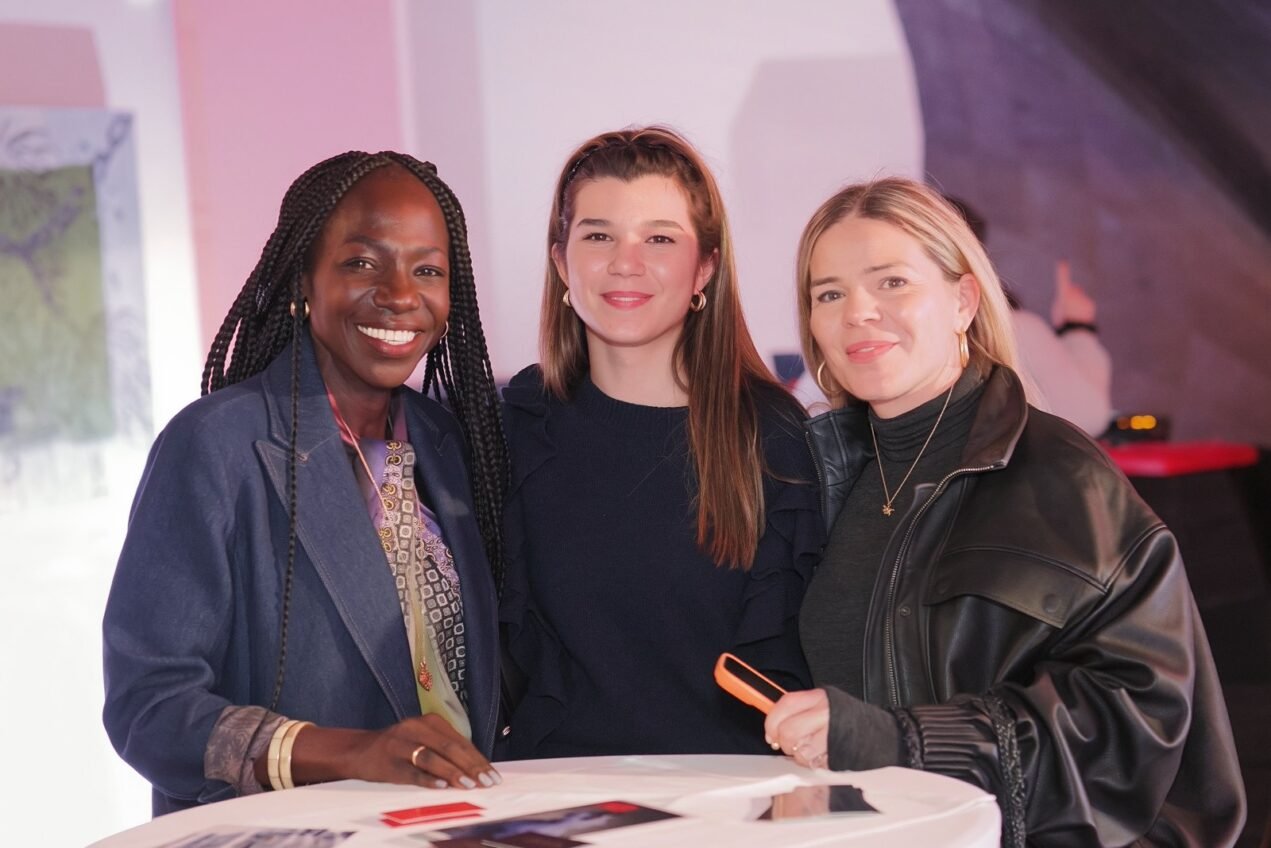
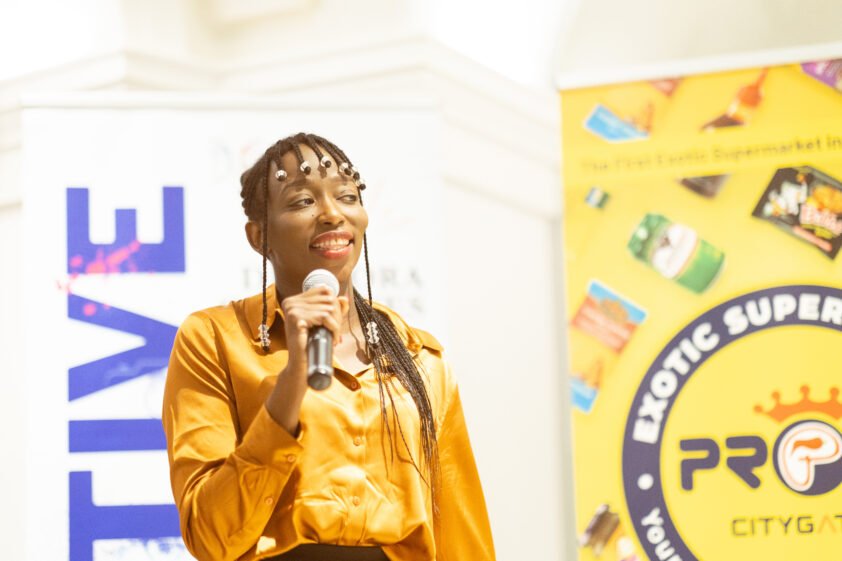
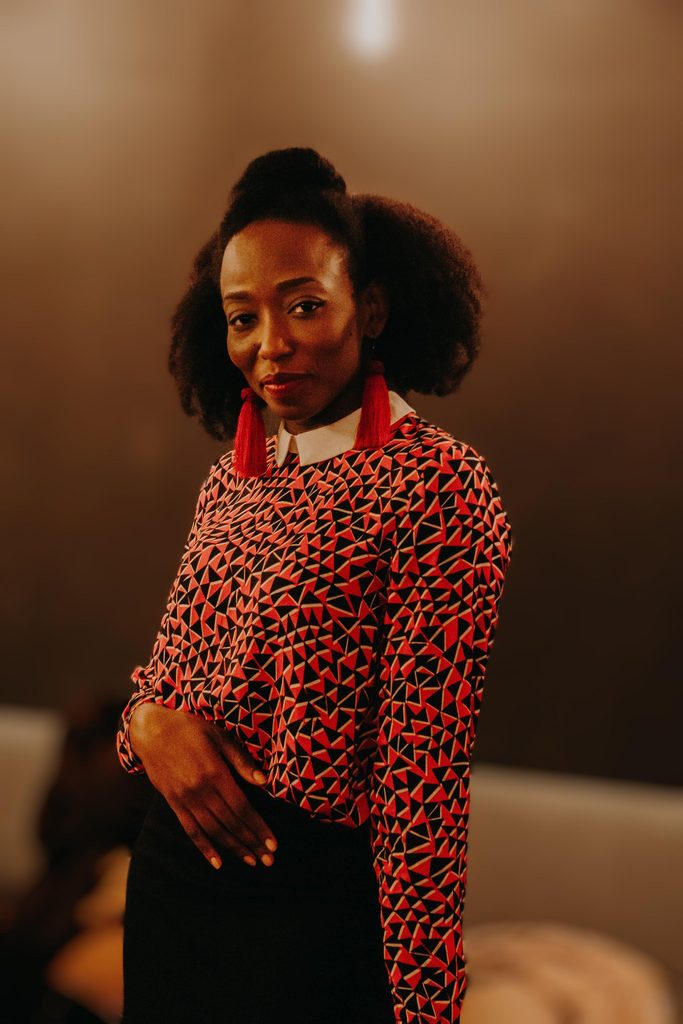
There are people who build communities because they enjoy gathering people together, and then there are those who do so because they have personally felt the absence of the spaces they wished existed. Hawa Kebe belongs firmly to the latter. Born in Senegal, raised in Côte d’Ivoire, educated in France, and now based in Vienna, Kebe embodies a distinctly transnational African identity. She describes herself as a hybrid woman, someone whose understanding of the world has been formed by movement and the people she has encountered along the way.
That same belief in connection sits at the heart of SETI, the platform she founded to bring African women in Vienna into conversation with one another. Created in response to a visibility gap she could no longer ignore, SETI has become a space where entrepreneurs, artists, professionals, and changemakers can share their stories, celebrate their achievements, and challenge long-standing narratives about African women in Europe.
In this wide-ranging interview, Kebe discusses belonging, diaspora life, economic empowerment, cultural identity, and the responsibilities that come with building community. Above all, she offers a compelling vision of what becomes possible when African women are not simply represented, but recognised, supported, and empowered to drive their own futures.
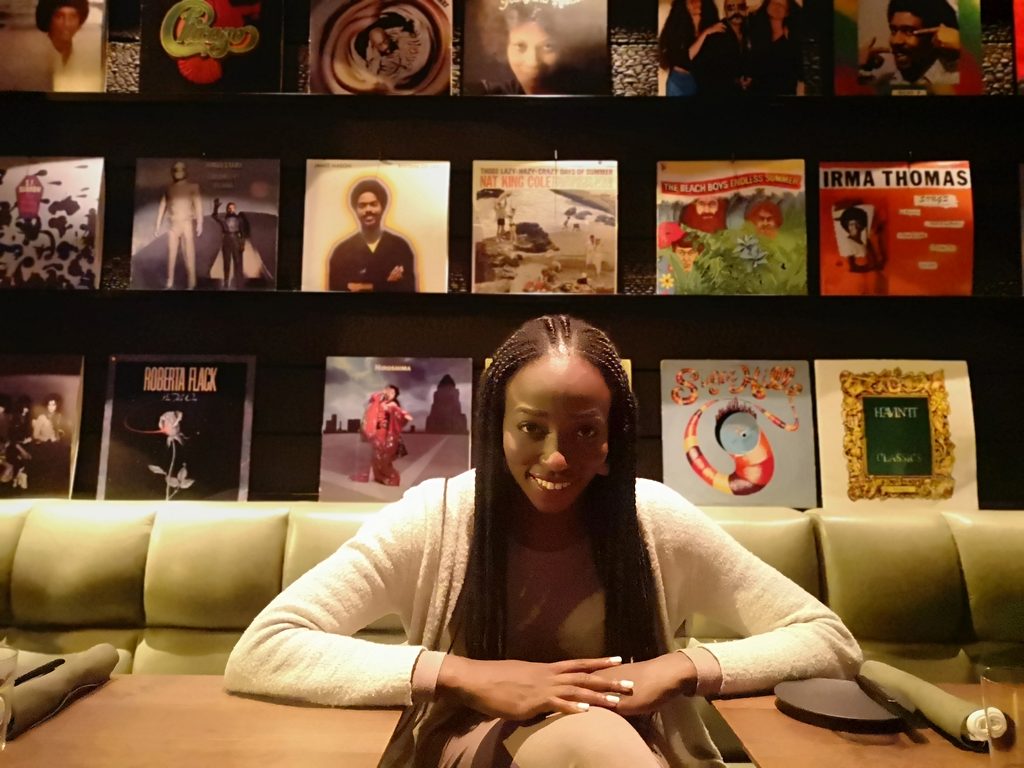
Hawa Kebe Building a Home for African Women in Vienna
FAB: Who is Hawa Kebe? Where are you coming from, and how did you get to where you are right now?
Hawa Kebe: I was born in Senegal and raised in Côte d’Ivoire. Later, I studied in France, and over the years I have moved across different countries before eventually settling in Austria, where I now work with an international organisation. I often describe myself as a hybrid woman because my identity is governed by many cultures and journeys. I am Senegalese, but my mother also has roots in Niger because my grandmother was Tuareg, and also a part of a family from Burkina Faso. So this ECOWAS identity feels very natural to me because I genuinely feel like a blend of many histories, cultures, and experiences.
Living in different countries and meeting people from different backgrounds has also impacted who I am. It made me very culturally sensitive and open to understanding other people’s perspectives. I am naturally curious about human beings and their stories. Ohhh, I really love discovering what influences people, what moves them, and what drives them. I would say I truly have a heart for people.
Over time, both through my work and through my social life, I realised that African women in Vienna needed a space like SETI. The idea actually came from frustration. I was constantly meeting incredible African women who were excelling in different fields, in business, entrepreneurship, nonprofits, the arts, science, and many other sectors. These women were talented, accomplished, and inspiring, yet there was no real space where African women in Vienna could gather, share their stories, showcase their work, and create visibility for one another. That frustration pushed me to create the platform because I could not find what I personally felt was missing.
Vienna is home to many communities from around the world, and even within African communities themselves, there is enormous diversity. I felt it was important to create a space where, despite our different stories and backgrounds, we could come together, inspire one another, and learn from each other’s journeys.
For me, bringing people together has always mattered because I genuinely believe in the power of inspiration and community. At the same time, I also wanted to contribute to changing the narrative around Africa. In Austria, Africans are still a visible minority, and unlike countries such as France or the UK, Austria does not have the same long history of African migration. Because of that, there are still many stereotypes and negative perceptions attached to African communities.
I felt a strong need to challenge those narratives by showcasing the reality of what is happening across the African continent and within the diaspora. There are so many Africans creating change, innovating, building businesses, leading organisations, and reshaping industries. I wanted to create a platform that bears witness to that transformation, both on the continent and within diaspora communities.
The Comfort and Cost of Being Unseen
FAB: You described hearing inspiring stories at conferences and social events that were not really being amplified publicly. But why do you think so many African women in diaspora communities remain invisible despite doing extraordinary work?
Hawa Kebe: Well, I believe there are many reasons for this situation. First of all, we live in silos. People naturally gravitate toward communities where they feel most comfortable. That is one aspect of it.
Another thing is that many of us prefer to stay invisible. At least, that is my perception. We stay in our own corridors, trying not to disturb people or attract too much attention, because invisibility can also feel like protection. In Vienna and Austria generally, we are not that many compared to communities with a much longer migration history here, such as communities from Serbia, whose presence dates back centuries, even to the Austrian Empire or more recently from Türkiye .
So yes, we are a minority, and I think many people feel safer staying in their lane. There is comfort in invisibility because it reduces exposure. At the same time, many of us are simply busy building our lives. People are trying to make a living, support their families, and survive abroad, so professional networking or seeking visibility does not always feel like a priority.
The country itself has not always been open to diversity. Things are improving, thankfully, but it took time. Because of that, many people prefer to remain within spaces that feel safe and familiar.
FAB: I am curious. Protect themselves from what exactly?
Hawa Kebe: I would say there is safety in the comfort zone and in being invisible because when you are under the radar, you attract less attention, and with less attention comes less risk of being attacked or stereotyped.
Unfortunately, people of African descent are still often viewed through negative narratives. I will give you an example. When I was studying in Vienna, I had a colleague from Senegal who had just arrived in Austria. One day, he was walking down the street, and two people approached him, making strange gestures. He did not understand what was happening because he did not yet know the social context of Austria. Later, we explained to him that they were asking him to sell them drugs.
He was shocked because he was a very educated and dutiful person. But in that moment, he realised that people had made assumptions about him simply because of how he looked. That experience stayed with him deeply.
So yes, stereotypes are real. People can make assumptions about your education level, your profession, or even whether you are involved in illicit activities, simply because you are Black or African. There have also been incidents involving discrimination and even violence against people of African descent. I do not want to paint an entirely gloomy picture because that would not be fair, but discrimination does exist, and many people respond to that reality by trying to stay invisible and avoid drawing attention to themselves.
FAB: Speaking about staying in your lane now, since you started the platform, what does ‘belonging’ mean to you yourself, based on your experience in Europe and then having started a platform? And for your members, has it become a place or a community, or do you yourself think belonging is a feeling you create for yourself?
Hawa Kebe: I believe that belonging is key. As human beings, we need belonging because we are social creatures. We need a sense of community, a place where we are accepted, understood, and valued. That is a critical human need.
For me, it feels very natural to have different groups where I belong. I am blessed to have a multifaceted cultural heritage, so I can connect with my Senegalese people and my Ivorian people and also with friends from diverse backgrounds, central and West Africa,, the Middle East, Austrian, France, and the Caribbean. I have the privilege of tapping into several communities, and each one enriches me because we all have different ways of seeing life and different sensitivities shaped by our cultures and upbringing.
Coming from Africa, for example, my perspective on certain situations may differ from someone who was born and raised here in Europe, and I truly appreciate that richness.
So for me, belonging is very important because the more I move forward in life, the more I understand the value of identity, knowing who you are and not allowing people to define that for you. If that foundation is shaken, it opens the door to many challenges, especially the danger of people telling you who you are until you slowly lose your own direction.

FAB: On knowing who you are and not letting people define your identity for you, there is still a tendency for African stories in Europe or America to revolve around struggle, migration, or crisis. Was SETI also created to challenge the emotional framing of how African women are seen globally?
Hawa Kebe: Yes, definitely. I truly believe in the power of inspiration. Personally, I believe inspiration is one of the strongest ways to unlock human potential.
We can spend all our time blaming history, blaming systems, or blaming circumstances, and while those realities exist, I believe it is much more powerful when people see role models, when they see others achieving things, overcoming obstacles, and building meaningful lives despite challenges.
That was one of my main intentions with SETI: to create a space where people could come together and be inspired. I do not believe in constantly bashing things. That does not mean we should ignore injustice or refuse to address difficult realities. We absolutely should confront them. But I believe leading with inspiration creates a stronger impact.
When you see people around you succeeding, when you see people who look like you achieving their goals, it unlocks something within you. You begin to think, “If they can do it, why not me?”
There is real power in seeing what is possible for yourself through the experiences of others. That sense of empowerment, of possibility, is something I deeply believe in, and I think it is one of the most powerful tools we have.
Visibility Is Not the Same as Power
FAB: Sometimes we see representation become symbolic rather than structural. When you think about diaspora communities in certain countries, they often have influence, not just symbolic visibility, but structural influence. So how can Black communities move beyond visibility into real influence and opportunity?
Hawa Kebe: You are touching on a very important challenge, and I truly believe this sits at the heart of the issue. In terms of economic empowerment, many Black communities are falling behind. This is true for African Americans in the United States, for African-descendant communities in Europe, and for many diaspora communities in general. Despite the resources of our countries and the immense potential of our continent, economically we are still lagging behind, and this lack of economic empowerment leaves us vulnerable.
First of all, many of us do not own our resources, and we do not always know how to monetise our talents effectively. There are opportunities we continue to miss. Of course, some regions or subcultures naturally have stronger business traditions. You can find examples everywhere. In Cameroon, for instance, communities like the Bamiléké are known for entrepreneurship. In Nigeria too, there are communities known for strong business cultures such as the Igbos. These groups have the knowledge, the systems, and the codes needed to navigate business environments and build economic legacies.
Unfortunately, many of us were raised with a different mindset. We were taught to go to school, get good grades, secure a job, work a 9-to-5, and remain in that structure. And I am not criticising employment at all. What I am saying is that when it comes to financial literacy, business development, creating sustainable companies, and passing businesses from one generation to another, there is still a major gap in many African societies.
You may see someone build a successful business empire during their lifetime, but when they pass away, the business disappears with them. Meanwhile, global brands continue for generations. If you think about companies like LVMH, Hermes or Louis Vuitton, these are legacies that have been intentionally transferred across generations. We do not see enough of generational wealth in many African business contexts. I therefore commend the efforts of the AfroChampions Initiative, a strategic platform that promotes African homegrown companies and supports the emergence of large African multinationals able to contribute to the development of the continent.
So I believe economic empowerment is essential. It is not only about demanding respect or claiming rights. If you cannot assert yourself in the economic arena, you remain disadvantaged. That is where I think we are still missing something.
We need to come together strategically, not only to criticise systems or complain about discrimination, even though those realities exist. We also need to build businesses, develop expertise, create ownership, and position ourselves in ways that make us impossible to ignore. Some communities already understand this very well. They may not always be loud, but they hold economic and social power, which gives them influence.
That is what I would like to see for us too, both on the continent and in the diaspora: building sustainable businesses, creating generational wealth, and positioning ourselves so strongly that people naturally have to include us in conversations and decision-making spaces.
Recommended For You
Why the Right Colours Can Change How You See Yourself
Lola Bashua on Ancestral Living, Art & Reclaiming African Identity
The Architecture of Belonging
FAB: Let’s talk about building community. The world is changing quickly, and many people underestimate how difficult it is to build authentic communities today, especially in an era shaped by social media, algorithms, and performance culture. What has it been like trying to create a space that genuinely feels safe and human?
Hawa Kebe: One of my strongest values is “benevolence”. I genuinely do not believe in tearing people down.
In today’s culture, especially online and in parts of the media, people often gain attention by dragging others, criticising them harshly, or humiliating them publicly. Some people thrive on that approach, but it is not my way of doing things. I believe I can learn from anyone, even from people whose opinions or worldview I may completely disagree with. That openness is very important to me.
For me, the best way to truly understand someone is to stay open to their perspective. That does not mean we cannot disagree or have difficult conversations. Of course we can. But I do not believe in starting from a place of hostility or tearing people apart.
Social media has made this even more complicated because it is easy for people to hide behind screens and insult others in ways they would never dare to do face-to-face. I find that very cowardly.
At the same time, we live in a world where perception has become extremely important. Everyone is building a personal brand, curating an image, and presenting a version of themselves online. But if you are not authentic, people eventually feel it.
For me, authenticity is everything. You have to show up as who you truly are, and by doing that, you naturally attract the right people and the right community around you. People are not foolish. They can usually tell when something is only performance, glamour, or image without substance behind it.
Beauty and aesthetics are wonderful, of course, but substance matters too. At the end of the day, beyond the posts, the poses, the noise, and the carefully curated image, authenticity will always speak louder. You cannot fool everyone forever. That is truly how I see it.
FAB: The second leg of that question is you’ve assembled African women from different backgrounds, but I ask a question: what have you learnt about African women from bringing so many different stories and experiences into one room?
Hawa Kebe: There is one thing that stands out to me about African women: this incredible resilience. African women are extremely resilient because the circumstances are often very difficult, yet they continue rising against the odds. According to the World Economic Forum, Africa has the highest rate of female entrepreneurs globally with approximately 26% of women involved in entrepreneurial activities.
Many of them do not have access to conducive environments where things like business development services, funding opportunities, relevant information, or professional networks are readily available. It is not always a situation where you can simply walk into a bank and secure a loan because you have a good idea. Around us, social norms are still very strong, and women are often undervalued. In some cases, they are seen as less capable than men, and this is a reality we cannot ignore.
Some women also come from deeply challenging backgrounds. They may not have had access to education, or they may have faced things like female genital mutilation, child early and forced marriage (CEFM), or restrictions around employment and recognition of their potential. These are very real issues, and depending on where someone comes from, some women are more affected than others.
But despite all these barriers, I keep seeing women rise above their circumstances. I see what I call ’emergency entrepreneurship’, turned into impactful entrepreneurship where women simply decide to make things happen no matter how chaotic the environment is. I find that deeply inspirational.
For example, I once shared the profile of a woman from Nigeria, Abisoye Ajayi, who mentors girls in slums and underserved communities through coding and digital education. She herself came from a modest background and had to fight her way through university and create opportunities for herself. Then she turned around and started helping other young women bridge the digital gap. Stories like that move me deeply.
What inspires me most is this refusal to take “no” for an answer. That is what I admire about entrepreneurs in general, especially African women entrepreneurs. They can come from extremely difficult situations, but instead of focusing only on the chaos, they identify opportunities within it. They turn challenges into solutions.
Most of the time, they start from absolutely nothing. Nothing is handed to them on a silver platter. They use their own resources, however limited, identify problems, build solutions, improve step by step, and keep going.
When I hear these stories, stories of women overcoming doubt, being looked down on, struggling with limited resources, and still succeeding simply because they believed in their dreams enough to keep working, I find that incredibly powerful. For me, that is one of the greatest sources of inspiration.
Why SETI Exists
FAB: You’ve described diaspora women as bridges between Africa and Europe. What do you think each side still misunderstands about the other? And of course, through some programmes, we are seeing Europe increasingly interested in African creativity, fashion, food, and culture. But some would say it is often superficial. So, one, what do you think each side still misunderstands about the other? And second, how do we create cultural exchange without turning identity into aesthetic consumption?
Hawa Kebe: I love culture in every form: visual and performing arts, history, literature, dance, music, culinary arts, film, design and fashion, all of it. Culture is one of the most powerful tools we have.
But at the same time, I think one of our challenges is that cultural engagement can sometimes remain very superficial. People are happy to come together for entertainment, parties, performances, or festivals, but often it stops there. It becomes more about consumption than true understanding. Sometimes culture is reduced to spectacle, to something fascinating or entertaining, and that is limiting.
What I believe is missing is the need to truly value culture as an industry and as an economic force. We need to move beyond simply showcasing culture and begin monetising it properly, building systems around it, creating ownership, and allowing African creatives to fully benefit from what they produce.
This is why I believe the rise of creative industries across Africa is so important. It is not only about seeing African art displayed in European museums anymore. It is also about reclaiming ownership, telling our own stories, creating our own cultural products, and building industries around them.
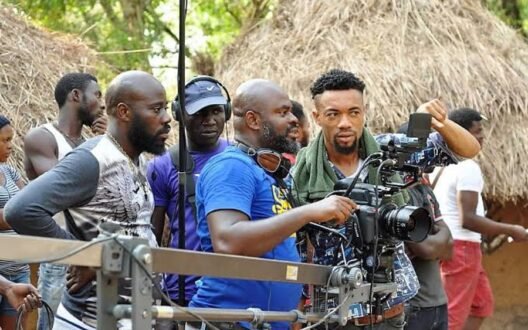
Take Nigeria, for example. Nollywood, which is the second largest film industry after Bollywood, has done an incredible job in shaping narratives and exporting African storytelling globally. We are also seeing the rise of educational platforms that teach African history through short‑form video, animation studios producing Afro‑futurist series, digital storytelling collectives using podcasts and webcomics, immersive Virtual Reality experiences that recreate heritage sites. People often underestimate culture because they see it as entertainment or leisure, but culture generates revenue, creates jobs, builds identity, and shapes global perception. Other countries have understood this very well. They have used film, media, music, and even cartoons to position themselves globally and build soft power.
So I believe Africa must continue taking its culture seriously, not only as heritage, but as business, as industry, and as influence. Culture can empower youth, create opportunities for women, and generate economic value.
We are already seeing progress. African music is on the rise on global streaming platforms such as Spotify (with brandhouse names such as Burna Boy, WizKid), or during the Grammy awards with upcoming artists like South African, Tyla. From South Africa’s Amapiano to Nigeria’s Afrobeats, African music is influencing global sounds. International brands and renowned global artists are drawing inspiration from African craftsmanship. Just to name a few, Aissa Dione’s designs and fabrics grace major design salons and brands such as Hermés or Fendi. Upcoming fashion designers Selly Raby Kane (Senegal) or Loza Maleombho (Cote d’Ivoire) have dressed international icons such as Beyonce, Jay-Z or Teyana Taylor. Fashion platforms across the continent are growing stronger (Nairobi, Lagos, Marrakech, Dakar Fashion weeks to name a few… which connect local designers to global markets). It is not perfect yet, but we are moving in the right direction.
What matters now is that we continue setting the tone ourselves, owning our narratives, and making sure cultural exchange goes beyond aesthetics into real understanding, collaboration, and economic empowerment.
FAB: Let’s talk about womanhood, ambition, and visibility, especially for the next generation of mothers. What conversations about African womanhood do you think younger generations are finally ready to have openly, or should be having more openly?
Hawa Kebe: One thing I can say is that my generation and my mother’s generation have very different perspectives and experiences. Those differences shape how we engage with the world, how we see ourselves, and how we approach opportunities or sometimes walk away from them. But at the end of the day, I strongly believe in learning from others. I naturally gravitate toward listening to people and learning from their experiences, especially from older generations. I believe there is always wisdom to gain from past experiences because they help sharpen your perspective.
At the same time, I also learn a lot from younger generations. There are areas where I may not be highly knowledgeable, especially when it comes to AI, digital tools, or emerging technologies. Younger people often understand these spaces in ways that I may not. So I approach them with humility, ask questions, and learn from them because I am not ashamed of asking questions. None of us has every answer. That is impossible. We all have unique talents and skills, but no one can master everything. Sometimes you need someone else to offer a perspective or information you do not have.
What I also notice is that, compared to our parents’ generation, younger Africans are much bolder. For example, my father lived through colonial times, even though he was very young when Senegal gained independence. That history shaped his generation differently. But our generation does not carry the same fear or limitations. Young people today are more informed. Technology, social media, and access to information have changed everything. Information is everywhere now, even though misinformation is also a real challenge. People can educate themselves, research for themselves, and form their own opinions.
Because of that, I see a generation that goes after what it wants and refuses to take no for an answer. I see this especially among African communities in Europe. For example, there are Cameroonian engineers in Germany who are excelling in their fields and changing perceptions through their work (The Association of Cameroonian Engineers and Computer Scientists in Germany (VKII) or CAMFOMEDICS (the Forum of Cameroonian students of medicine, pharmacy, and dentistry in Germany). For me, that is powerful. It reflects a mindset that says, “I know my value, and I will not let anyone define my limits.” I believe that is the first step toward empowerment.
I also see younger generations refusing to be boxed in. They are challenging the status quo, and I think that is very important. I hope we continue encouraging boldness in speech and boldness in independent thinking because, in many African societies, young people are often taught to suppress their voices instead of expressing themselves freely. I do not think that is healthy.
You can even see this in professional spaces. Many of us from African backgrounds are raised to deeply respect hierarchy and behave in very structured ways. While respect is important, I believe this sometimes holds us back, especially in environments where confidence, visibility, and speaking up are necessary. And from my observation, this affects women even more strongly than men. That is something we still need to address openly.
Who Supports the Community Builder?
FAB: Community work can be deeply fulfilling, but it can also be emotionally draining. What keeps you going when the work becomes really heavy?
Hawa Kebe: What keeps me going is inspiration. I am deeply inspired by what I do. Seeing these talented women, the way they move through life and the way they impact their communities and create change around them gives me energy and motivation. Watching them transform their environments and influence others is incredibly powerful to me. That inspiration gives me the strength to keep moving forward.
Of course, that does not mean the work is always easy because sometimes it can be emotionally exhausting. There are moments when you feel drained. That is why work-life balance is very important. I am fortunate to have a strong support system around me, and that also gives me strength. I have learned that you cannot be everywhere all the time. Sometimes you need to step back, recharge, reconnect with yourself, and reflect on what truly matters to you.
I also believe it is important to constantly reassess your direction because not every opportunity is meant for you. Some things may look attractive on the surface, but they may not align with your long-term vision or your values. You have to be selective and stay connected to your internal compass. That clarity is very important to me.
FAB: If SETI succeeds and all your dreams come true, what changes would you like to see for African women in Austria over the next decade?
Hawa Kebe: I would love to see African women truly empowered at every stage of life, from young girls in high school and university to professionals and entrepreneurs. I especially have a heart for entrepreneurship because I believe entrepreneurs are the backbone of the economy. They are solution providers. I admire their endurance, persistence, and resilience. Even if entrepreneurship is not for everyone, the values behind it are lessons that can inspire all of us.
I want to see more women choosing educational and professional paths that genuinely align with who they are and the future they envision for themselves. I want to see women stepping into impactful careers where they can fully use their talents and create value for the people around them.
Also, I want to see more women building businesses, scaling them, and thriving through them because so many women already carry powerful ideas within them. They simply need the right tools, opportunities, and encouragement to bring those ideas to life.
Beyond that, I would love to see a strong intergenerational community where women can come together, celebrate their achievements, support one another, and inspire younger generations. It is important to create spaces where people can look back proudly and say, “We did well.”
Most importantly, I want the wider society to see and recognise the contributions African women are making. I want people to see how African women contribute to their communities, to Austria, and beyond. Visibility matters because it helps build bridges between people and cultures.
I truly believe that mastery of your craft can take you far. When someone excels in what they do, they naturally become an ambassador for their culture. That is the future I hope to see for African women.
FAB: Finally, when a young African girl in the diaspora discovers SETI for the first time, what do you hope she feels immediately?
Hawa Kebe: I hope she feels seen, understood, welcomed, and empowered to take on new challenges.