


Lagos Fashion Week 2026 offered a useful question to the African fashion industry: what does it mean to build a fashion economy around craft? The theme, CRAFTED: Heritage. Innovation. Circular Futures., placed traditional knowledge and contemporary design in the same conversation. But across four days of discussions and runway presentations, the question moved beyond how African fashion looks. It became a question of who makes it, who benefits from it and what it will take to sustain it.
For an international publication travelling from Austria to cover the event, the most important story was not a single collection or a moment on the runway. It was the relationship between the creative work on display and the conditions under which that work is produced. Lagos Fashion Week showed an industry with a strong design vocabulary. It also showed the financial, legal and production challenges that continue to limit its reach.
The value of craft begins with the people behind it
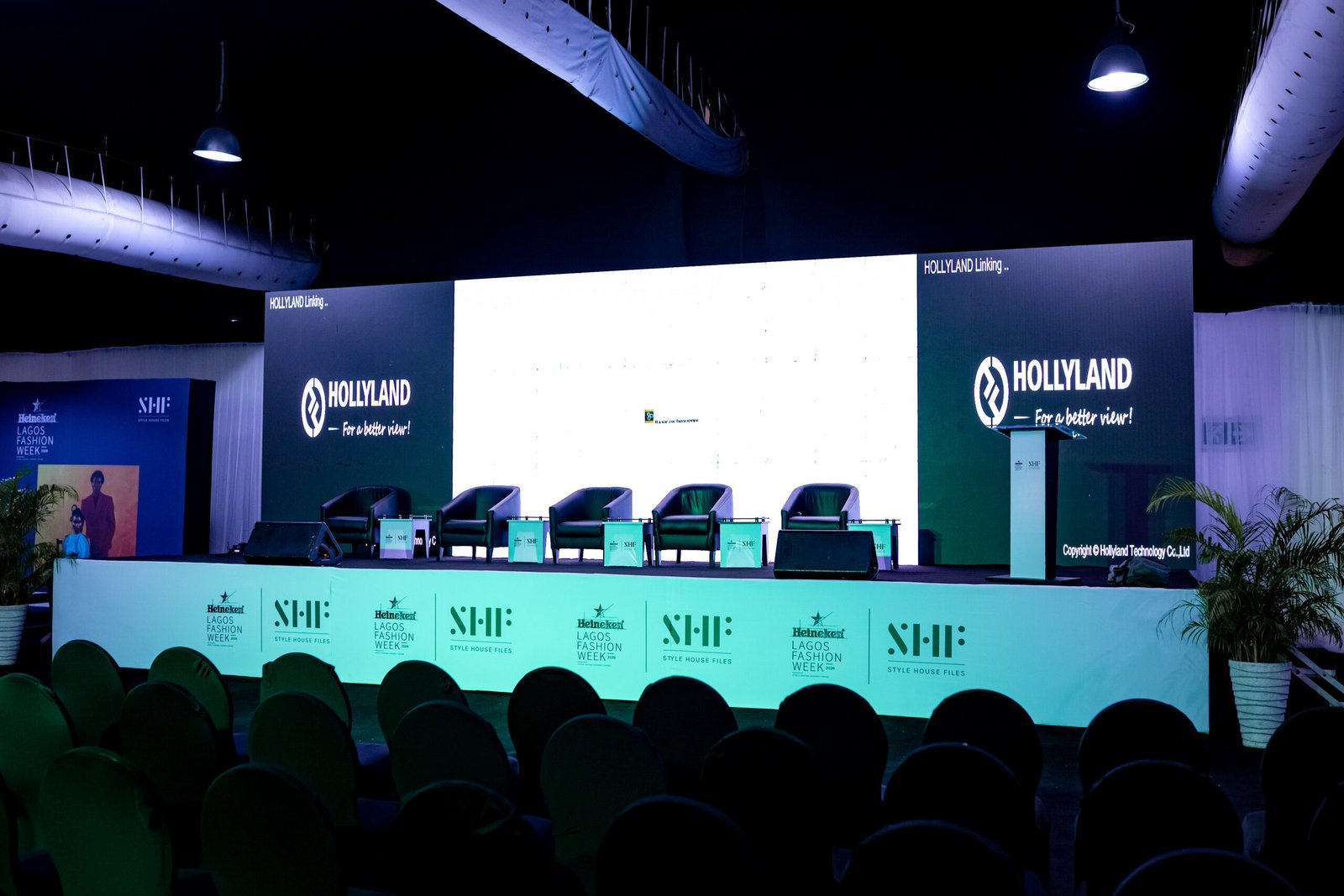
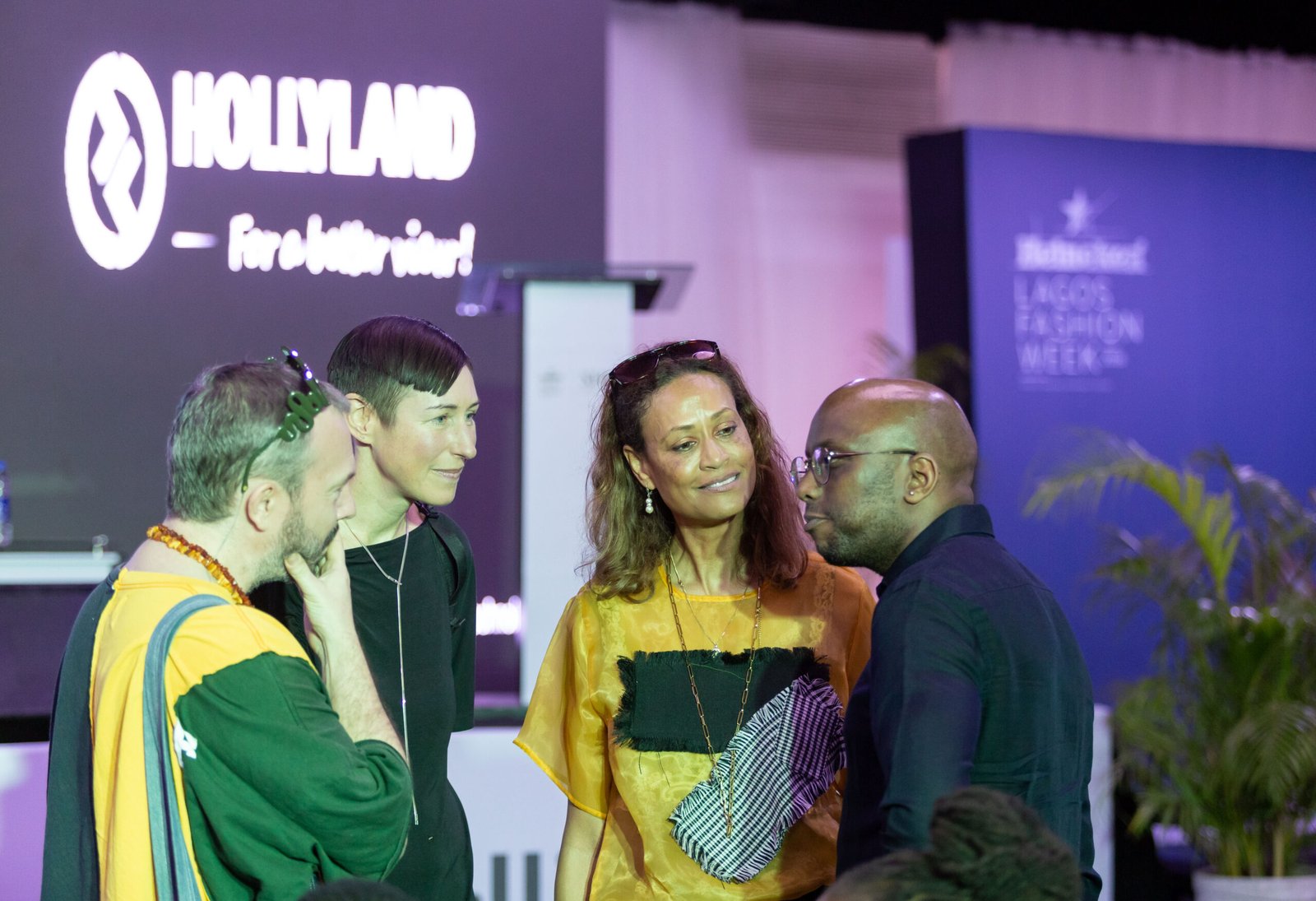
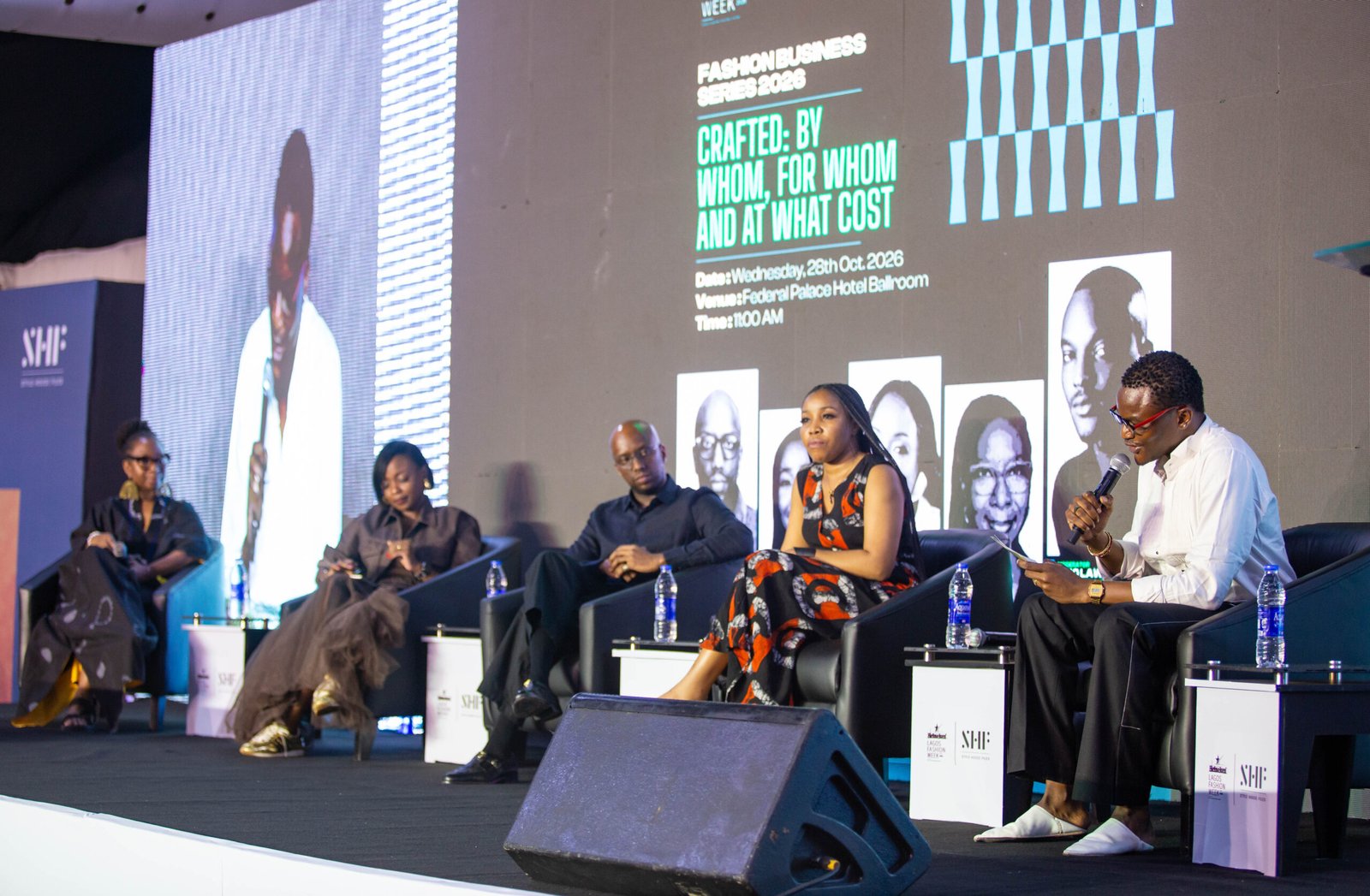
The first day’s Fashion Business Series opened with a question that gave the season its clearest point of departure: “Crafted: By Whom, For Whom and at What Cost?” Moderated by Ayo Lawal, the discussion brought together Kenyan cultural producer Sunny Dolat, Afrikstabel founder Ifebuche Madu, Christie Brown founder Aisha Ayensu and Dr Christine Checinska, Senior Curator of Africa and Diaspora Textiles and Fashion at the Victoria and Albert Museum.
The panel considered the position of textile artisans in an industry that often uses their knowledge as a source of creative and commercial value. A designer may build a collection around a traditional weaving method, dyeing process or hand-finished textile. Yet the recognition and financial rewards do not always reach the people who preserve and practise those skills. Ayensu made the point directly: “It is necessary to build a sustainable relationship with African artisans, because the success of any African fashion brand relies on the craft people.”
That statement goes to the heart of the season’s theme. Heritage is not a design resource that exists separately from the people who carry it. It is knowledge built through practice, time and transmission. If a brand uses that knowledge without a fair relationship with its makers, the language of cultural preservation becomes difficult to defend.
This is also where the idea of circular fashion requires closer examination. Reusing materials and reducing waste are important, but circularity should not stop at the garment. It must also consider the people, skills and local economies involved in making it. A circular model that protects materials but undervalues labour has not addressed the full problem.
The business of fashion cannot be separated from the design
The business sessions on the first day moved from artisan relationships to the financial structures of fashion companies. Discussions on franchising, commercial modelling, investment and access to capital addressed a familiar difficulty for independent designers: a brand can attract attention and generate sales without becoming a stable business.
Akindele Phillips, Founder and Managing Partner at We Practice Africa, drew a distinction between making sales and running a commercially sound company. His advice to founders was practical: “Build a business that not only looks successful online, but is also successful in real life. Keep every single record.”
The point is particularly relevant in a market where social media can make a label appear larger than its actual operations. Sales records, production costs, stock management, cash flow and customer data may not have the appeal of a runway image, but they determine whether a business can meet orders, pay its workers and plan its next collection. The session on tailored financing, featuring Gbolade Okeowo of Kuramo Capital Management and Dolapo Adedapo of the Bank of Industry, returned to the need for proper documentation and a clear account of business performance.
The following days extended the discussion. Speakers examined the practical requirements of franchising, investment, wholesale, retail partnerships and long-term management. A recurring argument was that creative founders must understand the business they are building, even when they do not manage every part of it themselves.
This is not a call for designers to become less creative. It is a recognition that creativity alone cannot carry the cost of production, distribution and expansion. A fashion label that depends entirely on its founder’s personal effort may struggle to grow beyond that person’s capacity. The separation of creative direction from daily business management, alongside sound leadership and succession planning, was therefore an important part of the conversation.
Heritage is not a fixed design language
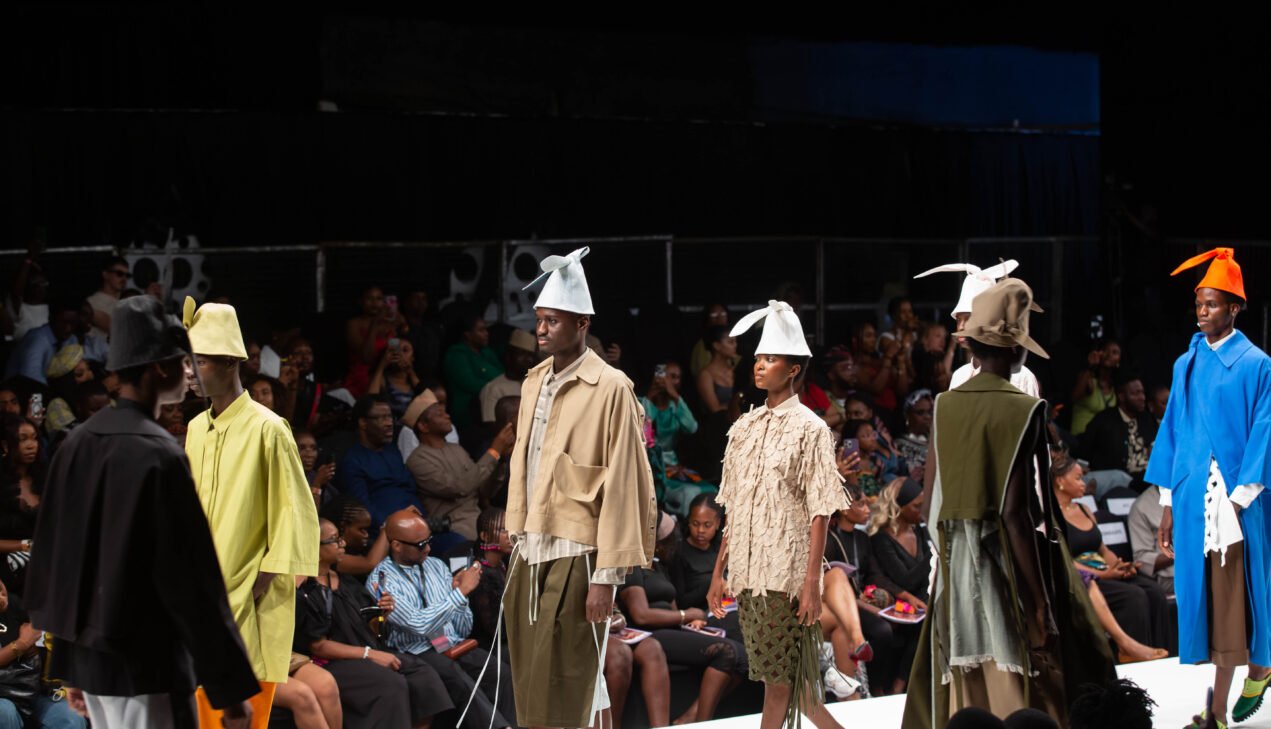
On the runway, the theme produced a wide range of interpretations. Some designers returned to indigenous textiles and familiar forms. Others worked through reconstruction, textile manipulation, collaboration and new approaches to silhouette. The strongest presentations did not treat heritage as a requirement to reproduce the past. They used it as material for new design decisions.
One of the opening presentations, Akwete Reimagined, brought Emmy Kasbit together with ALÁRA in a capsule collection built around Akwete cloth. The collaboration placed a recognised Nigerian weaving tradition within a contemporary fashion context. Its importance lay not only in the textile itself, but in the question of how a traditional material can enter new markets without losing its identity or the knowledge behind its production.
Other collections approached the theme through different means. Sisiano’s Spring/Summer 2027 collection, Some Birds Fly South, used hand-printed fabrics, sheer materials and fringe, while Orange Culture’s The In-Between combined familiar silhouettes with uneven proportions, layered sheerness, hand-stitched details and looped-yarn surfaces. Both collections showed how material and construction can alter the character of familiar forms without relying on a literal display of cultural references.
The presentations on the second day offered further examples. Hertunba worked with drop-waist shapes, beading and fringe. For Style Sake’s Áríyá moved between tweed, Aso Oke, organza and sheer fabrics. Bakusoraya, the Benin Republic-based label, placed indigenous textiles and embroidery within a restrained palette. Cute-Saint brought Adire into focus through cowrie details and a closing masquerade performance.
These were not identical expressions of heritage. They showed that African design cannot be reduced to one textile, one silhouette or one visual identity. The continent’s fashion vocabulary is broad, and its designers draw from different histories, communities and personal experiences. The value of a platform such as Lagos Fashion Week lies partly in allowing those differences to appear together.
Circularity becomes more convincing when it changes the way clothes are made
The season’s sustainability discussions were most useful when they moved away from general statements about responsible fashion and considered actual production choices. Ajanéé’s Masquerading (Cloth as Spirit) was one of the clearest examples. The collection transformed old jerseys into dresses and combined them with sheer fabrics. Rather than treating discarded clothing as waste, the designer used existing garments as the starting point for new pieces.
The Irapada Circular Design Initiative also brought together work from designers including Hertunba, IAMISIGO, Ajanéé and Eki Kere. Its presence connected individual design experiments to a wider effort to develop circular practice within the industry. Green Access, Lagos Fashion Week’s designer development platform, has also made circular design, artisan collaboration, material research and responsible production part of its programme for emerging designers.
Other presentations approached material use through craft and collaboration. Studio Imo’s Clan brought together crochet brands 21 Wool Street and Crochet Nigeria. The collection used textured knitwear, asymmetrical shapes and crochet embellishments to show how specialist skills can become part of a contemporary fashion product. Nkwo continued her work with sustainable design, while Pepperow used hand-printed fabrics, raffia details and beading.
The second day’s discussion, “The Culture of More: Breaking Up with Overconsumption”, added an important qualification to the sustainability debate. Speakers challenged the tendency to describe overconsumption as mainly an African problem. They pointed instead to the wider fashion system, including overproduction and the flow of inexpensive imported clothing.
African designers are often asked to prove their commitment to sustainability while competing in markets flooded with low-cost clothing. They may be expected to use local materials, pay skilled makers fairly and produce responsibly, while facing customers and retailers who remain highly price-sensitive. Responsible production cannot become a burden placed on designers alone. It requires changes in consumer behaviour, supply chains, investment and public policy.
The infrastructure question remains unresolved
The discussions on intellectual property and circular fashion brought the industry’s structural problems into sharper focus. Designers and business leaders considered unreliable electricity, limited manufacturing capacity, workforce development and the difficulty of protecting original designs. These are not separate concerns. They affect the cost of making a collection, the ability to fulfil orders and the confidence of investors and retail partners.
The intellectual property discussion was particularly important. African fashion draws on shared cultural knowledge, but individual designers also develop original prints, silhouettes, construction methods and brand identities. The industry needs a clearer way to distinguish cultural heritage from original commercial work, and to protect the latter without claiming ownership over traditions that belong to communities. Stronger legal systems and clear contracts are part of that process.
The third day’s financing discussion, moderated by Yinka Adegoke, considered the relationship between capital, advisory support and the rules that govern business. Speakers from the International Finance Corporation, the sustainability sector and AFC Capital Partners addressed the need for investment, capacity building and stronger regulatory and intellectual property frameworks.
By the fourth day, the conversation had become more specific. Sessions on growth and retail readiness examined production planning, international wholesale logistics, customer data, brand partnerships and the terms required to work with established retailers. Olamoniso Nduka of Polo Avenue stressed the need for standardised line sheets, reliable production capacity and clear wholesale margins. These are basic requirements in mature retail markets, but they can be difficult for small labels to meet without access to finance, skilled staff and dependable manufacturers.
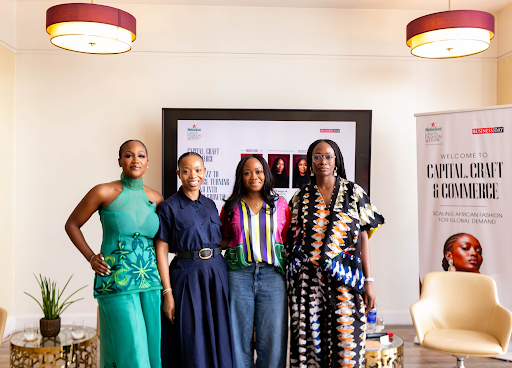
The issue is not a lack of ambition. Designers can produce work that attracts international attention, but that attention does not automatically create the capacity to supply a retailer, repeat a successful product or deliver an order on time. The distance between visibility and commercial readiness remains one of the industry’s most important challenges.
Recommended For You
The designers gave the theme its many meanings
The third day offered a particularly wide reading of craft and identity. Imad Eduso presented Into the Wild, which included the label’s first menswear showing, with raffia hats, fringed trousers and familiar womenswear shapes in new materials and prints. Dukun drew on Itsekiri traditions through deconstruction, fabric manipulation and layered construction. Uganda’s IGC Fashion used barkcloth and cowrie embellishments, treating textiles as more than surface decoration.
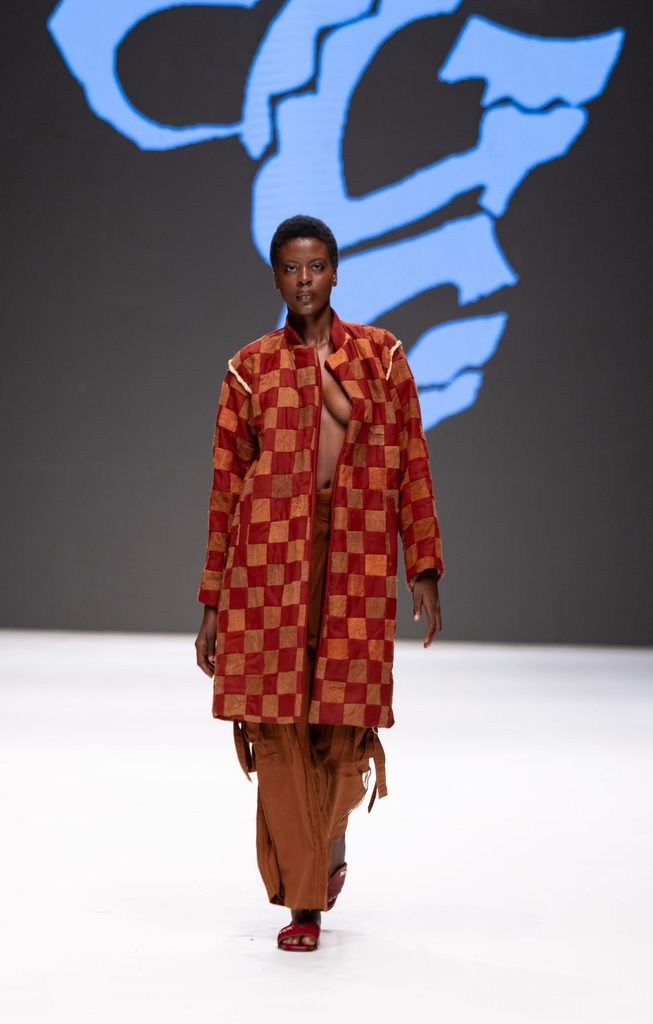
Studio Imo’s Clan showed what collaboration can add to a collection. The work with 21 Wool Street and Crochet Nigeria brought different crochet skills into one design language. Ghanaian label Jermaine Bleu used Kente with shimmery tassels, while Angolan brand Fiu Negru worked with sheer organza, coral-bead tops and voluminous hems. These presentations made clear that the reference to heritage did not lead to a single aesthetic outcome.
There were also collections that used personal history as their point of departure. Cynthia Abila’s The Common Ground was dedicated to her father. E.S.O by Liman’s Cosmic Bodies drew on the characters, personalities and lived experiences of Yoruba women, while Dimeji Ilori’s Ancestral Intelligence reworked traditional silhouettes and Aso Oke with embroidery and cowrie details.
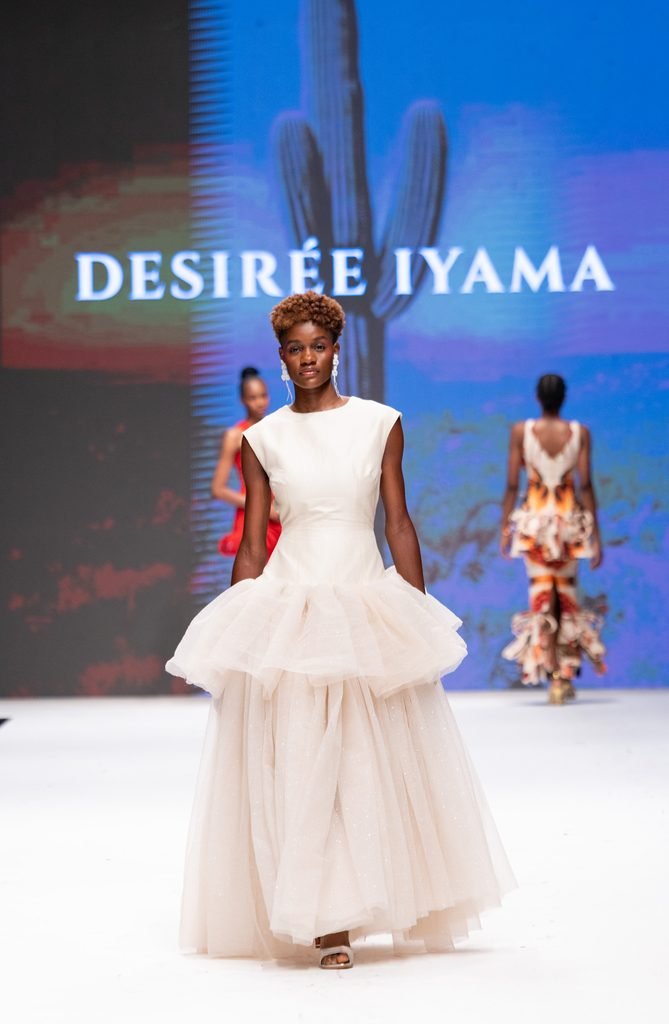
Désirée Iyama’s This Is Why, presented during the third day, marked ten years of the label. The collection used familiar silhouettes alongside new shapes and details, with a visual idea of thorns becoming flowers. It was a reminder that a designer’s identity is not formed in one season. It develops through repeated decisions, changes in technique and a sustained relationship with an audience.
Other designers used the runway to test the limits of established forms. Bloke presented a theatrical collection titled Pelumi Oyewo. Street Souk brought together four designers working with bomber jackets, metallic finishes, experimental headwear and leather interpretations of the agbada. Fruché’s Spring/Summer 2027 collection, KLEG, placed gingham alongside draped gowns, carved seed pods and a sculpted wooden bustier. These collections did not all approach craft in the same way, but they showed the range of ideas being developed across the region.
A runway appearance is not an industry policy
The fourth day closed the on-site runway programme with a surprise appearance by Lagos State Governor Babajide Sanwo-Olu, who walked for menswear designer Ugo Monye. The moment drew attention to the relationship between the state’s public leadership and its creative sector. It also gave the event a highly visible closing image.
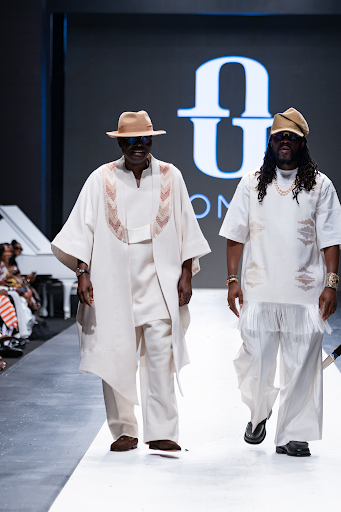
But the more lasting measure of public support will be found outside the runway. Fashion businesses need reliable power, accessible finance, production facilities, skills development, export support and legal protection. A governor’s appearance can bring attention to a designer and the wider industry. It cannot, by itself, resolve the conditions that determine whether a fashion business can grow.
The fourth day’s sessions returned to those conditions. Discussions on capital, capacity and growth examined how founders can balance creative direction with commercial planning. A separate conversation on turning demand into lasting growth considered customer data, return on investment and the role of brand partnerships. The retail-readiness session focused on the practical requirements for entering multi-brand retail, including production standards, line sheets and wholesale terms.
These are not glamorous subjects, but they are central to the future of African fashion. The industry cannot rely on fashion week exposure as its main route to growth. It needs a stronger relationship between designers, manufacturers, investors, retailers, legal professionals and public institutions.
What Lagos Fashion Week leaves behind
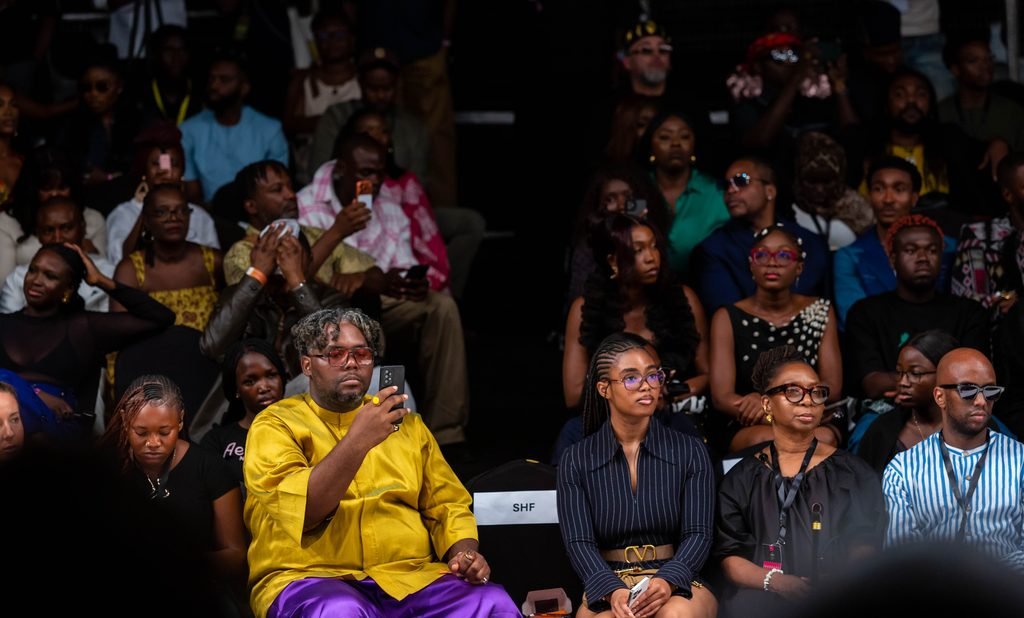
Four days of Lagos Fashion Week 2026 presented an industry that is confident in its creative ability and increasingly direct about the problems it must solve. The collections showed that heritage can be researched, questioned and reworked. They also showed that circular design can move beyond an idea when designers use existing garments, local materials and specialist skills in the construction of new work.
The business programme was just as important as the runway. Its repeated focus on finance, intellectual property, manufacturing, artisan relationships and retail readiness exposed the gap between creative potential and commercial capacity. That gap is not unique to Nigeria, but it has particular weight in a market where high production costs and limited infrastructure can make growth difficult.
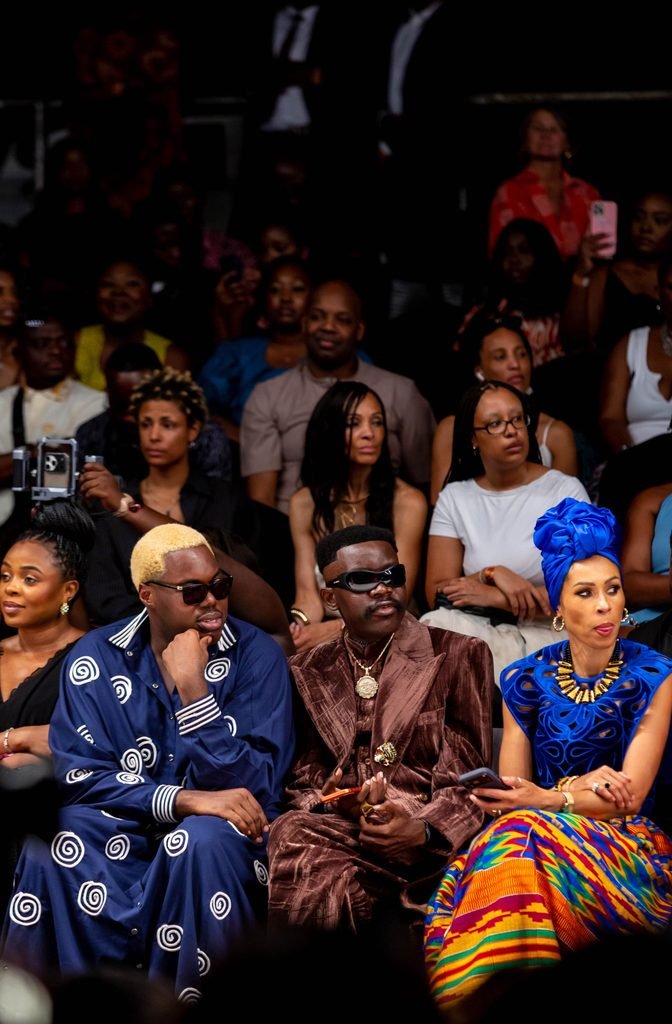
Lagos Fashion Week has become an important meeting point for designers, buyers, media and industry professionals working across Africa and beyond. Its value should not be measured only by the number of collections presented or the attention they receive. It should also be measured by the relationships it helps build, the businesses it helps prepare and the opportunities it creates for the people whose work supports the industry.
The theme CRAFTED was therefore a useful test. It asked the industry to look beyond the finished garment and consider the knowledge, labour and systems behind it. The next task is to make sure those people and systems receive a fair share of the value they create.
African fashion does not need to prove that it can produce original ideas. Lagos made that clear. The more urgent task is to build the conditions in which those ideas can be made well, protected, sold and sustained.
Photo Credit: Kola Oshalusi (Insigna Media), Seye Kehinde (@theseyekehinde)