
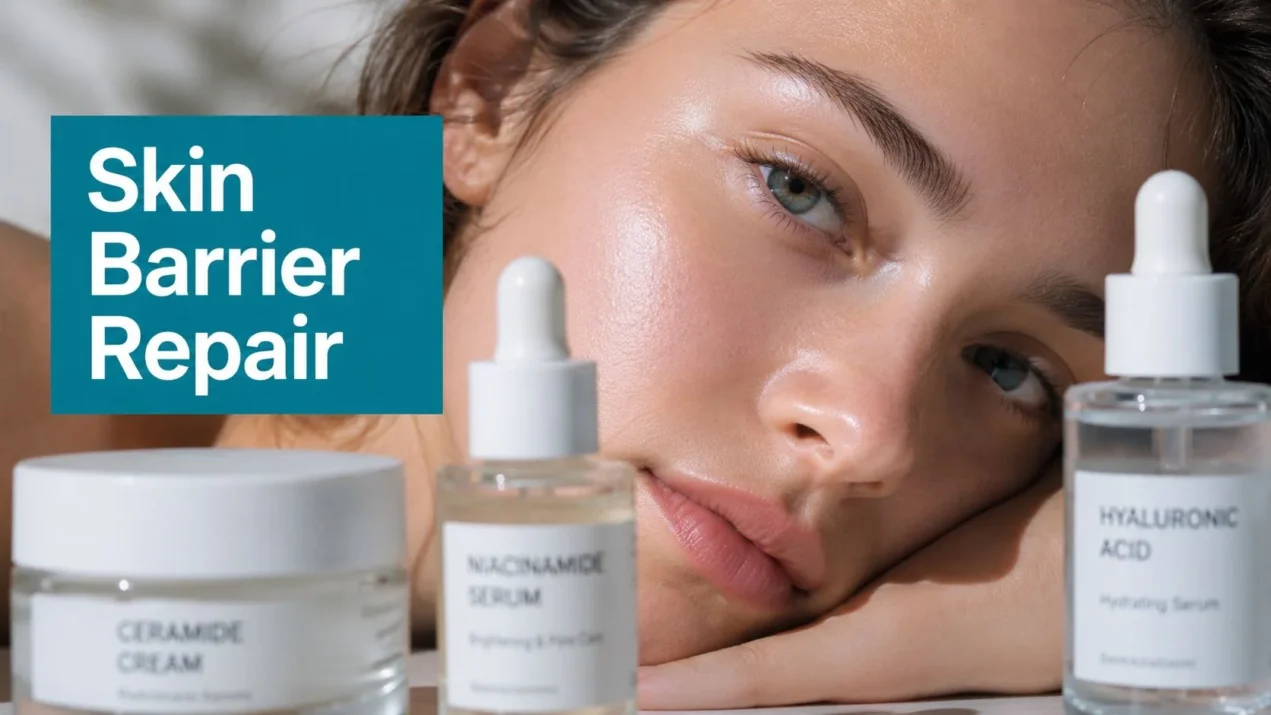

From regenerative skincare to traditional animal fats, the beauty industry is revisiting what it means to have healthy skin. But behind the latest ingredient trends lies a more important question: what does the skin actually need, and how much of the promise is supported by science? As exosome serums and beef tallow compete for attention, skin barrier repair is emerging as the approach with the strongest evidence behind it.
Skincare has entered an interesting period. After years of pursuing brighter complexions, smoother texture and increasingly elaborate routines, attention is shifting towards the condition of the skin itself. Consumers are asking different questions. Is the skin barrier functioning properly? Can skincare support the way skin repairs itself? Are traditional ingredients worth reconsidering? And do newer technologies offer meaningful improvements over established formulations?
Three developments capture this change particularly well: the growing interest in exosome serums and regenerative treatments, the renewed popularity of beef tallow moisturisers, and the increasing prominence of barrier-repair formulas.
At first glance, these movements appear to have little in common. Exosomes belong to the language of biotechnology and regenerative medicine. Beef tallow draws on traditional approaches to moisturising, while barrier-repair skincare is rooted in dermatological research into the structure and function of the skin. Yet all three are attracting attention around the same consumer desire: healthier-looking skin that feels comfortable, retains moisture and is less prone to irritation.
Their popularity also exposes a familiar problem in the beauty industry. An ingredient can have an interesting biological mechanism, a long history of use or an impressive social media following without necessarily having strong clinical evidence behind its cosmetic claims. Understanding the difference is becoming essential.
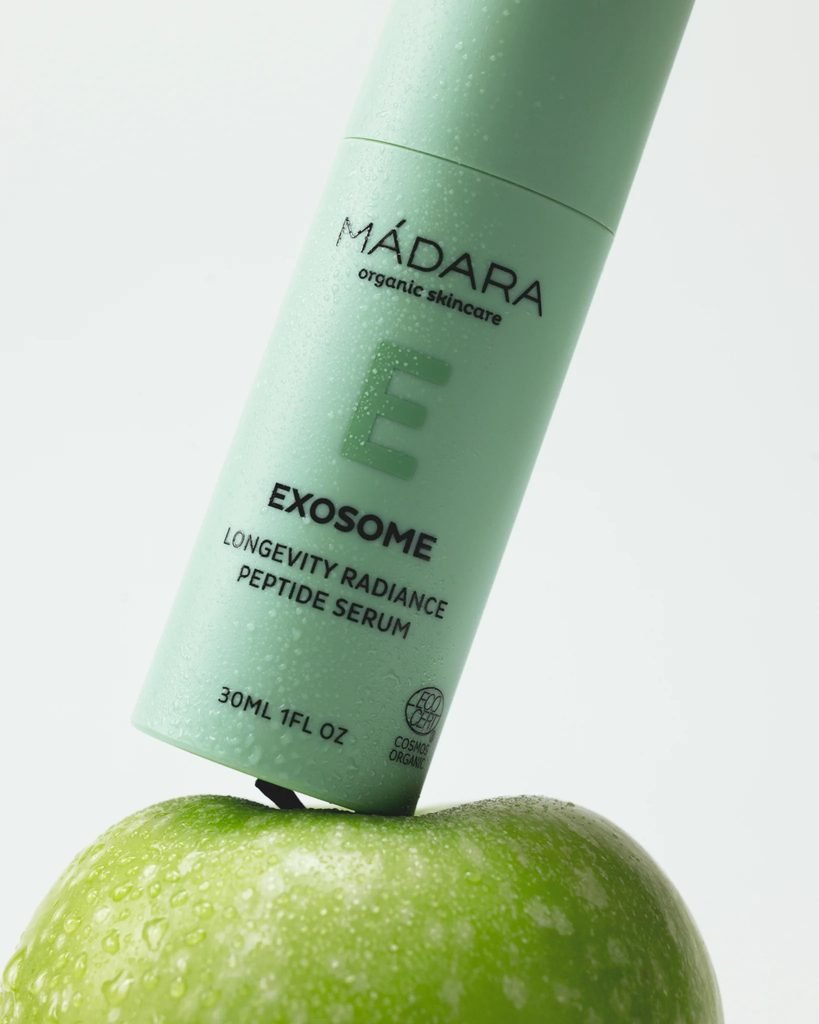
Exosome Serums: The Appeal of Regenerative Skincare
Few developments have generated as much interest in advanced skincare as exosomes. Often discussed alongside stem cell technology, growth factors and regenerative medicine, exosomes are microscopic extracellular vesicles involved in communication between cells. They transport biological material, including proteins, lipids and nucleic acids, which can influence how recipient cells behave.
In skin research, their potential has attracted attention because cellular communication is involved in processes such as inflammation, tissue repair and the organisation of the extracellular matrix. Preclinical studies suggest that certain exosome preparations may influence collagen production, wound healing and inflammatory responses. These findings have encouraged researchers and cosmetic companies to investigate their possible applications in skin rejuvenation.
The commercial appeal is understandable. Rather than simply adding moisture to the surface or temporarily improving the appearance of fine lines, exosome-based products are frequently positioned as a more sophisticated approach to supporting the skin’s biological processes.
However, the science requires a more measured interpretation. Exosomes are not a single standardised skincare ingredient. Their composition depends on their biological source and the processes used to isolate, prepare and preserve them. Products marketed under the same name may therefore contain very different materials. Plant-derived extracellular vesicles, human cell-derived preparations and other products should not automatically be treated as equivalent.
A 2026 systematic review of human studies found encouraging short-term associations between exosome-based interventions and improvements in skin hydration, elasticity, wrinkles and pigmentation. However, the studies were heterogeneous, many were not randomised, and longer-term evidence remains limited. A separate 2026 review of topical exosomes also identified considerable variation in commercial products, including insufficient information about their sources, processing and shelf life.
For consumers, this means that the term exosome serum should not be interpreted as a guarantee of regenerative performance.
The Difference Between a Serum and a Clinical Treatment
An important distinction exists between applying an exosome-containing cosmetic product to intact skin and using an exosome preparation as part of a professional aesthetic procedure.
Topical application involves placing a formulation on the skin’s surface. The ability of its components to penetrate the skin and produce a meaningful biological effect depends on their properties, the formulation and the delivery system.
Professional treatments may involve microneedling, laser procedures or other methods intended to influence delivery. These approaches introduce different considerations, including product quality, sterility, practitioner competence and the condition of the skin following treatment.
The fact that a product is used in a clinic does not, by itself, establish its safety or effectiveness. Nor does the association with regenerative medicine mean that every product marketed as an exosome treatment has undergone the same level of testing.
As of 2026, exosome-based products have not received US Food and Drug Administration approval for dermatological indications. Researchers continue to identify gaps in standardisation, clinical validation and long-term safety data.
Beef Tallow: Why Animal Fat Has Returned to Skincare
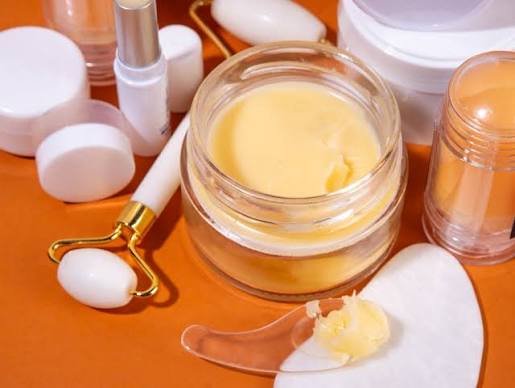
At the opposite end of the skincare conversation is beef tallow. Long before the current popularity of elaborate cosmetic formulations, animal fats were used in traditional preparations for softening and protecting the skin. Today, beef tallow has returned to beauty culture through moisturising balms, whipped creams and products marketed as natural alternatives to conventional skincare.
Its appeal is partly cultural. Consumers who have become sceptical of long ingredient lists and heavily processed formulations are showing renewed interest in simpler products. Beef tallow fits neatly into this preference. It is a rendered animal fat containing triglycerides and fatty acids, including palmitic, stearic and oleic acids.
These components have properties relevant to moisturising. A lipid-rich product can help reduce moisture loss by forming a protective layer over the skin. This makes the ingredient particularly attractive to people seeking relief from dryness and roughness.
But the presence of fatty acids associated with skin function does not automatically establish that beef tallow is an effective skin treatment. Research into individual fatty acids cannot be used as direct proof that a finished beef tallow moisturiser will produce the same results. Its effects depend on the overall fatty acid composition, concentration, preparation, storage and formulation.
A 2024 scoping review found that research specifically examining tallow as a cosmetic product for human skin remains limited. A 2025 study examining social media claims also found that many claims about its ability to treat acne, eczema and psoriasis lacked supporting clinical evidence.
Is Beef Tallow Suitable for Every Skin Type?
The answer is “Not necessarily”. Its rich, occlusive texture may appeal to people with very dry skin, but it may not be suitable for everyone. People with oily or acne-prone skin may find heavy formulations uncomfortable or unsuitable. Sensitive skin can also react to ingredients in a product, including added fragrances or poorly controlled formulations.
There are further considerations around product quality. Animal-derived fats require appropriate processing and storage. Poor handling can affect product stability, while inconsistent manufacturing makes it difficult to know whether different products will perform similarly.
The word natural does not remove the need for formulation standards, preservation and safety testing. This is where the current enthusiasm for beef tallow deserves some restraint. It may function as a moisturising ingredient, but there is not enough evidence to present it as a treatment for acne, eczema, psoriasis or a damaged skin barrier. Established moisturisers with tested formulations offer a more predictable starting point for those seeking barrier support.
The return of traditional ingredients is not inherently misguided. It does, however, invite a more useful question: are consumers responding to the ingredient itself, or to the basic moisturising properties that a well-formulated product should provide?
Recommended For You
Skin Barrier Repair: The Science Behind Healthy Skin
While exosomes and beef tallow are generating interest through novelty and renewed cultural attention, skin barrier repair is built around a more established understanding of skin physiology.
The skin barrier is primarily associated with the stratum corneum, the outermost layer of the epidermis. It consists of flattened skin cells surrounded by a structured matrix of lipids. This arrangement helps limit water loss while providing protection against environmental irritants, microorganisms and other external substances.
When the barrier is compromised, the skin may become dry, tight, rough or unusually reactive. It can also become more vulnerable to irritation from products that were previously tolerated.
Several factors can contribute to barrier disruption, including excessive cleansing, overuse of exfoliating acids, inappropriate retinoid use, environmental exposure and certain dermatological conditions.
The growing interest in barrier repair reflects a broader shift away from the idea that every skincare concern requires another active ingredient. Sometimes, the more useful intervention is to reduce irritation and restore the skin’s ability to retain moisture.
Why Ceramides, Cholesterol and Fatty Acids Matter
Among the most important components of barrier-repair formulations are ceramides, cholesterol and free fatty acids. Ceramides are lipids naturally present in the stratum corneum. Together with cholesterol and fatty acids, they help form the organised lipid structures that maintain the barrier and limit transepidermal water loss.
This is why ceramide-containing moisturisers have become prominent in dermatological skincare. They are designed to complement the skin’s own lipid structure rather than simply leave a layer of oil on its surface.
A 2024 review in the International Journal of Cosmetic Science examined the role of ceramides in skin barrier function and highlighted the importance of formulation. The presence of ceramides on an ingredient list is not enough; their incorporation and organisation within the finished product also influence how effectively a formula can support barrier function.
Clinical research has also demonstrated the value of appropriately formulated lipid moisturisers. In a randomised, investigator-blinded study involving people with dry, itchy skin, a ceramide-containing moisturiser increased hydration and was associated with improvements in stratum corneum lipid levels after four weeks.
Beyond ceramides, other ingredients have useful roles:
- Glycerin: A humectant that attracts and retains water in the outer layers of the skin.
- Hyaluronic acid: Helps bind water and improve surface hydration.
- Petrolatum: An occlusive ingredient that reduces transepidermal water loss.
- Squalane: An emollient that helps soften the skin and improve its feel.
- Panthenol: A conditioning ingredient commonly used in moisturisers for dry or irritated skin.
- Colloidal oatmeal: Used in formulations designed to soothe dry, itchy skin.
These ingredients do not all work in the same way. The most useful formulations often combine humectants, emollients and occlusives to address different aspects of hydration and moisture retention.
The New Skincare Priority: Less Aggression, Better Formulation
One of the more significant changes in contemporary skincare is the growing recognition that more active ingredients do not necessarily produce better skin.
For years, much of the consumer conversation centred on exfoliation, resurfacing, retinoids, vitamin C and increasingly concentrated formulas. These ingredients continue to have important applications, but their use requires consideration of skin tolerance, frequency and formulation.
When too many strong products are introduced at once, the result can be irritation rather than improvement. Repeated exfoliation, aggressive cleansing and poorly managed combinations of active ingredients can undermine the very barrier that skincare is intended to support.
Barrier-focused routines take a different approach. They prioritise gentle cleansing, adequate moisturisation and consistent sun protection. Active treatments can still be incorporated, but they should be selected according to the skin’s needs rather than the number of products a routine can accommodate.
This does not mean abandoning advanced skincare. It means understanding that innovation should complement the skin’s biology, not work against it.
What These Trends Tell Us About the Future of Skincare
The interest in exosomes, beef tallow and barrier-repair formulas reflects three different directions in the beauty market.
Exosomes represent the industry’s interest in biotechnology and the possibility of influencing biological processes involved in skin repair. Beef tallow reflects renewed consumer interest in traditional ingredients, simpler routines and lipid-rich moisturisers. Barrier-repair skincare demonstrates the continued importance of established dermatological principles.
Their commercial trajectories may differ, but they point towards a consumer who is becoming more interested in how products work, not simply what they promise.
For brands, this creates a responsibility to communicate ingredients with greater precision. A product should not be described as regenerative simply because it contains an ingredient associated with cellular communication. A traditional moisturiser should not be presented as a treatment for inflammatory skin conditions without adequate evidence. And a barrier-repair claim should be supported by a formulation designed to perform that function.
For consumers, the most useful approach is to look beyond ingredient popularity. The source, concentration, formulation, stability and available clinical evidence matter. So does the skin’s individual response.
Exosomes may eventually establish a more defined role in dermatology. Beef tallow may retain a place in certain moisturising products, although its clinical evidence remains limited. Barrier-repair formulations already have a stronger scientific foundation and are likely to remain central to everyday skincare.
The next phase of skincare may not be defined by finding one extraordinary ingredient. It may be defined by understanding the skin well enough to know which ingredients deserve a place in a routine, which claims require more evidence and when the best thing a product can do is help the skin maintain its own protective function.