
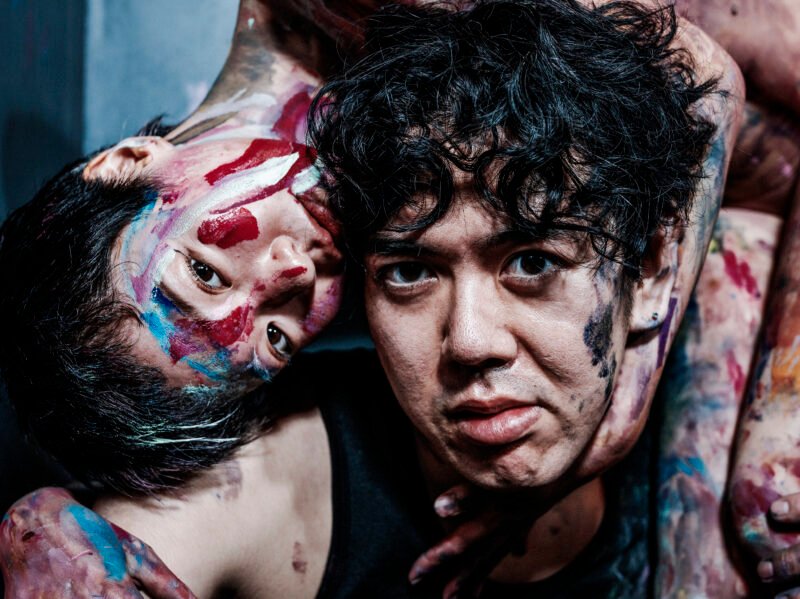
A 2023 report by The Art Newspaper revealed that over 68% of emerging artists feel pressured to commercialize their work to remain visible. But Hirooki Hatori moves in the opposite direction. His work doesn’t chase trends or appease the market. Instead, it dares to feel.
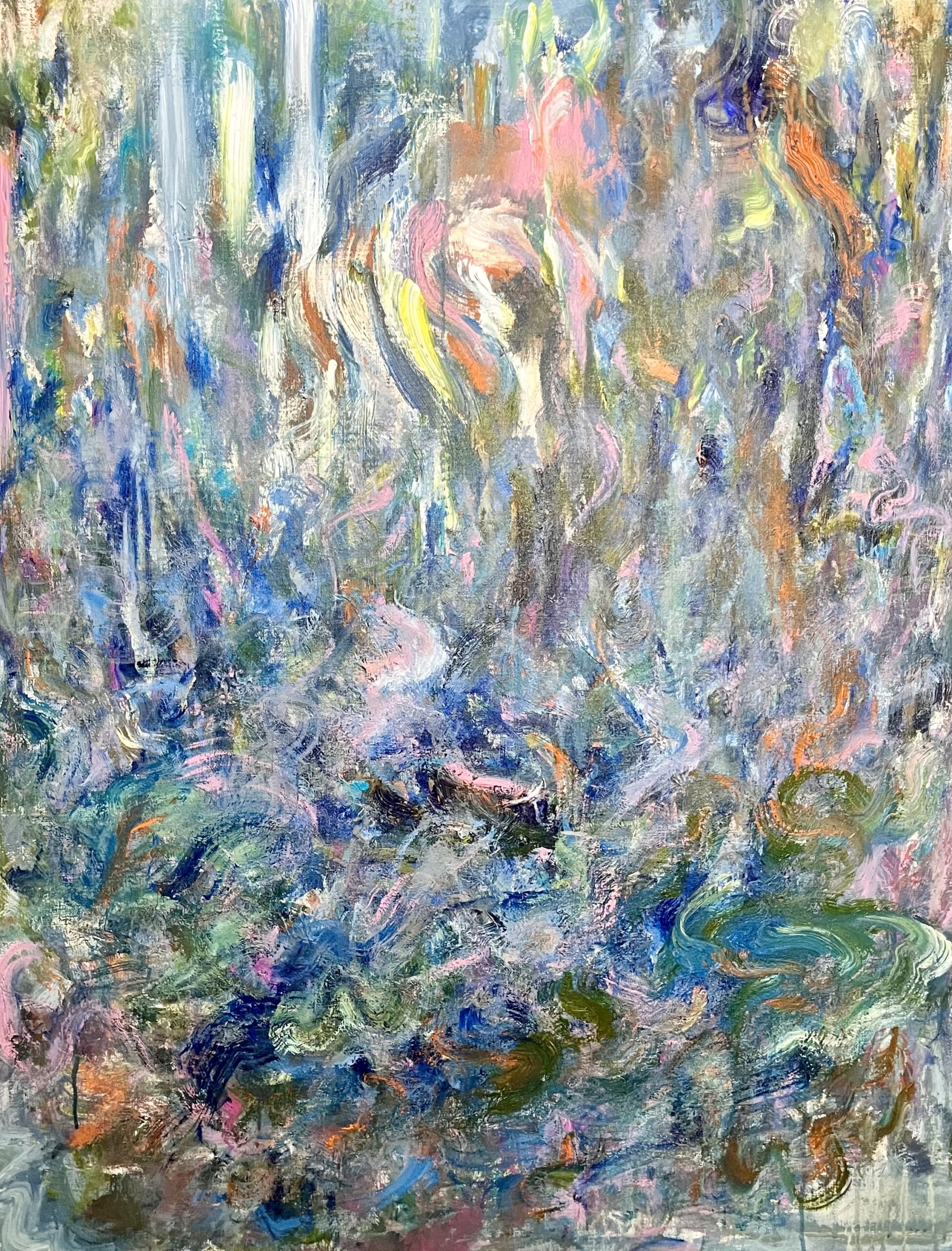
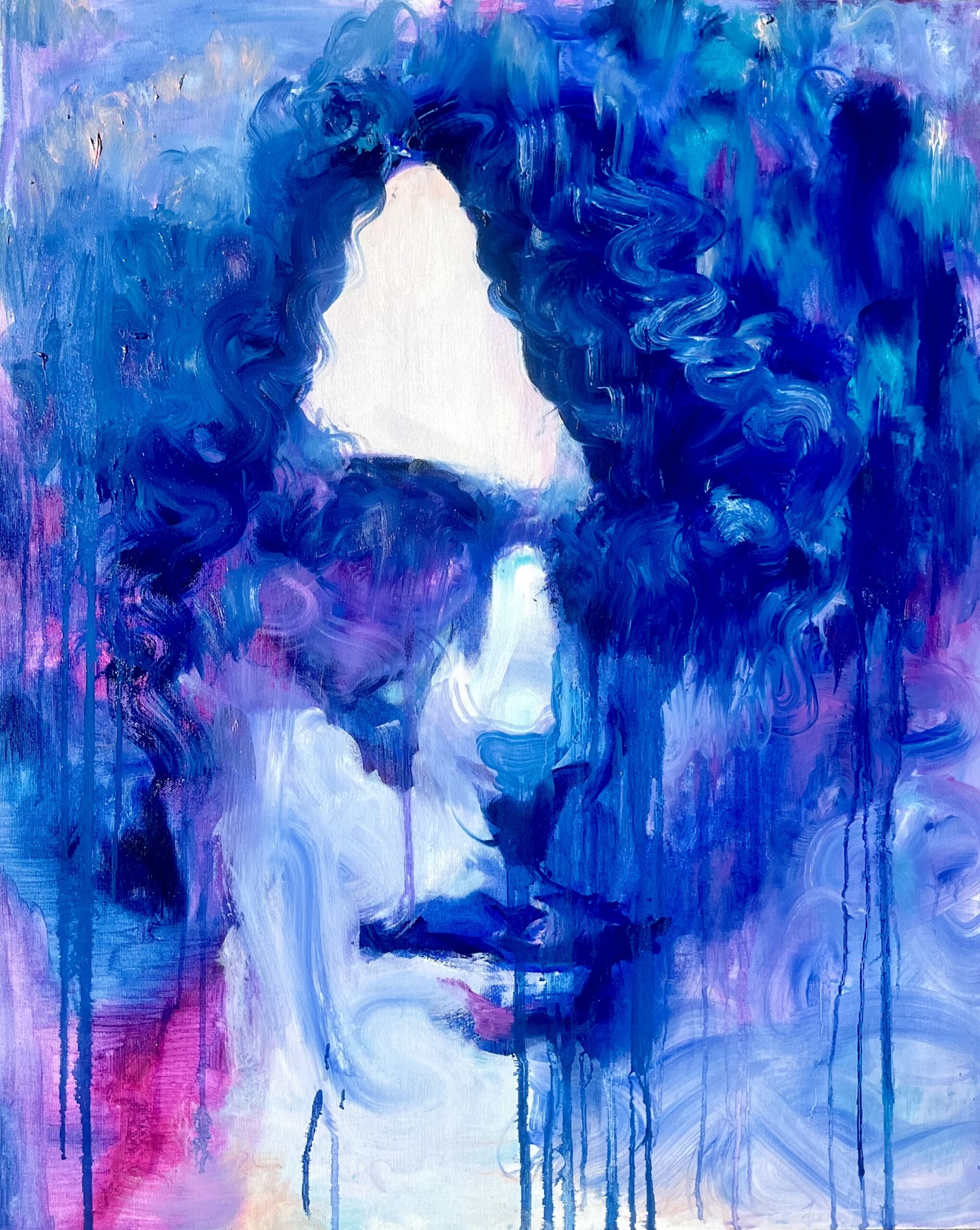
Hirooki Hatori is part of a growing wave of contemporary artists rejecting hyper-polished, commodified aesthetics in favour of something more honest. His canvases—often bursting with unexpected shades of orange, purple, and green—don’t just depict people. They expose emotion. Hesitation. Turmoil. Sometimes joy. Sometimes pain. But always truth. Rooted in Japanese spiritual philosophies and formed by encounters in Istanbul, Brazil, and Tokyo, his portraits confront what it means to be vulnerable in a fragmented, performative society.
In this deeply personal conversation, the artist opens up about his early disinterest in people, the boat ride in Istanbul that changed everything, and the moment he realized the colours in others were colours he carried too. He reflects on the silence of Japanese culture, the emotional power of portraits, and the childlike awe he still feels when sunlight “hugs” him. Somewhere between brushstroke and prayer, Hatori invites us to see not just art but ourselves. And maybe, just maybe, to begin healing.
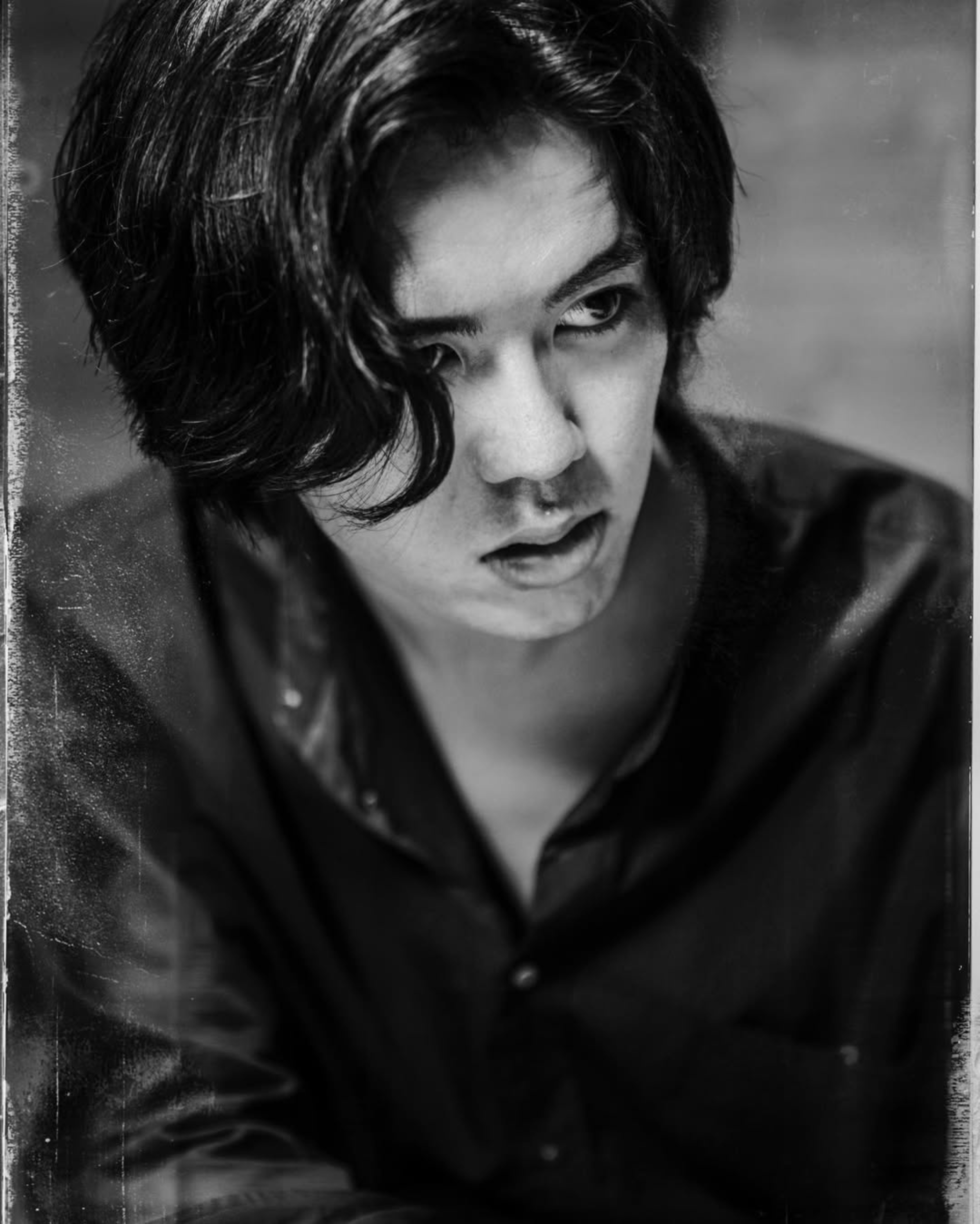
Painting as a Path to God, Self, and Others
FAB: What was the genesis of your connection to art? How did you discover your talent?
Hirooki Hatori: I’ve been painting since I was a child. When I was 12, I met an artist whose work completely blew me away. That encounter made something click. I thought, “I want to be an artist.” From that moment on, I began to take my art seriously. I focused on studying and practising, and I realized I had a talent for it. So I thought, why not go for it?
But my real connection to colour came later, when I started travelling the world. Before that, I wasn’t even that interested in people. But one day in Istanbul, I was on a boat ride that cost just 50 cents. I saw a family sitting nearby, and they looked so happy together. Something shifted in me. I picked up my brush, my paper, and my colours, and I painted them, right there, completely unplanned. One of the children was smiling at the water, and I painted him. I started using colours I’d never used before. That moment changed everything. From then on, I began painting people more often, always trying to capture their presence. I’d ask, “May I paint you?” That experience in Istanbul, about five or six years ago, was when I truly discovered my relationship with colour.
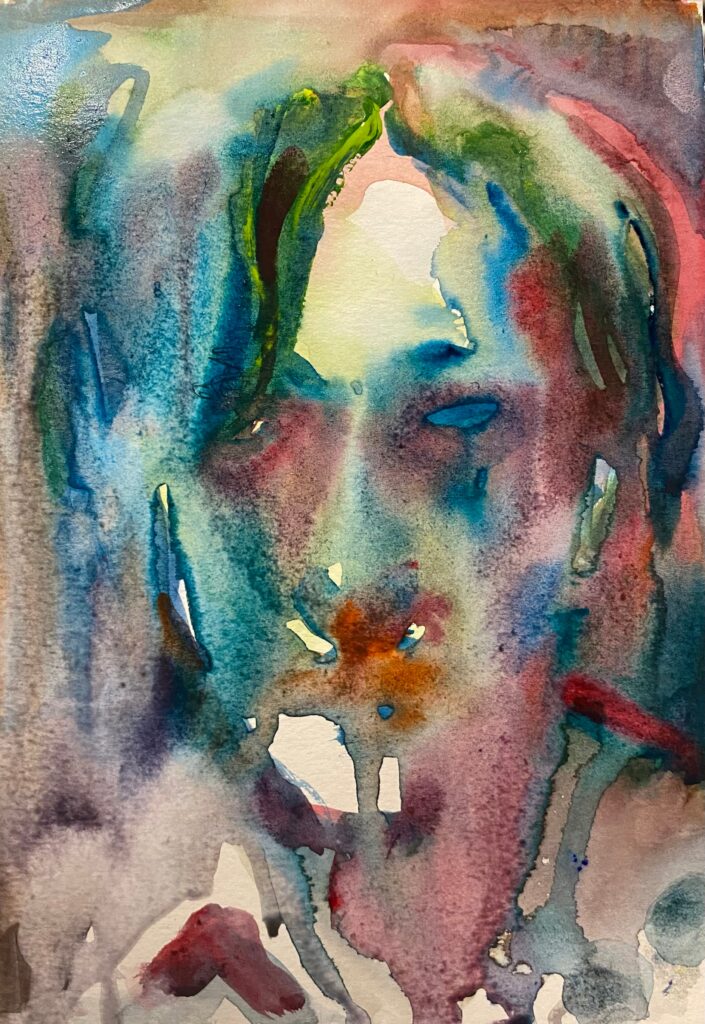
If I can go deep enough inside myself, if I truly understand the colours within, maybe I’ll meet someone there. Maybe that someone is God.
Hirooki Hatori
FAB: I’ve noticed your paintings often reflect contradictions, hesitation, vibrancy, turmoil, and colour. Is this your way of saying it’s okay to be complex? What message are you hoping to share through your work?
Hirooki Hatori: Yes, that’s true. Through painting, I try to connect with others and dive deeper into myself. I believe in God, not in a specific religious sense, but in the way we do in Japan. Through Shintoism, we believe God is everywhere: in trees, in people, and in every space around us. I don’t know exactly what God is, but I feel that presence and believe it’s always been with me.
I’ve come to think that if I can go deep enough inside myself, if I truly understand the colours within, maybe I’ll meet someone there. Maybe that someone is God. And I believe everyone carries that same divine spark within them, including you. That’s what connects back to my use of colour. It’s like I’m trying to show you how beautiful you are, how much of God is inside you. At the same time, I see myself in you. If I can achieve that through art, then I’ve done my job. Because how can people hate each other when we recognize ourselves in one another? Ultimately, my goal through art is to create connections.
Vulnerability, Identity, and What Lies Beneath
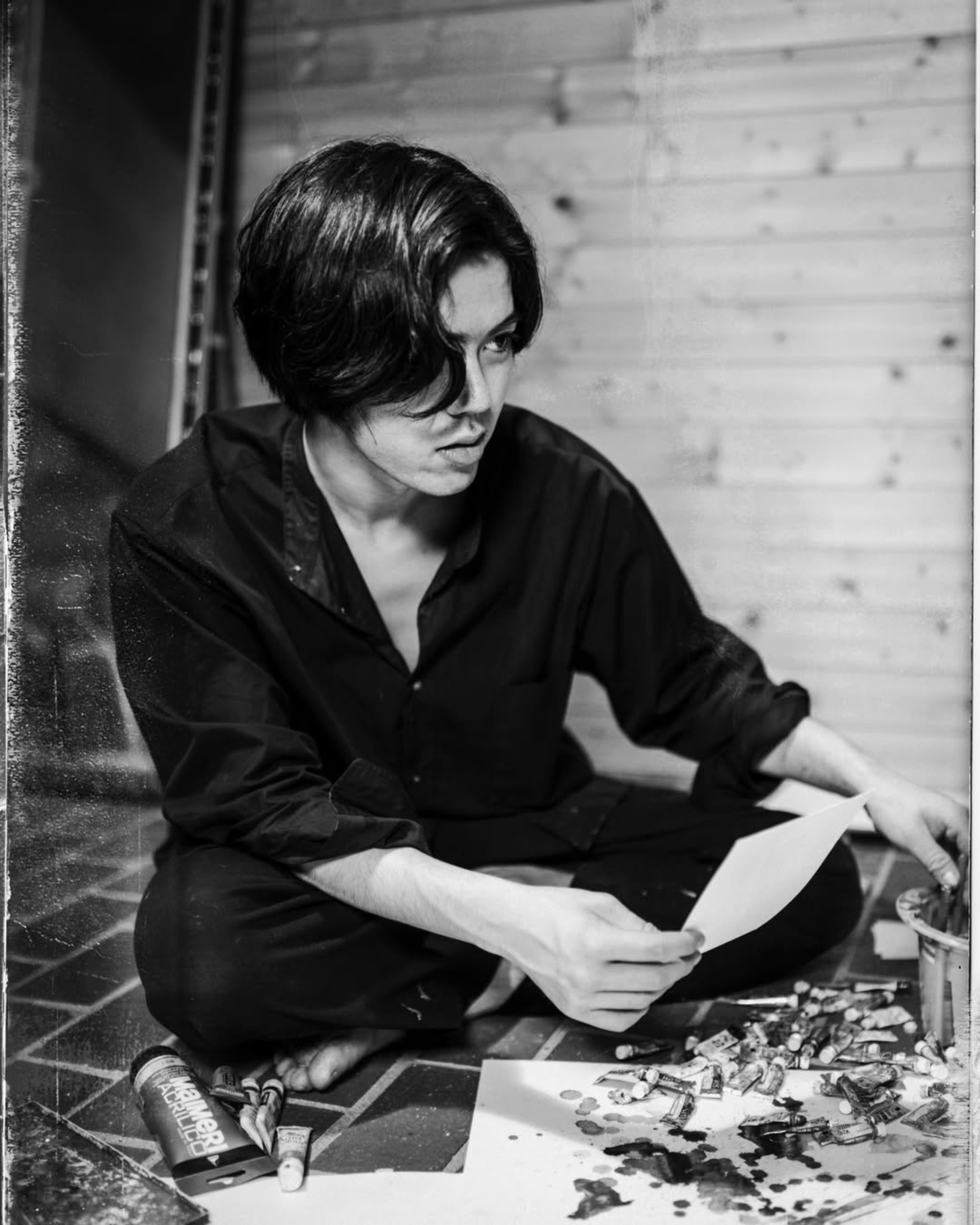
FAB: You’ve described your work as a way of confronting your own weakness and fragility.
Hirooki Hatori: Yes. Right now, I’m focusing on my inner self, on my weaknesses. It’s a long journey, and every phase tells a different story. During my travels, I was more drawn to other people, their colours, and their expressions. But now, my energy is turned inward. I’m trying to understand what truly lies at the core of my life.
FAB: What’s a typical day like in your studio?
Hirooki Hatori: Honestly, nothing too special. I go to the studio and paint. Sometimes I dance, sometimes I sing; I just follow the flow of the day. But when there’s work to be done, I stay focused. Of course, there are days I’m not in the mood to paint. Since I share the space with friends, we’ll sometimes just listen to music and talk. It’s a creative and relaxed environment.
4 Japanese Beauty Secrets to Ageless Skin
Why Is He Good at Being a Friend and Bad at Being a Boyfriend?
FAB: So would you say painting is more like therapy, rebellion, or maybe both?
Hirooki Hatori: Probably both. I remember this one moment; I was holding a brush, and it felt like I could see people through it. I’d hear a colour in my mind, and I’d just start painting. That’s when I realized something interesting: the colours weren’t just mine. When I paint others, I’m also trying to understand myself. The colours I’m drawn to, the emotions behind them, are shared.
And through that process, I started asking, Who am I really? That led me to my vulnerabilities. I realized I’d never truly faced them before. So now, through painting, I’m finally doing that, one brushstroke at a time. Never miss a beat in fashion, arts, beauty, and lifestyle, follow FAB L’Style Magazine.
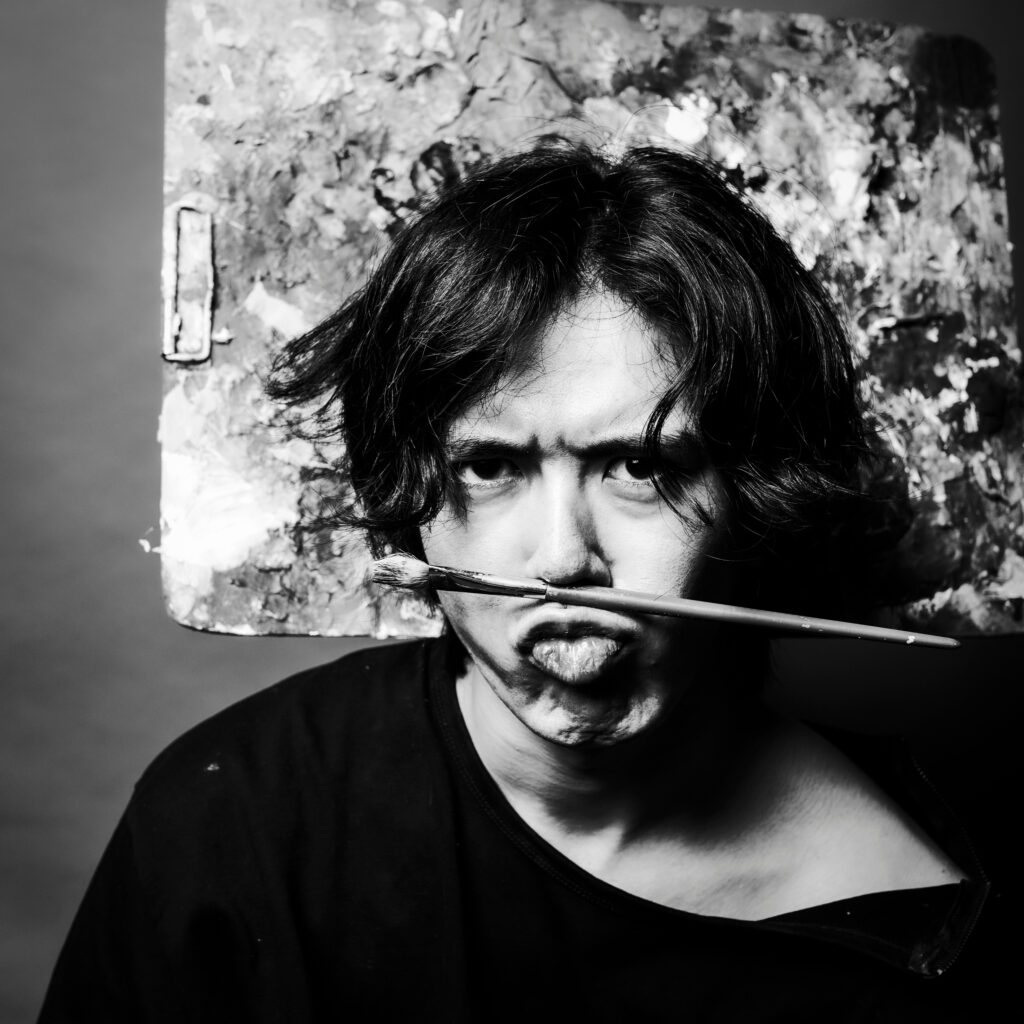
When I paint others, I’m also trying to understand myself.
Hirooki Hatori
FAB: What’s the most surprising emotion that ever appeared while you were painting, one that only emerged in the process?
Hirooki Hatori: In the beginning, when I painted portraits using watercolour, I used to stick to just one tone, like blue or purple. But once I started focusing on the colours of other people, I discovered I had orange and green inside me too. It became less about the portrait itself and more about the emotion behind each colour. The whole experience suddenly felt vibrant, alive. It was like uncovering beauty in others and realizing I had that same beauty within myself. That was one of the most powerful moments in my journey as an artist. And even now, as I paint while confronting my own weaknesses, I see those emotions not just as struggles but as colours, too. I want to feel them fully, to paint them honestly. I guess I’m still trying to sketch out who I really am.
FAB: You’ve exhibited in both Japan and Brazil. How did sharing your work in such different cultures shape your perspective as an artist?
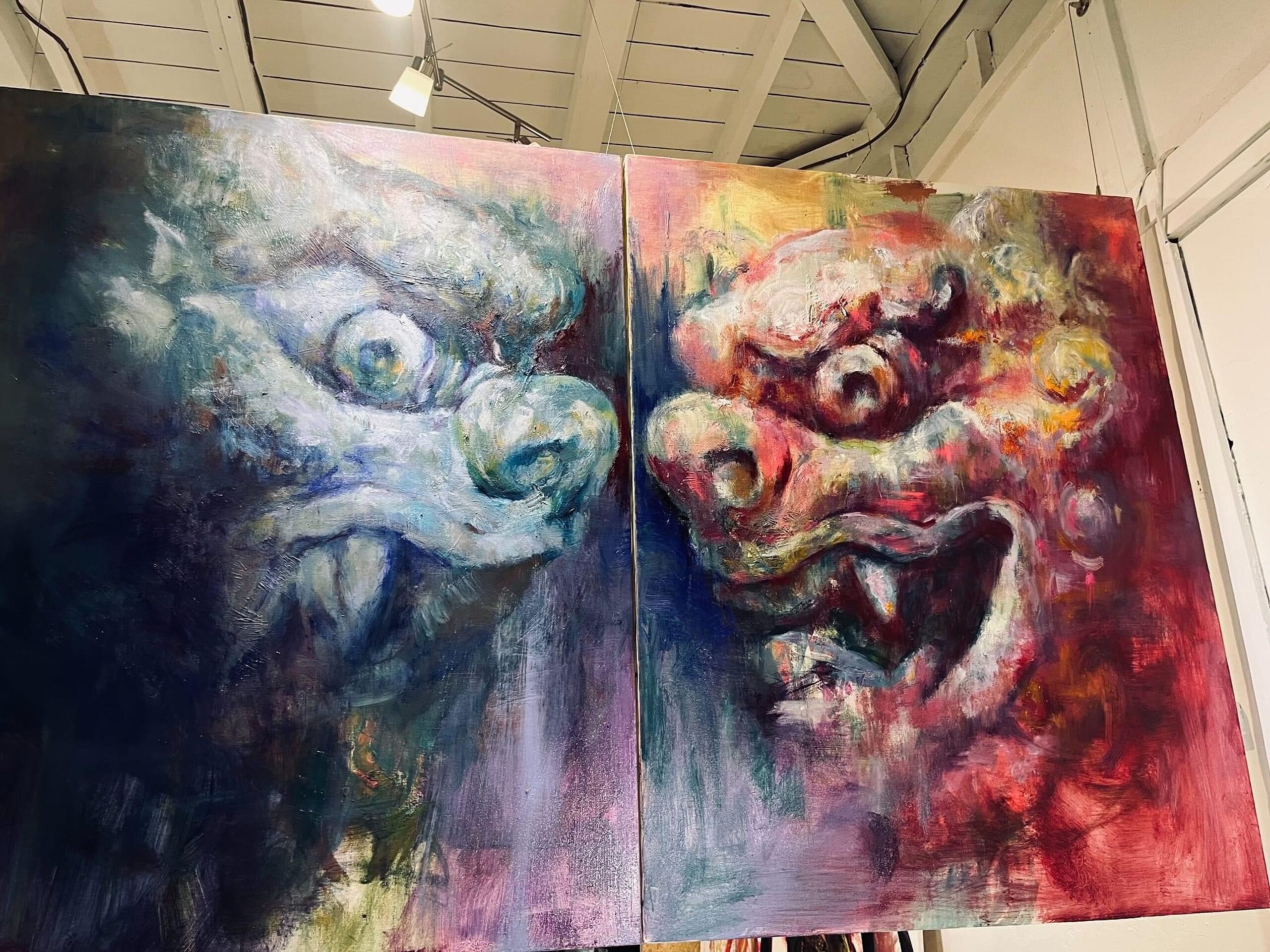
Hirooki Hatori: It was a really powerful experience. I spent about two or three years travelling, not everywhere, but I visited places in Europe and Latin America, like Colombia and Brazil. When I exhibited in Brazil, I tried to capture the soul of its colors, and they left a strong mark on me. Everything felt bold and vivid, maybe because of the nature, the culture, or both. Compared to Japan, where colors tend to be more subtle and deeper in tone, Brazil was bursting with energy. Even the people I met during that exhibition brought a completely different energy. Their reactions to my work were not like what I’d experienced in Japan. That contrast really deepened my understanding of how environment drives perception.
When a Painting Made Someone Cry
FAB: Have you ever had a reaction to your work that really stayed with you?
Hirooki Hatori: Yes, once in Japan, someone looked at one of my paintings and started crying. That really caught me off guard. They told me the painting felt like it represented them, even though it was based on something personal to me. That moment showed me just how deeply art can connect people. Especially with portraits, I feel like there’s this emotional shortcut; I try to reach into someone’s heart and translate that feeling into colour. Normally, getting to know someone takes time. But with painting, the connection can happen instantly. It’s so intimate.
Hirooki Hatori: Hmm, I think I’m a connector at heart. I love spending time with my friends, just hanging out, walking around, and sharing moments. I also love to sing and dance. And sometimes, when I’m alone, I write poems.
FAB: What kind of music do you usually sing?
Hirooki Hatori: Mostly Japanese music. Sometimes it’s hip-hop; other times it’s chill or danceable tunes. But yeah, I’d say hip-hop is what I sing the most.
Normally, getting to know someone takes time. But with painting, the connection can happen instantly.
Hirooki Hatori
FAB: You’re also a poet. What kind of poetry do you write?
Hirooki Hatori: I try to capture the beauty in everyday life. For instance, if I feel like the sun is hugging me, I’ll write about that sensation. Sometimes I write from emotion, like when I’ve fallen in love or when I’m just moved by something simple but profound. I want to translate those fleeting moments into words. And in a way, that flows into my artwork too; it’s all part of the same expression.
FAB: What’s one thing about Japan that you think people who’ve never been should really know?
Hirooki Hatori: There’s so much, but I’d say this: in Japan, we deeply value the small, often overlooked moments. As Japanese people, we’re taught to find beauty in the tiniest things, the subtle, the quiet, and the in-between. You’ll notice how focused and detail-oriented we are. That attention to detail shows up everywhere: in our food, our nature, and our everyday objects. There’s a real spirit of craftsmanship that comes from that mindset.
One of the most beautiful aspects of Japanese culture, I think, is our appreciation for silence. Silence is something we cherish. It’s tied to meditation, to stillness. We also find beauty in shadows, in the dark, there’s always something meaningful, something alive. That quiet depth, the ability to embrace what’s not loud or obvious, that’s a core part of who we are.