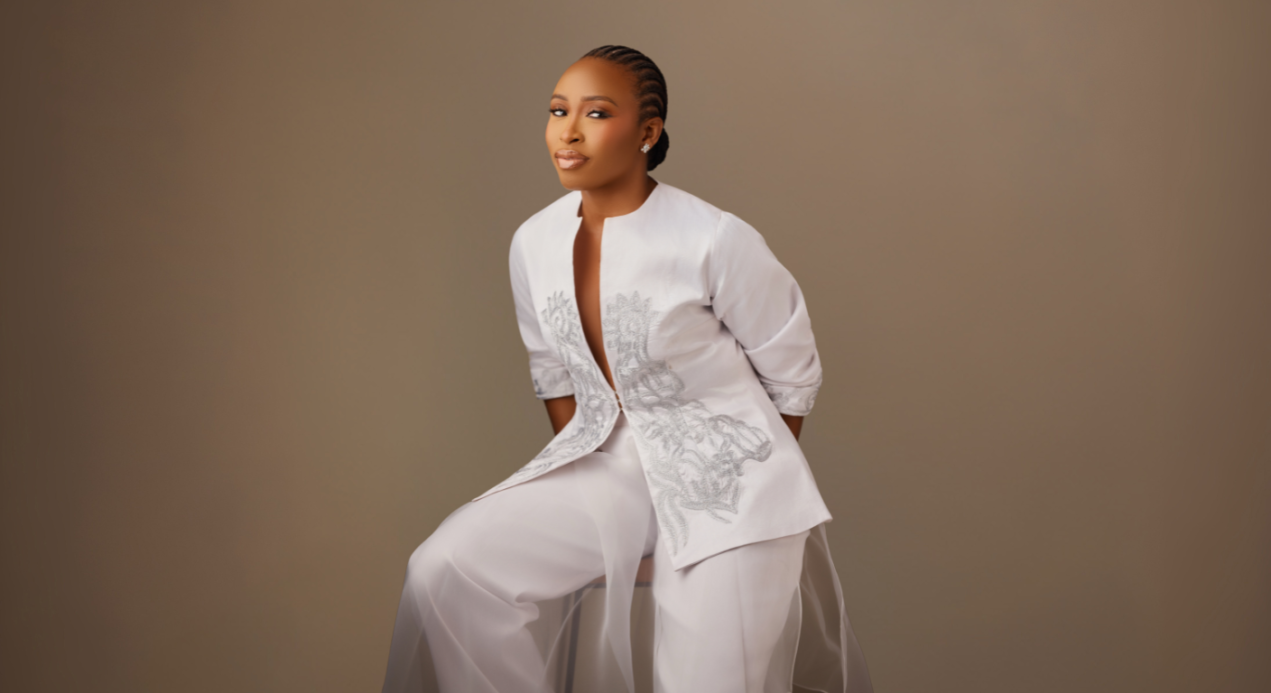

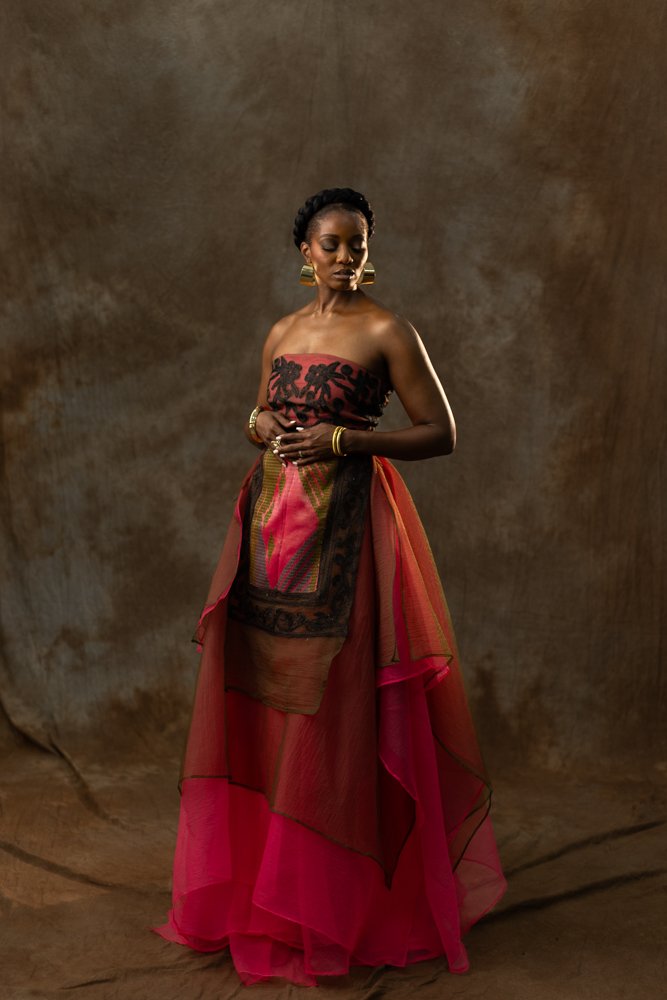
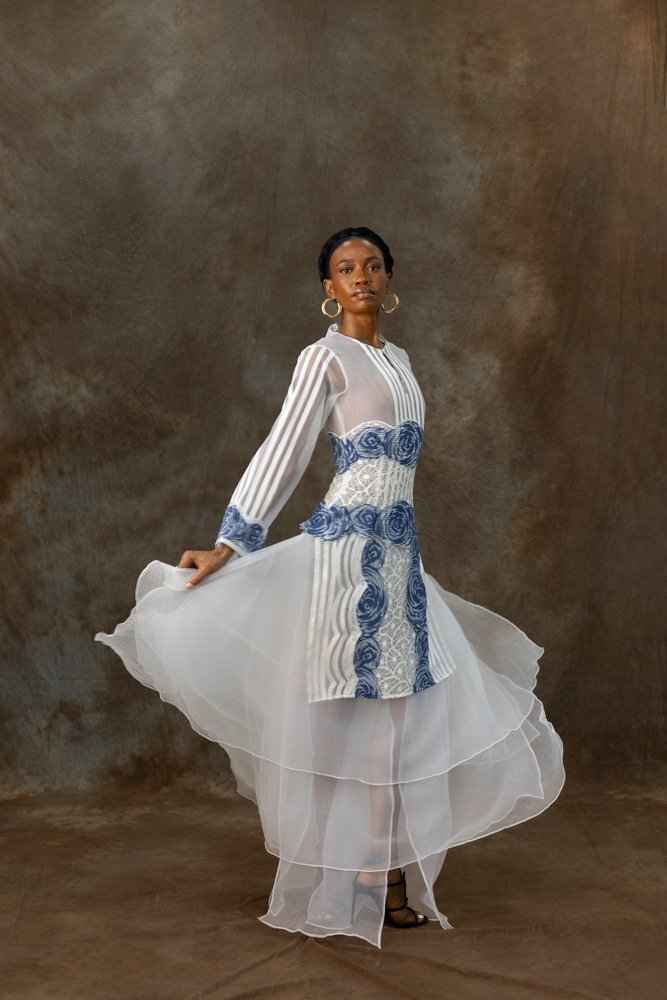
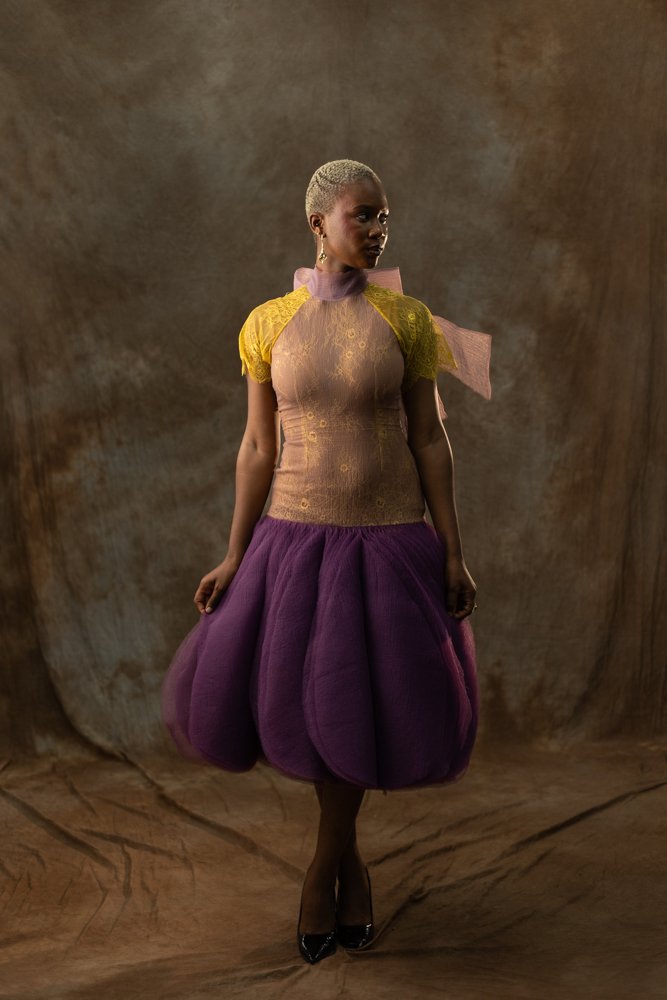
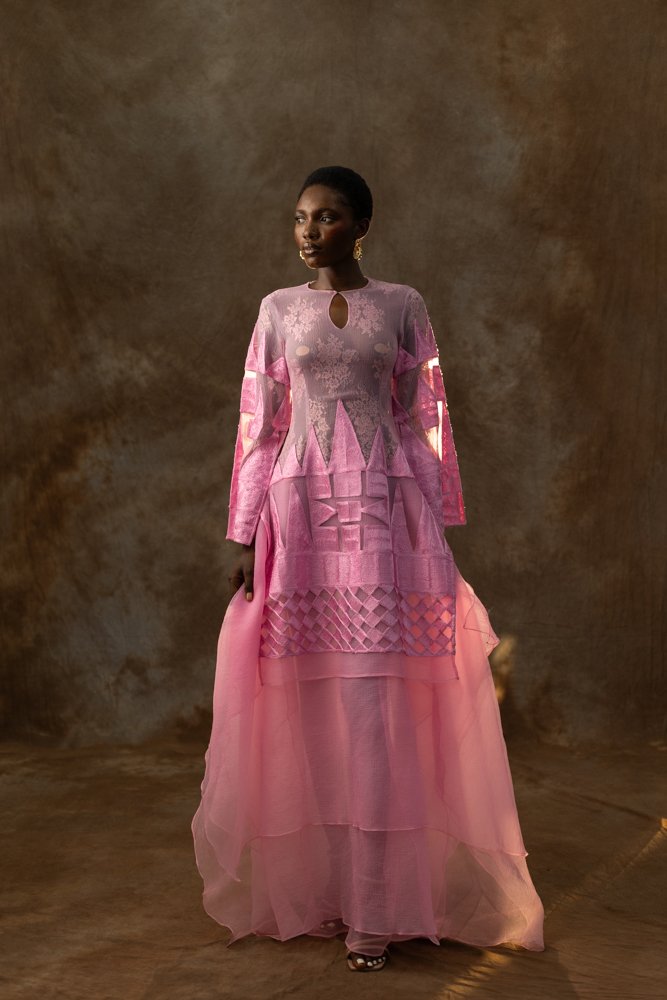
Sixteen years into building her eponymous label, Nigerian fashion designer Ejiro Amos Tafiri is thinking beyond the clothes. Celebrated for her distinctive draping and contemporary interpretations of traditional forms, she wants to build an African luxury brand that can endure, evolve and compete on its own terms.
For Tafiri, the future of Nigerian fashion depends on more than global recognition. It requires creative confidence, sound business foundations and an industry that helps talent grow into sustainable enterprises. As she prepares to present Prospect, her new collection, she reflects on preserving cultural identity while embracing change, why visibility is not the same as lasting success, and how a designer’s legacy can be measured by the people and possibilities she leaves behind.
FAB: Sixteen-plus years into building Ejiro Amos Tafiri, do you feel you are still introducing Nigerian fashion to the world, or has the conversation changed to what the world should expect from Nigerian fashion?
EJIRO AMOS TAFIRI: I believe the conversation has changed. When I started, there was a stronger need to introduce Nigerian fashion to audiences who may not have fully understood its richness, craftsmanship, and possibilities. Today, Nigerian fashion has a much stronger global presence, and our designers are contributing meaningfully to conversations about identity, luxury, creativity, and culture.
For me, the focus is no longer simply on introducing ourselves. It is about establishing our place in the global fashion industry on our own terms. We should be able to define our aesthetic, set our standards, build commercially sustainable businesses, and create work that competes internationally without losing its cultural integrity.
Nigerian fashion has something valuable to offer the world, and I believe we should approach that position with confidence, preparation, and a long-term vision.
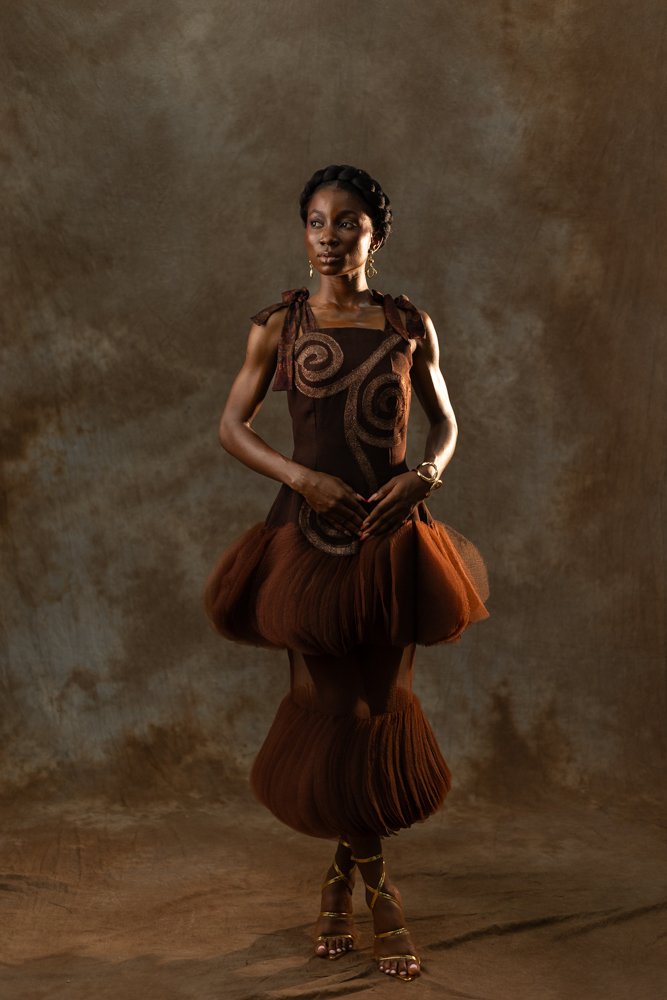
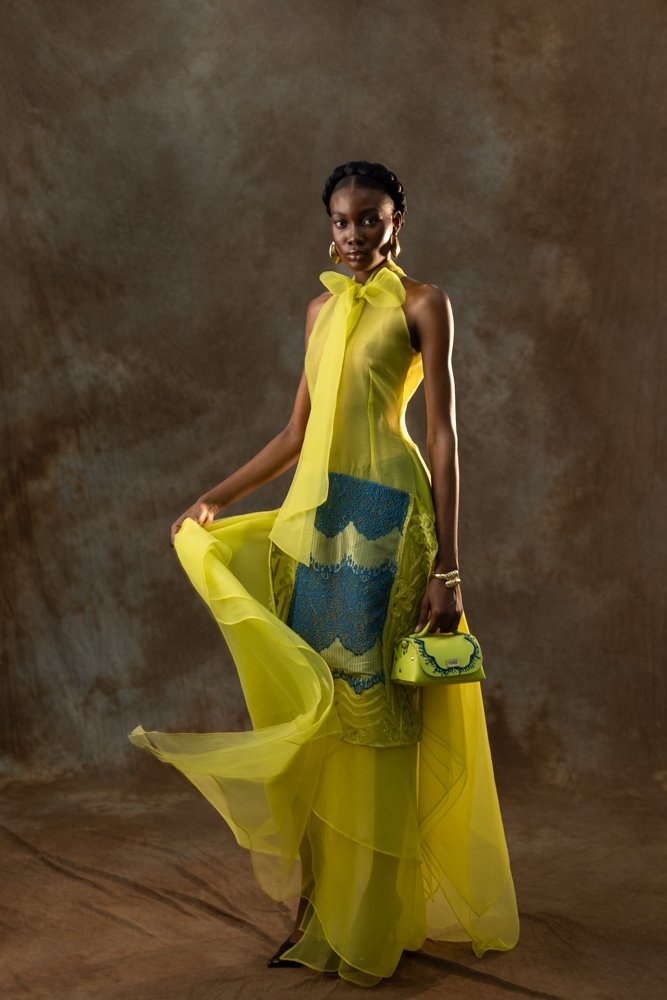
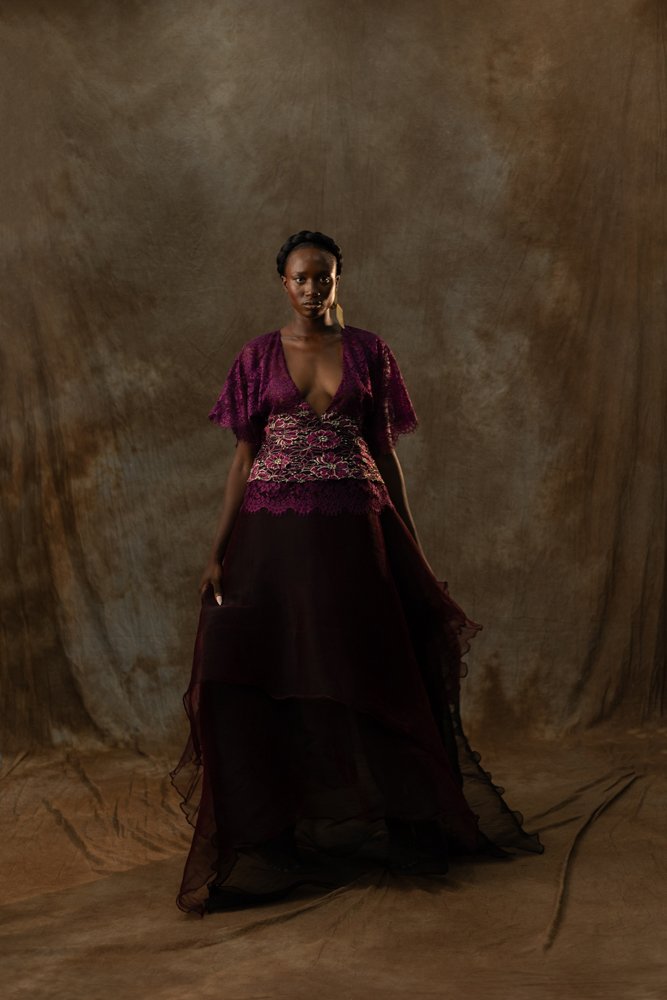
FAB: From reinterpreting the iro and buba to showing in places such as Paris and Shanghai, what has changed most significantly in your understanding of what Ejiro Amos Tafiri should represent?
EJIRO AMOS TAFIRI: My understanding has evolved from seeing the brand primarily as a platform for creative expression to understanding it as something much bigger. Ejiro Amos Tafiri represents a point of view about African identity, femininity, craftsmanship, and the way we want to be seen in the world.
As a designer, you grow with your experiences. You begin to understand that building a brand is not just about creating beautiful clothes. It is about consistency, structure, commercial understanding, and knowing what you want your work to communicate.
I want Ejiro Amos Tafiri to represent a distinctive African luxury perspective—one that is rooted in our heritage but confident enough to evolve. The ambition is to build something that can endure beyond individual collections and continue to create value for the people and communities connected to it.
FAB: When designing for a global audience, how do you decide what must remain unmistakably Nigerian and what you are willing to let evolve?
EJIRO AMOS TAFIRI: For me, the starting point is always authenticity. I do not approach Nigerian identity as something that needs to be added to a design to make it African. It is already part of my understanding of form, fabric, proportion, colour, movement, and the way I see the world.
What evolves is how I interpret those influences. Fashion is a living language, and it must respond to changing women, changing lifestyles, and different environments. I can experiment with construction, introduce new techniques, or explore influences beyond Nigeria without losing the foundation of my work.
The important thing is that the evolution feels honest. I am not interested in creating something that simply looks Nigerian for an international audience. I want to create work that is genuinely informed by where I come from and can still speak to someone who comes from somewhere entirely different.
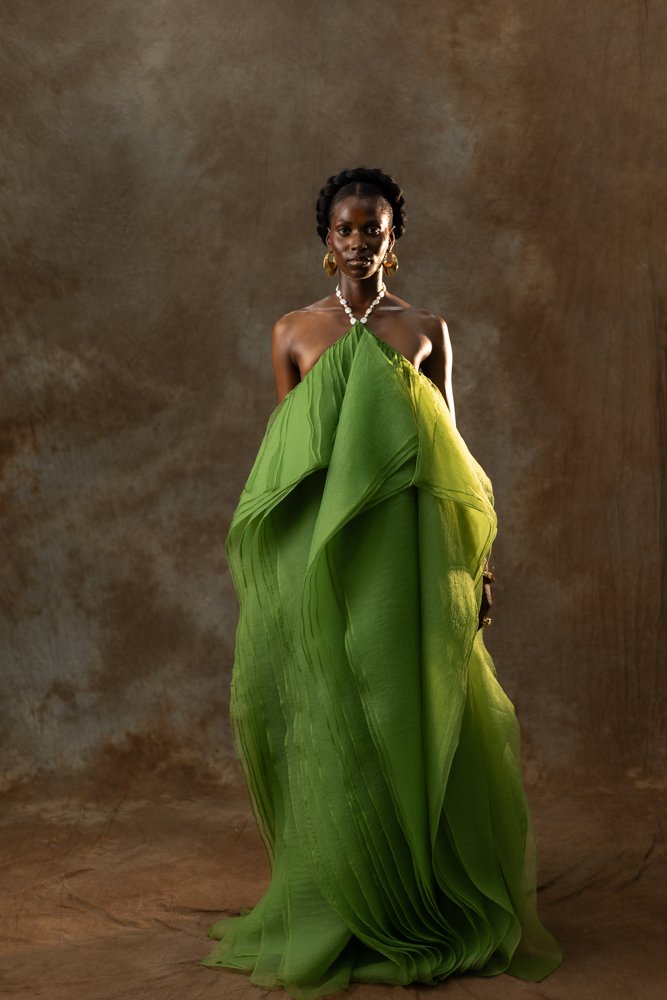
Why Creativity Alone Cannot Build a Fashion Business
FAB: Looking back, which early decision or sacrifice do you think quietly changed the trajectory of the brand?
EJIRO AMOS TAFIRI: One of the most important decisions was choosing to approach the business with intention rather than relying on creativity alone.
I have always believed that talent needs structure to grow. You have to study the market, understand your customer, pay attention to how other brands operate, and make decisions based on where you want the business to be in the future.
Building a fashion business also requires sacrifice. There are moments when you have to reinvest in the business, delay personal gratification, and make difficult decisions because you are thinking about the long-term vision.
Looking back, I believe the decision to take both the creative and business sides of Ejiro Amos Tafiri seriously was significant. It helped me understand that if I wanted to build a lasting brand, I had to be as intentional about the business as I was about the clothes.
FAB: At what point did you realise that building your own brand was no longer enough and that part of your legacy had to be about building people?
EJIRO AMOS TAFIRI: I think that realisation comes with experience. When you have spent years building something, you begin to understand that the industry cannot grow sustainably if everyone is trying to succeed independently.
There are talented young people who have the creativity and passion but lack access to equipment, funding, technical knowledge, mentorship, or the right opportunities. Sometimes, what they need is not someone to tell them what to do but someone to help them understand what is possible and how to prepare for it.
As I have grown, I have become more conscious of the responsibility that comes with experience. Sharing knowledge, creating opportunities, and contributing to the development of the industry are important parts of that responsibility.
For me, legacy is not only about what I build under my name. It is also about the people who are better equipped to build something of their own because of the opportunities or knowledge they gained along the way.
The Infrastructure Nigerian Fashion Still Needs
FAB: What is the one problem the Nigerian fashion industry has spent too much time talking about without actually solving?
EJIRO AMOS TAFIRI: I believe one of the biggest challenges is the gap between creative talent and the infrastructure required to turn that talent into sustainable businesses.
We have extraordinary designers, artisans, textile practitioners, and creative entrepreneurs. However, talent alone cannot build a strong industry. We need better access to production facilities, affordable financing, technical training, reliable supply chains, and business education.
We often celebrate the creativity, which is important, but we must also pay attention to what happens behind the scenes. How does a young designer produce consistently? How do they price correctly, manage cash flow, meet international orders, and grow without compromising quality?
If we want Nigerian fashion to compete globally over the long term, we must invest in the systems that support the creativity. The conversation needs to move beyond identifying the challenges to building practical, sustainable solutions.
FAB: What does the current generation understand about global fashion that your generation had to learn the hard way, and what might they be underestimating?
EJIRO AMOS TAFIRI: The current generation has access to information, technology, and global audiences in ways that were not as readily available when many of us started. A young designer can study international markets, showcase their work digitally, build a community, and reach potential customers across borders much more quickly.
That access is a significant advantage, and I encourage young designers to use it strategically.
However, I think there can sometimes be an underestimation of the time and discipline required to build a lasting business. Visibility is valuable, but visibility alone does not guarantee profitability, product quality, operational strength, or customer loyalty.
Building a brand takes patience. You have to understand your numbers, develop your product, build relationships, and remain consistent even when there is no immediate applause.
My advice to the younger generation is to embrace the opportunities available to them while remembering that a strong brand is built through much more than attention. It is built through substance, discipline, and the ability to deliver consistently.
FAB: Has international recognition changed how you see yourself as a Nigerian designer, or has it made you more protective of what makes your work Nigerian?
EJIRO AMOS TAFIRI: International recognition has given me a broader perspective, but it has not changed the foundation of who I am as a designer.
Working in different environments allows you to see your work through different eyes. You begin to understand what resonates with people, what makes your perspective distinctive, and how your cultural background contributes to the larger fashion conversation.
If anything, those experiences reinforce the importance of understanding your own identity. When you know what you stand for, you can explore new ideas without feeling that you have to abandon your foundation to be accepted elsewhere.
I do not see Nigerian identity as a limitation. It is part of my creative vocabulary and one of the things that gives my work meaning. My ambition is to continue evolving while remaining honest about the influences, experiences, and values that have shaped me.
How Ejiro Amos Tafiri’s Relationship With Fashion Has Changed
FAB: After sixteen years of entrepreneurship and leadership, what still brings you joy about fashion, and what has stopped being fun?
EJIRO AMOS TAFIRI: The joy is still in the process of creation. There is something special about taking an idea, a fabric, a technique, or a feeling and transforming it into something a woman can wear and connect with. Seeing a design come to life and watching how someone responds to it remains deeply rewarding.
I also find joy in the evolution of the brand—in discovering new possibilities, working with talented people, and seeing ideas develop into something I could not have imagined at the beginning.
What has become less enjoyable is the pressure that comes with the business side of creativity. The responsibilities, the financial demands, the constant decision-making, and the expectation to keep producing can sometimes take away from the freedom that initially draws you to design.
But entrepreneurship teaches you that not every part of the journey will be enjoyable. You learn to build systems, make difficult decisions, and protect the parts of the work that give you joy. For me, the goal is to keep growing without losing the reason I started.
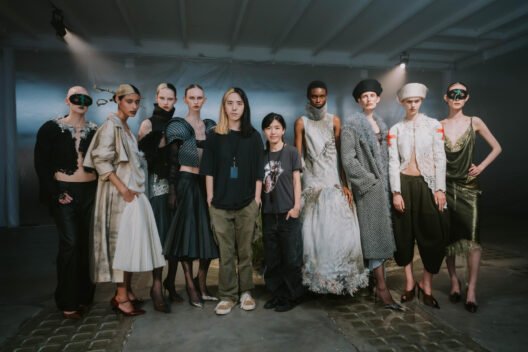
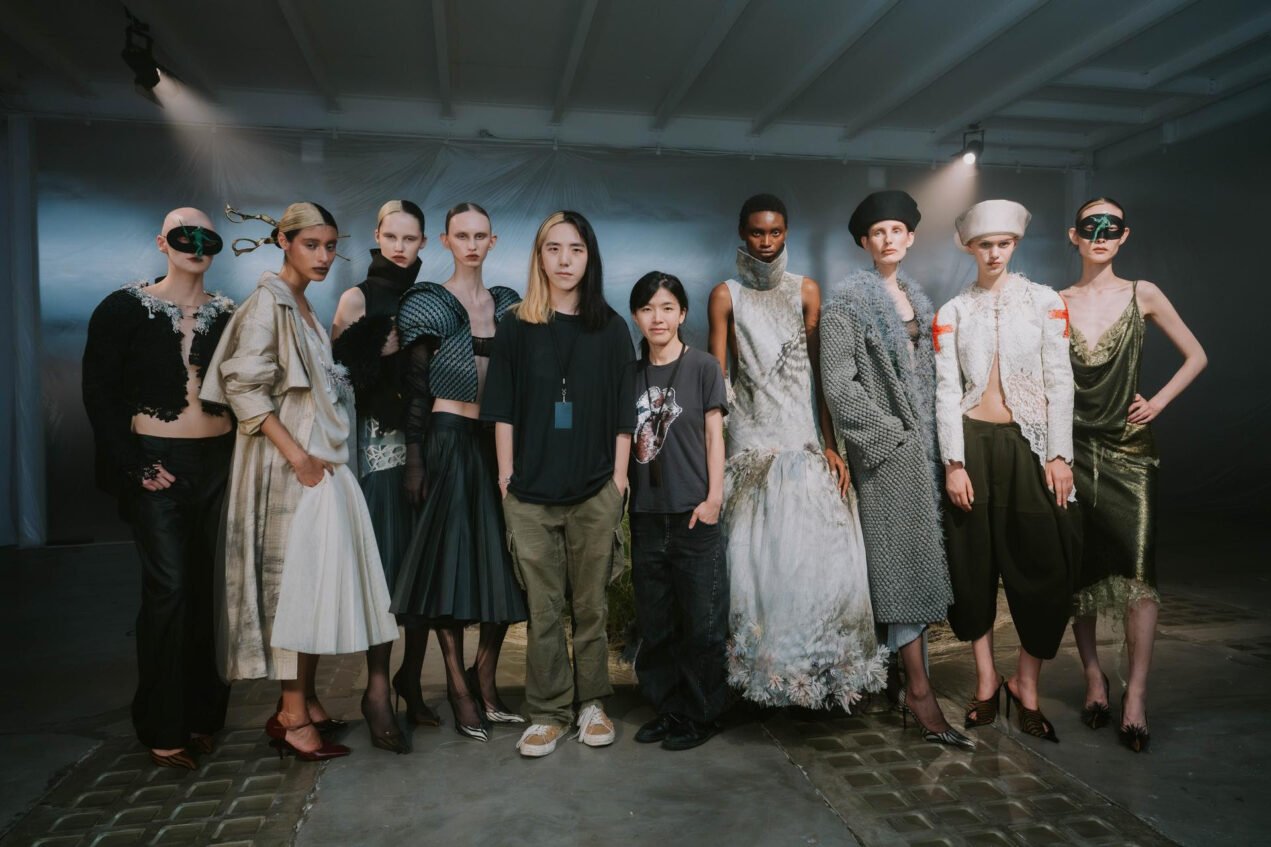
FAB: What conversation do you want the October 25 showcase and new collection, Prospect, to start that your earlier collections could not have started?
EJIRO AMOS TAFIRI: With Prospect, I want to open a conversation about possibility, evolution, and the future of African luxury.
As a brand, we have spent years developing our identity, exploring craftsmanship, and interpreting elements of our heritage through a contemporary lens. Every collection becomes part of that ongoing journey. It reflects where we are creatively while also suggesting where we might go next.
For this collection, I want people to look beyond the individual garments and consider the possibilities of African design when it is approached with intention, confidence, and a long-term vision.
I want the audience to experience the collection as an expression of a brand that continues to grow while remaining grounded in its identity. There is still so much to explore within our culture, our craftsmanship, and our understanding of luxury.
Prospect is about looking ahead—recognising how far we have come while remaining open to what is still possible.
FAB: Does the title “Nigeria’s Drape Queen” still feel like a celebration of what you have achieved, or has it become something you feel responsible for carrying into the next generation?
EJIRO AMOS TAFIRI: I appreciate the recognition and what it represents, particularly because draping and the interpretation of traditional forms have been important parts of my creative journey.
However, I see any title as a reflection of a moment in a much longer journey. It is not something I want to become confined by. As a designer, I must continue to learn, explore, and challenge myself.
The title also reminds me that people are watching what we do and how we contribute to the industry. That comes with a responsibility to maintain standards, continue developing my craft, and create room for others to discover their own voices.
Ultimately, I want to be recognised not only for a particular design language but also for the quality of work I produce, the business I have built, and the contribution I make to the wider fashion ecosystem.
FAB: After all these years in fashion, what are you more likely to spend money on today?
I am more intentional about how I spend money now. I appreciate quality, craftsmanship, and things that have lasting value. I am also increasingly conscious of investing in experiences, people, and things that contribute meaningfully to my life and work.
I have come to appreciate that value is not always about the price of something. It is about the thought behind it, the quality, and how well it serves its purpose.
FAB: What is one fashion rule you have completely stopped caring about?
EJIRO AMOS TAFIRI: I have stopped believing that fashion needs to follow rigid rules to be considered beautiful or appropriate.
I believe in understanding proportion, fit, colour, and construction, but I also believe that personal style should allow room for expression. Not every woman has to dress the same way or follow every trend.
For me, the most important thing is that what you wear feels authentic to you, serves your lifestyle, and allows you to express yourself with confidence.
FAB: If you could have dinner with any African creative, living or dead, who would it be, and what would you ask them?
EJIRO AMOS TAFIRI: I would be interested in having a conversation with someone whose work has shaped how Africa is understood through creativity and culture. I would want to understand their process, what influenced their decisions, and how they navigated the tension between staying true to their vision and working within the realities of their time.
I would also ask what they believe the next generation must do to ensure that African creativity is not only celebrated but properly documented, protected, and sustained.
For me, those conversations are valuable because they allow us to understand the thinking behind the work and the responsibility that comes with creating something that can outlive us.
FAB: When you are not Ejiro Amos Tafiri, the designer, entrepreneur, mentor, or industry advocate, who is Ejiro?
EJIRO AMOS TAFIRI: I am a woman who is still learning, growing, and discovering new things about herself. The work is a significant part of my life, but it is not the entirety of who I am.
Away from the responsibilities of the brand, I value the opportunity to slow down, spend time with people who matter to me, reflect, and enjoy the simpler things in life.
I think one of the lessons that comes with experience is understanding that you can be ambitious and committed to building something meaningful while still making room for yourself as a person.
Beyond the designer and entrepreneur, I am simply Ejiro—a woman with dreams, values, relationships, and a continuing desire to grow.