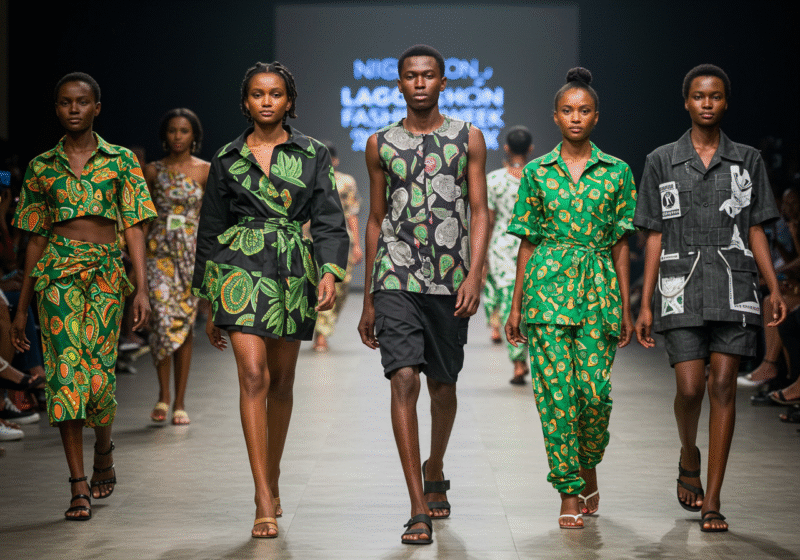
Lagos Fashion Week (LFW) 2025 is not just another event on the global style calendar; it is a vital checkpoint for the future of African design. Indeed, as the continent’s fashion industry explodes onto the global scene, LFW acts as the crucible where raw Nigerian creativity is tempered into commercially viable, world-class luxury. This year marks a significant milestone,the event’s 15th anniversary ,under the theme “In Full Bloom,” signalling a moment of maturity, reflection, and expansive growth.
Moreover, the energy in Lagos is palpable, a chaotic yet electric mix of commerce, culture, and pure artistic ambition. The designers showcasing here are not simply presenting clothes; they are offering manifestos on identity, sustainability, and the audacious new possibilities for African narratives. We are watching a new generation take the reins, blending the artisanal craftsmanship of their heritage with a global design language that speaks to Gen Z everywhere.
The Veterans Driving the Ecosystem
Before diving into the newcomers who generate the buzz, respect must be paid to the established titans. These designers laid the foundation, transforming local fabrics and techniques into globally respected luxury brands. They are the scaffolding that supports the entire ecosystem, connecting emerging talent to international partnerships and critical mentorship.
1. Orange Culture (Adebayo Oke-Lawal): The Gender-Fluid Storyteller
Adebayo Oke-Lawal’s brand, Orange Culture, is a perennial must-see. It’s more than fashion; it is a fearless exploration of gender fluidity and youth identity. He consistently blends streetwear aesthetics with high-fashion tailoring. His work functions as a powerful conversation starter, transforming sheer shirts, bright prints, and deconstructed silhouettes into statements about belonging and self-acceptance. Therefore, his continued presence ensures that LFW remains a platform for progressive, thoughtful design that pushes social boundaries, not just aesthetic ones.
2. Iamisigo (Bubu Ogisi): The Weaver of Sustainable Identity
For Bubu Ogisi, design is a near-spiritual practice. Infact, her brand, Iamisigo, champions radical sustainability, utilizing natural materials like raffia and recycled items, including plastic. Ogisi’s collections are conceptual, often incorporating cultural references and deconstructed forms that feel almost primal yet entirely contemporary. Furthermore, her recent recognition, including her selection as a finalist for the Zalando Visionary Award, highlights how African innovation in sustainability is now leading the global conversation. Every Iamisigo collection is a reminder that ethical fashion can be intensely compelling and avant-garde.
3. Emmy Kasbit (Emmanuel Okoro): Heritage in Menswear
Emmanuel Okoro’s brand, Emmy Kasbit, has redefined the landscape of Nigerian menswear by grounding contemporary silhouettes in authentic West African craftsmanship. Known for using handwoven Nigerian fabrics, particularly the colourful, textured Akwete, Okoro’s designs blend traditional heritage with modern deconstructed tailoring. His success, which includes a mentorship at Balenciaga, demonstrates the power of fusing local production with international business acumen. When you see an Emmy Kasbit piece, you see history being worn forward.
The New Vanguard: Breakout Stars for 2025
The real excitement at LFW always centers on the emerging designers. These are the individuals leveraging initiatives like Green Access (LFW’s sustainability accelerator) and harnessing the raw, unfiltered style of Lagos street culture.
1. Dust of the Earth (Omolabake Temetan): The Upcycling Artisan
Omolabake Temetan is one designer who captured attention at LFW 2024 and is expected to shine even brighter this year. The brand, Dust of the Earth, leans heavily into the circular economy by transforming unconventional materials into high-fashion garments. His standout work, which famously incorporated intricate patterns woven from repurposed shoelaces into shorts and jackets, shows an incredible commitment to creative resourcefulness. This playful yet meticulous deconstruction is a visual metaphor for the African ability to create luxury from scarcity. Temetan represents the hyper-local, yet globally conscious, face of Nigerian design innovation.
2. Imata Studios: The Minimalist Movement
While many Nigerian brands embrace maximalism, Imata Studios is part of a rising wave that favors clean lines, elegant cuts, and a disciplined aesthetic. Predicted to be a breakout talent by industry observers, this brand appeals to the consumer seeking thoughtful simplicity. Their focus on clean, elegant looks and strong values suggests a maturity that belies their emerging status. Keep an eye on Imata Studios to define the new contemporary, quiet-luxury angle of Nigerian fashion.
3. The Green Access Cohort: Sustainability Innovators
Lagos Fashion Week’s Green Access program is the pipeline for the most exciting, ethically-minded talent. The 2025 cycle specifically challenges designers to explore pre and post consumer textile waste as raw material. Watching the final collections from this cohort—who are working with indigenous craft techniques and regenerative concepts—will reveal the next leaders in sustainable African fashion. Designers from previous cohorts, such as Oshobor and Dust of the Earth, have set a high bar by translating cultural narratives (like the Edo Odion collection) into earth-friendly, runway-ready looks. The new participants are poised to continue this vital, purpose-driven design.
The Global Lens: Why LFW Matters
The designers at Lagos Fashion Week are performing a crucial function beyond creating beautiful garments; they are securing Nigeria’s position as a global fashion powerhouse.
Nigerian creativity is now a “movement,” not merely a “moment.” The platform connects these creators with international buyers, media, and institutions, transforming visibility into long-term viability. When Afrobeats stars like Davido and Joeboy wear Nigerian design at global events like Paris Fashion Week, or when artists like Rema and BNXN adopt bold, urban-denim combinations, the symbiotic relationship between Nigerian music, street culture, and high fashion is cemented. LFW is the birthplace of these cultural shifts.
Nigerian designers are successfully communicating in a design language that is universally understood—one that prizes authenticity, exceptional craftsmanship, and modern silhouettes—while remaining rooted in cultural depth. Lagos Fashion Week 2025 is not just about clothes; it’s about celebrating a bold, commercially savvy, and culturally proud future for Nigerian creative enterprise.