
Style House Files (SHF) has concluded the seventh edition of Woven Threads, themed CRAFTED, following a four-day programme held from 9th to 12th April 2026 in Lagos. Presented as one of Style House Files’ flagship platforms alongside Lagos Fashion Week, this year’s edition brought together designers, thinkers, and cultural leaders to examine craftsmanship as both heritage and a future-facing system.
This year’s edition reaffirmed Style House Files’ commitment to advancing sustainability, circularity, and responsible production across Africa’s fashion and textile value chains, while positioning the continent as a site of knowledge, innovation, and solutions.
Digital Opening Expands Woven Threads VII Lagos 2026 Beyond Borders
The programme opened on 9th April, with a series of digital presentations that extended the reach of Woven Threads beyond the physical venue and into a broader cross-continental dialogue. Through film-led storytelling and digital showcases, the opening day foregrounded craft practices, designer processes, and circular approaches to production, setting the foundation for the days that followed.
The digital programme featured presentations and conversations with Made For A Woman, Siviwe James, Dunsin Crafts, Emmy Kasbit, Tuntunre, and This Is Us, each offering perspectives on sustainability, reconstruction, material intelligence, and craft-led design across the continent.
On Friday, 10 April, Woven Threads VII opened its physical programme with a welcome address from Omoyemi Akerele, founder of Style House Files and Lagos Fashion Week, who set the tone for this year’s edition by centring craft within responsibility, renewal, and systems change.
“As we look at Woven Threads over the last seven years, we have been committed to challenging ourselves to think deeper and to act more intentionally, with the conviction that Africa is not just participating in the future of fashion, but actively shaping it,” said Omoyemi Akerele, Founder, Style House Files and Lagos Fashion Week. “Long before sustainability became a global imperative, it was already embedded in the way we live, the way we create, and the way we coexist across the continent. Our craftsmanship is not simply aesthetic, it is memory, it is science, it is survival, and it is care.”
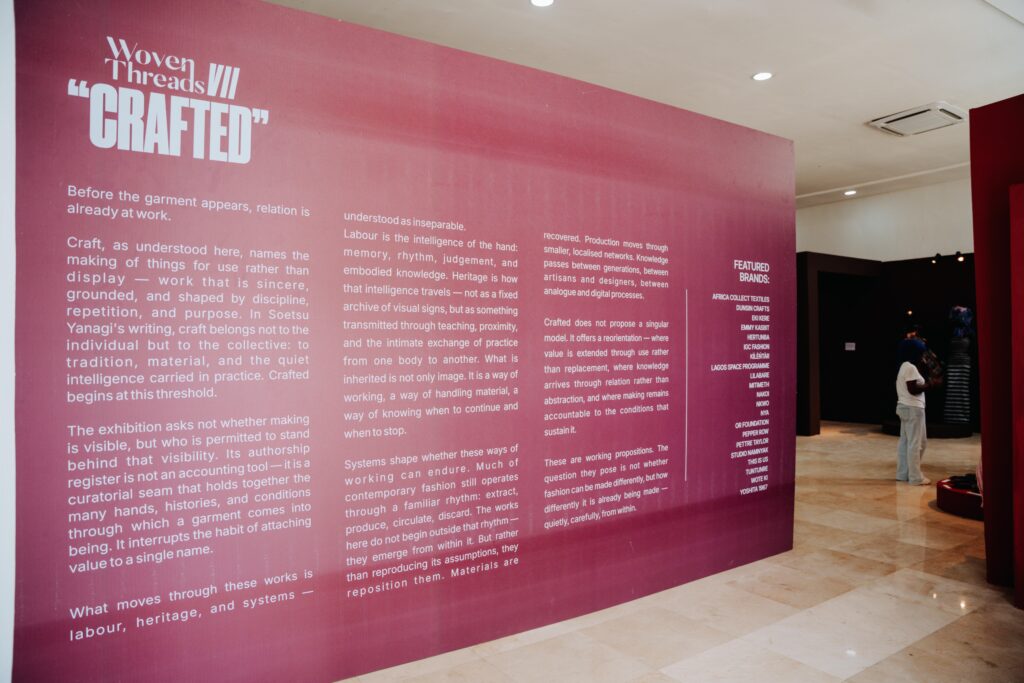
CRAFTED Theme at Woven Threads VII Lagos Explores Heritage and Systems
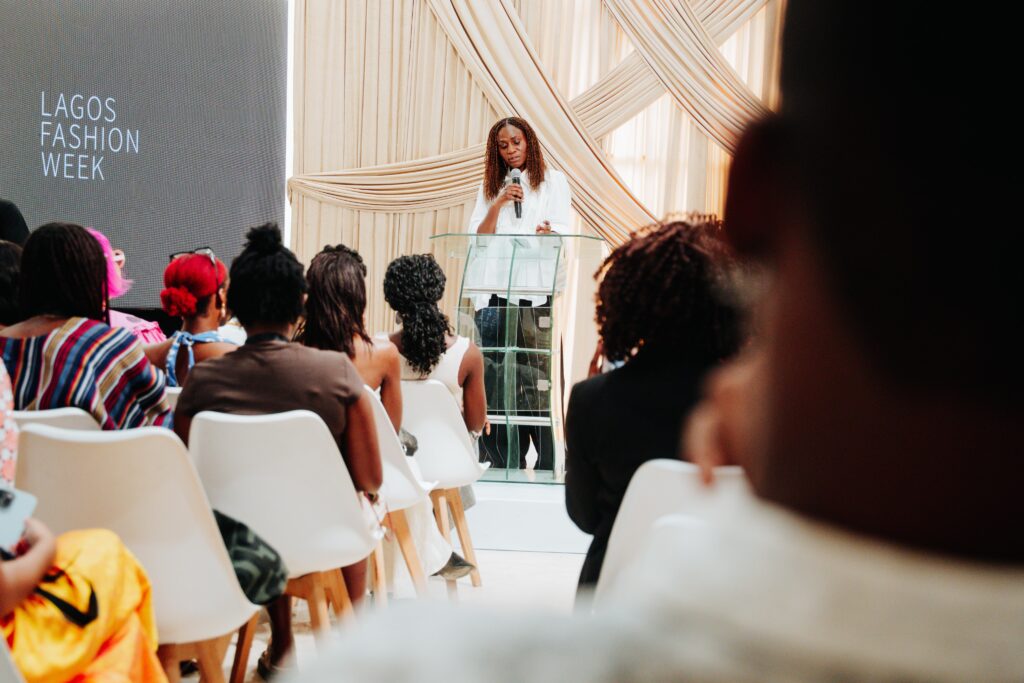
Speaking on the urgency of moving the conversation beyond surface-level sustainability, Akerele noted: “Preservation without renewal is not enough, it’s extraction. For centuries, craftsmanship has been renewed on the altar of culture, and people here on the continent were guilty of it. I call us culture vultures. The future we’re stepping into requires a lot more. It requires reciprocity, it requires infrastructure, it requires that we all move beyond extraction of labour, of culture, of resources, and into systems that give back, systems that sustain, systems that regenerate.”
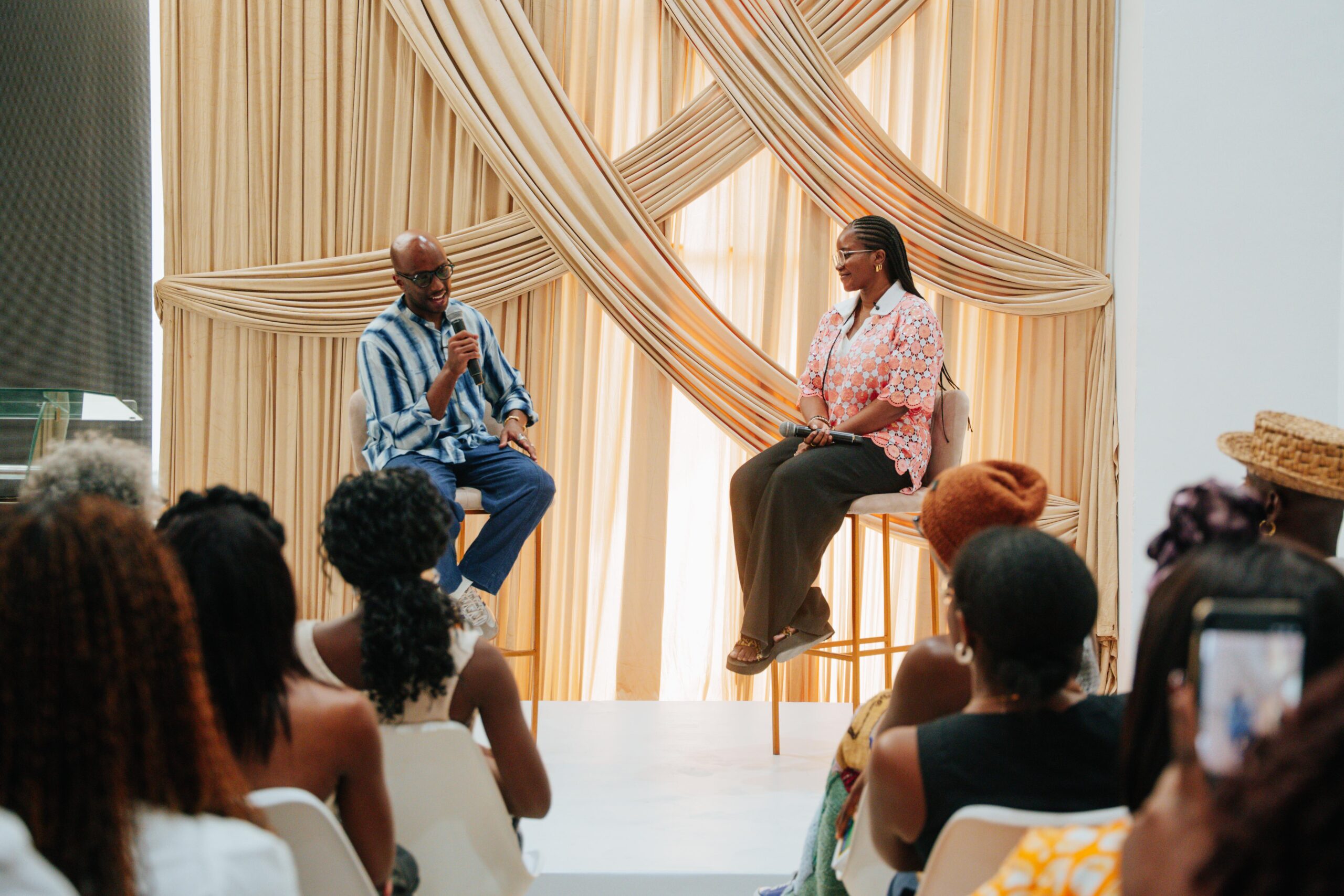
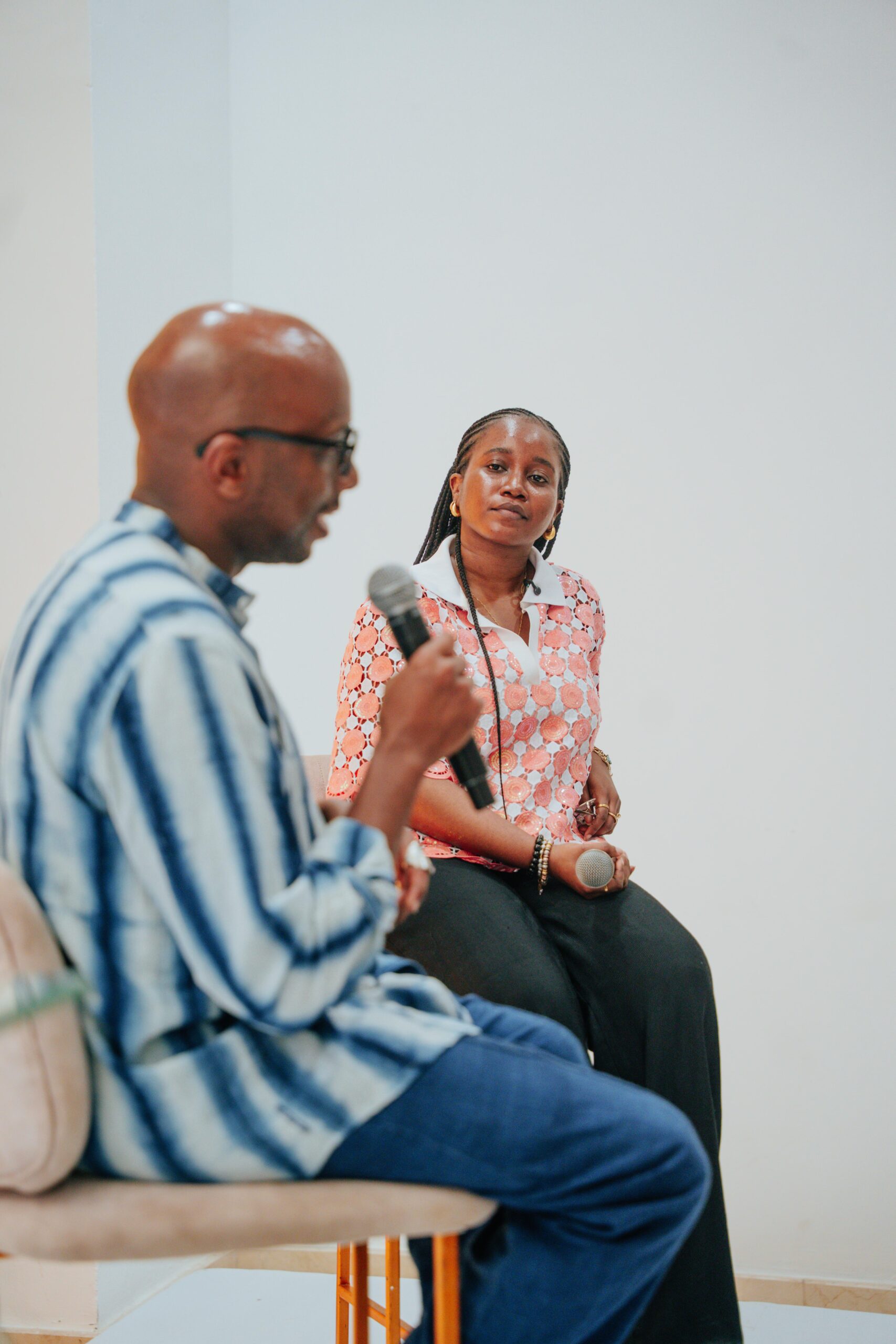
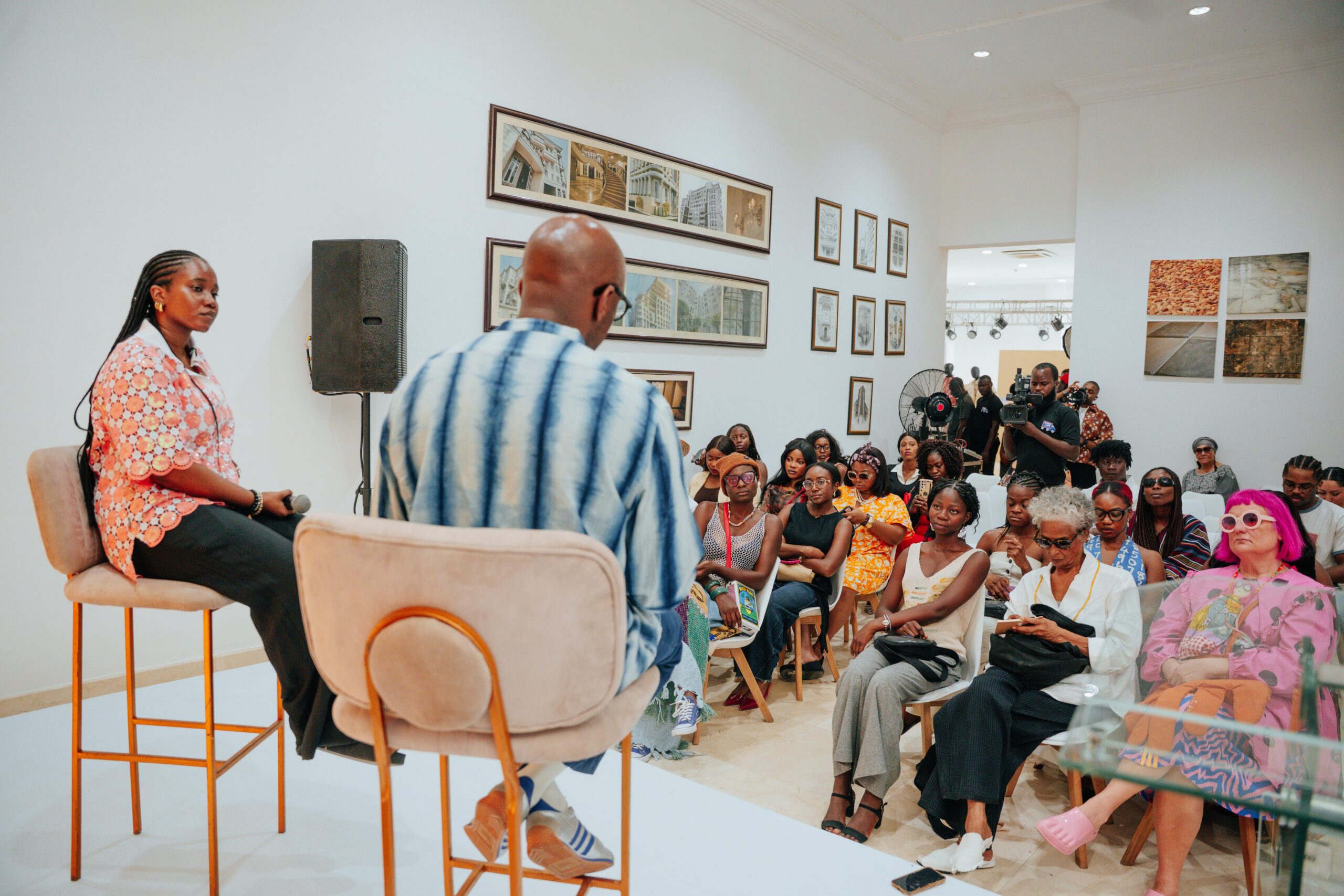

This was followed by CRAFTED Talks: In Conversation with Sunny Dolat, a fireside discussion featuring Adaeze Oguzie, Project Director, Style House Files and Lagos Fashion Week, in conversation with guest curator Sunny Dolat, which explored the tensions between heritage, contemporary making, and the evolving systems shaping African fashion today.
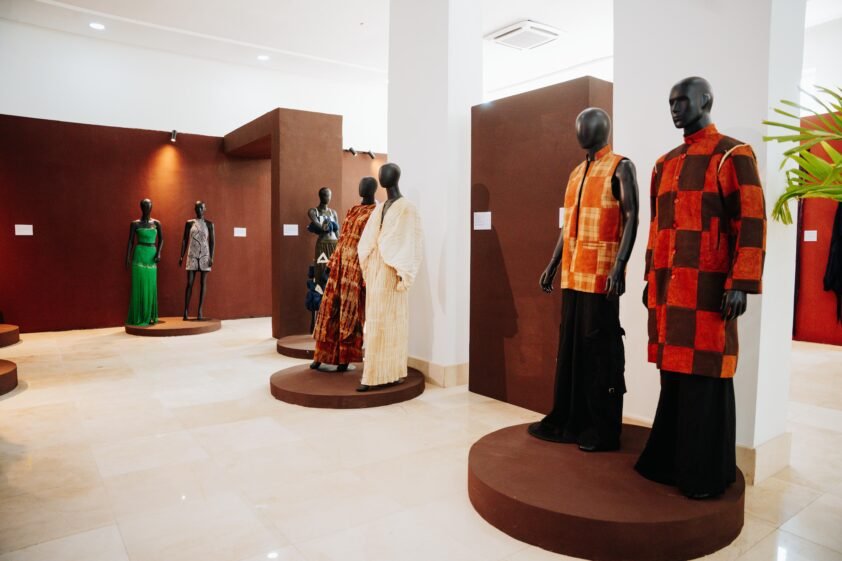
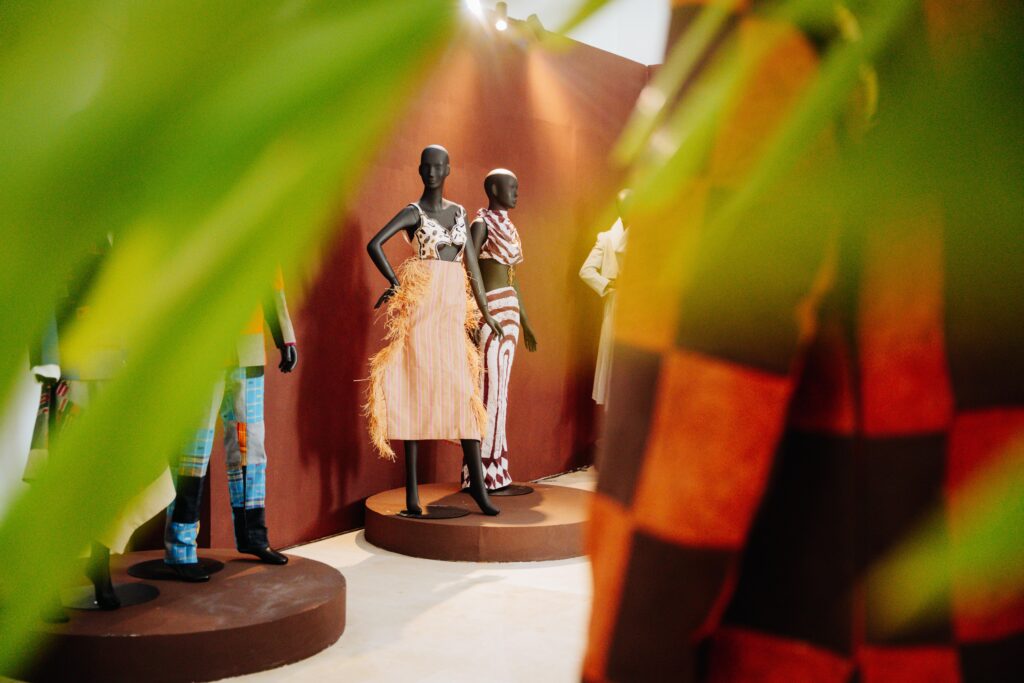
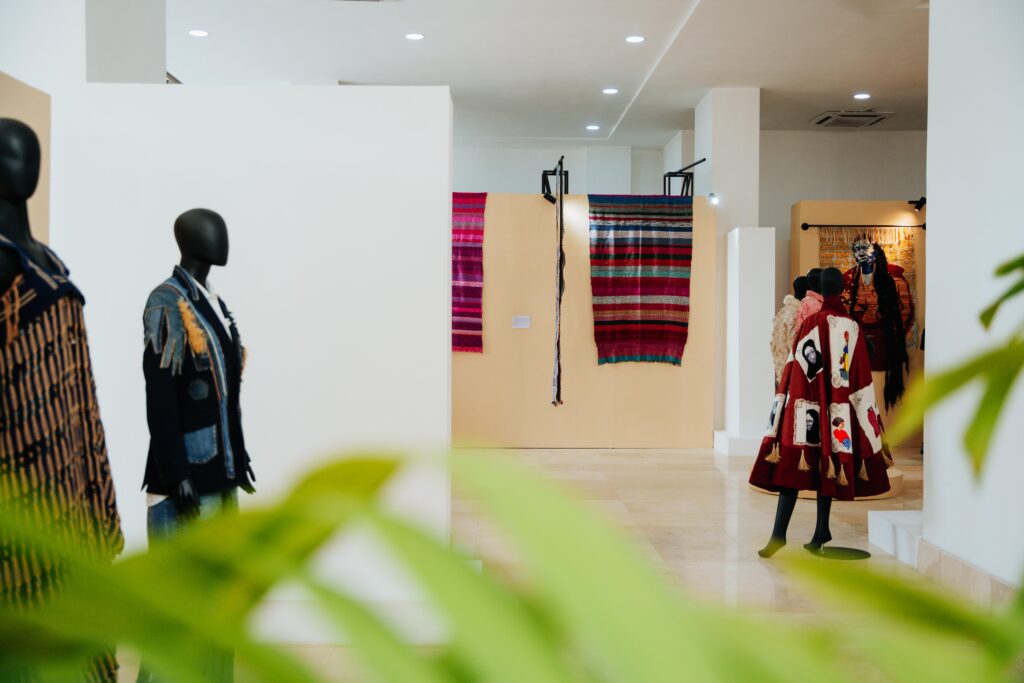
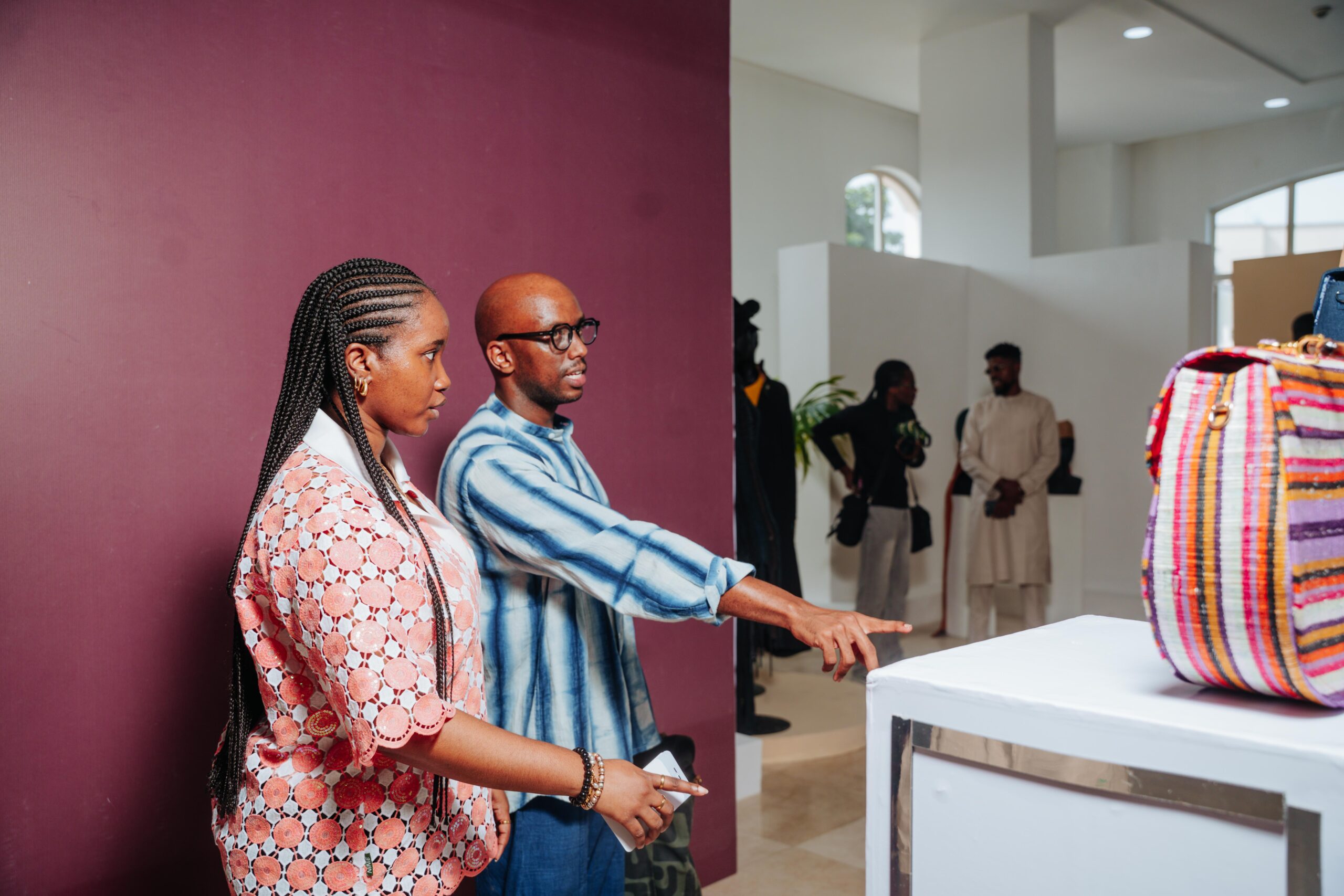
The conversation then extended into the exhibition through a curatorial walkthrough led by Dolat, whose framing of CRAFTED translated these ideas into a spatial experience built around the themes of labour, heritage, and reimagined systems.
Reflecting on the exhibition’s opening section, Dolat remarked that “the value of skill questions the value of knowledge”, inviting guests to consider the structures required for practices such as weaving, textile production, woodwork, and dyeing to be nourished, supported, and sustained in the present day.
Across the walkthrough, Dolat foregrounded the labour and communities behind fashion production, while exploring how designers across the continent are engaging heritage through preservation, reinterpretation, and systems-led experimentation. His curatorial lens placed equal emphasis on makers, process, and the future of material recovery and reuse.
Style House Files Launches Project Irapada
A major highlight of the day was the official launch of Project Irapada, the textile waste mapping initiative developed by Style House Files to advance waste mapping and circular systems thinking, marking an important step towards building a data-led circular fashion ecosystem in Lagos.
Addressing the need for data and accountability within the fashion value chain, Akerele added: “We must address waste not just as an environmental issue, but as a justice issue. Who produces waste? Who bears the burden of it? When we didn’t have the answers, we went ahead and began the research ourselves.”
The evening concluded with an exclusive VIP cocktail preview, bringing together industry leaders, partners, designers, and key stakeholders ahead of the public opening.
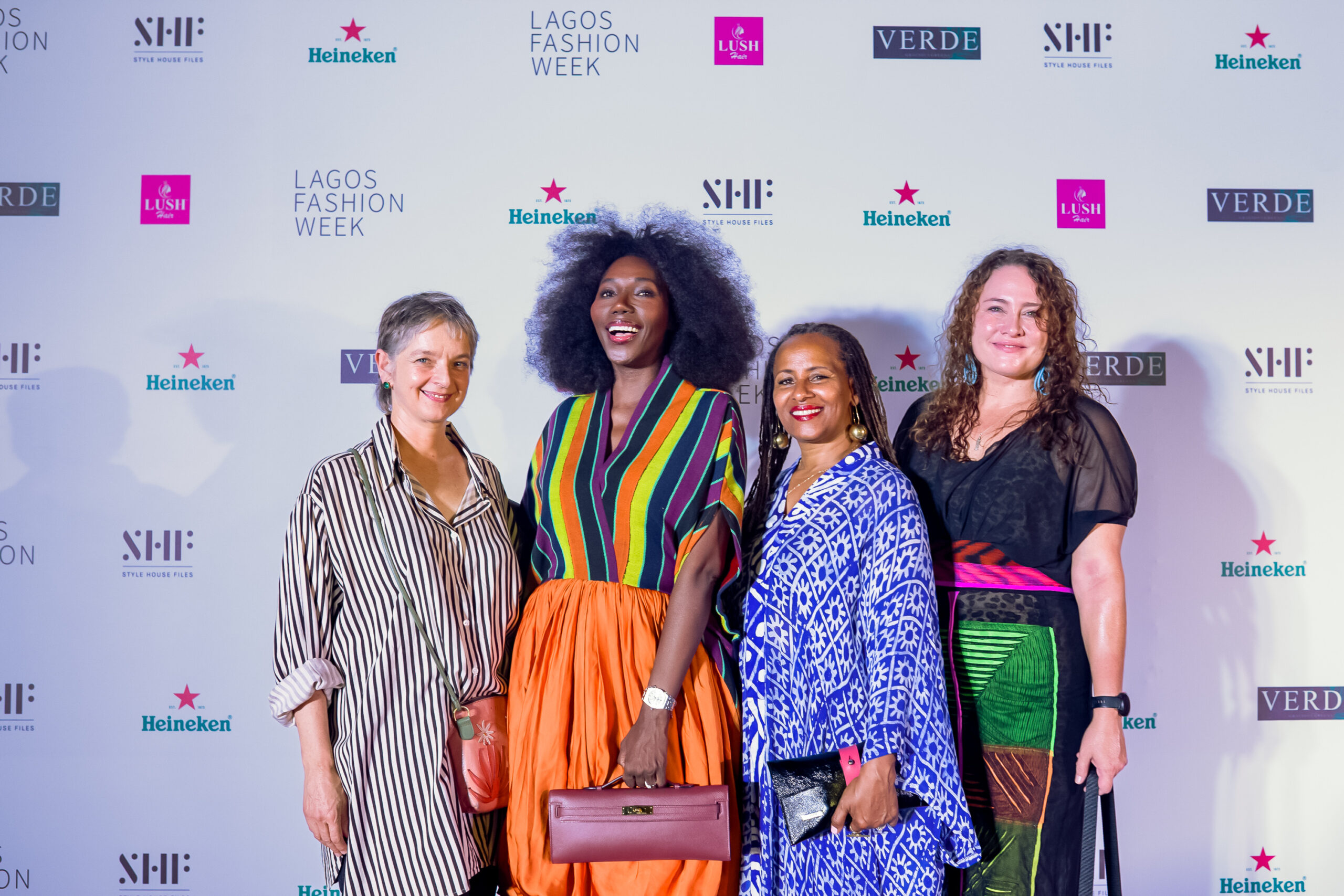
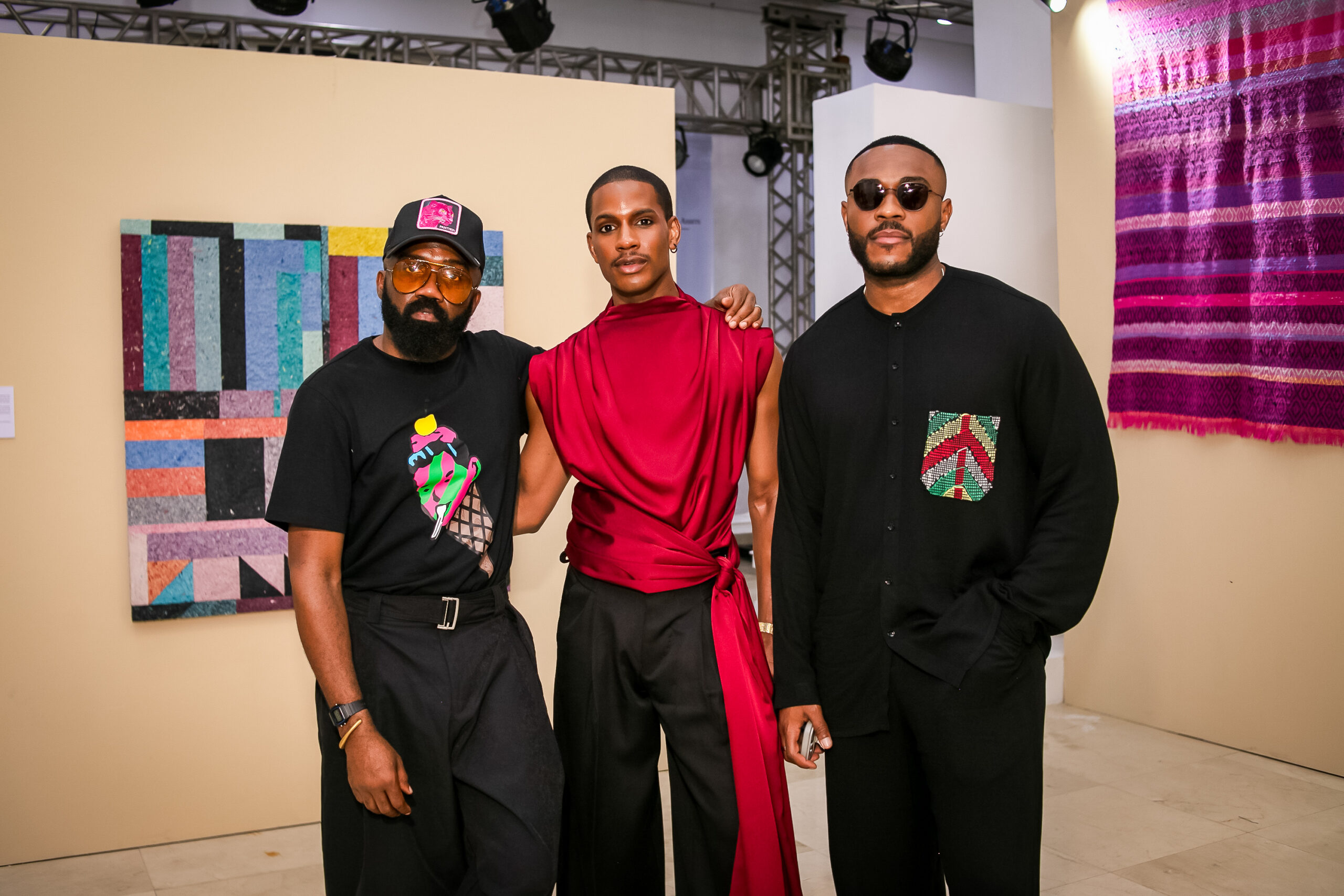
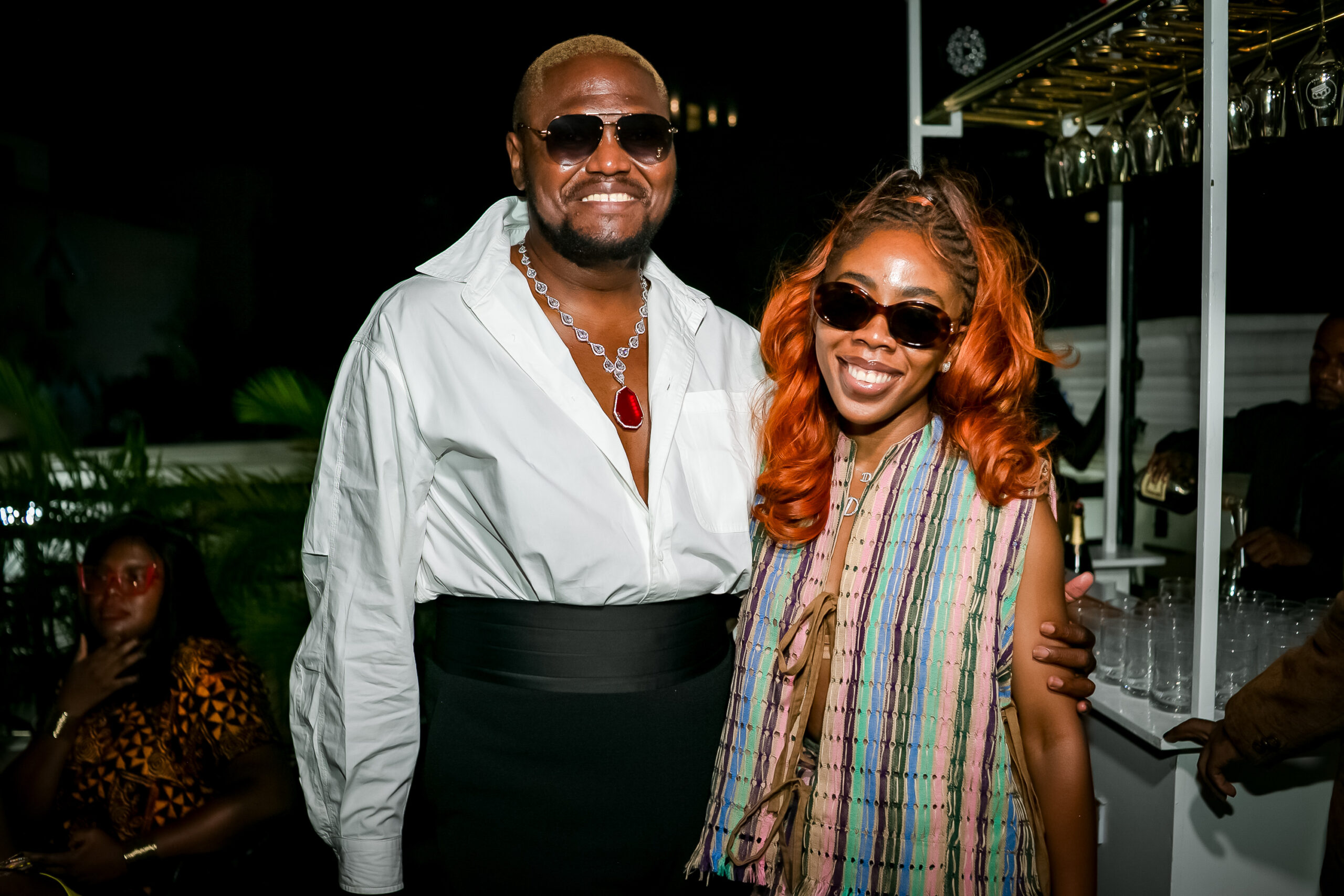
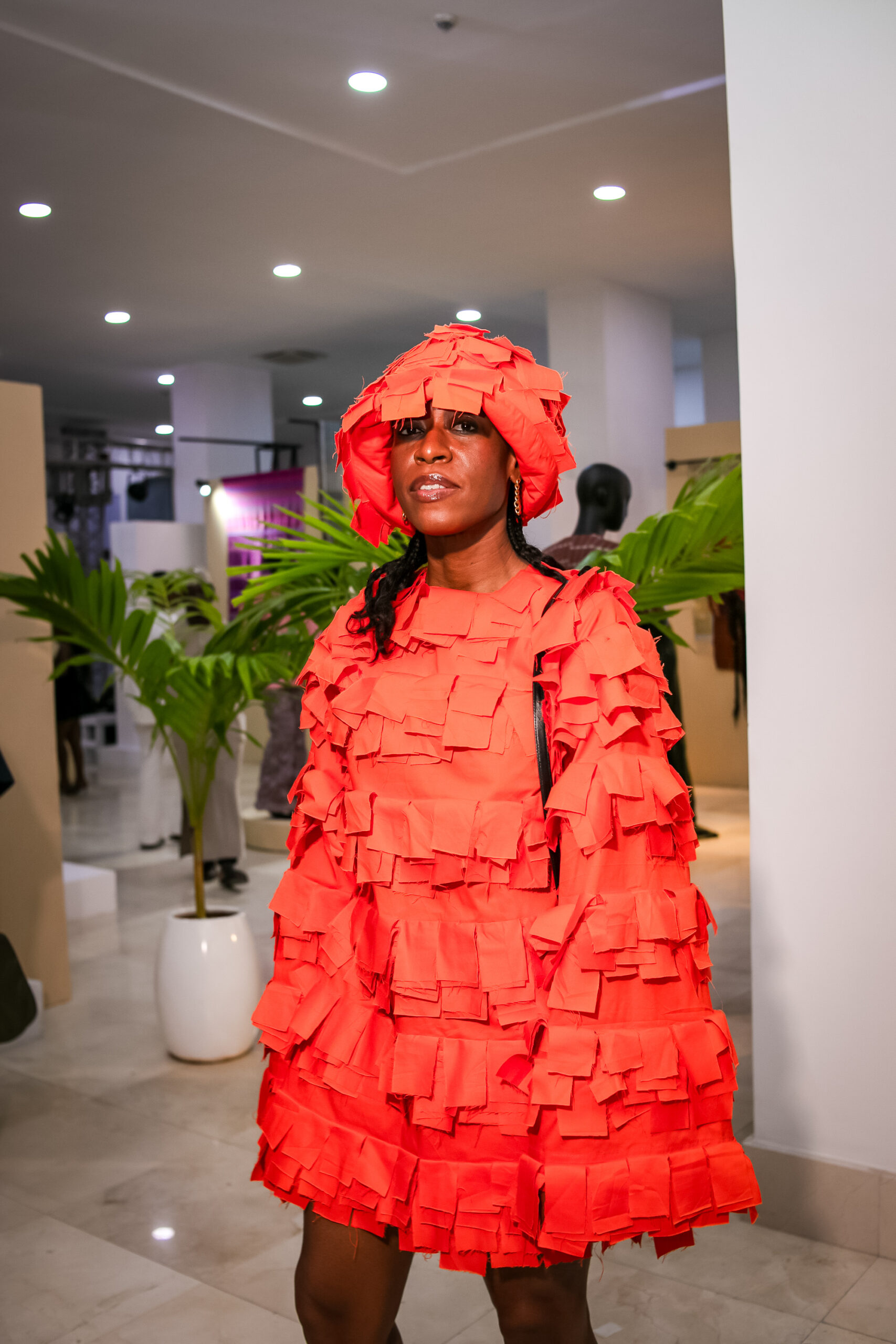
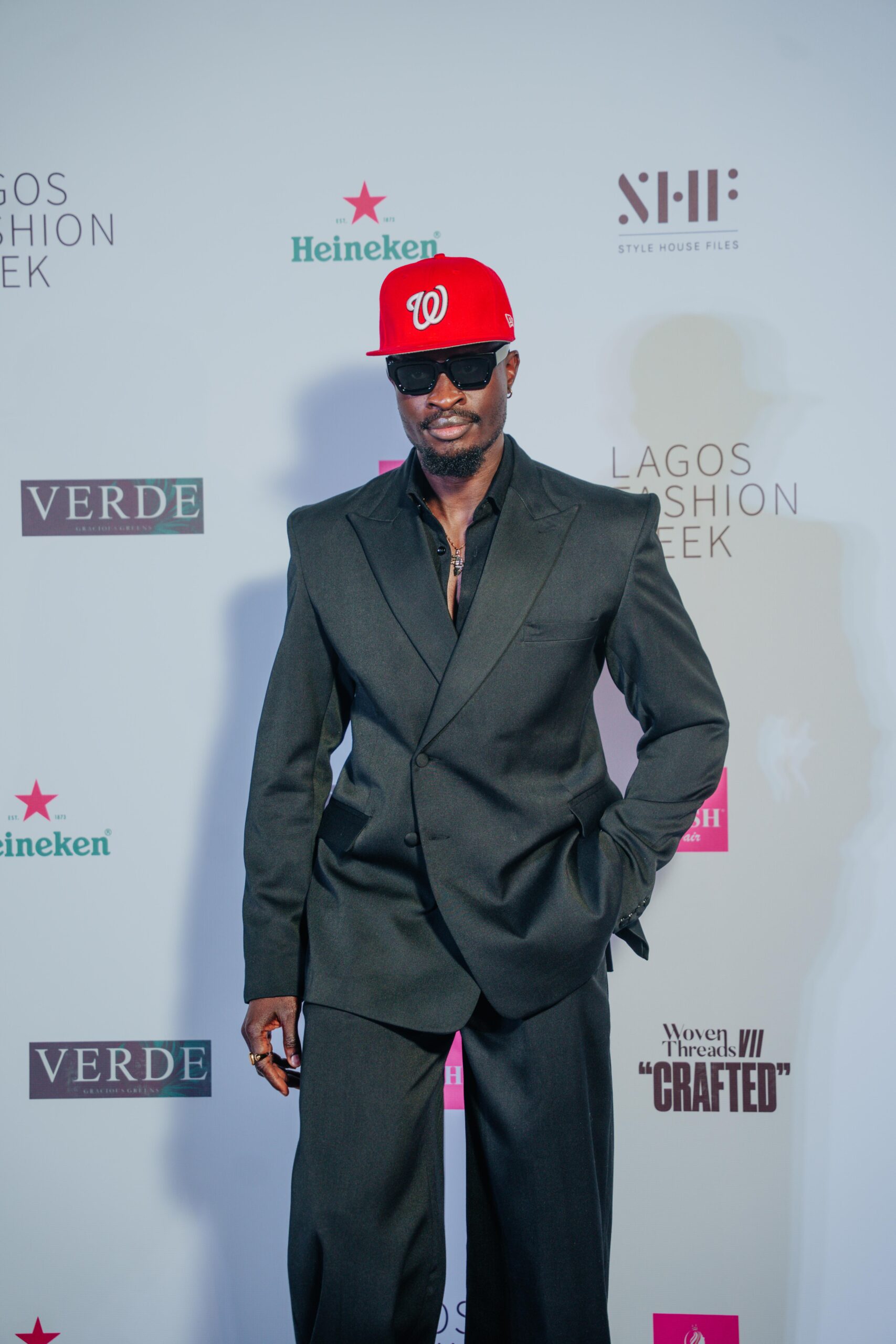
Across Days Three and Four, the public programme brought these ideas to life through panel discussions, the CRAFTED exhibition, and designer presentations, creating a clear connection between dialogue and practice.
Woven Threads VII’s conversations this year centred on a clear industry question: what systems must be built for African fashion to remain both culturally grounded and commercially sustainable?
During The African Fashion Compact x The Earthshot Prize, speakers including Omoyemi Akerele, Mahlet Teklemariam, Adama Ndiaye, Sunny Dolat, Renee Neblett, Jackie May, Simone Smit, and Sammy Oteng explored the tension between growth and responsibility. Discussions focused on building stronger intra-African fashion systems, creating viable businesses, and rethinking consumption patterns in response to the increasing environmental impact of fashion.
Mahlet Teklemariam spoke to the importance of moving beyond rules into long-term structures that allow African creatives, traders, and manufacturers to collaborate across borders, while Adama Ndiaye underscored financial sustainability as central to the future of responsible fashion businesses on the continent.
Sunny Dolat brought the conversation back to value, challenging the industry to examine what sits behind profitability, from labour conditions to long-term livelihoods, while Omoyemi Akerele reinforced the role of consumer behaviour in shaping waste culture and called for more intentional purchasing habits.
This was followed by Material Futures, a conversation examining how African designers and innovators are rethinking material use, circular production, and the lifecycle of garments, moving sustainability beyond trend into systems thinking.
The afternoon closed with CRAFTED x The Makers Camp, a focused conversation on design education, knowledge exchange, and the importance of preserving craft through mentorship, experimentation, and next-generation creative infrastructure.
African Fashion Compact and Global Sustainability Conversations
Across the sessions, a recurring theme emerged: the need to move beyond compliance-led conversations and instead build systems that are culturally rooted, commercially viable, and future-facing.
Reflecting on the significance of this year’s edition, guest curator Sunny Dolat described Woven Threads VII as “a sustained reflection on, and interrogation of, the contemporary fashion system”, bringing together practitioners and designers whose work offers “a counterpoint to prevailing extractive models” and proposes more equitable ways of thinking, making, and sustaining fashion.
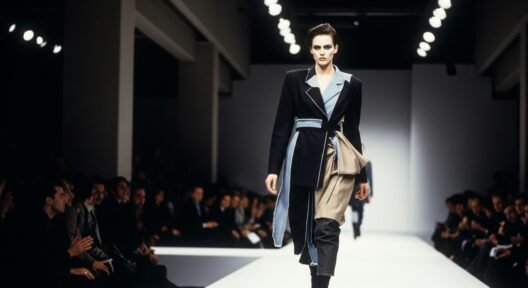
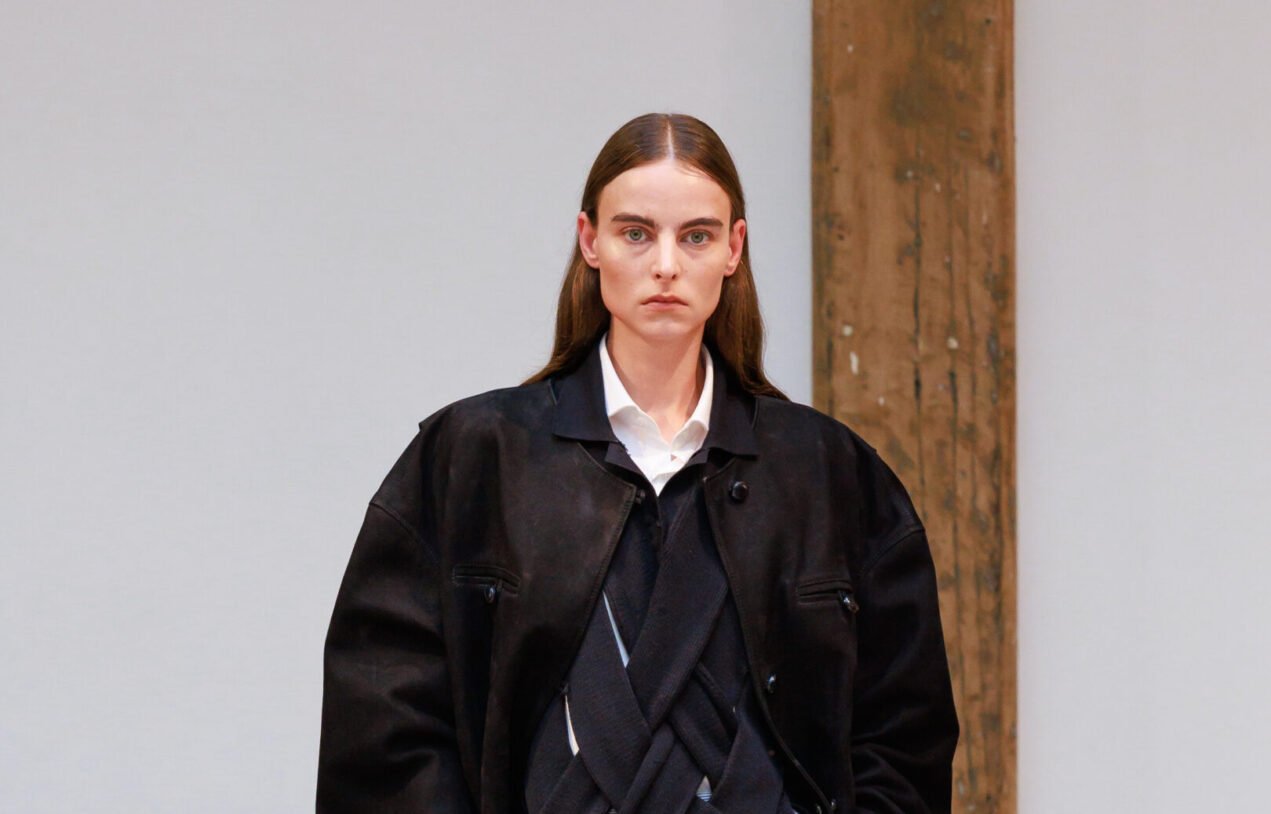
Across the four-day programme, Woven Threads VII featured presentations, exhibitions, and activations from participating designers and practitioners, including Pettre Taylor, ESO by Liman, Ajanee, Pepperrow, OSHOBOR, Cute Saint, Hertunba, This Is Us, Cynthia Abila, Maliko, NYA, Ywande, Emmy Kasbit, Eki Kere, Tuntunre, Dunsin Crafts, Yoshita, Mitimeth, Nkwo, Wote KI, Nakoi, 1967, Africa Collect Textiles, Lilabare, Studio Namnyak, IGC Fashion, and The OR Foundation.
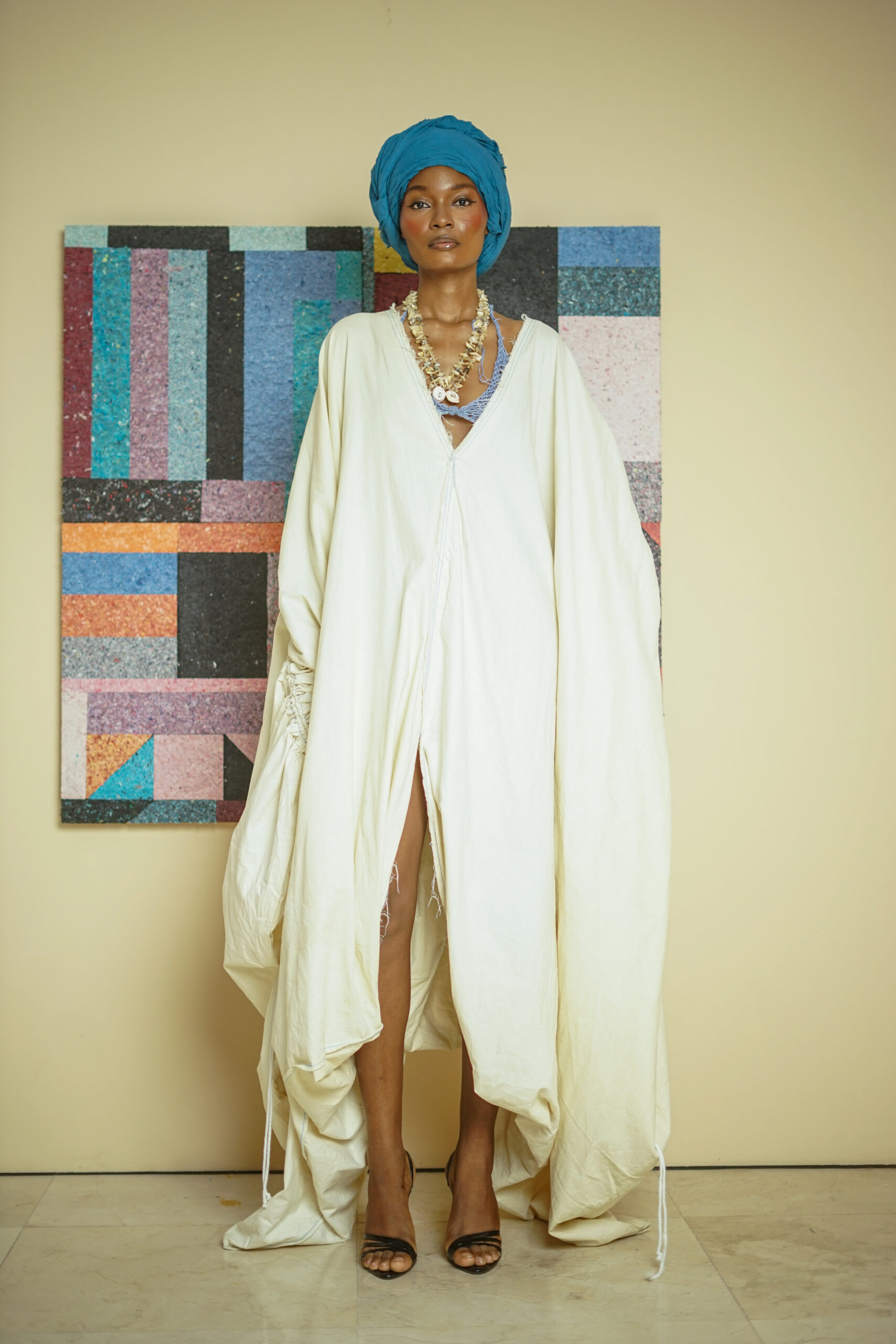
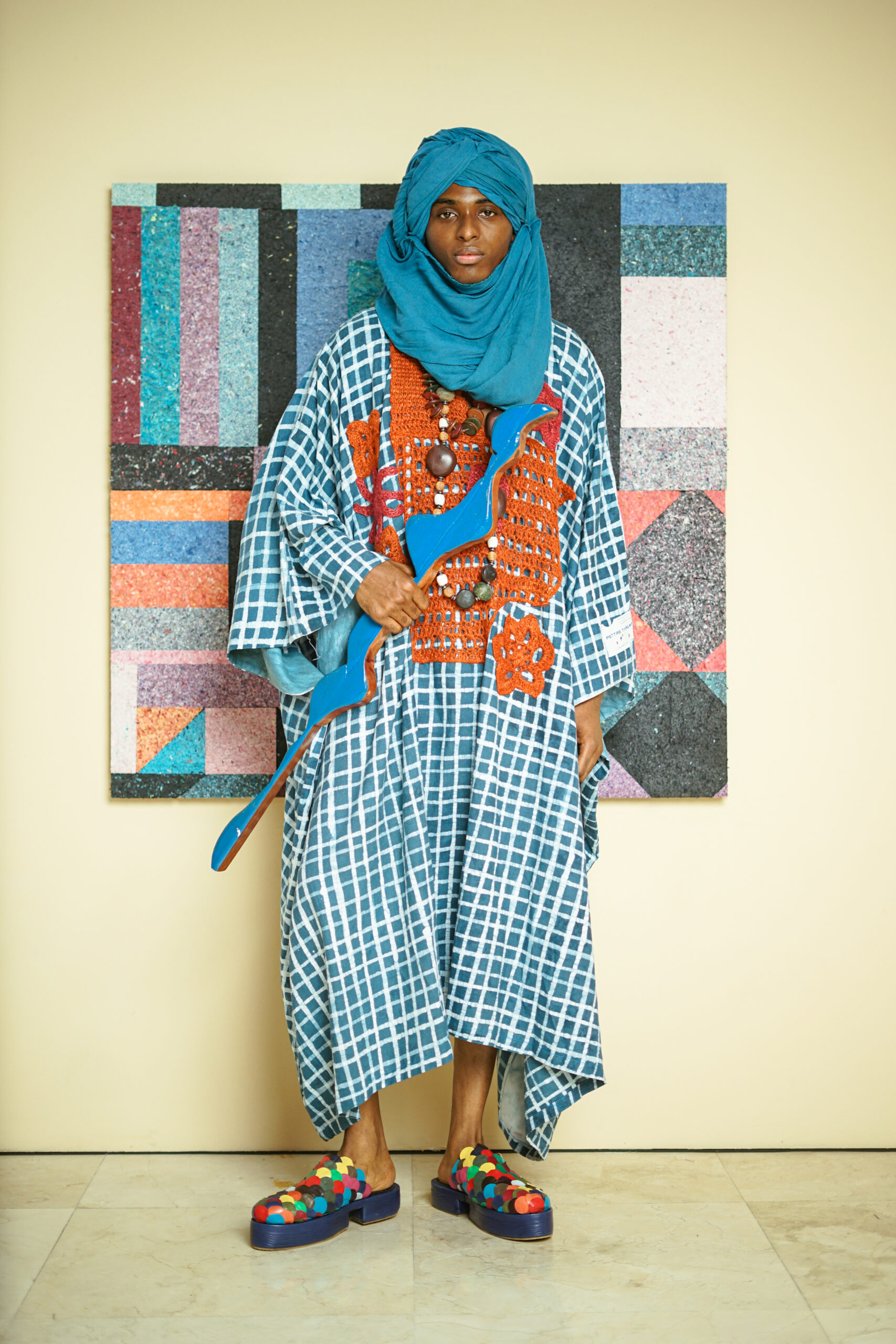
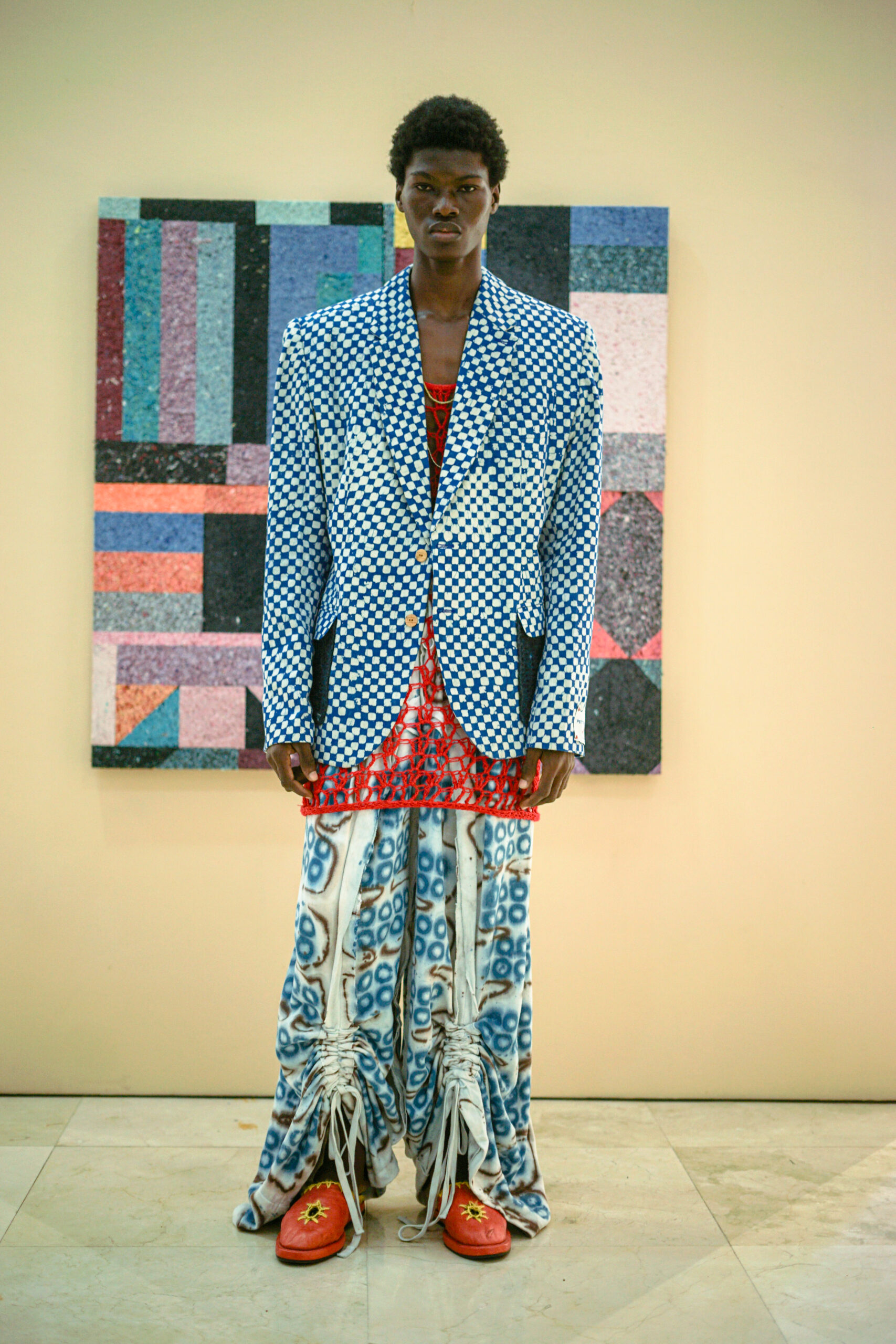
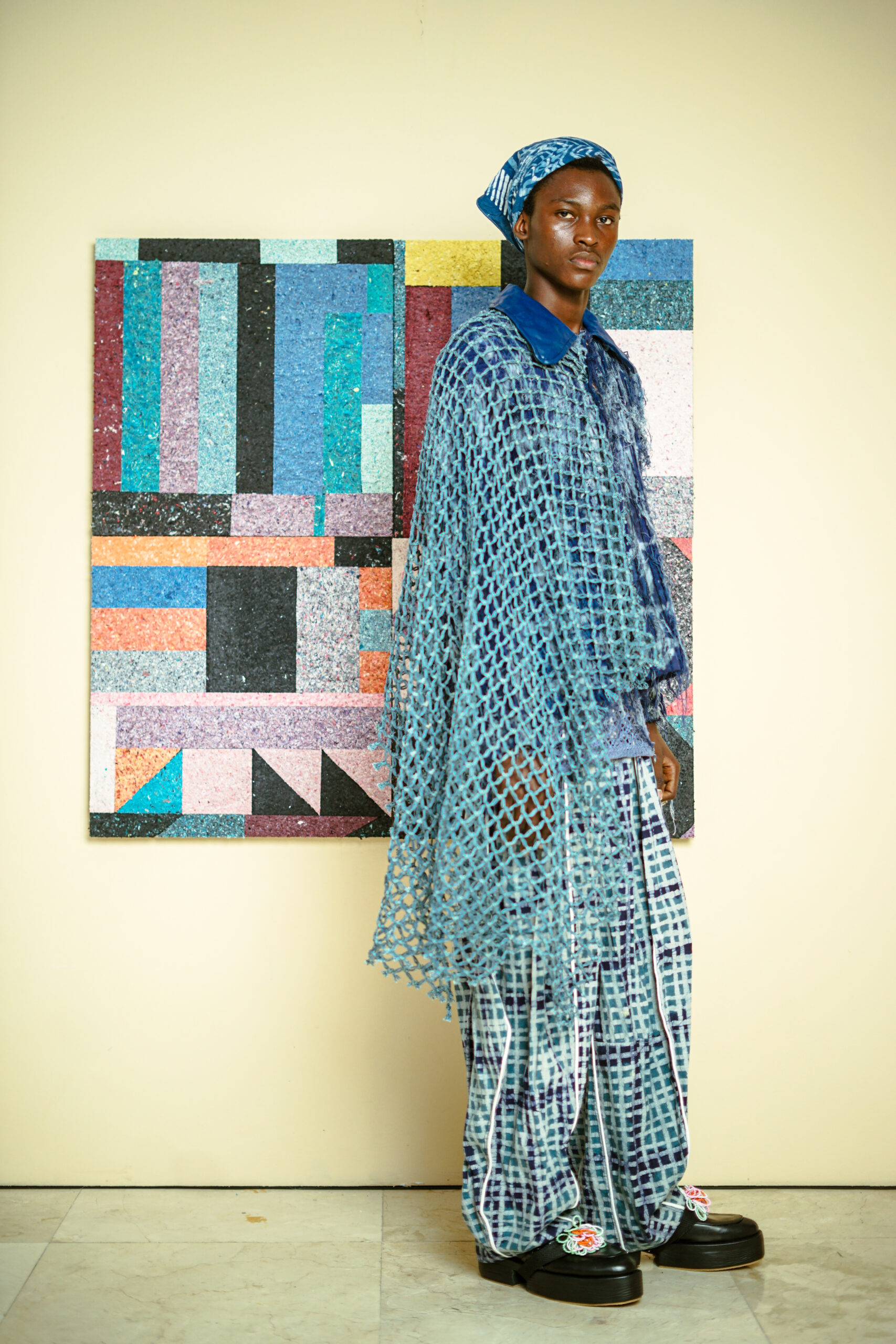

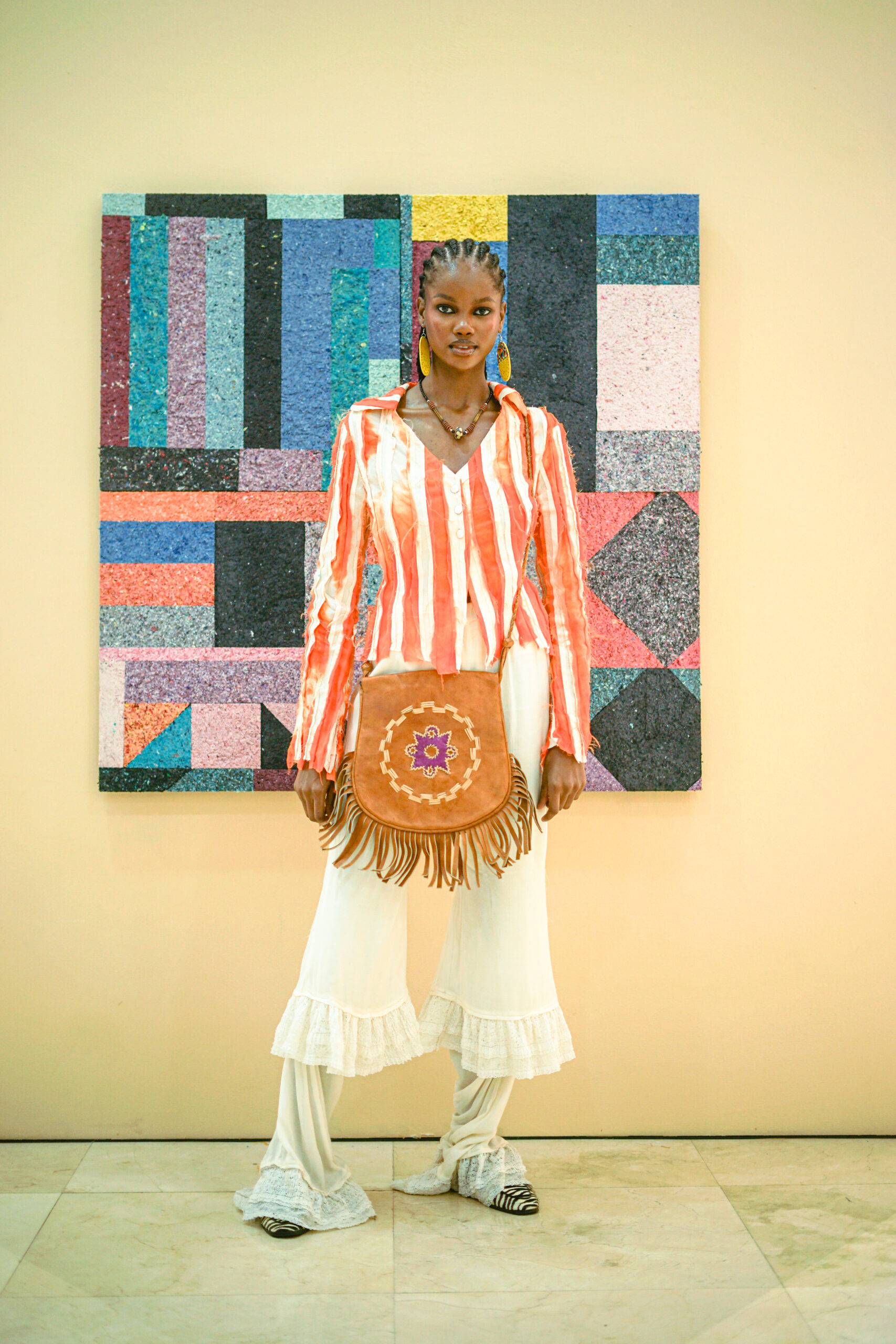
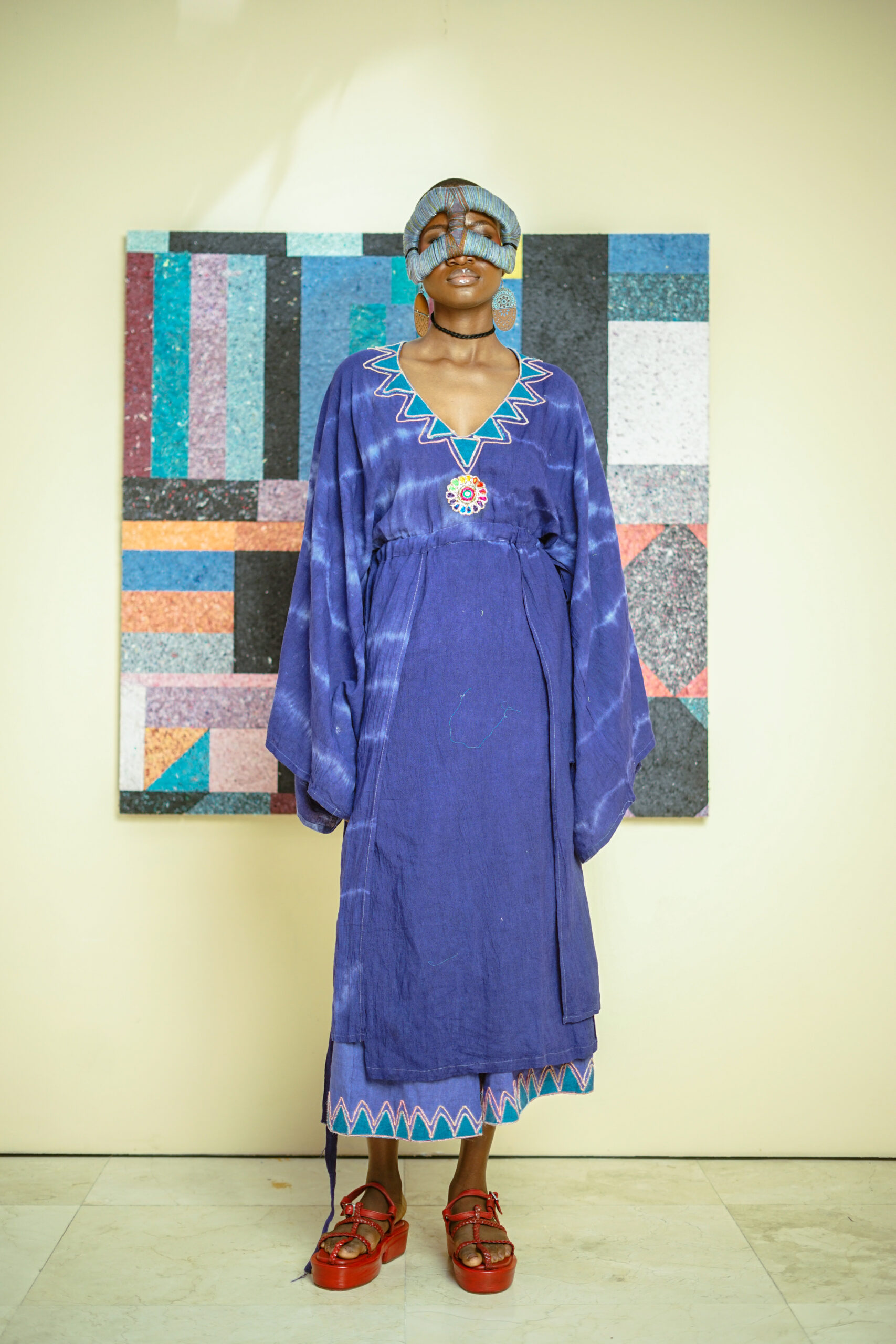
With CRAFTED, Style House Files once again affirmed that sustainability in Africa is not an imported concept, but a lived practice deeply rooted in community, craftsmanship, material intelligence, and adaptive making.
As Woven Threads continues to evolve, it remains a critical platform shaping the future of African fashion through dialogue, experimentation, and systems-led innovation.
PHOTO CREDITS
Courtesy: Lagos Fashion Week
Runway Images: Kola Oshalusi (Insigna Media)
For more information and updates, follow @stylehousefiles and @lagosfashionweek on Instagram.
Woven Threads VII is an initiative of Style House Files, supported by Heineken, Lush Hair, Verde (Cadwell), and Moët & Chandon.