

This is the final piece of the puzzle! True winter style isn’t about one thick garment; it’s about the sophisticated engineering of layers. Mastering this technique elevates an outfit’s warmth dramatically while adding crucial visual depth and complexity. Here are brilliant insights on Layering Techniques for the modern man.
The Art of Layering (Maximum Warmth, Maximum Style)
Layering is where technical function meets high-level style. The goal is to maximize insulation while ensuring each piece contributes to a streamlined, thoughtful silhouette. This is achieved by adhering to the “Three-Layer Principle,” but also by strategically using unconventional mid-layers.
1. The Three-Layer Principle: The Science of Comfort
The most effective way to dress for cold weather is to use three distinct types of layers, each with a specific job.
| Layer Type | Purpose & Material Focus | Style Application |
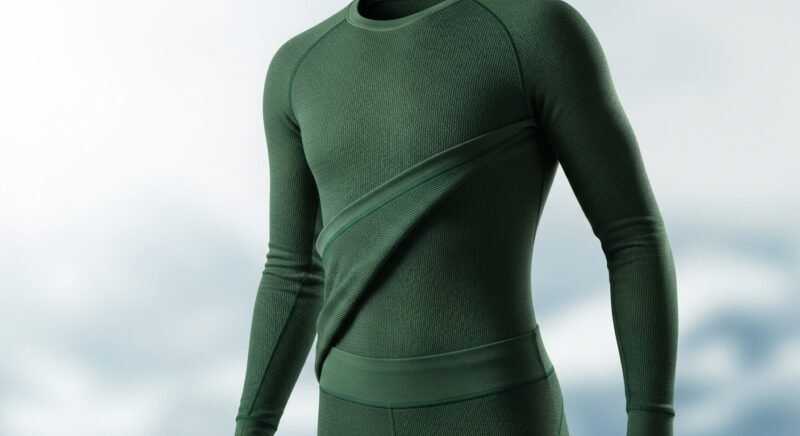
| Base Layer (Skin Contact) | Manages Moisture: Wicks sweat away from the body to prevent chilling. Essential for movement. | Thin Merino Wool or performance synthetics. (Avoid cotton, which holds moisture). |
| Mid-Layer (Insulation) | Traps Heat: Provides the primary warmth barrier. Must be breathable. | Thick Cashmere, Fleece, or structured Roll-Neck Sweaters. |
| Outer Layer (Protection) | Blocks Elements: Shields the wearer from wind and water. | Parka, Topcoat, or Technical Shell. |
2. The Mid-Layer Arsenal: The Secret Weapons
The biggest style opportunity lies in the mid-layer. It is the piece that is often seen when you walk indoors and remove your heavy coat, so it must be as stylish as it is functional.
A. The Lightweight Puffer Vest (The Gilet)
The puffer vest (or gilet) is the unsung hero of the mid-layer.
- Why It Works: It provides core warmth where you need it most (your torso and chest) without adding bulk to your arms. This preserves your mobility and allows your outer layer (especially a tailored topcoat) to drape correctly.
- Style Hack: The best use is wearing a thin, technical gilet under a structured coat or blazer. The nylon or recycled polyester shell of the vest provides a texture contrast against the wool, making the look feel instantly contemporary and smart-casual.
B. The Heavy Gauge Cardigan
Forget the flimsy knit; the modern mid-layer cardigan is thick, structured, and often replaces a blazer.
- Why It Works: A thick, heavy gauge cable-knit or shawl-collar cardigan made of natural wool acts as a superb insulator. It is a more comfortable, more tactile alternative to a tailored jacket.
- Style Hack: Look for cardigans in a contrasting tone to your coat (e.g., an off-white or forest green cardigan under a charcoal topcoat). This intentional color pop adds depth. When indoors, unbutton your outer coat to reveal the beautiful knit texture beneath.
C. The Quilted Liner Jacket
Many high-end heritage brands (like Barbour or Canada Goose) sell quilted liners that can be worn independently.
- Why It Works: They are lightweight, often diamond-quilted, and thin enough to slip easily under any topcoat. They are designed to sit close to the body, making them exceptionally warm without appearing bulky.
- Style Hack: Wear the liner solo on a cool, crisp day with a roll-neck underneath. The visible quilting adds a sophisticated texture that speaks to quality and heritage.
3. Mastering Proportions and Texture
To nail layering, you must pay attention to two visual concepts:
- The Length Rule: Generally, your mid-layer should be shorter than your outer layer. If your jacket is too short, the mid-layer peaking out beneath it can look messy. The exception is when intentionally using a longline cardigan beneath a shorter leather blouson for a bohemian, textural look.
- Texture Contrast: Use different fabrics in each layer to give the outfit depth. For example:
- Outer: Smooth, dense wool (Topcoat)
- Mid: Rough, chunky cotton or cashmere (Cardigan)
- Base: Soft, thin knit (Merino Roll-Neck)
By treating each piece of outerwear—and the layers beneath it—as a deliberate, strategic part of the final look, you move past simply enduring winter. You embrace it, turning the necessity of staying warm into an opportunity to showcase your most considered and elevated style. This is how the modern man masters the winter wardrobe.