

Fashion economies are rarely built on runways alone. They are built in classrooms, craft markets, policy rooms, and moments of quiet defiance. And in Uganda, where the fashion industry has historically been viewed as informal and peripheral, Nalwoga Cerinah Kasirye is turning that narrative on its head, block by block. An engineer by training, an accountant by discipline, and a cultural strategist by instinct, she has quietly become one of the most influential architects of Uganda’s fashion ecosystem. With the Trillion Looks Store and the Afri Art Fashion Show, Kasirye is not simply presenting fashion as fashion but constructing infrastructure and recognising craft as craft and mobilizing artisans, students, and marginalized creatives as economic actors in their own right.
And Kasirye’s efforts could not come at a better moment, as Africa’s fashion economy is projected to grow into multi-billion-dollar territory driven in part by youth, creativity, and sustainable thinking. Kasirye is at the heart of something quietly revolutionary in its own right. This conversation is not about fashion shows and student competitions as such, but about power, access, and the labour of turning creativity into the economy itself.
Fashion as Infrastructure in Uganda
FAB: One would wonder. You run Trillion Looks Store, the Fashion Week, and now the student competition. Where are you really coming from? What is your story? Who are you?
Cerinah Kasirye: I am many things. I went to university and studied Engineering, specifically Textile and Ginning Engineering. I graduated hoping to work in the textile industry, but I was not successful. Part of it was my limited effort in searching for roles, but it was also because our textile sector is small.
I later decided to pursue Chartered Accounting because I hoped to become a top executive in a major company. I wanted to build a strong corporate career. I did not complete the course due to several challenges, especially the long time it took to pass certain papers. I reached Level Two and still had one level left, but I eventually took a break because it was mentally draining.
During that period, I worked at a cybersecurity company as a Business Developer. My heart, however, remained in textiles, art, and fashion. While working in cybersecurity, I was introduced to technology, and I kept thinking about how it could empower the fashion industry.
I later volunteered at one of the craft villages in Uganda, the National Arts and Cultural Crafts Association, where I handled business development and marketing. My real passion was finding ways to integrate technology into the creative sector. A friend introduced me to e-commerce, and I became curious about how we could sell local products across borders. I wanted buyers to be able to order online, pay, and receive their items without visiting our markets physically.
I started by opening a shop on Jumia, but I faced several challenges. Artisanal products are often bought urgently. People need them immediately or before travelling back to their countries. Because of this, we had many product returns. Orders stayed in warehouses for days, and by the time they were delivered, customers had already left. It frustrated both sellers and artisans.
Then COVID-19 hit, and we were all sent home. I could no longer volunteer at the craft market. I had to rethink my next step. Since I had already learnt about e-commerce through Jumia, I decided to help artisans sell their products online from their homes. In 2020, we launched an e-commerce platform that connected buyers directly with sellers. We ran it for a year until 2021, when the lockdown was lifted.
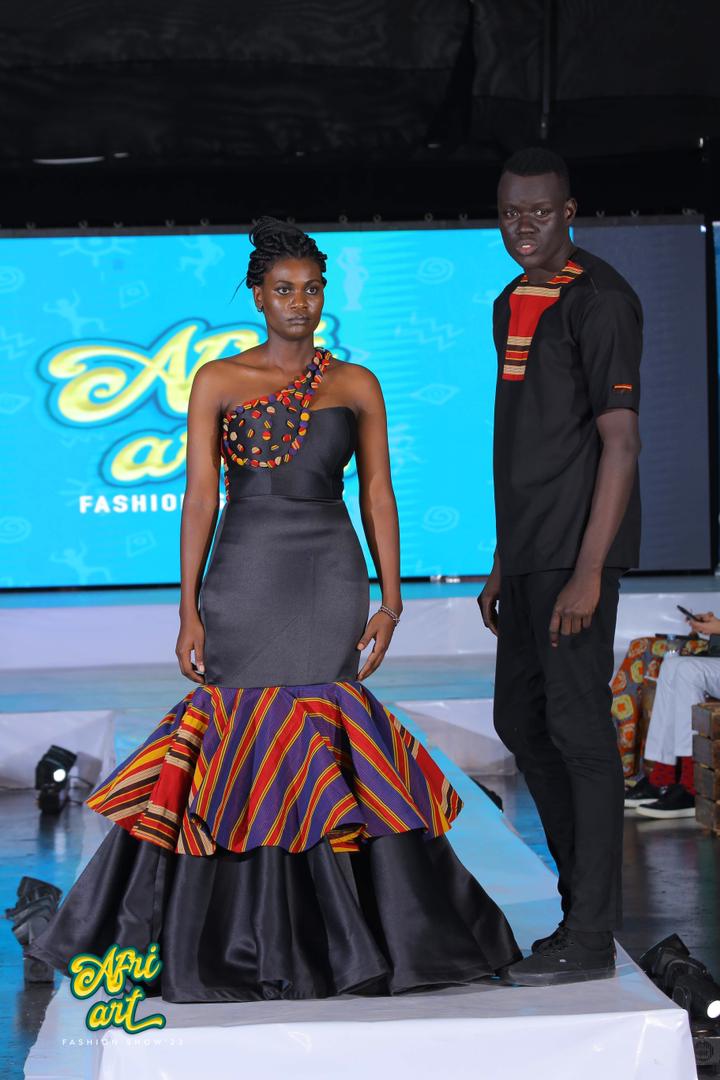
Once movement resumed, we needed a new approach to empower makers and engage buyers. That shift led to the creation of the AfriArt and Fashion Show in 2022, right after restrictions eased. From there, we evolved from running an online marketplace to hosting fashion shows, to organising university fashion challenges, and now to training designers through the Fashion Legacy programme. That is where I come from.
Trillion Looks Store and Market Access for Artisans
FAB: Another inspiring part of your journey is the name of your brand, Trillion Looks. It sounds bold and limitless. What does it mean to you, and how does it reflect your vision?
Cerinah Kasirye: We chose Trillion Looks because we wanted people to experience variety. We wanted people to enjoy the range of fashion coming out of Uganda. Every time we host a fashion show and see the different creations on the runway, we feel that the dream is alive.
What I have not mentioned is that my love for fashion also comes from my mother. She was a fashion teacher. As a child, I often heard the negative comments people directed at fashion designers. Sometimes those remarks were said directly to my mother or to her students. She always told me that you cannot work in fashion unless you are very good at mathematics, because every design requires calculation. You add, multiply, subtract, and divide. Everything in fashion is mathematics.
While people called fashion a job for the uneducated, she always reminded me that you cannot succeed in it without being a strong mathematician. That message shaped my perspective. I wanted to change the narrative and show that this industry is for smart people. This industry dresses everyone. Without it, we would walk naked. Since we all find something to wear, we should appreciate the designers who make these creations possible. That is what drives me. That is why I built this industry and why I want to empower everyone in it.
FAB: What did you see that others did not when you created your platform?
Cerinah Kasirye: We started the platform because of a need that emerged during the pandemic. I mobilised skilled friends who eventually became business partners. One of them was my husband. He is a tech professional, so he understood how to build e-commerce systems and manage online sales. I focused on the business side, while he handled the implementation, including payment gateways, accepted cards, and solutions for payments that failed.
For deliveries, we first worked with the local post office. It was affordable, but delivery times were too slow. As we grew, we noticed that some customers needed their orders urgently, so we partnered with DHL for faster delivery, as long as clients could cover the cost.
For currency, we wanted the platform to serve buyers in any country. We did not focus only on the dollar, euro, or Ugandan shilling. Instead, we added a converter that changed Ugandan prices into the buyer’s local currency so they could shop and pay comfortably. Products were then delivered based on their location.
We had to go beyond local expectations and adopt international standards. Many local competitors did not take that step. We studied how global e-commerce platforms operate, and we followed that model.
Recommended For You
How Sustainable Living Can Benefit Student Health and Well-Being
The Afri Art Fashion Show as Economic Platform
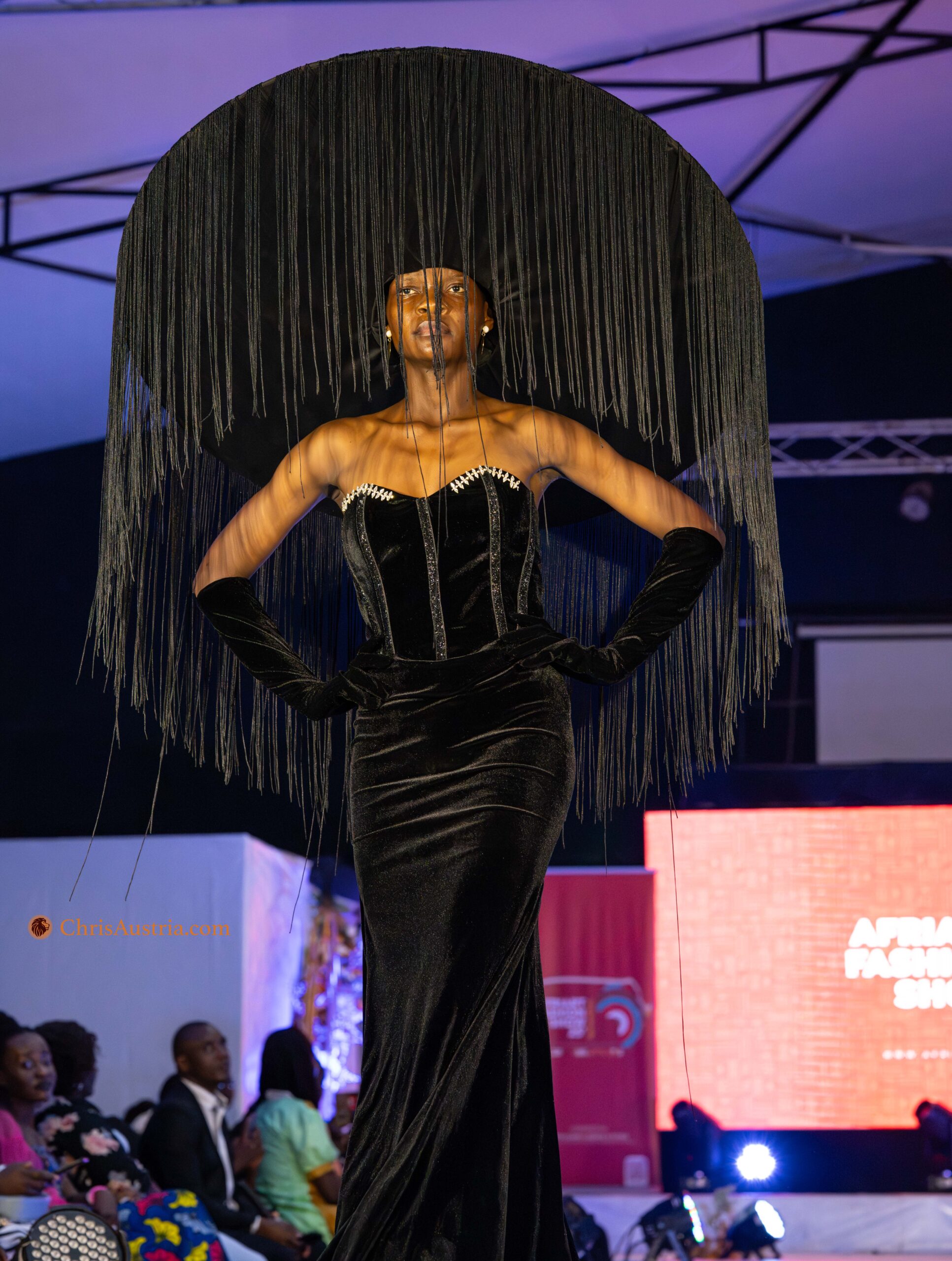
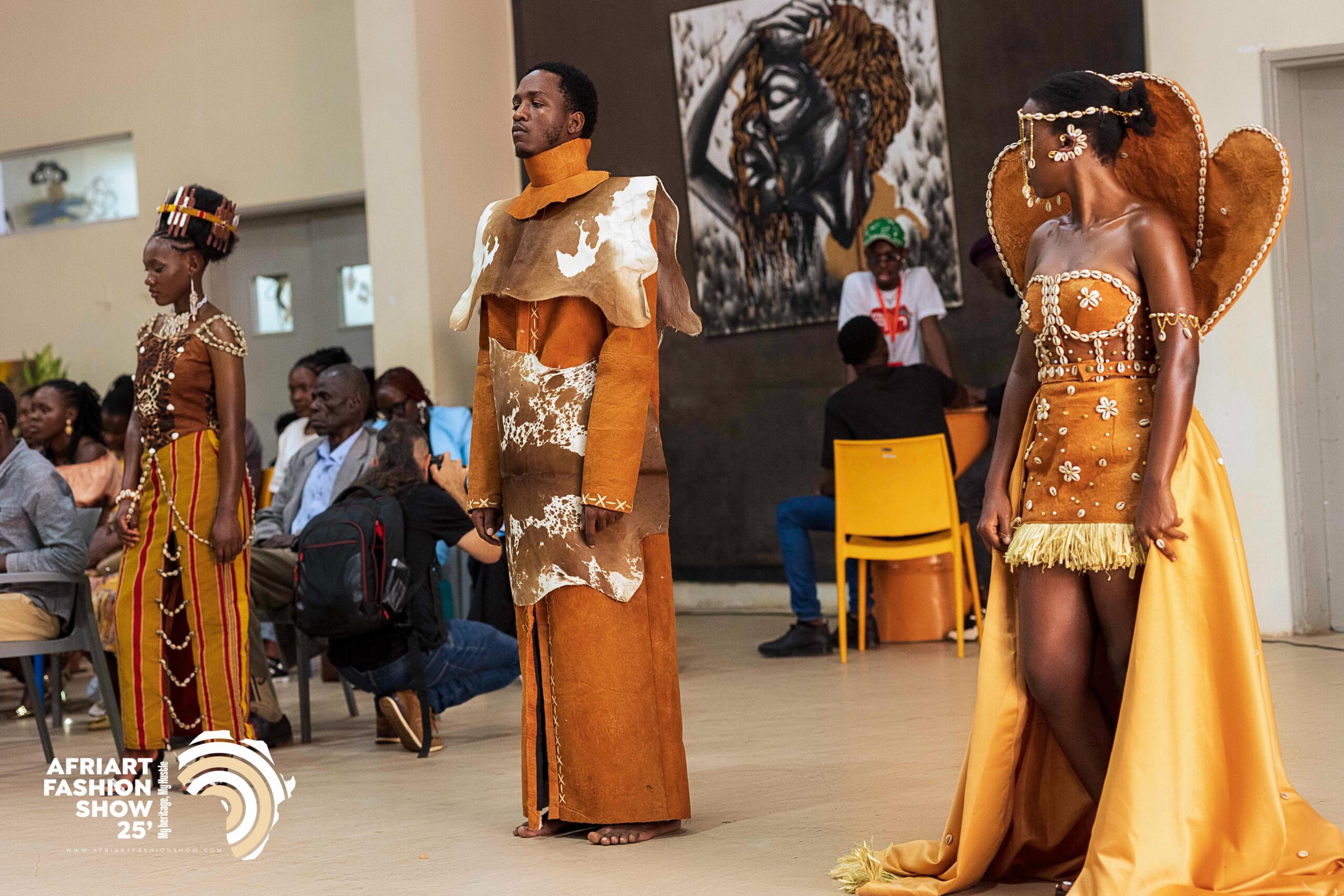
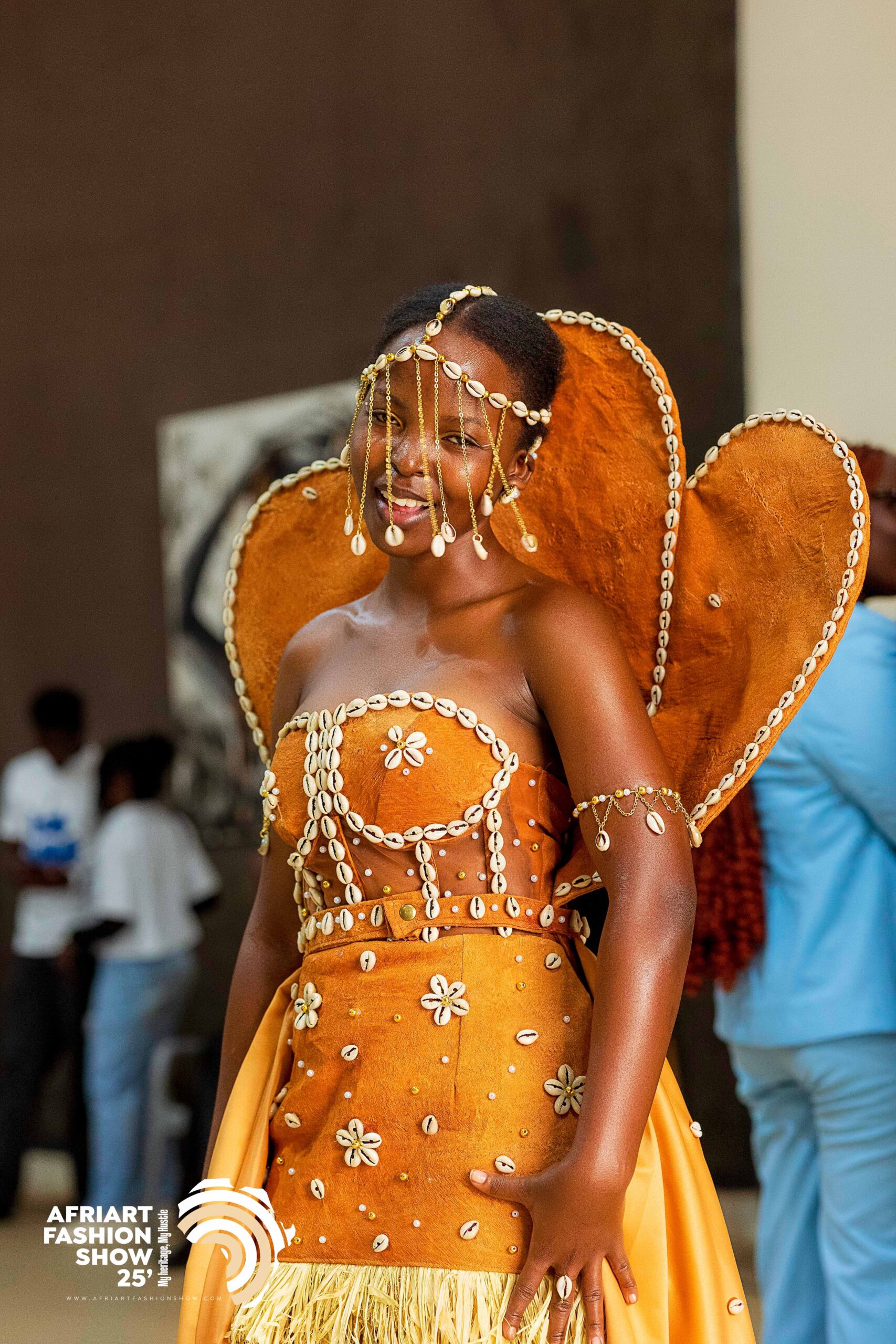
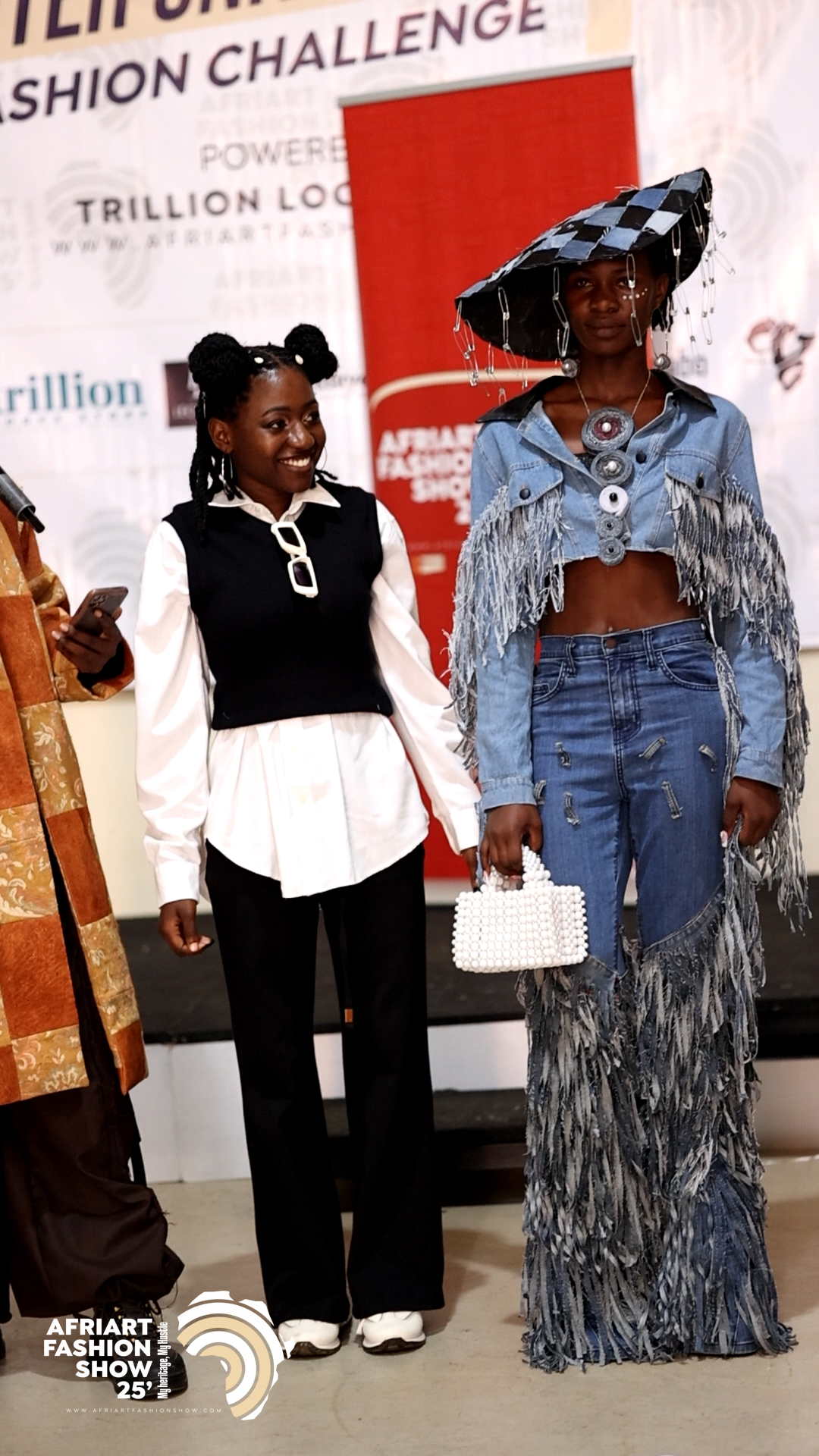
FAB: Looking back, what was the original dream for AfriArt Fashion Week, and how close are you to achieving it?
Cerinah Kasirye: Our dream actually ties back to the moment we chose to host an inter-university fashion challenge. Before this, we had held the AfriArt Fashion Show for three consecutive years. Since we started in 2022, we have hosted the show every July from 2021 to 2024. This year, we shifted it to August.
Many students had always wanted to participate, but they often struggled with the cost of buying materials to create a collection. It was also difficult for them to balance school with the demands of producing work for the show. This pattern continued for about three years. So we asked ourselves how we could include them in a way that supported their reality. That is how the inter-university challenge was born. The idea was to bring different universities together and let students compete as teams.
FAB: When you look back at it, how close did this first edition come to fulfilling that vision?
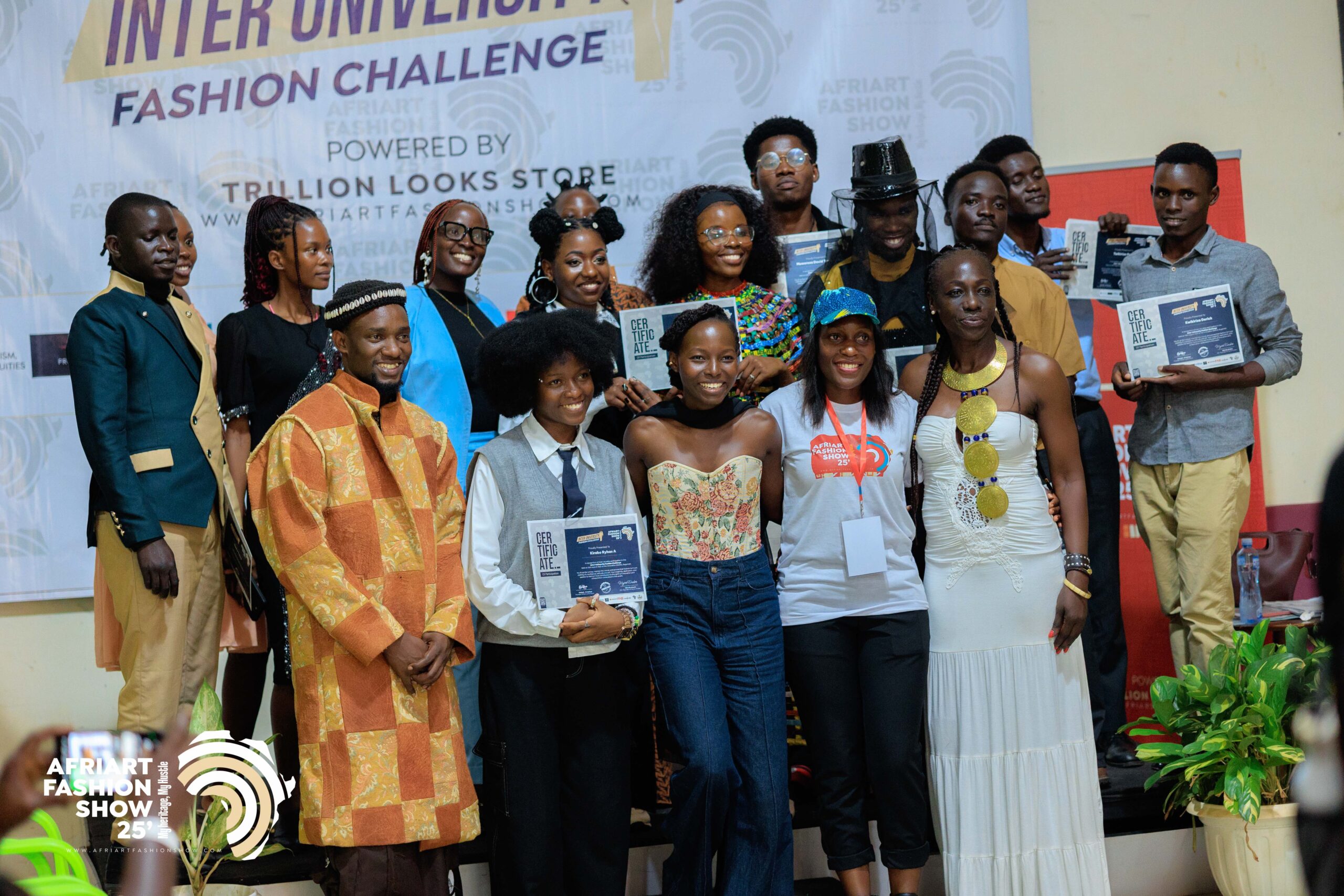
Cerinah Kasirye: It was truly a dream come true. The students were fully engaged and welcomed the idea at the university level. They participated in groups of five. Each group produced a collection, and each student designed one piece. They had to collaborate, communicate, and learn how to function as a team.
The project was a success. We saw students actively sourcing materials, learning about fabrics, connecting with other designers, and asking important questions about how to grow in the industry. Heads of departments and deans of art and design also attended. They came to see their students’ work and support them. Many parents also showed up to celebrate what their children had created. For us, that level of involvement was a huge achievement.
FAB: All the students produced one piece each. Thirty students. Months of preparation. A live runway. What surprised you the most about their creativity?
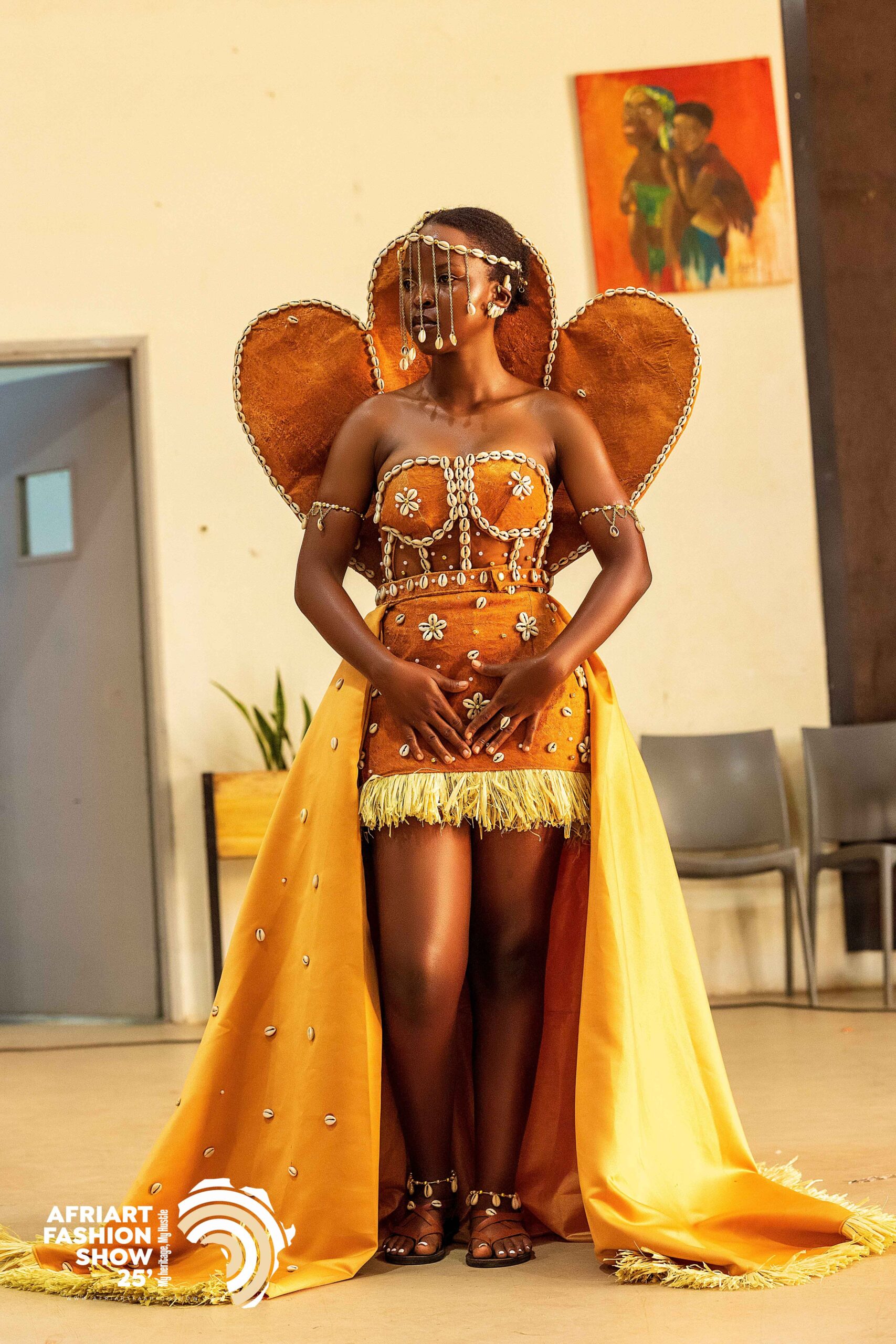
Cerinah Kasirye: On the day of the event, every collection from each university surprised me. Every piece was something new. We had created categories that the students had to design under. These included eco-fashion, ghetto versus urban, heritage, and modernity. The presentations were unique and original. Their creativity was exceptional. It showed how much effort they put into research, how much time they spent thinking through their concepts, and how seriously they took the opportunity. They produced real masterpieces.
FAB: We have seen what these young designers can do. But Uganda’s fashion ecosystem is still developing. How does a student-focused platform like this help build a sustainable fashion economy?
Cerinah Kasirye: I strongly believe that most designers in the market today begin their journey in school. When you give young people a chance to challenge themselves, you build a strong foundation for the entire industry. Right now, as a country, we are struggling to have the fashion industry recognised as part of the creative sector. When people talk about the creative sector, they often think only about performing arts. Fashion is rarely included. To close that gap, we must strengthen the pipeline at the student level, and that is exactly what this platform is doing. Moving forward, I believe this challenge has created an important pathway for Uganda to empower grassroots designers.
FAB: Were there any standout stories among the student teams that left a lasting impression on you?
Cerinah Kasirye: Yes. Because I was involved in planning and implementation, I saw how some teams struggled. In a few cases, students formed groups, but some teammates dropped out at the last minute. That left the remaining students with two options. They could give up on the challenge, or they could quickly mobilise others to join them and complete production under pressure. One of those students pushed through despite the setbacks. He said, “Even if I am the only one presenting, I will go.” He did not quit like the others, and he later won in his category. His resilience left a permanent impression on me. His courage and determination are qualities we all need. His story reminds us not to give up simply because things do not go as planned.
FAB: You mentioned that some students bailed out on their teammates. What caused that?
Cerinah Kasirye: We spoke to their teammates to understand what happened, and two main reasons came up. First, some students had clear ideas but could not find the right materials. Because we wanted the students to take full ownership of the process, they had to source their own materials and manage production independently. Some tried to find what they needed but discovered that certain materials were unavailable or too expensive. Second, fear played a role. Some students worried that they would not produce work as strong as others. It became a fear of competition, and that anxiety discouraged them from continuing. Those were the main reasons we identified.
FAB: Every first edition comes with challenges. What hurdles did you face, and how did you overcome them?
Cerinah Kasirye: At first, we wrote to different university deans to collaborate with us. Like most events, funding was a challenge. However, the universities were slow to respond because the approval process was full of bureaucracy. As time passed, we were running out of time and had to create a plan B. We needed a way to host the event with or without the University leadership.
We decided to put out an open call directly to the students. Instead of applying through their institutions, students applied on their own and recruited friends to form teams. Many deans and lecturers said they were too busy to get involved, so waiting for them could have delayed or even blocked the entire event. Going directly to the students solved that problem. They embraced the idea, organised themselves, formed teams, and worked hard to create their collections.
If the universities had officially come on board, things might have been different. For instance, students might not have struggled to find materials because their institutions could have provided support. But as things were, students relied mostly on themselves, with only limited support from their universities.
FAB: After the challenges you faced in this inaugural edition, if you were to repeat the event next year, what would you do differently? Are you even considering doing it again after everything you experienced?
Cerinah Kasirye: Yes, we definitely want to do this event again. When the universities learnt that their students had performed exceptionally well, they were proud of them. Some even offered us venues for the next edition at no cost. Others promised to mobilise their students early so they could perform even better. The success of the first edition attracted new interest. Several institutions that only came to observe this year have already said they want to send their students next year.
What would we do differently? We aim to improve what we have already started. We plan to communicate better with the students, understand their needs more clearly, and support them more effectively. One of the key requests from the students was mentorship. They also want platforms that can showcase their work to a global audience, not just within the challenge. Moving forward, we will focus on connecting them to those opportunities. We have already started doing this. Whenever we find openings that benefit students, we share them and guide their applications. Our goal is to link them to audiences and mentors who can help them grow into established brands instead of remaining only local designers.
FAB: How was sustainability integrated into the students’ challenge?
Cerinah Kasirye: We had five categories. I hope I can remember them all. They included eco fashion, modernity, ghetto versus urban, heritage, and one more that is slipping my mind right now.
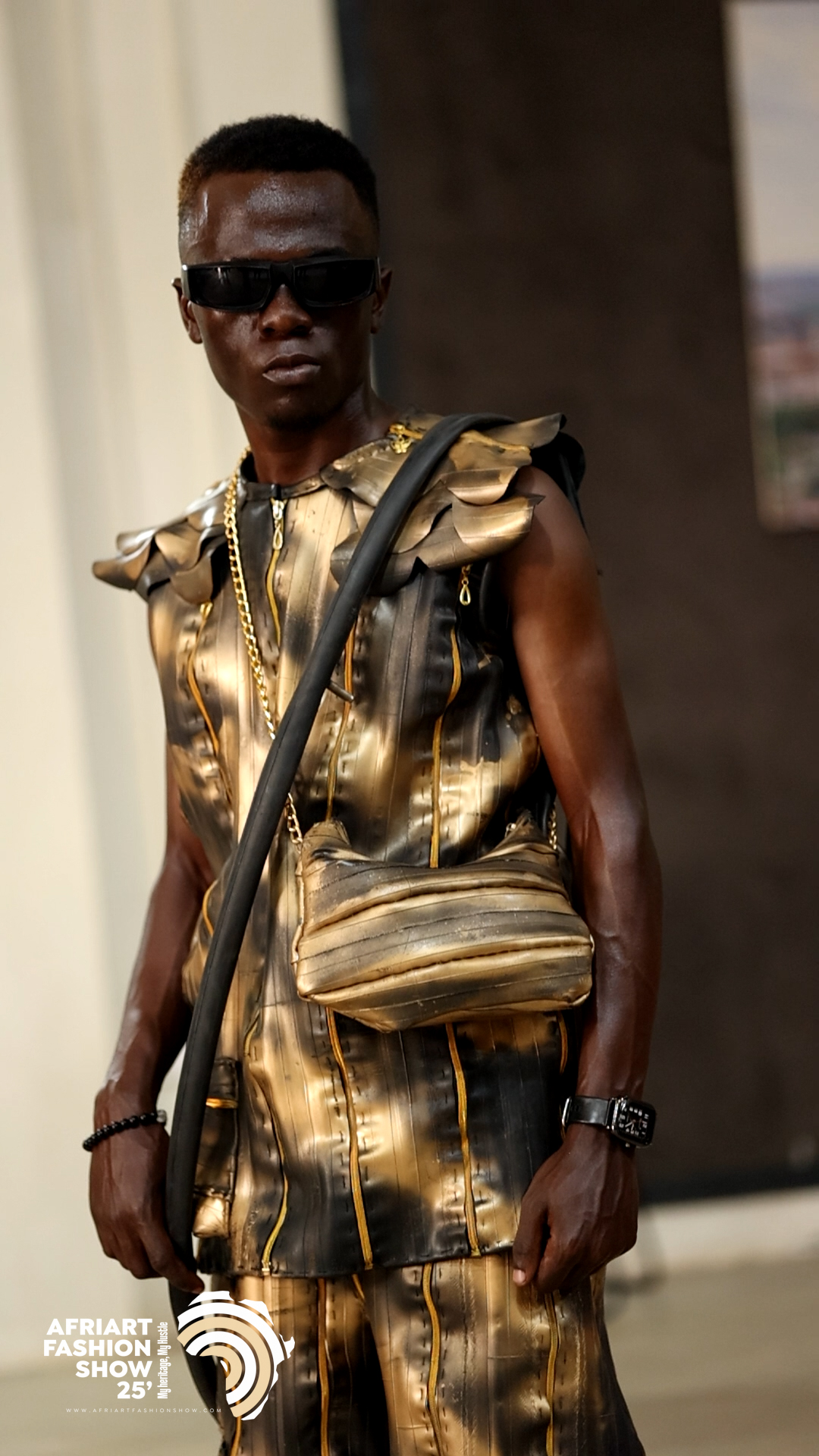
In the Eco Fashion category, students designed environmentally friendly pieces. One of the students, Derek Fikiriza from the University of Kisubi, created an outfit made entirely from bicycle tubes. It was an incredible costume. If more people could create innovative environmental solutions like that or make eco-friendly products such as bags from sustainable materials, we would make real progress as a country.
We included that category to push students to think beyond traditional fashion and create designs that protect or preserve the environment. For example, instead of throwing away bicycle tubes that would pollute the environment, students repurposed them into durable wearable pieces. Some participants also used bark cloth, which is eco-friendly. Since it comes from a tree, it decomposes naturally. So we intentionally created categories that required students to produce sustainable, environmentally conscious designs.
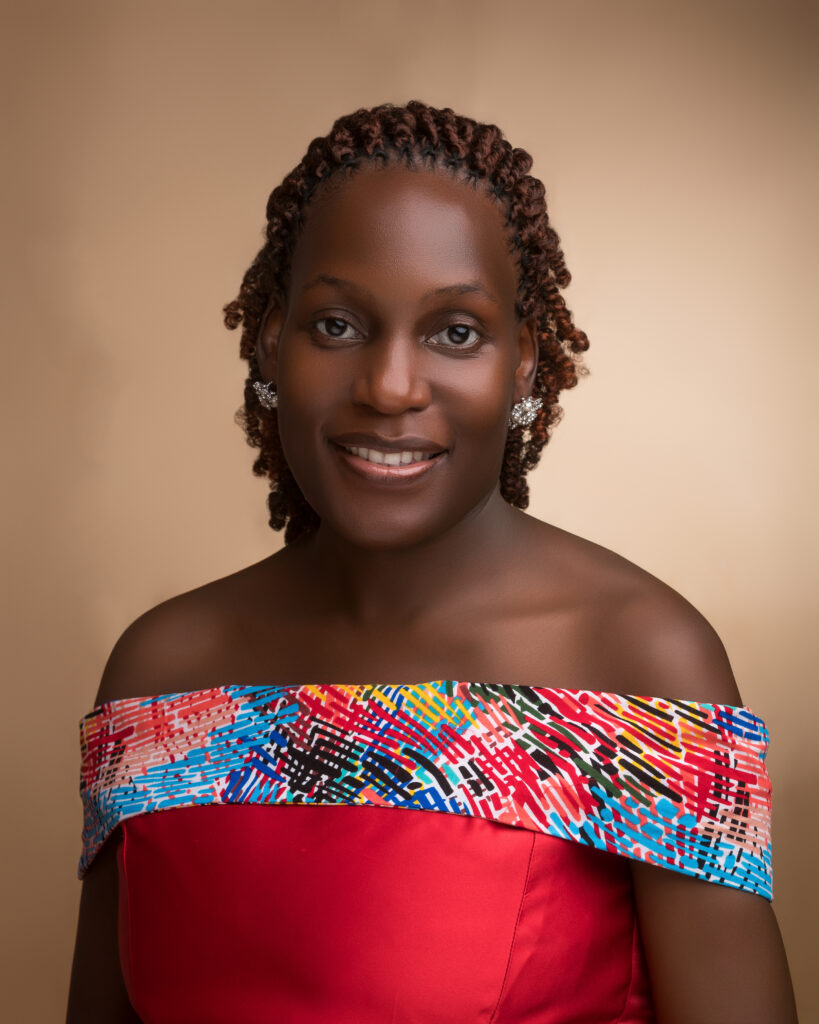
FAB: Let us talk about Trillion Looks Store, your parent company, which first started with Career Talks. How did those early conversations grow into the full fashion challenge you are leading today?
Cerinah Kasirye: Our mission has always been to empower artisan designers. We noticed that while some designers had exposure and opportunities, many emerging designers had very little understanding of what the fashion industry requires both locally and globally. This realisation pushed us to start the Career Talks in different universities to guide and empower young designers.
In the past, fashion designers in Uganda were rarely seen as professionals. Many people believed fashion was a job for the uneducated. To change that narrative, we needed to inspire young designers while they were still in school. We wanted them to see fashion as a respected professional field.
Finishing fashion school should not mean sitting on a veranda with a sewing machine and mending clothes. We wanted students to see that they could become fashion entrepreneurs, graphic designers within the fashion space, fashion photographers, merchandisers, retail professionals, and much more. We visited universities for a full year to share these possibilities. By the time we introduced the idea of the Fashion Challenge, the ground had already been prepared. Both the universities and the students welcomed it with excitement.
FAB: For the students who did not win, what opportunities or pathways are you building to ensure their talents are not lost after this competition?
Cerinah Kasirye: We are working closely with all our students. One of the initiatives we are introducing is the Fashion Legacy Training Program. It is a business development programme for creatives, fashion designers, fashion photographers, and other industry stakeholders. One of our main goals is to connect creatives to mentors who can guide them as they build and sustain their brands. Whether the students won or not, they remain part of our network, and when we launched this programme, they became the first beneficiaries.
As I mentioned earlier, we also share various opportunities with them. Whenever a relevant training or programme comes up, we make sure they receive the information. Participation is voluntary, so we keep encouraging them and sharing opportunities, hoping that with time, they will establish themselves in the industry. For now, that is the strongest support we can offer.
FAB: Now looking ahead, in the next five years, what role do you hope Trillion Looks Store will play in reshaping African fashion narratives on the global stage, or specifically the Ugandan story in fashion?
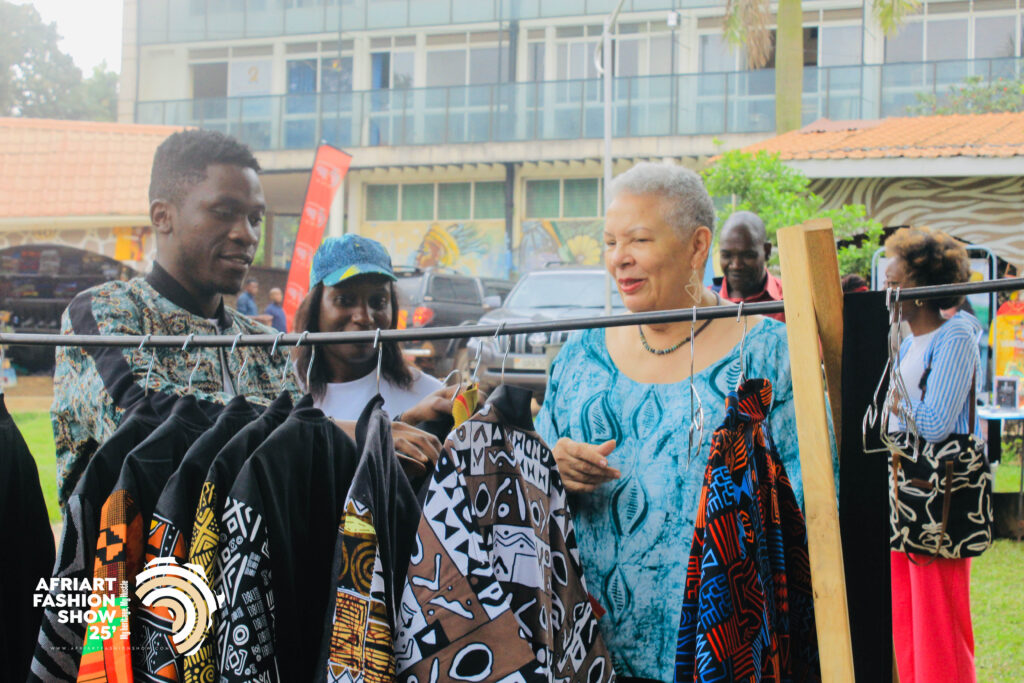
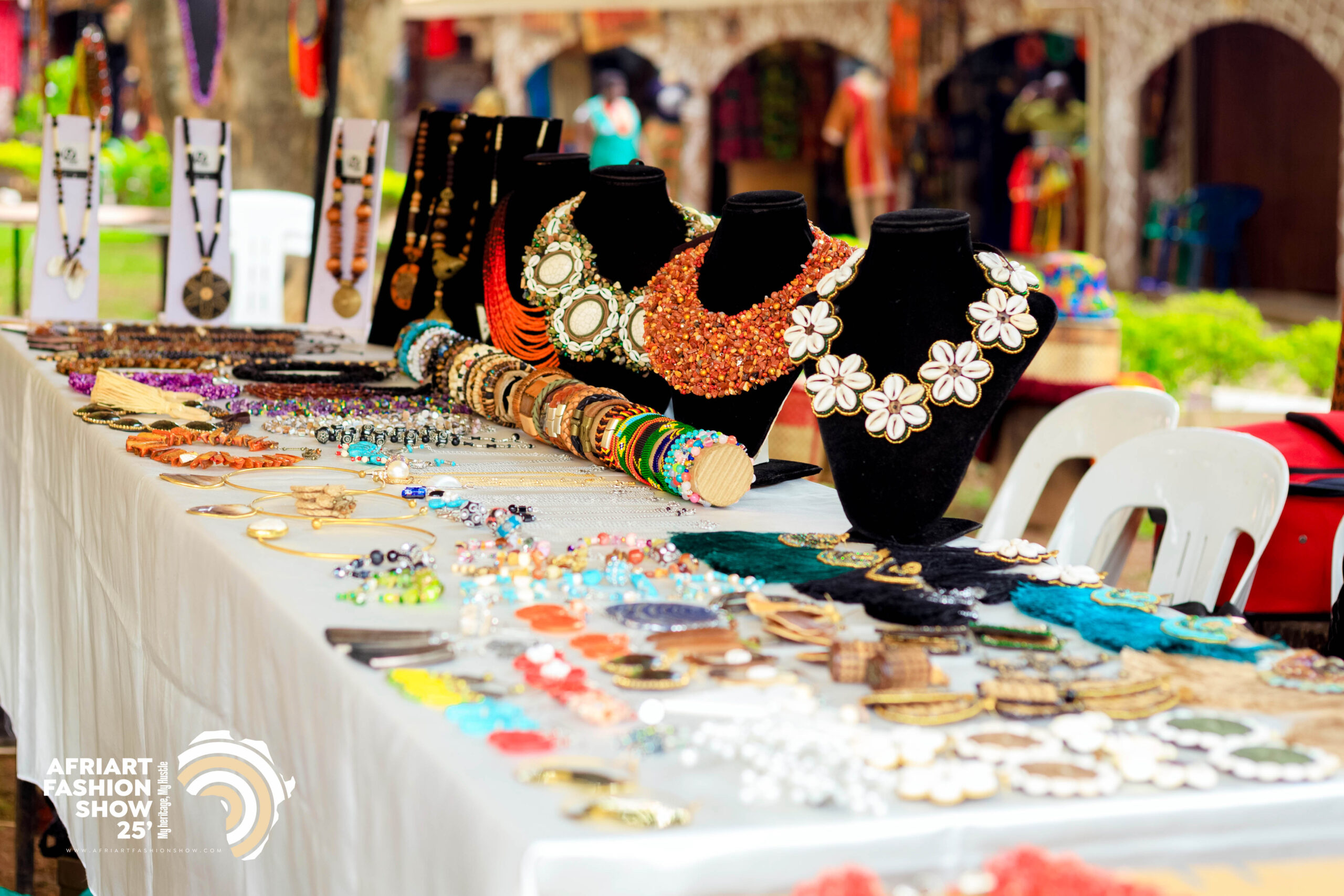
Cerinah Kasirye: We are building a platform that promotes authentic Ugandan culture and heritage-inspired fashion projects. While we support designers, we also select specific collections that tell cultural stories, and we market and sell these products on their behalf. We are committed to economically empowering designers because market access is one of the biggest challenges they face here.
Many designers struggle to build sustainable brands because they lack a proper structure that includes an accountant, a marketer, a stylist, and other professionals who help a business grow. We are stepping in to fill that gap. We act as a marketing hub for their products. We give them a platform to showcase their work and actively promote and sell it. We connect them with consistent buyers and help them earn income from their craft.
Women, Leadership, and Power in African Fashion
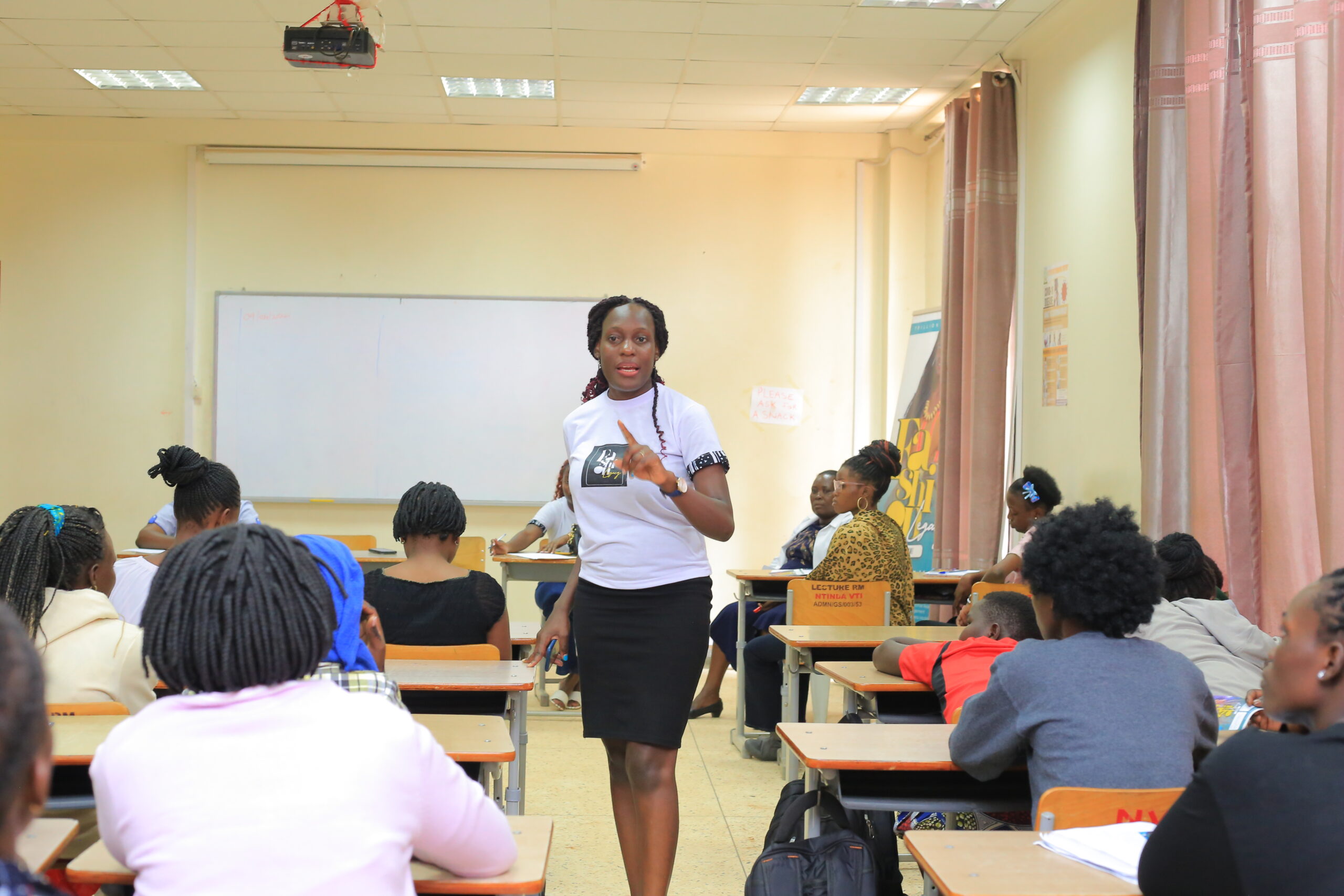
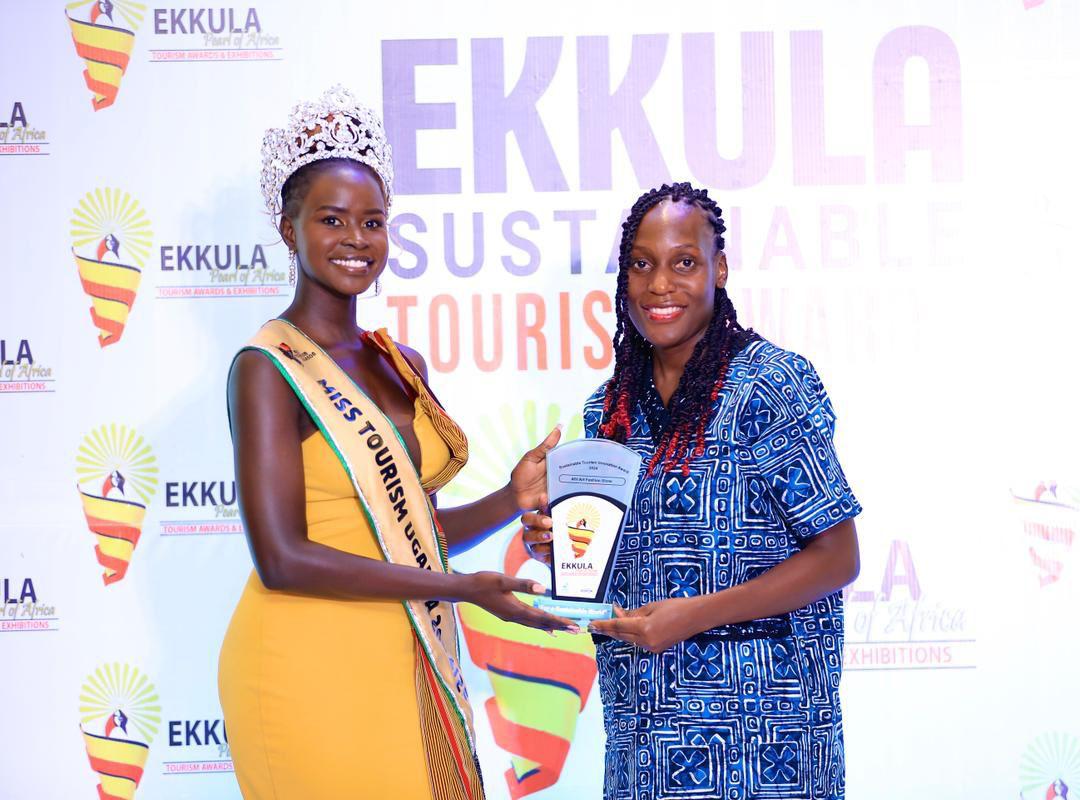
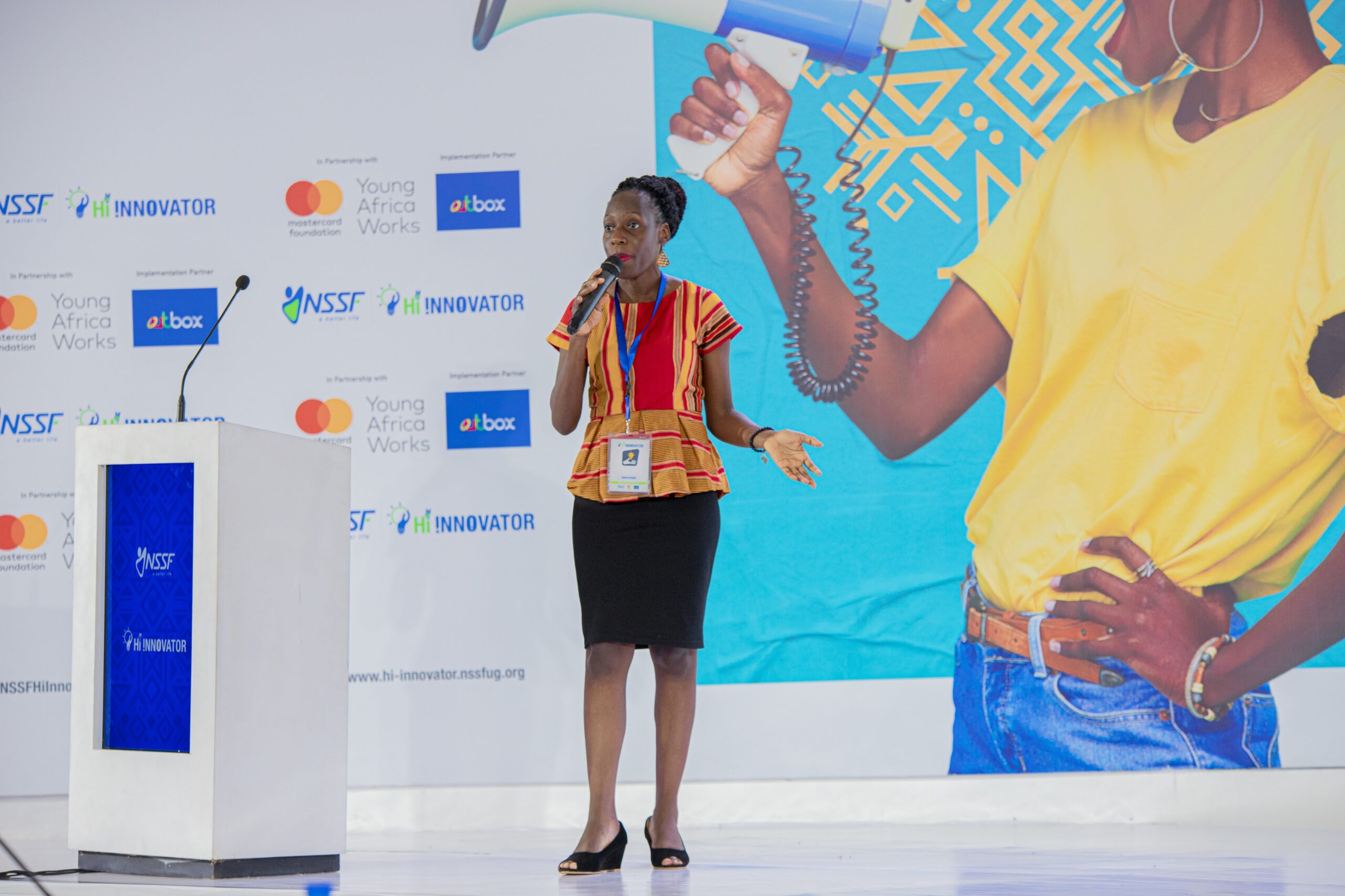
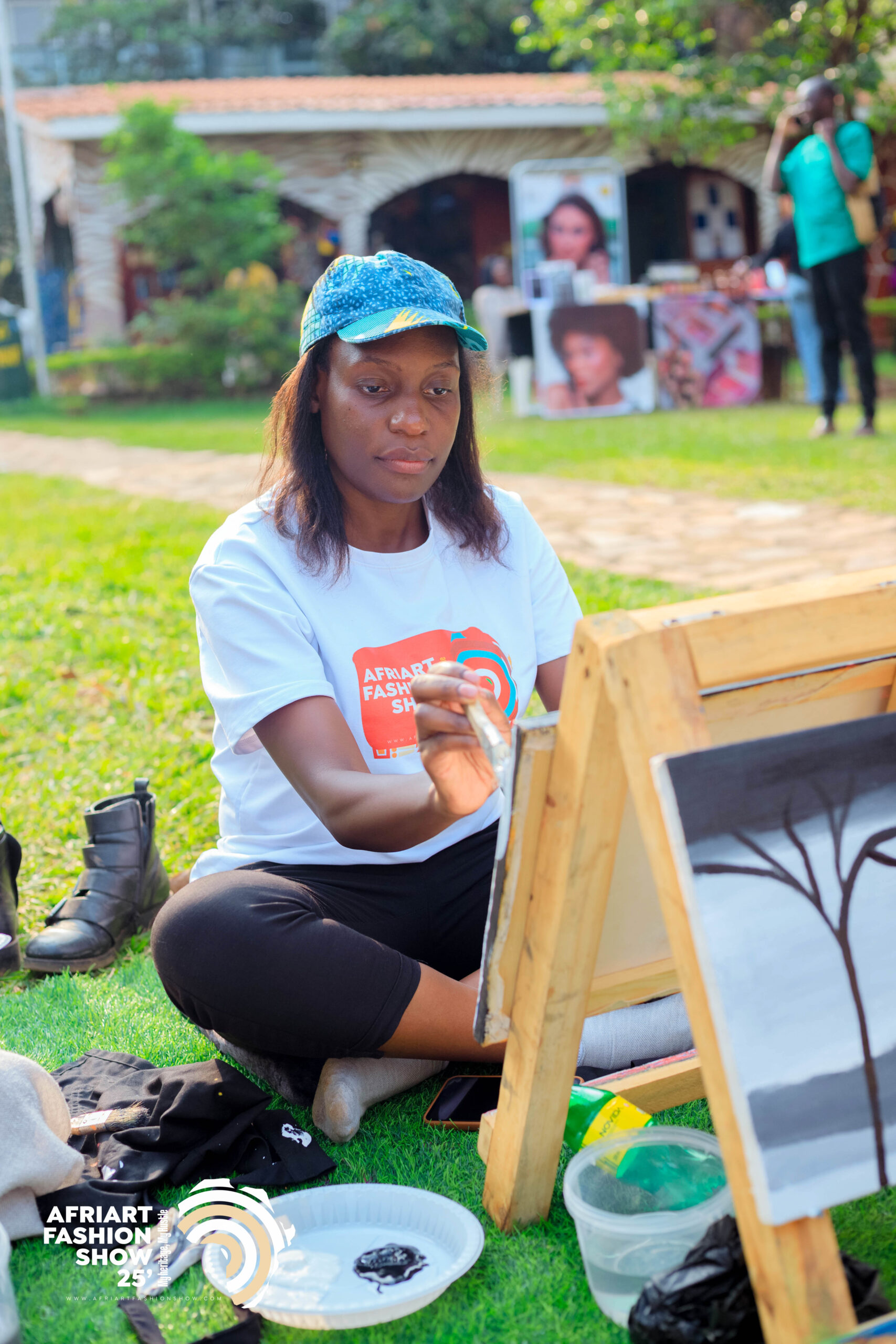
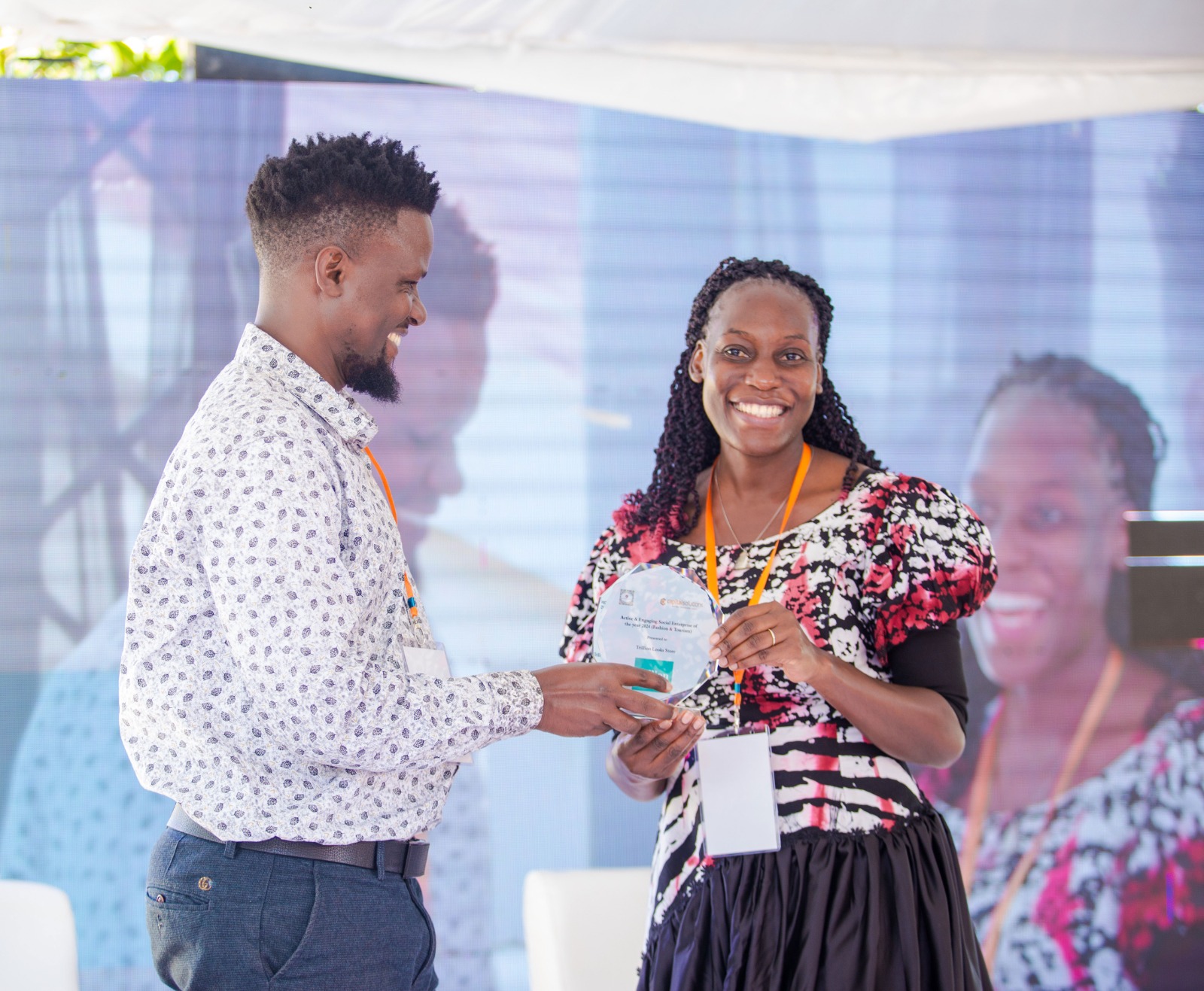
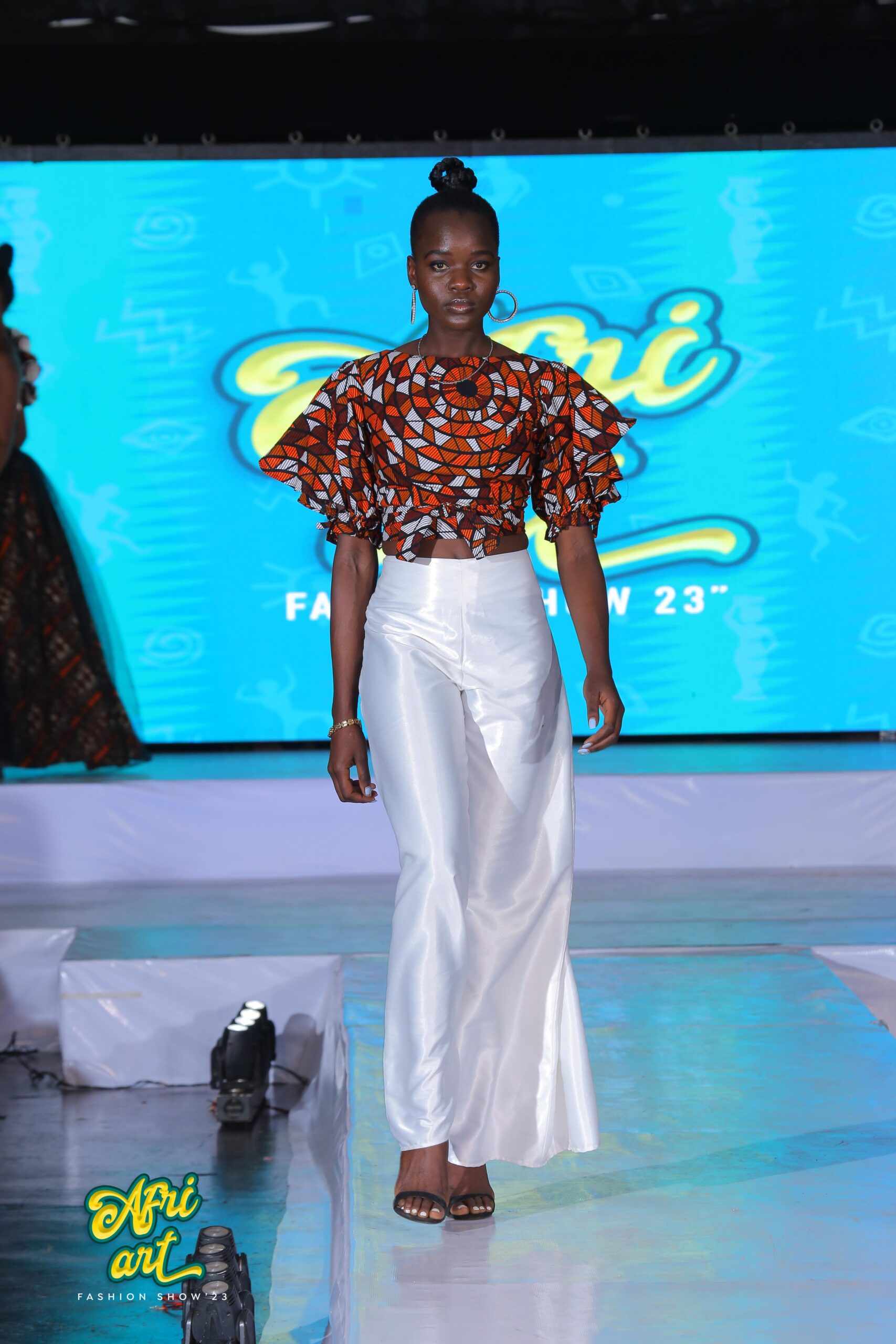
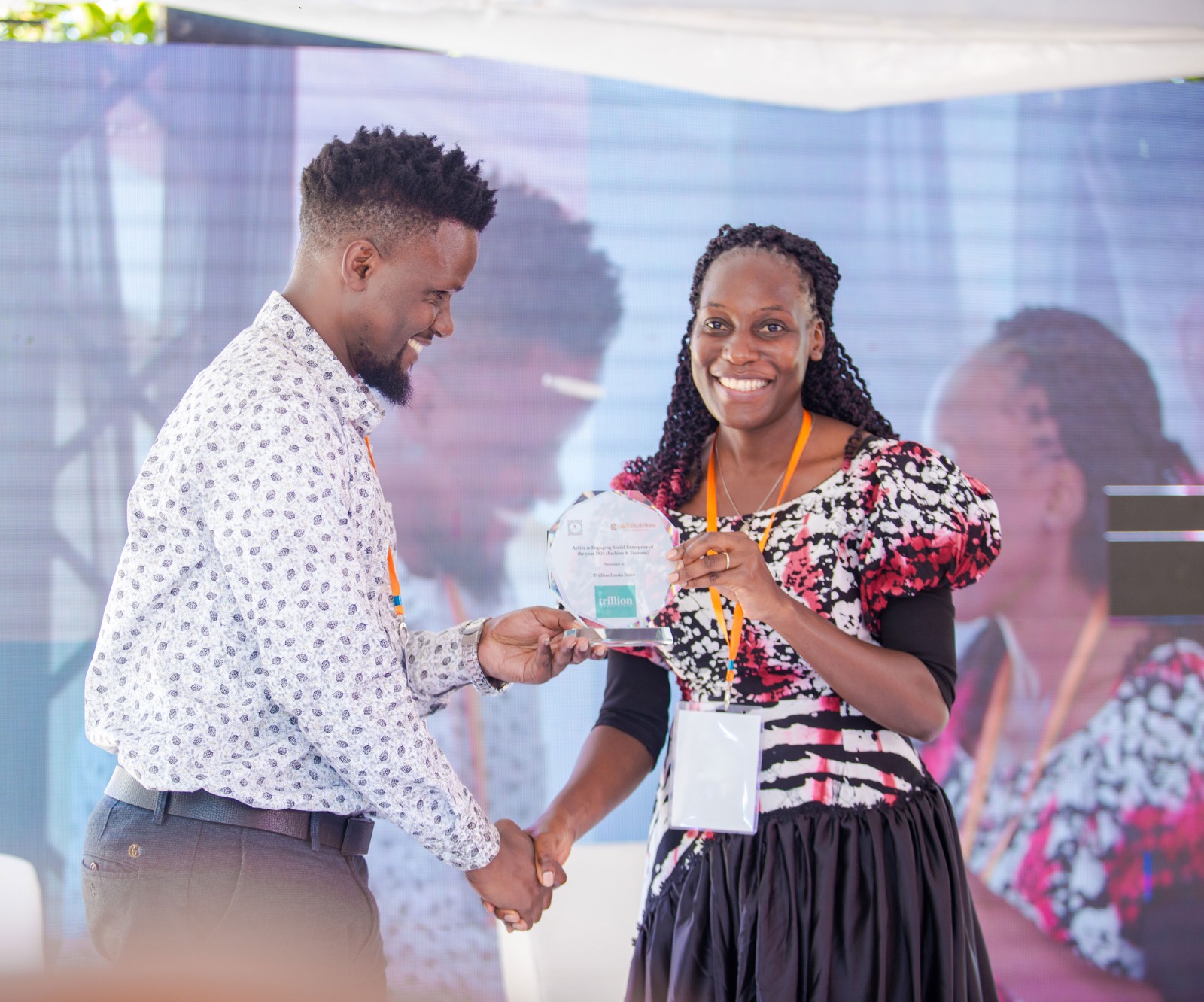
FAB: Let us shift to women entrepreneurship. What lessons about money, power, and purpose have you learnt on this journey that you wish more women entrepreneurs in Uganda knew?
Cerinah Kasirye: One of the things that keeps me going in business is my belief in God. I ask for wisdom every single day. To be honest, there was a year when I questioned everything. I wondered if what I was doing made sense, if it had impact, or if it benefited anyone. That was in my fourth year, and I almost gave up. But every day, I asked God to guide me, to show me what to do, and to connect me with the right people who would fuel my passion.
So, for a woman entrepreneur, faith is very important. You need a higher power that keeps you grounded and focused. And when it comes to money, we are all in business to make it. But money should come with impact. There are projects we have done without earning anything, but the impact always leads us to new opportunities that eventually bring financial returns. Yes, we want to make money, but it is the impact that keeps a business alive.
FAB: What is the one big dream you are chasing now that scares you a little but excites you even more?
Cerinah Kasirye: Over the past five years, we have worked with more than 200 artisan designers and more than 300 fashion models. We have built a large community in this industry. Every day, I see people creating unique products that deserve to be in our store. So, in the next five years, or even starting this year, we plan to open a very large physical shop that will be a centre for shopping authentic Ugandan fashion. It is a project we are actively working on, and by the end of next year, we hope to launch it in a big way.
We have already identified the designers, assessed the quality of their work, and helped them improve their designs with the customer in mind. That is our dream now, to open a large fashion store for African-inspired products rooted in culture and heritage.
FAB: And finally, if a young Ugandan girl walked up to you today and said, “I want to build the next Trillion Looks,” what would you tell her?
Cerinah Kasirye: I would tell her to be mentored first. I almost said she should walk in my shoes, but everyone has their own path. Mentorship is essential. We have a strong team, so even if it is not me, someone on the team can guide her and show her how the brand has evolved.
I would also tell her not to see us as the final destination. She can build something bigger. While she receives mentorship, she should also look beyond us and aim to create something even greater.