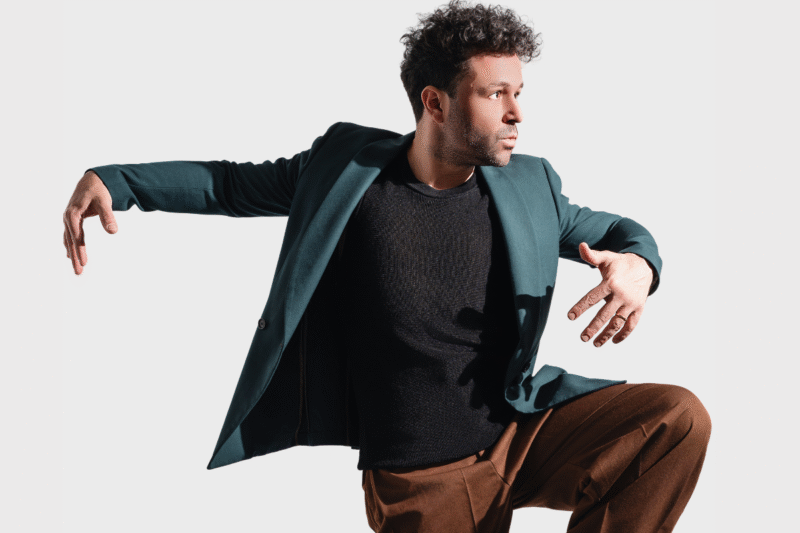
The future of fashion is bold, blunt, and unapologetically honest, just like Marco Galiar Rocha, the founder of Galiar. At a period when greenwashing runs rampant and fast fashion churns out trends with little conscience, Marco is building something different. Rooted in architectural precision, artistic storytelling, and sustainable intent, Galiar is redefining what luxury fashion should be. Marco isn’t just creating a brand; he’s starting a revolution, from his explosive stance on influencer culture to his game-changing revamp service that gives handbags a second life. In this exclusive interview with FAB L’Style Magazine, we go beyond buzzwords and get raw insights into what real sustainability, fashion rebellion, and creative community mean in 2025.
Sustainability Is Boring Until You Make It Sexy, Marco Galiar Isn’t Holding Back
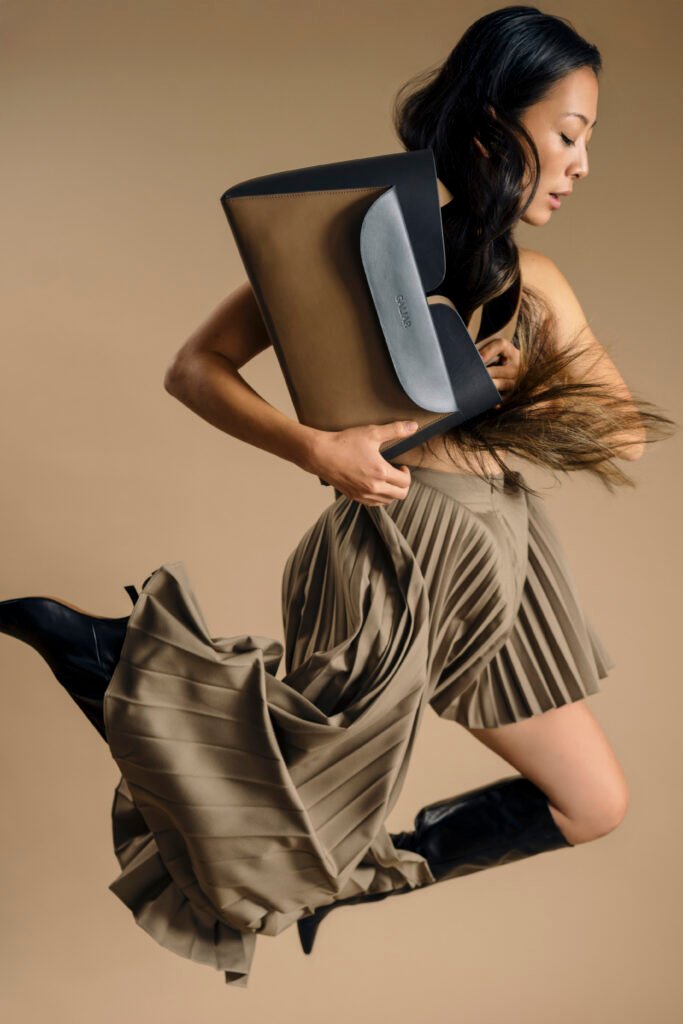
FAB: Let’s start with something we found fascinating in your brand profile, your statement, “Sustainability can be sexy.” That’s bold. How do you make sustainability desirable in a world still obsessed with fast fashion?
Marco Galiar: Before launching the brand, I started developing prototypes of the handbags, but more importantly, I focused on how I wanted Galiar to communicate its message. The phrase “sustainability can be sexy”, which I first shared on social media, reflects two core ideas.
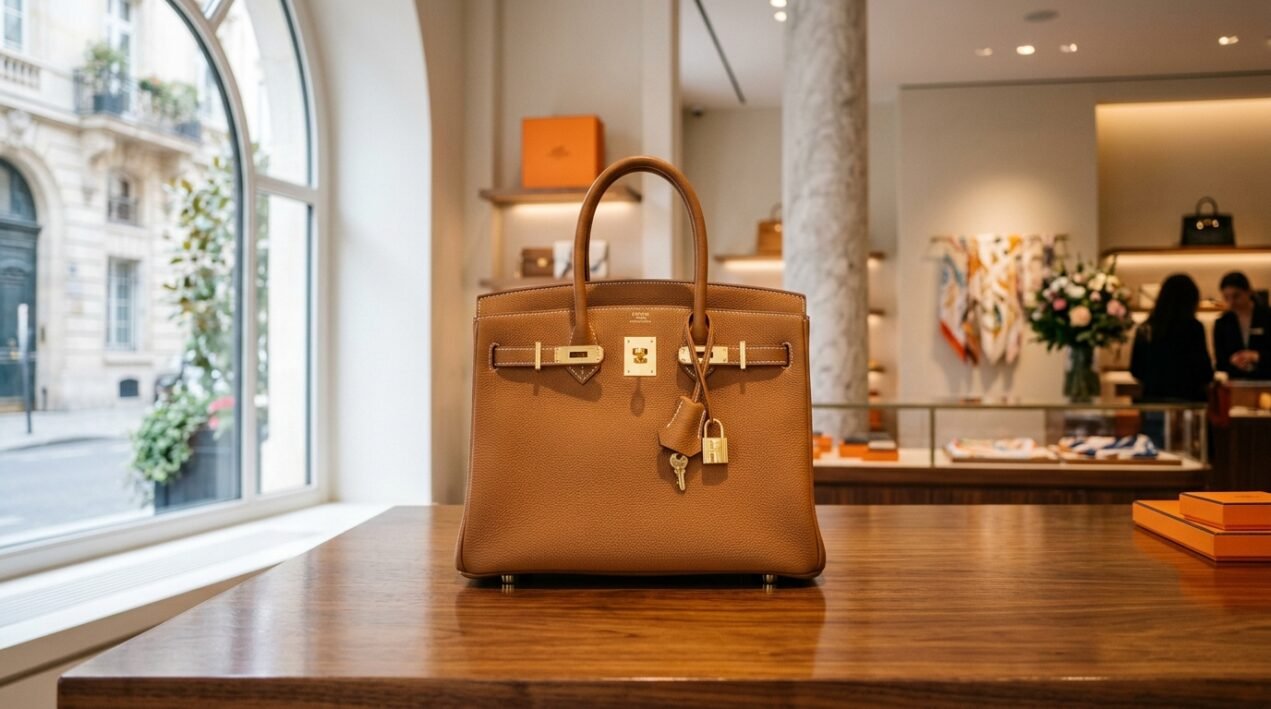
First, from the start, I prioritized sustainability by designing products that reduce production volume and waste. I work with a leather atelier in Portugal, using leather sourced from Spain. It’s a byproduct of the food industry—meaning animals aren’t killed solely for fashion—which makes the process circular. On top of that, my bag patterns and cutting techniques help minimize production quantities by about 50% compared to traditional production methods. That’s the sustainable part.
Now, the sexy part: I believe the fashion industry is plagued by greenwashing. Many brands claim to be sustainable, but their storytelling is uninspiring. Their messaging lacks creativity; it’s dull, disconnected from fashion, and fails to spark desire. That’s where Galiar stands apart. I want people to crave our products and to see imagery that’s bold, seductive, and visually powerful. Sustainability doesn’t have to be bland. It can be chic, thrilling, and yes, sexy.
Most sustainable brands forget this. Aside from a few—like Stella McCartney—very few have successfully merged sustainability with a strong, aspirational fashion identity. Big fashion houses rarely make eco-consciousness feel playful or enticing. And let’s be honest, fashion thrives on emotion, not just environmental checklists.
As for fast fashion, I don’t even consider it my competition. Many mainstream brands serve a mass-market audience, not a niche. Galiar doesn’t belong in that world. I don’t compare myself to fast fashion at all. My focus is on speaking to a different, more conscious and style-driven consumer.
Marco Galiar: Great question. Pricing in sustainable fashion is often a hot topic. Many consumers assume that sustainable products are always expensive, and in some cases, they’re right. But the reasons behind those prices matter.
In my case, I produce locally, working with a third-generation atelier. I use premium leathers sourced from Spain that are certified by the Leather Working Group. These materials come with higher costs, but they also reflect ethical practices. Producing within the European Union means adhering to strict regulations, from fair wages to material certifications. That adds to the cost, but it also ensures quality and ethical standards.
Yes, the final product is more expensive, but it’s not just about price; it’s about value. Consumers today have a choice: they can keep buying fast fashion that lasts for a single season, or they can invest in a timeless piece that holds its shape, style, and quality for years.
That said, not everyone has that long-term mindset. Social media fuels a throwaway culture, with influencers constantly showcasing new looks. People start feeling pressured or even judged for owning a handbag or outfit they’ve had for five or six years. But I completely disagree with that idea. If something still resonates with you and has held up over time, why not keep wearing it? That’s real sustainability.
In the end, you can’t offer ethical production, fair wages, and certified, high-quality materials and still expect to produce a cheap product. It’s just not possible. That’s the reality.
FAB: You’ve nailed two important ideas: first, there’s absolutely nothing wrong with owning a fashion piece for 10 or even 20 years if it’s durable. And second, we should never let anyone shame us for that, especially not over so-called “seasonal relevance”. Would you consider the traditional fashion calendar—with its frequent new collections, drops, and limited editions—to be outdated or unsustainable?
Marco Galiar: My answer might stir up some opinions. Honestly, I believe the fashion calendar still has its place.
That creative pulse still needs to exist. Fashion survives on creativity. It survives on the zeitgeist, the spirit of the time, and should translate that spirit into products, images, and society. For fashion, one thing is to make a piece of clothing, and another thing is to create fashion. Fashion needs to resonate with society. It needs to tell a story and make an impact through visual storytelling. That creative pulse still needs to exist.
But I also think the pace has gotten out of hand. There’s a difference between having seasons and drowning in collections. The fashion industry needs to find a better balance, one where creativity is preserved, but excess is reduced. For example, we don’t need five or six collections per year. Fewer, more thoughtful collections could go a long way. That might be the solution. Again, this is my solution because I’m producing less. And if you ask me, ‘But do you want to release a new collection and new drops by September?’ Yes, I do. And I think it’s needed. I think the consumer expects it. But the thing is, if fashion houses don’t overproduce hundreds of thousands of replicas and keep it concise, and try to balance their financial models by not producing too much, I think this would be a significant step for sustainability.
Even fast fashion brands like Zara are adapting. These days, Zara earns most of its revenue from full-price items, not from sale seasons. Why? Because they now drop limited collections. Once a product sells out, it’s gone. No restocks, no massive overproduction. It creates demand while reducing waste. So yes, it’s a fine balance. But keeping seasonality alive while minimizing volume is a step in the right direction for sustainability.
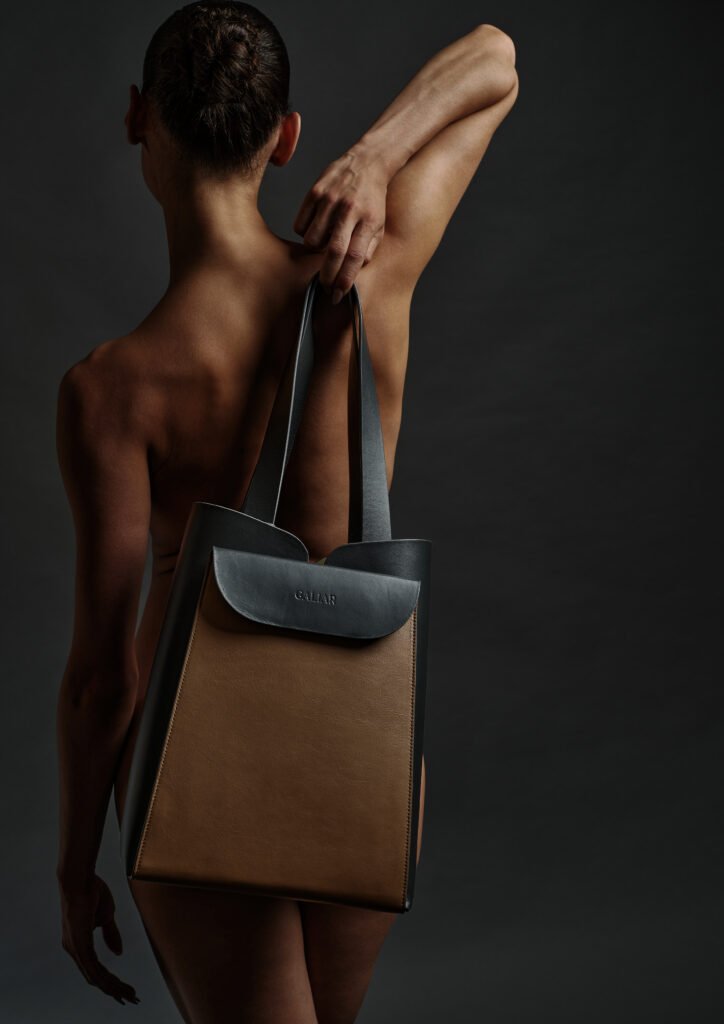
Marco Galiar Calls Out Greenwashing: “It’s All Just Expensive Marketing”
FAB: Your leathers are sourced from Tannery, an 80-year-old family business. But with the growing popularity of vegan leather, do you believe genuine leather still has a place in sustainable fashion?
Marco Galiar: Yes, I believe leather still plays a role in sustainable fashion if it’s a by-product of the food industry. What that means is animals aren’t raised or slaughtered solely for their hides. In this context, leather becomes a material that makes use of something that would otherwise go to waste.
From a practical perspective, leather remains one of the most desirable materials for handbags and shoes. It’s long-lasting, durable, and even biodegradable. So, does leather belong in a sustainable future? In my view, absolutely, so long as it’s ethically sourced. Of course, if the world stopped eating cow meat entirely and animals were being killed just for leather, that would be a different discussion. But I’m specifically referring to cow leather, not exotic skins. I don’t use exotic leathers, and I don’t intend to work with them.
Now, regarding plant-based alternatives—what some people call “vegan leather”—I think there’s a misunderstanding. These are not technically leathers. They’re vegetable-based textiles, and while there are a few high-quality options on the market, many aren’t quite there yet in terms of performance. I’m open to working with them, but the material behaves very differently when it comes to product construction and finishing.
The challenge is also logistical. Most of these alternative textiles require bulk orders—often rolls of 50 meters or more. If I want to produce in smaller quantities, that becomes wasteful. Leather, on the other hand, can be bought in small quantities—one, two, or ten pieces at a time—offering more flexibility and less excess. Another thing consumers often don’t realize is that many so-called “vegan” brands are using materials loaded with polymers, recycled polyester, or plastic. So while they market themselves as sustainable, they’re actually not. There’s a lot of greenwashing happening.
That said, there are excellent plant-based options out there, like cactus leather from Mexico, Piñatex made from pineapples, or grape and apple leathers produced in Italy. These are 100% biodegradable and genuinely sustainable. But they’re still rare. The majority of what’s available today under the “vegan leather” label, unfortunately, includes synthetic components that aren’t eco-friendly at all.
FAB: We’ve both seen how many major fashion houses engage in greenwashing. You, however, are challenging that. So, what does true sustainability mean to you?
Marco Galiar: Honestly, true sustainability is a constant work in progress. That’s just the reality. I don’t think anyone—no brand, no industry—can claim to be fully sustainable at every level. It’s simply not possible. If we’re being honest, true sustainability would mean not producing or consuming anything at all. And that just doesn’t align with the nature of the fashion industry, which is built around creating new products every season. So, we have to be more nuanced in how we define it. For me, sustainability is about finding better materials, improving production processes, and staying committed to progress, even when perfection isn’t achievable.
Take Stella McCartney, for example. She’s doing what more brands with resources should be doing: investing in regenerative cotton farms, exploring new eco-friendly fabrics, and championing sustainability in meaningful ways. But again, even that isn’t perfect sustainability. What matters is the awareness. Brands need to be conscious of the problem. We need to educate consumers, raise awareness, and stay as faithful as possible to our values while still creating the products we love.
At the end of the day, it’s not about perfection. It’s about intention, honesty, and effort. No industry in the world has mastered perfect sustainability yet, but we have a responsibility to keep striving toward it.
FAB: Let’s shift back a bit and talk about your brand and the journey behind it. You have a background in architecture, which is fascinating. What was it like merging architectural principles, fashion, and collectible design into one cohesive brand identity?
Marco Galiar: Yes, I trained as an architect. I completed my architecture degree and later pursued a master’s in fashion design, both in Lisbon. But interestingly, I never really worked in traditional architecture, like drawing buildings. Instead, my career took me into creative spaces like set design and art direction for television, and I also worked in interior and retail design for shops, cafés, and restaurants. I even collaborated with the Fashion and Design Museum in Lisbon.
I’ve always been drawn to the creative aspects of shaping spaces and crafting visual experiences. Deep down, I always wanted to launch my own fashion brand. I already had the name in mind, but life kept taking me in different directions. When the time finally felt right, I naturally gravitated toward leather goods—especially bags—because they offer the kind of structure and form that aligns with my architectural sensibility. I love how a bag’s shape, volume, and construction can reflect architectural principles.
These days, I don’t really see rigid boundaries between disciplines like architecture, design, or even painting. In the creative world, everything is connected. Having a background in one field can offer a fresh perspective in another. I see myself more as a generalist than a specialist. I’ve done many things, and I draw on all of those experiences in my work.
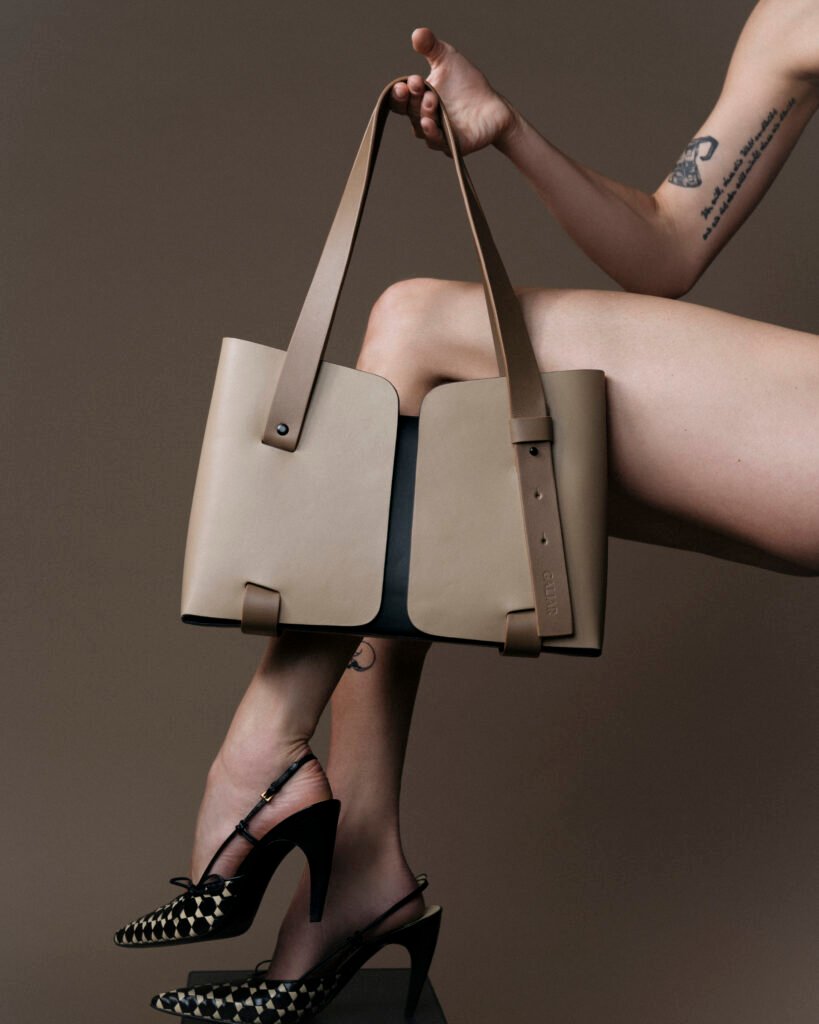
Revamp, Reuse, Reinvent: Marco Galiar Giving New Life to Luxury
FAB: That’s fascinating. Now let’s touch on your innovative revamp service, which allows customers to refresh and reconstruct their bags. How do you see this circular approach influencing the way people consume luxury fashion?
Marco Galiar: Every bag from my first Galiar collection is designed with this in mind. I call it the revamp service. When customers purchase a bag—flat-packed and assembled here in Vienna—they choose their preferred model. But down the line, they also have the option to return it. The service is still new since the brand just launched, but I expect more people will start using it within a year or two.
For a small fee, customers can send their bag back to us. We’ll disassemble it, clean it, refurbish it, and then reassemble it into a new design. It’s a way to give the product a second life and a whole new look, possibly even in a different colour. It allows customers to keep enjoying their bag without buying a new one entirely.
This model also helps the brand grow sustainably. Instead of encouraging constant consumption, we’re offering transformation. What’s more, the service isn’t limited to the original owner. If someone sells their bag second-hand and the new buyer discovers it’s a Galiar, they can also access the revamp service. The idea is to extend the life cycle of every product as much as possible and keep it relevant through different owners and evolving styles.
Recommended For You
New bag label GALIAR Celebrates Launch in Vienna
Avoiding Fast Fashion: How to Get a More Sustainable Wardrobe
FAB: Speaking of longevity—and also expanding your revenue—you’ve described Galiar as a clubhouse for creatives. I find that intriguing. How do you envision this concept growing beyond handbags?
Marco Galiar: When I say Galiar is a clubhouse for creatives and like-minded people in fashion, it’s more than just a tagline; it’s a philosophy. Galiar isn’t interested in working with influencers simply for the sake of visibility or aesthetics. We’re not looking for people who just walk around filming themselves with no deeper connection to the craft or community.
I know that might be a controversial stance, especially since many fashion brands thrive on influencer culture. But at Galiar, we’re looking for collaboration, not superficial promotion. We want to work with influencers who have actual influence, people whose talents and creative work have earned them their audience. Whether you’re an actor, musician, photographer, or visual artist, if your following comes from your craft, then you bring real substance to a partnership.
That’s the kind of person I want to build with—someone whose creative expression adds meaning to both the consumer experience and the collaboration itself. And yes, I have plans to collaborate with artists. Not in 2025, but likely the following year. The vision is to launch limited edition lines in collaboration with painters, photographers, or musicians—creatives who can co-create something original and authentic.
This kind of cross-disciplinary collaboration is central to Galiar’s identity. I honestly believe more brands—especially the big heritage ones—should be doing this. Over the last decade, many have leaned heavily on influencers whose content lacks depth. It’s just noise. They’re promoting clothes without any connection to artistry or storytelling.
And again, I know it’s controversial to say, but I believe that kind of content adds nothing to culture. People are starting to see through it. They’re craving real stories and creative substance, not just pretty pictures of new outfits.
FAB: That’s a bold and thought-provoking take, and I’m glad you raised it. Collaboration is something we need to keep talking about, not just the idea of it but the quality of it.
To simplify things and move away from controversy a bit, if Galiar could collaborate with any artist, architect, or brand, whether living or historical, who would it be?
Marco Galiar: Oh wow, that’s a tough one. It’s honestly hard to narrow it down. There’s just so much talent out there and so many possibilities depending on the context.
But instead of naming big, established figures, I’ll say this: I’d always choose emerging artists over household names. I believe fashion should be a platform to empower rising talent. Working with pre-established artists is great, but supporting those who are still building their careers—that’s where I feel the real impact lies.
If I had the opportunity to collaborate with three or four creatives, I’d intentionally seek out fresh, lesser-known voices in the industry. They often bring the boldest ideas, the most energy, and the most authentic perspective. Fashion can—and should—be a vehicle to help launch these creatives into greater visibility.
FAB: I love that, because it aligns perfectly with what we do at FAB L’Style. We’re passionate about being a bridge for emerging talent: giving them a platform to showcase their work, tell their stories, and connect with other creatives and opportunities they might not find elsewhere.
But let’s step away from that for a moment. What’s one thing about the future of luxury fashion that truly excites you right now?
Marco Galiar: That’s a great question. Let’s set aside the word luxury for a second, because that space can be a bit tricky. What excites me most about fashion in general is how much it’s evolving. We’re seeing major shifts—socially, technologically, and materially—in how fashion is conceived, made, and presented.
And that’s essential, because fashion is about now. It has to reflect the present moment. I love that brands are experimenting more than ever. For example, I think of Coperni. They’re doing fascinating things with material innovation, creating handbags out of 3D-printed resin or even glass. I remember they did a runway moment where they spray-painted a model’s body with a liquid that turned into a full dress. That kind of intersection between technology and creativity excites me.
It’s playful and futuristic, but it also taps into sustainability, which is another huge part of where fashion is headed. I believe the future of fashion sits on two seemingly opposite ends: advanced tech and traditional craftsmanship. On one side, you’ve got innovation in materials, AI, and new production methods. On the other, there’s this rich, global tradition of artisans, people in Europe, Africa, Asia, and Latin America who carry generations of craftsmanship.
When brands like Dior or Loewe collaborate with these artisans, they’re not just creating products; they’re preserving culture. I know that the creative director from Loewe is moving to Dior, and I imagine they’ll continue working with artisans for future collections.
So to me, the future of fashion is a beautiful dance between cutting-edge innovation and heritage craftsmanship. That’s how we make things that are not only beautiful but also thoughtful and globally inclusive.
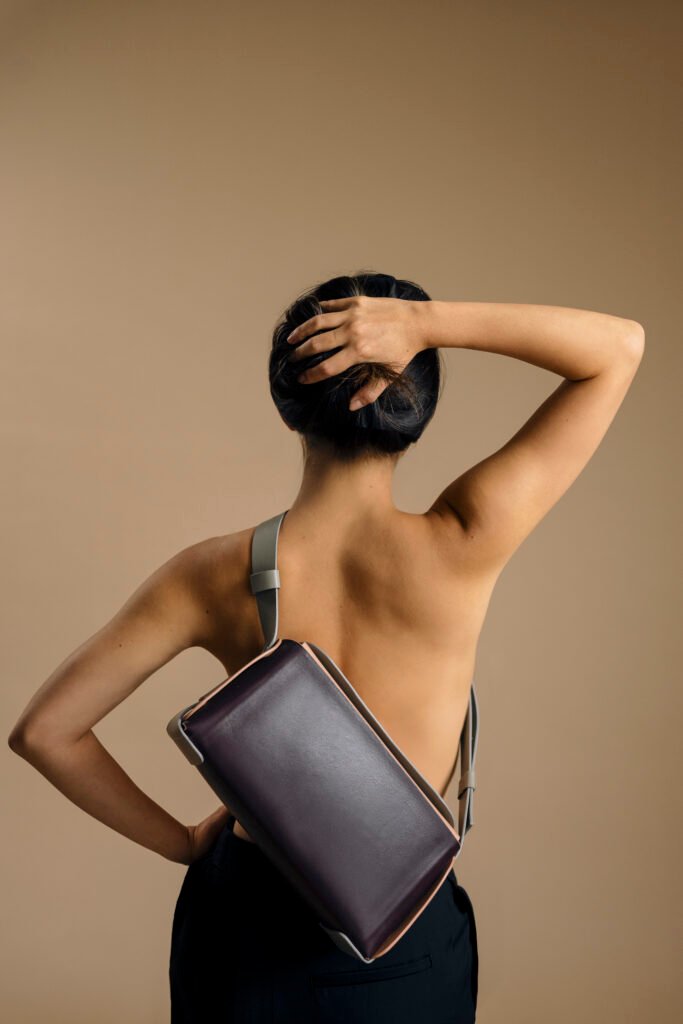
The Future of Fashion According to Marco Galiar
FAB: From what you’ve said, it sounds like sustainability is more of an ongoing journey than a fixed destination. It’s really about how fashion pieces come to life, the process behind them. With that in mind, where do you see Galiar in the next 10 years?
Marco Galiar: Oh, I hope for a lot. I’m an ambitious guy. In 10 years, I want Galiar to be seen as a cool brand, one that people genuinely want to engage with. But beyond the cool factor, I’d love for Galiar to be recognized for creativity, talent, and innovation. I want people to look forward to every drop, to be curious about what’s coming next.
For me, it’s about consistently combining innovative ideas with bold shapes and unexpected details. Ideally, I’d love to hear someone say, “I’m proud to own a Galiar bag, or coat, or shoe.” And yes, I definitely want to expand beyond handbags to more product categories and more experiences. Ultimately, I hope people connect with Galiar not just because the products are beautiful, but because they believe in the brand’s vision and values.
FAB: You’ve talked a lot about innovation and how you want Galiar to be seen as a disruptor. But if you could offer just one unconventional piece of advice to up-and-coming designers who want to shake up the industry, what would it be?
Marco Galiar: That’s a great question. If I had to choose just one piece of advice—though I could give several—I’d say this: talk to people. Surround yourself with creatives and mentors and collaborators, and have real conversations. Be open to feedback. Don’t build your brand in isolation. Before jumping into sketching or producing collections, have brainstorming sessions. Ask people what they think of your ideas, your concept, and your value proposition. Those conversations might help you realize you need to shift your direction—or strengthen your message. Collaboration and community are essential.
Also, involve your circle early on. Show them your mood boards, your sketches, and your material samples. Fashion is not just art; it’s also a product that people need to wear, buy, and love. So getting that outside perspective early is key. And, of course, choose your suppliers and manufacturers wisely. That decision can make or break your brand. As a new designer, you might not have the funds to produce in large quantities, so you’ll need partners who believe in your vision and are willing to grow with you. Even if they’re not shareholders, they’re your first real business allies.
Once you launch your product, there’s still a whole desert to cross, but it all begins with reaching out, listening, and building strong relationships.
FAB: Finally, if you had to define this philosophy in just three words, what would they be?
Marco Galiar: 3 words to describe my brand philosophy? Oh my gosh, it would be a little bit avant-garde, exclusive, and sustainable. But at the core of all of that is creativity, with a community of creatives surrounding the brand.