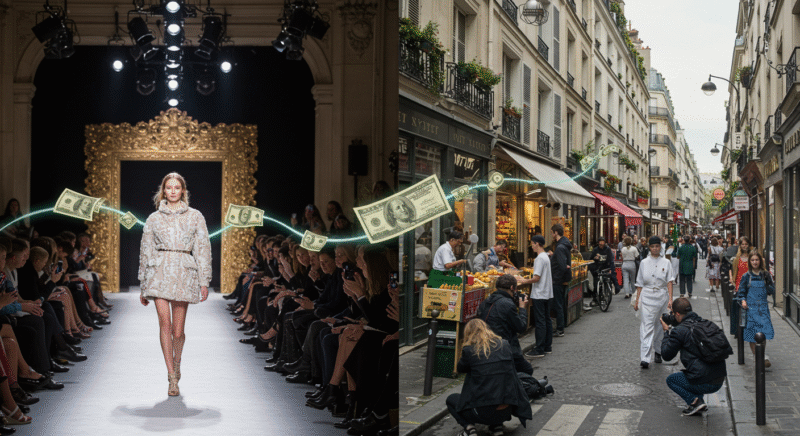
When most people think of fashion weeks, they think of front-row seats, influencers in oversized sunglasses, and champagne in hand. But there’s a side of fashion week you don’t see on Instagram: the economic impact of fashion weeks. It’s the side that moves money. It creates jobs. It fills hotels, books out restaurants, and keeps tailors, models, caterers, and photographers busy for weeks. The fashion show, in truth, is only the tip of a very stylish iceberg.
Behind every runway strut is a city working overtime to make fashion magic happen. Whether it’s Lagos, Paris, Accra, or Milan, fashion weeks do more than entertain. They stimulate real economic activity. Sometimes, they even become the financial pulse of a city’s creative sector. Let’s break it down. Or better still, let’s walk through it.
The Economic Impact of Paris Fashion Week
Paris Fashion Week is the Beyoncé of fashion events. According to the Fédération de la Haute Couture et de la Mode, fashion events in Paris inject roughly €1.2 billion into the economy annually. That’s not just luxury labels pocketing profits. It filters through everything from Airbnbs to Uber drivers to seamstresses sewing last-minute gown corrections at 2:00 a.m.
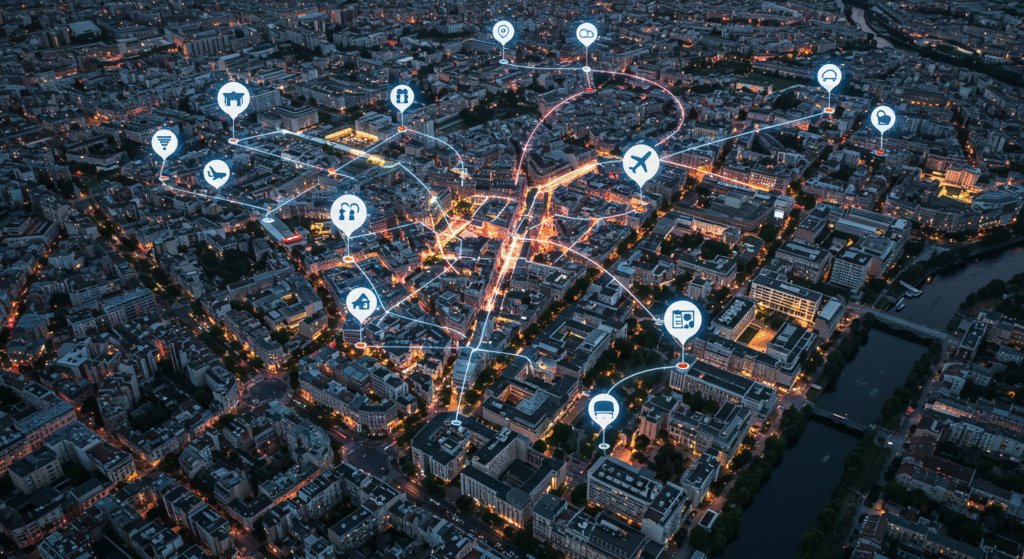
Think about it. During fashion week, every hotel within ten blocks of the Tuileries Garden or Palais de Tokyo is fully booked. Pop-up galleries and showrooms spring up. Restaurants do two sittings a night instead of one. Even dry cleaners see a boom.
The Paris region alone employs 600,000 people in the fashion sector, according to Business of Fashion. And that’s not counting the gig workers—the stylists, assistants, runners, and content creators—who earn their month’s wage in one week flat.
Meanwhile in Lagos, the Energy Is Different but the Story Is the Same
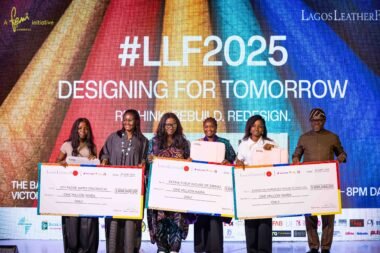
Lagos Fashion Week has been steadily building momentum for over a decade. More than just a runway event, it’s a cultural movement that showcases Africa’s fashion capital at full throttle. Held every October, Lagos Fashion Week brings together local designers, global buyers, fashion media, and curious onlookers.
But here’s the beautiful part: it’s deeply grassroots. While Paris may have Dior and Chanel, Lagos has Emmy Kasbit, Orange Culture, and Lisa Folawiyo, brands built by dreamers on hustle and heat. And the economic ripple is undeniable.
In 2022, Lagos Fashion Week reportedly brought in over $2 million in direct revenue, not including informal businesses. Uber drivers earned more. Event planners got gigs. Photographers who typically shoot weddings pivoted into fashion editorials. There were increases in hotel bookings across Victoria Island and surges in short-stay apartment rentals. Food vendors near event venues doubled their daily sales. There were barbers giving touch-ups at pop-ups, and local makeup artists finally got international attention.
Fashion weeks in Africa don’t just support luxury. They activate entire local ecosystems. According to a UNESCO Creative Economy report, fashion in Nigeria contributes over 0.5% to the national GDP, and that figure spikes during peak event seasons like Lagos Fashion Week.
Cape Town, Milan, and Nairobi: The City Effect
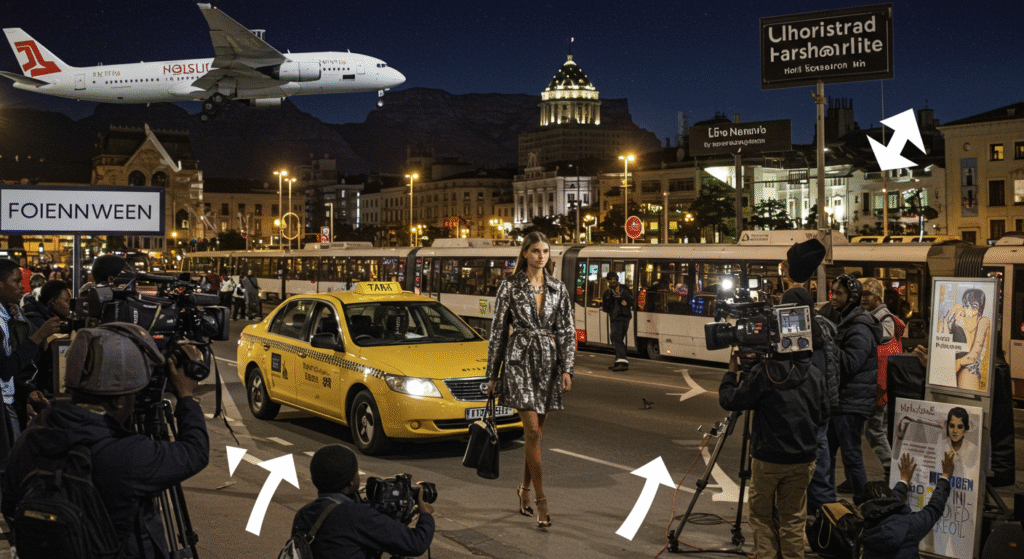
Cape Town Fashion Week brings together regional designers from South Africa, Botswana, and Zimbabwe. In Nairobi, events like Tribal Chic spotlight East African designers. Both cities experience the same ripple: venues booked, travel increased, and vendors buzzing with business. Milan sees over 20,000 buyers and media reps fly in annually for Men’s and Women’s Fashion Weeks, pumping millions into hospitality and tourism.
Even when the shows are over, the effect lingers. Designers make new wholesale deals. Brands get stocked internationally. Stylists and models book new gigs. A local economy gets a temporary high and, for many, a stepping stone into something permanent.
The Informal Economy: Africa’s Fashion Backbone
What makes African fashion weeks unique is the informal market around them. You’ll find self-taught tailors and bead artisans setting up booths outside show venues. Street photographers taking portraits and selling them as prints. Pop-up thrift stalls run by Gen Z stylists selling Y2K fashion curated with an Afro twist.
According to McKinsey’s Africa Fashionomics report, 90% of fashion activity in sub-Saharan Africa happens informally. But during fashion week, these informal workers step into the spotlight. The economic value becomes visible, tangible, and—most importantly—scalable.
Why City Planners Should Prioritize the Economic Impact of Fashion Weeks
There’s an often-ignored civic angle. When a city hosts a fashion week, it’s showcasing more than style. It’s showing infrastructure. It’s projecting safety. It’s inviting global players to witness creativity in context. The Paris Chamber of Commerce regularly reports on how fashion is one of the most “tourism-supporting” industries in the city.
In 2024, GTCO Fashion Weekend collaborated with local transport and hospitality agencies to provide special discounts, encouraging creative tourism. Similarly, cities like Dakar are integrating fashion weeks into broader cultural festivals, boosting not just economic stats but cultural pride.
So, What’s the Real Impact?
Fashion weeks:
- Create jobs for models, photographers, stylists, makeup artists, caterers, drivers, and security.
- Boost hotel occupancy rates, restaurant reservations, and retail sales.
- Attract investors and tourism.
- Provide export opportunities for designers.
- Strengthen cultural diplomacy and global perception.
- Empower local artisans and bring visibility to grassroots creatives.
In short, fashion weeks are not just parties for the stylish. They are economic tools. They are job creators. They are platforms for visibility, trade, and transformation.
A Personal Story: The Real Economic Impact of Fashion Weeks on Cities
Last year during one of the prominent Fashion Weeks, I met a young tailor named Kamaria. She had been sewing from her mother’s parlour for three years. She decided to volunteer backstage just to see how the fashion world worked. A designer noticed her finishing touches on a model’s hemline and asked for her card. By December, she was sewing samples for that brand’s capsule collection. Today, she runs her own mini-studio.
Multiply Kamaria’s story by hundreds across cities in Africa and Europe, and you start to see the full picture. Fashion weeks aren’t just seasonal events. For numerous individuals, they serve as pivotal moments. And that, my friend, is the real runway magic.