


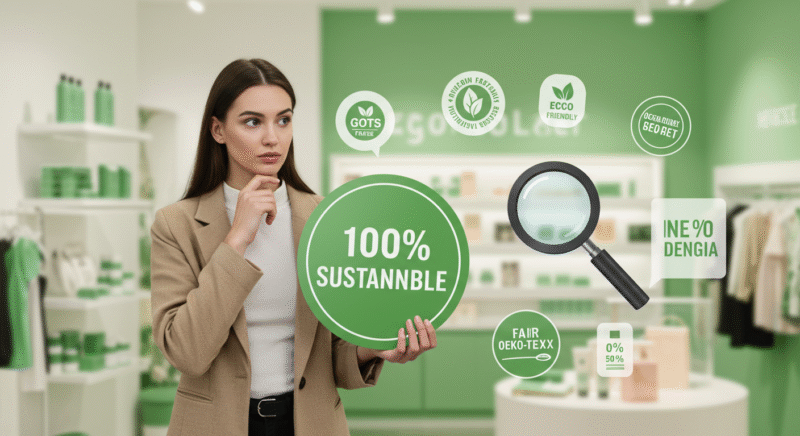
By the time you finish reading this eco-label guide, you’ll never look at a “100% Sustainable” tag the same way again. You’re standing in the skincare aisle, or maybe scrolling on your favourite fashion brand’s website. A product catches your eye: “Eco-Friendly”. “Vegan”. “Carbon Neutral”. Somewhere nearby, there’s a small green leaf icon or a tree with a smile. You nod, pleased with your conscious consumer choice. You click add to cart.
But wait. What exactly does “eco-friendly” mean here? Is it just marketing fluff, or is this product genuinely better for the planet? Welcome to the wild, wonderful, and often misleading world of eco-labels. If you’re someone who cares about sustainability but hates being tricked by buzzwords, this is your ultimate decoder guide.
First, What Is an Eco-Label?
An eco-label is a tag or symbol that communicates a product’s environmental or ethical credentials. It could mean anything from “not tested on animals” to “made with recycled materials” or “produced using 60% less water”. The trouble is, not all eco-labels are created equal.
Some are certified by independent third parties. Others are dreamed up in a brand’s marketing department with a green font and a dash of good intentions. The key is knowing how to tell the difference.
Red Flag #1: Vague Language
Learning how to read an eco-label starts with recognising vague terms. Words like “natural”, “eco”, “non-toxic”, or “green” can sound impressive, but they’re often unregulated and mean absolutely nothing. What to do is look for specifics. A label that says “made with 80% post-consumer recycled polyester” is better than one that just says “earth-friendly”. The more data, the better.
Red Flag #2: No Third-Party Verification
One of the most important tips in understanding how to read an eco-label is checking for third-party verification. Certifications separate marketing from actual sustainability. If a product claims to be sustainable but has no certified symbol, proceed with caution.
Look for these trusted eco-labels:
- GOTS (Global Organic Textile Standard): For organic fibres like cotton and wool. Covers everything from environmental impact to fair labour.
- OEKO-TEX Standard 100: Tests textiles for harmful chemicals.
- Fair Trade Certified: Ensures fair wages and safe conditions for workers.
- Cradle to Cradle: Rates products on material health, recyclability, water stewardship, and social fairness.
- EU Ecolabel / Nordic Swan / Blue Angel: Trusted certifications used across Europe.
If it doesn’t have at least one of these and the brand can’t explain why, consider that a subtle form of greenwashing.
Red Flag #3: Nature Imagery Overload


If the product looks like it was plucked from a rainforest spa retreat, with more leaves and waterfalls than a botanical garden, yet has zero data to back it up, alarm bells. Just because it’s packaged in earthy tones doesn’t mean it’s good for the earth.
Red Flag #4: One Good Deed Doesn’t Offset the Rest
A brand might brag about using biodegradable packaging but say nothing about the unethical factory conditions, or a “vegan leather” handbag might be made from petroleum-based plastic. Be curious. Ask questions. Check the brand’s sustainability page. Transparency is sexy. Evasion is not.
Recommended For You
What you need to be a sustainable brand: Sustainability Checklist
Avoiding Fast Fashion: How to Get a More Sustainable Wardrobe
Red Flag #5: Too Good to Be True? Probably Is.
If a brand claims to be 100% sustainable, stop and think. True sustainability is a journey, not a marketing badge. According to a 2023 report from the Changing Markets Foundation, 59% of green claims made by European fashion brands were unsubstantiated or misleading. That number is likely higher globally.
How to Read an Eco-Label Correctly and Avoid Greenwashing
1. Scan for certifications. Not Instagrammable words, but actual badges from independent bodies.
2. Read the full label. The devil is in the details.
3. Research the brand’s track record. Do they publish sustainability reports? Are they transparent about their supply chain?
4. Follow the numbers. Any brand willing to show hard data like litres of water saved, emissions cut, or recycled materials used is probably the real deal.
5. Pay attention to the language used. Honest brands talk in terms of goals, challenges, and progress. Not perfection.
Why Understanding Eco-Labels Protects You and the Planet
It is simple. Greenwashing is annoying and deeply harmful. It misleads consumers, creates unfair competition for truly sustainable brands, and slows down global progress on climate action. Think of eco-labels as dating profiles. The ones that look perfect but say nothing meaningful? Probably not worth your time. But the one that tells you who they are, what they believe in, and what they’re still working on? That’s the one you want to swipe right on.Want to go deeper?
Check out sites like Ecolabel Index, Good On You, and Fashion Revolution to learn more about ethical consumerism and certified brands worth supporting. Let’s keep the planet in style and keep the BS out of our baskets.