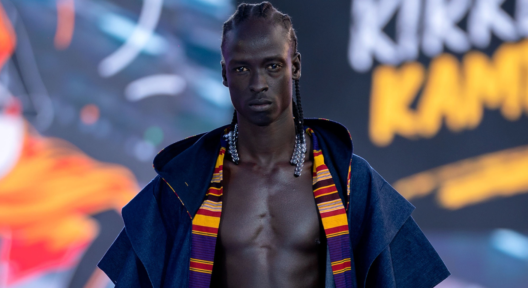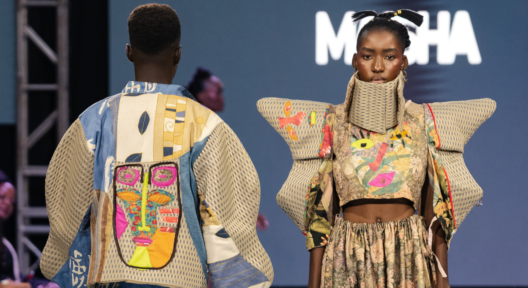
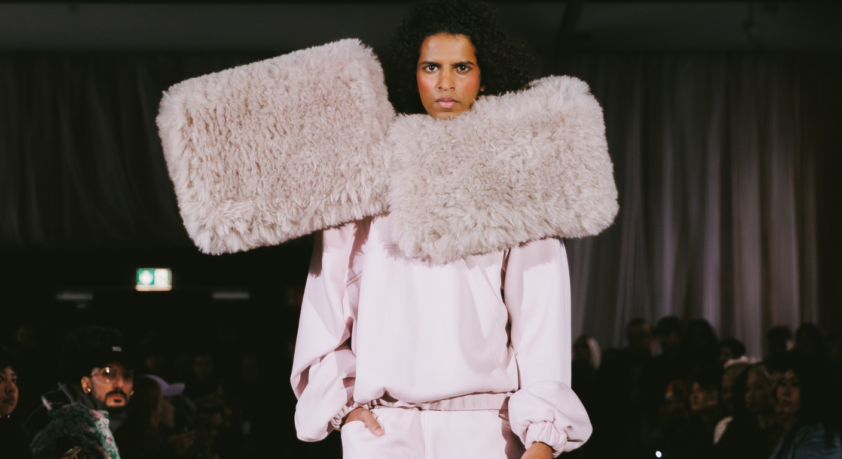
There was a time, not so long ago, when Berlin was the industry’s gritty little secret—a playground for subculture that stayed, stubbornly, in the shadows of the “Big Four”. But as the dust settles on the Autumn/Winter 2026 season, held from January 30 to February 2, that narrative hasn’t just changed; it’s been completely rewritten.
Berlin is no longer just “cool”. It is essential. With a record-breaking 42 fashion shows (part of a staggering 52 presentation formats), the city welcomed 30,000 visitors into its industrial-chic embrace, proving that its upward trend is less of a peak and more of a permanent plateau of influence.
Must Read
Emerging Designers to Watch at Milan and Paris Fashion Week 2026
Camiel Fortgens AW26 Turns Domestic Interiors Into Quiet Fashion Language
Rave Rvw Autumn/Winter 2026: Child Play, Upcycling, and the Power of Imagination
The Gender Equilibrium
What other global fashion capital can claim that approximately half of the labels on the official calendar are female-owned or run by a female designer? In Berlin, equality isn’t a performative HR goal; it is a reality.
This structural shift bled onto the runways with profound creative results. We saw Laura Gerte and Sia Arnika place “self-determination at the heart of their collections”, while Kasia Kucharska and Haderlump Atelier Berlin executed a masterful tightrope walk, “harmoniously combining gentleness and strength in their designs”. It was a season that moved beyond the binary, offering a wardrobe for a modern identity that is as resilient as it is refined.
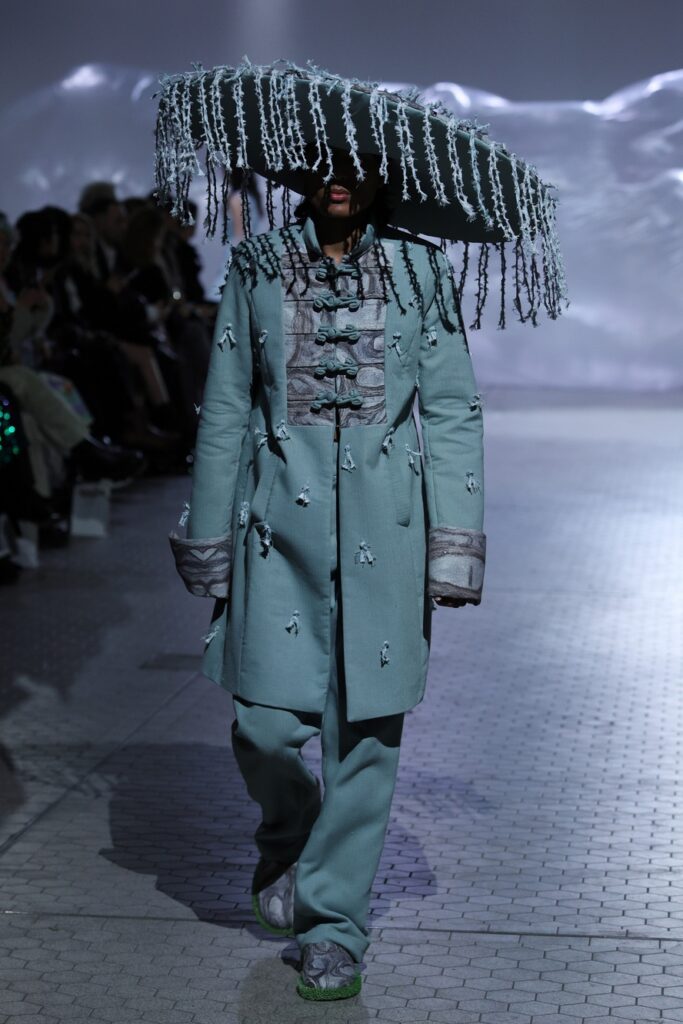
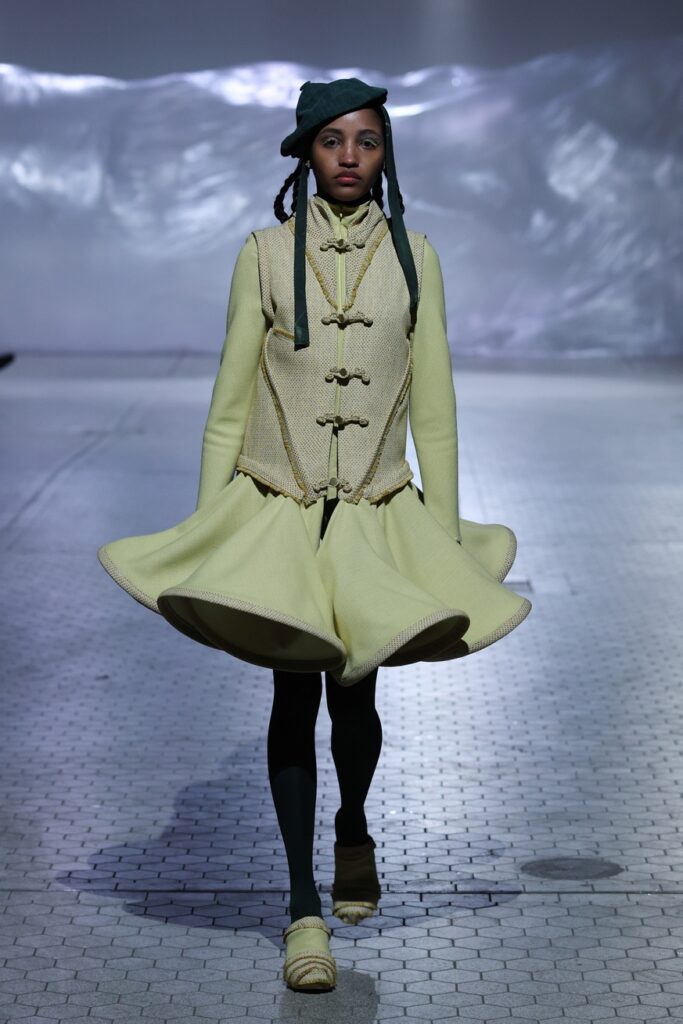
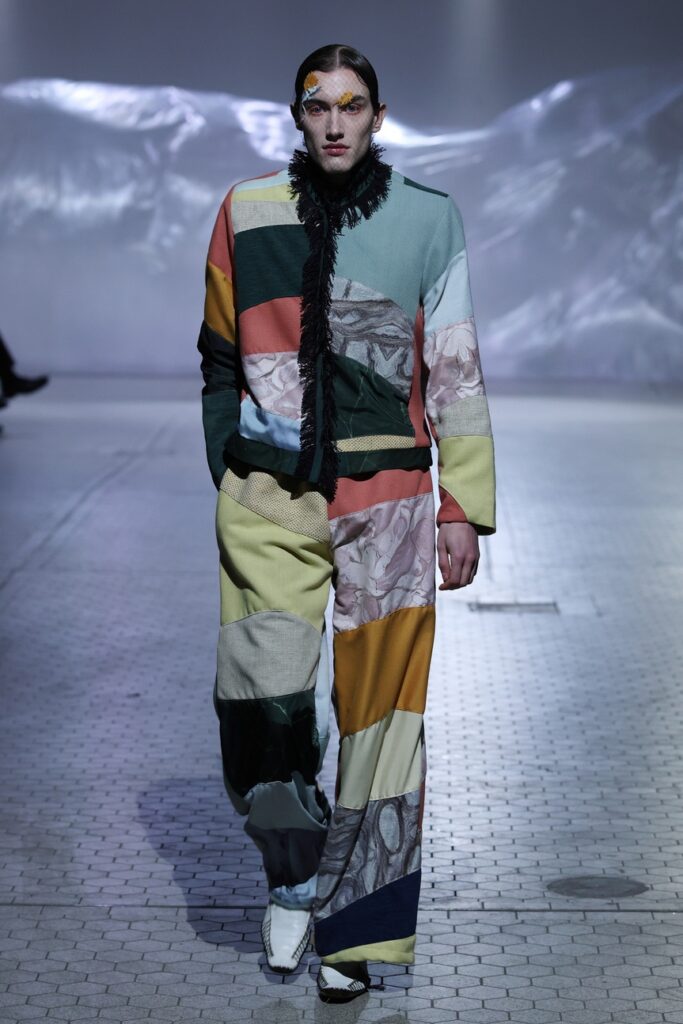
Berlin Fashion Week AW26 Marks a Turning Point
In an era of TikTok-speed trends and disposable aesthetics, Berlin’s designers chose a radical path: they slowed down. This season felt like a collective deep breath.
- MARKE delivered “textile clarity” as a weapon against global disinformation.
- Lou de Bètoly reminded us of the sanctity of the human hand with “elaborate handwork”.
- BALLETSHOFER used the runway to “reveal routines as a form of conformity”, challenging us to dress outside the lines of our daily grind.
While the rest of the world accelerates, Berlin is building a fortress of “reduction, craftsmanship and self-positioning”. It’s a strategy for creative freedom that feels increasingly like the only way forward.

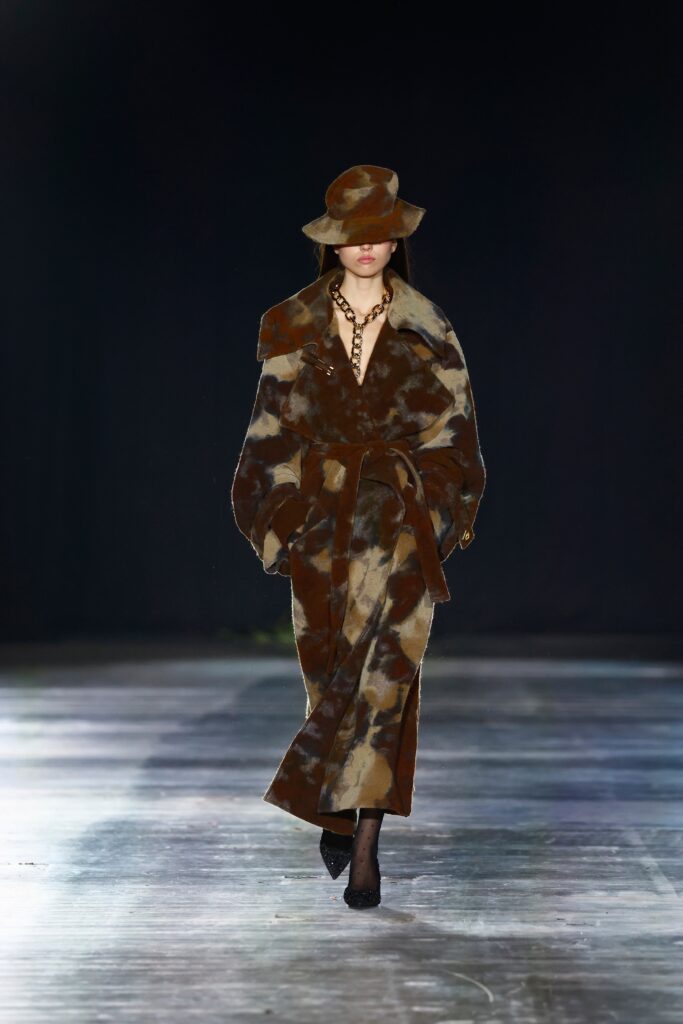
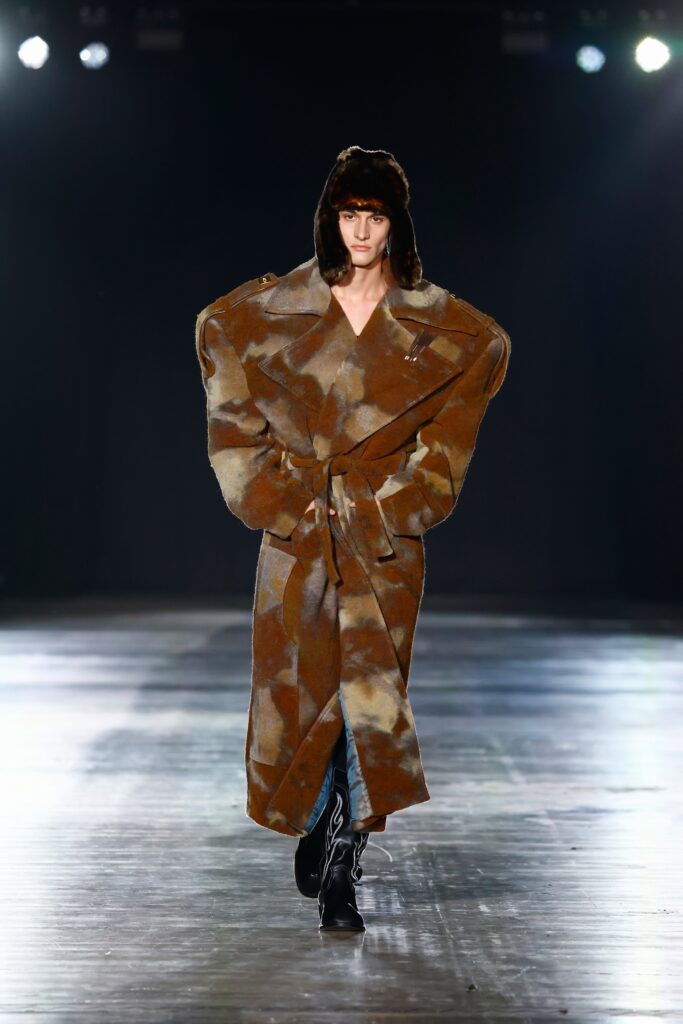
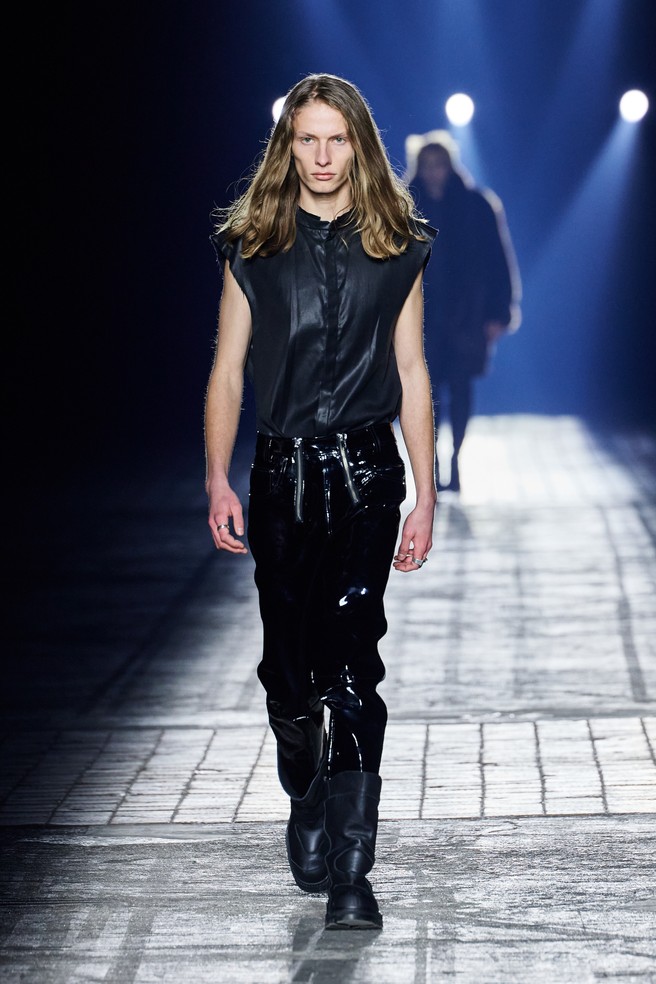
- GmbH – AW26 Runway Show am 2.Februar 2026 im Kraftwerk Berlin. Intervention V by Reference Studios. Berlin Fashion Week
- GmbH – AW26 Runway Show am 2.Februar 2026 im Kraftwerk Berlin. Intervention V by Reference Studios. Berlin Fashion Week
- GmbH – AW26 Runway Show am 2.Februar 2026 im Kraftwerk Berlin. Intervention V by Reference Studios. Berlin Fashion Week
- GmbH – AW26 Runway Show am 2.Februar 2026 im Kraftwerk Berlin. Intervention V by Reference Studios. Berlin Fashion Week
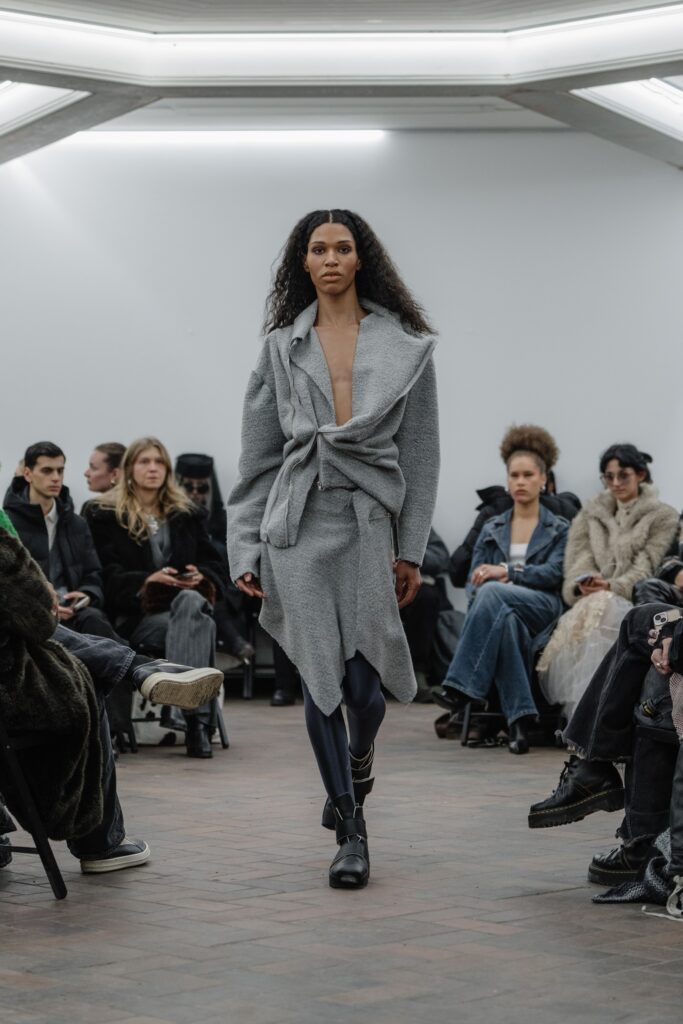
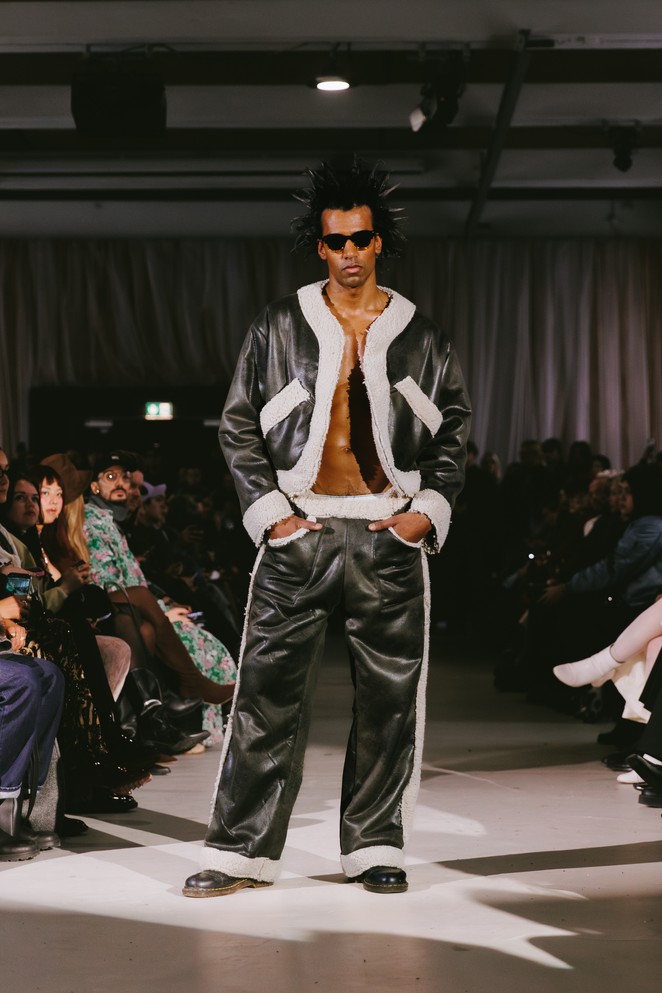
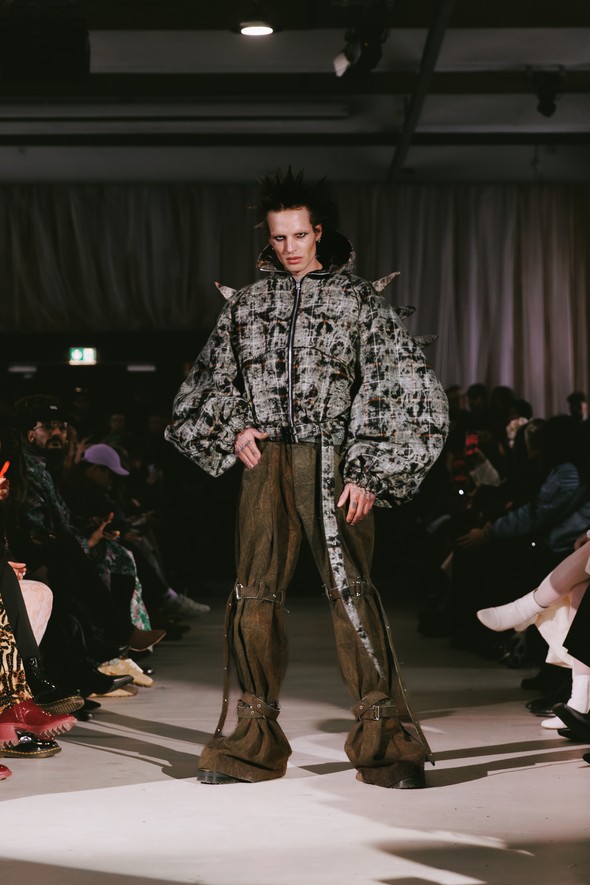
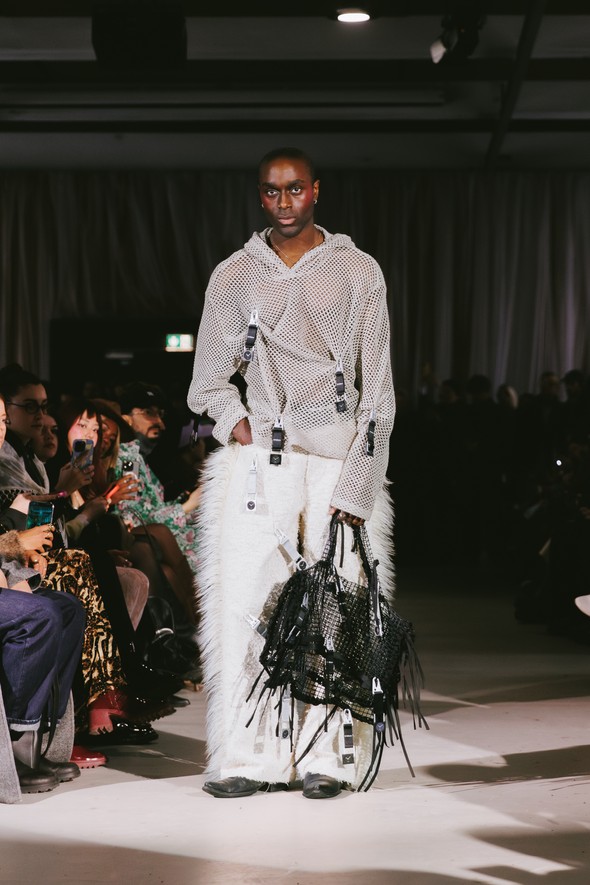
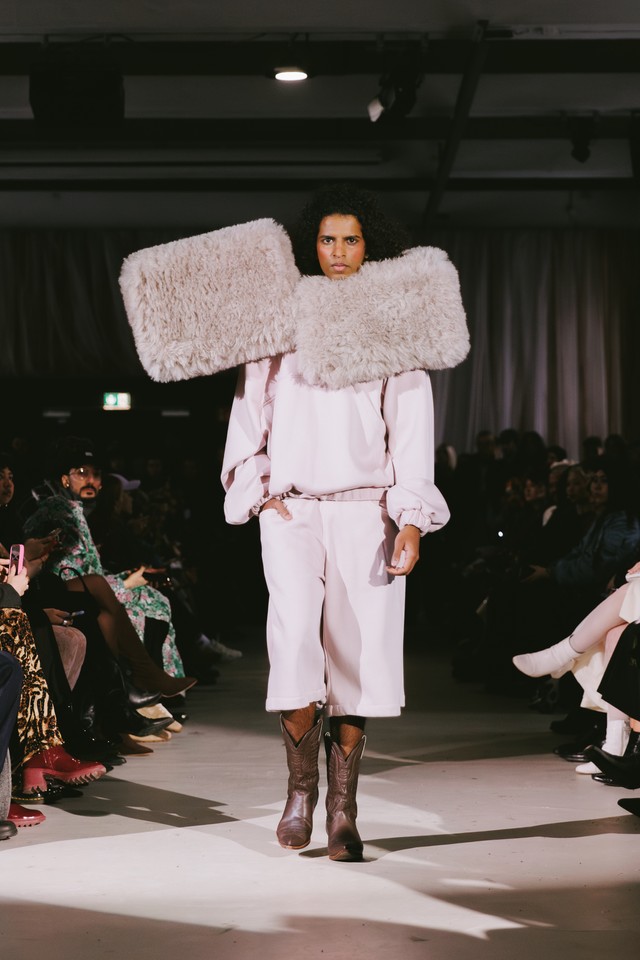
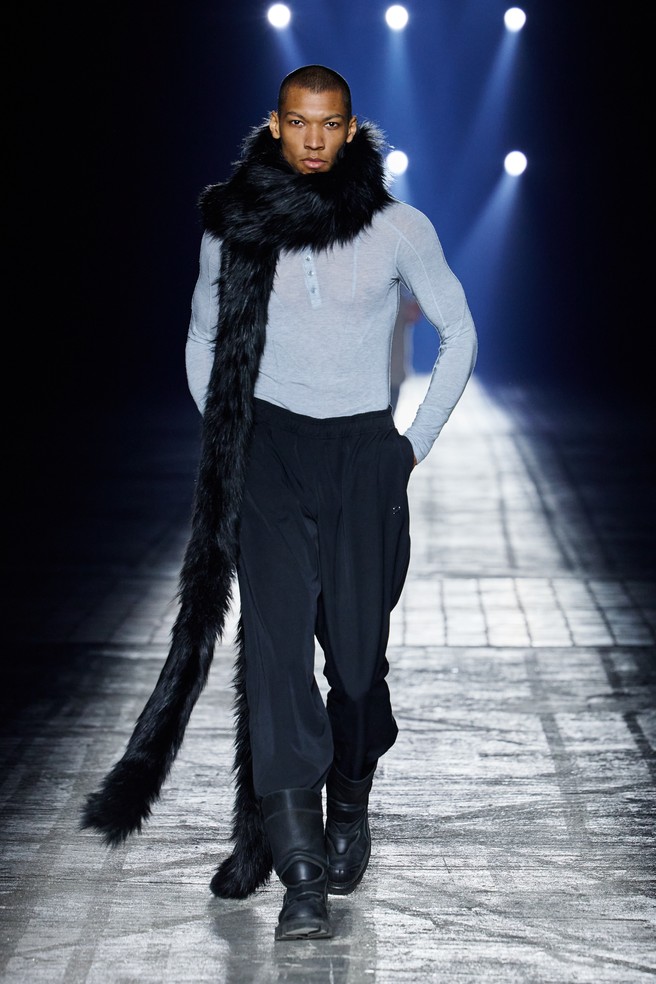
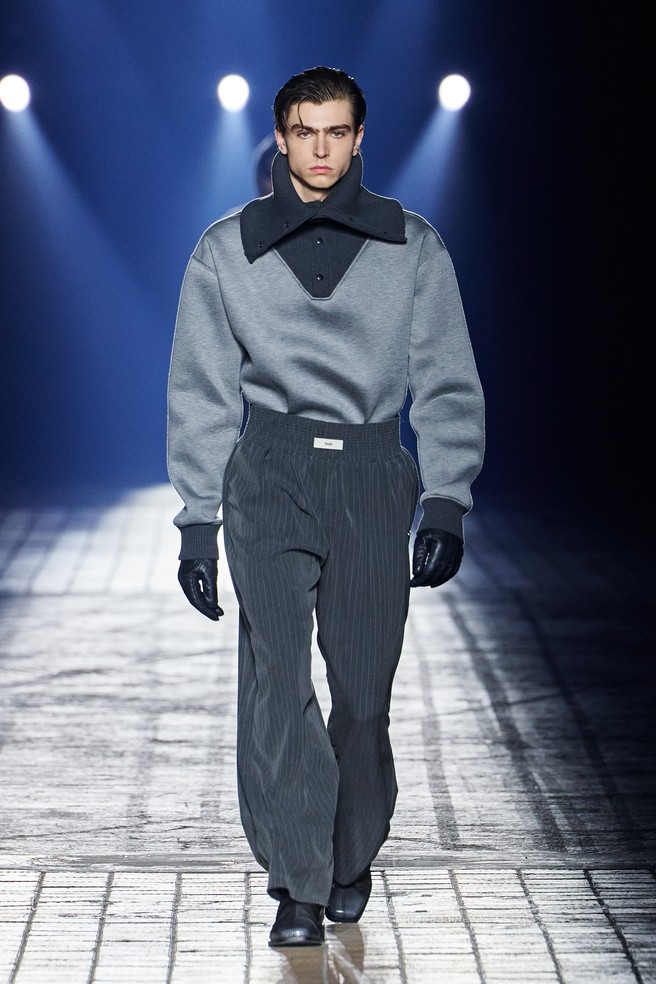
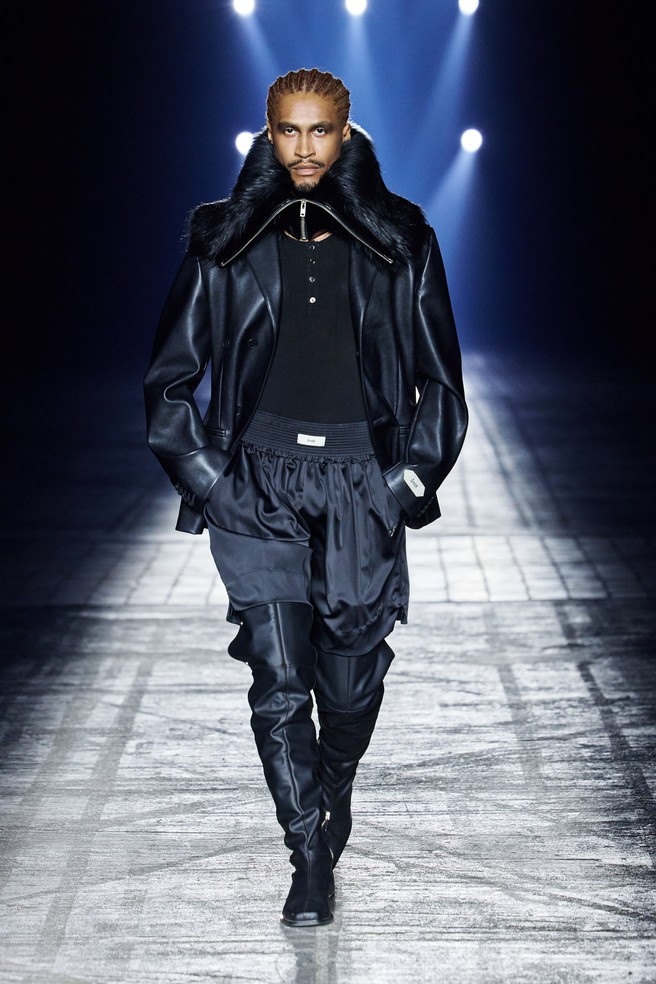
A Global Crossroads
The 2026 season also signalled Berlin’s definitive internationalisation. The front rows were no longer just locals in black coats; they were a global contingent of buyers and journalists drawn to a line-up that has “long outgrown national borders”.
The debut of Japan’s John Lawrence Sullivan and Nigeria’s Kenneth Ize brought a new texture to the city, while the return of Orange Culture and the upcycling brilliance of BUZIGAHILL (Uganda) and PLNGNS (Ukraine) cemented Berlin’s reputation as the global hub for “innovative upcycling collections”.
The Ecosystem of Excellence
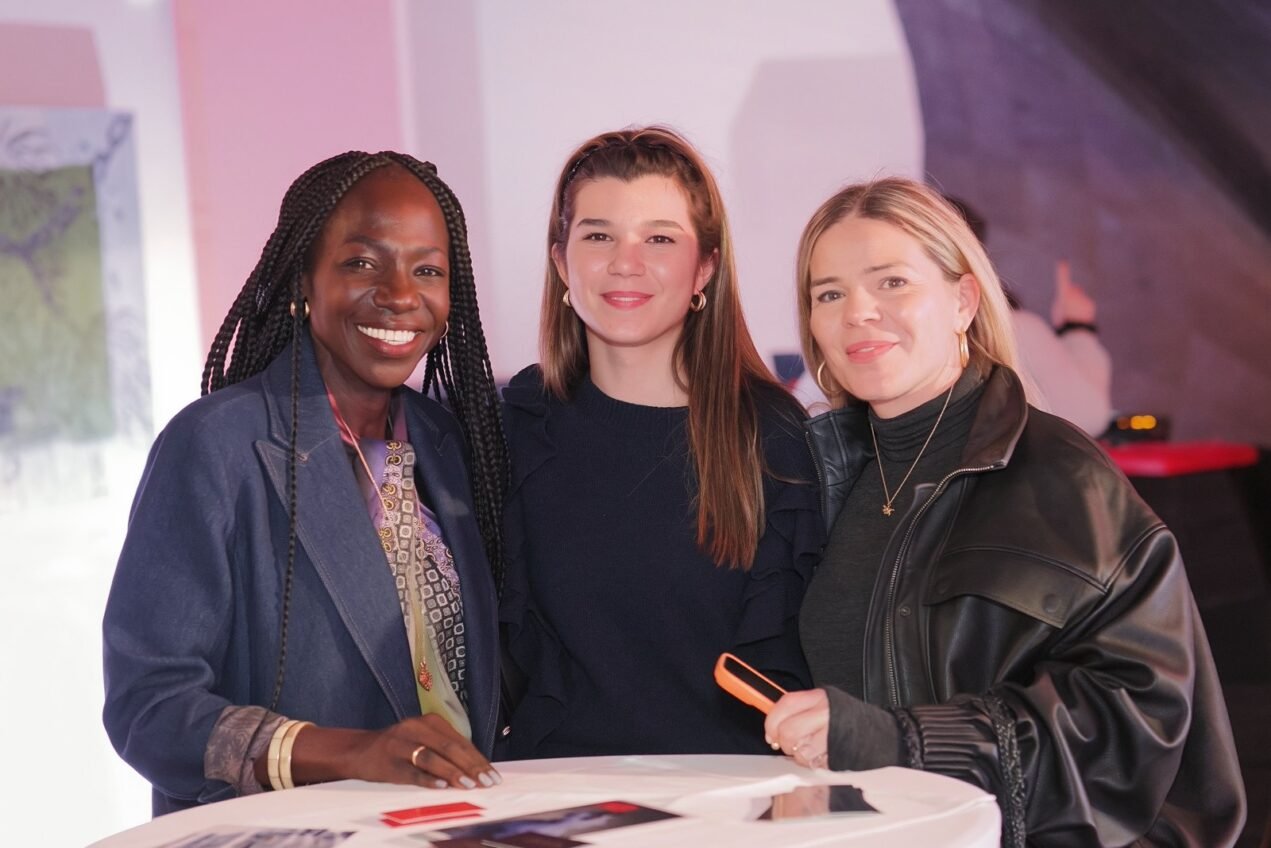
A show of this magnitude requires a seamless infrastructure, and Berlin’s partners rose to the occasion. From the Epic Drive chauffeur service—which kept the international press “comfortably, safely and stylishly” on schedule—to the Hotel Zoo, which served as the aesthetic heartbeat for the week’s most exclusive gatherings, the city felt curated, cared for, and world-class.
Berlin Fashion Week A/W 2026 was a proof to the fact that when you combine “diversity, authenticity and sustainability” with raw, unchecked talent, you don’t just get a fashion week. You get a movement.
The world is watching, and for the first time in a long time, Berlin is looking right back—unflinching, sustainable, and entirely on its own terms.