
Fashion Week schedules can turn a carefully planned wardrobe into a logistical headache. Shows, presentations, fittings, and dinners may span several neighborhoods, leaving little time to get back to a hotel between appointments. Add a suitcase, garment bag, or fresh pair of shoes and even the best outfit can start to feel like a burden.
A practical wardrobe plan accounts for movement as much as appearance. Smart packing, temporary bag storage and a few garment-care basics can help you arrive polished without spending the day carrying everything you brought.
The Realities of Fashion Week Commutes
Fashion Week in 2026 rarely happens inside one convenient venue. A morning presentation might be held in a gallery, the next show could be across town, and an evening event may require another trip in the opposite direction. Behind the polished images, the week runs on packed calendars and frequent location changes. Vogue’s look at Fashion Week numbers shows the industry’s scale and the volume of work behind major show schedules.
Start by plotting each confirmed venue on a map before building your outfits. Check realistic travel times for the hours when you’ll be moving, then add 15 to 20 minutes for venue entry, coat checks, and unexpected delays. A 30-minute trip can quickly become 50 minutes when platforms are crowded or a car gets stuck in traffic.
Your clothes should suit the route too. If you have three appointments spread across a city, choose shoes you can walk in and carry compact dress shoes in a soft pouch. A foldable tote can hold those shoes without competing with your main bag.
Fashion Week also rewards flexibility. The candid fashion diary from Paris shows how quickly the rhythm shifts between shows, streets, and behind-the-scenes moments. Treat open calendar spaces as travel buffers, not automatic opportunities to add one more stop. That margin can save your outfit and your mood when the schedule slips.
Solving the Midday Luggage Dilemma
Hotel check-in and checkout times rarely match a full day of events. You may arrive at 9 a.m. to find your room unavailable until mid-afternoon, or check out before noon when your final show ends in the evening. Carrying a suitcase through that gap makes public transportation harder and may conflict with a venue’s bag policy.
Decide where your luggage will go before the day begins. Ask your accommodation about holding bags, but confirm the available hours and whether after-hours collection is possible. Travelers researching where to store luggage in Berlin can also review local partner locations and choose an option that fits between their accommodations, event venues, and departure station. Check operating hours, cancellation terms, and the time required for both drop-off and collection.
Choose the storage point based on your final appointment, not simply the first stop of the day. If your train leaves at 8 p.m., a location close to the station may prevent a stressful cross-city trip after the last show. Save the address, booking details, and collection deadline on your phone, then take a quick photo of the bag receipt if you get one.
Keep anything needed during the day in a small personal bag. That usually includes identification, invitations, a portable charger, medication, stain wipes, and one simple accessory for an evening outfit change. Never leave irreplaceable documents or items required for immediate travel buried in stored luggage.
Keeping Designer Garments Wrinkle-Free
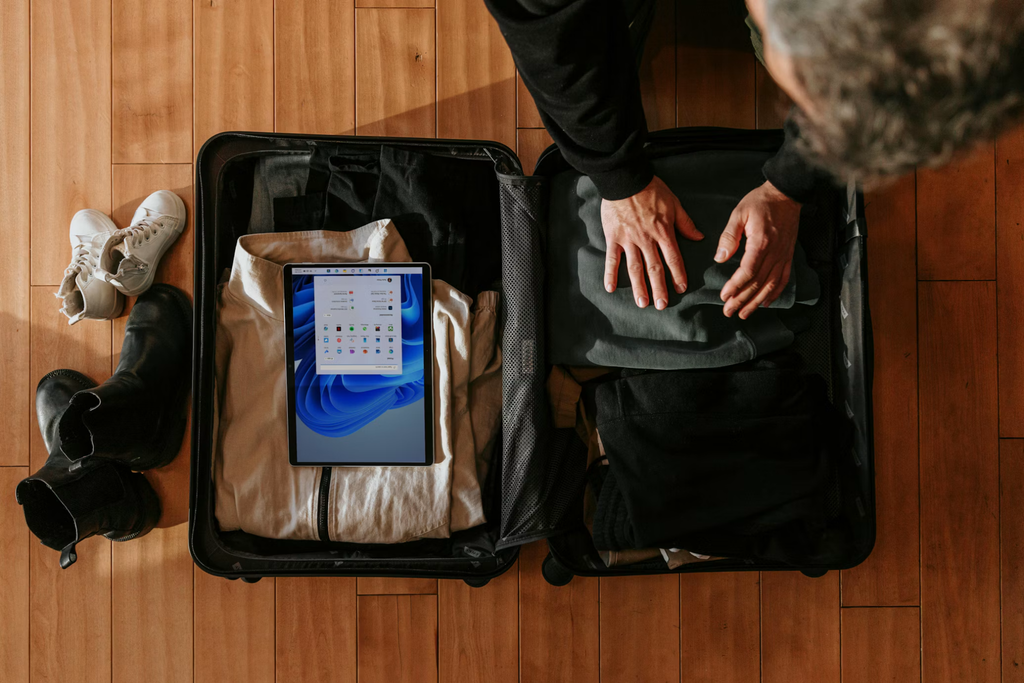
A Fashion Week wardrobe may spend more time in transit than hanging in a closet. Fabric choice and packing method both affect how clothing looks after a flight or train ride. Linen and crisp cotton crease easily, while many knit fabrics, textured materials, and blended suiting recover more readily after being folded.
Build outfits before packing so you don’t bring several pieces that serve the same purpose. The practical ideas in this Fashion Week closet prep guide reflect the value of editing a wardrobe before the schedule starts. Photograph each complete look, including shoes and accessories, then save the images in calendar order. You’ll spend less time searching through your suitcase and handle delicate garments less.
Pack structured jackets and dresses in breathable garment covers. Plastic dry-cleaning bags can trap moisture, so remove them once you reach your accommodation. When folding a jacket, turn one shoulder inside out, tuck the other shoulder into it, and fold the garment once across the middle. Place tissue paper between layers of silk or embellished fabric to limit friction.
Hang clothing as soon as you arrive. Steam from a bathroom shower can relax light creases, but keep the garment far enough from the water to stay dry. A small travel steamer gives more control, but check the care label first and avoid direct steam on materials that can water-spot or react poorly to heat. For valuable pieces, ask the hotel about pressing services and request the price and turnaround time before handing anything over.
An emergency kit should stay compact. Pack a lint roller, double-sided fashion tape, a stain-removal pen, safety pins, and a small sewing kit. Test any stain product on an inside seam before using it on visible fabric.
Recommended For You
Beyond the Runway, African Fashion Confronts the Business of Craft
Focus on the Runway, Not Your Bags
The most useful Fashion Week bag is one you can carry for hours without thinking about it. A medium crossbody or slim shoulder bag keeps your hands free and reduces the temptation to bring items you won’t use. Check venue guidelines before leaving, since some events limit bag size and may require an inspection at entry.
Pack the same core items each morning:
- Phone, identification, and event credentials
- Portable charger and short charging cable
- Cardholder with one backup payment method
- Blotting papers, lip color and a small mirror
- Stain wipe and fashion tape
- Water bottle when the venue permits it
Keep credentials in one zippered pocket so you aren’t emptying your bag at every entrance. Store liquids in a sealed pouch, especially if you’re carrying a charger, paper invitation or light-colored scarf. A separate cloth bag for shoes also keeps dirt away from clothing during a midday change.
Street style can make it seem as though every attendee moves effortlessly from one event to the next. A Paris Fashion Week dispatch captures the mix of runway coverage, personal style and activity that shapes the experience. Behind that visual ease, a repeatable routine does much of the work. Charge devices overnight, reset your day bag before bed and place the next outfit where you can inspect it in daylight.
Avoid switching handbags for every look unless the change serves a clear purpose. Moving small items between bags is how room keys, cards and invitations get left behind. If you want a different evening look, pack a lightweight clutch flat inside your daytime bag and transfer only what you need after the last daytime event.
Before leaving any venue, use a quick three-point check: phone, credentials and bag. At the end of the night, hang tomorrow’s outfit, check its hem and closures and confirm your first departure time. Those few minutes protect the polished look you planned and leave your attention where it belongs when the lights go down.
Fashion Week style feels far easier when every garment and bag has a place in the schedule. Once your suitcase is safely out of the way and tomorrow’s look is ready, you can spend the evening studying the collection instead of calculating one more trip across town.