

There’s a cultural shift happening right now, a beautifully powerful wave that’s impossible to ignore. Contemporary African art isn’t just “emerging” anymore. It has arrived on the global stage, commanding attention, auction records, and prime museum real estate. The narratives are rich, the aesthetics are innovative, and the conversations they spark are deeply human.
This isn’t just a trend. It’s the art world finally, and rightfully, recognizing the dynamism of a continent and its diaspora. If you’re an art lover, a savvy collector, or just someone looking for an authentic, captivating cultural experience, you need to know where to find these incredible works. We’re taking you on a guided tour to three major global art hubs. The gritty cool of Berlin, the classic grandeur of London, and the sprawling creativity of Los Angeles. Get ready for an itinerary that’s far from the usual tourist track.
Berlin: The Energetic Frontier of Contemporary African Art
Berlin has always been a city that embraces the experimental and the politically charged. Its art scene thrives on a raw, post-reunification energy that makes it a natural home for artists pushing boundaries. This is where you’ll find smaller, focused galleries that often have a direct, personal connection to the artists they represent.
The Essential Berlin Spot: ARTCO Galerie
If you’re only hitting one spot in Berlin, make it ARTCO Galerie in Schöneberg. This gallery is a serious player, and their focus on artists with an African background is central to their identity. This isn’t just an afterthought or a temporary show; it’s their mission. They represent a selection of international artists, concentrating especially on painting and photography. They are committed to showcasing both established and emerging voices.
I remember seeing an exhibition there a few years ago featuring two Zimbabwean artists, Richard Mudariki and Kufa Makwavarara. Their show, titled “Observer & Commentator,” used painting to draw attention to the social and political conditions in their home country. The work was astute. Sometimes with a pinch of dark humor, reminding everyone that contemporary art is often a powerful form of political commentary. ARTCO’s dedication is further cemented by their sister locations, including one in Cape Town, South Africa, making them a true cross-continental bridge.
London: Institutional Power and Dedicated Spaces
London’s art world carries the weight of history and the buzz of a truly global city. Here, the recognition of contemporary African art is happening across the spectrum, from massive, established institutions to dedicated cultural centers that act as community anchors.
Cultural Hub: The Africa Centre
For a truly immersive experience that goes beyond a white cube gallery, you have to visit The Africa Centre. After relocating to new headquarters on the Southbank, it’s become a vibrant cultural hub. It’s more than just a place to see art; it’s a place to feel the pulse of African and diaspora culture.
The Centre, originally opened in 1964, has always aimed to promote a different narrative of Africa, and its new permanent contemporary African art collection reinforces this mission. You’ll find pieces by notable artists like William Kentridge, who is a very established name, right alongside work from younger artists like Cinthia Sifa Mulanga from the DRC. The collection is intentionally diverse, covering major themes like African identities, forced migration, and post-colonialism. Walking through the space, which also includes a pan-African restaurant and performance area, you get the sense that art from the continent is finally being displayed within a context that understands and celebrates its complexity.
The Big Player: Tate Modern
You can’t talk about contemporary art in London without mentioning Tate Modern. They are increasingly prioritizing African and diaspora voices in their collection and programming. While they may not have a permanent, single “Contemporary African Art” wing, their inclusion of major exhibitions signals a significant institutional commitment.
For example, they’ve hosted powerful shows focused on Nigerian Modernism, with work from legends like El Anatsui and Ladi Kwali. The importance of seeing these artists within a global art canon, alongside Picasso and Rothko, cannot be overstated. It’s an act of decolonizing the art historical narrative, placing African artists where they belong: at the center of modern innovation. Keep an eye on their special exhibitions calendar; it’s where the biggest waves are often made.
Los Angeles: Bridging the Diaspora with the West Coast Vibe
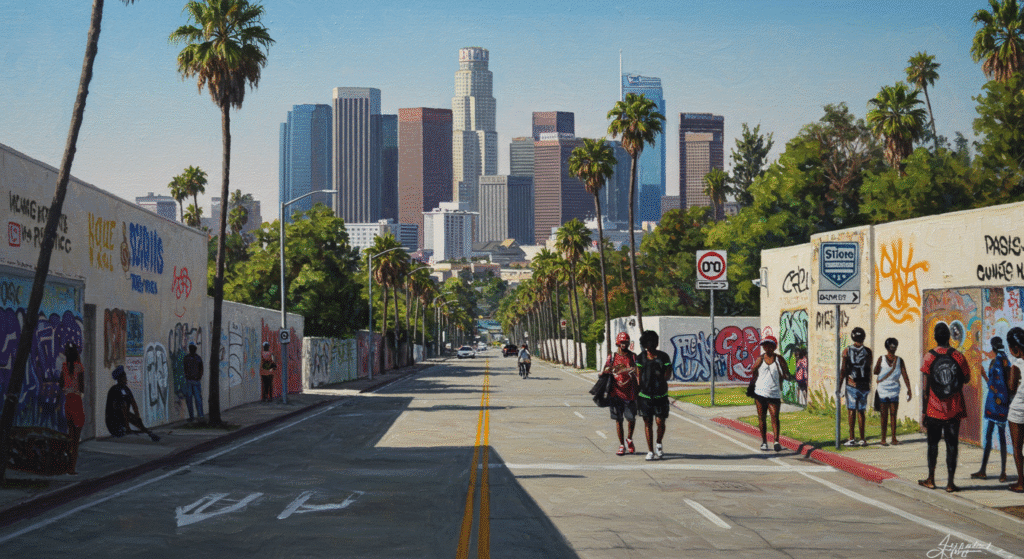
Los Angeles, the city of dreams, is a major nexus for creativity and a massive hub for the African diaspora. Its art scene is less formal and more spread out than its European counterparts, offering a distinctly Californian blend of high-end gallery work and community-focused showcases.
The Cross-Continental Connection: Rele Gallery
One of the most exciting additions to the LA scene is Rele Gallery. This gallery has an authentic cross-continental footprint, having started in Lagos, Nigeria, before opening a space in Los Angeles. This gives them a truly unique perspective. They act as a critical interface between the African and international art worlds.
Rele is focused on promoting a larger appreciation and followership of art from Africa and the diaspora. They represent a fine selection of emerging and established artists, and by establishing a base in a global art market like LA.They are directly situating these artists in a broader international context. Checking out their exhibition schedule feels like getting a direct feed from the contemporary art scene in West Africa and beyond. It’s practical, direct, and incredibly inspiring.
The Eclectic and Intimate: Ernie Wolfe Gallery
For something a little different, the Ernie Wolfe Gallery offers an intimate, highly specialized experience. Open by private appointment, this gallery draws on over 40 years of collecting art in East and West Africa. What’s cool about this spot is its focus on juxtaposition. They specialize in showing works by contemporary African painters and sculptors right alongside pieces by modern American artists, particularly those from Southern California. This creates a dialogue, challenging viewers to see the connections and mutual influences between art worlds that have too often been treated as separate. It’s a collector’s haven and a fantastic place for expert referencing.
Recommended For You
Ibrahim Quyum, 21, Now Paints the Future of African Creativity
Why Now? The Global Moment and Key Artists
The surging interest in contemporary African art isn’t accidental. It’s the result of decades of brilliant, boundary-pushing work finally getting the platform it deserves. It’s also fueled by dedicated art fairs, like the hugely influential 1-54 Contemporary African Art Fair, which has major editions in London, New York, and Marrakech. These fairs are commercial platforms that have dramatically increased market visibility and driven critical conversation.
When you visit any of these galleries or institutions, you’ll likely encounter the work of artists who have become global art stars:
- El Anatsui (Ghana): Famous for his stunning, monumental installations made from discarded bottle caps and copper wire. His work explores themes of consumption, waste, and globalization.
- Wangechi Mutu (Kenya/USA): Known for her Afrofuturist collages, sculptures, and videos that boldly challenge perceptions of race, gender, and femininity.
- Njideka Akunyili Crosby (Nigeria/USA): Her large-scale, mixed-media paintings beautifully intertwine cultural identity, personal narrative, and the transnational experience of being an immigrant.
- William Kentridge (South Africa): A celebrated master of animated film and charcoal drawings, his art tackles the complex history of apartheid and social injustice in South Africa.
- Yinka Shonibare CBE (Nigeria/UK): Known for using Dutch wax “African” textiles in his Victorian-era sculptures to examine colonialism and post-colonial identity with wit and complexity.
These artists aren’t just making “African art”; they are making global art that happens to be deeply informed by African experiences and heritage.
Looking Ahead: Exhibitions and the Future of the Scene
The year 2025 is already set to feature major moments for contemporary African and diaspora art across these hubs.
In London, the 1-54 Contemporary African Art Fair will return to Somerset House in October 2025. This event is a must-see, bringing over 50 new and returning exhibitors to showcase the work of more than 100 artists. It’s a concentrated burst of creativity and a fantastic opportunity to see the full breadth of current practices, from painting and photography to textiles and ceramics. The fair always presents monumental installations that are truly breathtaking.While major museum exhibitions in Berlin and Los Angeles specifically focused on contemporary African art for late 2025 are still developing. The consistent programming at galleries like ARTCO and Rele means that new and compelling shows are constantly on rotation. The general trend in the art world is toward greater inclusion. So visitors can expect more solo shows and dedicated spaces at major institutions across all three cities. The momentum is here, and it’s only building.