
All from the grandeur of the Hofburg to the glittering traditions of the Vienna State Opera, the Austrian capital prepares to welcome another season of music, movement and ceremony. But beyond the crystal chandeliers and white-tie dress codes, Vienna’s ball season offers something more enduring: a living expression of European cultural heritage, where history meets contemporary society.
A city that knows how to dance
There are few cities that understand the art of celebration quite like Vienna. In the Austrian capital, winter does not simply arrive with shorter days, colder evenings and the anticipation of Christmas. It brings with it a transformation of the city’s grandest buildings into elaborate dance floors, where orchestras tune their instruments, chandeliers illuminate polished parquet floors and thousands of guests prepare for an evening that can continue until the early hours of the morning.
The 2026/27 season has already begun. Traditionally opening on 11 November, at 11:11 am, the Viennese ball season coincides with Fasching, Austria’s carnival period. Although the festivities begin in November, the calendar reaches its most intense period in January and February, when more than 400 balls take place across the capital. From professional associations and cultural institutions to charitable organisations and social clubs, each event brings its own character to the city’s winter calendar.
For the uninitiated, the sheer number of events can be surprising. Vienna’s balls are not exclusively reserved for aristocratic families, celebrities or an invitation-only circle of society. They are organised by an extraordinary range of professional and cultural communities. There are balls for confectioners, doctors, lawyers, university communities, coffeehouse owners and even chimney sweeps. Each has its own traditions, atmosphere and interpretation of formal entertainment.
This is perhaps what makes the season particularly interesting. Vienna does not treat the ball as a single annual spectacle. It treats it as a cultural institution, one that allows different communities to gather, celebrate their professions and participate in a shared tradition.
The history behind the dance
To understand the Viennese ball, it helps to look beyond the beautiful dresses and elaborate venues. The tradition is closely associated with the Congress of Vienna of 1814–1815, when European political leaders and diplomats gathered in the Austrian capital following the Napoleonic Wars. Alongside the negotiations, the city hosted an extraordinary number of social gatherings, dinners and dances. These events became an important part of diplomatic life and helped establish Vienna’s reputation as a centre of European ballroom culture.
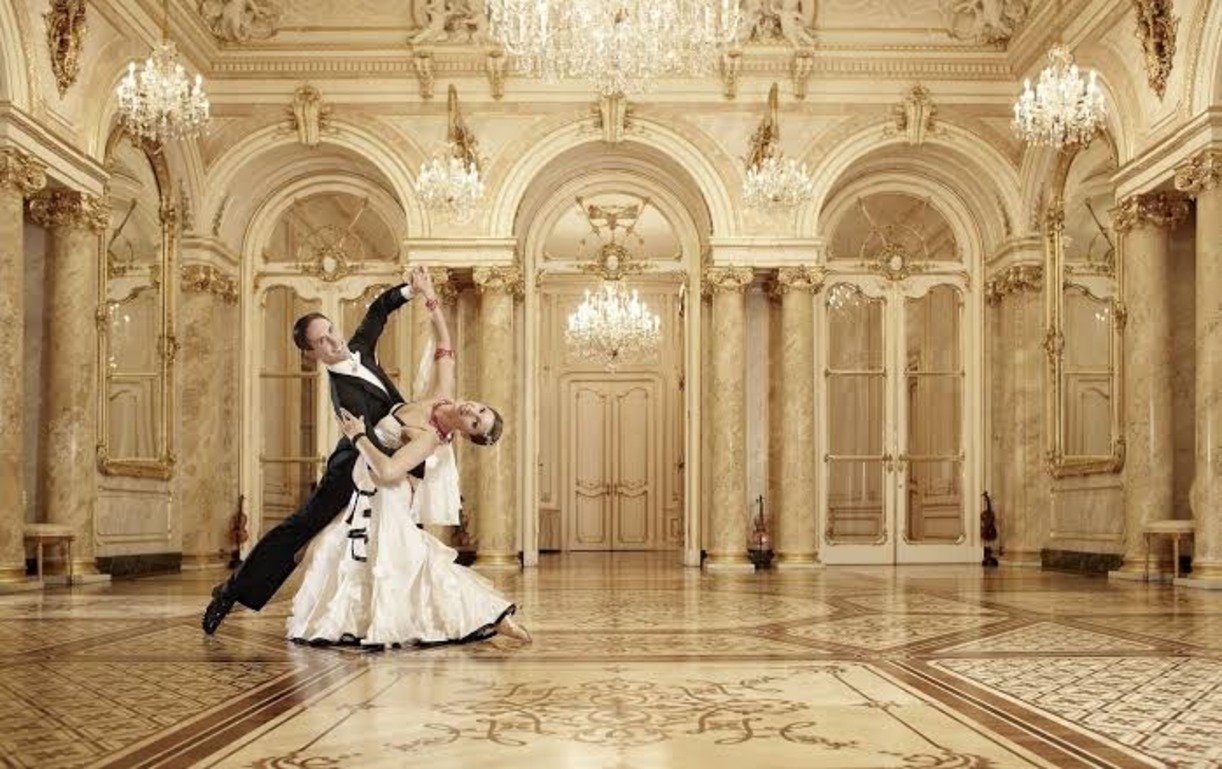
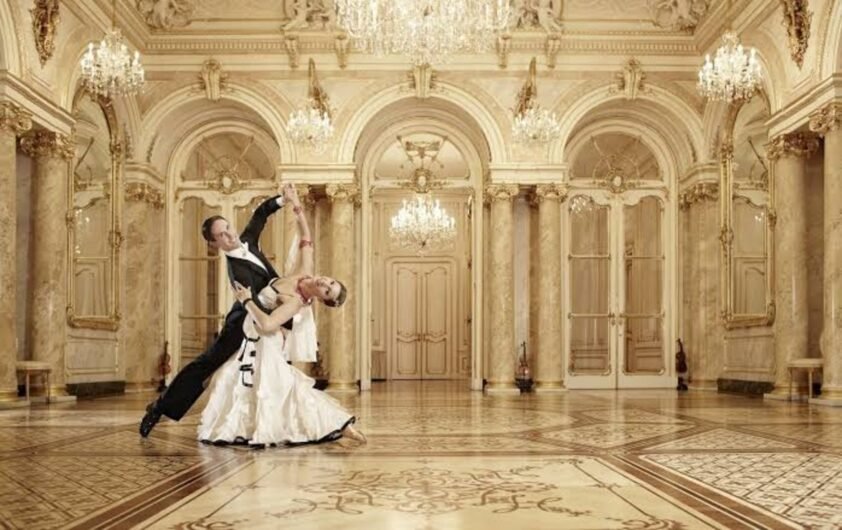
The waltz was central to this development. Its circular movement, in which partners turn continuously around the dance floor, was once considered provocative. Unlike earlier formal dances, which often kept partners at a more controlled distance, the waltz brought couples into closer physical contact. Over time, what was once viewed with suspicion became one of Europe’s most recognisable ballroom traditions.
The musical legacy of the Strauss family helped carry the dance far beyond Austria. Johann Strauss II, often called the Waltz King, popularised compositions that became synonymous with Viennese social life. His music gave the waltz an identity that remains instantly recognisable, even to people who have never attended a formal ball.
Today, the Viennese waltz remains an essential part of the city’s ballroom culture. Yet contemporary balls are not restricted to classical compositions. Depending on the event, guests may move between traditional orchestral music, swing, tango, jazz and contemporary dance music. The evening is as much about social interaction as it is about preserving a particular style of dancing.
The season’s most anticipated nights
For anyone considering a visit to Vienna this winter, choosing the right ball is part of the experience. Each event offers a different perspective on the city’s cultural and social life.
The Vienna Opera Ball | 4 February 2027
The undisputed centrepiece of the season is the Vienna Opera Ball. Held inside the Vienna State Opera, it transforms one of the world’s most celebrated opera houses into an enormous ballroom.
The event attracts approximately 5,000 guests, with millions more following the opening ceremony through international broadcasts. Its opening procession is among the most recognisable moments in European social life. Young debutantes and their partners, dressed in white gowns and black tailcoats, enter in formation before the traditional declaration, Alles Walzer, invites the ballroom to begin dancing.
The evening combines classical music, ballet, formal dining, fashion and an impressive display of Austrian craftsmanship. It is a particularly important occasion for the country’s fashion industry, with Austrian designers and ateliers contributing to the visual language of the event.
The Vienna Philharmonic Ball | 21 January 2027
For those who appreciate classical music as much as formal fashion, the Vienna Philharmonic Ball offers a particularly compelling experience.
Hosted at the Musikverein, the historic concert venue associated with the Vienna Philharmonic, the event brings the orchestra’s musical identity into a social setting. Its surroundings are especially significant. The Musikverein’s Golden Hall is recognised internationally for its architecture and acoustics, making it one of the most distinctive places in the city to experience classical music.
Here, the appeal is not simply the opportunity to attend a grand ball. It is the opportunity to experience the musical heritage of Vienna within a setting that has shaped the international reputation of its orchestral tradition.
The Confectioners’ Ball | 14 January 2027
A rather sweeter introduction to the season is the Zuckerbäckerball, or Confectioners’ Ball.
Held at the Hofburg, it celebrates the city’s pastry and confectionery traditions. Its association with Austrian baking gives the evening a distinct identity, with elaborate sweet creations forming part of the festivities. It is a reminder that Vienna’s cultural identity extends beyond its music and architecture into its cafés, bakeries and celebrated dessert traditions.
The Flower Ball | 15 January 2027
At the Blumenball, the ballroom becomes a celebration of floral design. Organised by Vienna’s city gardens, the event is known for its elaborate botanical decorations.
For visitors interested in the relationship between design, horticulture and hospitality, this is one of the season’s more visually distinctive occasions. Floral installations transform the City Hall into a carefully composed environment, bringing together the work of gardeners, designers and event specialists.
The Vienna Coffeehouse Ball | 22 January 2027
Vienna’s coffeehouse culture deserves its own place in any discussion of the city’s identity. The Kaffeesiederball celebrates the people and establishments behind this enduring tradition.
Hosted at the Hofburg, it brings the atmosphere of Vienna’s historic coffeehouses into a formal ballroom setting. It is a particularly interesting event for international visitors because it connects two important expressions of Viennese social life: the coffeehouse, where conversation unfolds over hours, and the ballroom, where the same spirit of sociability takes to the dance floor.
Other notable events include the Vienna Ball of Sciences on 23 January, the Doctors’ Ball on 30 January, the Lawyers’ Ball on 6 February and the Ukrainian Ball on 11 February 2027. Together, they demonstrate the diversity of the season.
Recommended For You
The architecture of an unforgettable evening
Part of the magic of Vienna’s ball season is that the buildings themselves become part of the performance.
The Hofburg Palace is among the most important venues. Once the imperial residence of the Habsburg dynasty, its ceremonial rooms provide an extraordinary backdrop for events such as the Confectioners’ Ball and Coffeehouse Ball. The grand staircases, historic halls and ornate interiors create an atmosphere that feels closely connected to the city’s imperial past.
The Vienna City Hall offers another architectural experience. Its Gothic Revival façade and impressive ceremonial rooms provide a dramatic setting for large gatherings, including the Flower Ball and Ball of Sciences.
Then there is the Vienna State Opera, whose transformation for the Opera Ball remains one of the season’s most remarkable logistical and theatrical achievements. An institution normally dedicated to performances becomes a social space, with its auditorium and surrounding areas adapted for dancing, dining and entertainment.
For international visitors, attending a ball is therefore also an opportunity to experience Vienna’s architectural heritage in a way that ordinary sightseeing cannot quite replicate.
Dressing for the occasion: the language of formal elegance
A Viennese ball is one of the few occasions where formal dressing is not simply encouraged but forms an important part of the event’s identity.
For women, the traditional expectation is a floor-length evening gown. The silhouette can be dramatic or understated, depending on personal taste, but the overall appearance should respect the formality of the occasion. Classic evening fabrics such as silk, satin, velvet and chiffon work particularly well. Jewellery, evening bags and carefully selected footwear complete the look.
For men, the dress code depends on the ball. Black tie, usually a dinner jacket with a black bow tie, is accepted at many events. However, certain prestigious occasions require white tie: a black tailcoat, white waistcoat and white bow tie, accompanied by formal evening trousers.
The Vienna Opera Ball is particularly strict about its dress requirements. Its traditional dress code includes floor-length evening gowns for women and black tailcoats with white bow ties for men.
There is also an important distinction between dressing formally and dressing appropriately. A beautiful gown does not automatically meet the requirements of every ball. Guests should always consult the dress code on their invitation before making arrangements.
For those travelling internationally, Vienna has established formalwear rental services, including specialist providers for tailcoats and evening attire. This makes participation more accessible without requiring visitors to purchase an entirely new wardrobe.
More than looking the part: learning the Viennese waltz
One of the most common misconceptions about the Viennese ball is that dancing is an optional extra.
Of course, guests can enjoy the evening without being accomplished dancers. However, understanding the basics of the Viennese waltz makes the experience considerably more rewarding.
Unlike slower ballroom styles, the Viennese waltz is characterised by its continuous turning movement and relatively quick tempo. It follows a three-beat rhythm, with couples moving around the dance floor in a smooth, rotating pattern.
The important thing is not to master an elaborate routine. It is to understand the rhythm, maintain a comfortable frame and move with consideration for other couples.
Vienna’s dance schools offer preparatory lessons, including short courses for people who want to learn the basics before attending a ball. The Elmayer Dance School, for example, is closely associated with the city’s formal dance culture.
There is also a charming tradition that visitors should know about: the Mitternachtsquadrille, or midnight quadrille. This group dance brings guests together in a lively sequence of formations and movements. It is often one of the most entertaining moments of the evening, particularly for those who have spent the earlier hours observing from the sidelines.
A practical guide for international visitors
For visitors planning their first Viennese ball experience, preparation is essential. The season attracts considerable international interest, and the most prestigious events can sell out well before the evening itself.
1. Plan around the calendar. January and early February are the busiest months. Travellers should ideally plan their visit around the particular ball they want to attend rather than simply booking a winter holiday and hoping to find an event.
2. Secure tickets early. The Vienna Opera Ball operates a structured ticket allocation process. For its 2027 edition, registration for entrance tickets took place in June 2026, while table-seat bookings opened later that month. Its official website remains the appropriate source for ticket information and any remaining opportunities.
3. Choose accommodation carefully. Staying within or close to Vienna’s first district, the Innere Stadt, makes it easier to access many of the historic ball venues. It also places visitors within reach of the city’s principal museums, restaurants, cafés and shopping streets.
4. Respect the dress code. Do not assume that one formal outfit will work for every event. Check the specific requirements and make arrangements for accessories, shoes and outerwear.
5. Allow time for the city itself. A ball should not be the only experience on the itinerary. Spend an afternoon exploring the historic centre, visit the museums, enjoy a traditional coffeehouse and discover the restaurants that make Vienna such an appealing culinary destination.
Above all, remember that a ball is a long evening. Comfortable preparation, a little knowledge of ballroom etiquette and a willingness to participate will make the experience considerably more enjoyable.
Tradition meets a changing world
It would be easy to view Vienna’s ball season as a carefully preserved relic of imperial Europe. Yet its continued relevance comes partly from its ability to accommodate changing social interests.
The growing variety of events is evidence of this. The Ball of Sciences, for instance, brings together academic institutions and the wider public, using the ballroom as an unexpected meeting place for scientific culture and social entertainment. The Rainbow Ball offers another perspective, creating a space for LGBTQ+ communities and their supporters within Vienna’s ballroom calendar.
These events demonstrate that the tradition is not entirely dependent on nostalgia. It can provide a framework for new communities, contemporary conversations and different forms of cultural expression.
There is also an economic dimension. Hundreds of events create seasonal demand for fashion designers, dressmakers, florists, musicians, caterers, hotels, photographers, beauty professionals and hospitality businesses. The ball season is therefore not simply an exercise in preserving heritage. It is an important part of Vienna’s creative and service economy.
For the international fashion industry, this is particularly interesting. The season offers an annual platform for formalwear, couture craftsmanship, jewellery and beauty. It also presents a different understanding of luxury: one that places emphasis on occasion, workmanship, cultural knowledge and the experience of being present.
The final dance
Perhaps the most beautiful thing about Vienna’s ball season is that it offers an experience increasingly difficult to find in contemporary social life: an evening in which people deliberately make time to dress up, gather, listen to live music and dance.
There is something reassuring about a tradition that continues to invite new generations onto the same dance floors, even as the world outside changes. The gowns may evolve, the music may become more varied and the communities hosting the events may expand, but the central attraction remains remarkably consistent.
For the visitor, the experience is not simply about attending one of Europe’s most photographed social occasions. It is about understanding a city through one of its most enduring cultural expressions.
And when the orchestra begins, the couples take their positions, and the familiar words ‘Alles Walzer’ ring through the ballroom. Vienna offers a gentle reminder that elegance is not merely something to be worn. It is also something to be practised.