
Fashion is forever in pursuit of the next miracle fabric: lighter, greener, smarter, cleaner. But what if the most compelling textile future is not synthetic, engineered, or new at all? What if it begins with a living tree, a wooden mallet, and a ritual older than weaving? In southern Uganda, lubugo—also known as olubugo, or barkcloth—offers precisely that proposition: a material at once ancient and avant-garde, raw and refined, local and global.
FAB L’Style Styled Lubugo barkcloth in a Modern Fashion Editorial
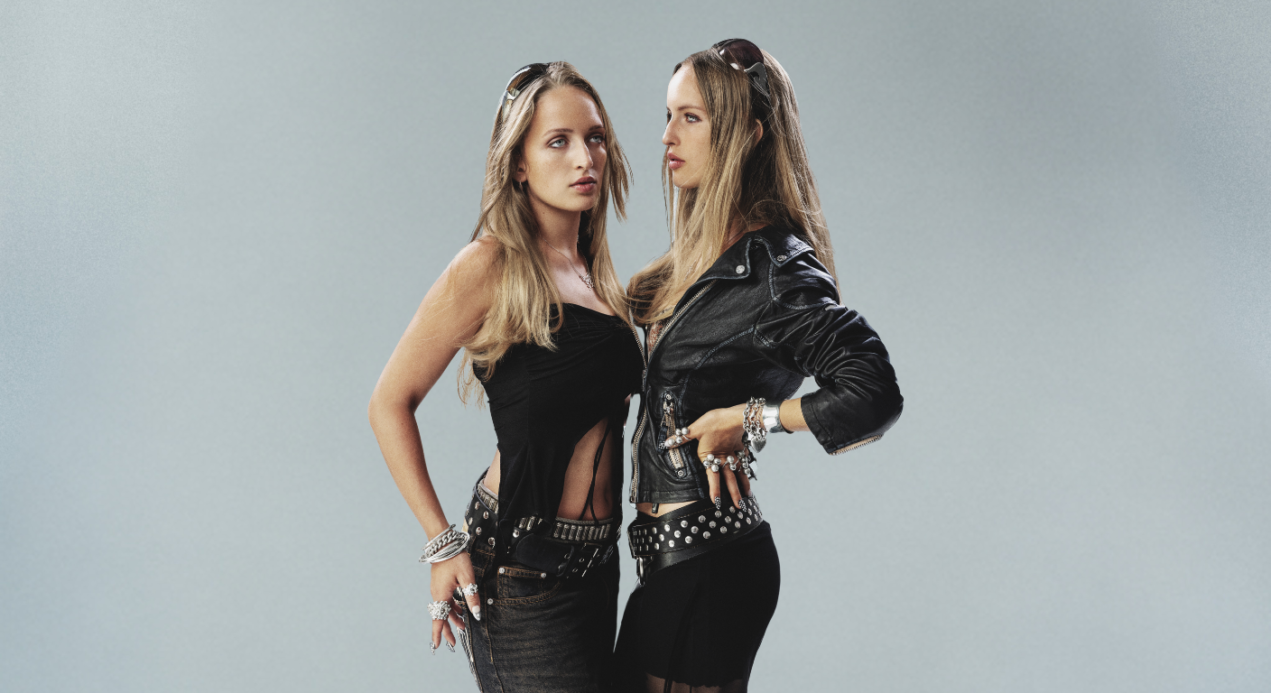
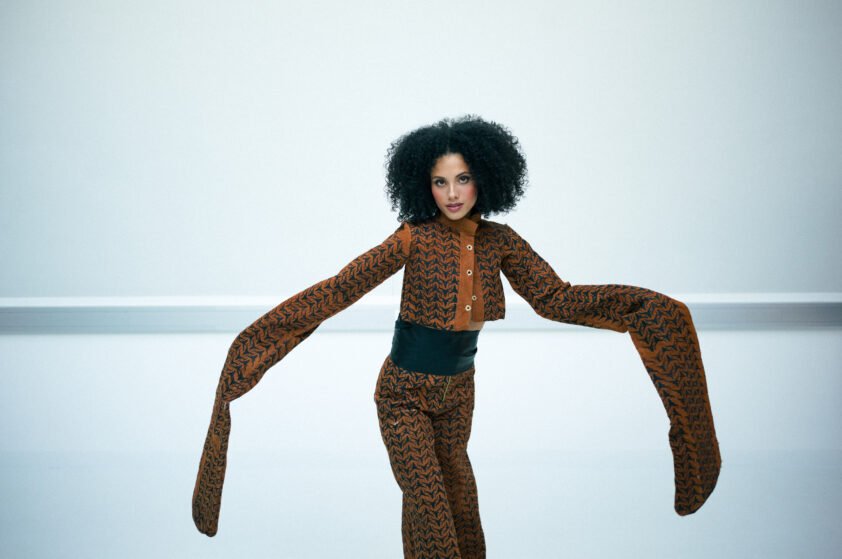
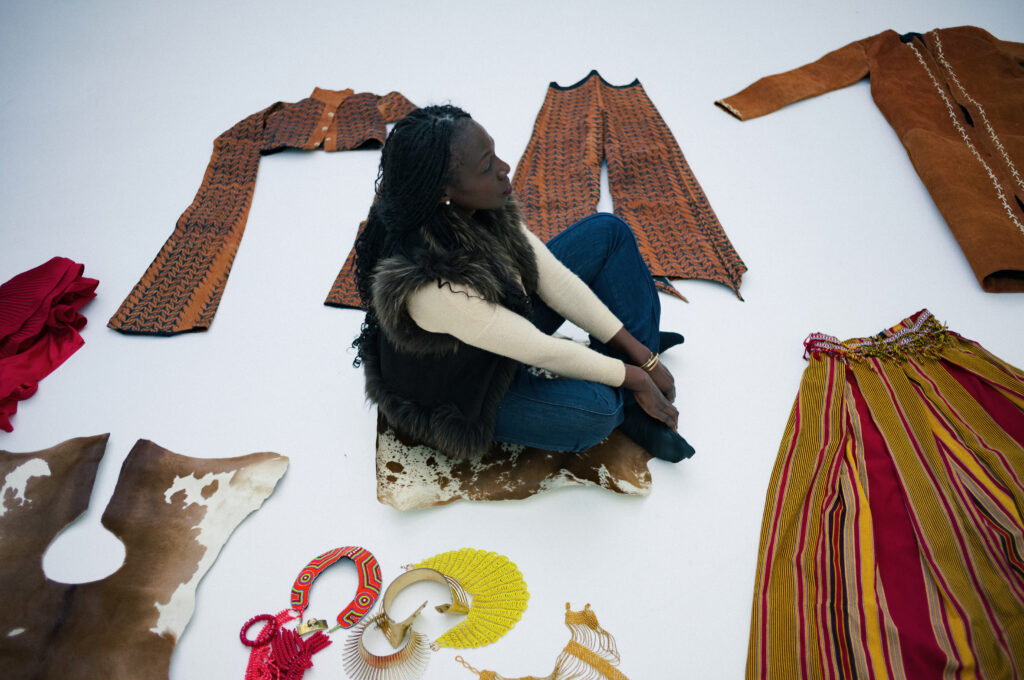
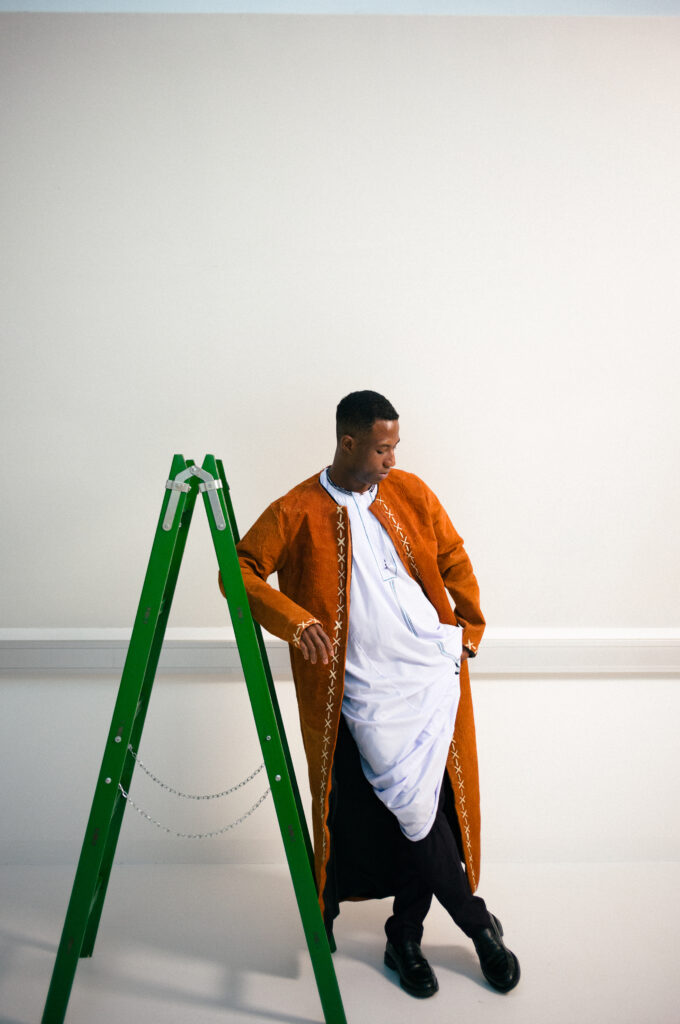
Our latest editorial shoot features the tactile and earthy essence of Uganda in the sophisticated setting of Vienna. The collection reinvigorates one of the oldest known textiles in the world, Lubugo barkcloth.
In our Vienna editorial shoot, we wore Lubugo barkcloth pieces from Uganda, where the natural structural stiffness of the fabric is masterfully manipulated into architectural blazers and striking avant-garde silhouettes.
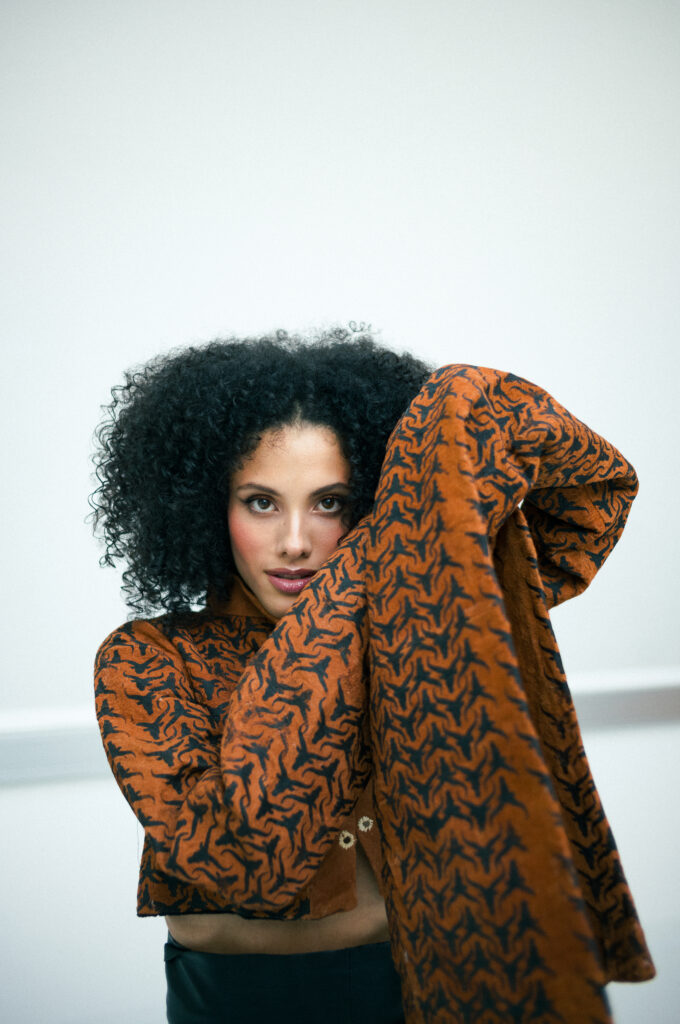
Why does it matter that this collection has travelled from the hills of Uganda to the studios of Vienna? It matters because in modern design, provenance is the new luxury. The “Relevance of Origin” speaks to the fact that the garment has a story. When we wear Lubugo, we are not just wearing a piece of cloth; we are wearing a 600-year-old philosophy of ecology. The contrast between the unrefined, organic fabric of the Lubugo and the sleek, high-tech look of the city of Vienna points to a major shift in the world at large, which is that the future of fashion will be about honouring indigenous intelligence. We are bridging the gap between our ancestral heritage and the pressing need for a regenerative future by bringing the Lubugo into our modern wardrobes.
Why Everyone’s Suddenly Paying Attention to This Ugandan Textile
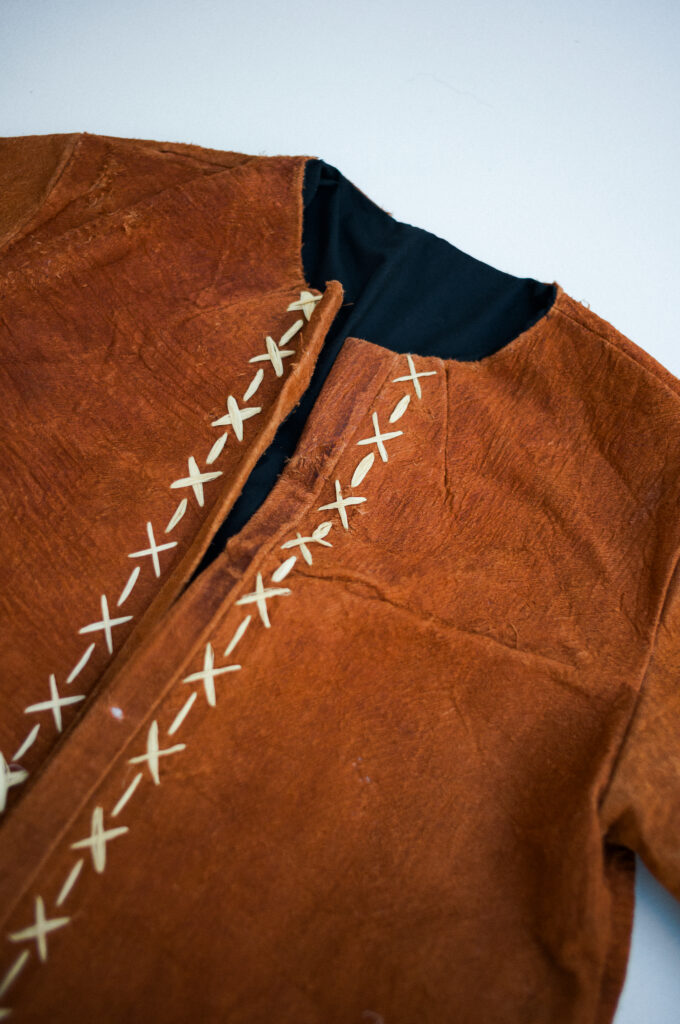
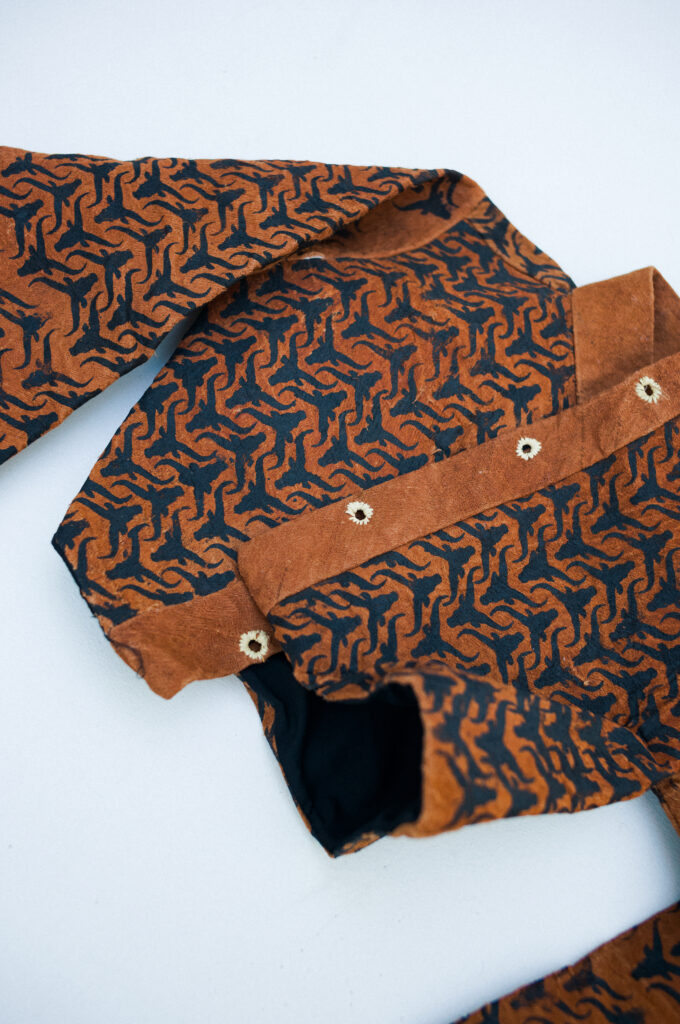
There is something almost impossibly modern about lubugo barkcloth, despite the fact that it predates the invention of weaving. Made from the inner bark of the mutuba tree (Ficus natalensis), then boiled, beaten, stretched, and sun-dried into a supple terracotta textile, barkcloth carries the visual language that fashion keeps trying to invent in mood boards: tactility, irregularity, earth pigment, sculptural surface, a luxury that feels more elemental than polished. Yet unlike so many materials recast as “natural” for the runway, lubugo arrives with the authority of continuity. It has been lived in, mourned in, ruled in, and remembered in for centuries.
Among the Baganda people of southern Uganda, barkcloth is far more than fabric. UNESCO describes it as an ancient craft historically associated with the Baganda royal family and the wider community, used for coronations, healing ceremonies, funerals, cultural gatherings, as well as bedding, screens, and storage. National Geographic notes that its spiritual and funerary associations remain especially potent: barkcloth is wrapped around the deceased and carries deep ancestral significance. In other words, this is not a textile that can be reduced to surface alone. Its texture is cultural memory made visible.
The Quiet Power of Lubugo barkcloth in a Synthetic Age
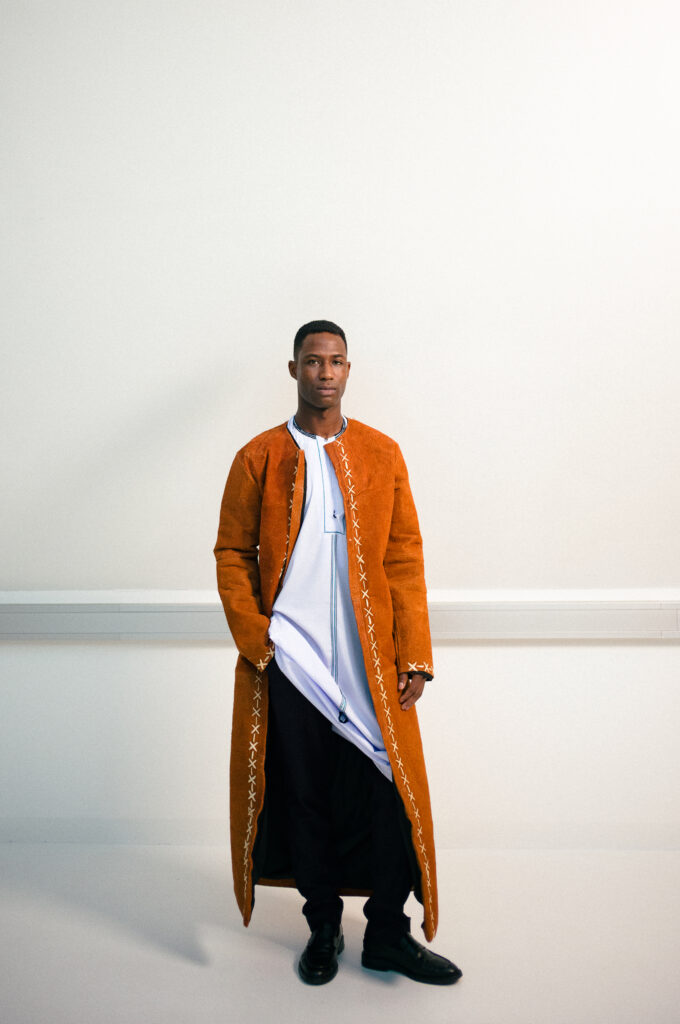
Its ecological appeal is equally arresting. The mutuba tree is not felled to make the cloth; its bark is carefully removed and the trunk protected so it can regenerate and be harvested again. BarkTex describes barkcloth as a textile without additives, notable for very low water use and production powered largely by hand rather than heavy industry. For a design world eager to speak the language of circularity, lubugo offers something stronger than branding rhetoric: a material logic rooted in regrowth, skill, and stewardship.
And yet the return of barkcloth is not simply a sustainability story. It is also a style story. Its roughness, grain, and density—the very qualities that once made it difficult to fold into mainstream fashion—are precisely what make it irresistible now. Marketplace reported on Ugandan designers using barkcloth for purses, shoes, souvenirs, and clothing, while also capturing the tension around its use: some still associate the material so strongly with burial and ritual that wearing it casually can feel provocative. That tension is not a drawback. It is part of barkcloth’s charge. In a world of endlessly neutralized textiles, lubugo still means something before it becomes a look.
The Expanding Language of Lubugo barkcloth
No contemporary designer has articulated that possibility more elegantly than José Hendo, the Ugandan-born British designer who has spent years making barkcloth central to her practice. On her site, she calls it her “African fabric of choice” and “a perfect ambassador for sustainability.” That phrase lands because Hendo’s work does not treat the material as folkloric embellishment. Instead, she uses it structurally and conceptually, pushing it into sculptural, fashion-forward silhouettes that feel less like heritage reproduction and more like a proposition for the future. In her Infinity collection, barkcloth was paired with denim in a gesture that explicitly challenged throwaway culture, while her wider practice insists that indigenous material intelligence belongs at the center—not the margins—of contemporary design.
This new life for barkcloth extends well beyond apparel. Atlas Obscura reports that it has entered international markets for home furnishings, high fashion, and even aerospace experimentation, while National Geographic highlighted its use as wall covering. National Museums Scotland goes further, describing barkcloth as a material contemporary artists and designers are reinterpreting to explore indigenous history, politics, religion, and identity. This is what makes lubugo particularly suited to a Wallpaper-like design conversation: it is not merely wearable, but architectural, atmospheric, and spatial. It can move from the body to the room without losing its aura.
Lubugo barkcloth and the Recalibration of Sustainable Luxury
If fashion’s current fixation is material honesty, barkcloth answers with unusual force. It does not pretend to be frictionless. Researchers at Manchester Metropolitan University found that in its natural condition it can be coarse and visually limited, but also demonstrated that, through environmentally sound treatments, it can achieve luxurious effects suitable for small-scale eco-fashion, including shirts and potentially jackets and coats. What emerges from that research is not the fantasy of a perfect fabric, but something more interesting: a textile with constraints, character, and room for design intelligence. Lubugo does not ask to be smoothed into anonymity. It asks to be understood.
That, perhaps, is where origin becomes most relevant. National Museums Scotland notes that Uganda is unusual in maintaining continuous barkcloth production while neighboring traditions declined. Atlas Obscura traces the material through monarchy, trade, colonial suppression, missionary hostility, war, political upheaval, and eventual revival. To use barkcloth today, then, is not simply to source an eco-friendly textile. It is to work with a material whose survival is historical, not hypothetical. Provenance is not decoration here; it is the point.
UNESCO’s safeguarding efforts underline that reality. Its revitalization project in Uganda focused on training young artisans, encouraging sustainable mutuba cultivation, popularizing barkcloth use, and strengthening its legal and cultural protection. That matters because the contemporary appetite for barkcloth will only be meaningful if it feeds back into local knowledge, tree planting, fair livelihoods, and respect for Baganda cultural ownership. In the best version of its future, lubugo does not become globally desirable by shedding its specificity. It becomes desirable because its specificity remains intact.
For fashion and design, this is the deeper lesson. Barkcloth is not compelling because it is quaintly ancient, nor because it checks the right sustainability boxes. It is compelling because it holds two truths at once: it is exquisitely of a place, and completely relevant to now. It answers the industry’s hunger for tactility, material responsibility, and narrative depth—while refusing the flattening logic of trend. Lubugo is not the next big thing. It is something rarer: an old thing whose time has returned.
Editorial Credits
This visual narrative was made possible by a dedicated creative collective. Follow the journey and the makers behind the lens:
- Production & Vision: Harriet (CEO & Founder of Fab Magazine) | @fab.harriet
- Publication: Fab Magazine | @fablstylemagazine
- Photography & Cinematography: Bogdan | @thetimelesschronicler
- Studio: Studio Glasdach | @studioglasdach
- Models: Ruby @rubyinvienna & Adrian @otega.adrian
- Makeup Artist: Alix @alixmoncheurmakeup
- Behind the Scenes: @evangelistaphotos