


These are not showrooms or trade fairs. They are the places where fashion actually begins, where designers touch, test, and discover the fabrics that become collections. From Lagos to Paris, Nairobi to New Delhi, here are the world’s most creatively powerful textile markets.
Every designer knows the feeling. You walk into a market with one idea and walk out with another. Something in the texture of an unexpected fabric, a colour combination you would never have searched for, or the weight of a cloth held up to natural light can redirect an entire collection. No digital mood board produces that experience. No trade catalogue comes close.
Textile markets are fashion’s most honest creative spaces. They are loud, physical, sometimes overwhelming, and completely irreplaceable. The designers who use them consistently, across every price point and every tradition, tend to develop a material intelligence that formal education rarely teaches.
These are the fifteen markets worth knowing.
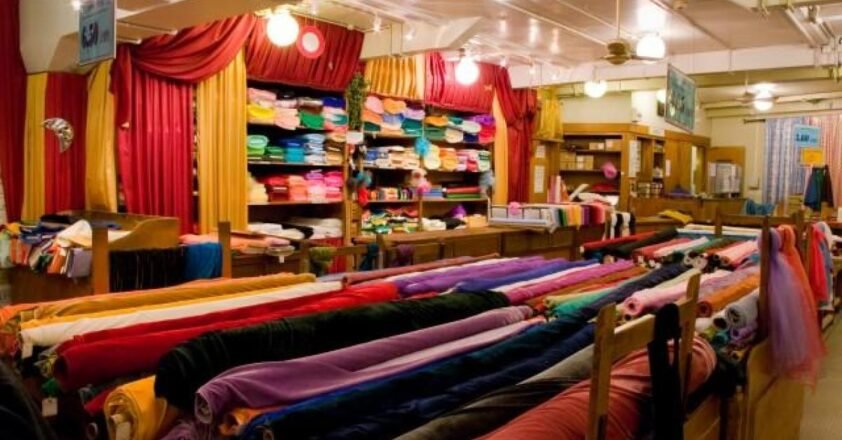
1. Marché Saint-Pierre, Paris, France
What it is: A six-storey fabric institution at the foot of Montmartre, operating for over sixty years.
Why designers go: Internationally renowned fashion professionals, stylists, and decorators make regular pilgrimages to this corner of the 18th arrondissement. Famous designers come here specifically to find inspiration for their next creations. The market spreads across multiple buildings in the surrounding streets, including Dreyfus and Tissus Reine, offering everything from high-end couture fabrics to end-of-roll coupons at reduced prices.
What to find: Duchesse satin, jacquard, silk organza, technical fabrics, trimmings, buttons, and haberdashery from across Europe.
Insider note: The coupons, the last metres from discontinued rolls, are often the most interesting finds in the building. Small quantities, exceptional quality, and no one else will have the same fabric.
2. Balogun Market, Lagos, Nigeria
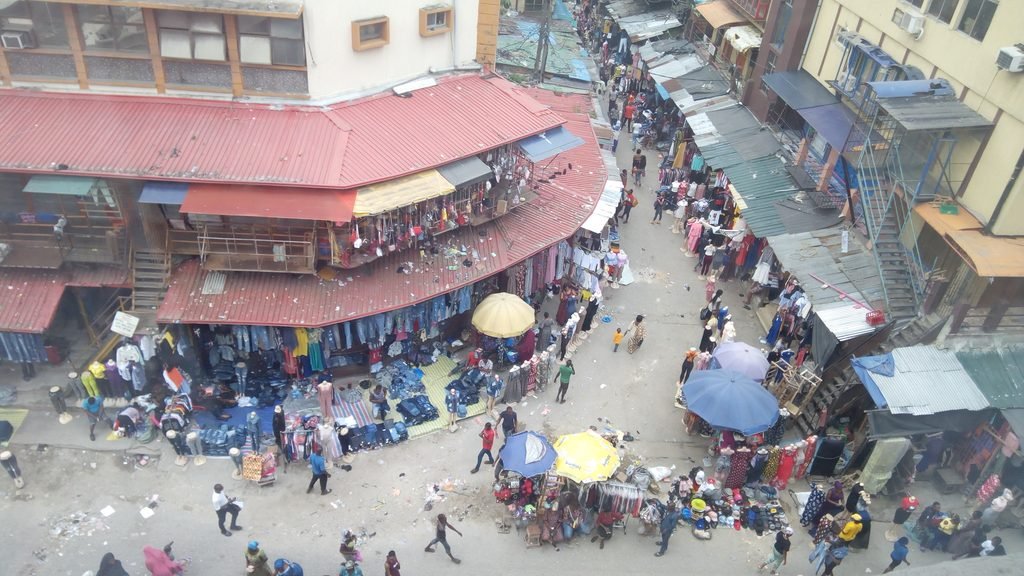
What it is: One of West Africa’s largest open-air markets, sprawling across several streets on Lagos Island.
Why designers go: Balogun Market specialises in colourful Nigerian fabrics, apparel, and imported goods, drawing tens of thousands of traders and buyers daily through its narrow streets and multi-storey buildings. For Nigerian designers, it is both a sourcing destination and real-time trend research. What is selling here documents what Lagos is wearing right now.
What to find: Ankara in every print weight and colourway, Austrian and Swiss lace, aso-oke, George fabric, adire, embroidered materials for formal wear and ceremony.
Insider note: Arrive early. The serious wholesale deals happen before midday, and the best bolts in the most sought-after prints move fast.
3. Keqiao China Textile City, Shaoxing, China
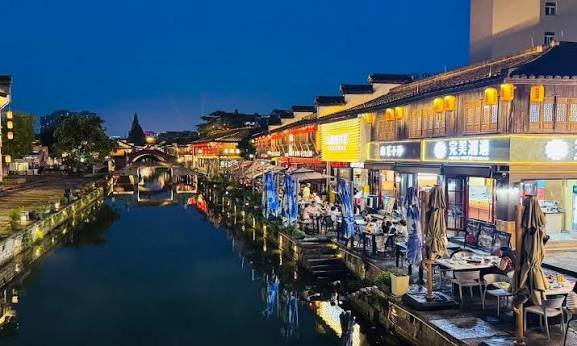
What it is: The world’s largest textile market on the planet, located in Shaoxing, Zhejiang Province.
Why designers go: With a total construction area of 3.26 million square meters and more than 16,000 suppliers offering over 30,000 kinds of fabrics, Keqiao has a daily passenger flow of 100,000 people. Fashion brands from every continent source their materials here. The scale means that fabric found nowhere else in the world is almost certainly available somewhere in this complex.
What to find: Every fabric type imaginable, from performance and technical textiles to silk, denim, linen, cotton, and sustainable innovations. Custom dyeing, printing, and finishing services are available within the same district.
Insider note: Around the market sit thousands of mills handling spinning, weaving, dyeing, and digital printing, which means a buyer can source greige fabric, have it dyed to a Pantone reference, and finish it, all within the same district.
4. Grand Marché de Lomé, Togo
What it is: Built in 1967, the Grand Marché de Lomé sits near the Sacred Heart Cathedral at the heart of the Togolese capital and is the financial and creative infrastructure of West African fashion.
Why designers go: This is where the legendary Nana Benz built their empire, trading Dutch wax prints across the whole of West Africa and directly influencing which patterns European manufacturers produced. These businesswomen built a textile empire in the 1970s and ’80s that spanned all of West Africa, specialising in the sale of tchigan, Dutch wax-printed fabric renowned for its vibrant colours and exceptional quality. Their successors, the Nanettes, continue this tradition today.
What to find: Premium Vlisco Dutch wax print, Chinese wax print at accessible price points, locally woven kente and pagne, and the accumulated aesthetic intelligence of women who have been shaping West African fashion for generations.
Insider note: Each wax print pattern carries a name and a meaning in the local social vocabulary. Understanding this language is part of what makes fabric selection here a cultural education, not just a shopping trip.
5. Kantamanto Market, Accra, Ghana
What it is: West Africa’s largest secondhand textile market, an ecosystem where resourcefulness meets necessity, a place where discarded garments from the Global North are repaired, repurposed, and transformed into livelihoods for tens of thousands.
Why designers go: Young designers and stylists regularly source materials from the market. Many Ghanaian fashion brands use upcycled clothing from Kantamanto to create original collections, producing a distinctive aesthetic that blends global influences with local creativity. The market received over 15 million secondhand garments weekly at its height. Designers treat the bales as research: into construction techniques, quality levels, finishing methods, and the material behaviour of fabrics from across the world.
What to find: Vintage and contemporary garments from European and American brands, deadstock pieces, quality fabrics that can be deconstructed and repurposed, and unexpected discoveries that cannot be sourced anywhere else.
Insider note: After the devastating January 2025 fire, Kantamanto is rebuilding. Its creative community is still active and still producing. Supporting traders here now is also supporting the recovery.
6. Gikomba Market, Nairobi, Kenya
What it is: East Africa’s largest open-air secondhand market, spread across a five-acre labyrinth near central Nairobi, providing employment to about 65,000 people.
Why designers go: Designers draw inspiration from Gikomba, where tailors turn worn clothes, including discarded jeans, leather jackets, and suits imported from the US and Europe into affordable items for Nairobi’s students and young professionals. The Wasteland Gikomba Fashion movement has turned this market into an internationally recognised creative hub for upcycled designs.
What to find: Secondhand garments from Europe and North America sorted by category, vintage pieces, denim, leather, and the occasional “camera”, meaning a piece that looks like it walked off a magazine page.
Insider note: In 2023, Kenya overtook Nigeria to become Africa’s largest importer of secondhand clothing according to an MIT study. The volume means the selection is extraordinary for those willing to dig.
7. Grand Bazaar, Istanbul, Turkey
What it is: One of the world’s largest and oldest covered textile markets, built in the 15th century, sprawling over 300,000 square feet in Istanbul’s Sultanahmet district, with more than 4,000 shops.
Why designers go: Famous designers including Donna Karan, Galliano, Jean Paul Gaultier, and Rıfat Özbek have found inspiration visiting the shops here. The Yağlıkcılar fabric street within the bazaar is where the textile depth concentrates, including shops like Sivaslı İstanbul Yazamacısı, which stocks hand-painted cloths, ikat-dyed fabrics, and embroidered pieces from across Turkey and the wider region.
What to find: Handwoven kilims, silk, Ottoman-pattern textiles, hand-painted cloth, traditional embroidery, peshtemal (Turkish towelling), and antique textile pieces in the Old Bedesten section.
Insider note: Istanbul’s surrounding wholesale districts, including Zeytinburnu and Laleli, carry the industrial-scale Turkish textile production that underpins much of what shows up in European fashion at the sourcing stage.
8. Chandni Chowk, Delhi, India
What it is: One of the oldest and most significant textile markets in Asia, housing three major fabric zones within its historic lanes: Kinari Bazaar, the Cloth Market, and Katra Neel.
Why designers go: Even top-notch fashion designers swear by this old-worldly market to buy raw fabric for their exquisite creations. The range of traditional Indian textile crafts available here, including silks, brocades, chanderi, zardozi embroidery, gotta patti, and ikat, is unmatched in any single location outside the production regions themselves.
What to find: Silk, net, chanderi, printed cotton, menswear cloth, embroidered materials, lace, georgette, and heavy ceremonial fabrics for bridal and occasion wear. Kinari Bazaar is particularly known for its embellishments and trimming.
Insider note: For large-scale wholesale sourcing, Gandhi Nagar Market nearby is one of Asia’s largest wholesale textile and garment hubs, with thousands of shops selling at factory-level pricing.
Recommended For You
9. Première Vision, Paris, France
What it is: Not like the traditional textile markets but the world’s most important textile trade fair. It is held twice a year in Paris and complemented by satellite shows globally.
Why designers go: For over 50 years, Première Vision has been bringing together fashion professionals and accelerating their business. It is the heart of a unique ecosystem of international textile trade fairs . It is where inspiration, creativity and opportunities come together, from yarns to fashion manufacturing. Every major fibre, yarn, fabric, leather, and design supplier of significance shows here.
What to find: The direction of the next two seasons in fabric, colour, texture, and innovation. Sustainable fabric developments tend to launch here before reaching any other market.
Insider note: The show is a read on where global fashion is heading as much as where it is. Savvy designers use it for direction rather than just for sourcing.
10. Guangzhou Fabric Market, China
What it is: One of the largest textile markets in South China, featuring six buildings with over 3,000 shops and stalls. It provides nearly all kinds of fabrics from leading producers in China.
Why designers go: Where Keqiao dominates in volume and variety, Guangzhou’s market is particularly strong for fast-fashion sourcing and trend-responsive production. Its proximity to southern China’s manufacturing infrastructure means lead times are short and minimum order quantities are negotiable.
What to find: Fashion fabrics including printed cotton, polyester blends, chiffon, satin, knits, and seasonal pattern fabrics. Accessories, buttons, trimmings, and embellishments are available in the same complex.
Insider note: This market is particularly well suited to designers who need small batches of trend-driven prints at speed. The supplier ecosystem around it can move from concept to finished fabric in days.
11. Yaba Market, Lagos, Nigeria
What it is: Lagos’s student and emerging designer textile market, running alongside the main commercial area of Yaba. It is adjacent to several of Nigeria’s prominent universities and art institutions.
Why designers go: Yaba operates as an informal creative incubator. Lagos-based designers working at the experimental and independent end of Nigerian fashion use its combination of secondhand imports, local print sellers, and small-scale tailors as both material sources and production bases. The market documents what young Lagos actually wears, which consistently anticipates what Lagos fashion week presents twelve months later.
What to find: Secondhand imports, Ankara and aso-ebi prints, vintage pieces, tailoring services, and the creative energy of a market built around students and emerging makers.
Insider note: The tailors and upcyclers working here have produced some of the most inventive Nigerian fashion of the past decade, largely without institutional support or international attention.
12. Marché de Treichville, Abidjan, Côte d’Ivoire
What it is: The commercial heart of Abidjan’s working-class waterfront district. It is one of West Africa’s most significant textile markets for locally sourced and traded fabrics.
Why designers go: Abidjan has quietly developed one of West Africa’s most sophisticated fashion and creative scenes. Treichville is where the material foundation of that scene is built. The market offers a mixture of bazin riche, the embossed cotton damask central to formal dress across West and Central Africa, wax prints, and handwoven strip cloth from the interior.
What to find: Bazin riche in a full range of colours and weights, wax prints, kente, hand-embroidered textiles, and the raw cotton strips used in traditional Senufo and Baoulé cloth.
Insider note: Côte d’Ivoire’s position as a major cotton producer means that locally sourced and locally processed textile materials are available here in ways that are genuinely unusual in West African fashion markets.
13. Marché HLM, Dakar, Senegal
What it is: Dakar’s main textile market, the definitive destination for wax print, basin, and the raw materials that fuel Senegal’s extraordinary tailoring culture.
Why designers go: Dakar is one of Africa’s most design-forward cities, with a tailoring tradition that treats fabric as architecture. The city’s designers, several of whom have shown internationally, source the raw materials of their work at HLM. The market also documents the specific aesthetic sensibility of Dakar street fashion, which has been influencing diaspora design in Paris and Lisbon for decades.
What to find: Wax print from multiple suppliers, basin riche, lace, silk, embroidered fabrics, and the specific deep blues and earthy reds that characterise Senegalese colour culture.
Insider note: Dakar’s fashion scene is significantly under-reported in international fashion media relative to its actual influence. The designers sourcing at HLM are building some of the most interesting work in African fashion right now.
14. Zeytinburnu Textile District, Istanbul, Turkey
What it is: Istanbul’s professional wholesale textile zone, operating at an industrial scale for manufacturers, exporters, and designers sourcing directly from Turkish production.
Why designers go: Turkey is one of the world’s major textile producers, and Zeytinburnu can be a strong starting point for wholesale or private label textile buying from Turkey, thanks to its wide supplier network and factory connections. Unlike the Grand Bazaar’s heritage and artisanal offer, Zeytinburnu provides access to contemporary Turkish textile manufacturing at competitive prices.
What to find: Raw and processed fabrics, including cotton, linen, wool blends, knitwear fabrics, and ready-to-sew patterns at wholesale prices.
Insider note: Turkey’s textile sector is one of the country’s largest export industries. Zeytinburnu gives access to that production infrastructure at a fraction of the cost of buying through European intermediaries.
15. Kinshasa Textile Markets, Democratic Republic of Congo
What it is: A cluster of markets across Kinshasa, the DRC’s capital. It is one of Africa’s most populous cities, where the wax print, satin, and velvet that define Congolese fashion culture are traded.
Why designers go: Congolese fashion, particularly the sapeur tradition and the broader culture of meticulous, expressive dressing that characterises Kinshasa style, is one of the most original creative traditions in Africa. The fabric markets that supply it carry the specific textiles, heavily saturated wax prints, bright satins, and embellished velvets that are central to this tradition and difficult to source with full cultural context anywhere else.
What to find: Bright wax prints, embellished fabrics, velvet, satin, formal shirting, and the specific French and Belgian-era textile influences that continue to run through Congolese dress culture.
Insider note: Kinshasa’s creative output, in fashion, music, and visual art, is increasingly drawing international attention. The textile markets here are an entry point into one of the world’s most distinctive and underreported style cultures.
What Every Great Textile Market Has in Common
The markets on this list are different in almost every measurable way. Different continents, different scales, different products, different histories. What they share is harder to quantify but easy to recognise once you have spent time in them.
They are places where knowledge lives in people rather than in catalogues. The seller who has been handling a particular fabric for thirty years carries information about how it ages, how it washes, and how it behaves in the hands of a maker that no datasheet captures. That knowledge is available if you ask the right questions and stay long enough to hear the answer.
They are also places where the unexpected encounter is not an accident. It is the product. You do not know what you are looking for until you find it. That experience, specific to the physical textile market, is the reason designers keep coming back regardless of how sophisticated digital sourcing tools become. The fabric is never just the fabric. It is the beginning of every story a collection tells.