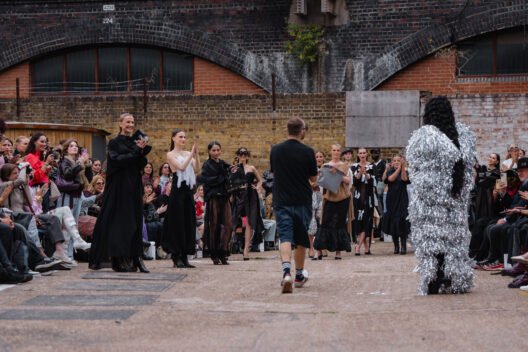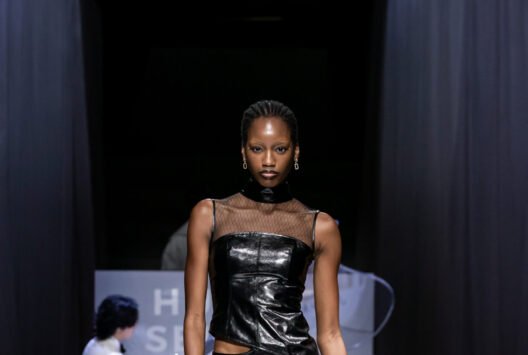
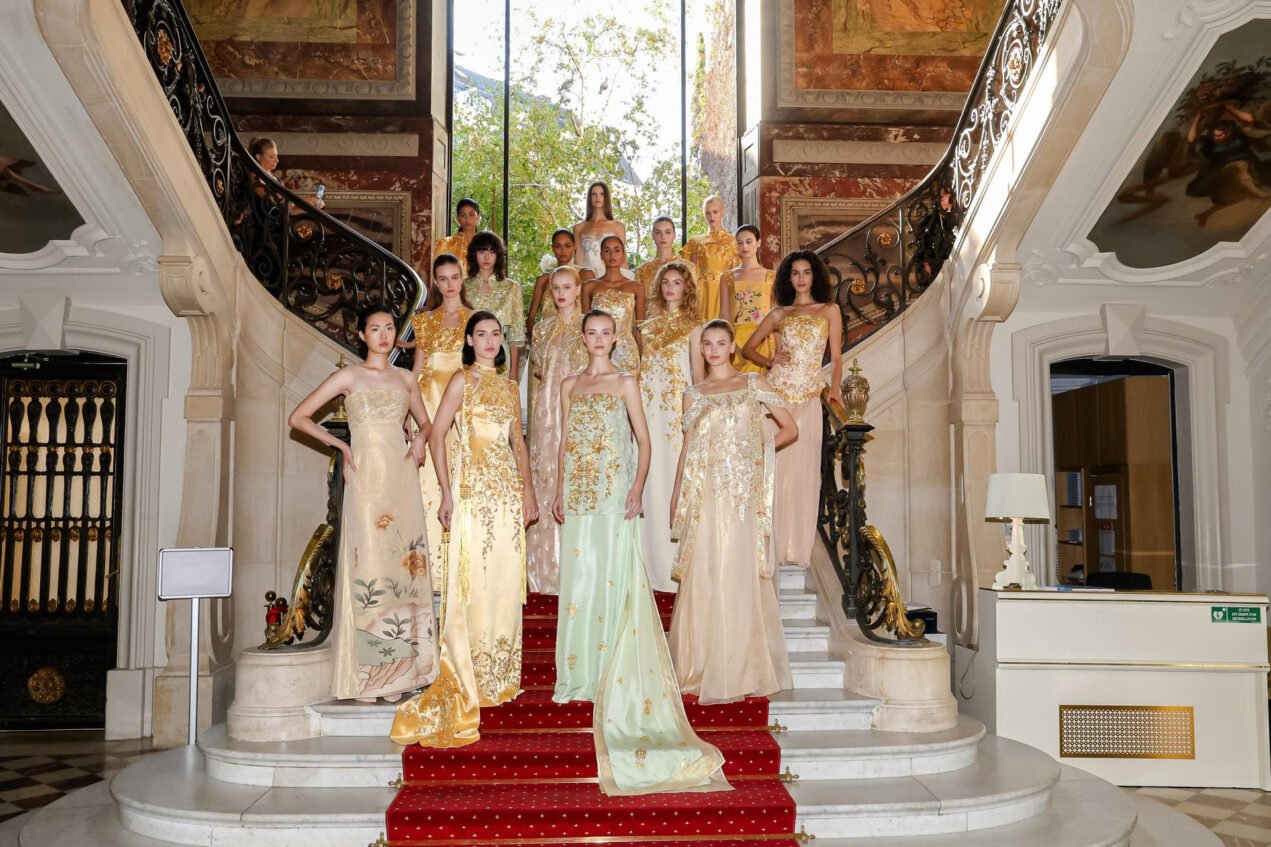
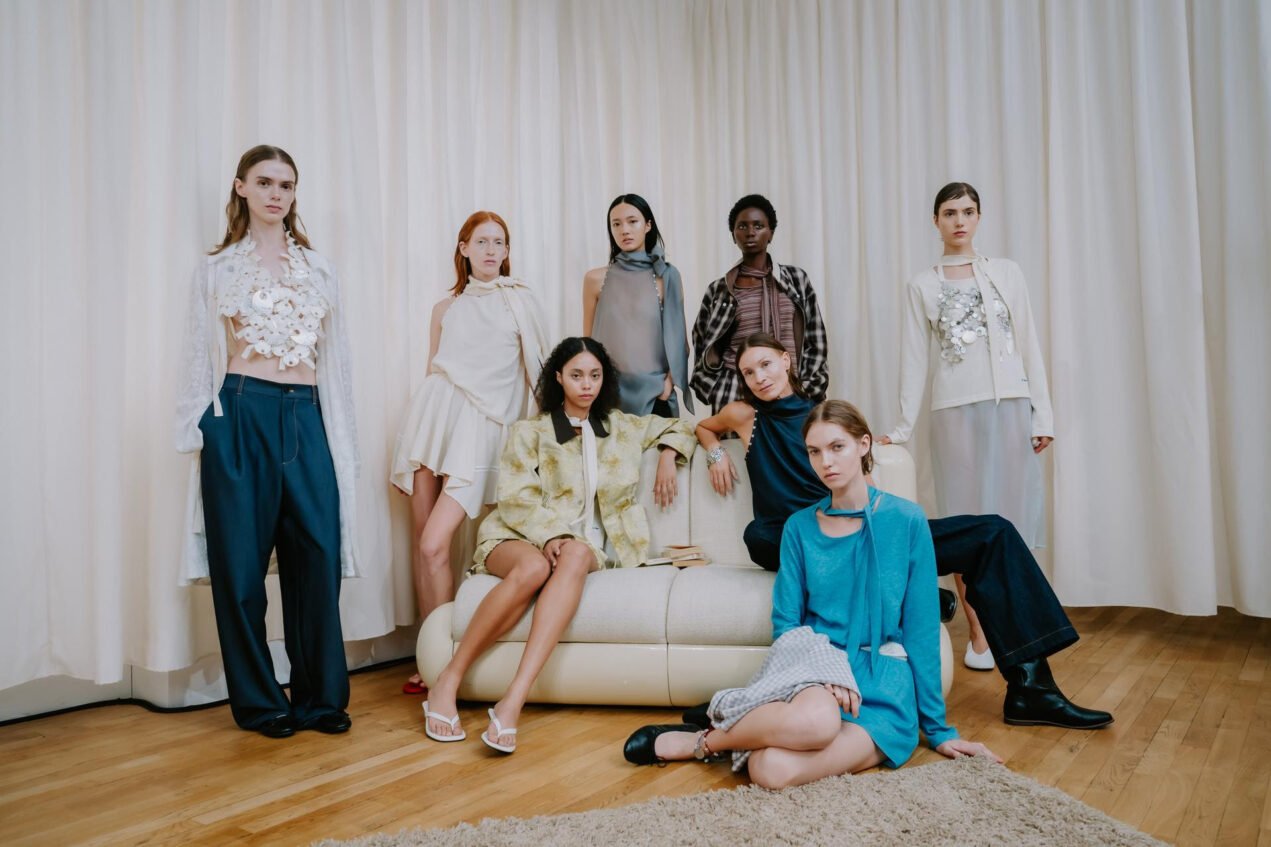
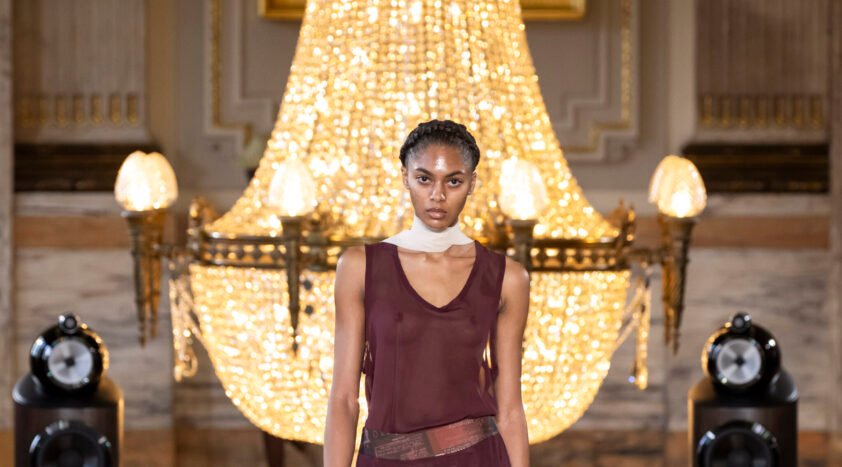
LABRUM’s Osmosis trilogy is an exploration into the movement of culture as it travels across borders. The first two chapters explored this journey through music and textiles. For its final chapter, LABRUM explores this narrative through craft, celebrating the hands that carry culture across borders and generations.
Rooted in the relationship between West Africa and Britain, the collection explores how traditional craft practices interact, travel and evolve. Through weaving, embroidery, leatherwork and beading, Hands of Osmosis considers the knowledge and skill passed from maker to maker.
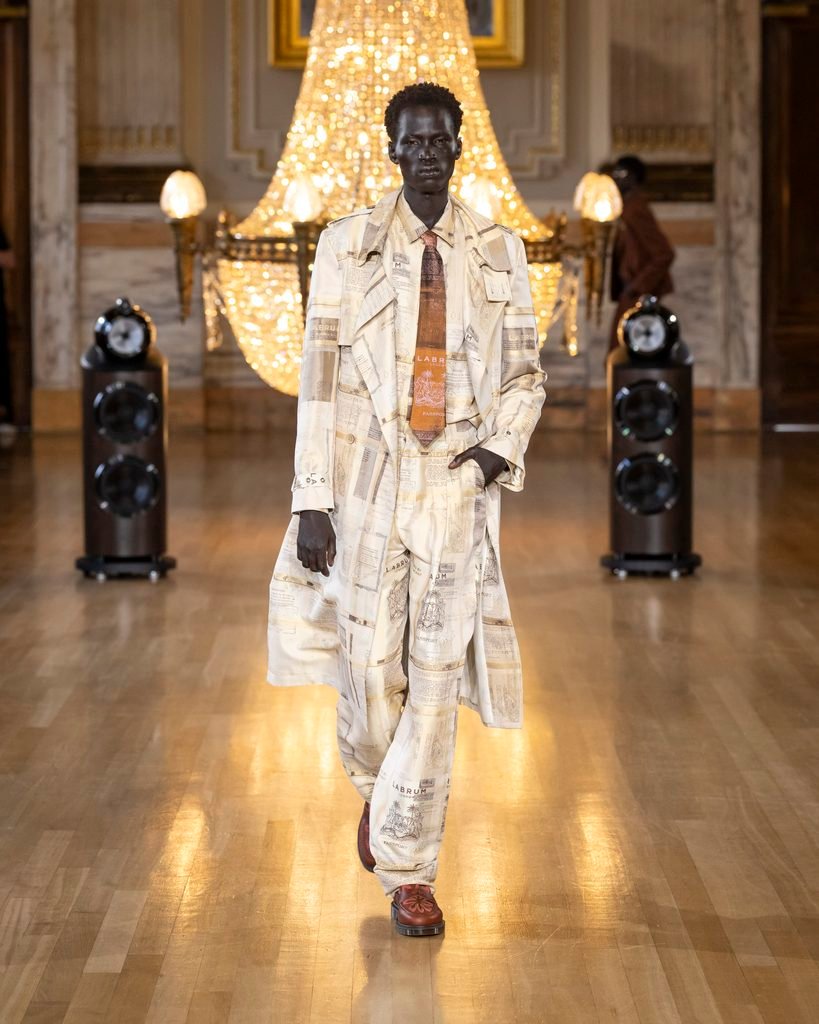
Culture never stands still. It moves with people. It crosses borders, gathers new meanings and finds new homes. Throughout the Osmosis trilogy, LABRUM has explored this movement through sound and through textiles. Hands of Osmosis brings that journey to its final chapter by celebrating the human act that makes culture possible: craft.
Before culture is worn, it is made.
Before history is written, it is held in the hands of those who weave, stitch, carve, mould and build. Long before passports existed, our hands carried knowledge from one generation to the next. Every stitch, every woven fibre and every carved object holds the memory of someone who came before us.
As someone born in Sierra Leone and raised in London, I’ve always been fascinated by what happens when cultures meet. Not what is lost, but what is created. Craft reminds us that culture has never belonged to one place. It has always travelled with people.
This season explores the shared language of making between West Africa, India and Britain. Through tai loring, weaving, leatherwork, embroidery and sculpture, traditions separated by geography reveal a com mon belief: that craftsmanship is built on patience, precision and the passing of knowledge from one pair of hands to another.
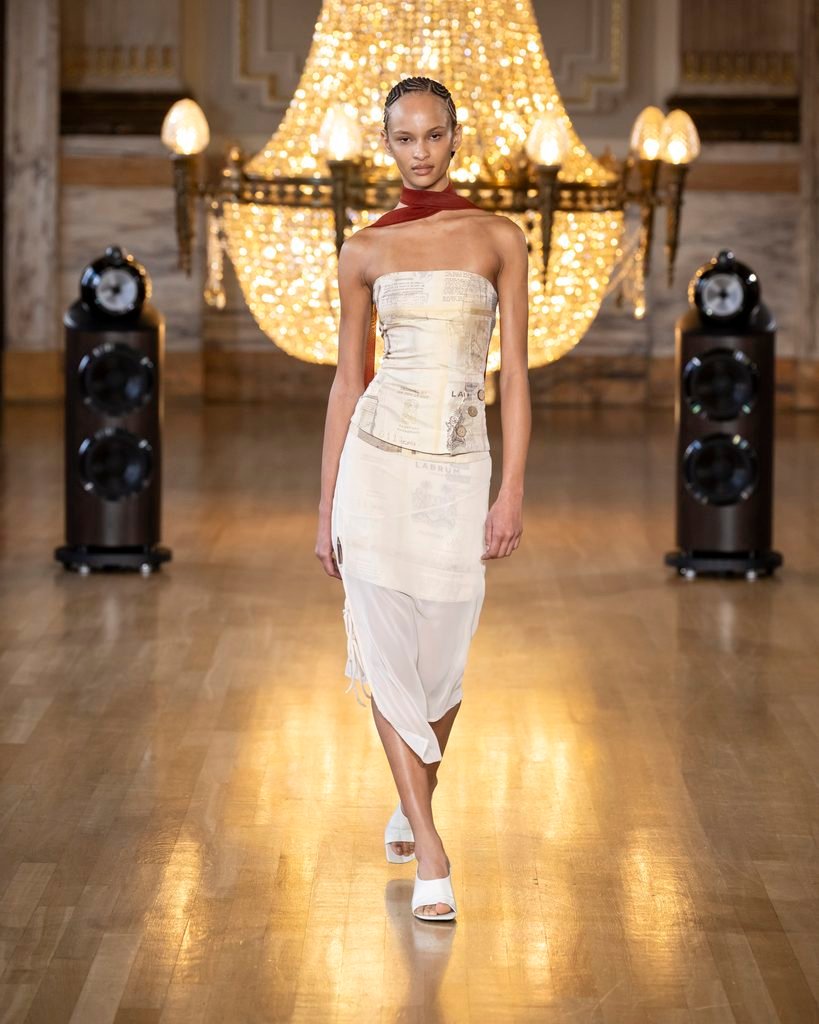
Handcrafted raffia trousers made in India are inspired by the Mende tribe masquerade Goboi. The mas querades are a means of mediating between the community and the medicine societies that are at the centre of life in the Mende tribe. The layering of raffia and beads are designed to resemble the movement of the traditional dance that takes place.
That journey is woven throughout the collection.
Working with British milliner Lucy Barlow, LABRUM reimagines traditional woven headwear, bringing to gether West African weaving techniques with British millinery. Sculpted leather bags draw inspiration from the forms created by West African ceramicists and woodcarvers, translating familiar craft traditions into contemporary accessories.
We also introduced eyewear to the collection this year, with a range of bold acetate and metal frames drawing inspiration from the expressive styles of 1970s West African icons. Sculptural silhouettes, premium materials and signature Nomoli detailing reinterpret this influence through LABRUM’s distinct British-West African lens.
At the heart of the collection is the ‘Mamie Bakie’ series of hand embroidered garments inspired by mem ories of my grandmother working at her market stall in Sierra Leone. These pieces honour the quiet dignity of everyday labour and the women whose hands shaped communities long before their stories were ever documented.
Recommended For You
POET-LAB returns to London Fashion Week with ‘REMEMBER’ SS27.
The conversation continues through the utilisation of the Olokun flower, a motif inspired by traditional Ni gerian Adire indigo textiles. Reimagined through contemporary sportswear, our collaboration with adidas, allows the symbol to become another expression of cultural exchange travelling across continents, mate rials and generations while remaining rooted in its original story.
This season we also debut our AW26 adidas Adizero EVO SL footwear and apparel collaboration, shown alongside the adidas Stan Smith London City Series pack on the runway. Together they bring the collec tion’s story of craft and cultural exchange into everyday sport and style. The full adidas collaboration is available to buy from 1st of October.
Colour throughout the collection draws inspiration from Jacob Lawrence’s The Shoemaker and The Seam stress, paintings that celebrate makers at work and the beauty found in everyday craftsmanship.
Leaning into the vibrant and rich palette that Lawrence presents, the Olokun flower motif and its symbolic presence carries through to British footwear, with these themes and conversations remaining at the fore front of our latest collaboration with Dr Martens.
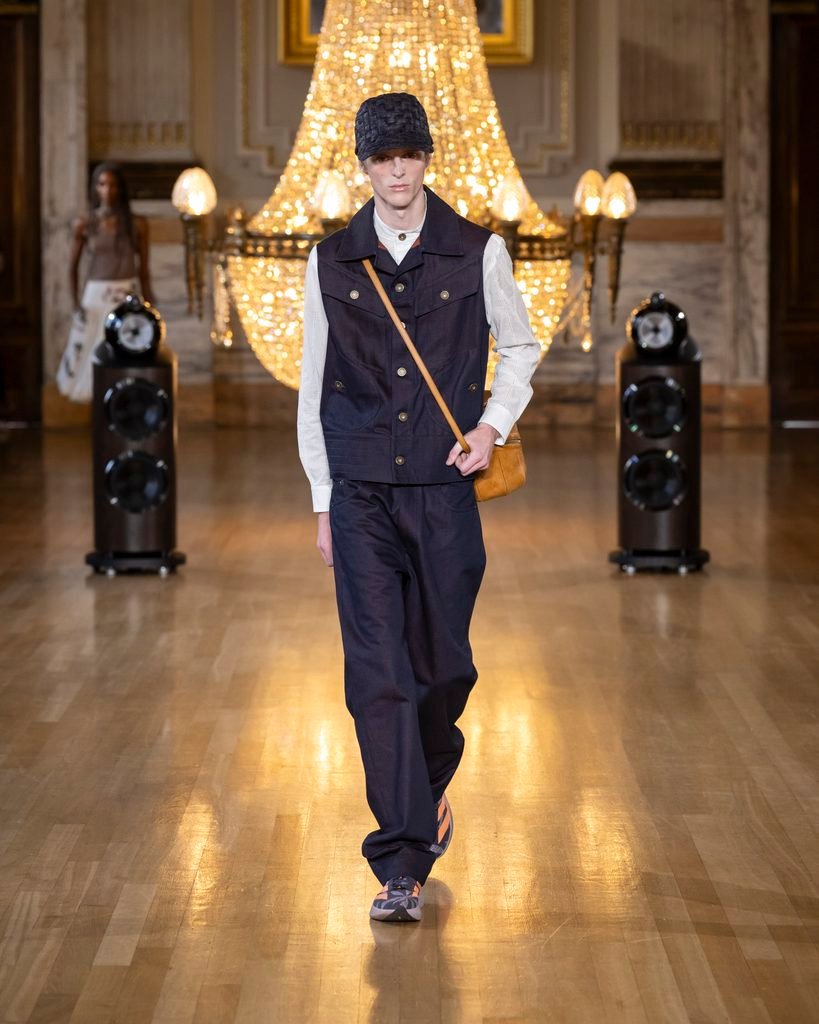
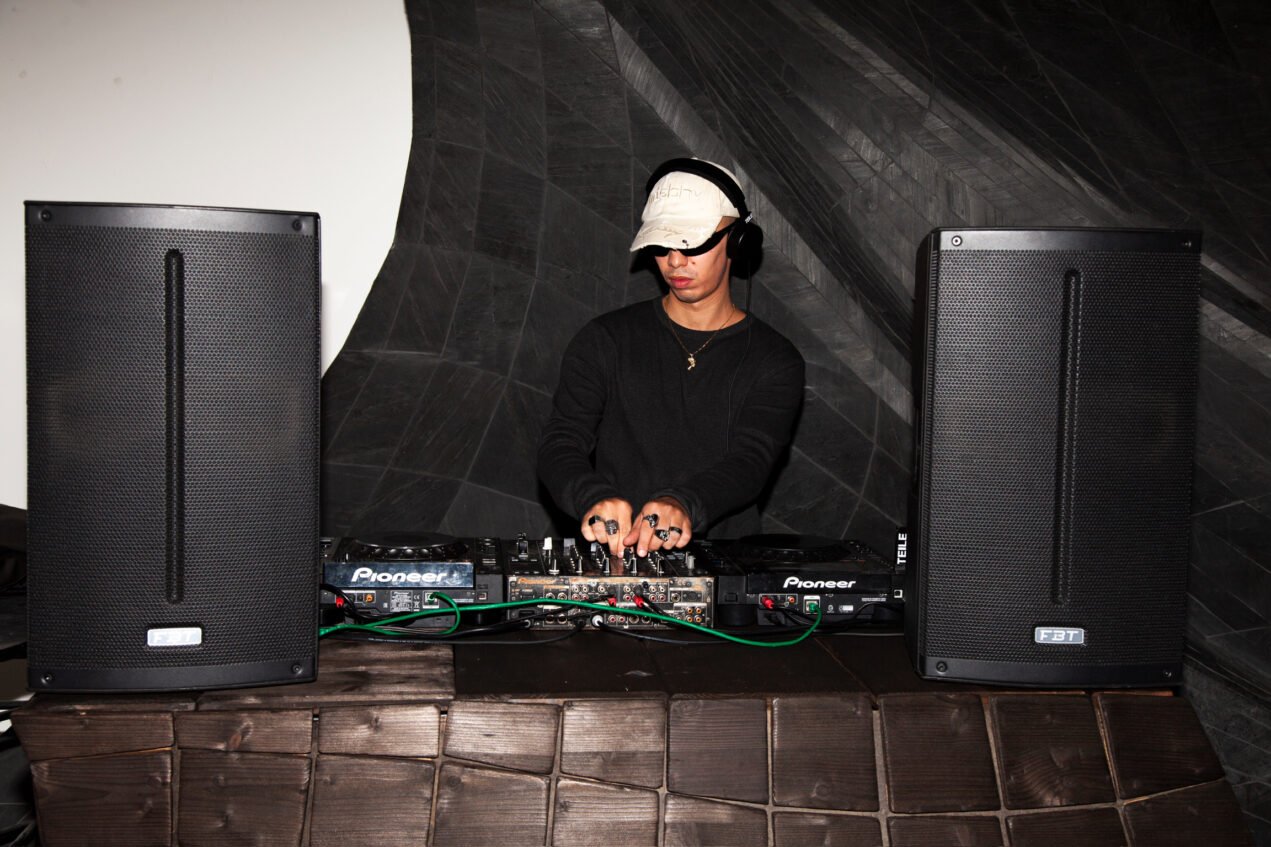
We worked with Sampha to create soundscape and score the sound for the show.
“I connect on a real deep level to the energy of what LABRUM is expressing being Sierra Leonean British and growing up in London. The fruits of my craft being fed by that dialogue between then space…the place and time. The threads between them are really in the rhythms, the textures, the sounds and the tempo. I wanted the journey to feel kinda psycadellic.. transporting you through different landscapes and temporalities sonically/emotionally…joy…isolation..togetherness. Was a pleasure to have a space to express myself in conversation with the collection.” – Sampha
He has lent his harmonious vocal and piano skills to lift the sound of the collection. We also collaborated with Bowers & Wilkins to elevate the acoustic sound environment for the venue space, who also created a bespoke version of its award-winning Px8 S2 headphones with the LABRUM monogram fabric and en graved with LABRUM motif for the runway as well.
Across the collection, craft becomes a way of tracing migration itself. Techniques rooted in West Africa meet British traditions of making and are reinterpreted through a contemporary lens. The result is not the preservation of tradition, but its continuation.
Because culture does not survive through objects alone. It survives through hands. Hands that build. Hands that teach. Hands that carry stories across oceans. Hands of Osmosis is dedicated to those hands. The hands that continue to shape who we are.