


What if the colours you wear are influencing how you see yourself before anyone else does? According to Vienna colour stylist Eszter Anita Tóth, colour is not decoration but identity made visible, a language of energy, confidence, memory, and self-perception. The fashion designer turned colour stylist has built her practice around helping women understand not just what looks beautiful on them but what feels emotionally aligned.
In this conversation with FAB L’Style, Tóth reflects on the psychology of colour, the quiet fear many women have of visibility, why trends often disconnect people from themselves, and how style can become a form of personal empowerment rather than performance.
FAB: How did you get started in colour styling, and what training or systems do you use (e.g., seasonal analysis)?
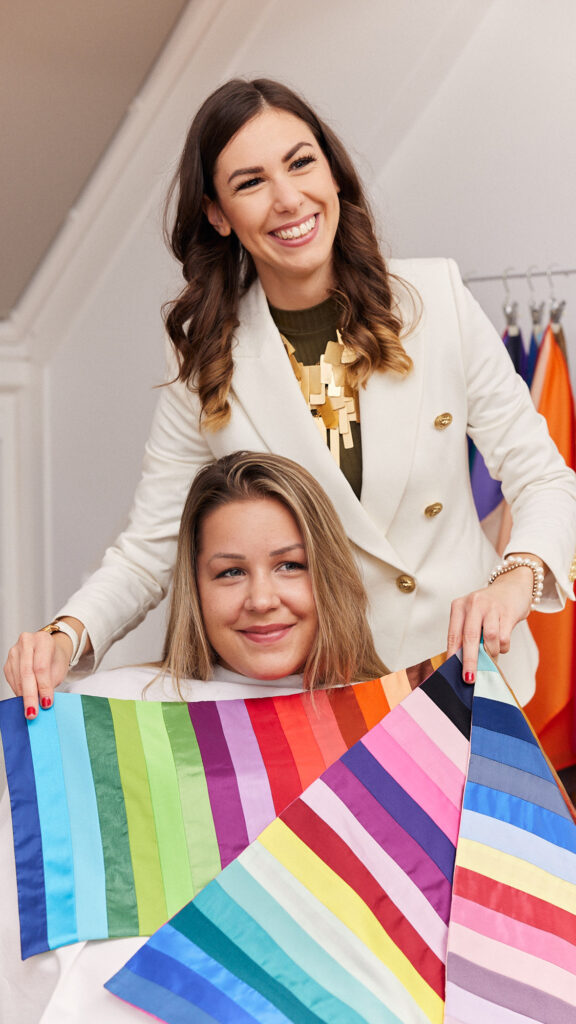
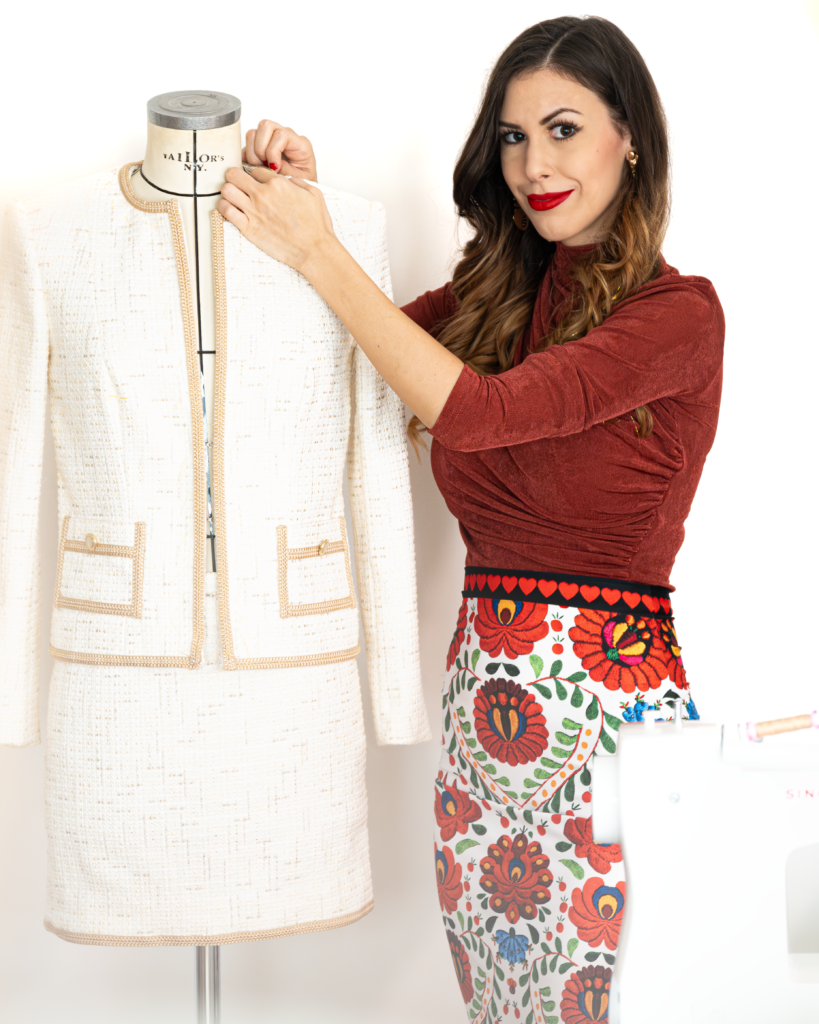
Eszter Anita: My background is originally in fashion design. I quickly noticed how much of an impact the right colour has: it fascinated me that a client could look exhausted in black but radiant in a soft peach. This led me to specialise in colour styling. I now work with a 10-season system, as it provides much more versatility for my clients’ daily wardrobes and makes shopping a lot easier.
FAB: Do you think people are born knowing their colours, or do they lose that awareness over time?
Eszter Anita: I truly think we sense it intuitively. If you look back at childhood memories, you can often see how we were drawn to certain colours in our toys or clothes. However, as we grow, that innate awareness is often overshadowed. We start to be influenced by trends and the desire to fit in during our school years. This continues into adulthood, where professional dress codes often take priority over our natural instincts.
Apparently You’ve Been Wearing the Wrong Colours
FAB: Can you explain your process for determining someone’s best colour palette?
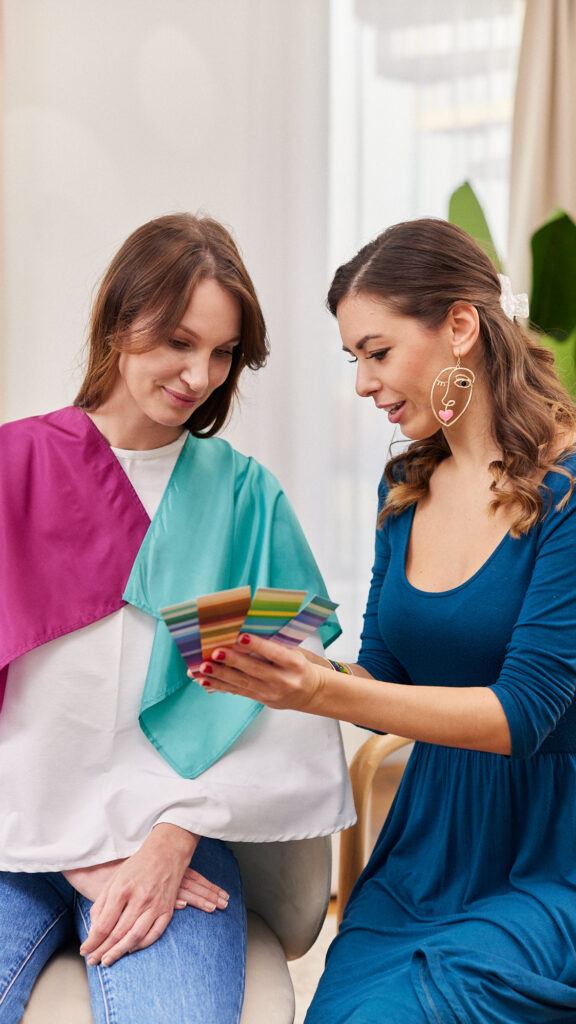
Eszter Anita: We always start by comparing warm versus cool tones. It often feels like magic, but it’s actually physics. Holding a yellow-toned drape against cool-toned skin can make the complexion look sallow or tired, often accentuating under-eye circles. After testing over 100 different drapes, a clear picture of what works for the individual begins to emerge.
Then comes the most important part: personality. I would never assign a ‘loud’ electric blue as a signature colour to a quiet, introverted woman, as it wouldn’t truly reflect her character. That said, I always encourage my clients to gently step out of their comfort zones—in a friendly and supportive way.
FAB: How do colours reveal parts of us that words often cannot?
Eszter Anita: It is impossible not to communicate through our clothing; we are constantly sending signals, whether we realise it or not. Every outfit tells a story, and colour is the opening chapter. While words require conscious thought, colours speak directly to the subconscious. It reveals our energy, our mood, and our essence—often expressing a level of confidence or vulnerability that words might struggle to capture.
FAB: Have you ever encountered a moment where the “right” colour changed how someone sees themselves?
Eszter Anita: Countless times. The most rewarding part of my work is watching a client’s eyes instantly light up when we find their perfect shades, and, as the saying goes, the eyes never lie. In that moment, something shifts. They stop focusing on their perceived flaws and start seeing their natural radiance. It’s as if they are meeting their true, most vibrant selves for the very first time.
FAB: As a colour stylist, you read people through the shades they gravitate toward. What is the first thing you notice when you meet someone?
Eszter Anita: Aside from the palette they’re wearing, I always look for a welcoming smile and open body language. I’m fascinated by how someone’s facial expressions change when they feel comfortable in what they’re wearing. I notice immediately if their clothes are ‘wearing them’ or if they are truly shining.
FAB: Do you believe colour can influence confidence, or does confidence influence colour?
Eszter Anita: I believe it’s a two-way street. On days when we feel a bit insecure, colour can act as a form of visual armour. For me personally, a bold red lipstick can instantly boost my mood and give me a sense of strength.
Why Some Colours Make You Look Tired and Others Make You Glow
FAB: Are there colours people are afraid of, and why?
Eszter Anita: Absolutely. Especially here in Vienna, I notice a strong tendency to hide behind minimalism and ‘safe’ neutrals. When I talk to people, many admit they are afraid of what their social circle or peers might think. There is a real fear of being ‘too much’ or attracting the wrong kind of attention. As a result, they choose to blend into the background rather than stand out.
FAB: How much of a colour choice is personal, and how much is shaped by culture or environment?
Eszter Anita: It really comes down to how conscious and confident you are in your own skin. Without that knowledge, it’s easy to let culture or current trends dictate your wardrobe. But when you know your colours, you become immune to the ‘noise’ of the fashion industry. Culture might suggest a certain ‘look’, but your personal palette is your unique signature.
Recommended
Colour Psychology: How Tile Colour Can Affect Your Mind
FAB: What is the most common misconception people have about style?
Eszter Anita: Many believe that being stylish means following every fleeting fashion trend. That couldn’t be further from the truth. Real style is about self-knowledge, not trend-chasing. Once you understand the physics of your colour palette and your unique silhouettes, you become immune to the ‘noise’ of the fashion industry.
FAB: How do you help someone move from dressing to impress others to dressing in alignment with themselves?
Eszter Anita: Style is an intimate journey from the inside out. I start by understanding my client’s character and lifestyle before defining their unique visual language through colour and body analysis. We then edit the wardrobe to remove anything that feels like a ‘mask’, replacing it with a strategic shopping list. The goal is to shift the focus from dressing for a reaction to dressing for a connection with oneself.
Your Favourite Colour Might Be Saying More Than You Think
FAB: How do you help clients incorporate their ideal colours into everyday wardrobes?
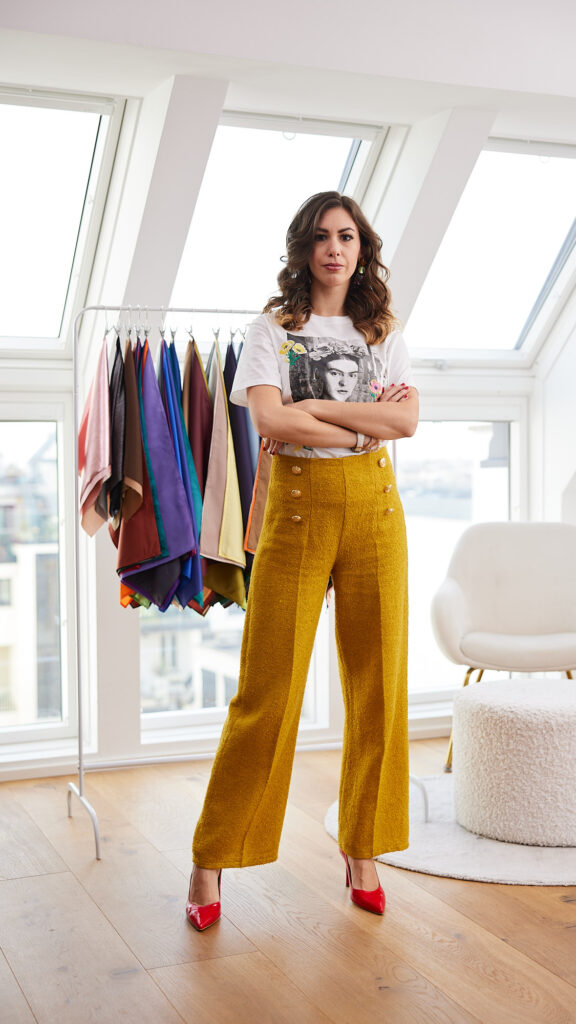
Eszter Anita: My work goes far beyond a simple analysis; I provide a complete strategy for translating those colours into a functional wardrobe. We use colour as a tool for visual architecture. By playing with contrast and the physics of light, we can strategically balance proportions.
FAB: If you were to describe your creative world in colours, what palette would it be?
Eszter Anita: I would describe my world as a vibrant autumn landscape. It’s built on a foundation of warm, yellow-based hues—think burnished gold, deep rust, and olive. This palette feels both energising and comforting.
FAB: What factors (skin tone, undertone, contrast, eye/hair colour) matter most in your analysis and why?
Eszter Anita: While the skin’s undertone is the primary focus, a successful analysis requires a holistic view. I look at how eye and hair colour create contrast, but I always prioritise the individual’s character. My goal isn’t just to find colours that ‘fit’ your skin—it’s to find colours that empower the woman wearing them.
FAB: What are common mistakes people make when choosing colours for clothing or makeup?
Eszter Anita: Many people default to what I call ‘autopilot styling’—choosing safe, muted colours or following trends because they haven’t yet discovered their own unique palette. Without an awareness of their skin’s undertone, they often choose shades that drain their energy visually.
FAB: How do fashion trends influence your recommendations, if at all?
Eszter Anita: My focus is entirely on the person and the essence of their image. Trends are optional tools, not rules. If a trend fits a client’s unique identity, we take it; if not, we leave it. My goal is to ensure my clients own their look rather than being a reflection of the latest fashion season.
Eszter Anita Tóth Thinks Fashion Begins with Self-Knowledge
FAB: What’s your opinion on trend colours versus timeless palettes?
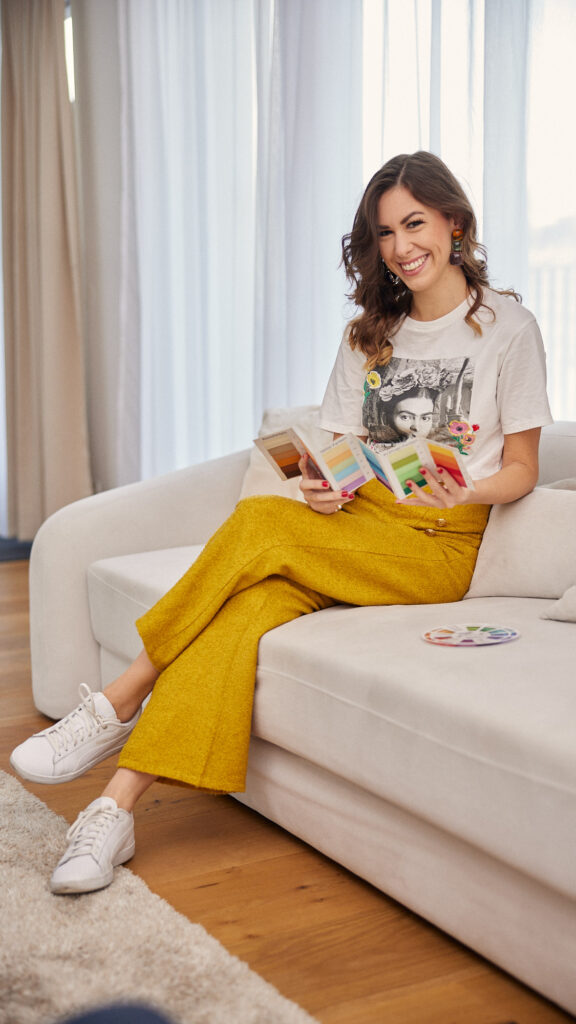
Eszter Anita: As a maximalist stylist, I believe that style should be a source of constant fascination. While timeless palettes provide a reliable foundation, I thrive on experimentation and the energy of the new. To me, staying strictly within the ‘timeless’ lane can feel stagnant. I want my clients to have an image that is as dynamic as the business world itself. I use trend colours to inject a fresh, forward-thinking perspective into their wardrobe, ensuring they don’t just blend in, but truly vibrate with confidence.
FAB: Can you share a memorable client transformation or success story?
Eszter Anita: I had a client who lived in a ‘sad world of black’ simply because she was unsure of her choices. Through our styling journey, we discovered her ‘Icy Summer’ palette, shifting her look toward a soft, feminine elegance. Now, every time I see her, she is glowing. She didn’t just change her clothes; she reclaimed her confidence and finally looks as vibrant as she feels. Seeing her shine in total alignment with her essence is exactly why I do this work.
FAB: How do you handle clients who are emotionally attached to colours that don’t suit them?
Eszter Anita: I don’t believe in forbidding colours. If a shade holds deep personal meaning, it has a place in my client’s life. However, I find that once a woman sees herself in her truly harmonising shades, the realisation is instant—the mirror doesn’t lie. My goal is to guide that transition gently.
FAB: Who is Eszter outside of colour styling and fashion?
Eszter Anita: I’m an artist through and through. When I’m not styling, I’m usually singing, dancing, or painting. These passions allow me to recharge and reconnect with myself.
FAB: What colours do you find yourself drawn to in your most personal moments?
Eszter Anita: I always find my centre in turquoise. Its connection to the sea brings me immediate clarity and calm. I actually had a period of ‘turquoise fever’ where my friends gave me so many gifts in that colour that it even overwhelmed my maximalist heart. Now, I cherish it as a personal retreat—a shade that doesn’t demand attention but instead offers a space for reflection and quiet strength.
FAB: What is your vision for the future of colour analysis and personal styling?
Eszter Anita: I want to transform personal styling into a catalyst for female empowerment. My vision is for every female entrepreneur to use colour and style as a strategic voice. By harmonising their appearance with their unique personality, I help them build a brand that is both visible and unstoppable. I don’t just want to help women look their best; I want to help them feel powerful enough to conquer their goals and change the landscape of business.
FAB: If you could leave people with one truth about colour and identity, what would it be?
Eszter Anita: I believe every day is a celebration and a gift. I see so many women holding back, keeping their most beautiful pieces tucked away because they feel ‘too special’ for a normal workday. Life is simply too short to hide behind muted basics. As one of my greatest inspirations, Iris Apfel, famously said, ‘More is more and less is a bore.’