
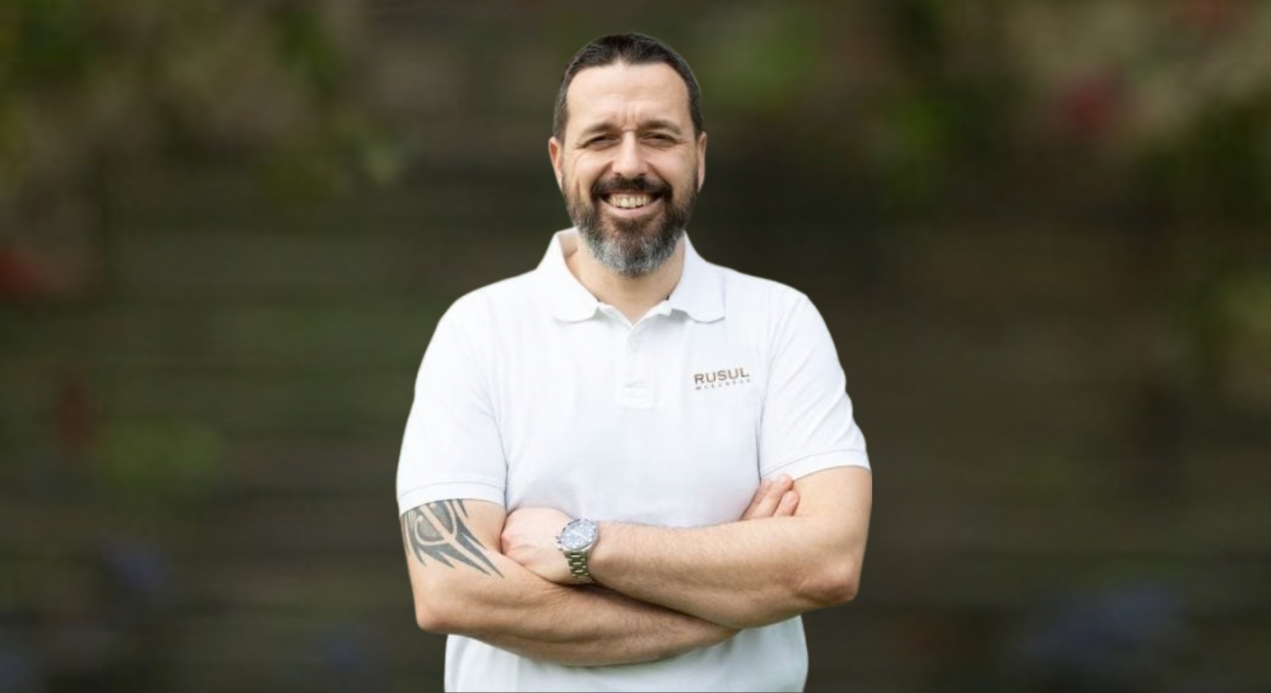
Luxury hospitality is increasingly measured by something that cannot be photographed or displayed in a lobby: how a guest feels when they leave. At Spalato Spa at Radisson Blu Resort & Spa, Split, Damir Majic is working at the intersection of wellness, hospitality and business, creating experiences designed around restoration, personalisation and connection.
The global wellness economy reached an estimated $6.8 trillion in 2024, with wellness tourism alone accounting for about $894 billion, reflecting how wellbeing has moved from a supporting hotel amenity into a major part of the travel experience. For Majic, however, exceptional wellness is not simply about facilities or technology. It is about understanding people, developing teams and creating an experience that genuinely leaves guests feeling better than when they arrived.
From Physiotherapy to Luxury Hospitality
FAB: You trained as a physiotherapist before building a career in luxury hospitality. What did working with the human body and wellbeing teach you that later became an advantage when managing luxury spa and hospitality experiences?
Damir Majic: My education in physiotherapy really shaped the way I see people, and that stayed with me throughout my career. As a physiotherapist, you study the human body and understand that everything is connected: physical wellbeing, mental balance, movement, recovery and the environment around us. You also learn that every person is different.
That understanding became very valuable when I moved into spa management and luxury hospitality. You cannot look at a spa as simply a place where people come to receive treatments. For me, it is a place where we have an opportunity to make a genuine difference in how someone feels.
My clinical background also taught me to look beyond appearance and ask the right questions. What does this person need? What can we do to make the experience more meaningful? What can we provide that will genuinely benefit the state they are in?
I still use that approach today. Beautiful spas and beautiful surroundings are important, but understanding people and their needs is what adds real value to the experience.
Luxury Across Cultures
FAB: You have worked across very different markets, including Croatia, Qatar and Russia. What have those environments taught you about the fact that luxury may look different from one culture to another, while certain expectations of exceptional service remain universal?
Damir Majic: When you work internationally, you understand that luxury for me and luxury for you are not necessarily the same. Working in Croatia, Qatar, Russia and other markets exposed me to different cultures, expectations and ways of expressing hospitality.
In some of these environments, guests value privacy and discretion. In others, they may place more importance on personal attention, recognition or a strong sense of connection. The most important lesson for me has been to listen, observe and understand the people we serve.
At the same time, I believe some expectations go beyond cultural differences. People want to feel welcome. They want to trust the person looking after them. They want professionalism, genuine care and the feeling that they are understood without having to explain everything.
You cannot follow a fixed script in a service industry. You need to know when to adapt, when to anticipate a need and when to give someone space. That is what makes hospitality challenging, but also rewarding, especially when you work across different cultures and environments.
What the Numbers Do Not Show
FAB: Your numbers tell an impressive business story: 40% growth in spa revenue, exceeding GOP targets by 20%, and guest satisfaction reaching 93%. What actually sits behind numbers like these? What are the decisions, systems and people that guests never see but that make luxury hospitality financially successful?
Damir Majic: I cannot point to one major decision and say that it created those results. They come from many small decisions made consistently. Consistency is the key.
Guests see the treatment room, the therapist, the atmosphere and the experience they receive. What they do not see is the planning, organisation, training and commercial discipline that make those experiences possible. You need to understand your business and behave like an owner. You need to know your costs, revenue, revenue opportunities, team capabilities and, of course, your guests and their expectations.
We need to make sure that the services we offer are relevant and that we use our resources effectively without compromising quality. The experience must remain consistent.
For me, the key is the people. We can have amazing facilities and impressive treatment menus, but if the team is not motivated, well organised and knowledgeable, there will be a problem. You cannot provide an exceptional experience without the right people.
Financial results and guest satisfaction go hand in hand. If you understand your guests, develop your people and manage the operation responsibly, you create a foundation for sustainable growth. Numbers tell us what happened, but the people, decisions and standards explain why. Most importantly, you need to lead by example. You need to walk the talk.
Innovation With a Purpose
FAB: You were involved in launching wellness initiatives that were described as pioneering in Qatar. How do you decide when a wellness trend is genuinely valuable to guests and when it is simply another fashionable idea the industry is selling?
Damir Majic: Innovation has always interested me, but I am also curious about whether something is valuable simply because it is new. Working in wellness has taught me to stay curious while also being practical.
New technologies and treatments can create exciting opportunities, but we need to ask whether they genuinely improve the guest experience. We need to consider the guest’s needs, the credibility of the treatment or service, and the ability of the team to deliver it.
What is the purpose of creating a beautiful or advanced treatment if the team cannot deliver it properly? Does it address a real need? Can we explain its benefits clearly to the guest? Is it appropriate for the people we serve? Does it fit into the wider purpose of the spa?
My physiotherapy background also influences how I think about treatments. They can promote relaxation, but they can also support health and recovery, which are important in a wellness environment. In our spa, we combine personalised treatments with modern wellness and beauty technologies.
Technology is not the objective by itself. I want to make sure that anything we introduce has a clear purpose and makes the experience more meaningful. Genuine innovation is not about being the first to offer something. It is about offering something that is genuinely worth the experience and makes a difference.
The Luxury That Remains
FAB: Luxury hospitality is increasingly moving beyond beautiful spaces and expensive treatments towards experiences, personalisation and wellbeing. What do you think the luxury guest of 2026 is really paying for: the product, the service, the feeling or the transformation they experience afterwards?
Damir Majic: In luxury hospitality, I think guests are paying for the feeling that stays with them after the stay or experience is over. Products matter. Facilities matter. The quality of treatments matters. But none of these things alone can create a memorable experience.
What matters is how everything comes together and how the guest feels as a result. At Spalato Spa, we are fortunate to have the Adriatic Sea and the Mediterranean environment as part of our identity. We use that connection with nature to create an atmosphere where people can slow down, relax and reconnect with themselves.
Every guest arrives with different expectations. Someone may want complete relaxation. Another person may be interested in skincare or a wellness experience. Someone else may simply want to escape everyday life and spend a day with us.
The transformation does not always need to be dramatic. Sometimes the most valuable thing we can offer is for someone to leave feeling calmer, lighter and more balanced than when they arrived. That is what people remember. They remember how they felt afterwards, not only what they received.
The hardware is important, but the software, which is our people, is the key.
Building a Team That Can Breathe
FAB: You have managed people, budgets, performance targets and guest expectations simultaneously. What is the hardest part of creating a culture where employees can deliver extraordinary service consistently without becoming exhausted by the expectation to be extraordinary themselves?
Damir Majic: It comes down to the people. As a leader, I always try to remember that the people delivering the guest experience are human beings. They are our ambassadors and our most valuable asset.
Hospitality can be demanding. There are deadlines, high expectations, different business conditions and guests who have different ideas of what a luxury experience should be. The challenge is to create a culture where people understand and respect high standards without feeling that they must be perfect every moment.
It starts from the top. It starts with me as a leader. I need to give the team clear direction, proper training and confidence. They need to feel confident enough to make decisions when necessary. I also need to listen, recognise their work and reward them. They should feel comfortable asking for help and support.
Leading by example is important, but sometimes I also need to slow myself down and say, “Okay, back down. Leave them alone. Just trust them.” Then I need to let them do their work.
Consistency does not come from constantly reminding people to be exceptional. It comes from the right culture, the right skills and an understanding of why each person’s work matters. My goal is not to create a team that performs under pressure. It is to create a team that feels proud of what we are doing.
The Next Generation of Luxury
FAB: After working at the intersection of wellness, hospitality and business, what do you think the next generation of luxury hospitality leaders needs to understand that previous generations perhaps did not? What part of your own professional philosophy would you never compromise, regardless of how the industry changes?
Damir Majic: I think the new generation of leaders needs to understand that luxury is no longer defined only by what a business owns or how impressive its facilities are. It is about how we understand people and how we respond to them, whether they are guests or members of staff.
Technology, ultra-personalisation, wellness and changing guest expectations will continue to influence the industry, and we need to remain open to those changes. But technology cannot replace human interaction or genuine human connection.
I have learned that commercial success and quality guest experience go hand in hand. We cannot separate them. Numbers, business management and good decision-making support the long-term health of a business, but we can never lose sight of the people who make these experiences possible.
My own philosophy is built on integrity, honesty, professionalism and respect. I believe in doing things properly, treating people fairly, taking responsibility for my decisions and standing firmly on my principles.
The industry will continue to evolve, especially in wellness, but the foundation of every lasting relationship remains trust. Whether it is trust within the team, trust from the guest or trust with our partners, I believe trust is the key.
More Than a Hotel Amenity
FAB: The spa sits within the Radisson Blu Resort, Split, but what you have created is more than an amenity for overnight guests. What was the thinking behind positioning the spa as a destination in its own right, and who did you imagine walking through its doors?
Damir Majic: My idea was to create a spa that people would choose to visit for the experience, not only because they are staying at the hotel. I wanted people to think, “Let me go to the spa and use the facilities,” even if they were not staying overnight.
Split has a strong connection with the sea, nature and the Mediterranean way of life, and that gives us a great foundation for a wellness destination. We try to bring that local identity into a contemporary wellness experience through personalised treatments and a broad range of facilities.
I also wanted the spa to become part of everyday life in the city. Hotel guests may be looking for a restorative experience during their stay, while local residents may want to invest in their wellbeing. Couples may want time for themselves, and other people may simply need a few hours away from their routine.
These are different audiences, but they share one thing: they want an experience that makes them feel better. That is why I see Spalato Spa as more than a hotel amenity. I want people to deliberately choose the spa, whether they are visiting Split for a few days, living here as a local, buying a day pass or becoming a member.
What Makes Spalato Spa Different?
FAB: What does the spa offer that you believe can make someone choose the Radisson Blu Resort, Split, differently from another luxury hotel?
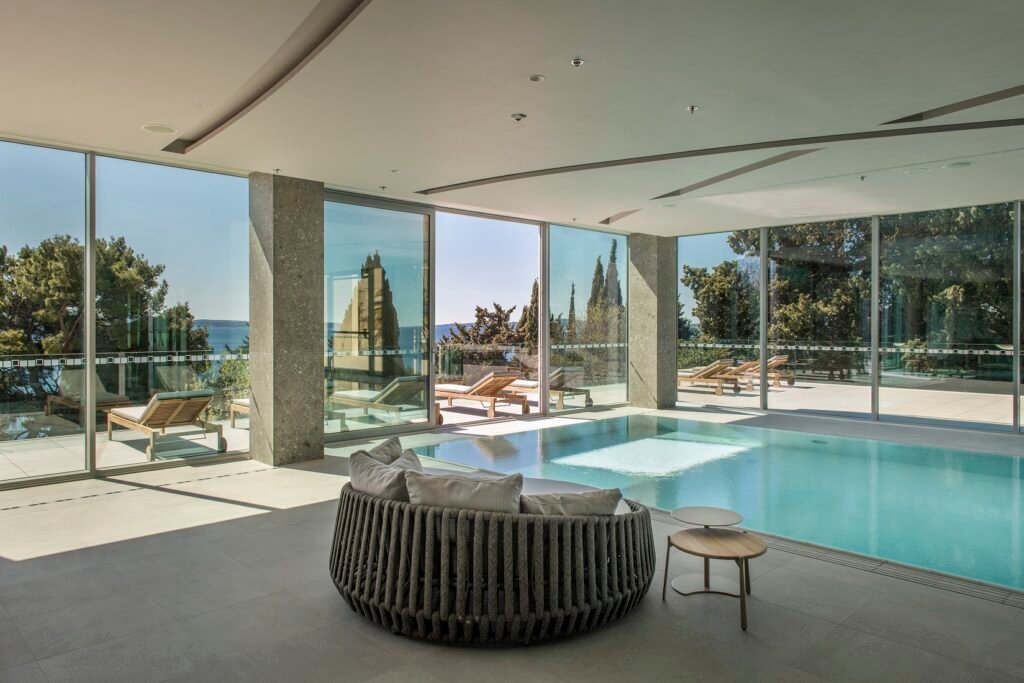
Damir Majic: I believe Spalato Spa is unique because of the way we bring together the Mediterranean environment, wellness expertise and a personalised approach to every guest. The location is a very important part of our identity. The natural light and surroundings give us a sense of place that is difficult to separate from the experience itself.
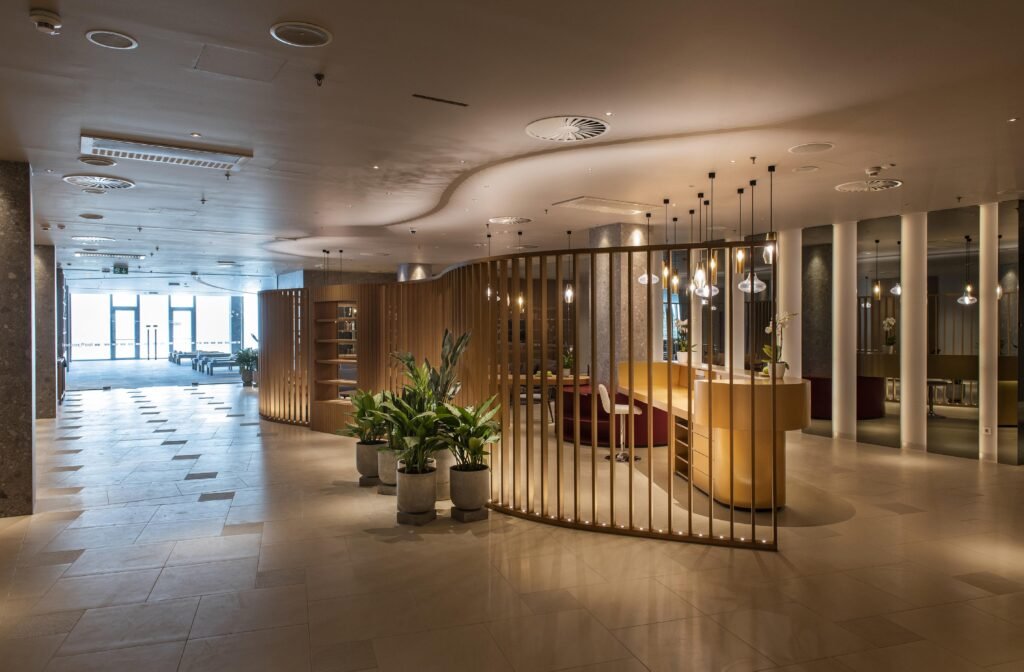
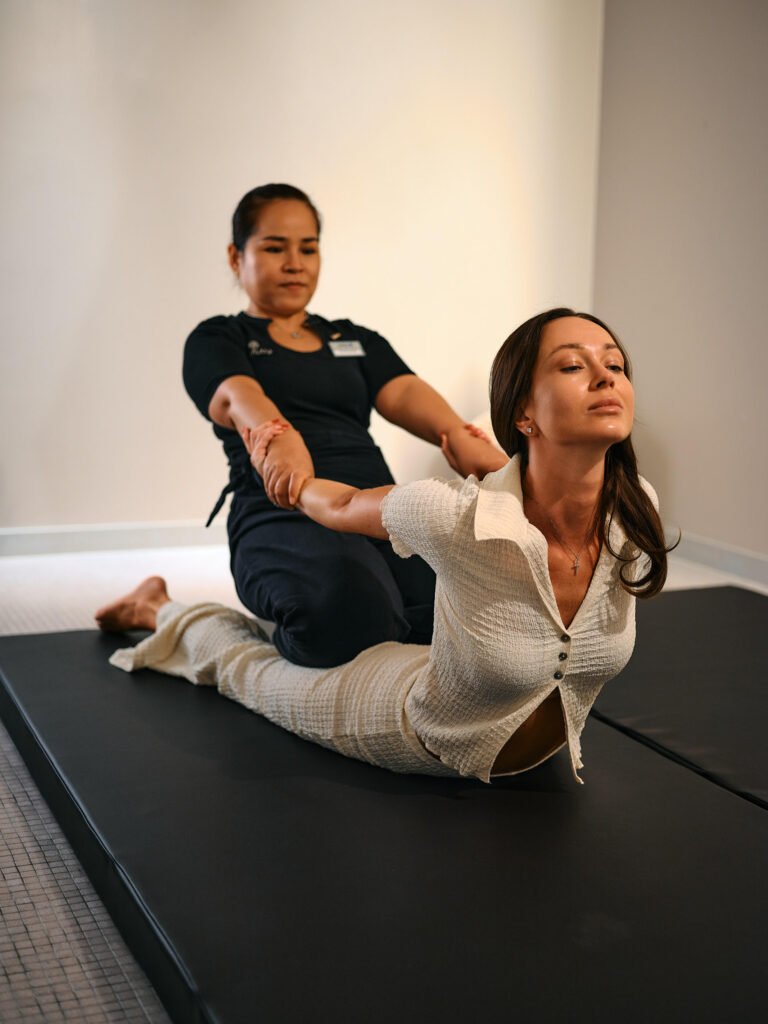
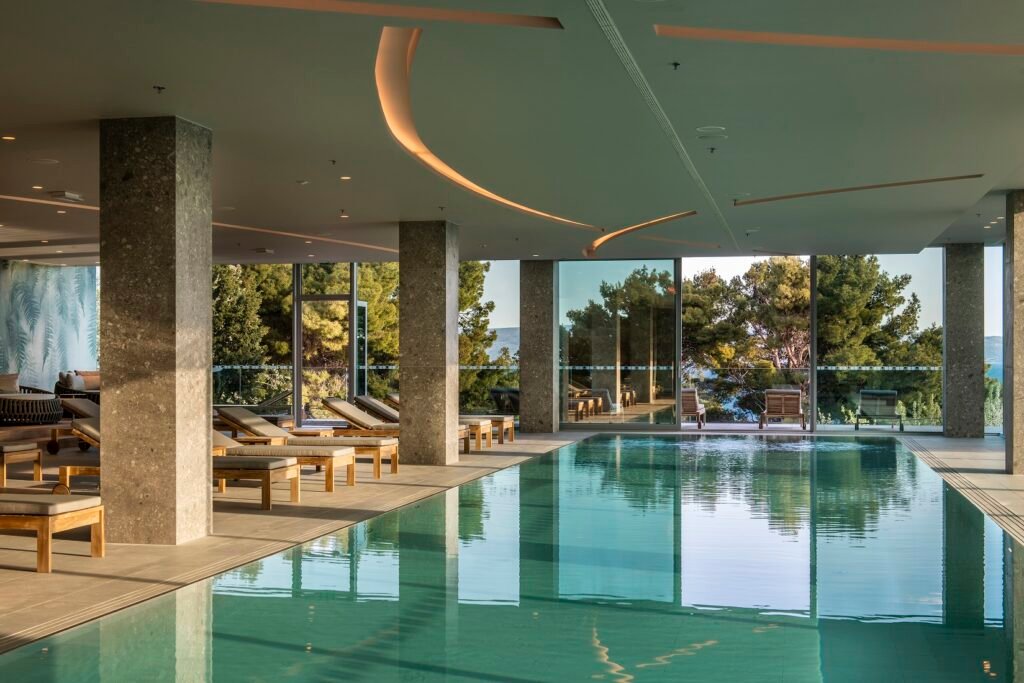
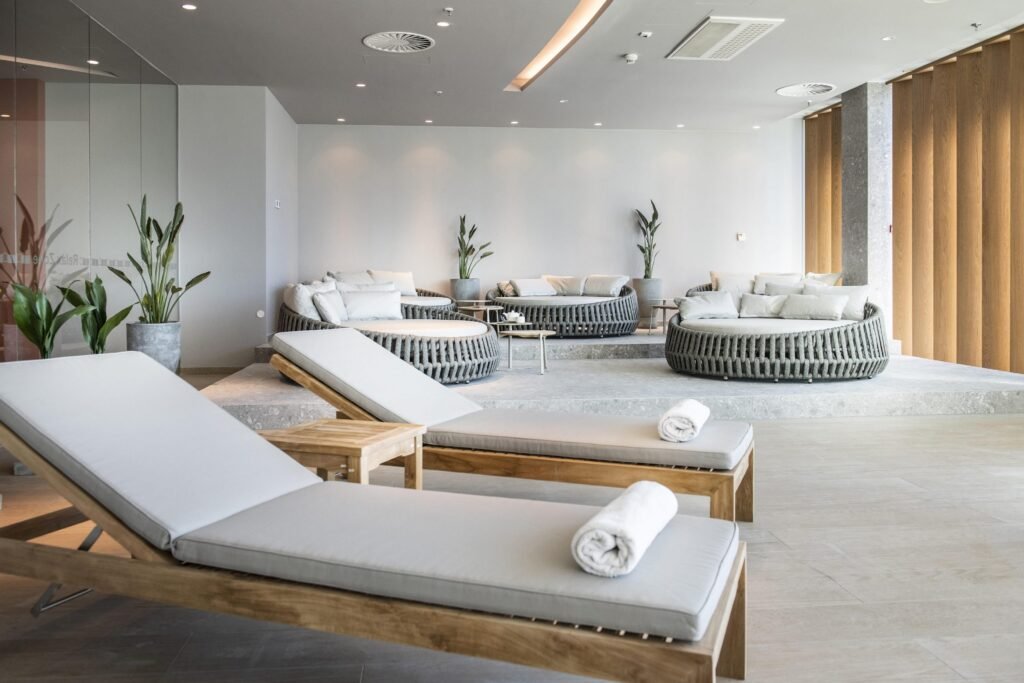
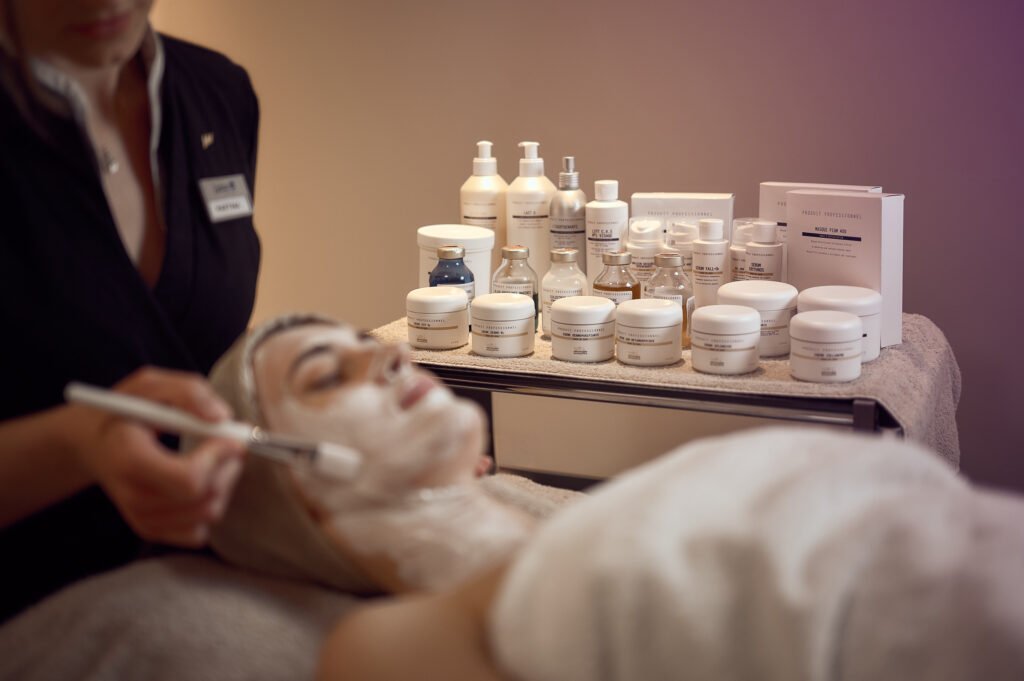
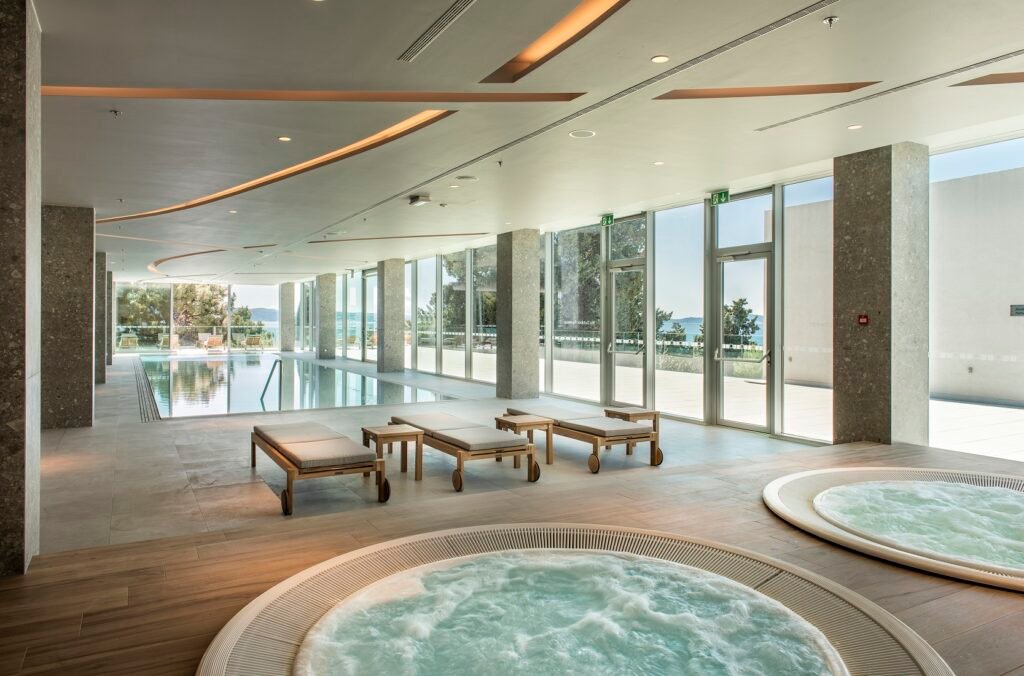
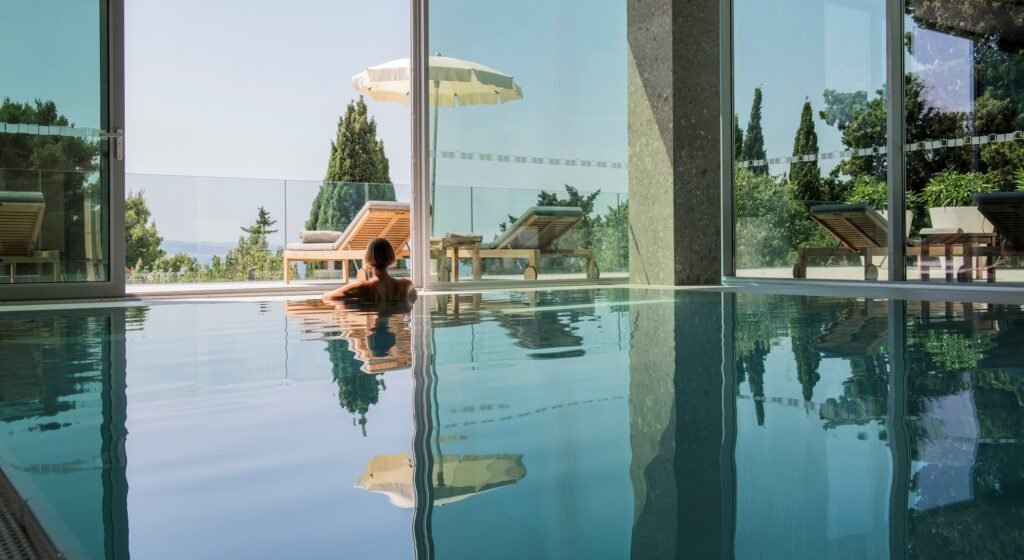
We offer an extensive wellness environment, including an indoor and outdoor pool, sauna, relaxation areas, treatment rooms and a private spa suite. Our treatments also draw inspiration from elements of Dalmatian nature, including water, stone and air. We combine that philosophy with massages, beauty treatments and modern wellness technologies.
However, the spa is not defined only by its facilities. What matters is how all these elements work together and how the guest experiences them as a whole. I want people to feel that Spalato Spa has its own character, rooted in the Mediterranean environment of Split, while offering the professionalism and personal attention expected from a luxury resort.
Personally, I would love for the spa to become one of the reasons people choose the property, not simply an added benefit they receive when they book a room.
One Spa, Different Guests
FAB: A hotel guest might arrive looking for relaxation, while a local guest may come specifically for wellness. How do you design the spa experience so that both audiences feel equally considered without compromising the sense of exclusivity?
Damir Majic: The starting point for any experience is understanding that every guest arrives for a different reason. Someone may want to spend a relaxing afternoon between other activities, while a local guest may visit regularly for a treatment, fitness or membership. You cannot say that one guest is more important than another.
Our responsibility is to understand what each person is looking for and help them make the most of their time with us. This is where personalisation becomes important. We offer different treatments, facilities and spa experiences, and we guide guests towards what suits their needs at that moment.
Exclusivity is not simply about who has access to the space. It is about the quality of the environment, the level of care, attention to detail and the feeling that we have put thought into every treatment and experience.
Someone visiting on a day pass should feel just as welcome and appreciated as someone staying at the hotel for the first time. Every experience should feel personal rather than standardised, whether the guest is staying for a week or visiting for a few hours. That is the key.
The Informed Wellness Guest
FAB: The modern spa guest is becoming much more informed about wellness. They are asking questions about treatments, ingredients, recovery, longevity and results rather than simply wanting to be pampered. How has that changed the way you think about the spa experience?
Damir Majic: Today’s guest expects us to be more knowledgeable, transparent and individual in the way we approach wellness. People want to understand what they are receiving and why a particular treatment or service is suitable for them. They want to know about the ingredients, technologies, benefits and what they can realistically expect.
This means the experience is not only about providing a pleasant treatment. We need to explain the process clearly and professionally. My background in physiotherapy is also important here because understanding the person’s needs before recommending an approach is essential.
We offer a combination of traditional treatments, personalised experiences and modern technologies that can respond to different beauty and wellness needs. We have chosen our products carefully, and we have trained our team so they can properly advise and guide guests.
At the same time, we need to be honest about the limits of what we offer. Not every experience needs to produce a measurable result. Sometimes relaxation, comfort or the opportunity to disconnect can be more valuable than a dramatic outcome.
We cannot promise more than we can deliver. We need to understand our guests, communicate clearly and stand behind what we offer.
Bringing Guests Back
FAB: There is an interesting business opportunity in getting guests to extend their relationship with a hotel beyond the room. How can a spa become a reason for people to return to a property regularly, even when they are not travelling or staying overnight?
Damir Majic: A spa gives us a natural way to build relationships that extend beyond a traditional hotel stay. People usually visit a hotel for a holiday, business trip or special occasion. Wellness can become part of someone’s regular lifestyle, which gives us an opportunity to build a different kind of relationship.
We offer day spa experiences, treatments, access to facilities and membership options that allow people to enjoy the property without staying overnight. For local residents, we want to become a place they can return to regularly, whether they want to relax, enjoy a treatment or simply take time for themselves.
For the business, this creates a connection with the local community and an opportunity to develop lasting relationships beyond accommodation. But every visit still needs to be worthwhile.
People do not return simply because they have a membership or because we have good facilities. They return because they trust the team and feel that their time with us is valuable. At the end of the day, it comes down to knowing our guests, understanding their needs and taking care of the small details.
The Feeling Guests Take Home
FAB: From your experience running spas in different international markets, what makes a spa genuinely memorable? When a guest leaves the Radisson Blu Resort, Split, what do you want them to remember that goes beyond the treatment itself?
Damir Majic: A memorable experience is one that allows you to forget the outside noise and your everyday life for a while. It does not have to be the most expensive treatment or the most advanced technology on our menu.
Sometimes it is simply the feeling of being welcomed, the atmosphere of the spa or the professionalism of a team member. It is the genuine sense that someone has taken care of you.
The Mediterranean character is also important. The welcoming atmosphere, the Adriatic Sea, natural light and relaxation areas all contribute to that feeling. But again, human connection is essential.
I want guests to feel that they have been heard and that we understand their individual needs. When they leave, I do not want them to remember only that they had a facial or a massage. I want them to remember how they felt throughout the experience.
I hope they step outside feeling calmer, refreshed or even a little more connected with themselves. It is not about how much they remember about the treatment. It is about the feeling they carry away from the spa.
One Hospitality Experience
FAB: If you could describe the relationship between the hotel and its spa as one complete hospitality experience, rather than two separate offerings, what would you want that experience to say about the property? What would you like a first-time visitor to discover about the spa that they might not expect before they arrive?
Damir Majic: The hotel and the spa are expressions of the same idea: creating an experience where people genuinely feel looked after. The hotel gives you a place to stay, explore, work and connect with the destination. The spa adds another dimension, creating space for relaxation, wellbeing and personal restoration. They should complement each other.
Guests should be able to enjoy the hotel and discover the spa during their stay. At the same time, someone who comes specifically for the spa should experience the same quality, care and attention that define the wider property.
Spalato Spa is not simply a collection of treatment rooms and facilities. It is a Mediterranean wellness destination inspired by the character of Dalmatia. We combine modern facilities, personalised treatments and a strong connection with nature and our surroundings.
You do not need to stay at the hotel or celebrate a special occasion to enjoy it. You can come for a treatment, spend a day by the pool, enjoy a wellness experience with someone you care about or simply take a few hours for yourself.
At the end of the day, the hotel and spa need to speak the same language. That is fundamental to hospitality. It is not only about where you stay. It is about how you are made to feel, the quality of the moments you experience and the memories you take home.