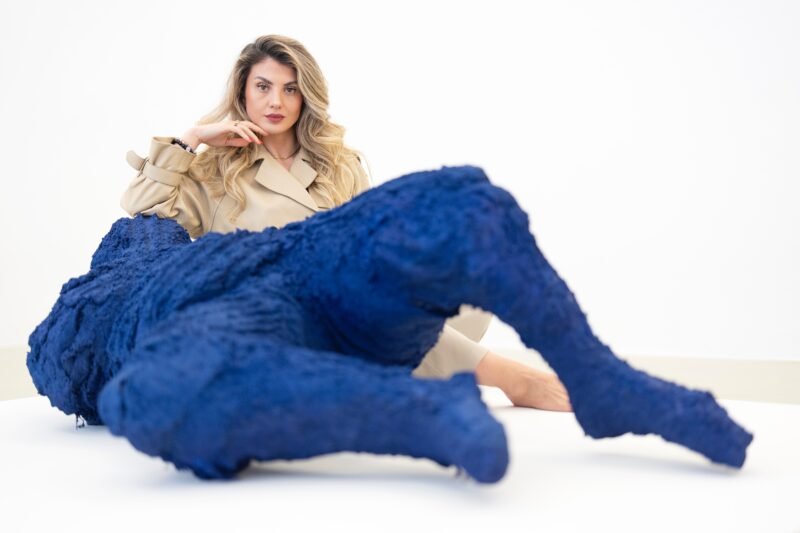
The shift toward sculpture did not arrive suddenly, but emerged as something already present within the surface of my paintings. Layered with sand, fabric, and gesture, those works always carried a tactile tension-an urge to move beyond the flat image and into form. Working sculpturally now feels less like a departure and more like a continuation of a language I had already begun to speak.
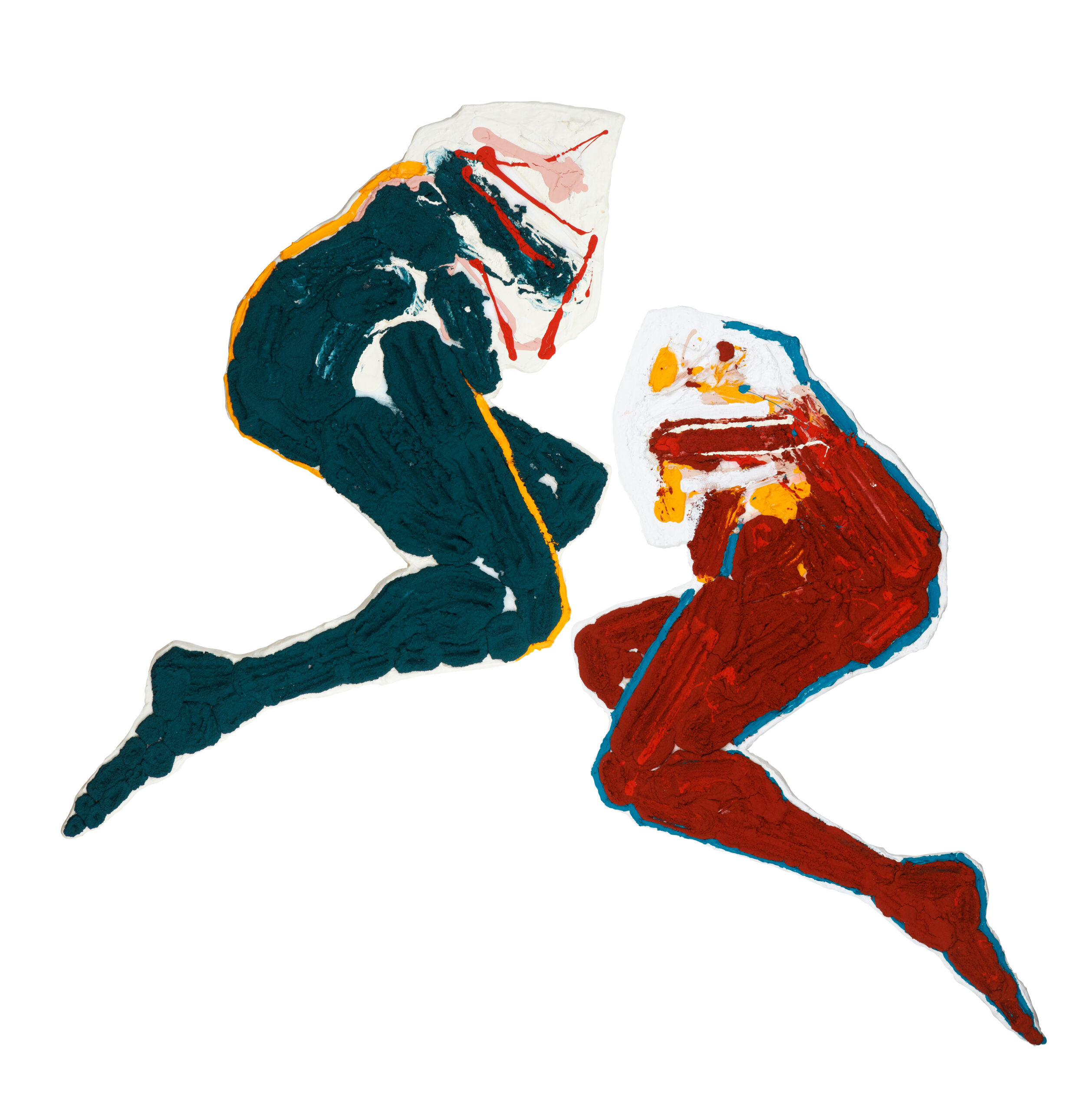
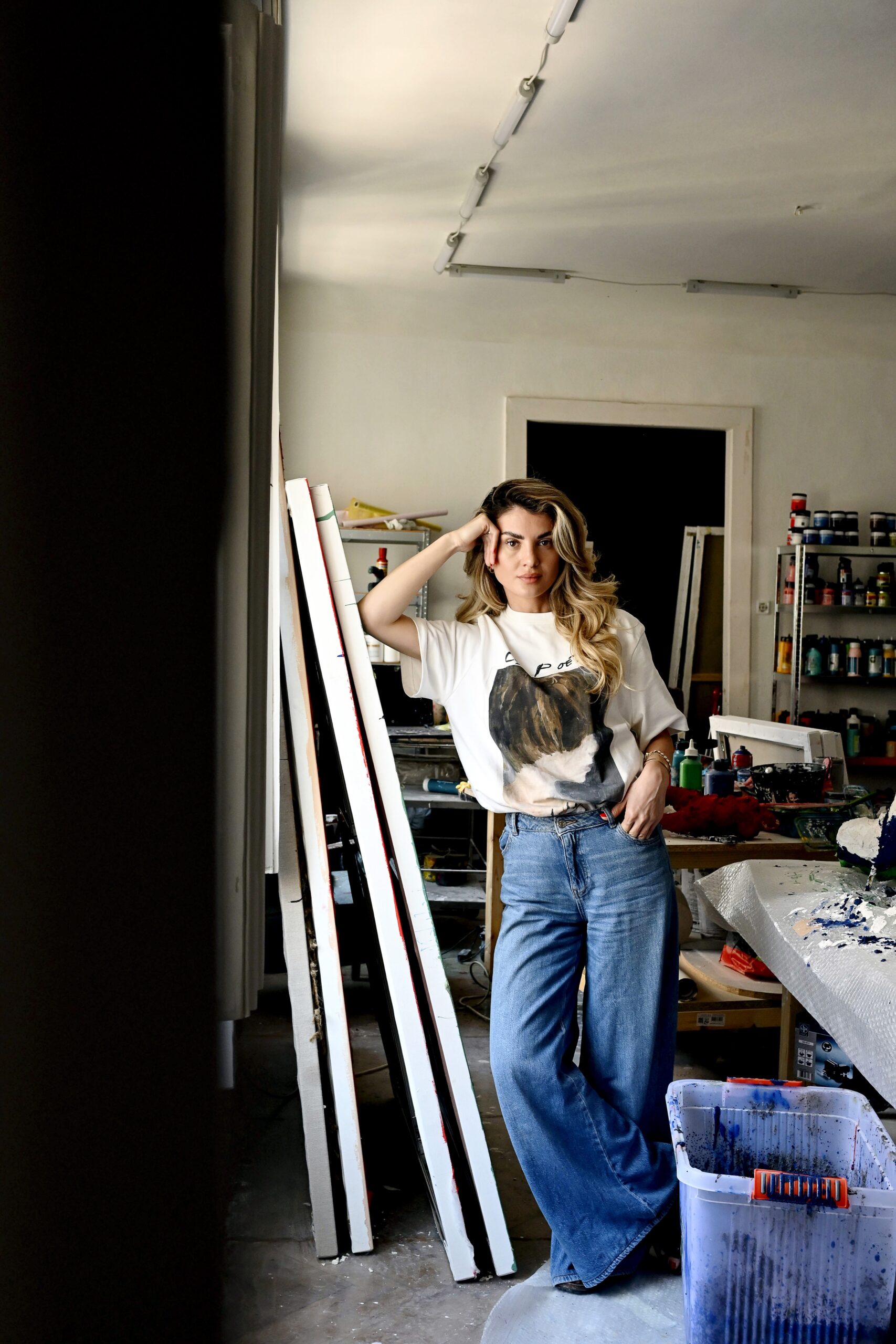
What drives this transition is the desire to give the body presence in space-not only as a visual trace but as weight, as vulnerability, as ground. The figures I create often exist between states-between appearing and dissolving, belonging and absence. This new body of work is called “In Between” because it lives exactly there: in the trembling space between painting and sculpture, image and object, surface and form, stillness and becoming, between self and other. Sculpture allows me to stay with that in-between—to materialise it, to hold it for a moment.
Recommended For You
Natasha Karungi on NFTs, Storytelling, and Leading Africa’s Digital Art Renaissance
Ibrahim Quyum, 21, Now Paints the Future of African Creativity
This expansion into form lets me deepen the questions that have always shaped my work: How do we carry our origins? How do we touch and are touched? And how do we live with the possibility of falling apart? Who are we when we live in between identities, cultures, or origins? What forms do we take when we are stretched between past and present, between heritage and reinvention?
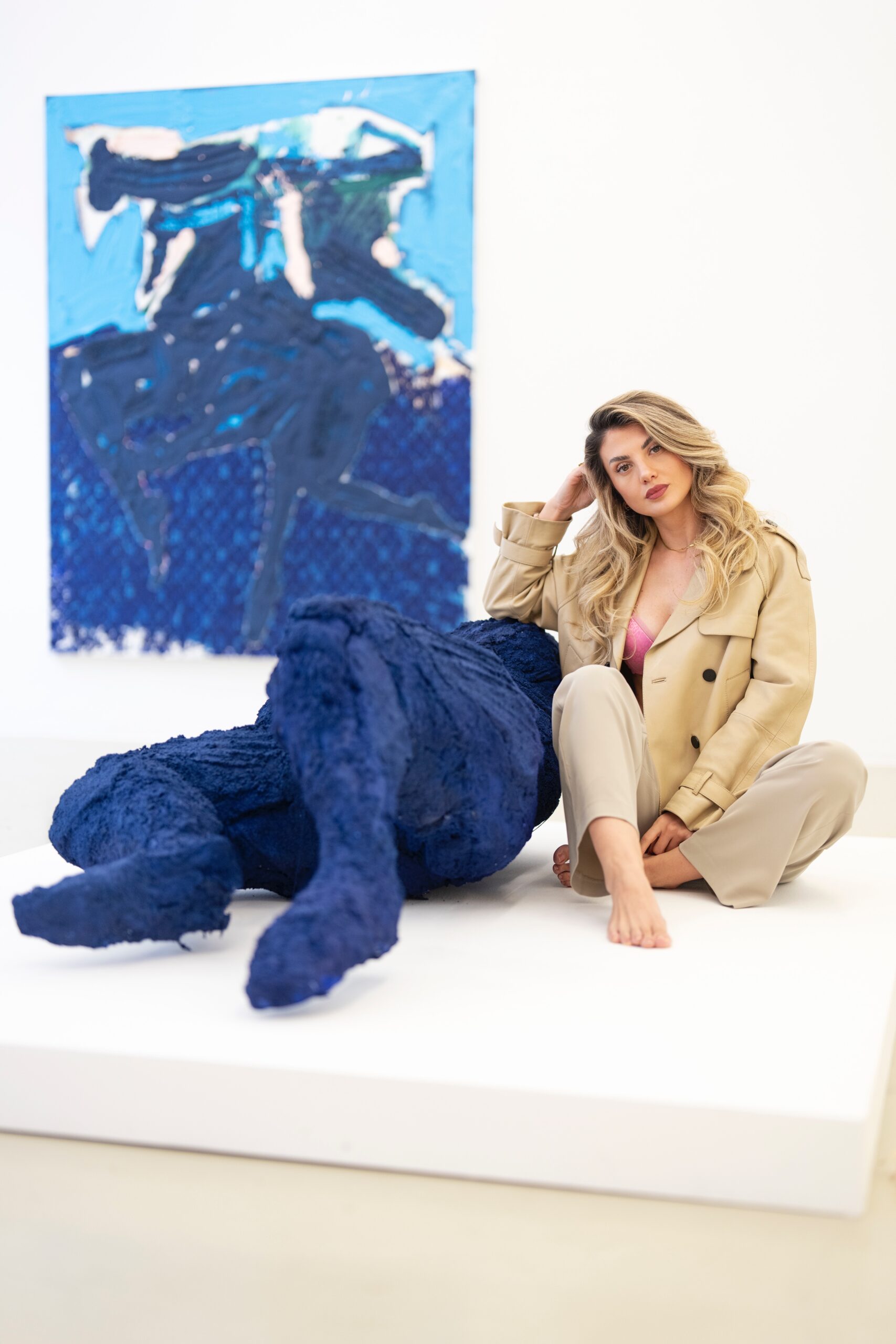
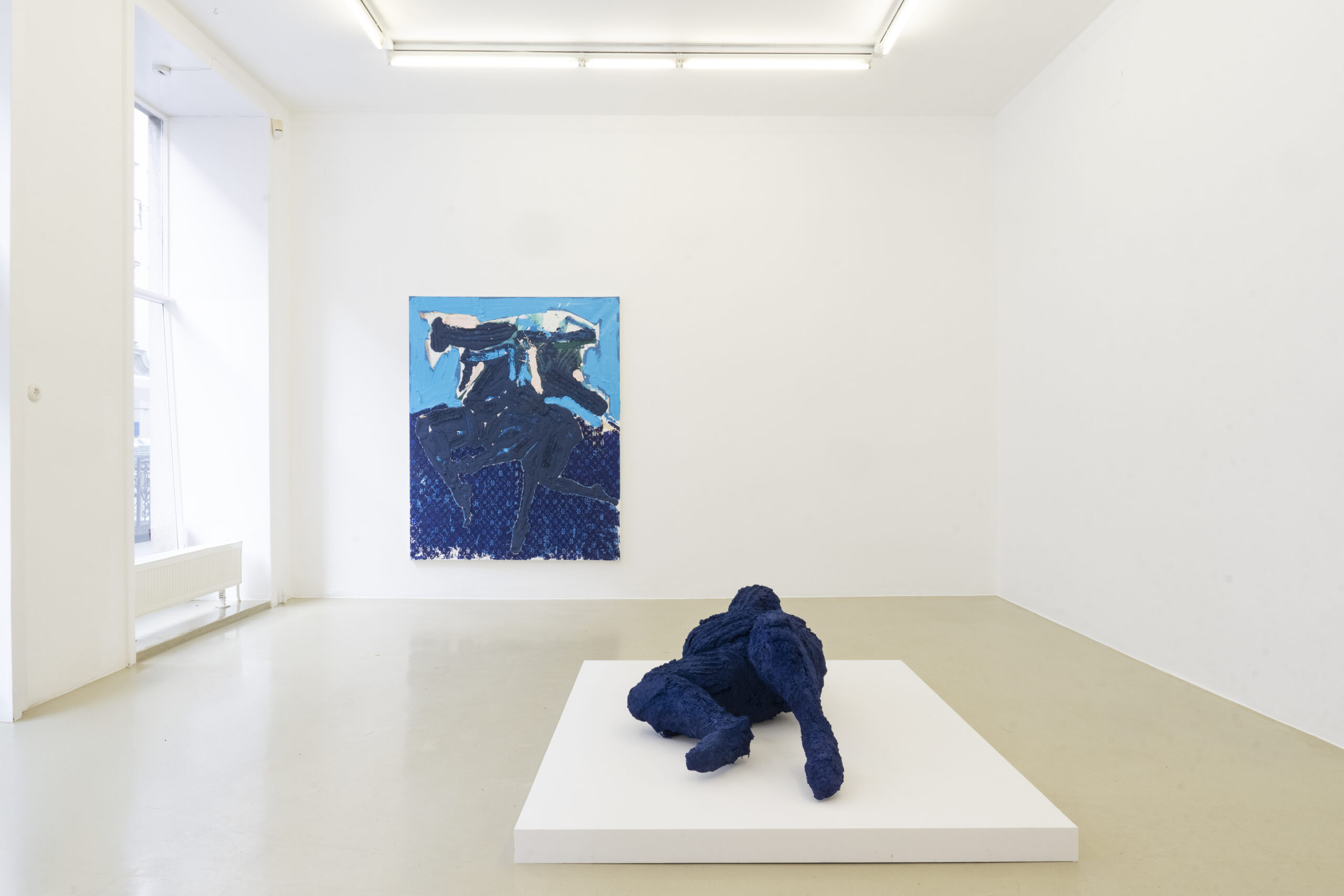
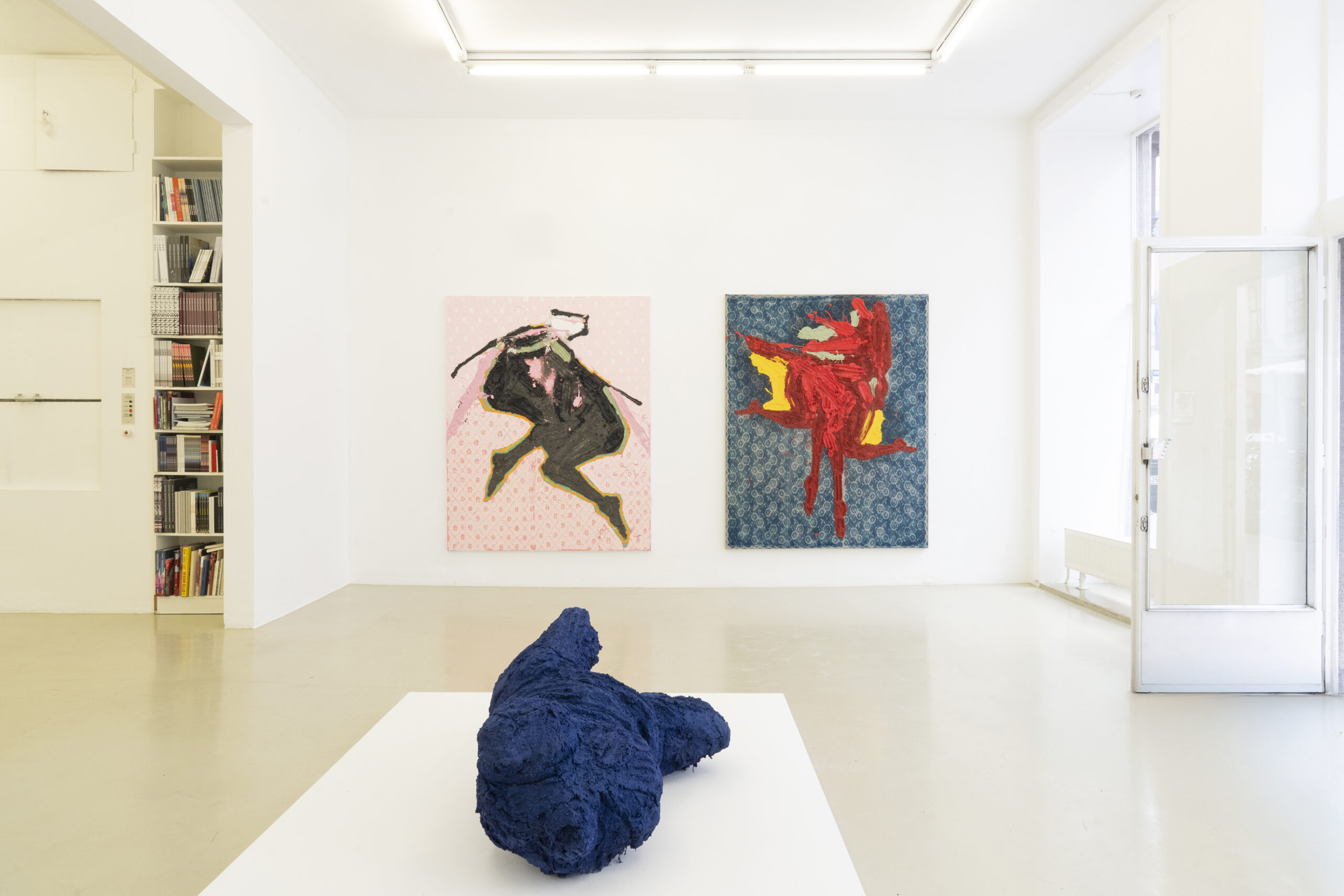
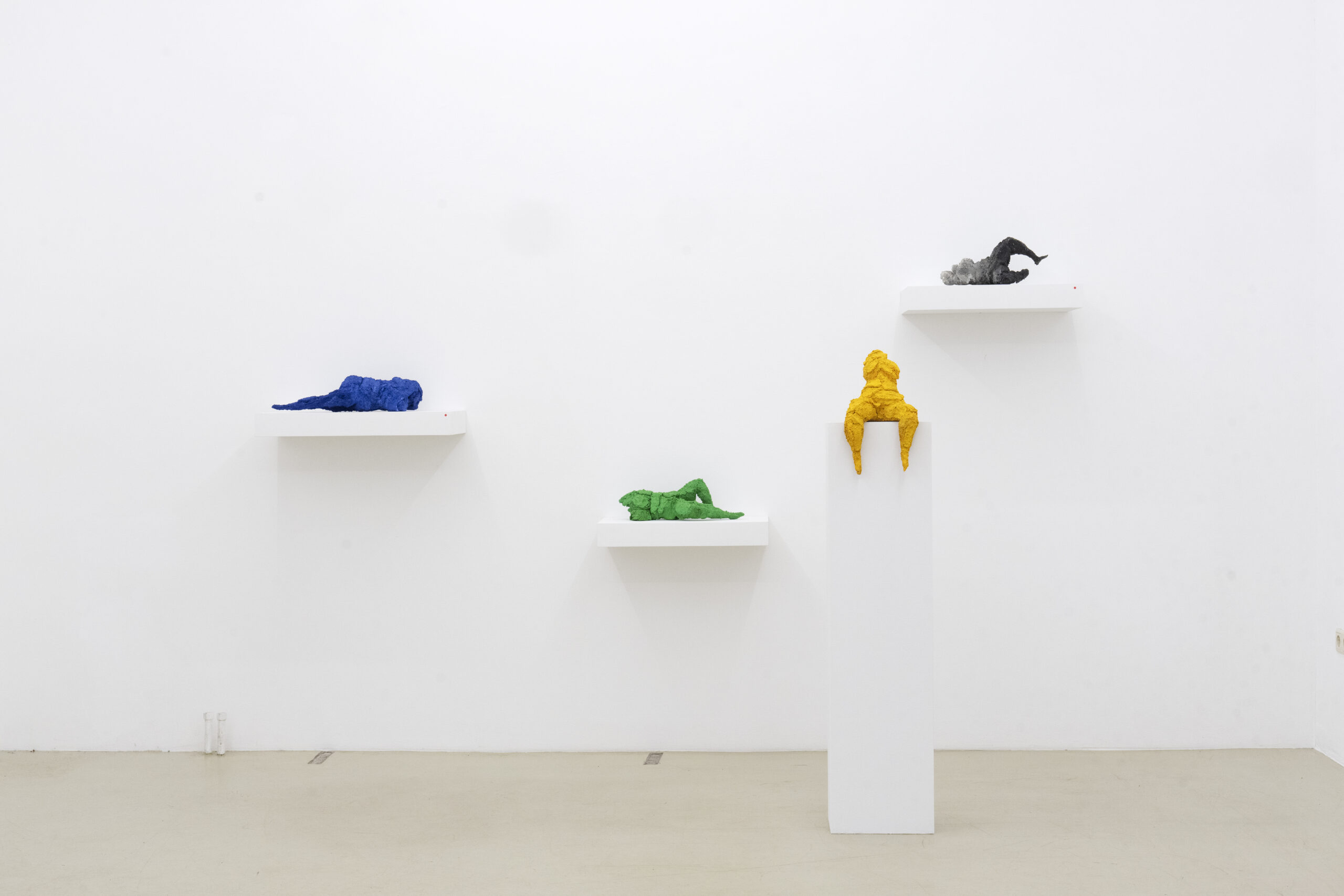
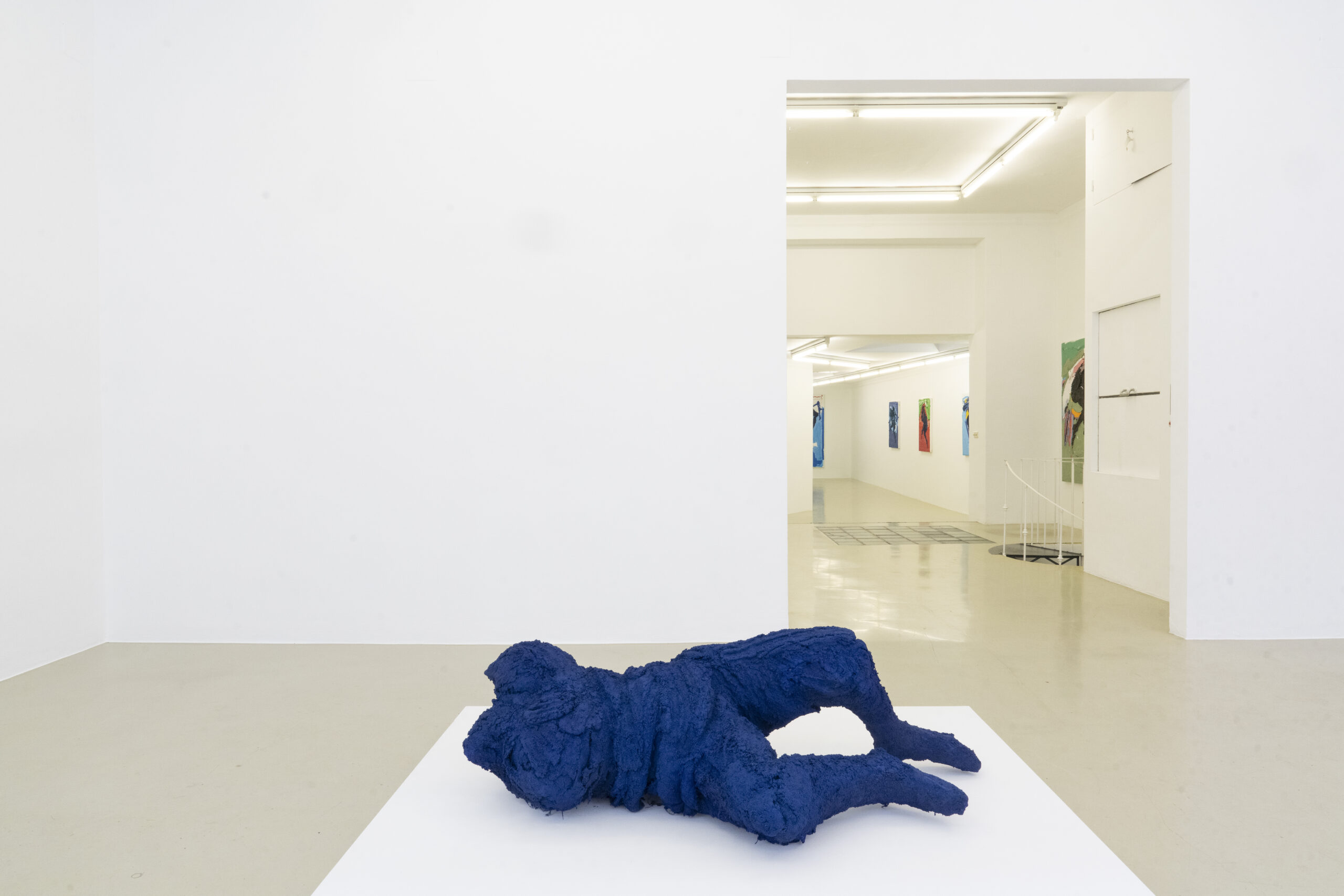
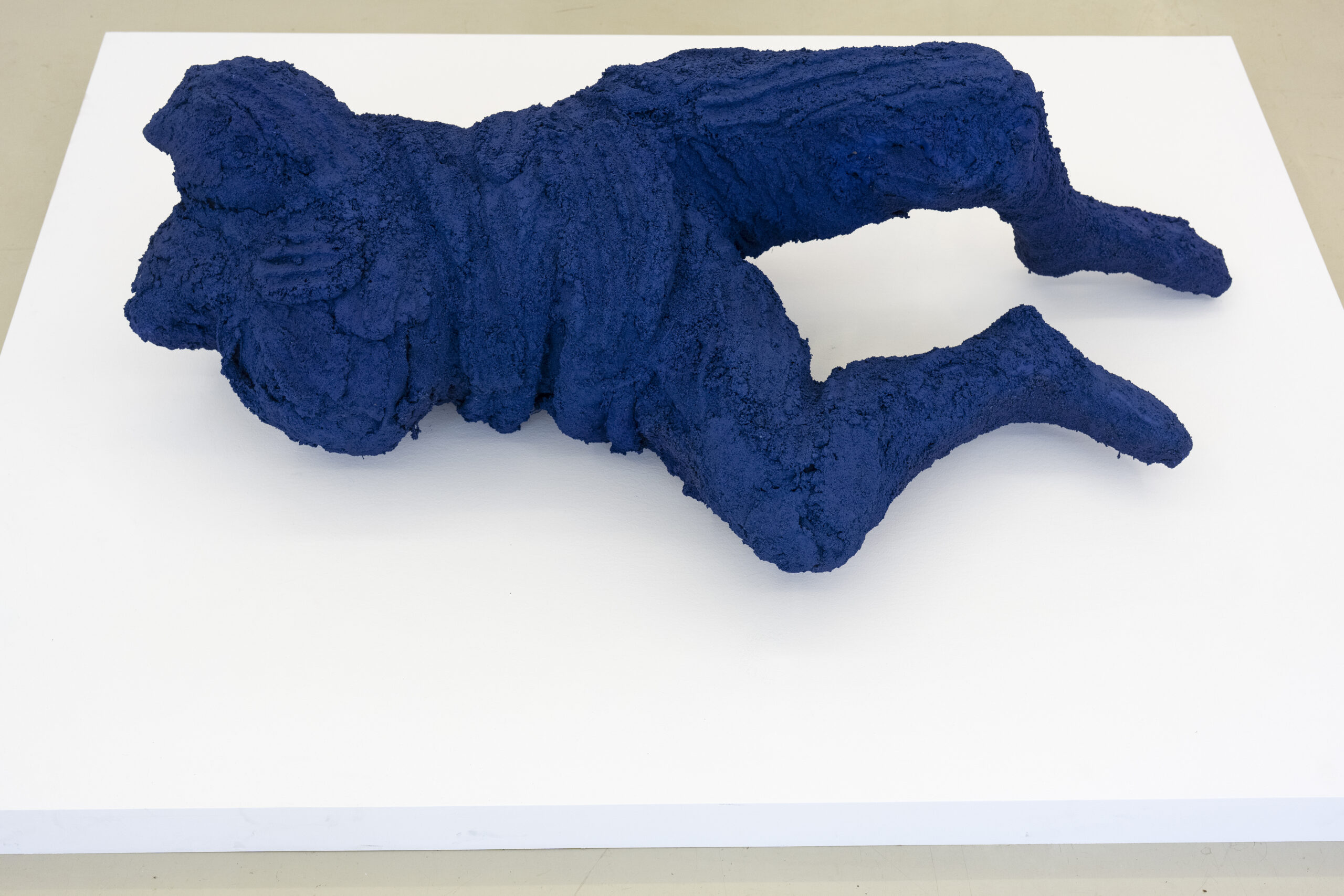

I do not seek answers, but forms that can hold these questions-fragile bodies made of ground and gesture, presence and erosion. Bodies that remain open, unfinished, and becoming.