
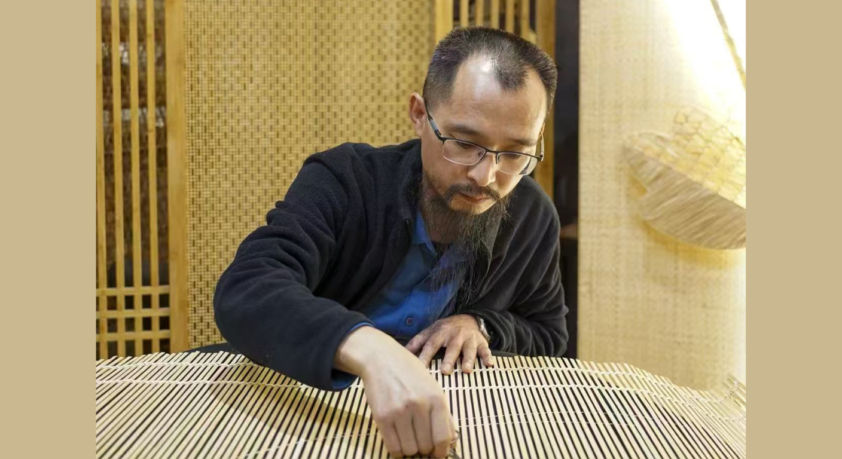
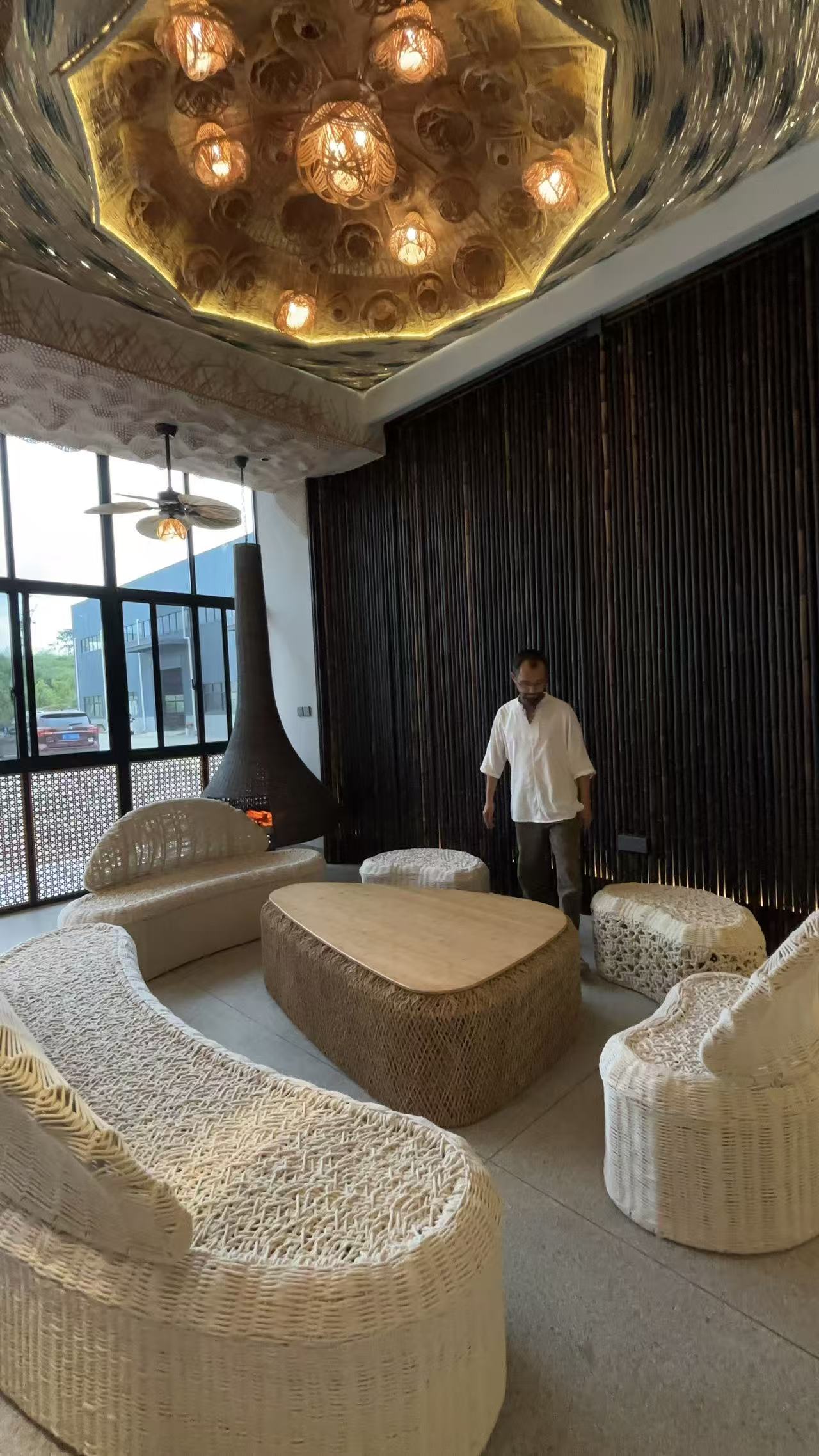
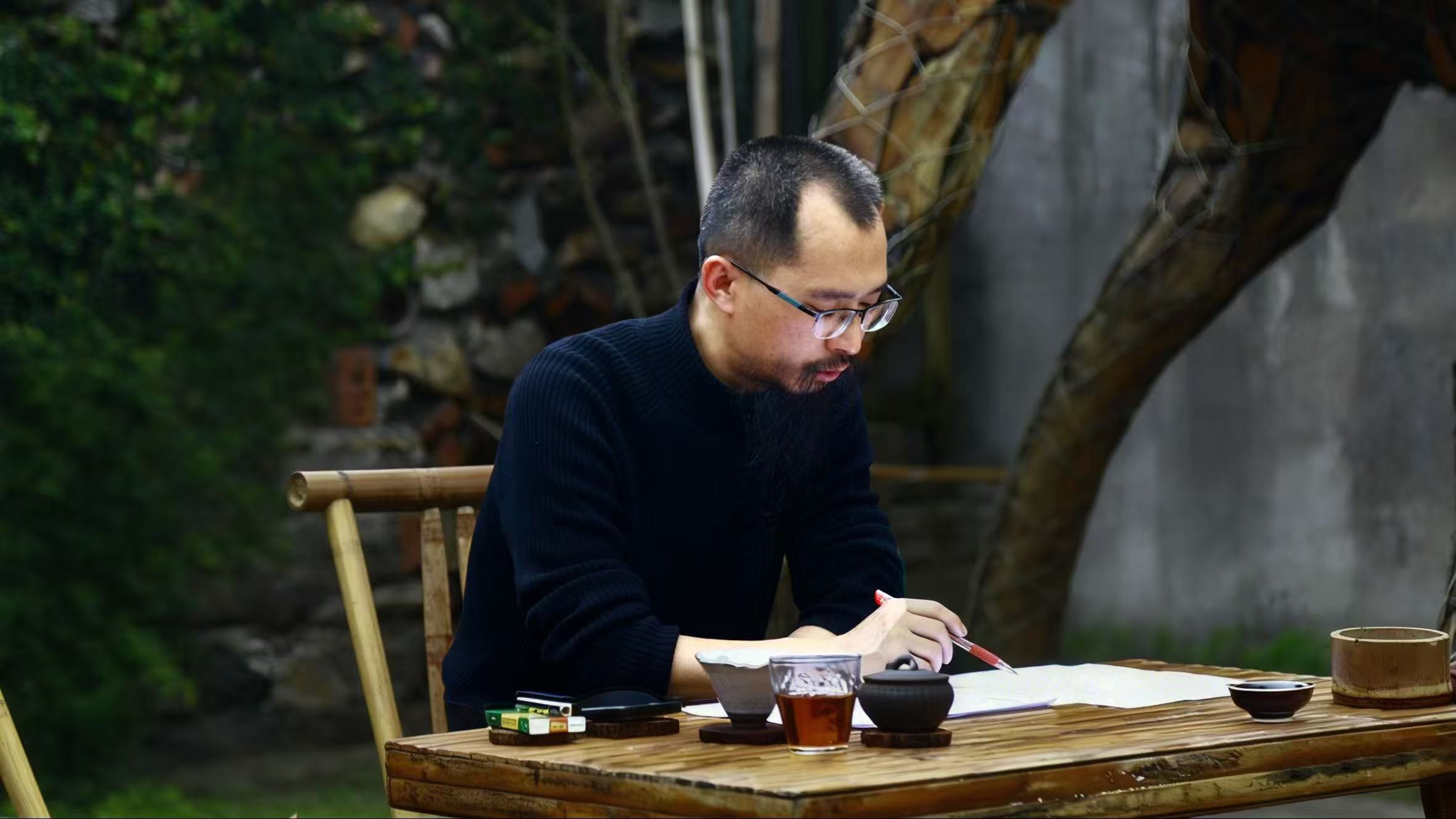
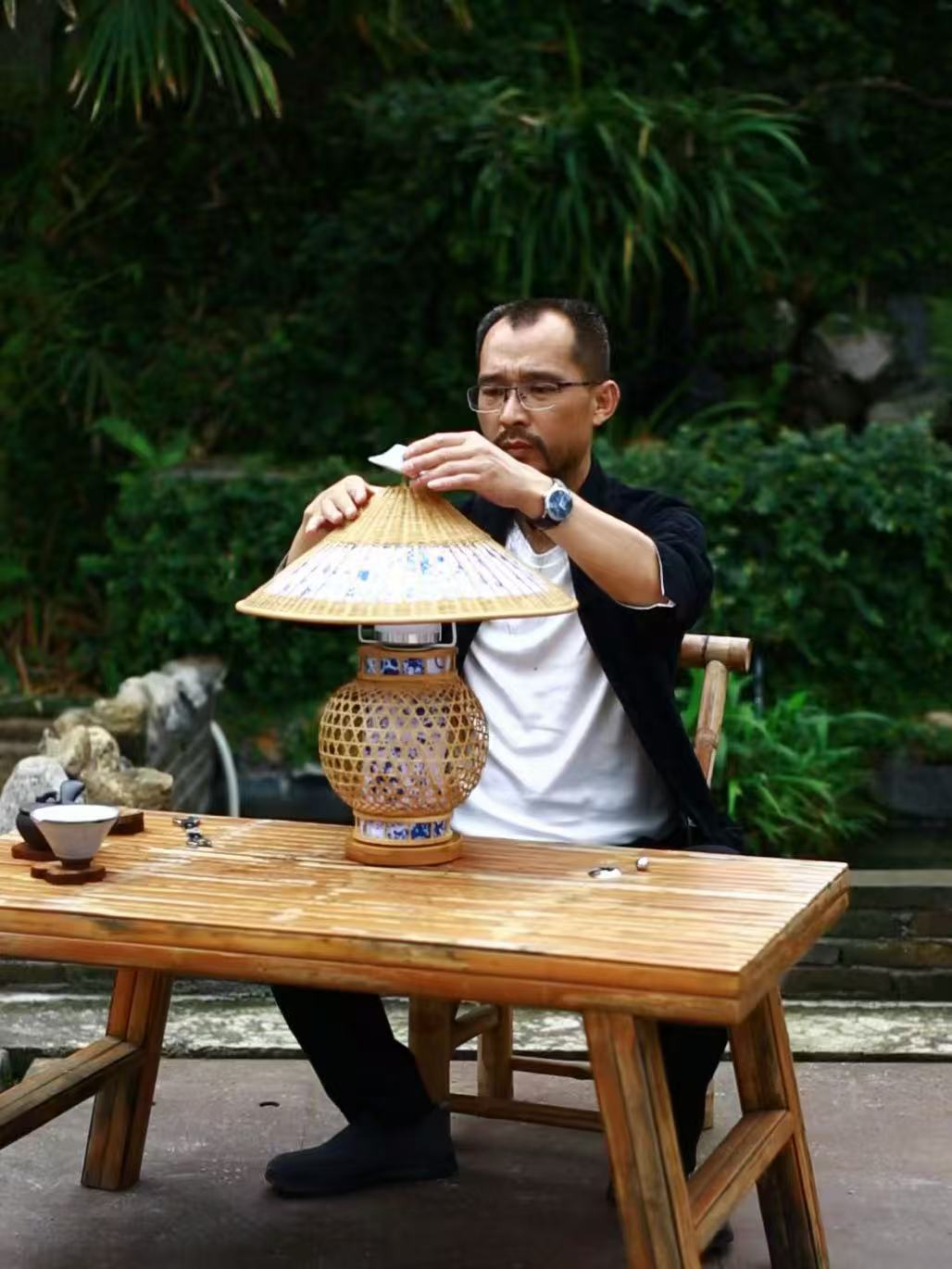
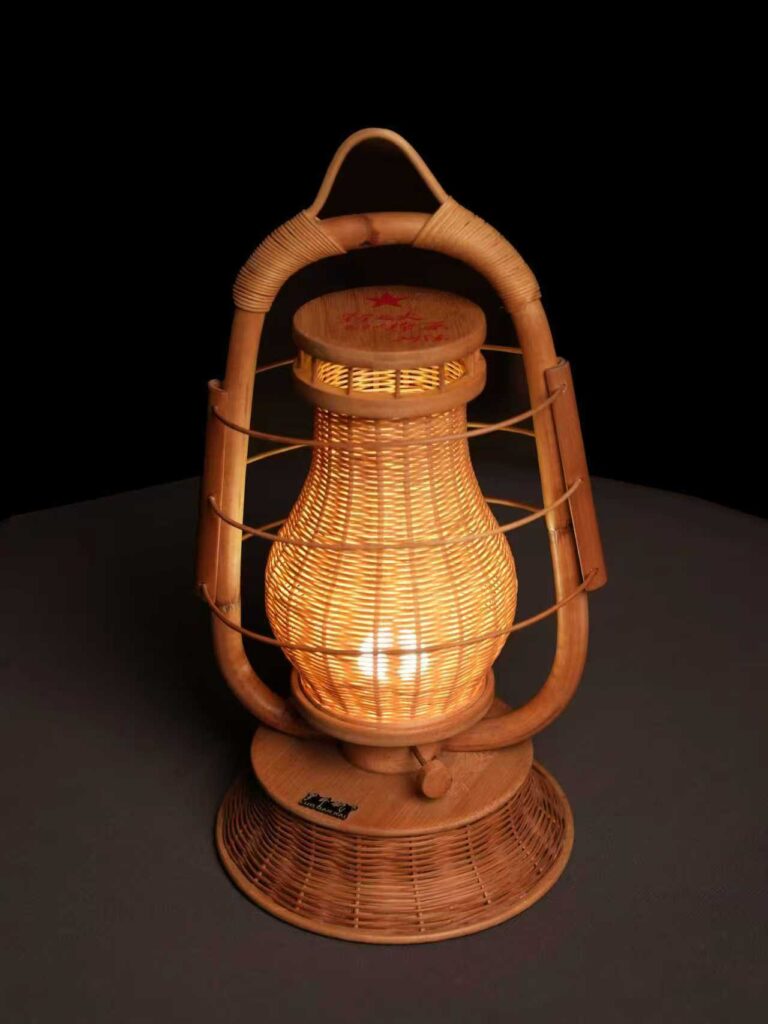
As a contemporary Chinese artist, Pan Wu belongs to a generation negotiating global visibility while preserving cultural specificity. Pan Wu’s work combines traditional craft and contemporary art, utilising bamboo, rattan, straw, and synthetic materials to create sculptures that are rich in authenticity, memory, and symbolism. Big toe Boots is arguably one of Pan Wu’s most iconic pieces, representing his themes of nostalgia, individuality, and alienation, which define his work as a contemporary Chinese artist. Pan Wu’s work, therefore, represents a different side of the contemporary Chinese art movement, a movement that thrives on authenticity, not shock value. This exclusive interview with Pan Wu seeks to explore his take on artistic struggle, materialistic discipline, and his reasons for choosing identity over market validation.
FAB: What first pulled you toward making images?
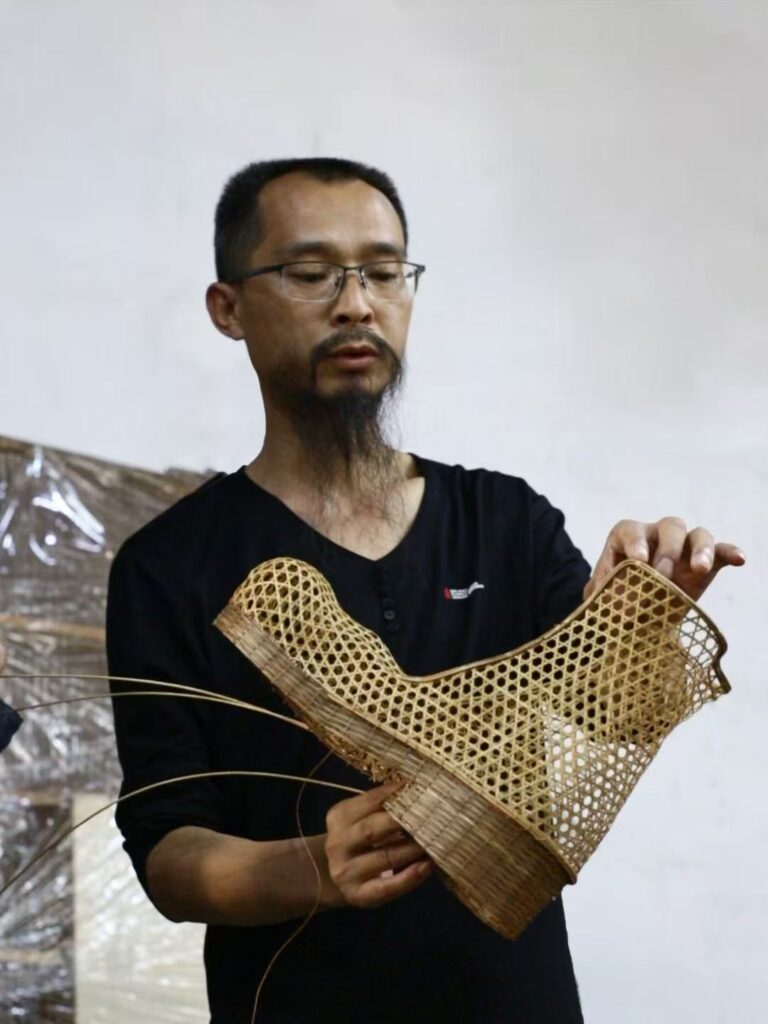
Pan Wu: I was drawn to materials long before I thought about images. I have always been fascinated by costume art because fabrics and textures carry their own language. When I look at patterns and surfaces, I see structure, rhythm, and emotion. That curiosity pushed me to explore form, material, and craftsmanship more deeply. I wanted to reveal the quiet beauty already hidden inside things.
FAB: What were the early struggles people never see behind the polished works today?
Pan Wu: Every finished work hides a long process. Inspiration begins as emotion, but it must pass through discipline and refinement before it becomes a complete piece. Developing a personal style takes years of reflection and repeated experimentation.
To truly understand materials, I immersed myself completely in the process. Sometimes I would think about structure and texture even in my dreams. The struggle was internal. I had to let go of impatience and self-doubt. Only persistence, physical endurance, and mental calm allowed me to move forward.
FAB: Which influences influenced you before you found your own artistic language?
Pan Wu: I never set out to imitate a specific style. Instead, I followed my intuition. I have always remembered a sentence by François-Auguste-René Rodin: art must come from inner truth, and form and colour must carry emotion.
That idea guided me more than any visual reference. I focused less on copying and more on listening to my own response to materials and life.
FAB: Tell us about the first work that truly represented you, not just your skill but your identity.
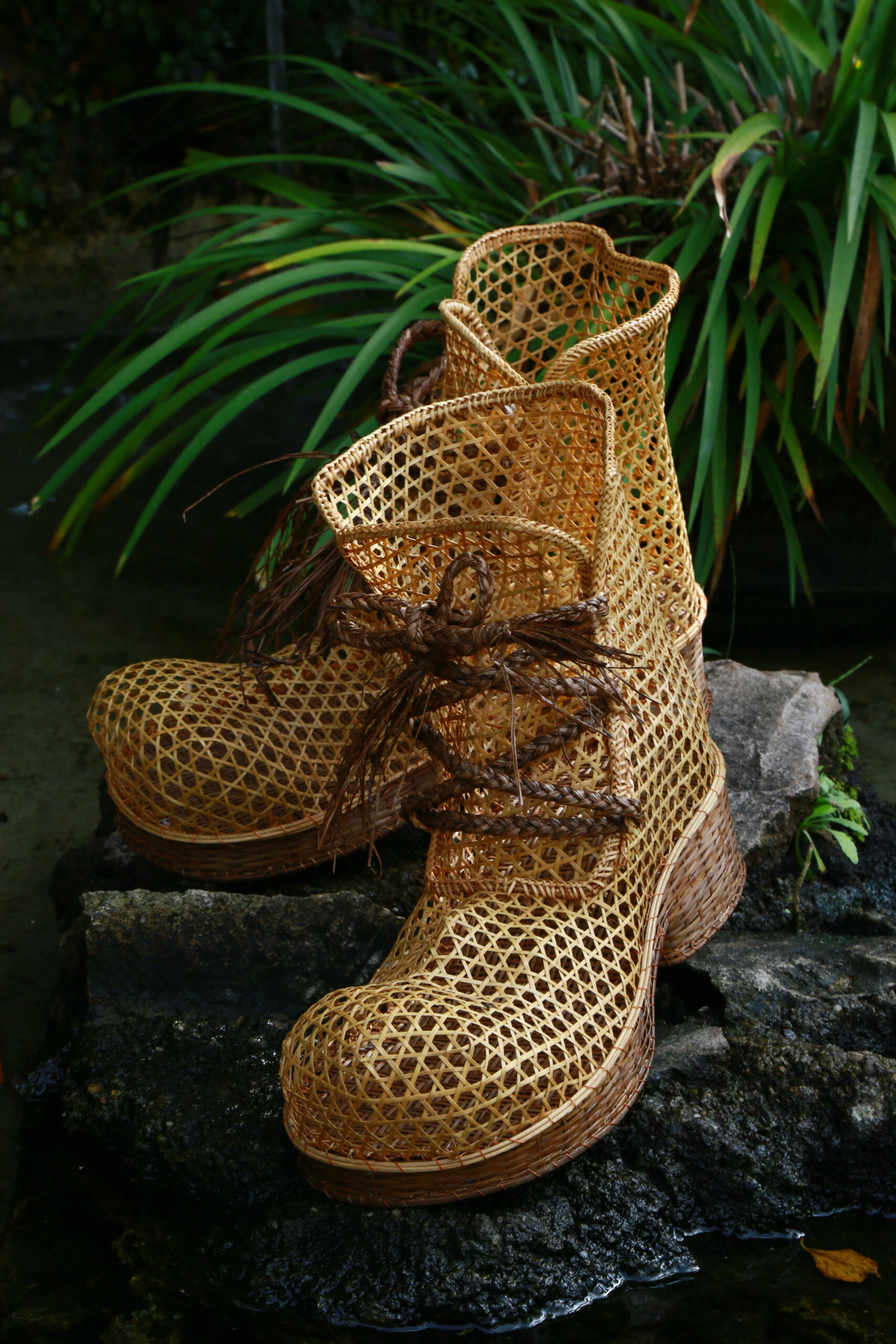
Pan Wu: My work Big-toe Boots marked that turning point. It grew out of my attachment to nostalgia. I often search for inner beauty through memory. I resist trends and avoid blind conformity. That piece expressed my preference for solitude and quiet reflection. It carried my temperament, not just my technique.
FAB: What moment forced you to choose personal expression over market approval?
Pan Wu: Around 2002, I made a conscious decision not to cater to public taste. I focused instead on expressing personal cultural symbols. That choice distanced my work from the mainstream market. My pieces belong to a niche audience. It was not a failure in the traditional sense, but it was a turning point. I accepted that authenticity mattered more than popularity.
FAB: How has your relationship with materials and processes changed over the years?
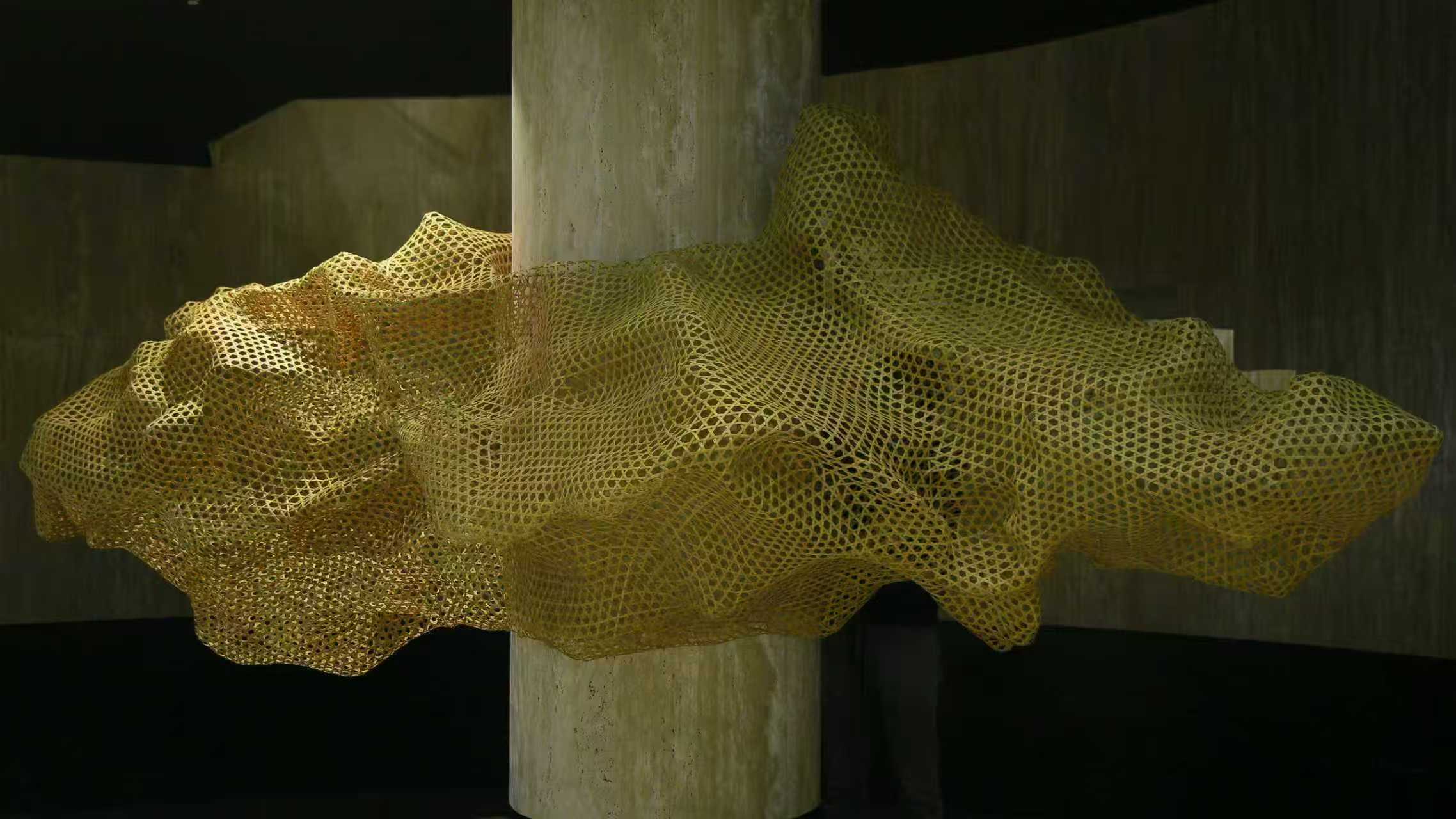
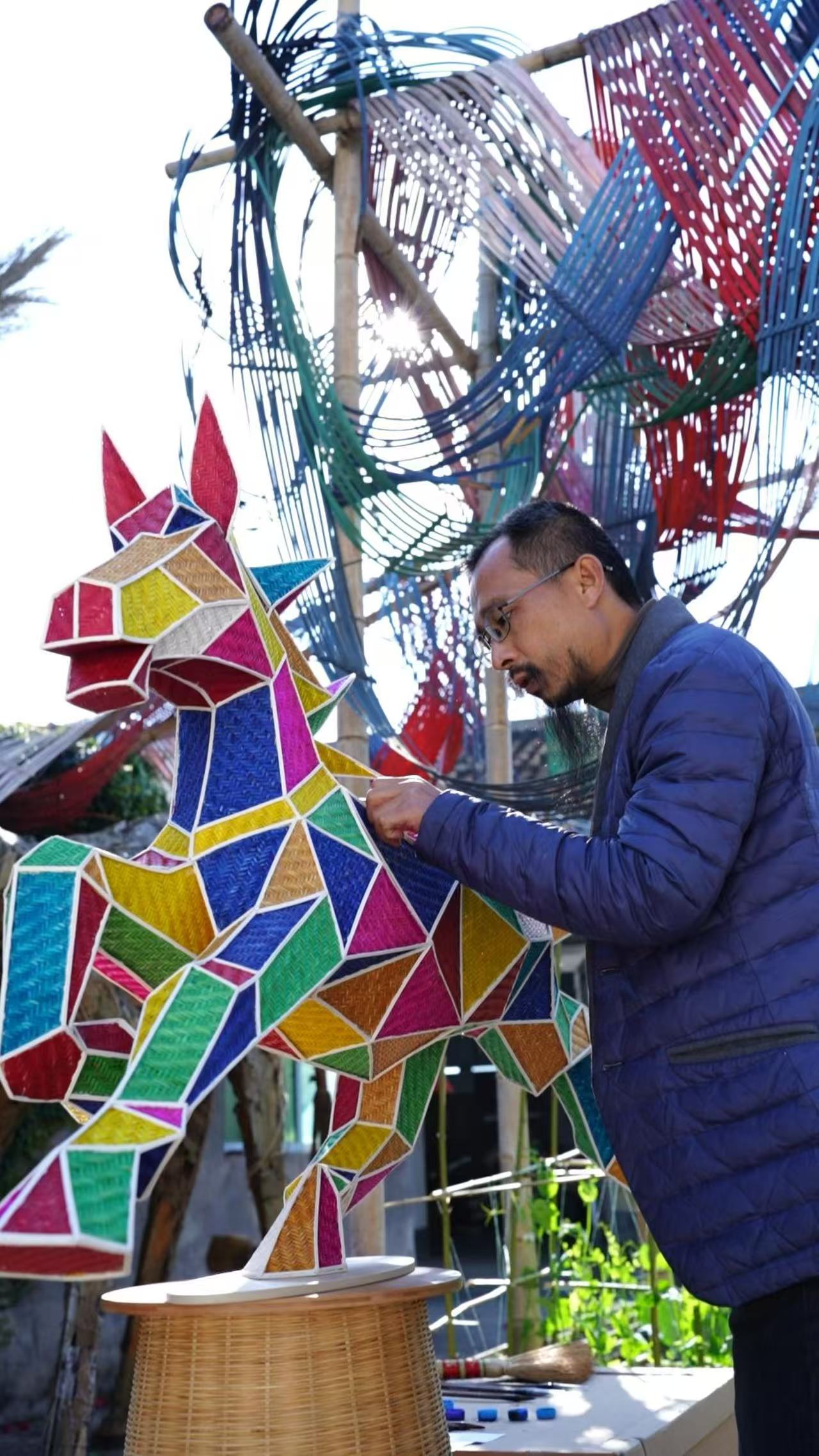
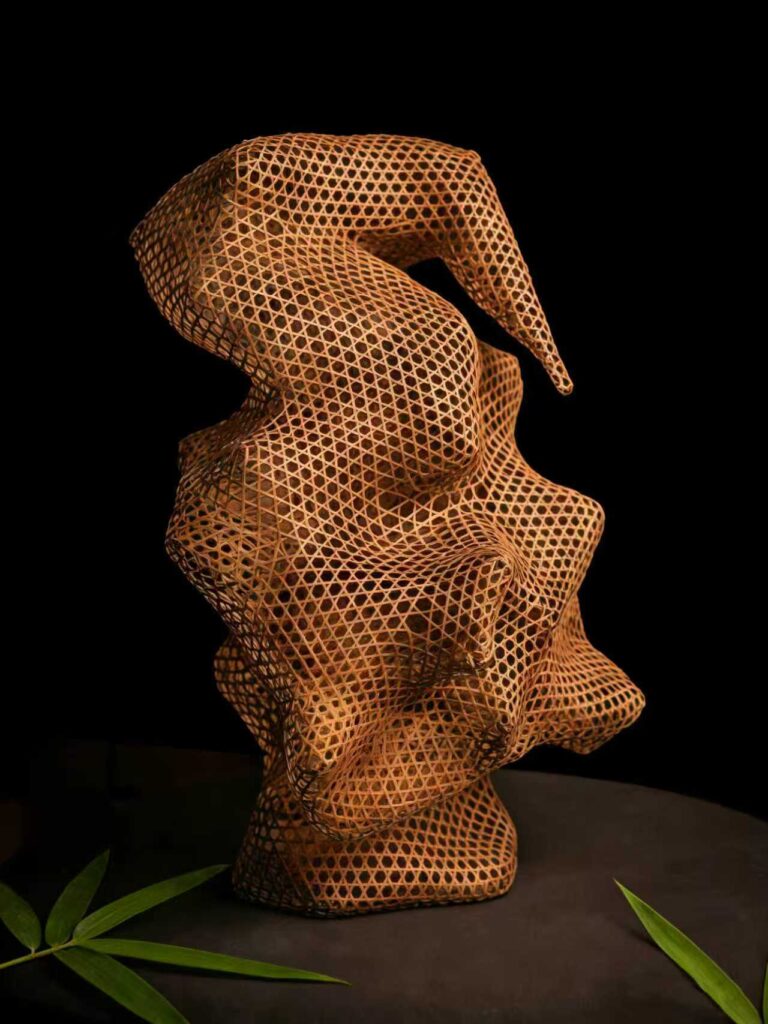
Pan Wu: In the beginning, I worked mainly with bamboo and rattan. Over time, I incorporated straw, thread, rope, and synthetic fibres. I became more confident in combining natural colours with light and shadow.
My early style was bold and expressive. Gradually, my work became more restrained and refined. Now I aim for clarity and subtlety. I allow the content of the piece to reveal its inner beauty rather than relying on dramatic gestures.
FAB: What themes continue to return in your work, no matter how your style evolves?
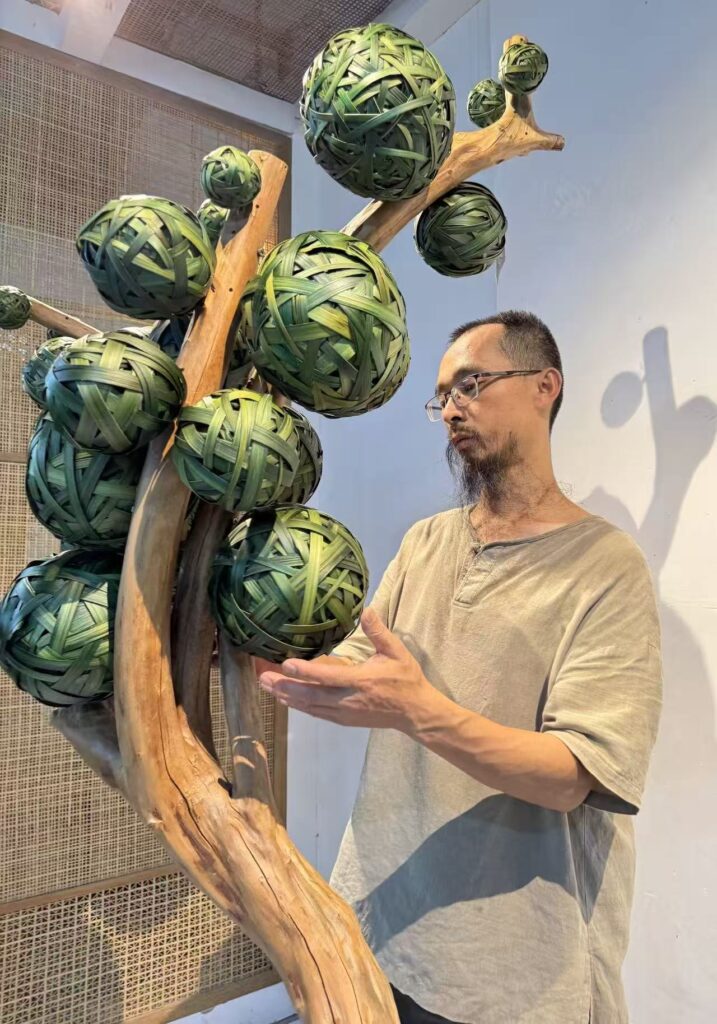
Pan Wu: Authenticity and nature remain central. I advocate simplicity and truth. I use natural materials and handcraft every piece because the physical act of making connects directly to my inner thoughts. No matter how my style changes, that foundation remains constant.
FAB: What question are you currently trying to answer through your work?
Pan Wu: I question the idea that ugliness must represent reality. I do not believe beauty requires distortion or shock. I prefer figurative expression and harmonious colour. Through my work, I ask whether art can celebrate sincerity and natural beauty while still remaining contemporary.
FAB: When audiences say your work explains China, do you feel understood or simplified?
Pan Wu: Chinese culture is vast and layered. No single artwork can explain it. I believe international audiences need time to fully understand and appreciate its depth. If my work sparks curiosity rather than offering a simplified explanation, then I feel satisfied.
FAB: For you, what is the difference between representing a culture and being asked to stand in for it?
Pan Wu: Every artwork carries the artist’s personal growth and reflections on culture. I create from my own experience of Chinese culture. That is different from claiming to represent all of it.
Artistic exchange should use cultural symbols as bridges. The goal is dialogue and understanding, not substitution or simplification.
FAB: If your art were shown only in your hometown, how would it change?
Pan Wu: Exhibiting in my hometown would create strong emotional resonance. Local audiences might immediately recognise shared cultural references. However, limiting my work to one place would reduce cross-cultural dialogue. Exposure to different audiences expands creative perspective.
FAB: What misunderstanding about contemporary Chinese artists do you quietly resist?
Pan Wu: People sometimes expect contemporary artists to provoke or criticise in extreme ways. I resist the idea that art must carry absolute praise or blame. Artistic expression comes from inner thought. It deserves patience and openness rather than rigid judgement.
FAB: How would today’s Wu Pan disagree with the artist you were ten years ago?
Pan Wu: Ten years ago, I focused heavily on technique. Now I believe technique should serve meaning. An artist must return to authenticity and engage with the spirit of the times. Art should resonate with society, not exist as a technical display alone.
FAB: If your career ended today, what would feel unfinished?
Pan Wu: I would still want to deepen the connection between inner belief and public resonance. Life moves quickly, and people face constant pressure. Even so, we must hold onto our original aspirations.
If my journey ended now, I would continue seeking ways to express that persistence more clearly. Staying true to one’s original intention is the most honest achievement an artist can claim.