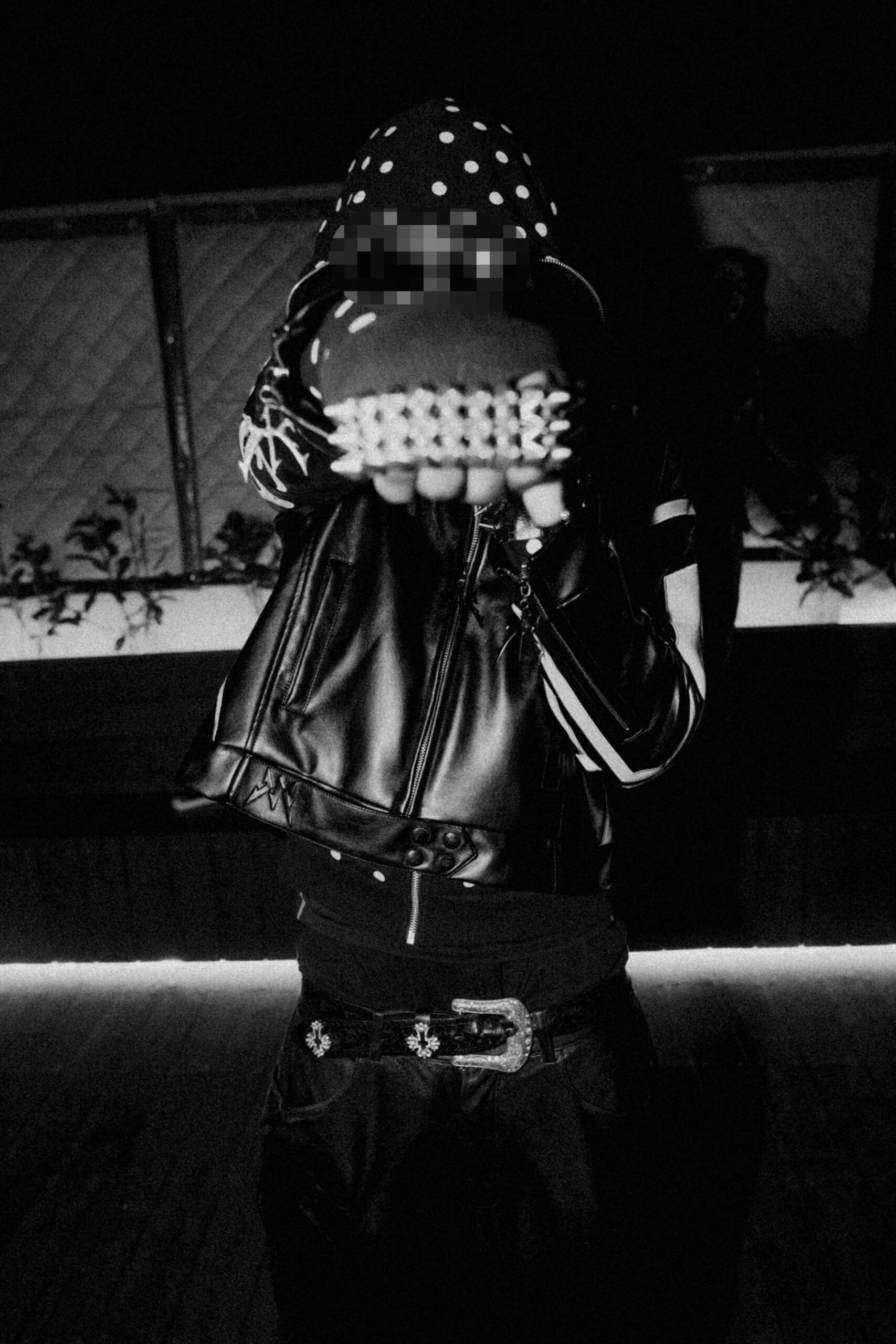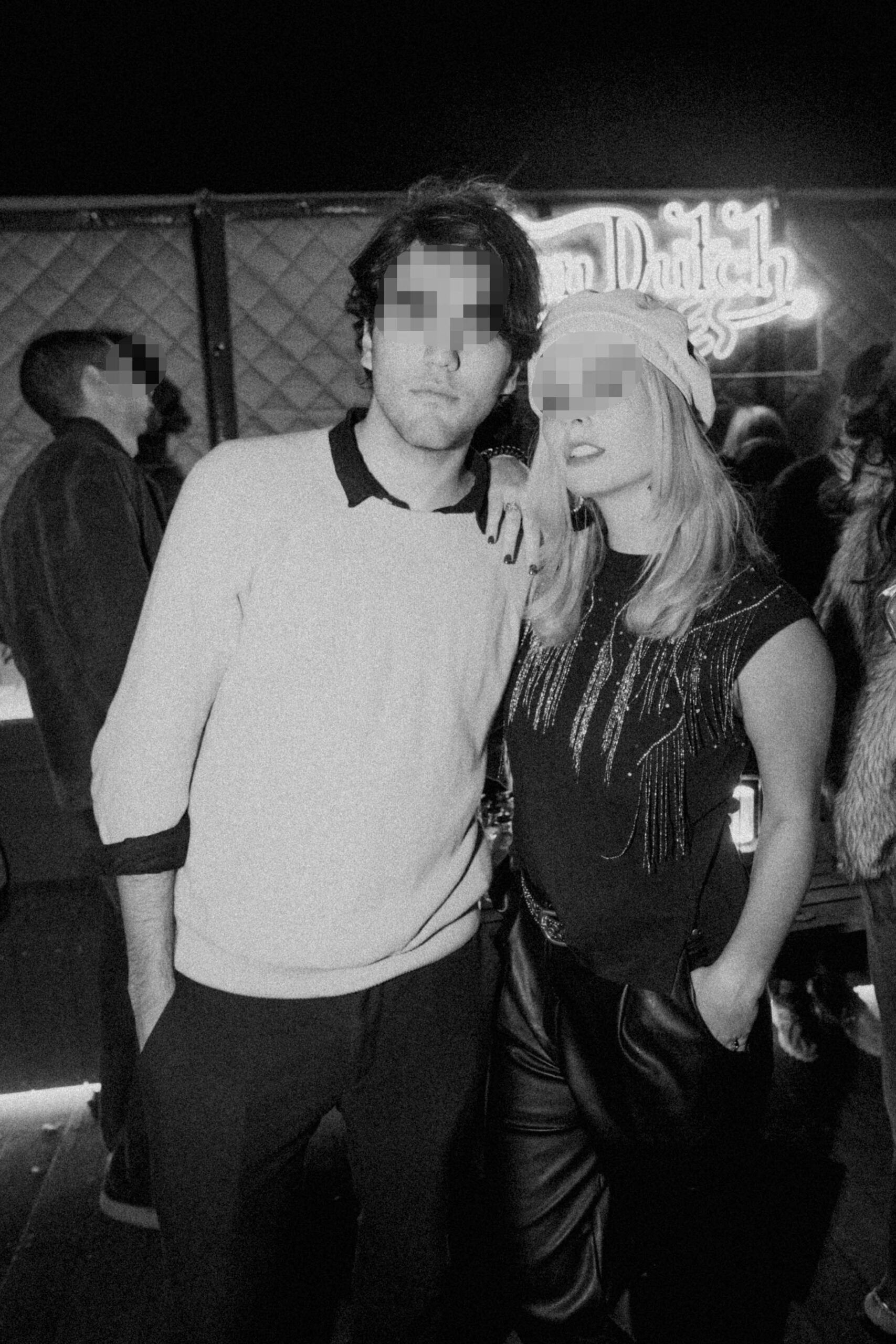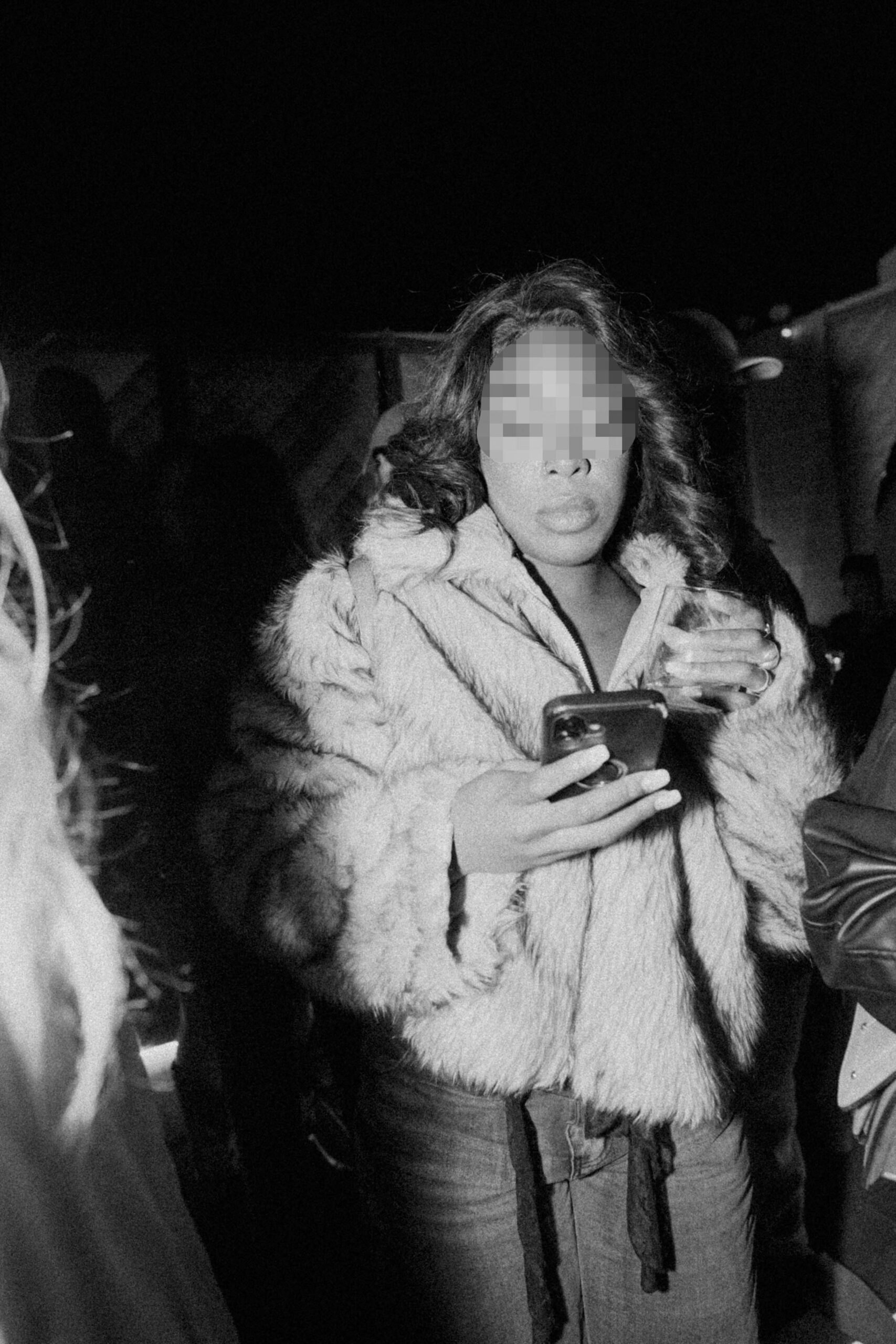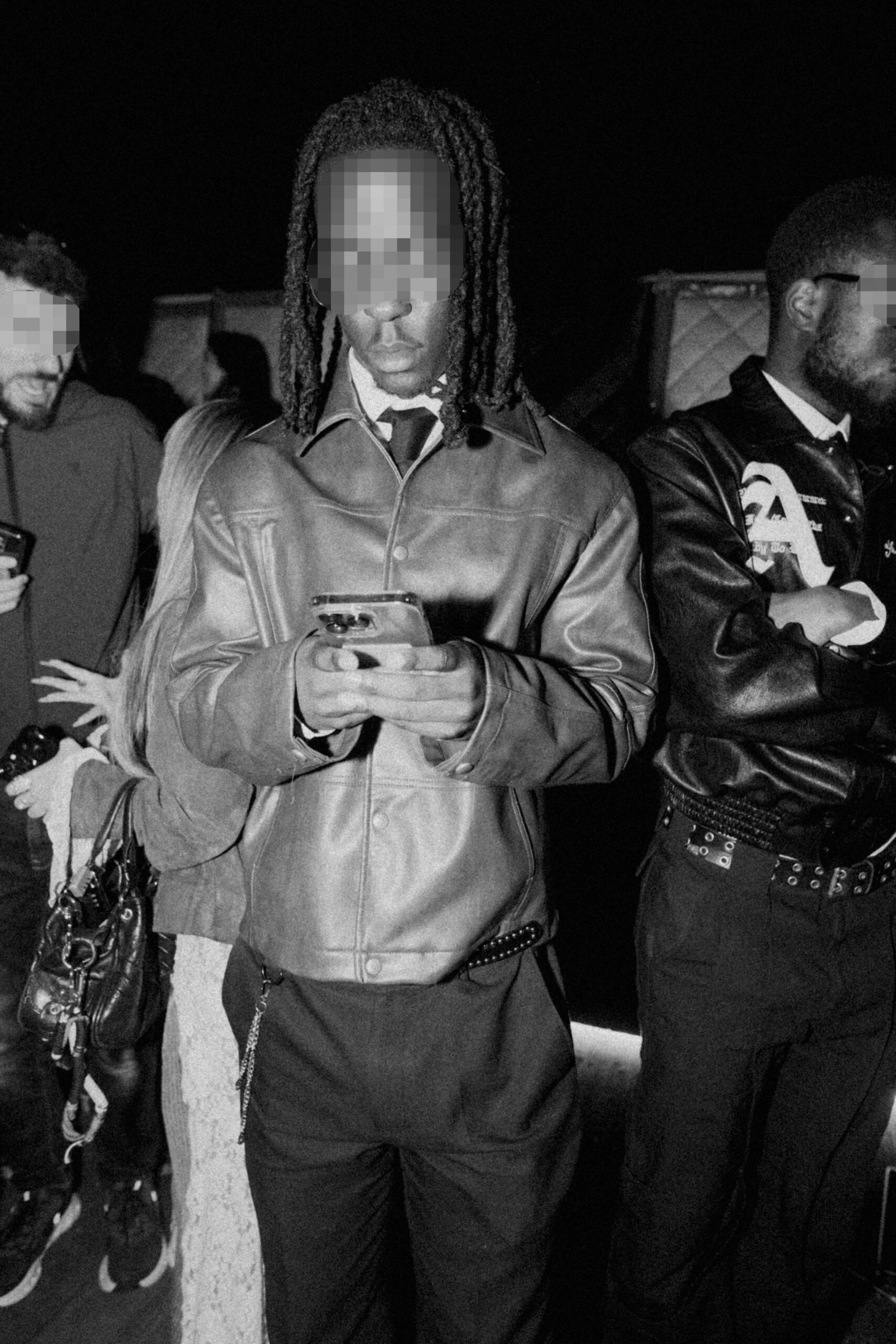
In a time when everything is documented, reposted, and filtered within seconds, choosing not to be seen has become a statement in itself. Few understand this better than No Permission — an event platform that has built its identity around presence, intimacy, and cultural restraint.
At No Permission events, phones are discouraged. Cameras are unwelcome. What happens in the room stays in the room. And that’s exactly the point.
Rather than chasing visibility, No Permission has cultivated something far rarer: trust. The kind that allows music, fashion, and energy to exist without performance. The kind that turns a gathering into a shared experience rather than content.
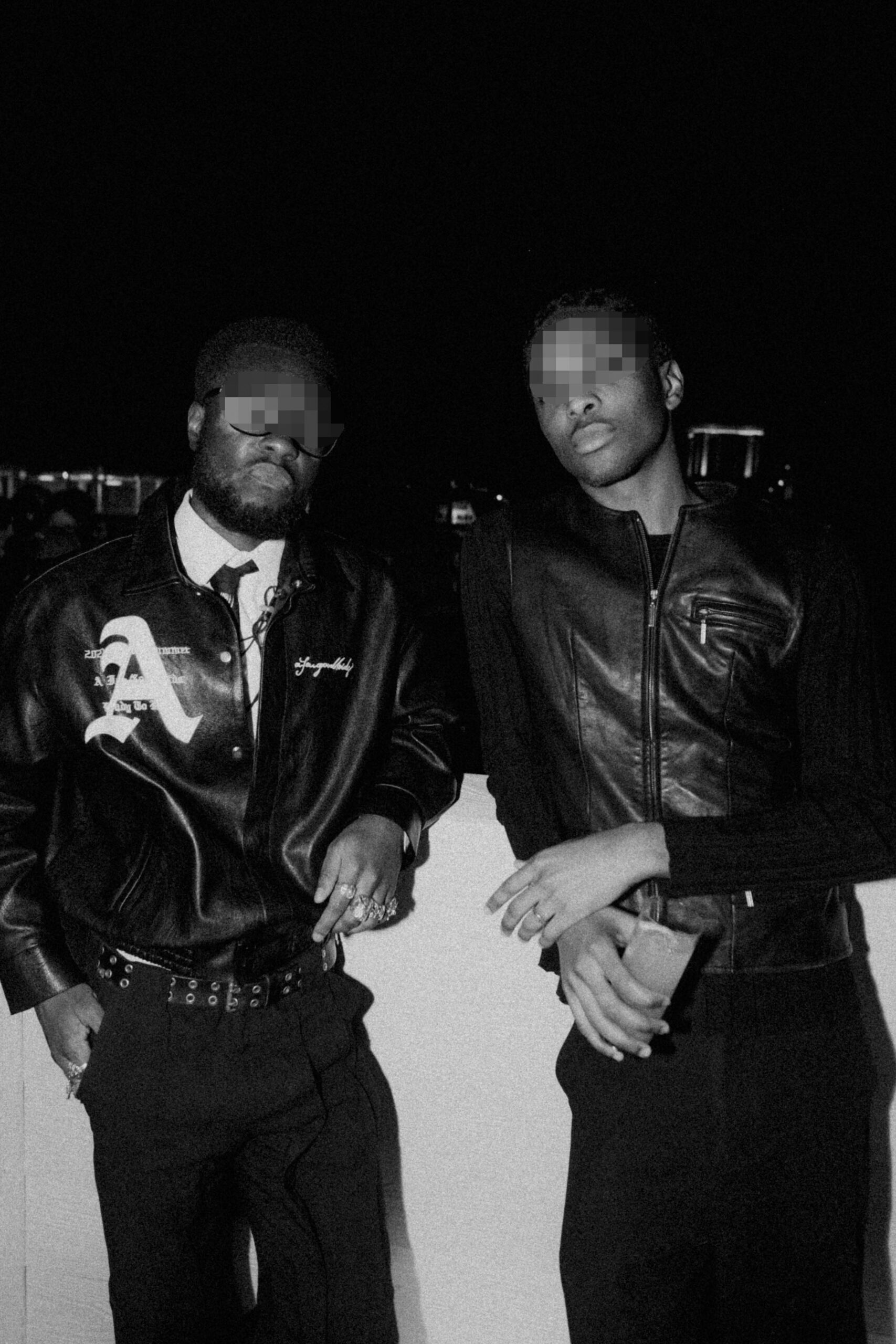
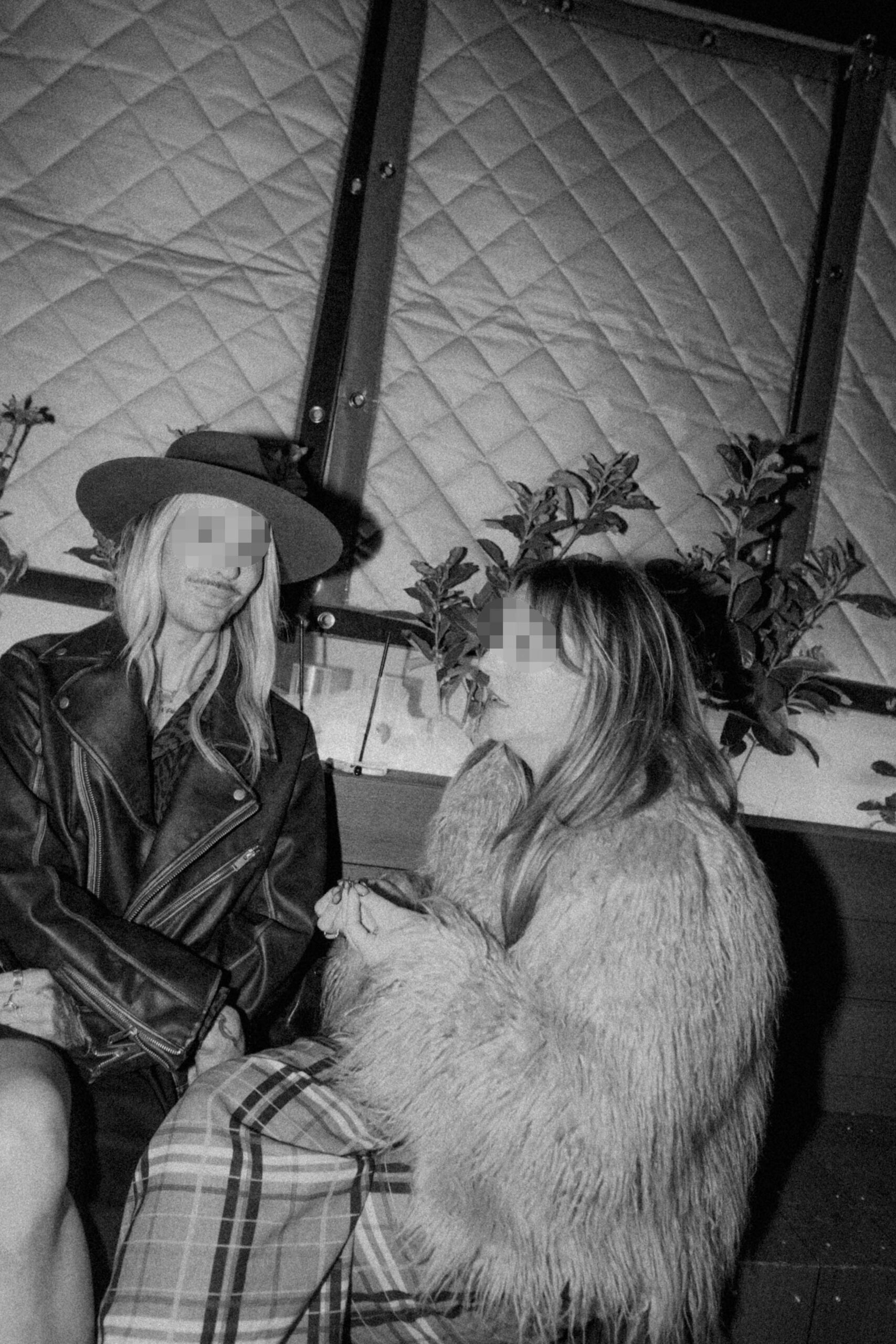
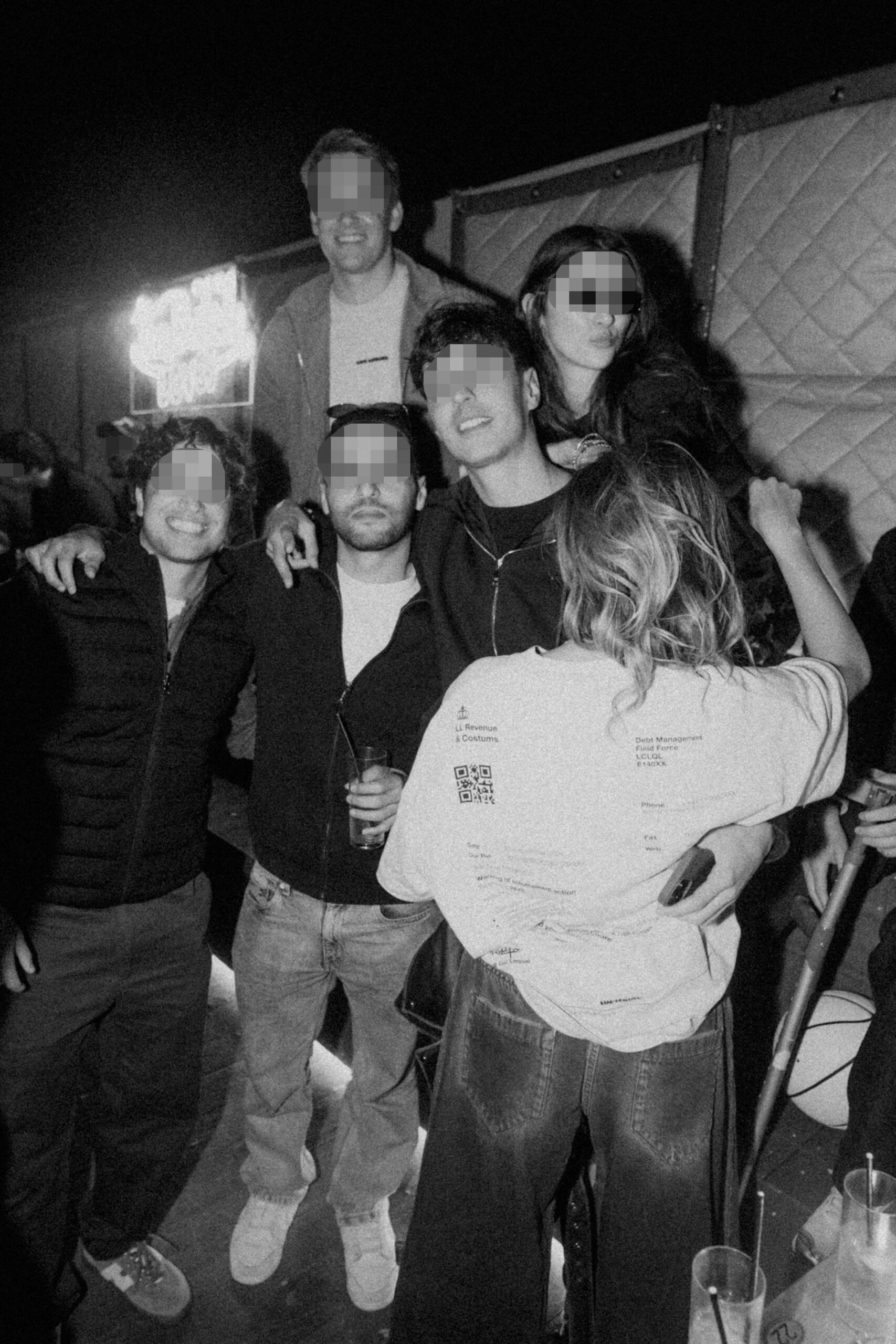
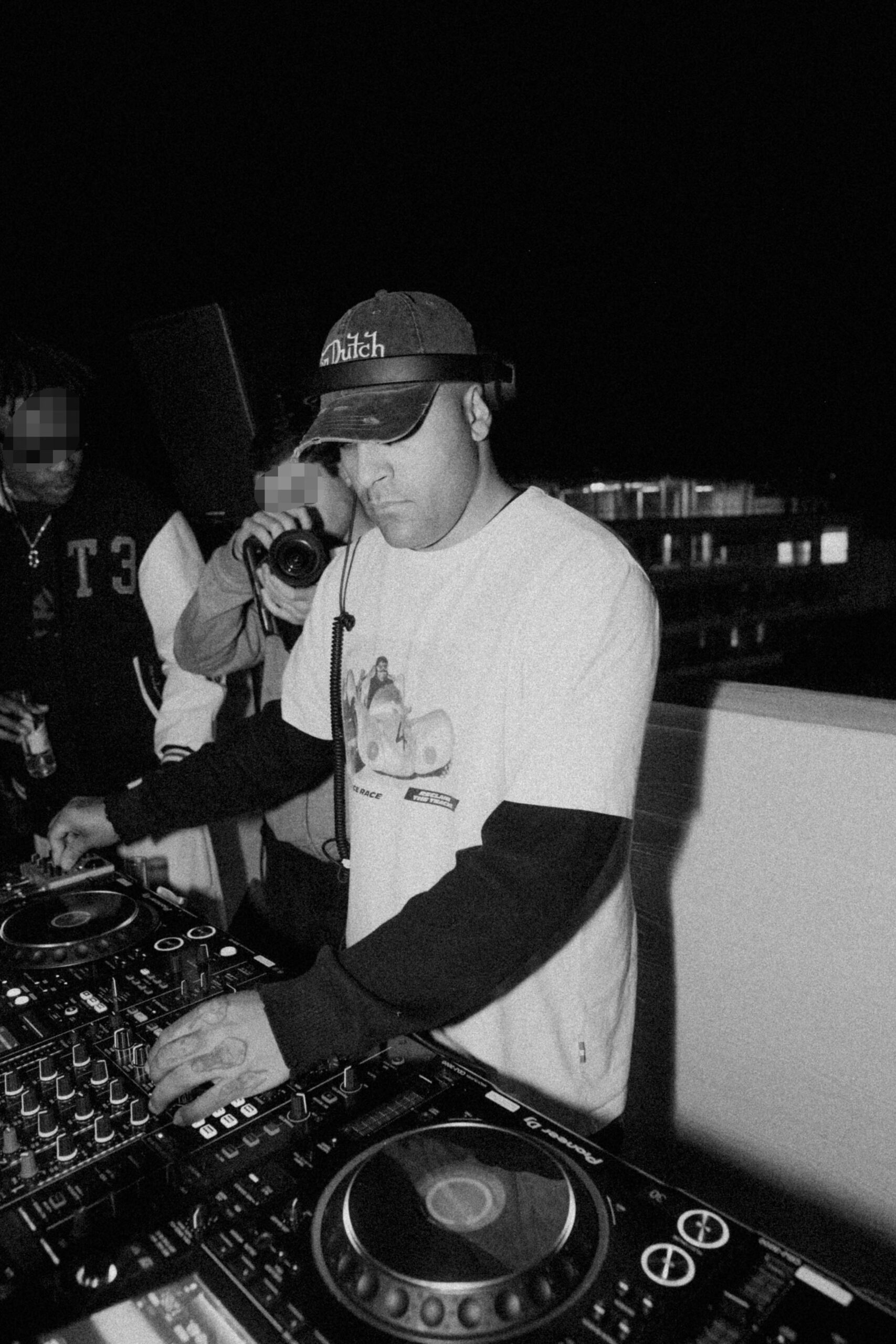
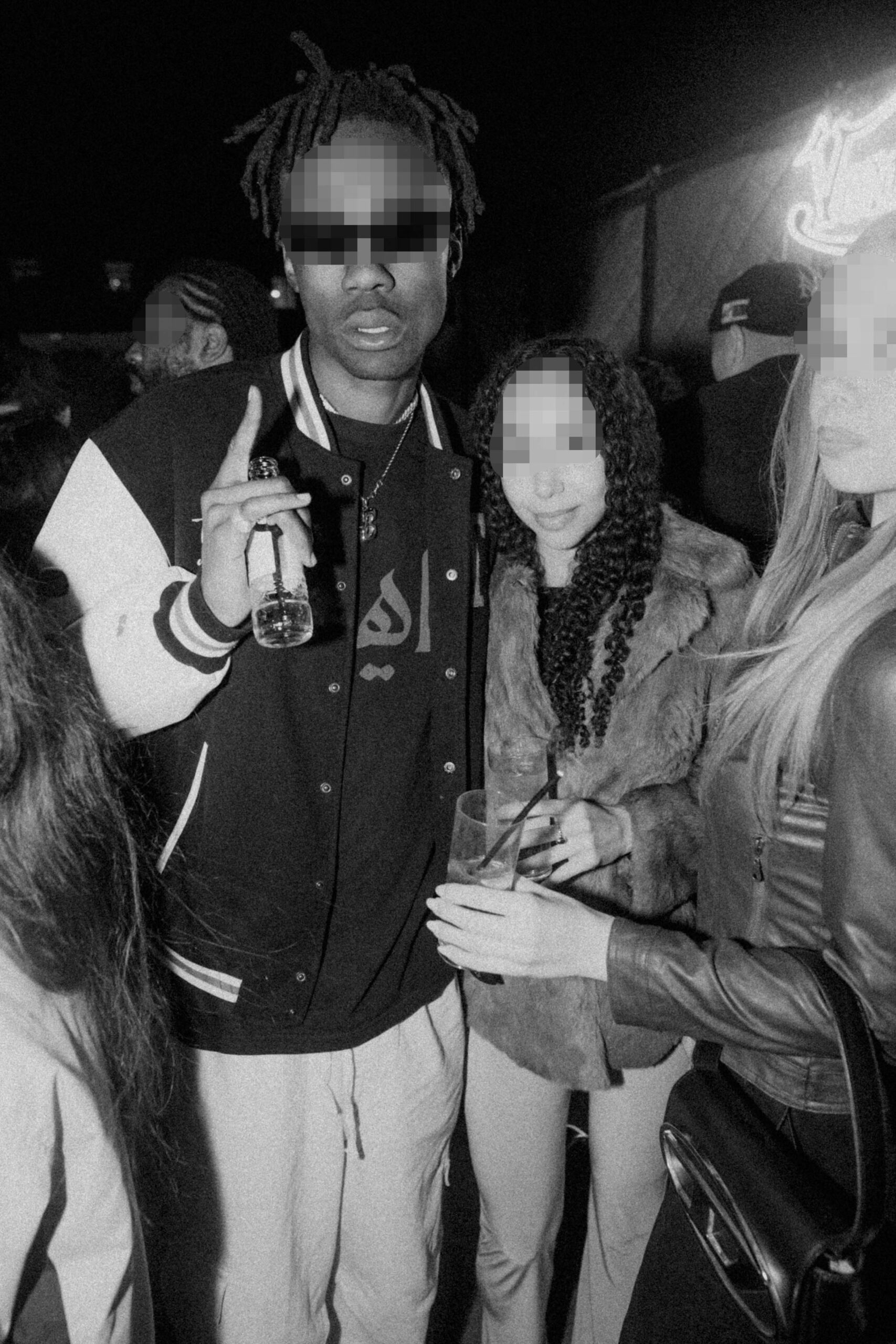
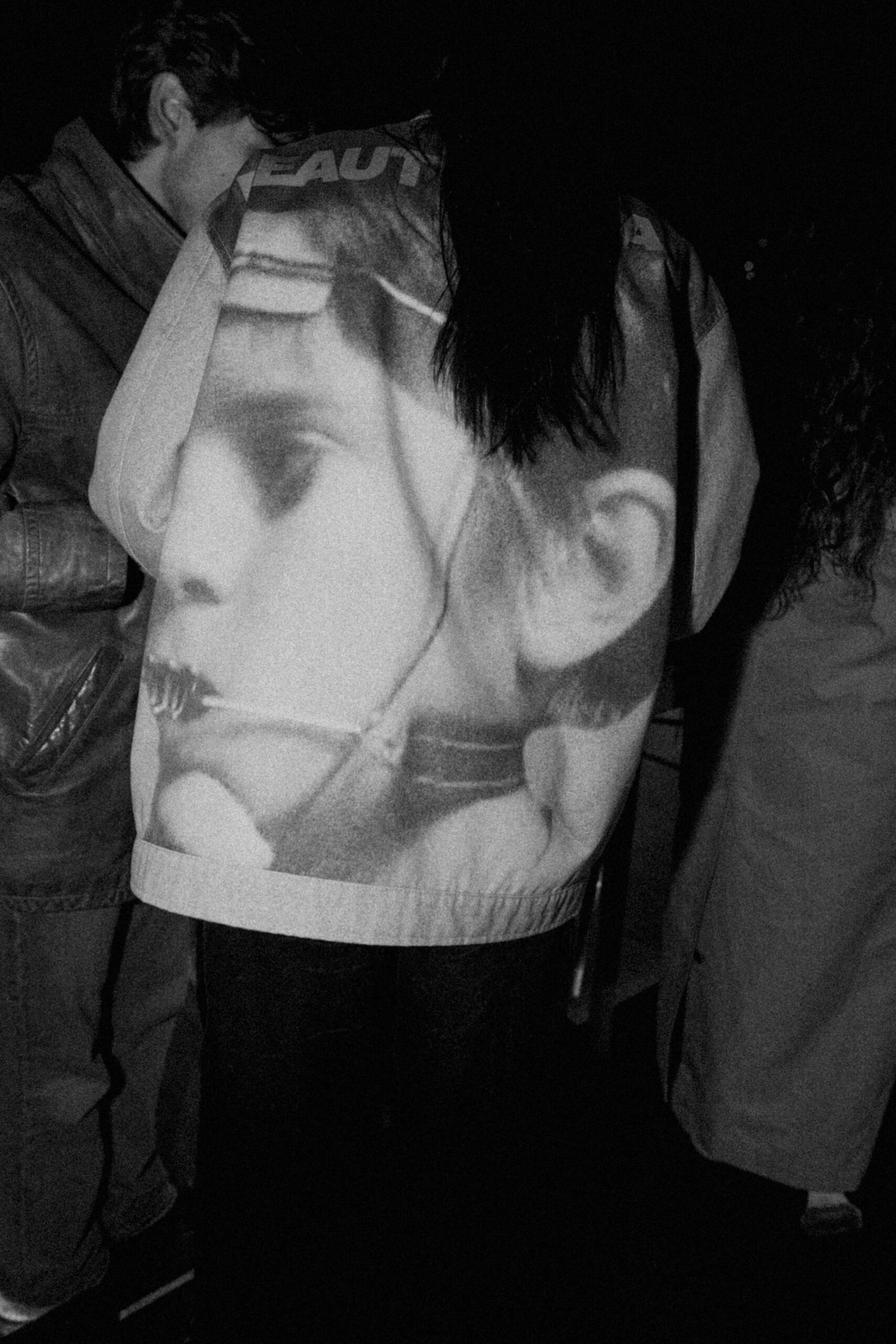
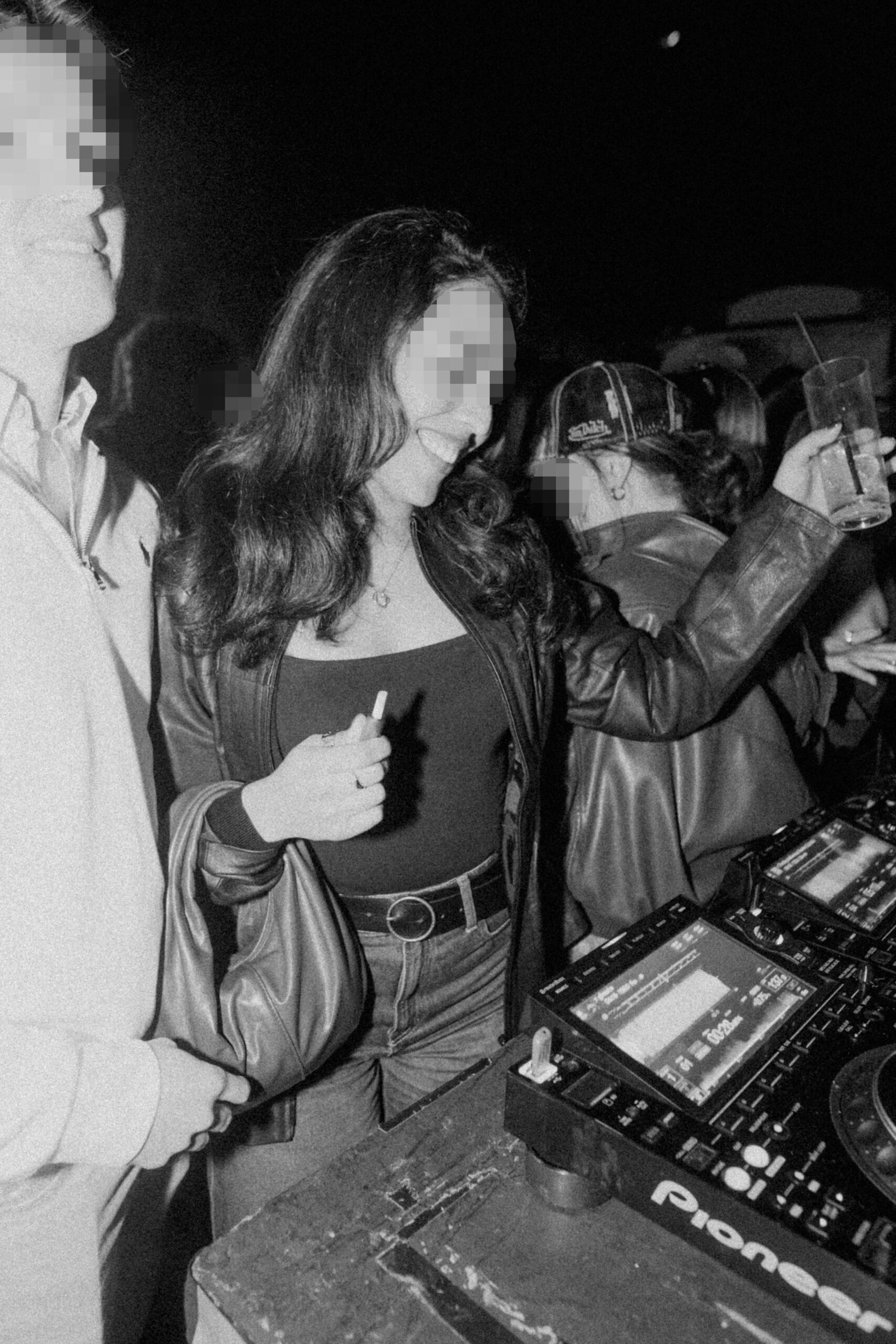
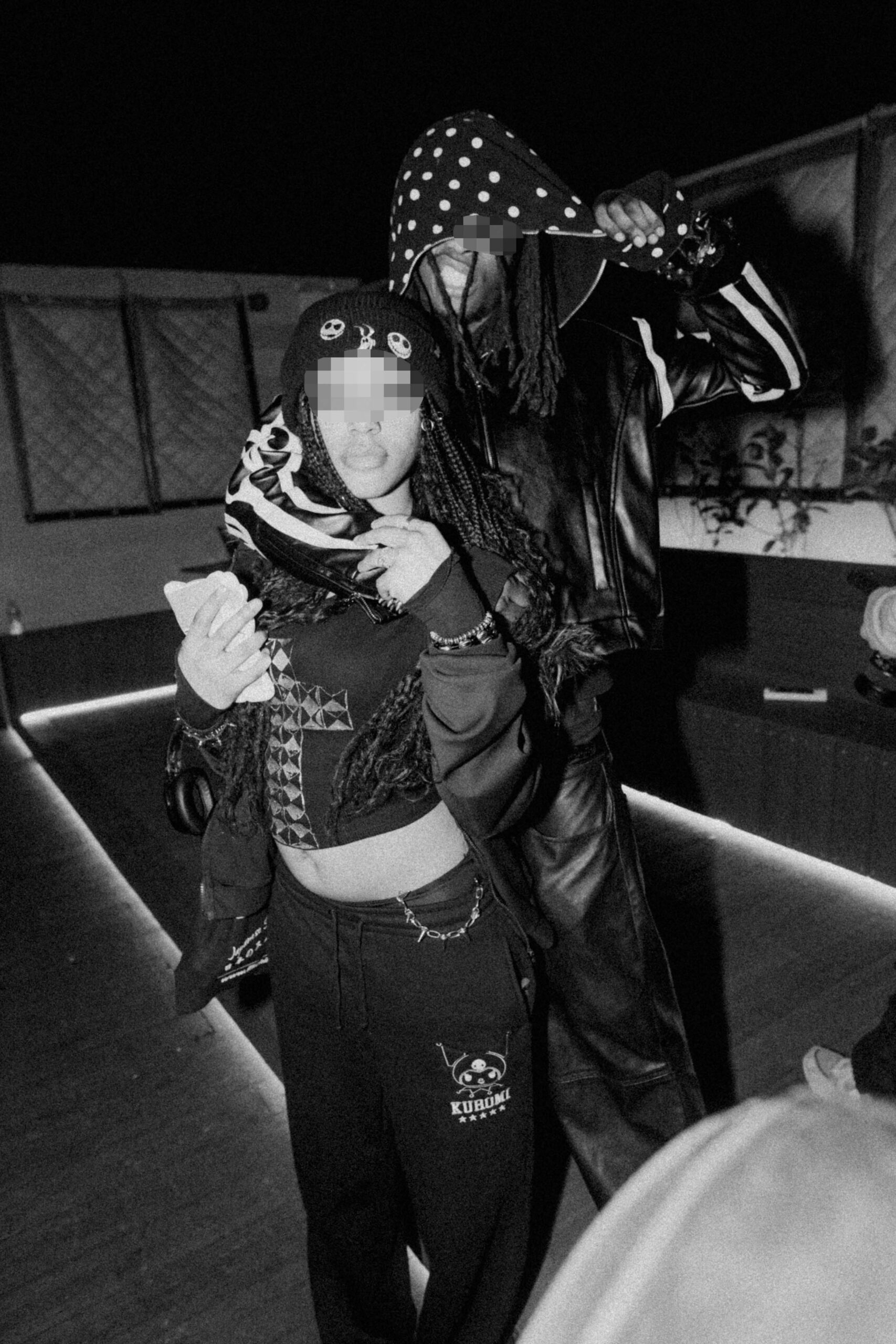
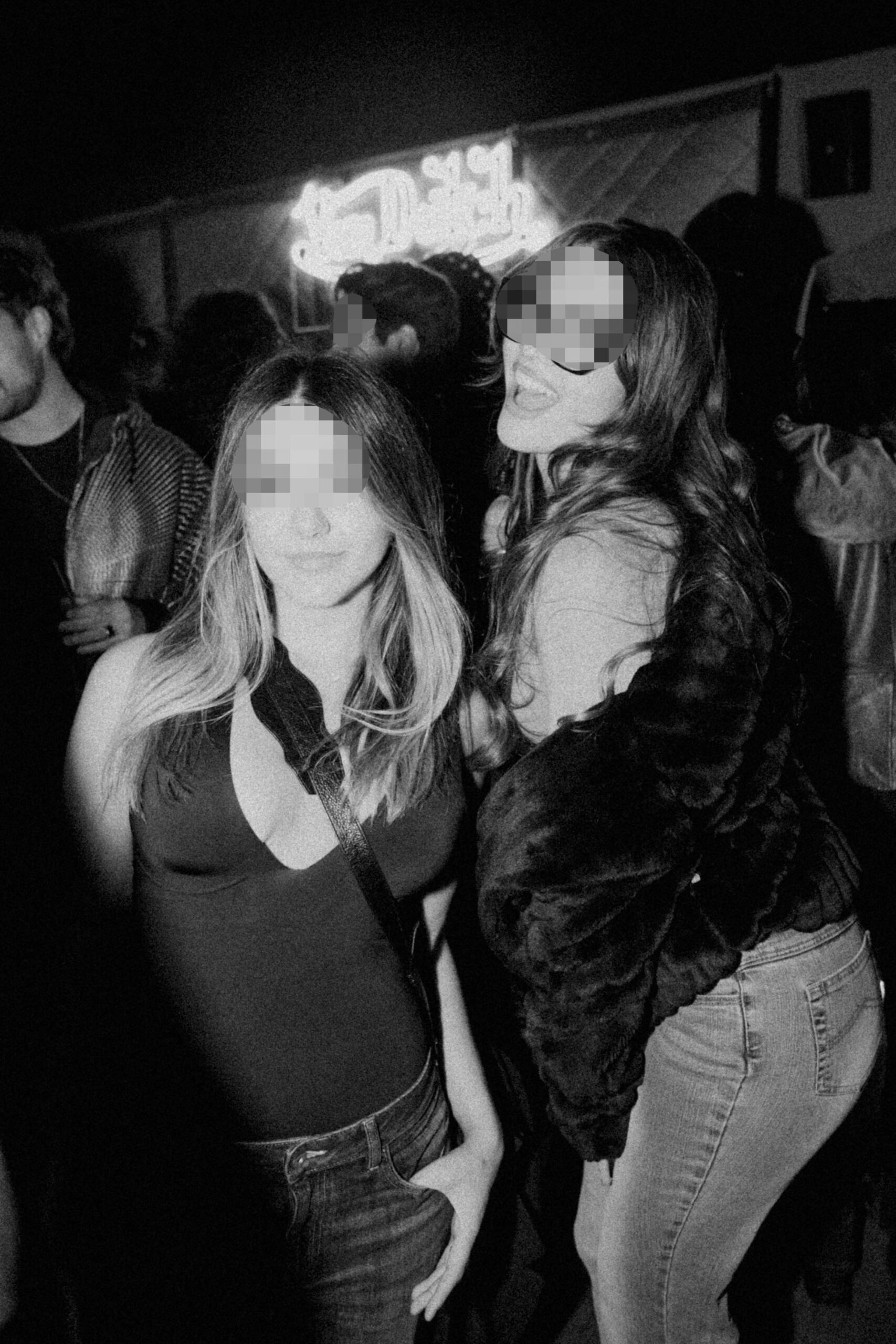
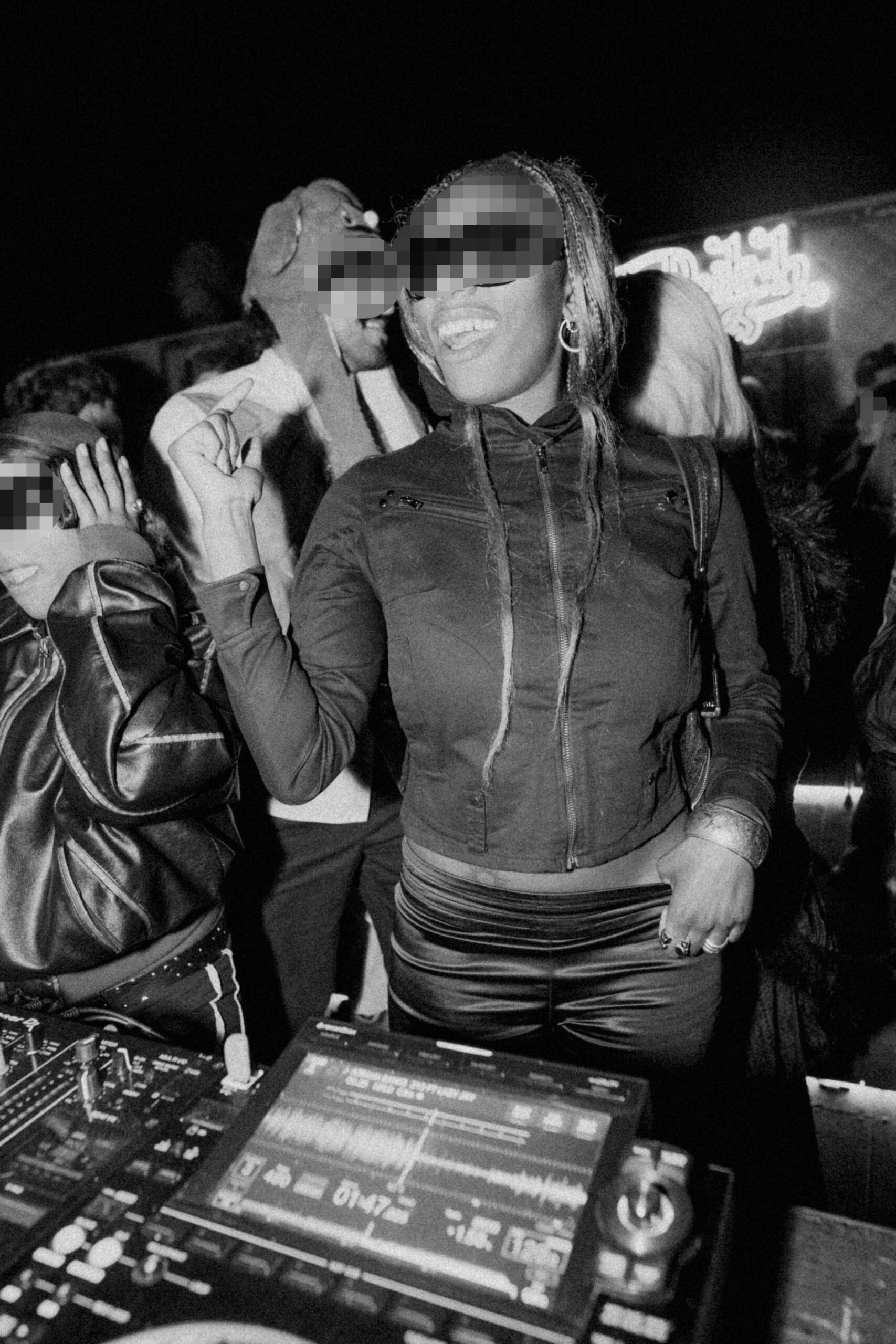
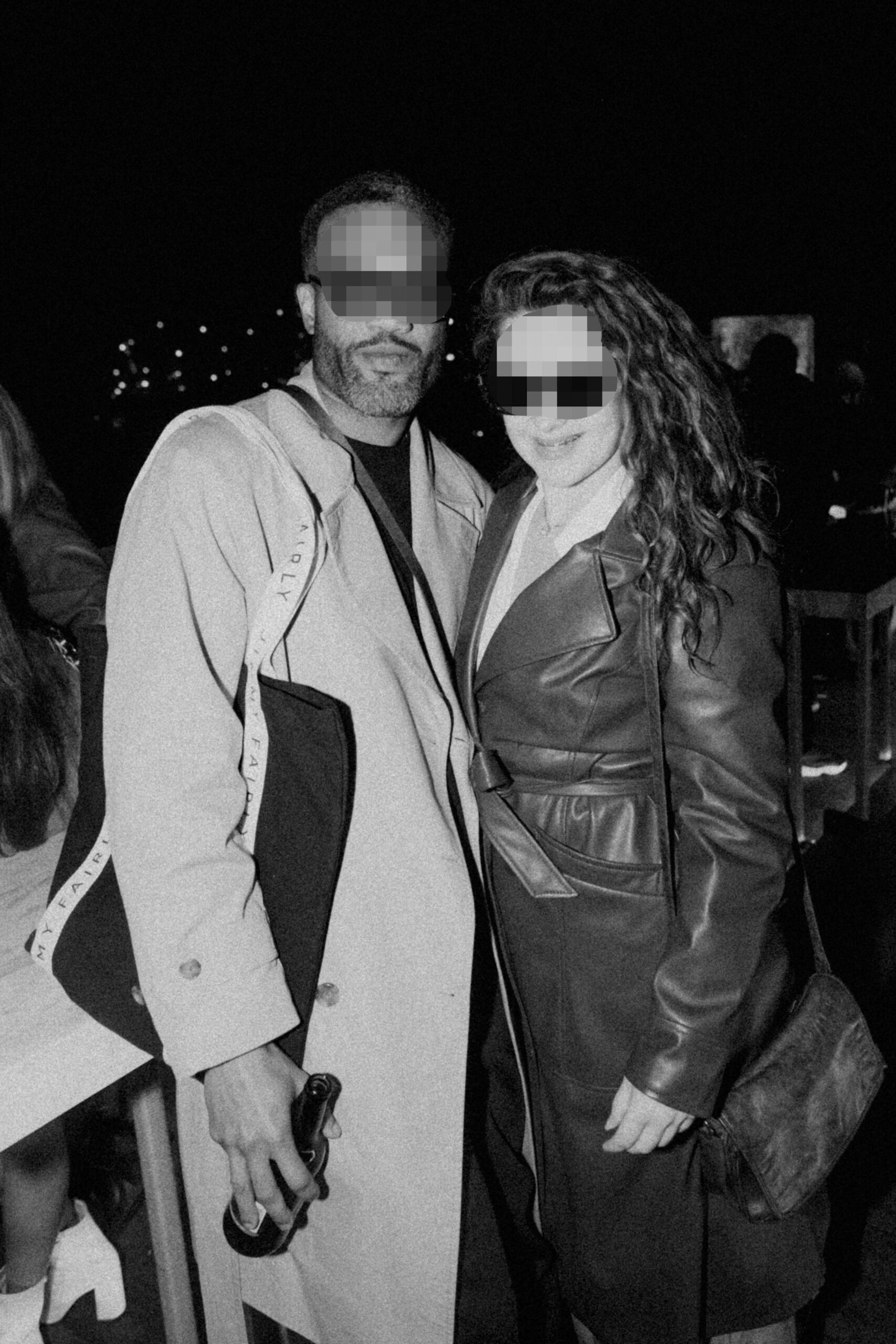
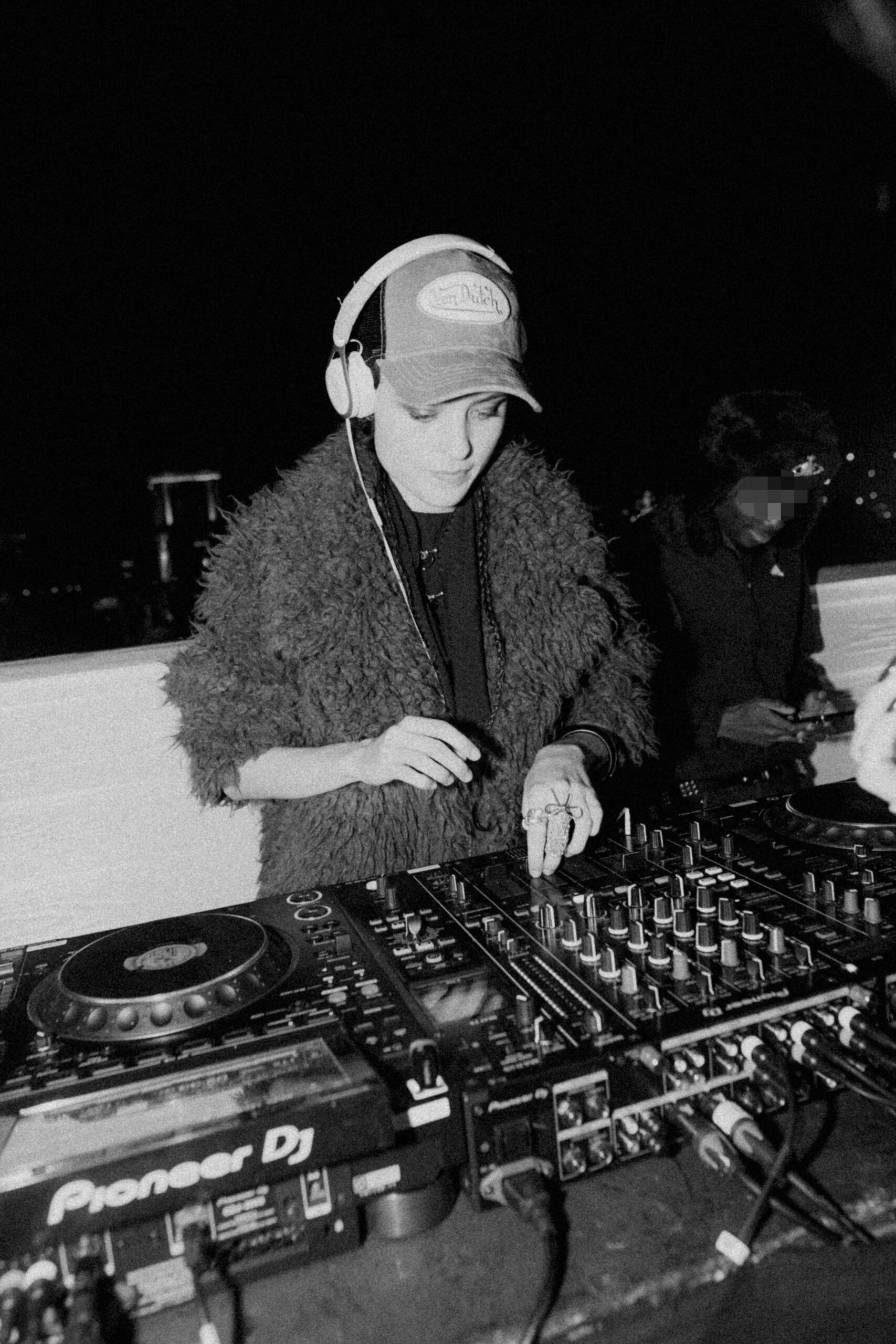
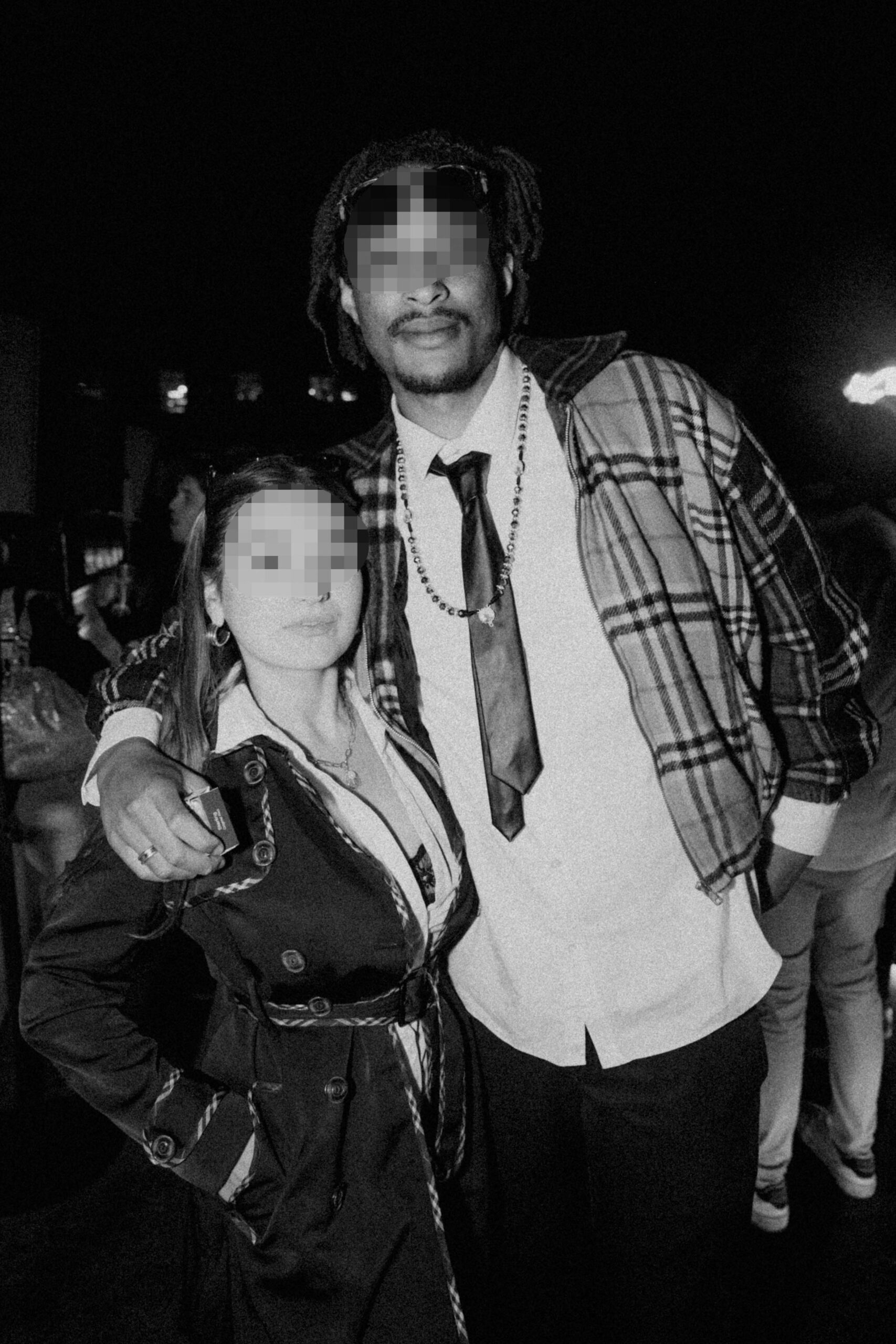
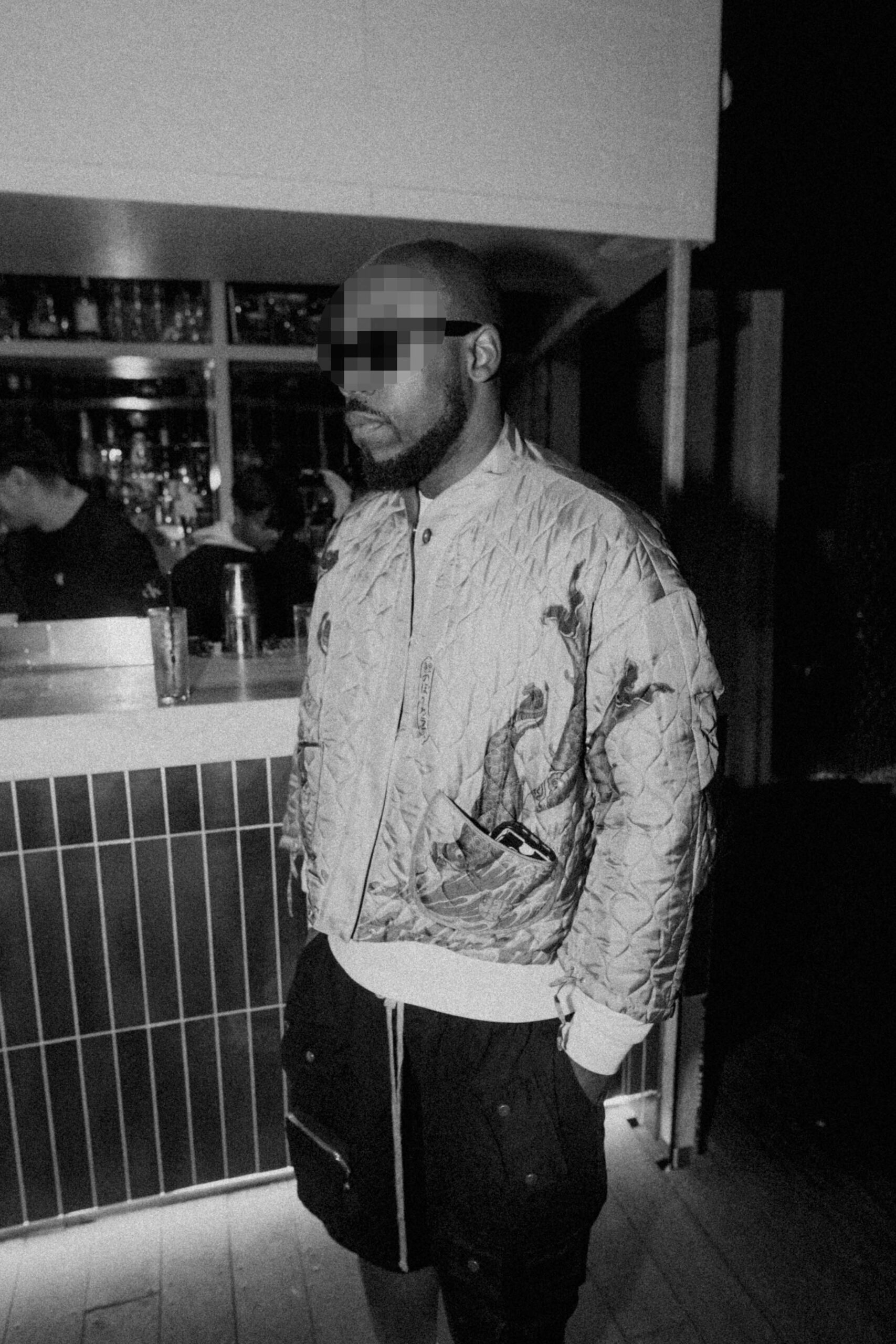
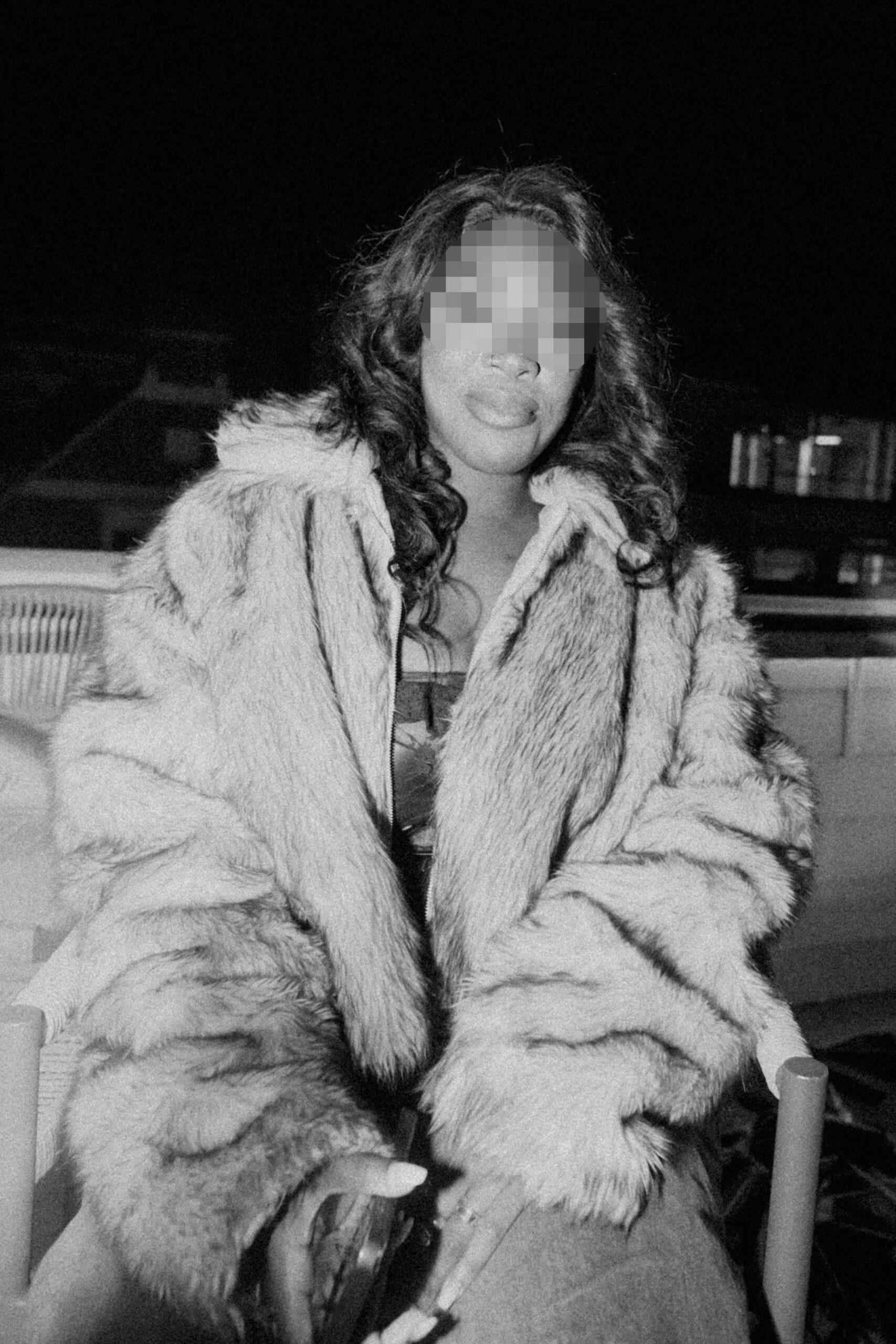
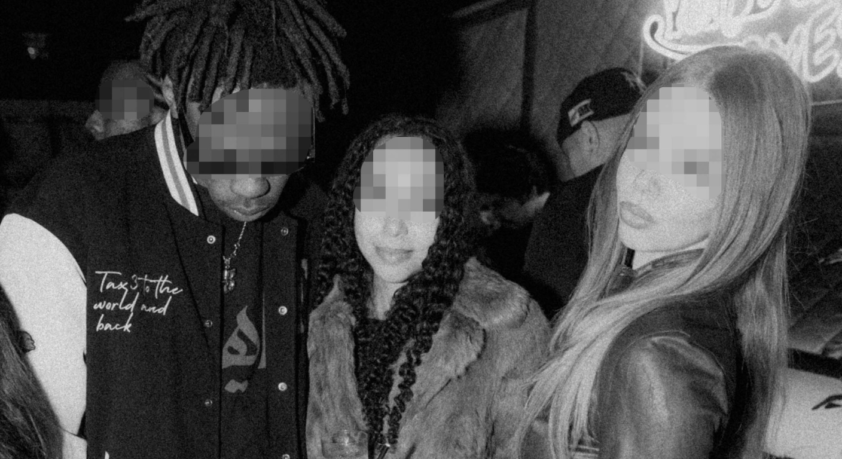
FAB L’Style witnessed this ethos firsthand during London Fashion Week, where No Permission teamed up with Von Dutch for a rooftop gathering hosted by Peter Xan. Set high above the city, the night felt deliberately removed from the usual LFW noise. House and Afro-house rhythms carried the atmosphere, DJs played for the room rather than the algorithm, and new music surfaced organically — without announcement or anticipation. It wasn’t about who was there, but how it felt to be there.
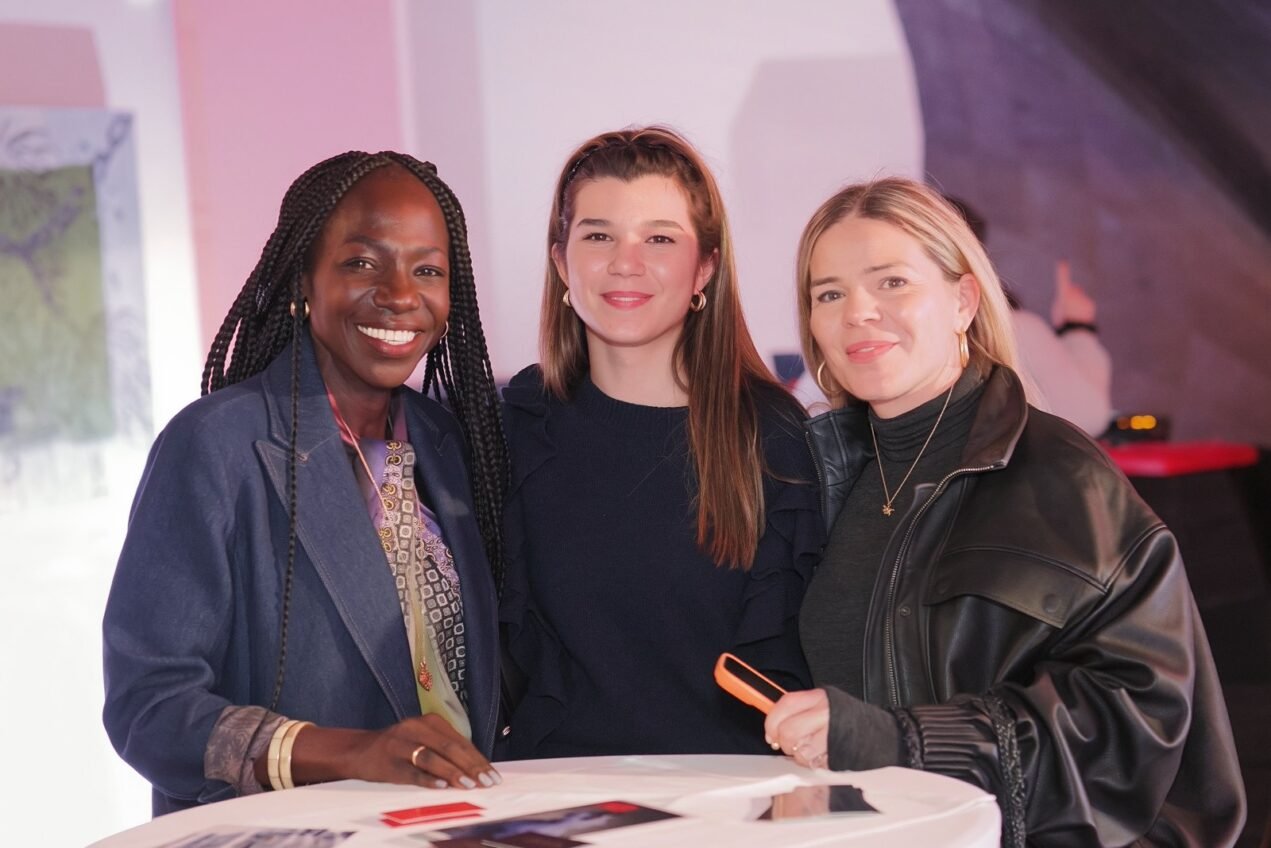
Since then, the platform has continued to evolve its format without losing its core. Most recently, No Permission took over The Cross in London, collaborating with Temple Tales for a multi-DJ night that leaned further into sound and immersion. Five DJs moved the evening across different energies, yet the philosophy remained unchanged: no spectacle, no interruption, no translation for the outside world. Just the room, the music, and the people within it.
This consistency is what defines No Permission. Each event is curated with intention, balancing underground music culture with fashion collaborations that respect the format rather than overpower it. Their collaboration with iBlues followed the same approach: no overt branding, no forced moments — just a carefully constructed environment where the brand existed naturally within the experience.
What makes No Permission compelling isn’t just the refusal of documentation; it’s the understanding that culture doesn’t always need amplification to be powerful. In an era where access is constant, restriction becomes meaningful. In a world of oversharing, mystery feels refreshing.
Offline, here, isn’t nostalgic. It’s intentional. By creating spaces where people are invited to be present rather than perform, No Permission taps into a growing shift across fashion, music, and nightlife: a return to experience over exposure. To listen without recording. To move without proving.
As brands search for more considered ways to engage communities, No Permission offers a quiet blueprint — not louder, not bigger, but deeper. Culture that lives in memory rather than on feeds. Moments that can’t be replayed, only remembered.
And perhaps that’s the real flex: when the night ends and the lights come up, nothing remains online — except the feeling that you were exactly where you were meant to be.