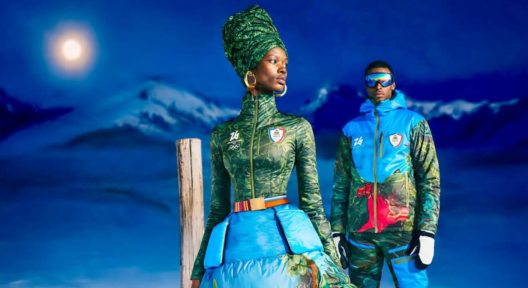


For years, the global fashion industry has patronisingly labelled African style as “emerging”. But from January 28 to 31, 2026, Nairobi didn’t just host a fashion week; it staged a coup. Under the uncompromising banner “Decarbonize,”Nairobi Fashion Week (NFW) didn’t ask for a seat at the global table—it built its own, crafted from upcycled denim, organic hemp, and an intellectual rigour that puts the traditional “Big Four” on notice.
This wasn’t just a parade of beautiful garments. It was a declaration of fashion as policy, as infrastructure, and as a radical form of climate activism.
Nairobi Fashion Week 2026 Sets a New Global Standard for Sustainable Luxury Fashion
The week began not with a runway, but with a strategy. At Matteo’s in Karen, the opening launch felt less like a party and more like a war room for the future of the industry. This was followed by the Thread Talks at The Social House, which served as the event’s intellectual spine.
When representatives from UNEP, Gatsby, and the Kenya Fashion Council sat down with veteran designers, the conversation wasn’t about the “look” of the season. They debated production ethics and the reality of scaling without extraction. By the time the masterclasses powered by Anansi concluded, it was clear: in Nairobi, sustainability isn’t a seasonal aesthetic; it’s systems thinking.
The Runway: A Dialogue of Power and Poetry
By the time the lights went up at the Sarit Expo Centre on January 31st, the audience knew they were witnessing the culmination of an argument.

- JOHN KAVEKE
- JOHN KAVEKE
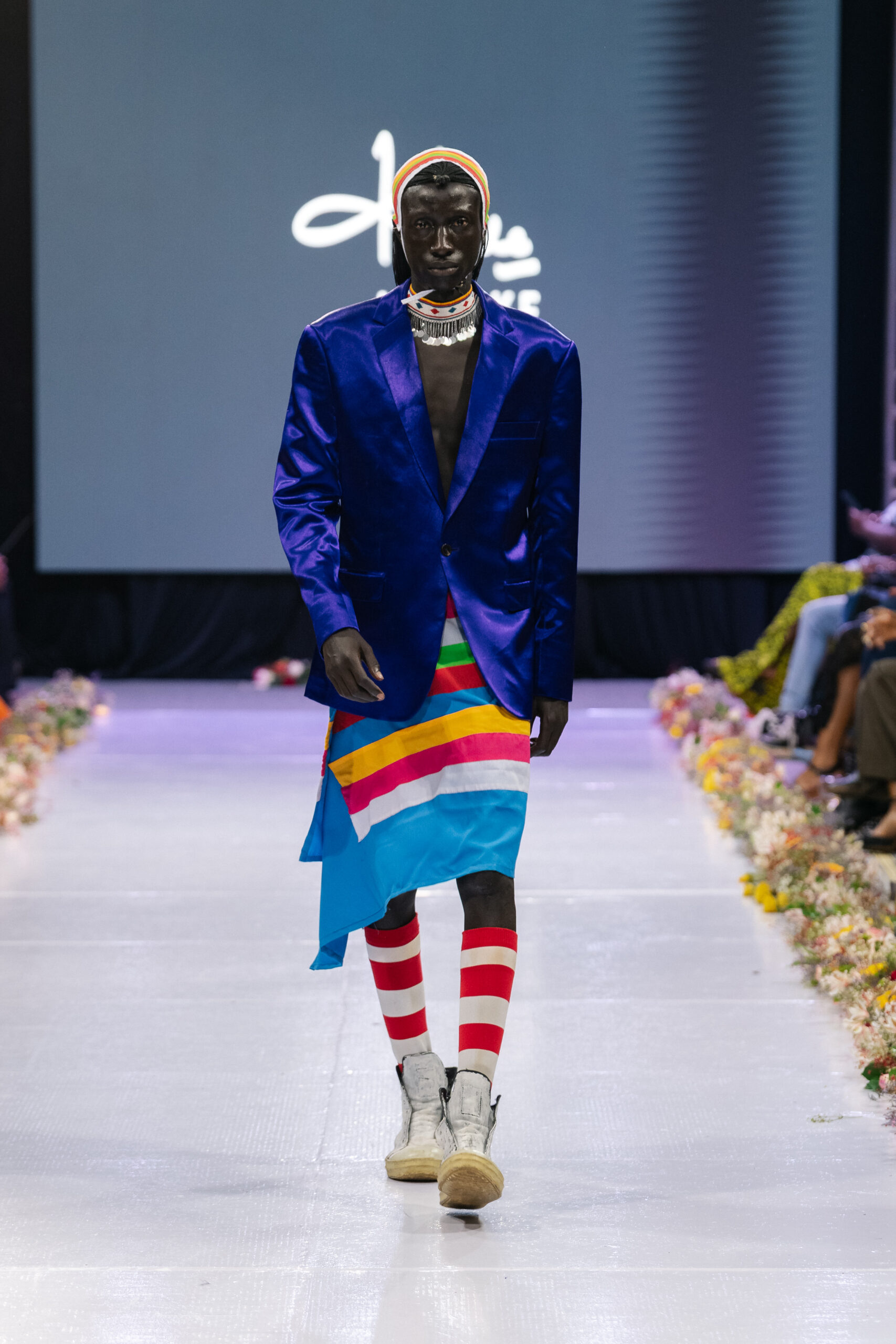


- The Statesman’s Return: John Kaveke provided the evening’s gravitational centre. His collection was a breathtaking dialogue between Maasai heritage and Japanese precision. Architectural yet human, Kaveke didn’t just “quote” tradition; he translated it into a disciplined, intercontinental language.
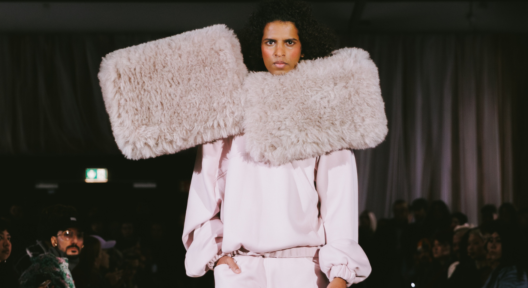
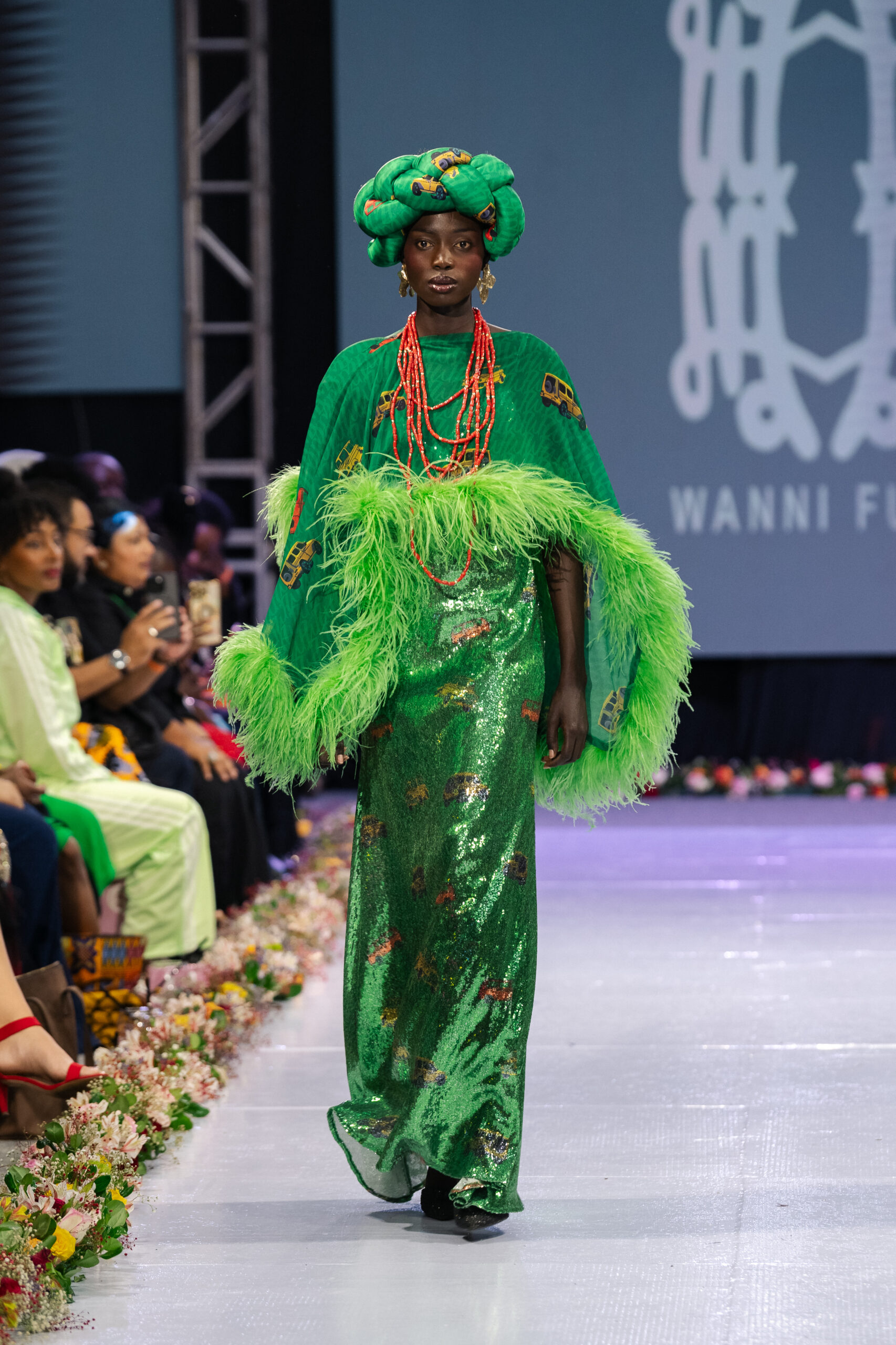
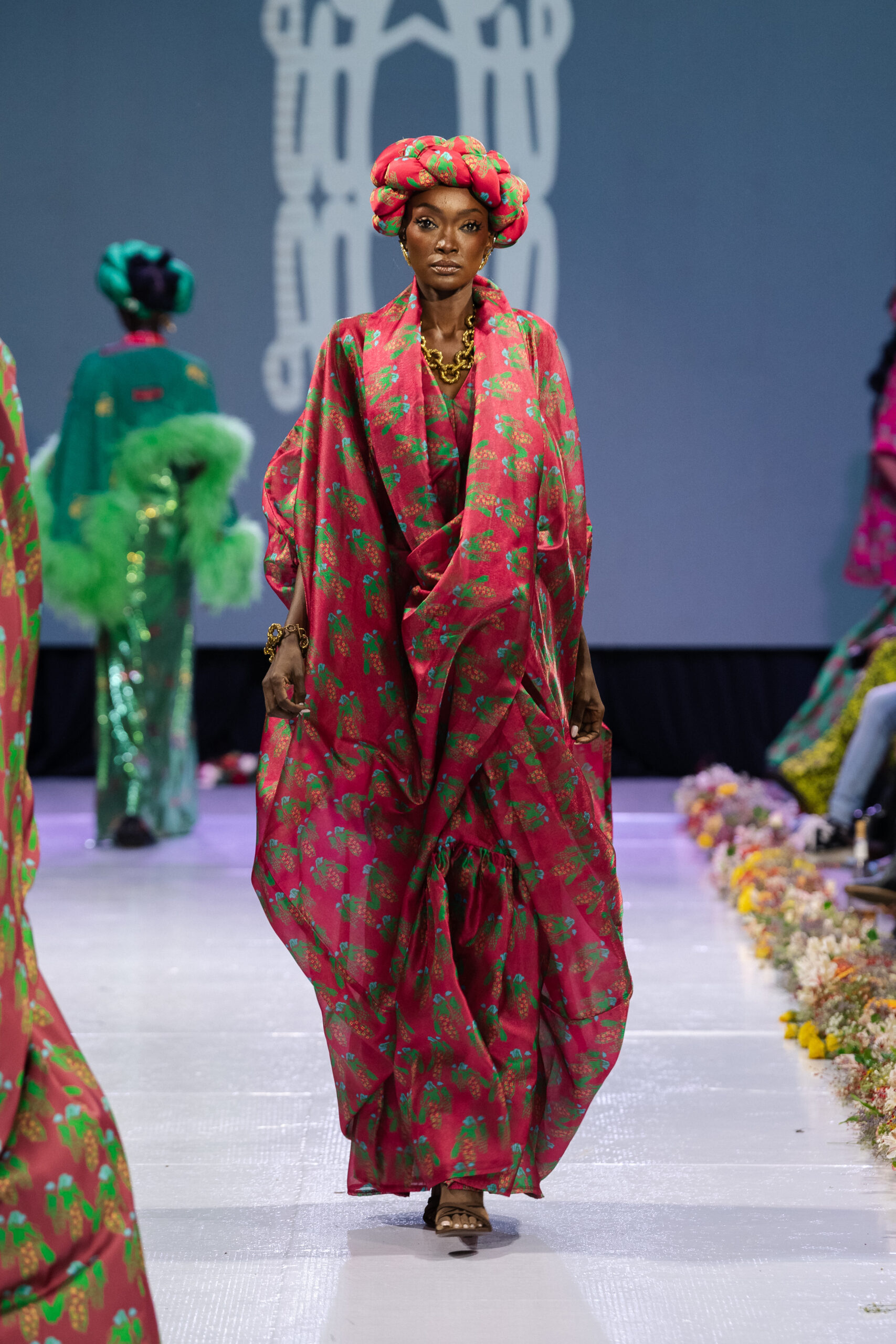
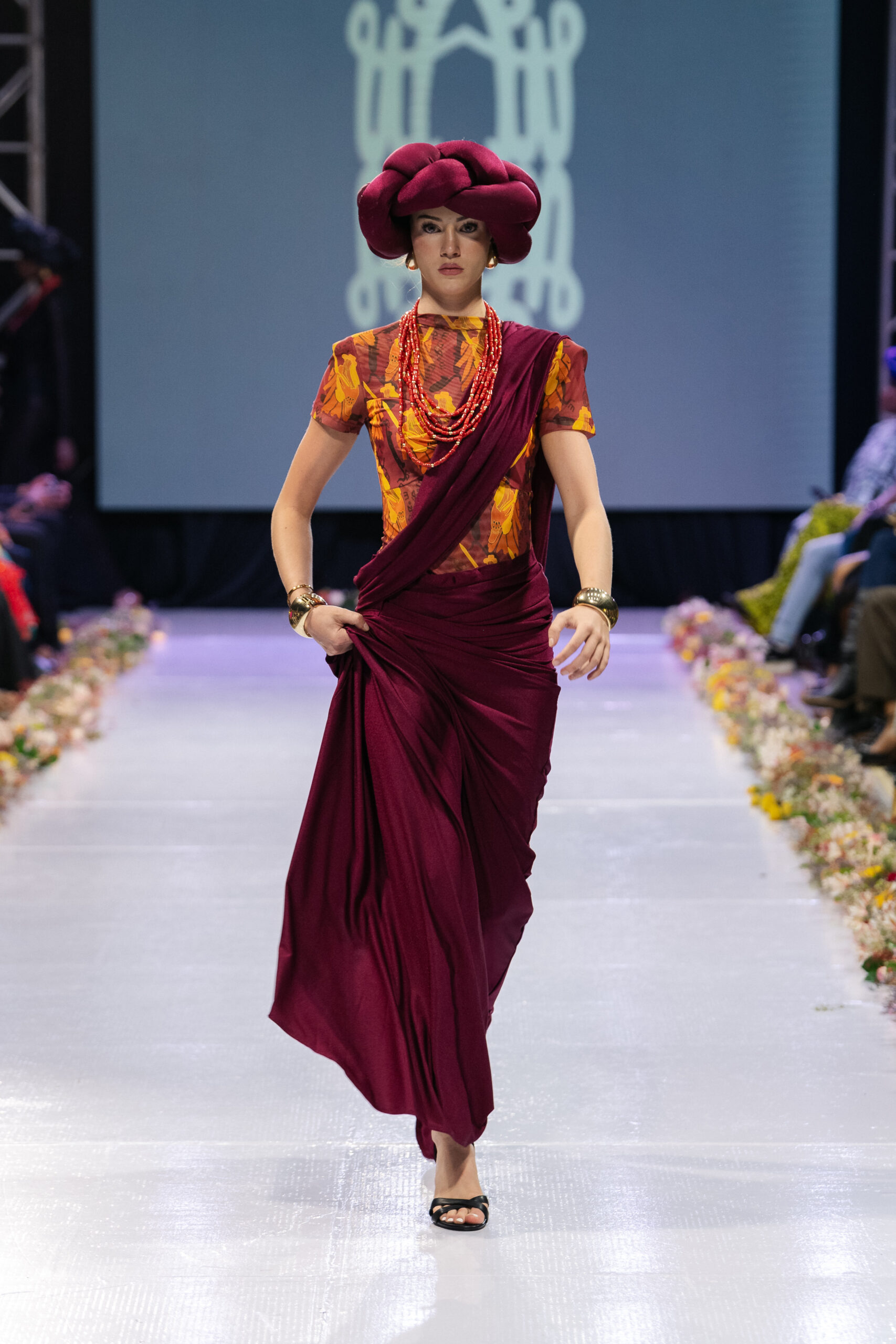
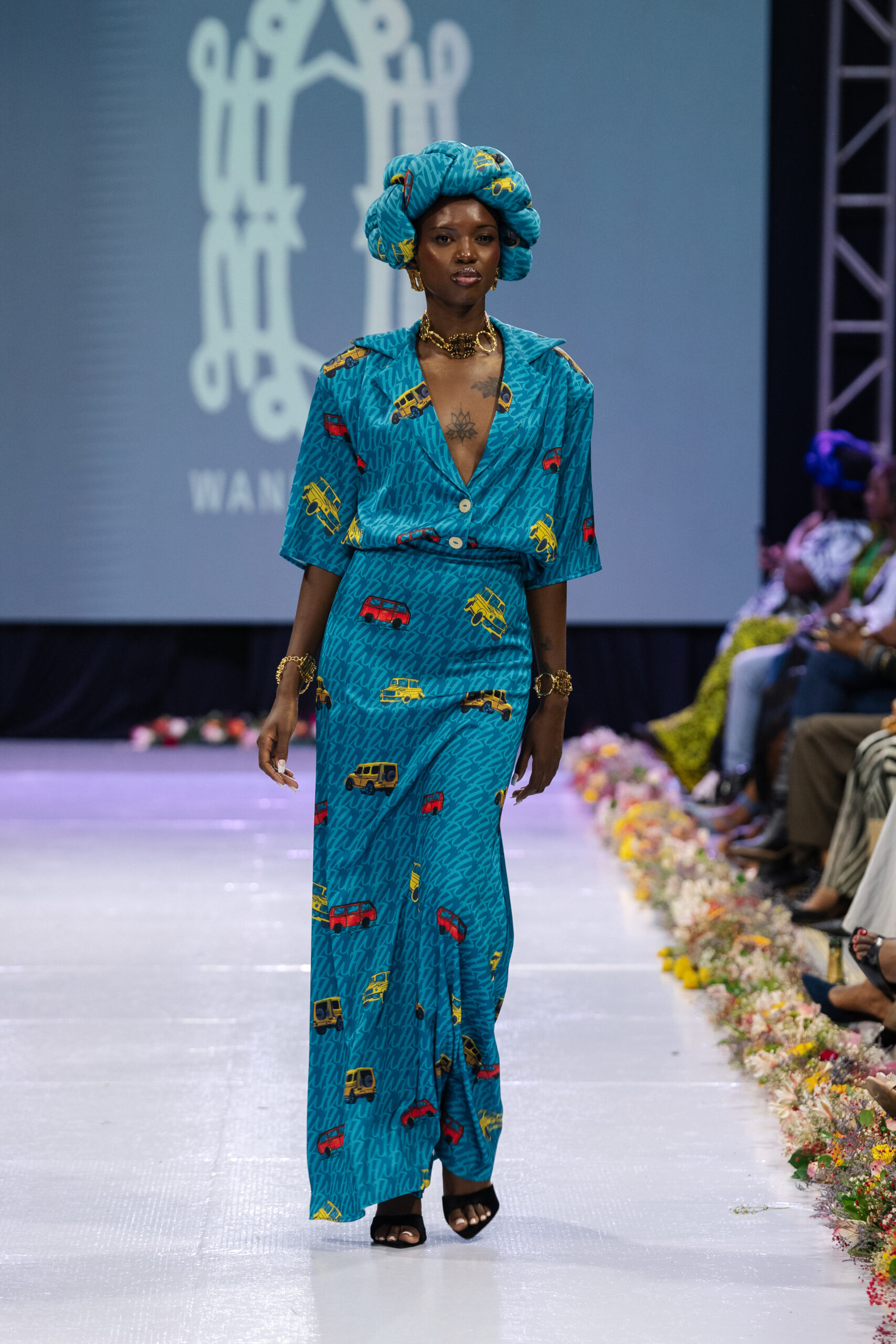
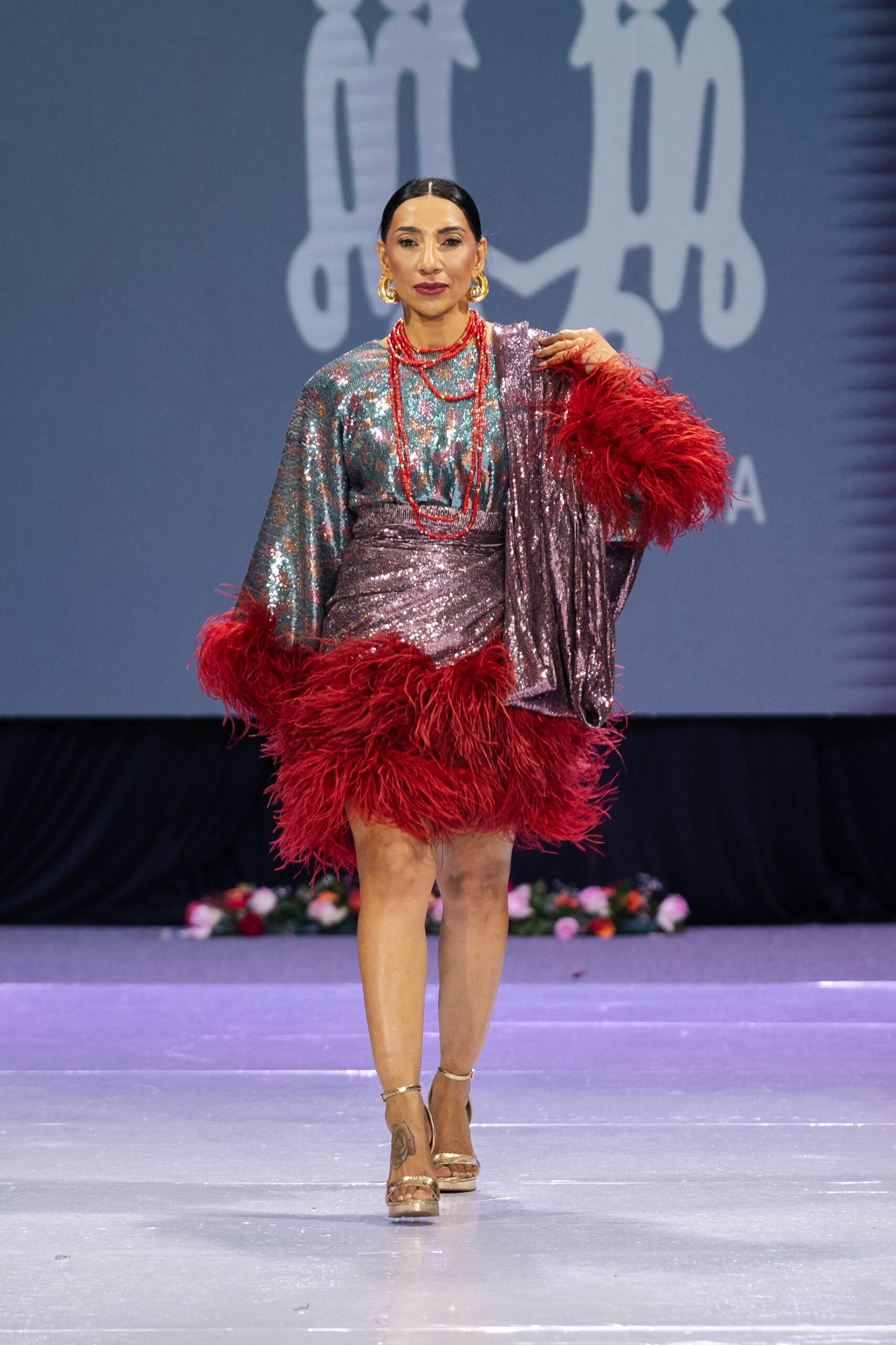
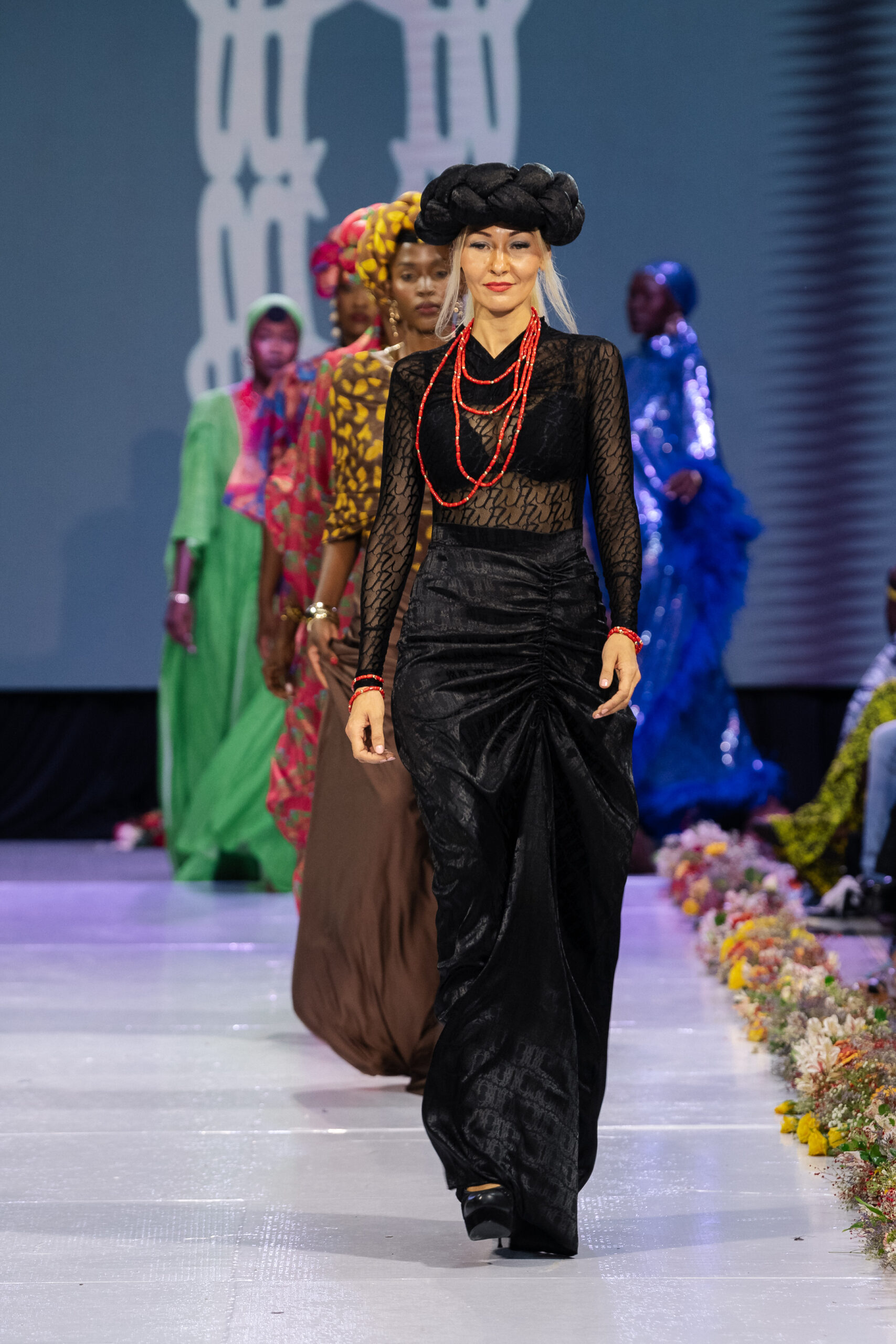
- The New Sophisticate: Nigeria’s Wanni Fuga delivered a masterclass in controlled power. Her sculptural silhouettes and impeccable tailoring articulated a vision of modern African elegance that was globally fluent and quietly authoritative.
- Tactile Environmentalism: Yevaàna turned the “Decarbonize” theme into wearable poetry. Using cotton, linen, and hemp, her hand-crafted pieces offered a sensual, slow-fashion counterpoint to the world’s accelerating pace.
- WANNI FUGA
Circular Excellence and Street Cadence
The diversity of the lineup proved that “sustainable” is not a singular look. Rialto, led by the legendary Lucy Rao, took upcycled denim and elevated it to the level of disciplined couture. Meanwhile, Naaniya—the French-born designer of Malian descent—positioned heritage as a living material, layering Bogolan textiles into contemporary European silhouettes.
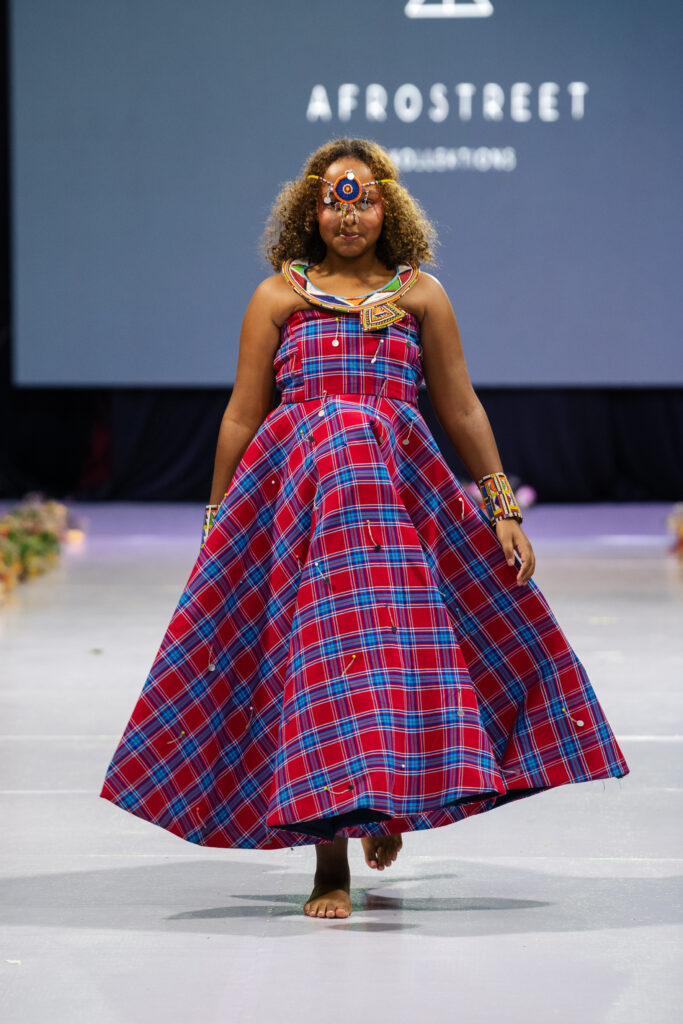
The vocabulary expanded even further with ACI NOD, an American streetwear label that injected a necessary urban cadence, and Afro Street Kollektions, whose versatile designs captured the rhythmic, confident pulse of contemporary African city life.

The Architecture of Empowerment
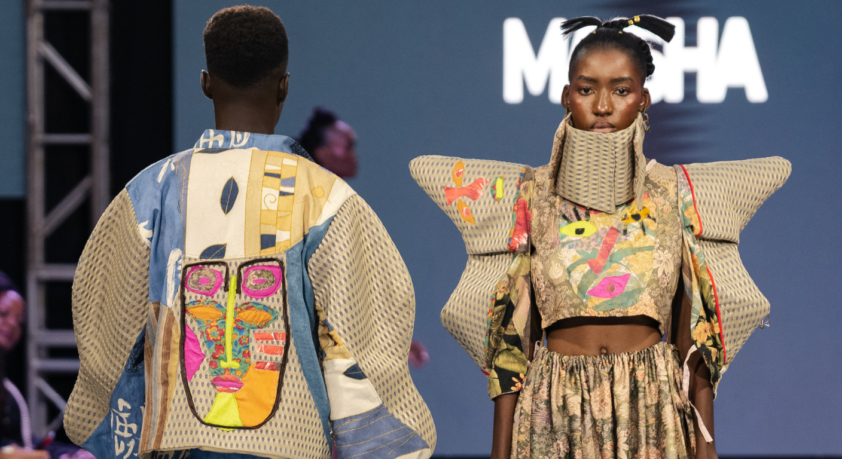
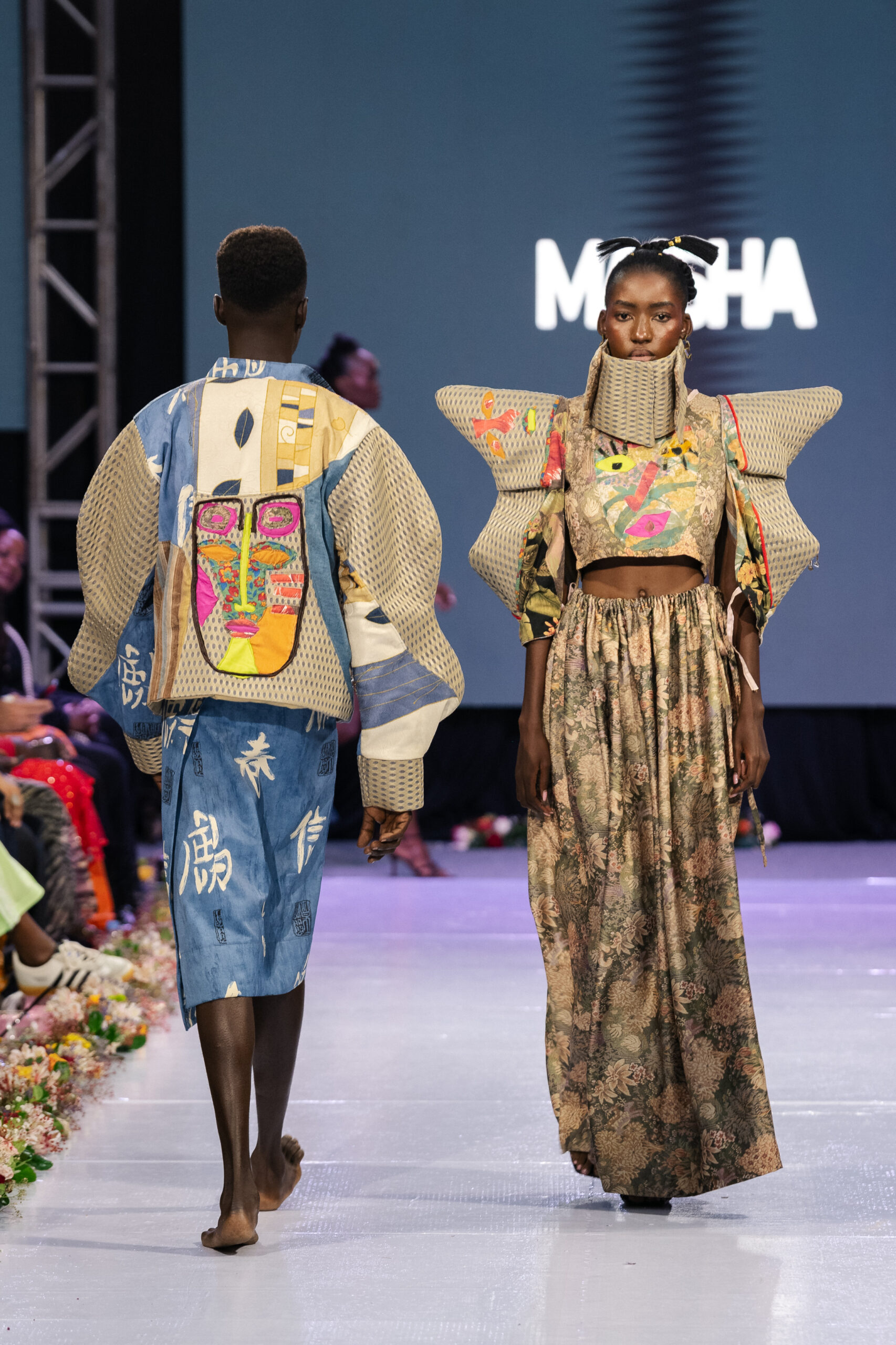
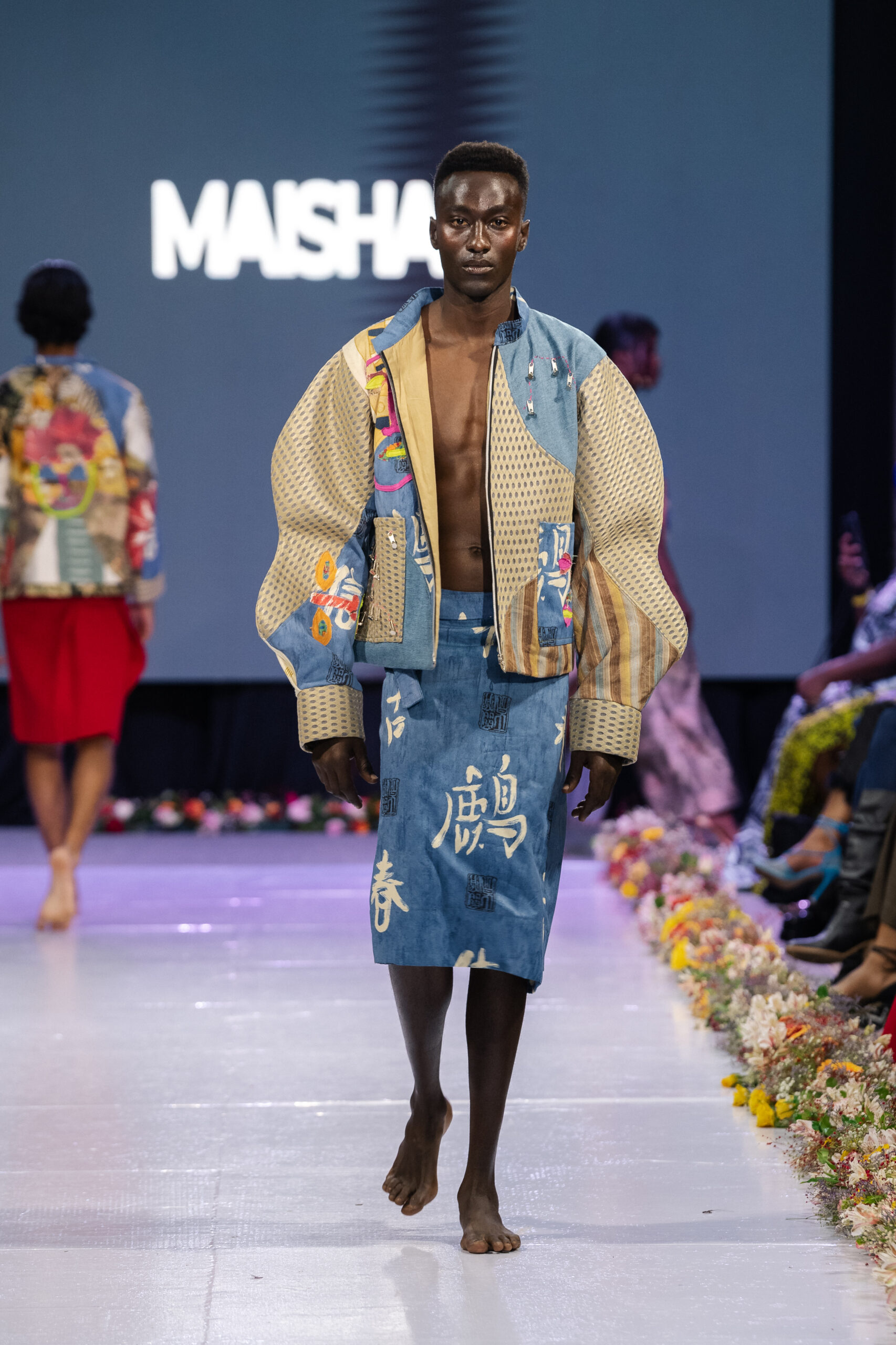
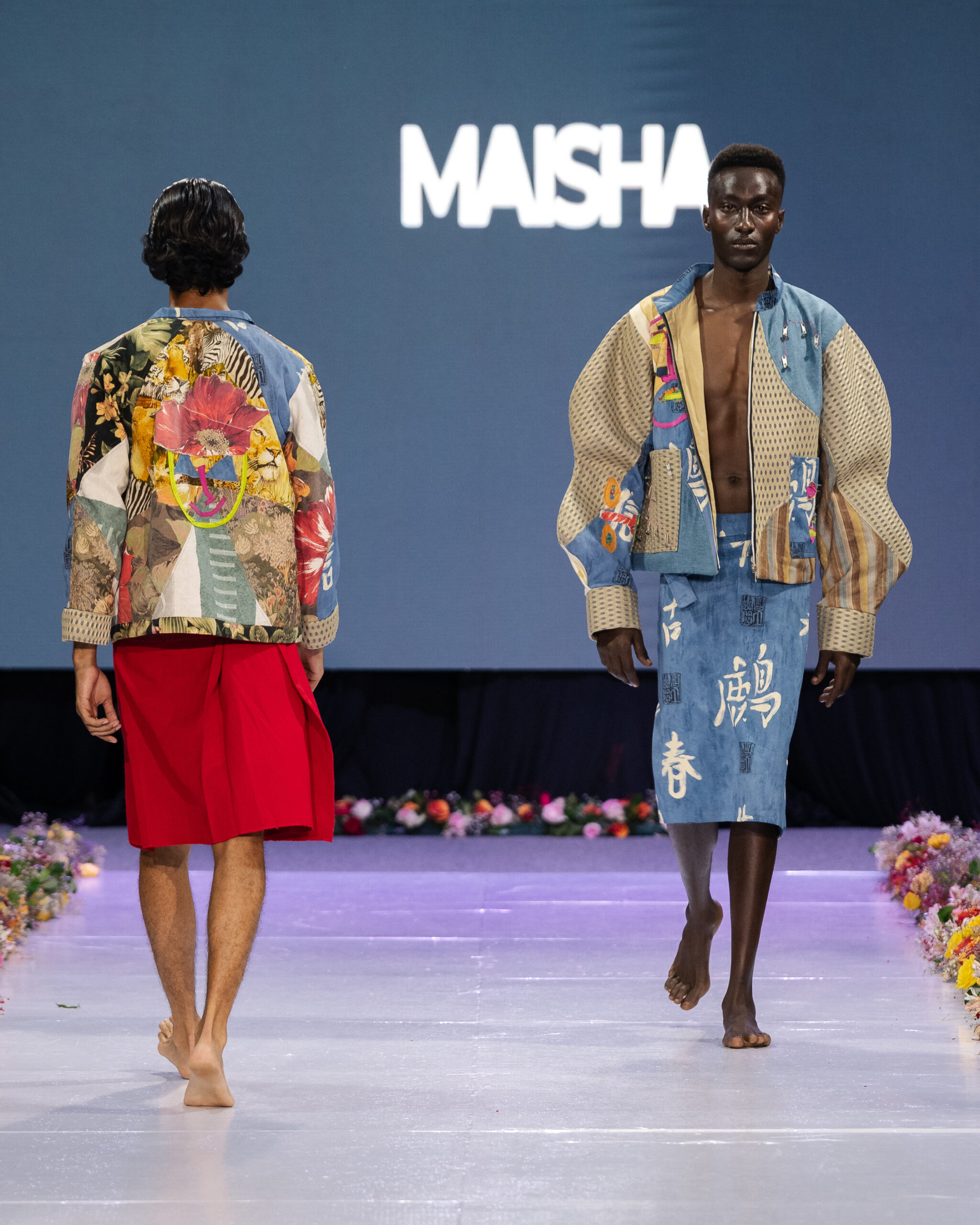
Perhaps the most poignant moment of the week was the realisation that fashion in Nairobi is functioning as social architecture. Maisha, based in the Elementary Theatre, demonstrated that circular fashion can be an economic engine, transforming second-hand textiles into collections tied directly to community empowerment programmes.
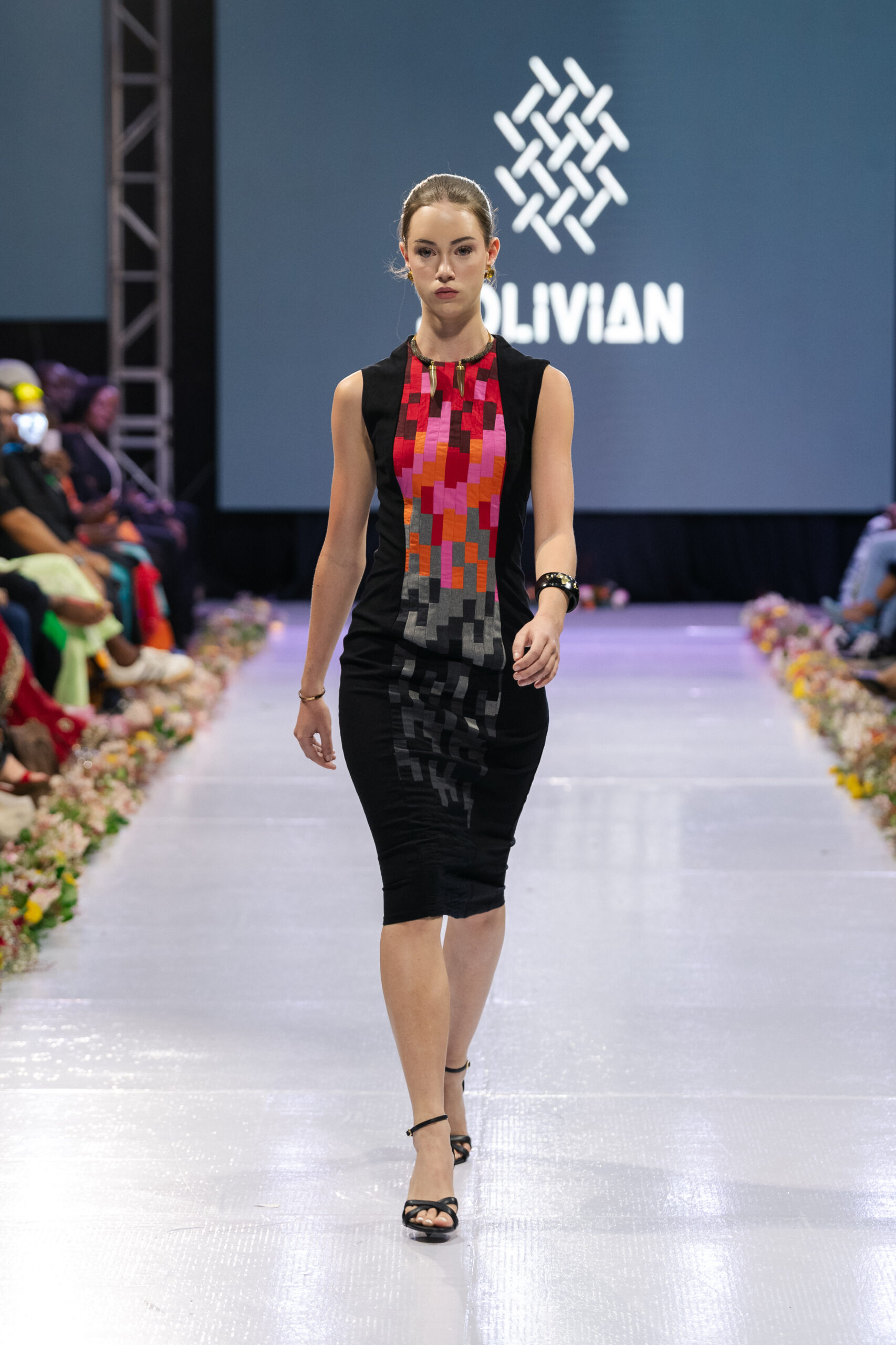
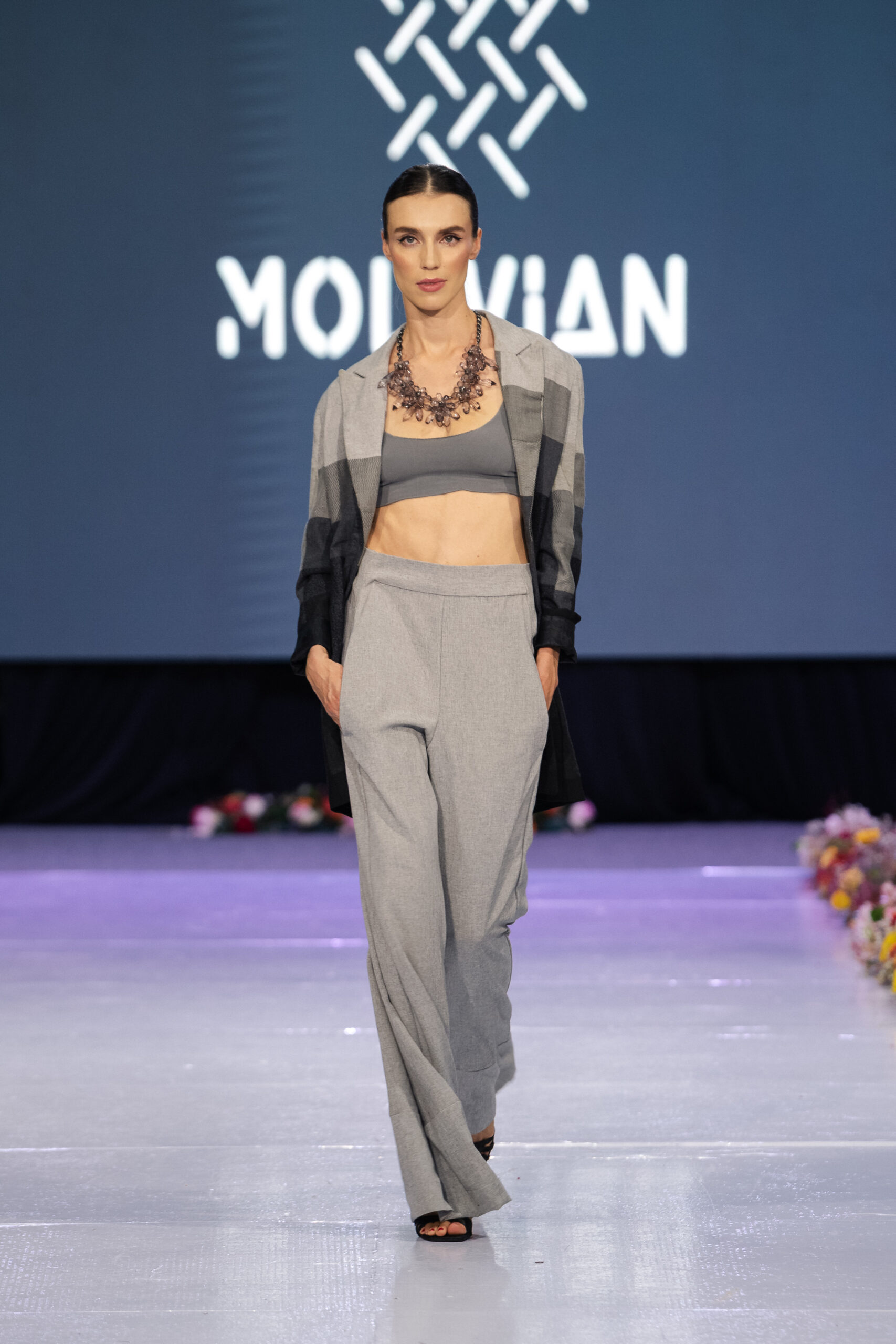
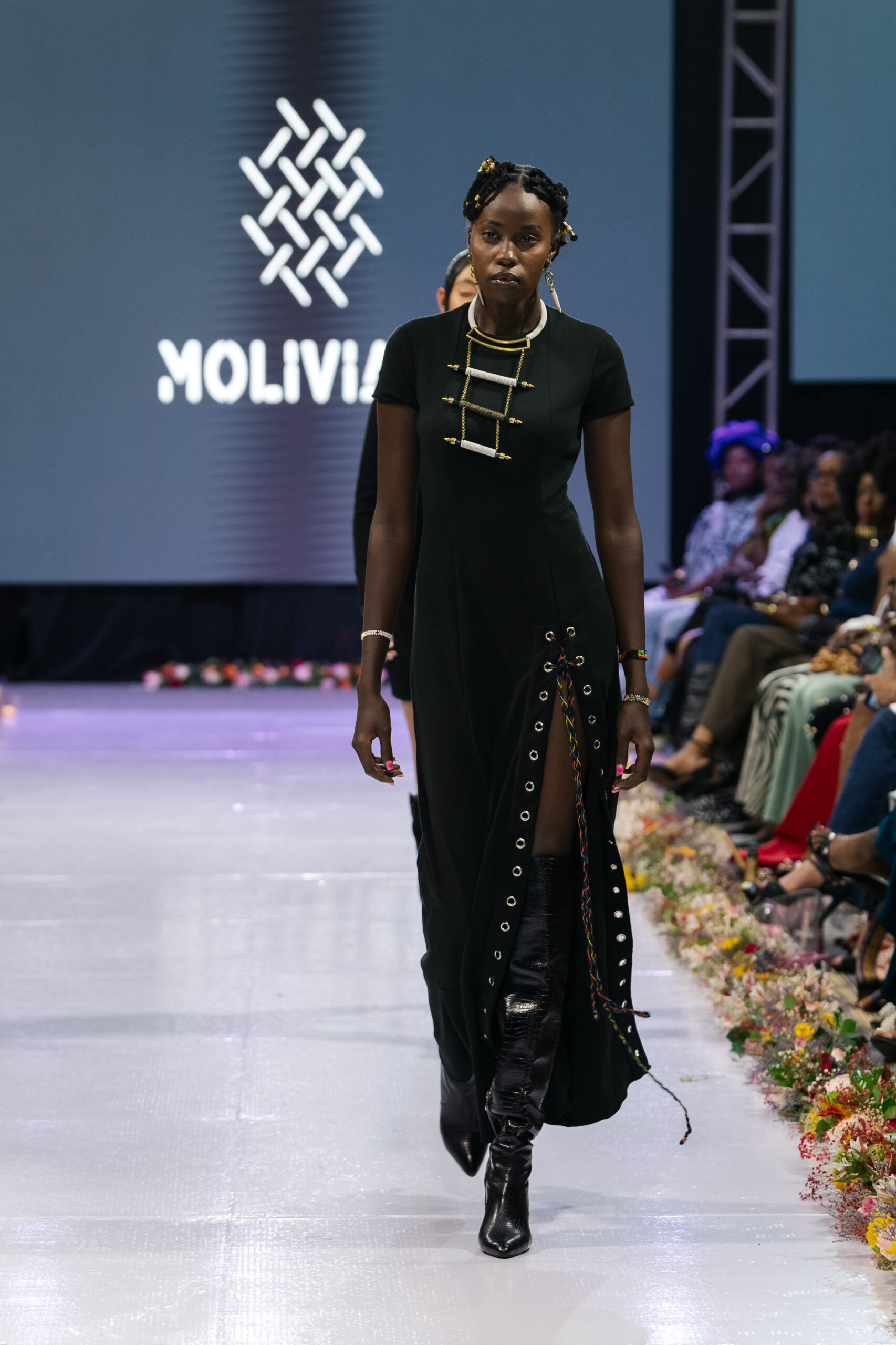
This is the “Nairobi Way”: a fusion of ancestral techniques (seen in the bespoke leather and beadwork of A Touch of Kenya) and conceptual risk-taking (the experimental proportions of Molivian).


The Final Verdict
Nairobi Fashion Week 2026 has successfully shifted the perception of what a fashion capital looks like. It is no longer about who can produce the most, but who can produce the most meaningfully. By centering decarbonization without sacrificing an ounce of artistry, Nairobi has positioned itself as the capital of forward-thinking design.
In the “Green City in the Sun”, fashion now speaks with a voice that is authoritative, authentic, and—above all—future-proof.
Photo Credit: JOAKINS KUYO PHOTOGRAPHY