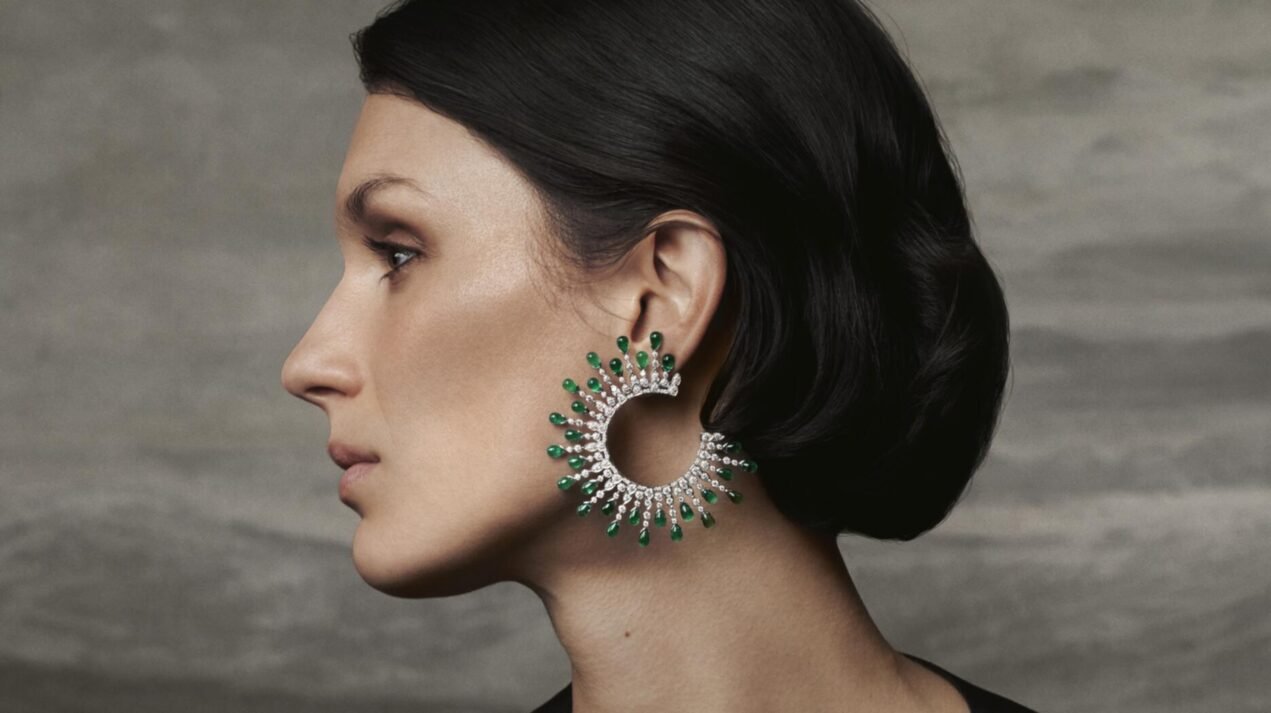


Luxury has always understood the power of a beautiful bag. But the industry is giving jewellery a larger role in its future. As consumers question the rising prices and changing appeal of luxury fashion, fine jewellery offers something different: lasting design, emotional value and a closer link to precious materials.
This shift is not just a matter of taste. It is changing how major luxury groups plan their businesses. Kering’s creation of Kering Jewellery in March 2026 is a clear sign of that change. The new division brings Boucheron, Pomellato, Dodo and Qeelin together with the group’s jewellery production capabilities. Jean-Marc Duplaix leads the division. Its purpose is to support growth, strengthen coordination and develop the brands’ high jewellery offer.
Two groups, two different starting points
The comparison with Richemont is important. Richemont does not need to build a jewellery identity from the ground up. Its portfolio already includes Cartier, Van Cleef & Arpels, Buccellati and Vhernier. Jewellery is central to its business, not a supporting category.
Its 2026 financial year offers a clear picture of this position. Richemont reported €16.5 billion in sales from its Jewellery Maisons, an 8 per cent increase at actual exchange rates and 14 per cent at constant exchange rates. The division accounted for 74 per cent of group sales. It also delivered an operating margin of 30.5 per cent. These figures show the scale and earning power of Richemont’s jewellery business.
Kering enters this contest from a different position. Its jewellery houses have strong identities, but they sit within a group that has faced pressure in its fashion business. In 2025, Kering reported revenue of €14.7 billion, down 13 per cent. Gucci, its largest house, recorded a 22 per cent decline in revenue. A stronger jewellery division could help Kering diversify its income and reduce its dependence on fashion and leather goods.
Recommended For You
Best Brands for Building a High-Quality Layered Jewelry Stack
Why jewellery is gaining ground
The wider market supports this strategic shift. The State of Fashion 2026 report by McKinsey and Business of Fashion identifies jewellery as the fastest-growing fashion category by unit sales over the 2025 to 2028 period. It projects annual sales growth of 5.4 per cent. It also notes that consumers rank jewellery above handbags and other accessories for investment potential.
There is a clear reason for this appeal. A luxury bag can lose relevance when trends change. A well-made piece of jewellery can remain part of a person’s wardrobe for decades. Gold and precious stones also connect the product to materials with recognised market value.
However, this does not make every luxury jewel a safe investment. The retail price of a branded piece includes design, craftsmanship, marketing and brand value. Buyers may not recover those costs when they resell it. Jewellery can hold emotional and material value, but it is not the same as owning investment-grade gold.
The real battle is about control
Kering’s new platform gives it a chance to coordinate production, share expertise and develop its jewellery houses without removing their individual identities. This matters because jewellery depends on more than a famous name. It needs skilled makers, reliable access to materials, strong design and consistent quality.
Richemont has a major advantage in its established scale and specialist knowledge. Kering has the opportunity to build a more focused operation and connect jewellery with the creative worlds of its fashion houses.
Neither position guarantees success. The market still depends on consumer confidence, raw material costs and the ability of brands to create products that people want to keep.
Beyond the next luxury trend
The contest between Kering and Richemont is not simply about who sells more necklaces, rings or watches. It is about which group can turn heritage, craftsmanship and brand desire into lasting commercial strength.
Jewellery is not replacing fashion. It is becoming a more important pillar of luxury. For Kering, the new platform is a strategic investment in that future. For Richemont, it is a chance to defend a position built over generations.
The next chapter of luxury may not belong to the brand with the most desirable seasonal bag. It may belong to the group that makes people want to keep its creations for a lifetime.