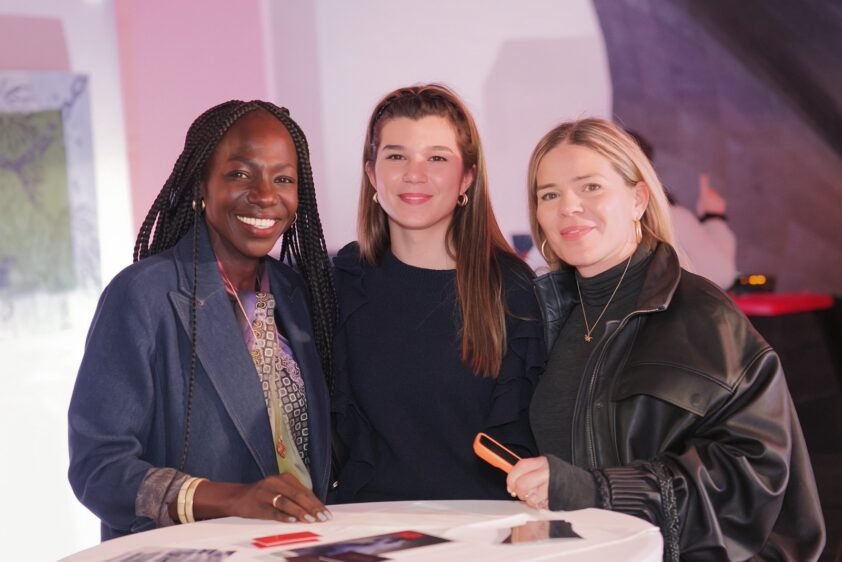
An old pair of jeans does not have to mark the end of a fashion story. It can become a new garment, a work of art or a statement about the world we live in. That idea took centre stage in Vienna on Thursday, 22 October, as FAB L’Style Magazine officially launched FAB INDIGO & DENIM at E15 Gallery, introducing a sustainable-fashion initiative built around the creative reuse of denim and the people working to give existing materials a new purpose.
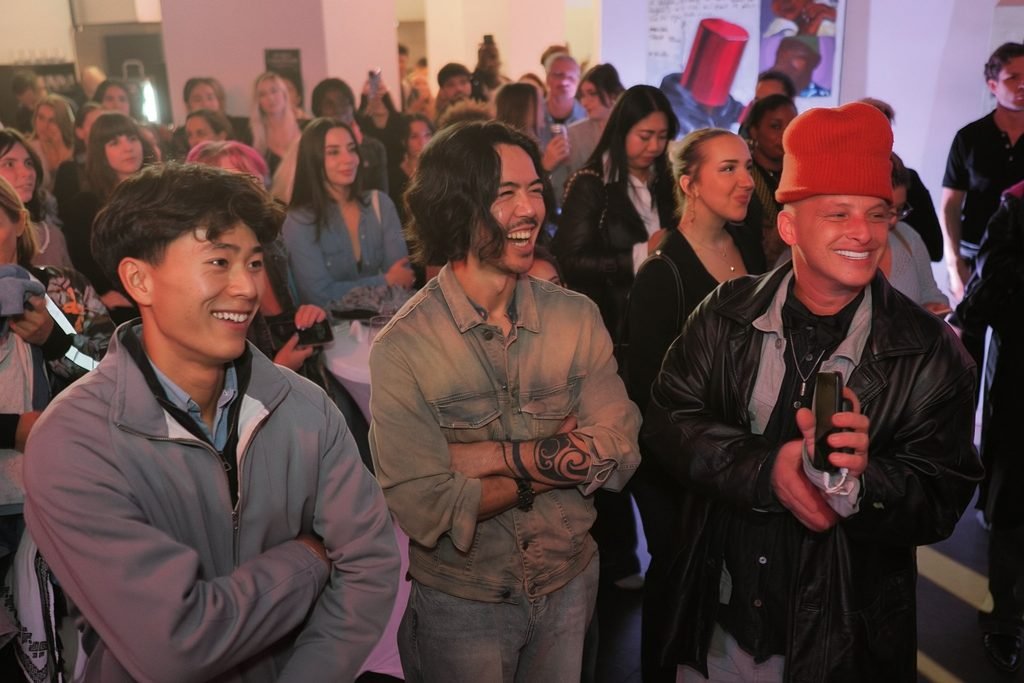
The opening brought together designers, creative professionals, partners, sponsors and fashion enthusiasts interested in exploring denim beyond its conventional use. More than an introduction to a new initiative, the gathering marked the beginning of a collaborative programme that places design, craftsmanship, material reuse and community participation at the heart of the conversation about fashion’s future.
At its core, FAB INDIGO & DENIM asks a simple question: what can fashion become when designers look beyond new materials and reconsider what already exists? Through the work of participating creatives and the initiative’s wider partnerships, the project seeks to demonstrate how discarded denim can provide the starting point for new designs, artistic expression and conversations about more responsible ways of making and consuming fashion.
Connecting Circular Fashion with Community
Harriet Hala, Founder of FAB L’Style Magazine, welcomed guests and shared the vision behind the initiative, emphasising the relationship between fashion, sustainability and community participation. The launch presented FAB INDIGO & DENIM not simply as a platform for showcasing creative work, but as an opportunity to bring people together around a shared interest in rethinking materials and exploring new possibilities for the fashion industry.
A representative of Caritas, the initiative’s Lead Partner, also introduced the organisation’s work supporting women experiencing poverty and helping them access opportunities and build more secure futures. The partnership gives the project an important social dimension, connecting the reuse of materials with the wider value of empowerment and opportunity.
This connection broadens the conversation around sustainability. While the transformation of discarded textiles is central to the initiative, the project also recognises the role that partnerships, creative networks and practical opportunities can play in shaping a more inclusive fashion landscape. By bringing together people and organisations with different areas of expertise, FAB INDIGO & DENIM aims to create space for collaboration between creative practice and social impact.
Guests were also introduced to The Denim Loop, the circular process guiding the initiative. From collecting and assessing denim to repairing, reusing and transforming it into new creations, the process encourages a different way of thinking about fashion. Rather than treating materials as disposable once their original purpose has passed, The Denim Loop invites designers and consumers to consider the value that can remain in existing garments and textiles.
The process also provides a practical framework for creative exploration. Denim can be repaired, reconstructed, combined with other materials or transformed into something entirely different. In each case, the material becomes an opportunity to experiment with design while reconsidering the relationship between production, consumption and waste.
Designers Reimagine the Possibilities of Denim
The initiative’s vision came to life through the participating designers, whose practices demonstrate the breadth of possibilities available when existing materials become the starting point for new work.
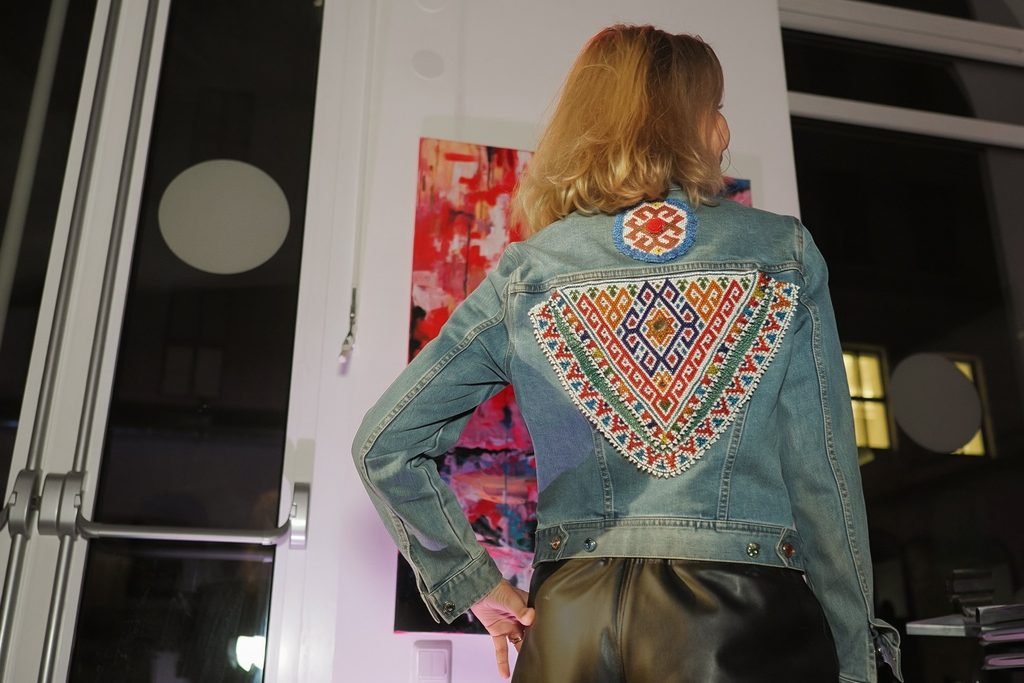
Thananya (Yui) Khienwad of TKrochet combines pre-loved denim with crochet, bringing different textile techniques together in a distinctive approach to material reuse. Emmanuel Eperu Magala explores the cultural histories and artistic possibilities of discarded denim through installations and textile artworks, using material transformation as a way to engage with questions of culture and expression.
In Kenya, Maisha by Nisria connects upcycling with craftsmanship and skills development. Its approach places practical making alongside the creative possibilities of reusing existing materials, demonstrating how the value of a garment can extend beyond its original form.
Dóra Surányi’s DORUSH explores experimental design through recycled materials, textile waste and deadstock fabrics. Her work reflects an interest in rethinking the resources available to designers and finding new creative possibilities in materials that might otherwise remain unused.
Other participants bring equally distinctive perspectives to the initiative. Alessandro Benintende explores alternative textile materials, including fibre made from recycled cigarette butts. Kareem Aladhami uses avant-garde fashion to examine identity, migration and cultural diversity, while Eszter Hölcz focuses on recycled materials and functional design.
Alongside them, Amina Frisch’s Amictasy, Lena Elisabeth Meyer of Fifth Season Atelier, FLY WITH US by Iccy and Moe, and Oliwia Taszczi contribute their own creative approaches, shaped by craftsmanship, cultural influences, individual expression and a passion for design.
Together, these designers demonstrate that sustainability does not have to follow a single aesthetic or creative method. It can emerge through the combination of materials, the preservation of cultural stories, experimentation with construction techniques or the discovery of new uses for existing resources.
Their different practices also give the initiative room for exchange. By bringing together designers with varied interests and approaches, FAB INDIGO & DENIM creates an environment in which participants can encounter new ideas, learn from one another and expand their understanding of what denim can become.
The result is a conversation that extends beyond the material itself. It considers how design decisions are made, how creative traditions can evolve and how fashion can give existing resources renewed relevance.
Styling Denim with Fresh Perspective
The initiative’s message was communicated not only through the designers’ work but also through the creative contributions that helped shape the opening.
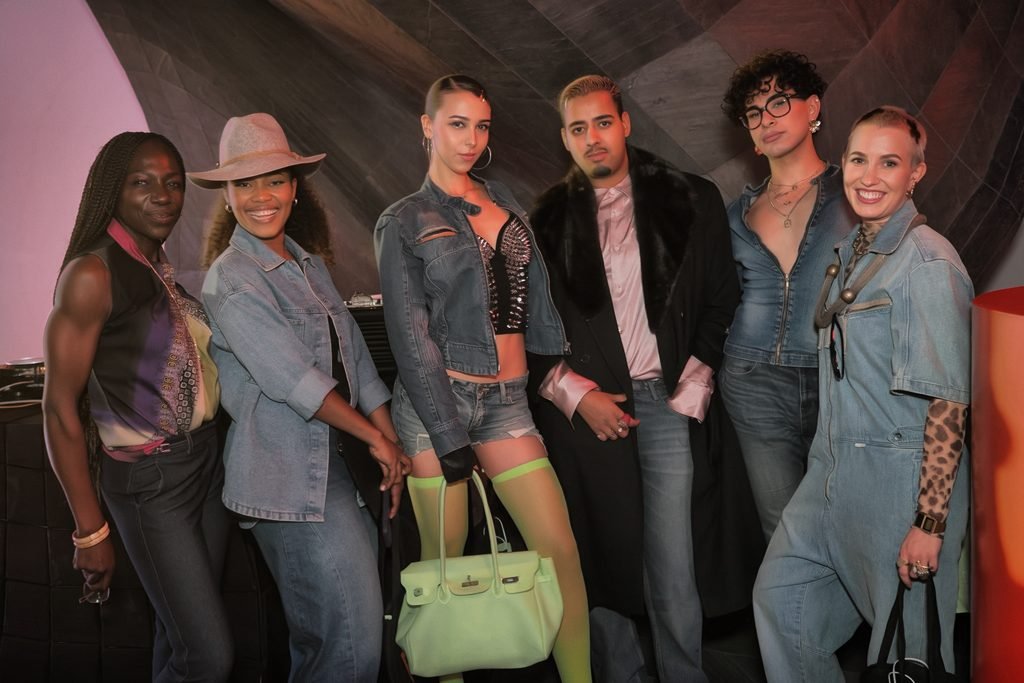
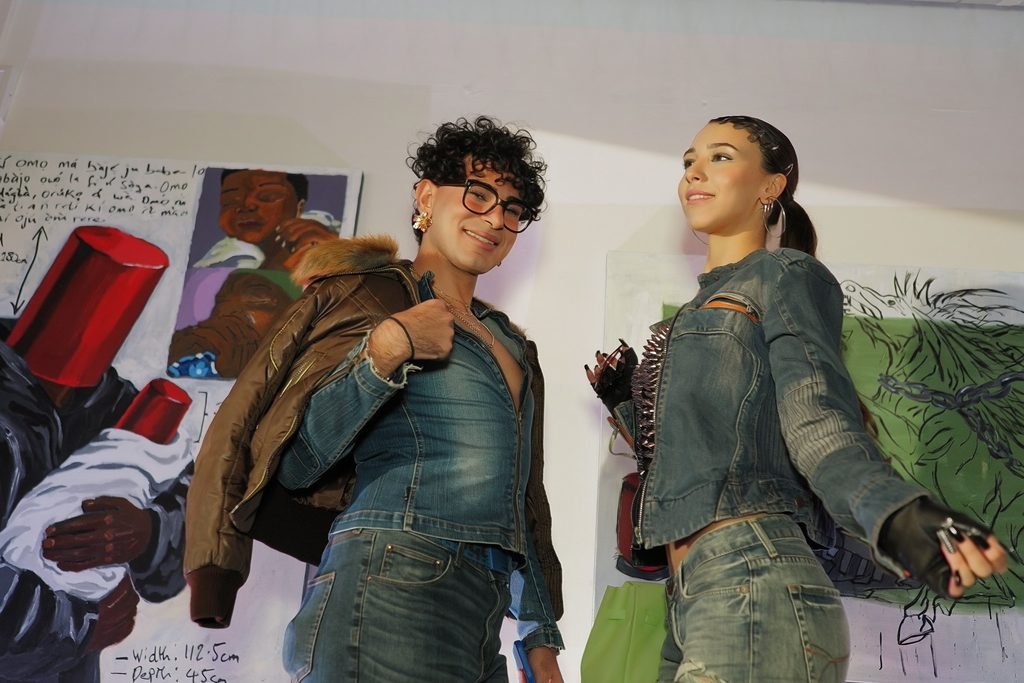
Ihab Elkilani, store manager and stylist at Bocca Lupo, Vienna’s luxury designer second-hand boutique, brought denim into the spotlight through the styling of the event’s mannequins. His presentation transformed the displays into visual statements, showing how denim can be styled with imagination and purpose.
The mannequins gave guests a tangible example of how pre-loved materials and existing fashion pieces can be presented in fresh and compelling ways. Their styling reinforced one of the initiative’s central ideas: clothing does not lose its creative potential simply because it has already been worn or owned.
Bocca Lupo’s involvement also connected the initiative’s focus on material reuse with the possibilities of second-hand fashion. By presenting existing garments through considered styling, the collaboration demonstrated how a different perspective can change the way people see and engage with pieces already in circulation.
Documenting the People Behind the Initiative
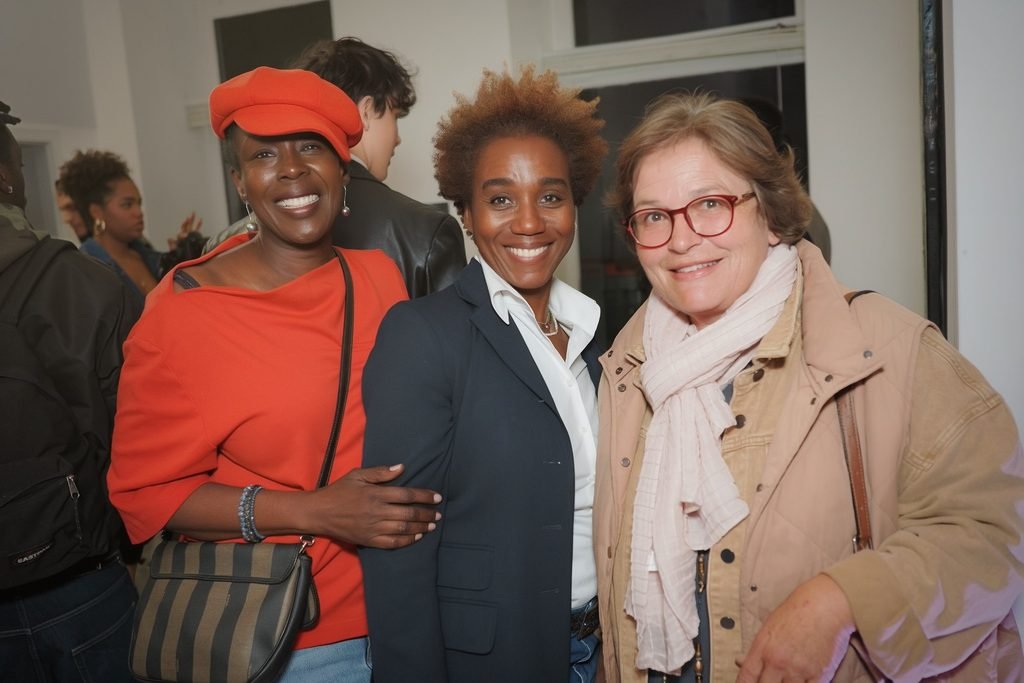
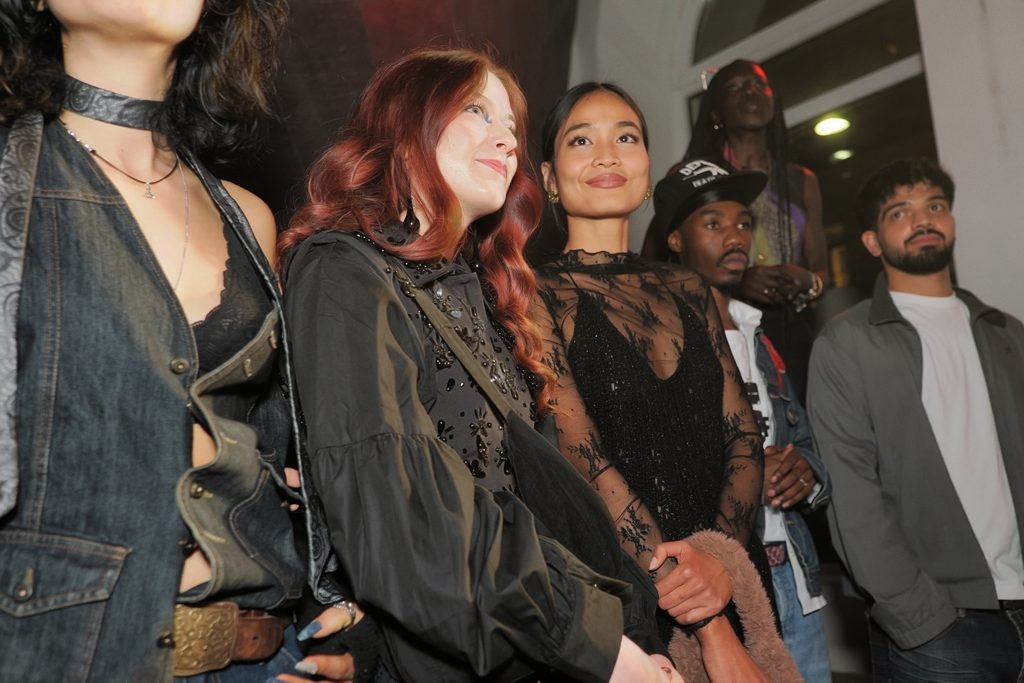
Norbert Bánhalmi, founder and creative director of the BANHALMI photography team, documented the occasion, capturing the people, connections and moments that shaped the opening. His photographs preserve the energy of the gathering and the creativity on display, allowing the story of FAB INDIGO & DENIM to continue beyond the gallery and reach audiences who could not attend in person.
Photography plays an important role in extending the life of an event. Beyond recording what happened, it creates a visual record of the people and creative relationships that help an initiative develop. In this case, the documentation provides another way to communicate the project’s message and share its work with a wider audience.
Sarah Marie Fischereder, founder of shootingconnections, also played an important role in connecting and coordinating designers for the initiative. Through her work bringing together models, photographers, designers, videographers, stylists and makeup artists, she helped strengthen the creative network behind the event.
Her contribution reflects the collaborative spirit of FAB INDIGO & DENIM. The initiative depends not only on the ideas expressed through finished designs, but also on the relationships that bring creative projects to life. Connecting people with different skills and experience helps establish the foundations for further exchange and future collaborations.
Building Connections Across the Fashion Industry
The opening also benefited from the involvement of interXenial, the Berlin-founded talent agency established by Chiara Leoni. The agency supports models and creatives across Germany, Austria and France, reflecting the cross-border networks that contribute to the wider fashion and creative industries.
Alongside Bocca Lupo, shootingconnections and the wider creative community, interXenial highlights the importance of building relationships and opening opportunities across different areas of the industry. These connections can help designers and other creatives find new collaborators, reach different audiences and explore possibilities beyond their immediate professional circles.
Dr. Mariam Basajja, the Ugandan computer scientist and entrepreneur behind MB Cosmetics Amsterdam, also brought her perspective as a founder championing high-quality, cruelty-free beauty that is fun, bold and affordable. Her involvement added another creative and entrepreneurial perspective to a gathering centred on the relationship between individual practice, shared values and wider community engagement.
The evening was further supported by drinks sponsors NOAM and Lemon Sour, whose contributions helped create a welcoming atmosphere for guests to connect, exchange ideas and celebrate the initiative’s launch.
Each contribution played a role in shaping the event, from the designers reimagining denim to the partners responsible for styling, documentation, coordination and wider creative connections. Together, they helped communicate the initiative’s central message: meaningful change in fashion requires people with different skills and perspectives working together.
From the Opening to the Next Chapter
FAB L’Style Magazine extends its sincere appreciation to every designer, partner, creative contributor and sponsor who helped make the opening possible. Their involvement helped establish the collaborative foundation of FAB INDIGO & DENIM and brought its focus on material reuse, creativity and community participation into the gallery.
The opening was the first step in a broader programme. Preparations are now under way for the FAB INDIGO & DENIM Awards 2027, alongside a dedicated designer showcase planned for April and May 2027. These upcoming activities will give participating designers further opportunities to develop their ideas and present creations that explore the potential of reimagined denim.
The planned programme builds on the opening’s emphasis on creative exchange and the value of existing materials. Through further showcases and recognition of participating designers, the initiative aims to continue the conversation about how discarded denim can inspire new work and how creative approaches to reuse can become part of a wider fashion dialogue.
For the designers involved, the next stage offers an opportunity to develop their individual approaches while contributing to a shared platform. For the wider creative community, it provides further opportunities to engage with the ideas and practices shaping the initiative.
Recommended For You
Cara Delevingne And Armedangels Break The Rules Of The Denim World
A Different Way to See Denim
Ultimately, FAB INDIGO & DENIM is about more than transforming old jeans. It is about changing how people see materials, celebrating the creativity of designers and building connections between people who believe fashion can be approached differently.
Denim offers a particularly visible starting point for that conversation. Familiar across generations and styles, it carries its own history as a material while offering designers room to experiment with construction, texture, form and function. Through reuse and creative reinterpretation, a garment that might otherwise be discarded can become the basis for something new.
The launch at E15 Gallery brought these possibilities into focus, bringing together designers, partners and creative professionals around a common interest in material reuse and collaborative practice. It also established the relationships and programme that will carry the initiative forward.
The Vienna opening marked the beginning of that conversation. The next chapter will be shaped by the ideas, creations and collaborations that follow.