



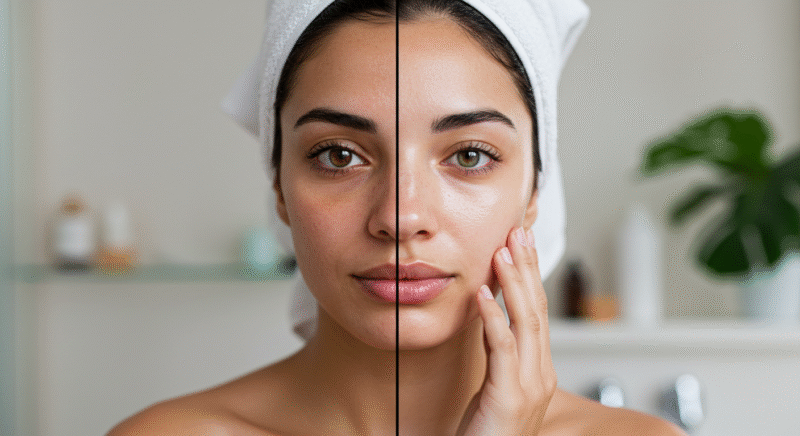
Have you ever felt a regular cleanser isn’t enough to cleanse your skin? Stubborn makeup, pore-clogging oil, and daily grime can leave your face dull and gritty. Double cleansing is the current skin care trend that promises a deeper clean, but it’s not a one-size-fits-all solution. You must know your skin type to nail this routine. Read the Simplest Way To Figure Out Your Skin Type.
What Is Double Cleansing?
Double cleansing is a skin care routine in which you use two types of cleansers for the face — an oil-based product and a water-based cleanser. The oil-based cleanser helps dissolve and eliminate oily impurities from the skin, such as sunscreen, makeup and sebum. Then, the water-based product removes water-soluble residue, such as dirt, sweat and debris.
Unlike many TikTok trends, double cleansing has science behind it. The oil-based cleanser loosens sunscreen and makeup to allow the succeeding skin care products to penetrate the skin properly. The second step is essential to reduce the risk of blackheads and acne formation.
Should You Double Cleanse Every Day?
Yes, you can, especially if you wear makeup and sunscreen daily. Double cleansing helps break down and remove the buildup of dirt, oil, and pollutants that can accumulate on your skin throughout the day. Sunscreen is essential for daily protection, but its water-resistant formulas can be tough to wash off with a regular cleanser.
Similarly, long-wear makeup products like mascara and foundation often need an oil-based cleanser to dissolve them. Try double cleansing as part of your nighttime routine to ensure clean skin before bed.
How to Adapt Double Cleansing for Your Skin Type
The first step in double cleansing is finding the right products that suit your skin type. Follow these steps to achieve a cleaner complexion.
Dry or Sensitive Skin
Double cleansing can strip the skin, so you must seek your dermatologist’s advice before doing it. If you want to try it, use gentle products.
First, use a nourishing oil-based cleanser or balm to dissolve impurities without stripping moisture. Then, follow it with a hydrating water-based cleanser with ingredients like hyaluronic acid or ceramides to maintain moisture and protect the skin barrier.
Avoid products with actives like benzoyl peroxide and exfoliating acids. Apply moisturizer immediately afterward to restore hydration. Opt for fragrance-free products and not “unscented” ones, as they may have chemicals that neutralize the odors of other ingredients.
Oily or Acne-Prone Skin
Oily skin produces more sebum than usual, which can clog pores and cause acne breakouts. The first step of a double cleanse is essential for breaking down this excess without stripping your face.
Look for a lightweight cleansing oil or balm. Massage into dry skin for a few seconds to break down makeup, sunscreen and other dirt. Follow up with a gentle, foaming cleanser.
Avoid aggressive scrubbing, as it can remove natural oils and trigger skin rashes. Instead of using cleansers with microbeads or facial tools, opt for a product with ingredients like salicylic acid to help heal acne.
Combination Skin
People with combination skin often have an oily T-zone — forehead, nose and chin — and dryness in the remaining areas. Your double cleanse routine must address both needs without irritating. Choose a nourishing cleansing balm or oil with plant-based ingredients like shea, sunflower or macadamia.
Next, choose a hydrating, cream-based or gel cleanser. It must be gentle enough not to dry out dry areas but effective to cleanse the T-zone. Even the oily parts need hydration, so use products with soothing ingredients in your water-based cleanser and moisturizer afterward.
Achieve a Cleaner, Clearer Skin
Double cleansing is a simple, effective ritual that makes all the difference. Practice double cleansing to prep your skin well for the rest of the routine. It’s a small daily act that goes a long way. If you have skin concerns, visit your dermatologist before trying this routine.
Best Double Cleansing Routine by Skin Type
| Skin Type | Step 1: Oil-Based Cleanser | Step 2: Water-Based Cleanser | Extra Tips |
|---|---|---|---|
| Dry / Sensitive | Nourishing cleansing balm or lightweight oil with hydrating ingredients (shea, sunflower, macadamia) | Hydrating, cream or gel cleanser with hyaluronic acid, ceramides | Avoid exfoliating acids and fragrances; moisturize immediately after |
| Oily / Acne-Prone | Lightweight cleansing oil or balm to break down sebum, makeup, and sunscreen | Gentle foaming cleanser with salicylic acid or niacinamide | Skip harsh scrubs and microbeads; focus on oil control and pore care |
| Combination | Balancing cleansing balm or oil (plant-based preferred) | Hydrating cream or gel cleanser gentle enough for dry areas, effective for oily T-zone | Ensure both steps are mild; hydrate even oily areas to prevent overproduction of sebum |
| Normal | Mild cleansing oil to remove makeup and sunscreen | Gentle water-based cleanser that maintains skin balance | Adapt seasonally (lighter in summer, richer in winter) for best results |
Frequently Asked
Is double cleansing necessary every day?
Yes, especially if you wear makeup or sunscreen. It helps remove buildup that a single cleanse may leave behind.
Can double cleansing damage sensitive skin?
If you use harsh cleansers, yes. But with gentle, fragrance-free products, double cleansing can work even for sensitive skin.
What type of cleanser should I use first?
Start with an oil-based cleanser to dissolve makeup and sunscreen, followed by a water-based cleanser to remove dirt and sweat.