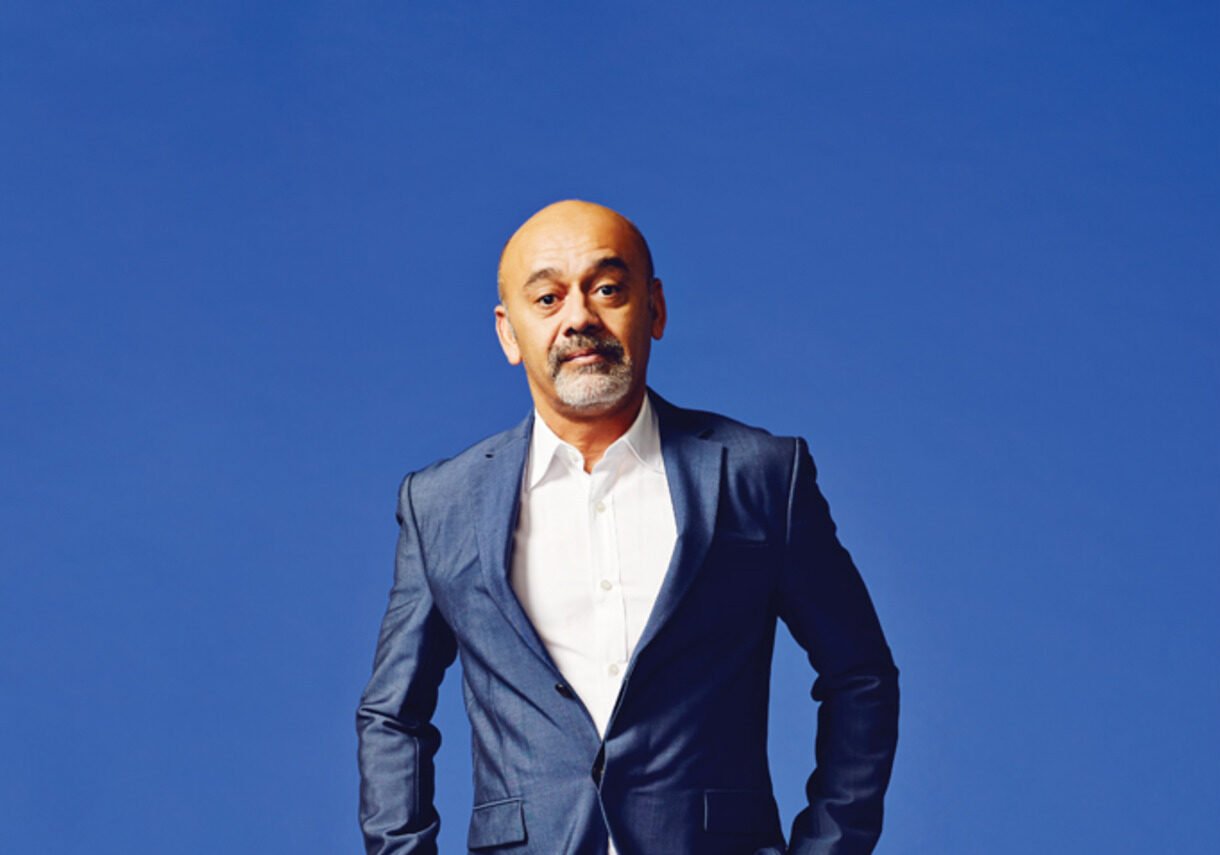
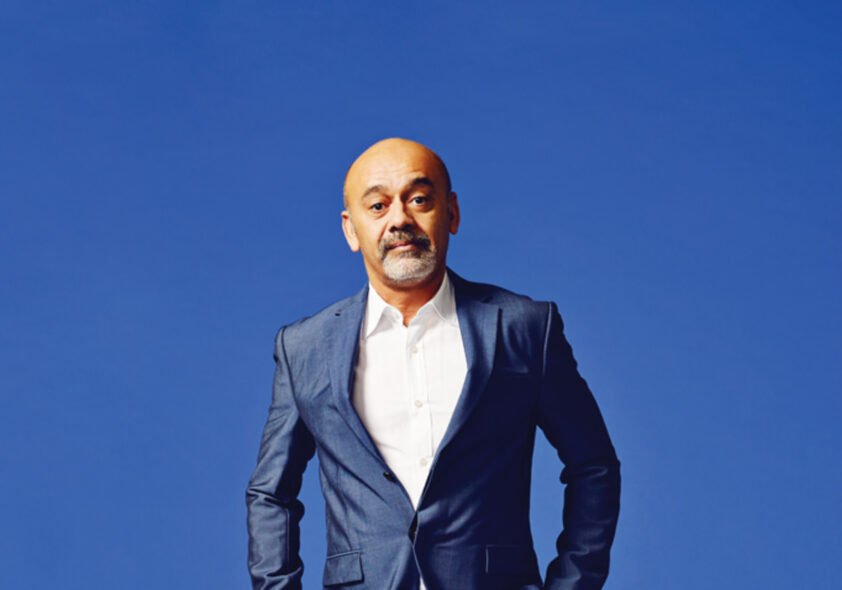
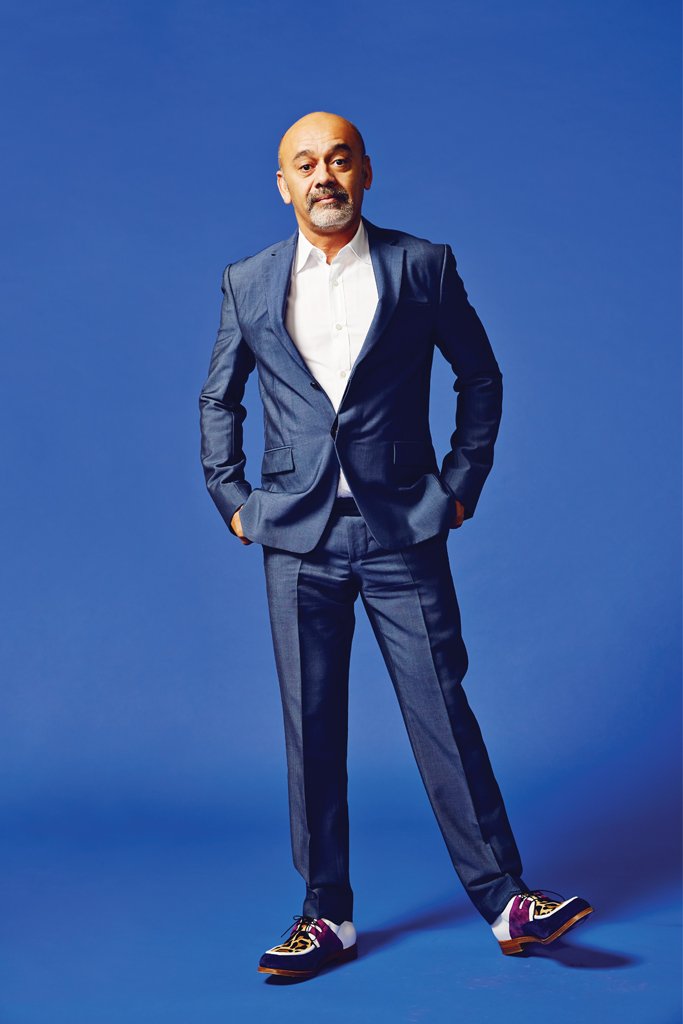
Christian Louboutin is in Lagos, and the timing has given the fashion industry a question worth asking: could the designer behind one of luxury fashion’s most recognisable signatures make his Lagos Fashion Week debut this week?
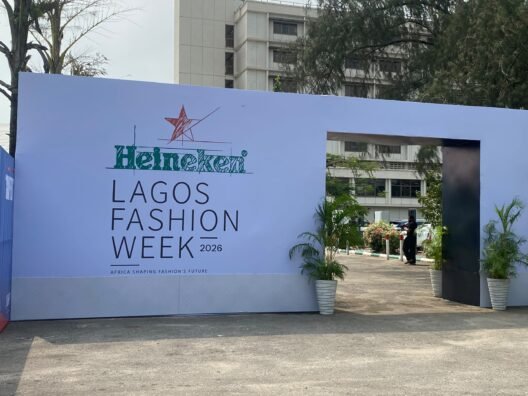
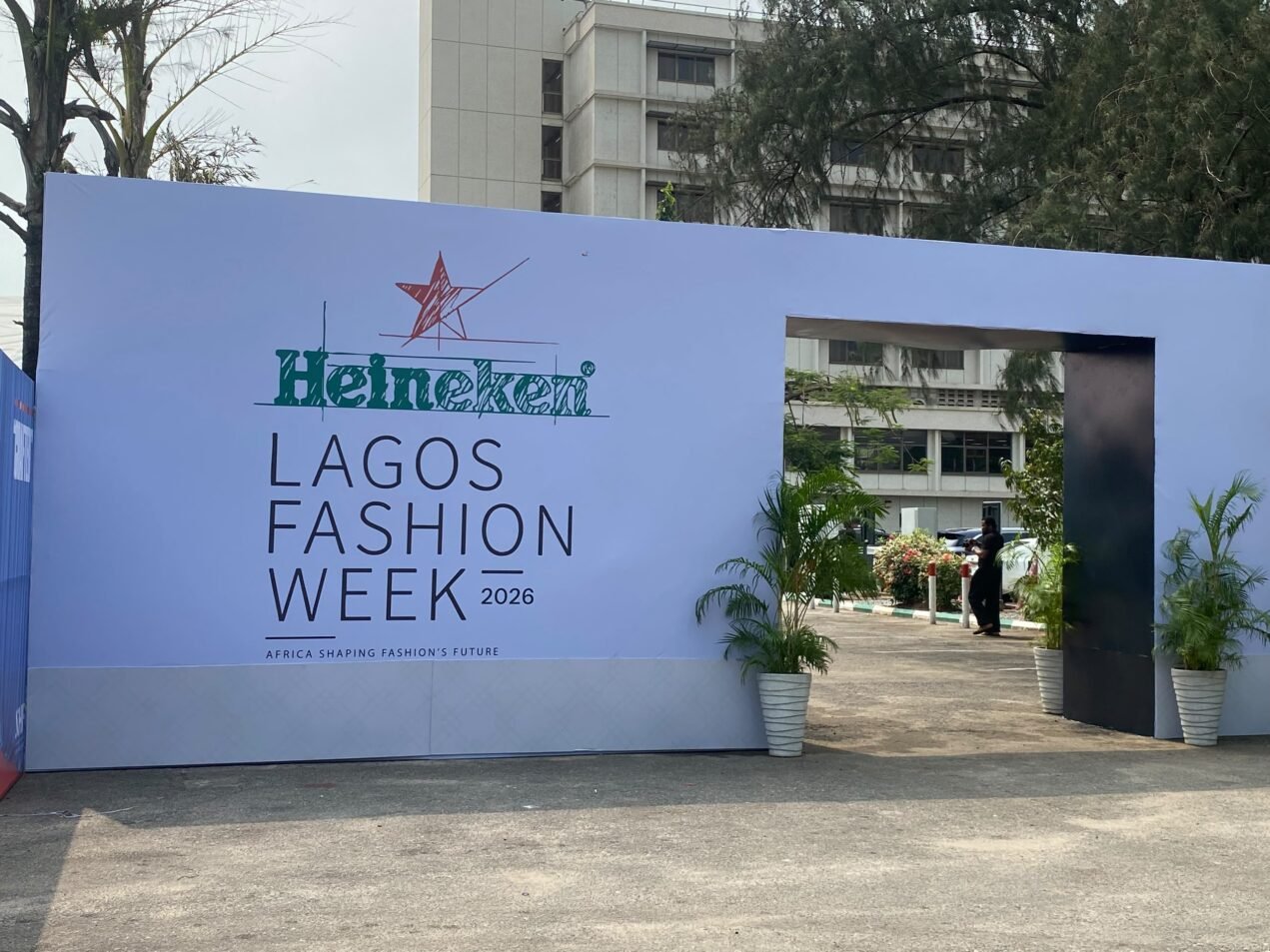
The French designer’s presence in the city, facilitated by his relationship with Alára Lagos, comes as Lagos Fashion Week opens its 2026 edition on 28 October. There has been no confirmed announcement of an appearance by Louboutin at the shows. But the possibility has drawn attention for reasons that go beyond celebrity spotting. Louboutin is a major figure in international luxury, while Lagos Fashion Week has become an increasingly important platform for designers working across Nigeria and the wider African continent.
The prospect is particularly compelling following Ciara’s appearance at the 2025 edition. The American singer attended Lagos Fashion Week’s 15th-anniversary season and walked for Nigerian label Fruché in a striking red gown, bringing international attention to a local designer through a moment that connected celebrity, fashion and African creative talent. Her participation demonstrated how a high-profile guest can engage directly with the work presented in Lagos rather than simply attend as a spectator.
A Louboutin appearance would offer a different, but equally interesting, possibility: the presence of a globally established luxury designer whose own business has built its identity around a distinctive product, a strong visual signature and an unmistakable place in fashion culture.
The Alára Connection
Louboutin’s relationship with Lagos did not begin this week. Alára, the Lagos concept store founded by Reni Folawiyo, became an important point of entry for the designer’s footwear in West Africa when it launched Christian Louboutin products at the store in 2016. The relationship placed an internationally recognised luxury house within a retail space built around fashion, art, design and cultural exchange.
Alára has developed a reputation for bringing African and international creative work into the same conversation. Housed in a building designed by architect David Adjaye, the store has presented products and projects across fashion, art and design, while supporting the visibility of African designers alongside established global names.
Louboutin’s connection to Lagos is not simply a story about an international luxury name arriving in a new city. It also reflects the role that African retailers and cultural entrepreneurs play in building relationships between global luxury businesses and local audiences.
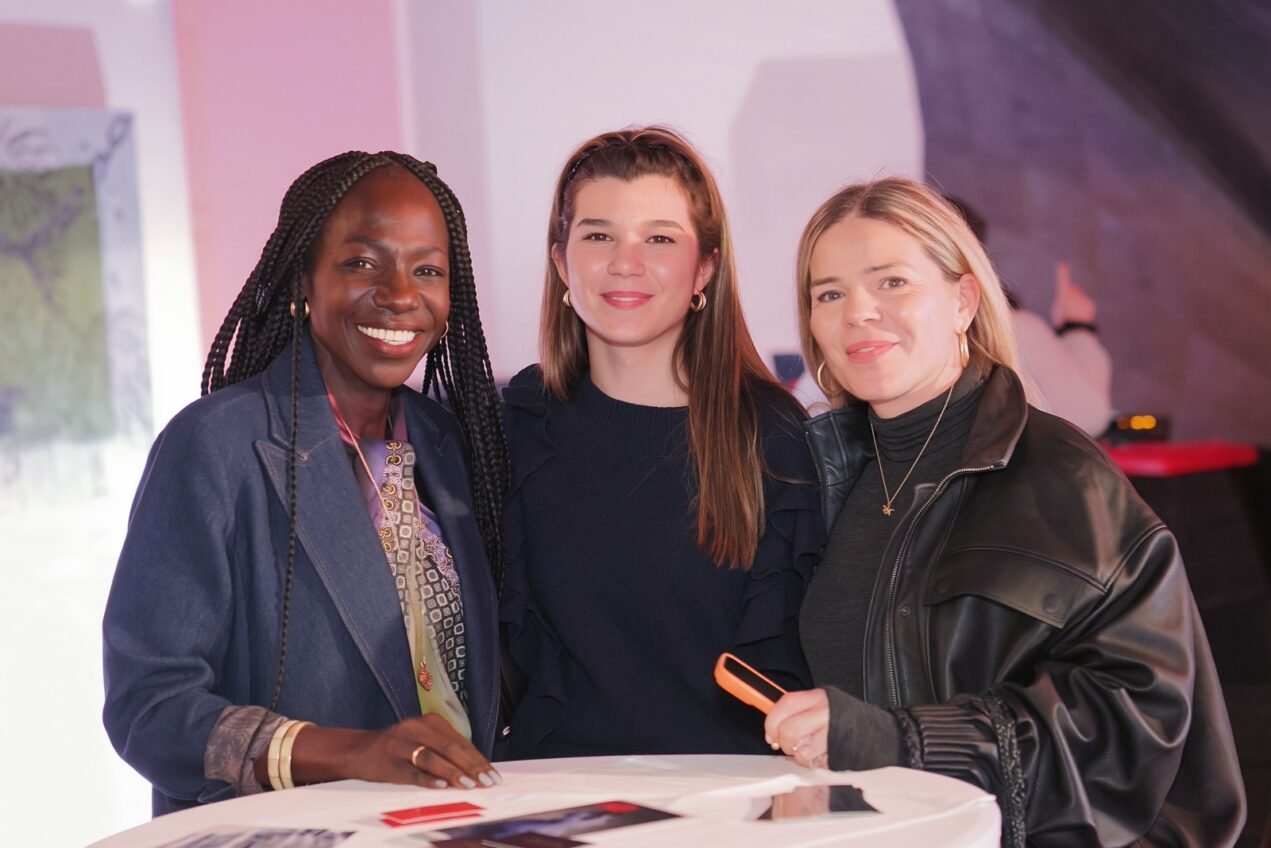
A visit facilitated by Alára gives that relationship a human dimension. It creates an opportunity for the designer to experience the city beyond the commercial relationship attached to his products. If his visit extends to Lagos Fashion Week, it would bring that connection into a setting where African designers are presenting their work to buyers, editors, retailers and other industry professionals.
Recommended For You
Lagos Fashion Week 2026 Begins Today: Everything You Need to Know
Why a Lagos Fashion Week Appearance?
Lagos Fashion Week has spent years building a platform for African designers to present collections, develop business relationships and reach audiences beyond their immediate markets. Its importance lies not only in the clothes shown on the runway, but also in the commercial and cultural connections formed around them.
An appearance by Louboutin would place another influential figure from the international fashion establishment in direct proximity to that work. For emerging designers, the value of such a moment would depend on the nature of the engagement. A front-row appearance might attract press attention, but a conversation with designers, a studio visit or a meeting with industry leaders could create opportunities for more substantive exchange.
There is also a question of visibility. International fashion coverage often gives considerable attention to the presence of globally recognised personalities at major fashion weeks in Paris, Milan, London and New York. When those same figures engage with African fashion, the coverage can introduce designers, techniques and creative perspectives to audiences who may not yet follow the continent’s fashion industries closely.
However, the real measure of progress cannot be the number of famous visitors who arrive in Lagos. It must also include what happens after they leave: whether designers secure new retail relationships, whether buyers place orders, whether international media continue to cover their work, and whether the industry gains access to opportunities that support long-term growth.
From Celebrity Attendance to Industry Exchange
Ciara’s participation in 2025 offered a useful example of how an international guest can engage with Nigerian fashion through a local label. Her appearance for Fruché gave the designer a high-profile moment while bringing the collection to a wider audience.
A potential Louboutin appearance could create a different kind of exchange. As a designer and the founder of a major luxury footwear business, he brings experience in product development, brand identity, retail and the preservation of a recognisable design language across international markets. His presence could open conversations about how creative businesses maintain their identity while expanding into new markets.
That does not mean his attendance would automatically result in investment, collaboration or commercial opportunities for Nigerian designers. Such outcomes would require deliberate engagement. Yet the prospect of bringing people with different experiences of the fashion business into the same room is valuable in itself, particularly when the exchange is grounded in the work of designers rather than the celebrity of the visitor.
For African fashion, international attention is most useful when it creates room for local talent to be understood on its own terms. The goal should not be to validate the industry through the presence of a foreign name, but to use moments of international interest to strengthen the visibility and commercial position of designers already doing the work.
What It Could Mean for African Luxury
Louboutin’s possible appearance also raises a broader question about how African fashion is positioned within the international luxury market.
Across the continent, designers draw on textile traditions, specialist craftsmanship, local materials and contemporary design to create work that is not easily reduced to a single aesthetic. Lagos Fashion Week’s 2026 theme, CRAFTED: Heritage. Innovation. Circular Futures., places particular attention on the knowledge, techniques and material decisions behind fashion. It connects inherited skills with contemporary design and the search for more responsible approaches to production.
That conversation has direct relevance to luxury. Craftsmanship is central to the way many luxury houses explain the value of their products, while the ability to build a distinctive design identity is essential to their commercial strength. African designers are developing their own interpretations of these principles, informed by different histories, resources and creative environments.
A meeting between Louboutin and the Lagos fashion community could therefore be meaningful beyond the optics of a prominent international designer attending an African fashion week. It could bring greater attention to the designers, artisans and businesses building luxury and premium fashion from the continent, provided that the engagement gives their work the attention it deserves.
There is an important distinction between attracting international recognition and building an industry capable of retaining the benefits of that recognition. The latter requires investment in production, skilled labour, distribution, intellectual property, retail access and the business infrastructure that allows designers to grow without losing control of their creative direction.
Will Christian Louboutin Attend Lagos Fashion Week 2026?
For now, the question remains open. Louboutin’s presence in Lagos and his connection to Alára have created a natural point of speculation, but neither establishes that he will attend Lagos Fashion Week. Until an appearance is confirmed, any suggestion that he will be at the shows should be treated as a possibility rather than an announcement.
If he does attend, the moment would join a growing history of international personalities engaging with Lagos’s fashion community. More importantly, it would offer an opportunity to move the conversation beyond who sits in the front row and towards the designers, businesses and creative relationships that make the event matter.
Lagos Fashion Week is taking place from 28 October to 1 November under the theme CRAFTED: Heritage. Innovation. Circular Futures. Its value does not depend on the arrival of any single guest. But when influential figures from international fashion take an interest in the work being presented in Lagos, the industry has an opportunity to turn that attention into something lasting.
Whether Louboutin makes his way to the shows or not, his presence in the city has put a timely question before the fashion community: what could happen when the people who have helped define global luxury spend more time engaging directly with the designers defining African fashion?