
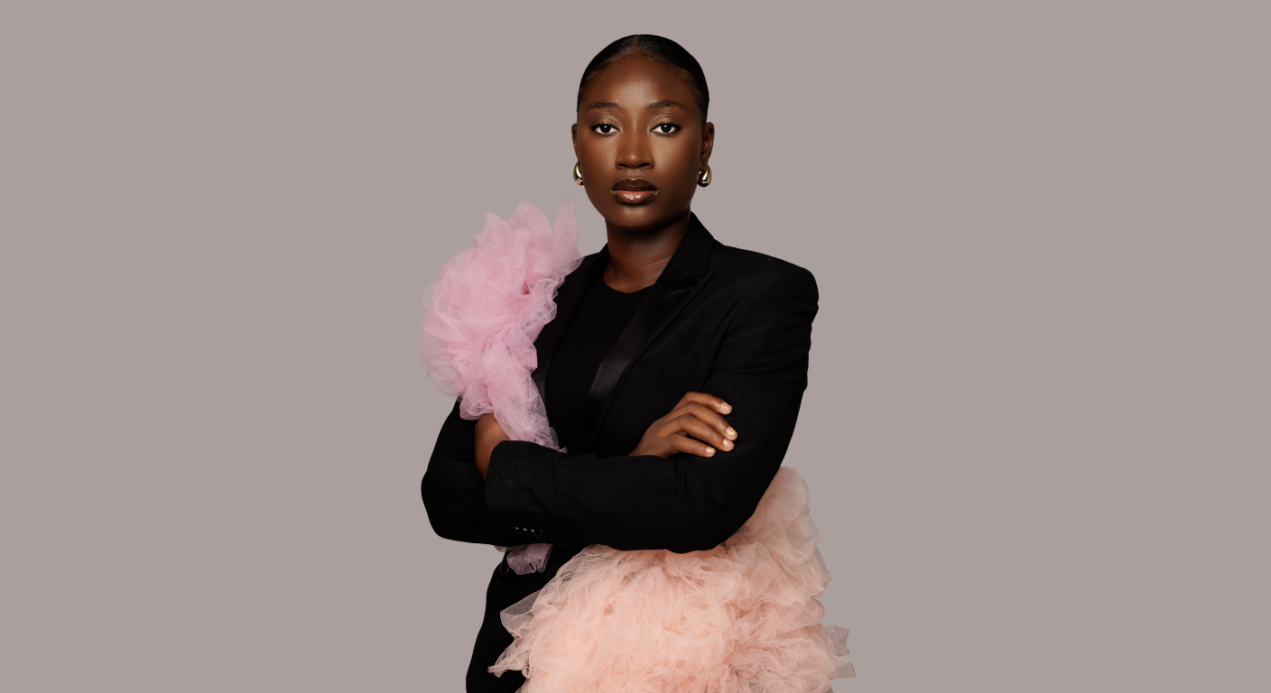


Before Uganda began consistently competing at Miss World, there was a young girl who lost her mother at a tender age and funded her school fees through music, theatre, and sheer will. Today, Brenda Nanyonjo is the longest-serving Miss World licence holder in Uganda, a creative industry architect who rebuilt Miss Uganda from controversy to continental significance. Under her leadership, the pageant has produced a Miss World Africa title, two Beauty With a Purpose wins, and a generation of queens trained not just to wear sashes, but to lead. Nanyonjo’s story is less about pageantry and more about purpose. This is the story of a woman who refused to let beauty be decorative, of one who turned crowns into classrooms, and who is still chasing one final goal: bringing the blue crown home to Uganda.
FAB: You are currently working with an aviation school. What is the connection between Miss Uganda and the aviation sector?
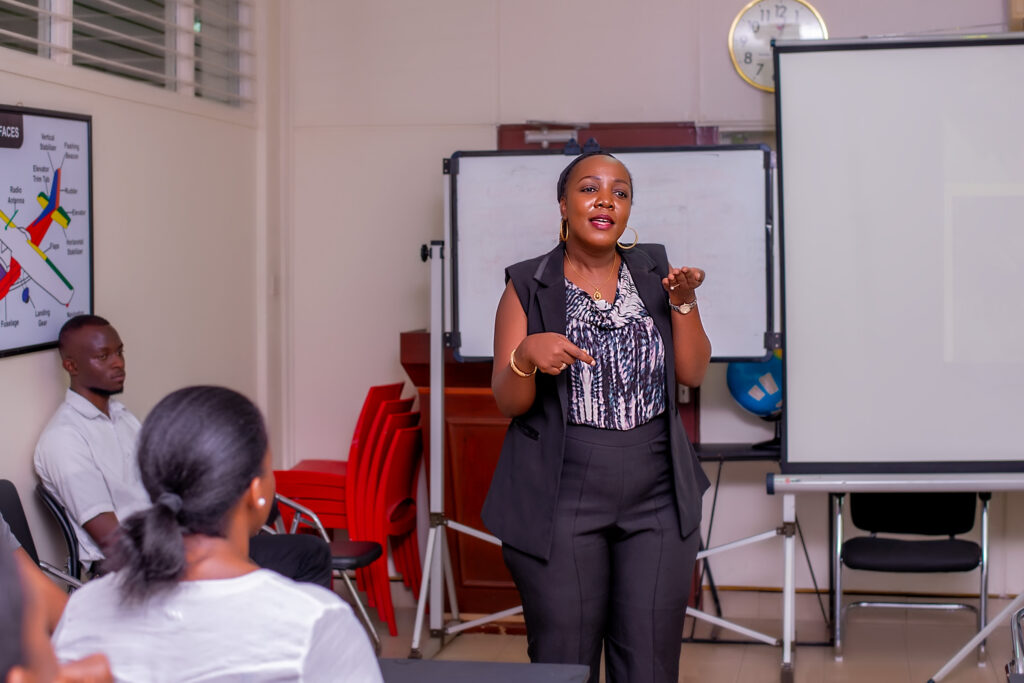
Brenda Nanyonjo: At the Miss Uganda Foundation, we are always looking for meaningful partnerships that help uplift and empower the young women we mentor. One of those partnerships is with the Uganda Aviation Academy. Through this collaboration, the academy offers three scholarships to Miss Uganda participants every year. We started this partnership in 2016.
About four years ago, the academy invited me to teach a class for every new intake. Since they have two intakes each year, I come in during orientation week to deliver that session. Interestingly, this class is also part of the Miss Uganda Boot Camp curriculum. The training at the Uganda Aviation Academy aligns closely with what we teach the girls during boot camp.
I will proudly say that our girls stand out. After completing their training here, they often find it easier to secure jobs. Even during classes, they distinguish themselves because they already come equipped with strong personal development and leadership training from Miss Uganda Boot Camp. That preparation makes a real difference.
FAB: You have lived many lives as a singer, stylist, event producer, and pageant director. Brenda Nanyonjo, what is your story? Who were you trying to become while growing up?
Brenda Nanyonjo: Growing up, especially when I first joined secondary school, my parents believed I would pursue medicine. Based on my academic performance, that seemed like the obvious path. But that was never who I was. My passion and my God given gifts were always in the arts.
I realized very early that my calling was not in the medical field. By the time I reached upper secondary school, S5 and S6, I knew the arts would define my future. In primary four, I lost my mother, and my auntie, my mother’s sister took me and my brother on for about 4 years and from senior two until I finished university, I supported myself through school.
I paid my way using my talents in music, dance, drama, and theatre. At the time, film was barely developed, so my training and exposure were mainly in live music performance and theatre. My mentors and employers knew I was a total orphan, and whenever they paid me, they often added something extra to help with my school fees.
In many ways, my talent carried me through my education. I was able to complete school because of those God given talents. They were not just my passion, they were my survival.
The Birth of the Miss Uganda Foundation (2013)
FAB: Interesting. You have mentioned that you prayed about taking over Miss Uganda and felt the answer was yes. What was the beginning of that journey like?
Brenda Nanyonjo: During my early years working in events, I met a close friend called Karitas karisimbi. At the time, she was a very prominent media personality on television and radio, although she recently moved to Nairobi. Long before that, while I was still in secondary school and later at university, I was already organising shows and promotion events. I served on the culture and entertainment committees at my hall of residence and helped put together variety shows that combined music, fashion, and dance performances.
After university, my brother and I started a company called Kezzi Entertainment. We focused on event promotion, product launches, and providing ushers. Through that work, I often accompanied Karitas on upcountry gigs. At the same time, I was still active in music. I was the lead singer Misty jazz band, singing covers mainly, Our band was the resident band at Kampala Casino for several years, and I co founded it. When I reached my final year at university, someone else stepped in for me, and after graduating, I did not return to the band.
Around 2002, while travelling with Karitas for her television show called Showtime Magazine, we covered events across the country, including the Miss Uganda regional searches. During one trip to Lira, I passed by the Miss Uganda training session led by Sylvia Owori. Some contestants struggled with their walk and stage turns, so I offered to help. They accepted, and I worked with a small group to polish those skills.
The following day, which was the Miss Uganda North event, the team needed support with hair and fittings. I stepped in again, using skills I had learned through family and personal experience. From there, it became a pattern. Whenever the team travelled east or to other regions, I supported in training, grooming, and preparation.
When the team went to western Uganda, Karitas was unavailable so i didnt go mbarara. The organisers need more support and remembered me and reached out. Initially, I declined because I lacked transport and accommodation. However, Sylvia approved covering my logistics, and I joined the team in Mbarara. That trip marked the point where I officially became part of the Miss Uganda team. I was not focused on payment. I genuinely enjoyed the work.
Later, when the contestants went into boot camp, the team asked about my availability. At the time, I had completed university and was studying another course in public relations, so I joined. That year marked my formal entry into Miss Uganda.
When Sylvia later stepped away from the pageant and launched African Woman Magazine, I joined as the style and fashion editor. My passion for grooming young women never left. I scouted models, trained them, styled shoots, directed editorials, choreographed fashion shows, handled hair and makeup. Each year when the Miss Uganda search happened, journalists asked for our opinions, but Sylvia always insisted she would never return to the pageant. Still, in my heart, I kept telling myself that one day I would do Miss Uganda.
Fast forward to 2010 during the World Cup. I was covering events as part of the African Woman Magazine team and attending match viewing parties. On the night of the final, I left one event and joined friends at Kyadondo Rugby Grounds. Around the eighty third minute, an explosion went off. Another followed. I was injured in the blast and sustained shrapnel injuries to my head. I spent time recovering and eventually travelled to London to heal both physically and emotionally.
While in London, I reconnected with Bonnie, who had previously worked with Miss Uganda. We spoke about the pageant and asked ourselves why we could not bring it back. When I prayed about my next step, I asked God for clarity. One night, while half asleep and half awake, I clearly heard the words Miss Uganda. That moment stayed with me.
Days later, I went to the Miss World office in London, reached out formally, and submitted my credentials. I had years of experience in fashion, events, choreography, and editorial work. After several exchanges and providing documentation, I received the Miss World Uganda license in February 2011, just a week after returning home.
Starting was extremely difficult. Many sponsors were hesitant because of past controversies surrounding the pageant. I faced many rejections. Eventually, Daniel Ogong from Nile Breweries believed in the vision and offered support. He told me to prove myself with the first edition. We did, and it was a success. The venue overflowed, the media responded positively, and Miss Uganda returned to the public consciousness.
That belief led to long term partnerships and growth. Today, Miss Uganda has been running under my leadership for fifteen years. No other license holder in Uganda has held the Miss World license for that long. The brand has grown in credibility, performance, and international ranking. I am proud of the journey, grateful for the challenges, and thankful for the resilience of my team. That is my story with Miss Uganda.
FAB: Amazing. That is such an inspiring journey. Wow. It has been a long road.
Brenda Nanyonjo: The Miss Uganda Foundation came about in 2013. At the very beginning, during our first press meeting, many journalists asked difficult questions. They said many national directors had come and gone, so why did I believe I could revive the Miss Uganda brand. I told them it was because I understood what it would take to rebuild it.
One journalist, Kalungi Kabuye, asked how long I intended to hold the license. Without thinking too deeply, I said at least ten years. Afterward, I questioned myself because it was my first year, but as a person of faith, I believed in speaking things into existence and trusting God with the process.
When we reached five years, I remember thinking this was the first time a national director had held the license for that long. Then we reached ten years. Now, this May, we mark fifteen years.
From the beginning, I was very intentional about partnerships. I wanted Miss Uganda to go beyond pageantry. I wanted queens who were not only seen but also heard. Queens who could impact communities, change lives, and serve as role models. Many people see beauty queens as decorative or ceremonial, like a flower vase placed on a table to make it look attractive. I wanted to change that perception completely.
One of our earliest and most meaningful partnerships was with Humphrey Nabimanya of Reach A Hand. I met him at NBS during a media week visit with Miss Uganda. After an interview with Queen Fiona Bizzu, he approached me and spoke about his work in schools. He suggested that Miss Uganda could join some of those outreach activities. I immediately agreed, and that partnership continues to this day.
Another turning point came when I attended a youth camp organised by the Queen of Buganda. The camp focused on culture, discipline, and values. After Miss Uganda gave a speech there, a lady called Rehma approached me and encouraged me to register a foundation. She explained that it would make it easier to attract partners and supporters for the work we wanted to do.
That advice stayed with me. In July 2013, we officially registered the Miss Uganda Foundation. The foundation has now existed for twelve years. It is the platform we use to work directly with schools and communities. Our programmes include clean water initiatives, keeping the girl child in school, menstrual health and hygiene education, sexual and reproductive health awareness, and skills and talent development.
More recently, we also launched Mr Uganda. For a long time, global development conversations have focused heavily on empowering the girl child, which is important, but the boy child has often been neglected. In African culture, there is a saying that washing your clothes and then hanging them in dust makes no sense. Empowering girls while ignoring boys creates imbalance.
That belief led us to launch Mr Uganda and acquire the Mr World Uganda license. Although Mr World does not take place every year, this platform allows us to mentor and groom young men to become responsible leaders and role models. Through this, we are expanding our impact and building a more balanced approach to empowerment in our society.
FAB: Incredible.
Brenda Nanyonjo: We won Miss World Africa for the first time in 2018 with Quiin Abenakyo. We have also won Beauty With a Purpose twice. In 2023 with Hannah Karema and again in 2024 with Natasha Nyonyozi. We have been first runner up for Miss World Africa as well. I would say we are doing very well. Now our focus is on the blue crown. We are working towards bringing home Uganda’s first Miss World title.
FAB: You have just spoken about marking 15years with Miss Uganda and 12years with the foundation. In past interviews, you have hinted at eventually handing over Miss Uganda. With everything you have poured into it, how do you emotionally prepare to walk away from something that has become part of your identity?
Brenda Nanyonjo: That is a very good question. I know there will come a time when I will need to step back, not completely disappear, but move away from being the main face and daily driver of the brand. My prayer is that when that time comes, one of our queens will take over. That is what I truly hope for.
I already see two or three past queens who could do it. I will not mention names, but they have the values, the discipline, and the understanding needed to protect what we have built. They love other young women, they understand our culture as Ugandans, and they know that being a role model comes with responsibility.
With social media, many young people lose their grounding. They forget their roots. I pay close attention to those details because they matter. That careful attention is one of the reasons this brand has lasted. We never want parents to feel uncomfortable or to say, I saw this or I heard that and I do not think this is right for my child.
Last year, we had two Muslim contestants. Some people were shocked and asked whether we even allowed Muslim girls who veil to participate. Some religious leaders questioned it because of dress code and morals. When they saw how the pageant actually works, they realised it is respectful and inclusive. A Muslim girl can participate fully and with dignity.
When I think about the future, I see clear paths for transition. I believe there are people within our ecosystem who can take over and carry the brand forward with the same care and integrity.
FAB: You have spoken about mentoring two or three women you believe can drive the vision forward. This next generation is loud, digital, and fearless. Do they ever challenge what you might call your old school values?
Brenda Nanyonjo: Yes, they do, although not often. We have seen it, especially during boot camps in 2023 and 2024. Sometimes a contestant tries to challenge a coach or mentor and says, I know better. We remind them clearly that they are here to learn and grow,
This generation is very expressive. They speak their minds. They have Gen Z language, attitudes, and confidence. That is not a bad thing. But I always remind them that they are young women with responsibility. Once you step into this space, people are watching you, whether you win the crown or not.
Everything you put online stays online. The internet does not forget. What you post today can affect you years later when you are a mother, a CEO, or a leader in society. We caution them that yes, you can speak your mind and own your voice, but you are also here to learn.
This platform exists for personal growth and development. If we do not tell them the truth, then we are wasting their time, our time, and valuable resources. We take mentorship very seriously.
Gen Z Beauty Queens vs. Old-School Discipline
FAB: When you reflect honestly, what is one thing this generation of beauty queens gets right that your generation did not?
Brenda Nanyonjo: They understand their role in society much better. When many of them enter the pageant, I would say about 80% do not fully understand what it means to be a beauty queen. By the time they leave, they do.
We encourage research. We tell them to look beyond old perceptions of pageantry. In the past, a beauty queen was crowned, attended a few events, went to parties, and then faded into the background. Today, social media has changed everything.
These young women understand that their platforms matter. They know they can start campaigns, raise awareness, and influence people positively just by using their social media well. They also follow global queens and role models. Someone might mention Zozibini Tunzi and explain why her journey inspires them.
What they get right is impact. They understand that social media should be used to uplift, educate, and advocate, not to tear others down or simply show off lifestyles that add no value. That awareness is something their generation truly owns, and I respect that.
FAB: When I read one of your past interviews, you said you had only accomplished 60%. What would 100% feel like to you?
Brenda Nanyonjo: One hundred percent would feel like Uganda winning the Miss World title for the first time. For Africa as a whole, we have not won Miss World since Agbani Darego of Nigeria. It is time for the blue crown to return to Africa.
Beyond that, I dream of setting up a recreation and training centre. I imagine a space with a farm, a hostel, and dedicated facilities where we can hold our boot camps and training sessions. As we continue to grow, we now have Miss Uganda High School, Miss Uganda, Mr Uganda and Miss Uganda Foundation. Having our own home would mean we know exactly where our boot camps happen. We could grow our own food and run our programs sustainably. That, for me, would feel like one hundred percent.
FAB: You have been at the heart of Uganda’s creative industry long before it was called that. Let us talk about the industry today. What is working, what is broken, and what comes next?
Brenda Nanyonjo: What is working is social media. As someone who has been in this industry for over twenty years, I am very grateful for it. There is so much talent, and social media allows us to discover young creatives we might never have seen before. Many young people are putting their work out there intentionally and paying attention to branding.
I have seen significant improvement in how finished products look. When you post your work online, you are no longer creating only for Uganda. Anyone anywhere in the world can see your work and contact you. Young people are using social media to market their brands, research their craft, and learn through online courses. They are positioning themselves far better than before.
In the past, if you were new, you had to wait for a fashion show to be noticed. Today, one well made outfit worn by an influencer or a celebrity can open many doors. I see growth and a wave of new talent coming up.
What is broken has remained the same. Some creatives do not focus enough on the finished product. You see heavily edited photos online, but when you see the actual piece, it does not match the image. Filters cannot replace quality. At the end of the day, real people will wear that work, not filters.
There is also a lack of humility. Young creatives sometimes gain large followings and begin to dismiss those who came before them. This is not limited to fashion. You see it in music, beauty, and sports. Instead of learning from people who built structures and systems, some choose to attack them.
Having two hundred thousand followers does not automatically mean you are better than someone with five thousand if you cannot match their work ethic, discipline, or creativity. Social media numbers can be misleading when the work itself lacks depth. That mindset needs to change.
We also need more schools that train creatives thoroughly, not just in talent but in business. Fashion, sports, and the arts require structure, strategy, and professionalism. Talent alone is not enough to grow or sustain a career.
FAB: If Uganda were to develop a creative economy blueprint, what policy changes would you advocate first?
Brenda Nanyonjo: I would start with education. Our education system needs to change. We should train students according to the paths they want to pursue. If someone wants to be an athlete, their education after senior four should focus on athletics, business, marketing, and professional development related to sport.
In many countries, athletes, artists, and agents receive targeted training. Here, we spend years studying mainly to pass exams, not to gain skills. Many students leave school unprepared for work. The future of work is not coming. It is already here.
Work today is no longer only about a nine to five office job. The government needs to invest in structures, policies, and facilities that support creativity. It breaks my heart when I visit the National Theatre. It is almost nonexistent, yet we staged so many shows there.
Every region should have creative spaces. These should include theatres, content creation studios, music studios, dance spaces, acting schools, and sports academies. There is immense talent in this country, but young people lack space and resources to grow it.
Private individuals are trying, but government support is essential. Countries that lead globally do so because they invested early in systems, policies, and infrastructure that nurture talent.
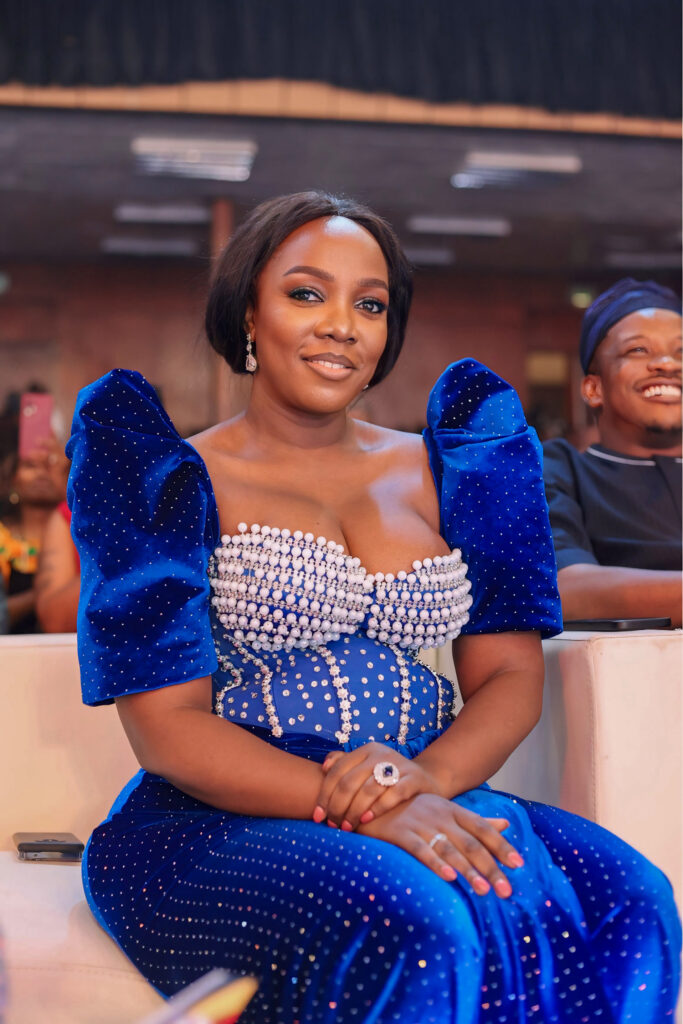
FAB: You spend so much of your life nurturing others, from contestants to young artists. How do you refill your own cup after giving so much?
Brenda Nanyonjo: That is a very good question. A few months ago, my daughter asked me, “Mommy, I see you taking care of all these people, the Miss Uganda queens and everyone else, but who takes care of you? Who pays you?”
It made me pause. I did not get into this to make money. Many people try to do what we do, but they quit after a year or two because their motivation is financial. This work requires genuine commitment.
What refuels me is seeing lives transform. Watching a young person grow, gain confidence, and step into their potential is deeply fulfilling. Sometimes they doubt themselves. They worry about money or support. When you help them believe in themselves and they succeed, that feeling is unmatched.
That is my reward. I trust that when the time is right, recognition and provision will come. God’s timing is perfect, and I believe everything else will follow when it is meant to.
Frequently Asked Questions About Brenda Nanyonjo and Miss Uganda
How long has Brenda Nanyonjo led Miss Uganda?
She has led Miss Uganda since 2011 and marks 15 years in 2026.
When was the Miss Uganda Foundation established?
The Foundation was registered in July 2013.
Has Uganda ever won Miss World?
Uganda has won Miss World Africa and Beauty With a Purpose titles but has not yet won the Miss World crown.
What is the partnership between Miss Uganda and Uganda Aviation Academy?
The academy offers three scholarships annually to Miss Uganda participants.
Why did Brenda Nanyonjo launch Mr Uganda?
To ensure balanced empowerment of both the girl child and the boy child in Uganda.