


African artists are more visible than ever. They are winning Grammys, collaborating across markets, selling out major venues, and shaping global music conversations in real time. But visibility and legitimacy are not always the same thing. For Kaz Laidlaw, that distinction matters. Working at EQT and operating across the intersection of music, strategy, and artist development, his perspective is grounded in the realities behind the headlines. From navigating global markets to understanding how artists build long-term credibility, his work sits between creative direction and business infrastructure.
African Artists Are More Visible Than Ever, But Is That Enough?
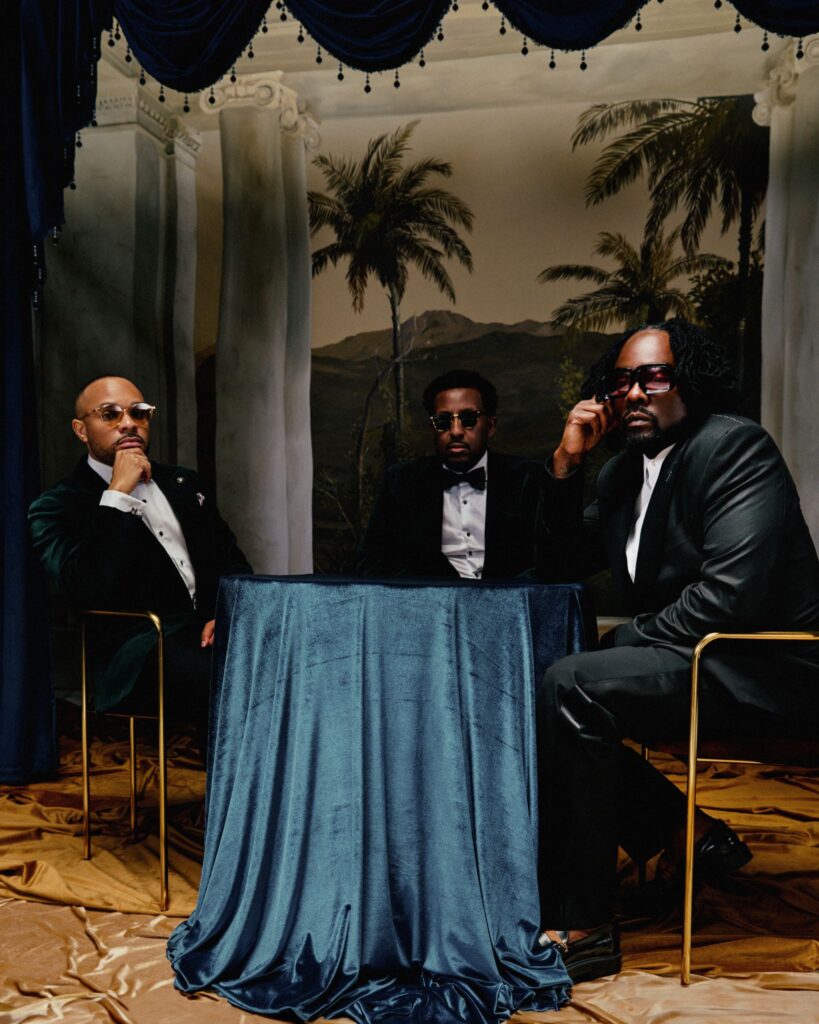
Asked whether the increasing global visibility of African artists has translated into real respect and influence, his answer is measured. “Africa has always had massive talent. What was missing was infrastructure and access to the larger global industry.”
Historically, the centre of the global music industry has been rooted in Western markets such as Los Angeles and New York. That did not mean other regions were not producing stars, but it did mean that recognition often required entry into those systems. That dynamic, however, has shifted.
Over the past decade, and especially within the last five to six years, artists such as Burna Boy, Wizkid, Davido and Tems have not only crossed into international markets but also reshaped the conversation around them. Their success has driven a new level of attention from labels, executives and A&Rs, not just toward individual artists, but toward the broader ecosystem behind them.
Suggested
Who Decided What a Beautiful Woman Looks Like?
There is now a level of institutional investment that did not exist before. Labels have established offices on the continent. Teams are being built locally. New Grammy categories are emerging in response to the scale of growth. Still, progress does not mean completion. “The respect is there now.
But it’s not fully there yet.” A large part of the remaining gap lies in how African music is still interpreted globally. Different genres and sounds continue to be grouped together under one umbrella, often without proper recognition of their distinctions. “If you make R&B but you’re from Nigeria, you’re put in global music. If you make Afrobeats, same thing. Amapiano, alte, it’s all global music. Is that fair? No.” That flattening, he explains, limits how artists are understood. It reduces complexity and reinforces assumptions that extend beyond sound into perception.
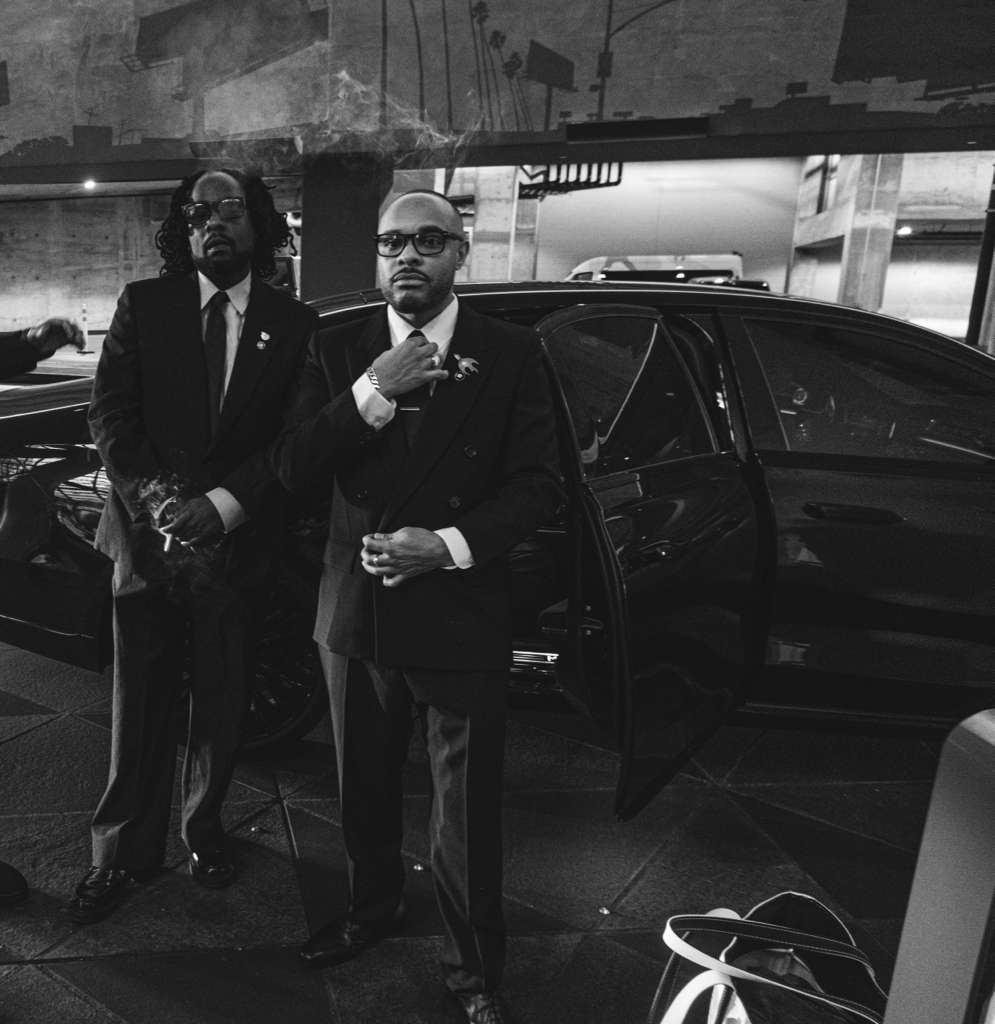
“There’s this idea that African artists only belong in certain spaces. Like they should only play Afro festivals. But some artists should be on rock festivals. That’s the music they make.” At its core, the issue is not simply about visibility, but about how that visibility is framed. While audiences have grown, and global reach has expanded, the nuance required to fully understand the diversity of African music is still catching up.
The Global Strategy Every African Artist Needs
For Kaz Laidlaw, that nuance is essential to achieving true respect. Positioning an artist internationally now requires a far more layered approach than it once did. Where artists previously needed to establish themselves locally before expanding outward, today growth can happen simultaneously across multiple regions. “You need to understand your West Africa strategy, your South Africa strategy, your UK strategy, your Europe strategy, and then your US strategy.” Each market plays a different role. Diaspora hubs, particularly in cities such as Atlanta, Houston, and Washington D.C., remain key entry points in the United States.
From there, artists can expand into broader industry centres such as Los Angeles and New York. Consistency is critical. So is presence. “You don’t always know where the moment will come from. It might be a collaboration, a feature, or your own record. But people need to keep seeing you.”
The Mistake Artists Make When Chasing Global Stardom

When it comes to legitimacy, Kaz Laidlaw moves away from surface metrics. Streaming numbers and social media growth may create momentum, but they do not necessarily reflect depth. “The biggest indicator is whether you can build a real audience globally.” For him, that means more than just numbers. It means the ability to move across cities, across countries, and still find a real audience waiting. It means building connection, not just reach.
At the same time, he pushes back against the industry’s fixation on scale. One of the most common mistakes artists make when they begin gaining international visibility is attempting to skip steps, particularly in live performance. “Everyone is rushing to skip steps to prove they’re the biggest.” The rush toward stadium-level recognition, he explains, is often premature. Stadiums are expensive, difficult to sustain, and not always the most strategic move.
In many cases, a more measured approach through arenas or smaller venues allows for stronger long-term growth. There is also a tendency to focus only on the most visible markets. “People will do London, Paris, maybe New York, and leave. But there’s value in going to Stockholm, Berlin, and Vienna.” These overlooked markets are where deeper audience relationships are often built.
For Kaz Laidlaw, long-term success is defined not by isolated peaks, but by consistent presence across multiple regions. If there is one factor that defines the current landscape more than any other, it is narrative. “Now it’s the most important thing.” In an environment shaped by constant content, limited attention, and overwhelming choice, storytelling has become central to how artists are perceived. “You can only listen to one thing at a time. So what’s making me choose you?”
Without a clear narrative, even strong music risks being lost in the volume. The artist’s story, their identity, and the way they communicate their world become the differentiating factor. “It has to be something people can connect to. Otherwise it’s just another song they scroll past.”
As the conversation turns toward the future, Kaz Laidlaw remains optimistic. The current wave of artists continues to push boundaries, expanding expectations around sound, identity, and creative direction. “I’m really excited about all the new music coming from the continent. I think the next Odunsi album is going to expand the horizons on what people expect from artists from Nigeria to do musically.” That shift, ultimately, is where the conversation is heading. Visibility may open the door. But respect is what defines how far an artist can go once they walk through it.
About Kaz Laidlaw
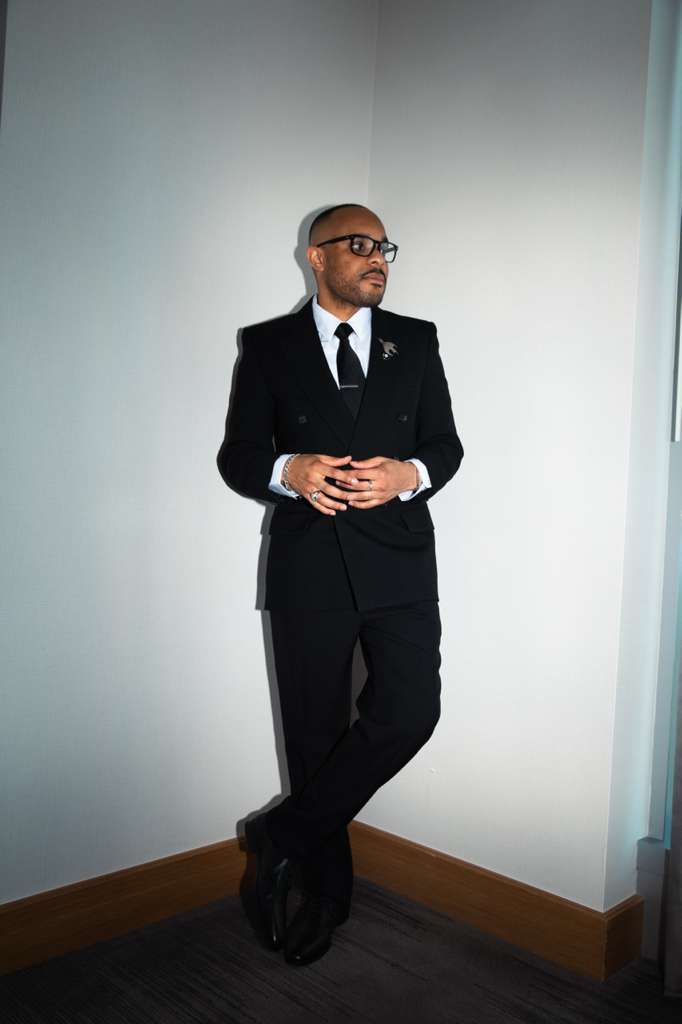
Kaz Laidlaw is a music executive working at EQT, where he operates at the intersection of music, investment, and global artist development. With a background spanning management, label, and publishing, Kaz Laidlaw has built his career working closely with artists across different stages of growth, contributing to strategy, positioning, and long-term development.
His work bridges creative direction and business infrastructure, with a focus on how artists scale across international markets. Originally from Alexandria, Virginia, just outside Washington, D.C., he began working in music during his time at George Mason University. His work today reflects a deep understanding of the evolving relationship between African and Western music industries and the systems that shape global success.