




Tracking progress with semaglutide helps people stay consistent, notice changes, and understand how the treatment works for them. Progress becomes easier to see when each step is recorded clearly instead of being guessed. Knowing how to track semaglutide use in simple, organized ways helps a person gain steady results and feel confident in their progress.
This article explains a few easy methods to track injections, side effects, and overall wellness. It also covers ways to set meaningful goals and celebrate milestones while staying focused on long-term habits. Each section builds on the idea that steady attention to small details supports lasting results.
Use a dedicated semaglutide tracking app like CareClinic for dose and progress monitoring
A semaglutide tracking app helps people stay organized with their weekly medication schedule. Apps such as CareClinic send reminders for each dose, record injection sites, and show progress through charts or logs. This reduces missed doses and helps users see how their treatment develops over time.
Tracking tools can also record weight, side effects, and other health stats. Keeping all data in one place allows users and healthcare providers to notice trends or adjust plans as needed. For those using compounded versions, similar apps help track consistency and effectiveness.
Patients who get semaglutide through telemedicine programs may find these digital tools useful for home-based care. The HCG Institute semaglutide for improved body composition offers doctor-supervised semaglutide programs focused on improved body composition and easier at-home use. Combining these services with an app encourages better adherence and clearer insight into daily progress.

Record each injection date, time, and any side effects in a journal
Keeping a written record of each semaglutide injection helps a person stay consistent and avoid missed doses. A simple notebook or digital journal works well. Each entry should include the date, time, and dose. This basic information allows easy reference later.
It also helps to note the injection site. Rotating between areas can prevent irritation, so recording the location can keep that pattern balanced. A quick note about how the injection felt adds context if discomfort repeats.
Some people track side effects such as nausea, fatigue, or appetite change. Writing these down helps identify patterns and share useful details with a healthcare provider. Clear records also support dose adjustments if needed.
Reviewing the journal over time shows progress and responses to treatment. Even short notes after each dose can create a helpful picture of how the body reacts. Consistent tracking makes conversations with healthcare professionals easier and more accurate.
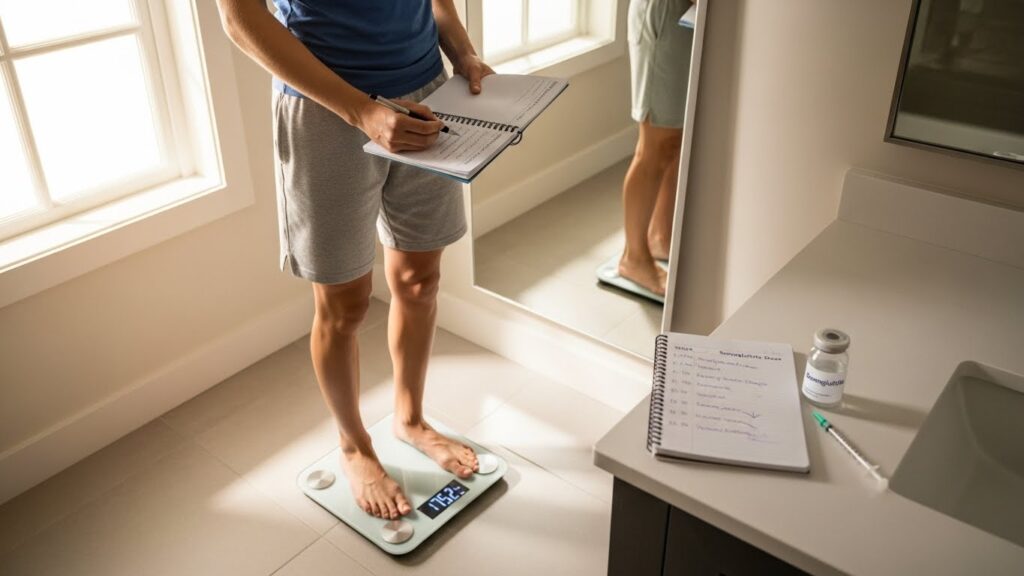
Track weight, appetite, and energy changes weekly to note patterns
Weekly tracking helps a person see how their body reacts over time. A regular schedule gives a clear picture of what methods support progress and what might need adjustment. Short, consistent check-ins work better than sporadic tracking.
Weight often changes slowly, so weekly measurements make trends easier to see. Using the same scale and time of day helps keep results consistent. Keeping records lets a person notice if progress slows or speeds up despite steady habits.
Appetite shifts can signal how well the treatment affects hunger control. Some may notice earlier feelings of fullness or fewer cravings. Recording these details helps link eating behavior with physical results.
Energy levels also reveal how well the body adapts. Increased alertness or reduced fatigue may show better regulation of blood sugar or nutritional habits. Over several weeks, these notes create a simple story of cause and effect that guides realistic adjustments.
Set realistic goals and celebrate milestones to stay motivated
A clear plan helps a person stay focused throughout a semaglutide journey. Setting realistic goals gives direction and makes the process easier to manage. Each goal should match personal needs and reflect what is truly possible with consistent effort.
Short-term goals help track progress week by week. These steps make larger targets feel achievable and prevent frustration. For example, noticing a small change in energy or appetite can signal steady progress toward long-term results.
Celebrating milestones strengthens motivation. Simple rewards such as buying a new outfit or noting progress in a journal reinforce positive habits. These reminders show how far a person has come and encourage them to continue.
Over time, small achievements add up. By keeping goals realistic and acknowledging each step, individuals build lasting confidence and maintain a steady routine that supports both physical and emotional progress.
Recommended For You
Combine tracking with lifestyle changes for optimal results
Tracking progress works best when paired with simple daily habits. Regular weigh-ins, food logs, and activity notes help connect choices to results. These details show patterns that can guide better decisions about meals and movement.
Diet adjustments make a big difference. Choosing smaller portions, more vegetables, and lean proteins can support the effects of semaglutide. Keeping a food journal helps spot triggers for overeating and keeps goals in sight.
Exercise also supports progress. Even short walks or light strength exercises a few times a week can improve results. Recording workouts alongside weight or measurements gives a clearer view of how the body responds over time.
Sleep and stress control matter too. Poor rest or constant tension can slow progress, but setting regular sleep hours and finding calming activities helps maintain balance. Combining these habits with steady tracking gives a clearer picture of health improvements and keeps motivation steady.
Conclusion
Tracking progress with semaglutide helps people stay consistent and informed about their health changes. Regular check-ins with weight, diet, and activity levels give clear feedback on how treatment works.
Simple tools such as journals or tracking apps make it easier to record injections and note any side effects. These records help identify trends and support adjustments in daily routines if needed.
Each step matters, even small ones. By staying consistent, setting realistic goals, and reviewing progress often, individuals can maintain better control over their results and continue improving their overall health.