
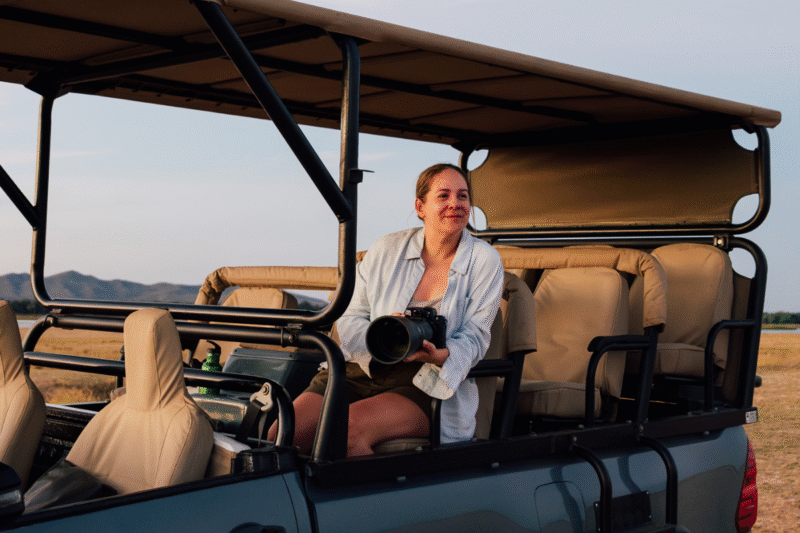
Photography has long shaped how we see the world, but who controls the lens, and at what cost? The travel photography industry, often celebrated for capturing beauty, is also deeply entangled with exploitation, privilege, and power. Marion Payr, a Vienna-born travel photographer whose journey began not with a DSLR, but with an old iPhone and an Instagram account, tells her truth. Today, she’s a Nikon Creator, co-founder of the $2.1M charity project Prints for Wildlife, and a vocal advocate for ethical photography, responsible tourism, and female empowerment.
In this unflinchingly honest interview with FAB L’Style Magazine, Marion opens up about her doubts, her defining moments, and the misconceptions that still plague her field. From turning down unethical assignments to redefining what it means to “capture” a culture, she pulls back the curtain on an industry in flux and why she believes passion, ethics, and storytelling matter more than the perfect shot.
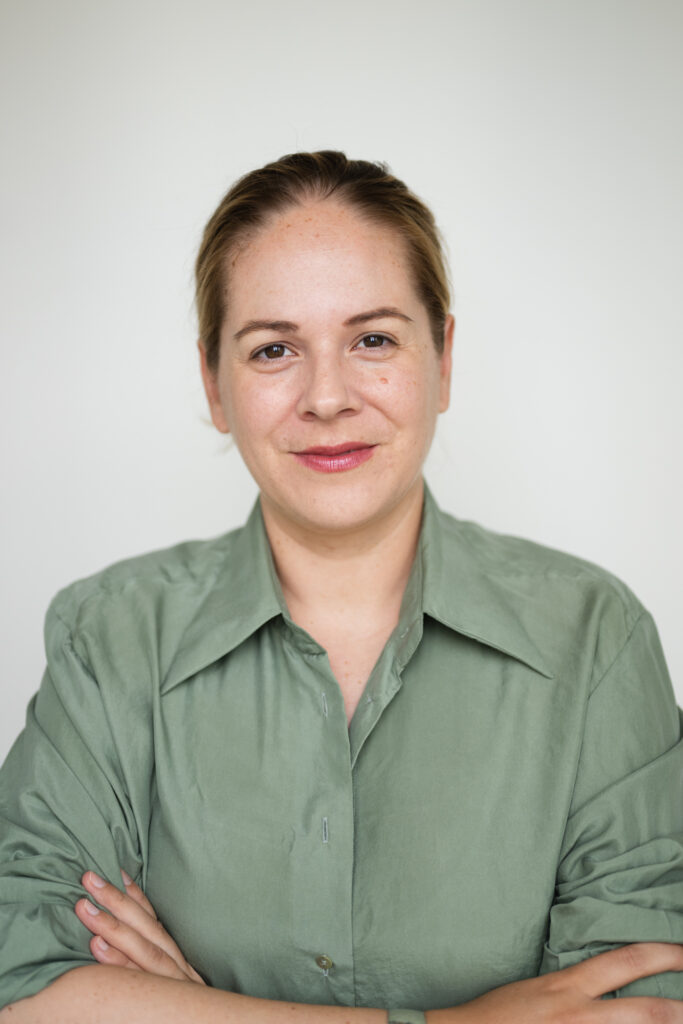
FAB: How did your journey into travel photography begin?
Marion Payr: Funny enough, I never had a proper camera as an adult. As a kid, I had those little toy cameras, but I lost touch with photography over time. It wasn’t until Instagram came along that photography found its way back into my life. I joined the platform in 2011 and started falling in love with taking pictures—even though I didn’t own a camera. I used my phone at the time—an old iPhone 3GS.
I would walk around Vienna and, in many ways, rediscover my hometown through the lens of that phone. It changed how I saw familiar places. I just kept taking more and more photos, and that passion grew. Then, in 2013, I got my first real travel photography assignment—it was a trip to Israel. The context was very different back then, but I went with a group of ten Instagrammers and photographers to document our journey through the country.
That trip changed everything for me. I knew right then that this was what I wanted to do. It didn’t happen overnight—I still had a regular office job—but three years later, I finally quit and became a full-time travel photographer. And that’s when I bought my first professional camera. So yes, I went from snapping on a phone to turning photography into a career.
FAB: Since then, have there been moments of reflection—maybe asking yourself, “Did I make the right choice?” Or even moments of doubt or regret?
Marion Payr: Yes, definitely. But before I quit completely, I took a safer route. I switched to a part-time job—more like a 9-to-1—working about 25 hours a week. I wasn’t sure I could make a living from photography right away, so I did both jobs for about six months. But I quickly realized I couldn’t fully focus on either.
Then the company I was working for began restructuring. They wanted to move me to a new department with a different boss, and that felt like a clear sign. That push gave me the confidence to leave for good. That was almost nine years ago, and looking back, it really was a blessing in disguise. I don’t miss that job or that uncertainty at all. I’m grateful for everything that’s happened since.
Recommended For You
10 Tips for Food Photography That Will Make Your Instagram Pop!
Exquisite Overture to the Shapeshifting Symphony of Photography’s Evolution
Kenyan destinations for a romantic getaway with that special someone
Isabell Kristensen Couture Unveils a New Era of Bridal Couture at BBFW 2025
FAB: What were the biggest lessons you learned from that transition—from full-time to part-time, and eventually becoming a full-time travel photographer?
Marion Payr: I’m someone who takes things slowly and cautiously. That’s why it took several months for me to fully transition into self-employment. I’m not a big risk-taker, so I wanted to build a solid client base first. I used the time during my part-time job to grow my photography business. Once I had a few steady clients and knew there’d be some predictable income for a few months, that’s when I finally quit.
That approach worked for me—but it’s not the only way. Everyone’s journey is different. Some people might need more mental space before they can even start thinking about clients. But one practical piece of advice I always give is this: save some money. Photography, like many creative fields, comes with income ups and downs. You’ll have great months and slower months. Having savings helps you navigate those fluctuations without constant stress.
How Marion Payr Found Purpose in Ethical Travel
FAB: You’ve worked with some of the biggest brands in the world. What was your first major break, and how did it shape your career?
Marion Payr: Interestingly, I haven’t done a lot of work for magazines—though that’s something I’d love to explore more in the future. I’ve had a few features in well-known publications, but editorial work isn’t my primary source of income. Most of what I do is commercial work with destination marketing organizations, hotels, and similar clients. So rather than having one big break, my journey has been more of a steady progression.
FAB: Was there a particular moment when you thought, “This is it—this is the jackpot”?
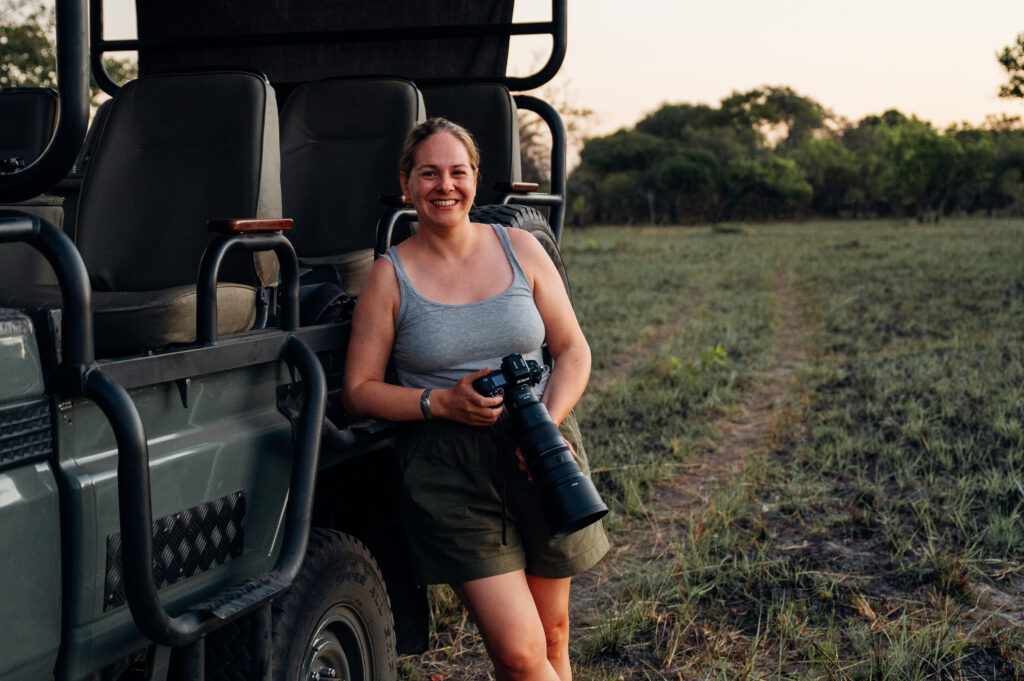
Marion Payr: Definitely. One of the biggest and most meaningful milestones has been my partnership with Nikon. I joined what they now call their Creator Team and became an official Nikon Creator back in 2018. That collaboration has meant so much to me—not just because they provide me with incredible gear, but because it’s built on a shared vision. We even run a female mentorship program, where I guide aspiring women photographers. It’s one of the most rewarding partnerships I’ve had in my career.
FAB: Since joining Nikon’s Creator Team in 2018, how has your photography evolved?
Marion Payr: It’s constantly evolving, and I don’t think that will ever stop. I keep discovering new interests and directions—especially in areas that align with my values. I’m becoming more focused on responsible and ethical travel, eco-tourism, and female empowerment. It took time to find this niche. In the early days, I took on all kinds of jobs—portraits for banks, shoots for steel companies—anything to make ends meet. But now I’m refining my focus: doing work that resonates with me, aligns with my strengths, and hopefully makes a meaningful impact.
FAB: And what exactly is capturing your interest most at the moment?
Marion Payr: I’m really drawn to stories that sit at the intersection of tourism, wildlife conservation, environmental protection, and women’s empowerment. One example is a project I did with WWF in Tunisia, where I documented women working in artisanal fisheries. It’s a nuanced, underrepresented story. Typically, we picture fishermen as men out at sea—but behind the scenes, women are doing critical work like mending nets, processing the catch, and managing food-related initiatives. Most of this labour goes unpaid and unrecognized.
There’s now a growing effort in Tunisia to empower these women economically and socially. A fascinating part of it involves pesca-tourism, where women take visitors on boat trips to explore traditional fishing practices and the Bay of Gabès’ ecosystem. It’s a layered story—visually and emotionally complex—and that’s what excites me. Honestly, it’s not just about showing a beautiful animal in nature. It’s about capturing something deeper: cultural shifts, ecological impact, and human resilience.
Sustainable Travel and the Power of Photography
FAB: In one of your past projects, you described travel as a unifying force. Can you expand on that?
Marion Payr: Absolutely. I believe that travel has the power to connect people in profound ways. But recently, there’s been a move toward making travel more elitist due to legitimate concerns like over-tourism. Take Venice, for example—it’s facing real strain, and cities like it are starting to implement policies that restrict or make travel more expensive.
While I understand and support the need to protect vulnerable ecosystems, I also think it’s crucial to keep travel accessible. Travel opens minds, fosters cultural understanding, and builds empathy. There has to be a balance—a middle ground where tourism can still bring people together while also preserving the environment. That’s where eco-tourism comes in. Done right, it can both protect nature and help communities thrive.
FAB: In a sentence or two, how do you think we can balance the beauty of discovery with responsible exploration?
Marion Payr: I believe awareness is the key. When we, as travelers, become more conscious of our impact, that awareness changes everything.
FAB: What’s one place you’ve visited that completely changed your perception of the world?
Marion Payr: That’s a tough one—I’ve never really thought about it that way. Every place I travel to opens my eyes in different ways. But a recent experience in Uganda stands out. I visited Kibale National Park, which is known for chimpanzee trekking. Most people go there for that, but I also explored a nearby village called Bigodi. What really struck me was how the community have created cultural tours to share their everyday life—like how they ferment bananas to make juice or how they process coffee beans. These aren’t hosted by hotels or tour companies; the locals organize everything themselves, which means the income stays in the community. Thanks to this, they’ve been able to build a nursery and a water well—tangible benefits from tourism that directly improve their lives. That really changed how I view sustainable travel.
FAB: As a travel photographer, I’m sure you’ve captured cultures in their rawest form. What’s the “rawest” cultural experience you’ve ever had—if we can use that word?
Marion Payr: “Raw” is an interesting term. I’ve never thought of culture that way because I see culture as something fluid—it evolves constantly with the past, present, and future. So there’s no one fixed or untouched version of it. That said, if we’re talking about a place where cultural traditions remain largely undisturbed by outside influences, I’d say Bhutan. Tourism is very limited there, and especially in remote areas, people still live closely aligned with ancestral practices—in their religion, food, daily rituals. So, in that sense, yes—it feels “raw,” in a beautiful way.
FAB: If you could remove one misconception about travel photography, what would it be?
Marion Payr: Maybe two, if I may. First, people often think I’m on a permanent vacation. I travel a lot, yes—but it’s work. I spend weeks preparing for each trip, researching stories and planning my shoots. While on location, it’s not about relaxing—it’s about uncovering narratives and taking meaningful photographs. Second, people often credit the camera more than the photographer. I get asked all the time, “What camera do you use?”—as if that’s what makes the photo great. But the camera is just a tool. What really matters is the vision, perspective, and intent behind the lens.
FAB: I like that perspective—so it’s all about the skills.
Marion Payr: Yes, but not just technical skills. The philosophy and mindset behind the photography are just as important. You can take stunning images, but if you do it in an exploitative way—especially when photographing people—it becomes deeply problematic. Power imbalances can lead to exploitation, even unintentionally. History has shown us this: photographers visiting Indigenous communities, taking powerful images, exhibiting them, making money—without giving anything back or even learning the names of the people they photographed. That’s where ethical photography becomes essential.
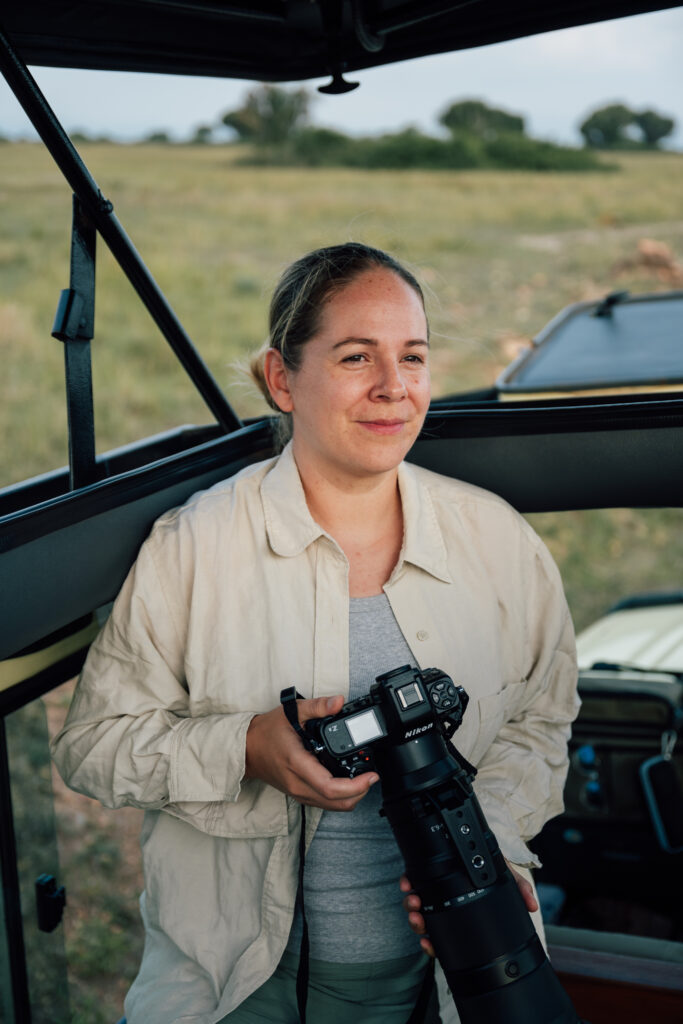
FAB: Let’s talk about the Bell Collective, a movement you’re part of that’s redefining female travel narratives. What outdated stereotypes still persist about women in travel photography?
Marion Payr: Oh, there are many. One of the biggest misconceptions is that women today have the same opportunities as men in the industry—but that’s simply not true. The playing field is far from equal, and this inequality is visible in the pay gap, the burden of unpaid care work, and limited access to resources.
Travel photography demands two major things: time and money. You need time to explore, to immerse yourself in stories, and money to afford equipment and travel. But many women struggle to access these resources equally because they earn less and often carry more domestic responsibilities. So naturally, it becomes harder for them to produce high-quality, impactful work consistently.
Another lingering stereotype is that women are somehow physically less capable, which is outdated and reductive. Sure, I’m not the most athletic person—but that says nothing about all the women who climb mountains, document expeditions, or cover rugged environments. We need to stop using physicality as a benchmark for ability in storytelling.
Also, if you look at collaborative projects where both male and female photographers are hired, men are often paid more—sometimes significantly so. It’s disheartening, especially when women are equally, if not more, experienced. That’s why Bell Collective exists: to challenge these norms, amplify female voices, and help create a more balanced, inclusive industry.
FAB: For young female photographers hoping to break into the industry, what’s the one skill they should prioritize—beyond just taking great photos?
Marion Payr: Passion. That’s the core of it. Find a story you care deeply about—something you’re willing to fight for. In the early stages, especially, you might not get paid. That’s just the reality. You’ll often have to build your portfolio by working on personal projects. So, if you’re not earning money yet, make sure the story you’re telling truly matters to you. That kind of passion will sustain you and push your work further.
Why Sustainable Travel Isn’t Just About Carbon Offsets
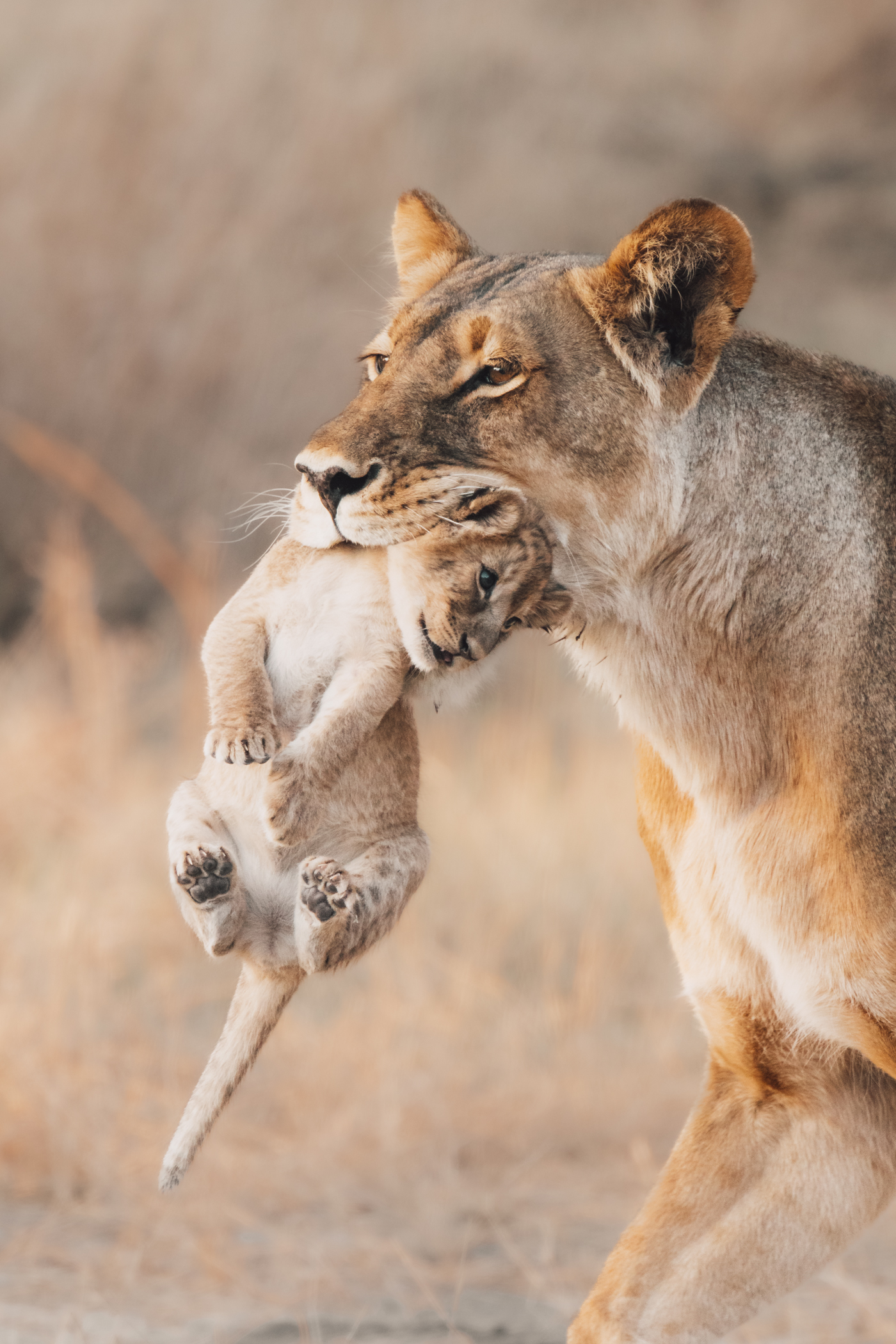


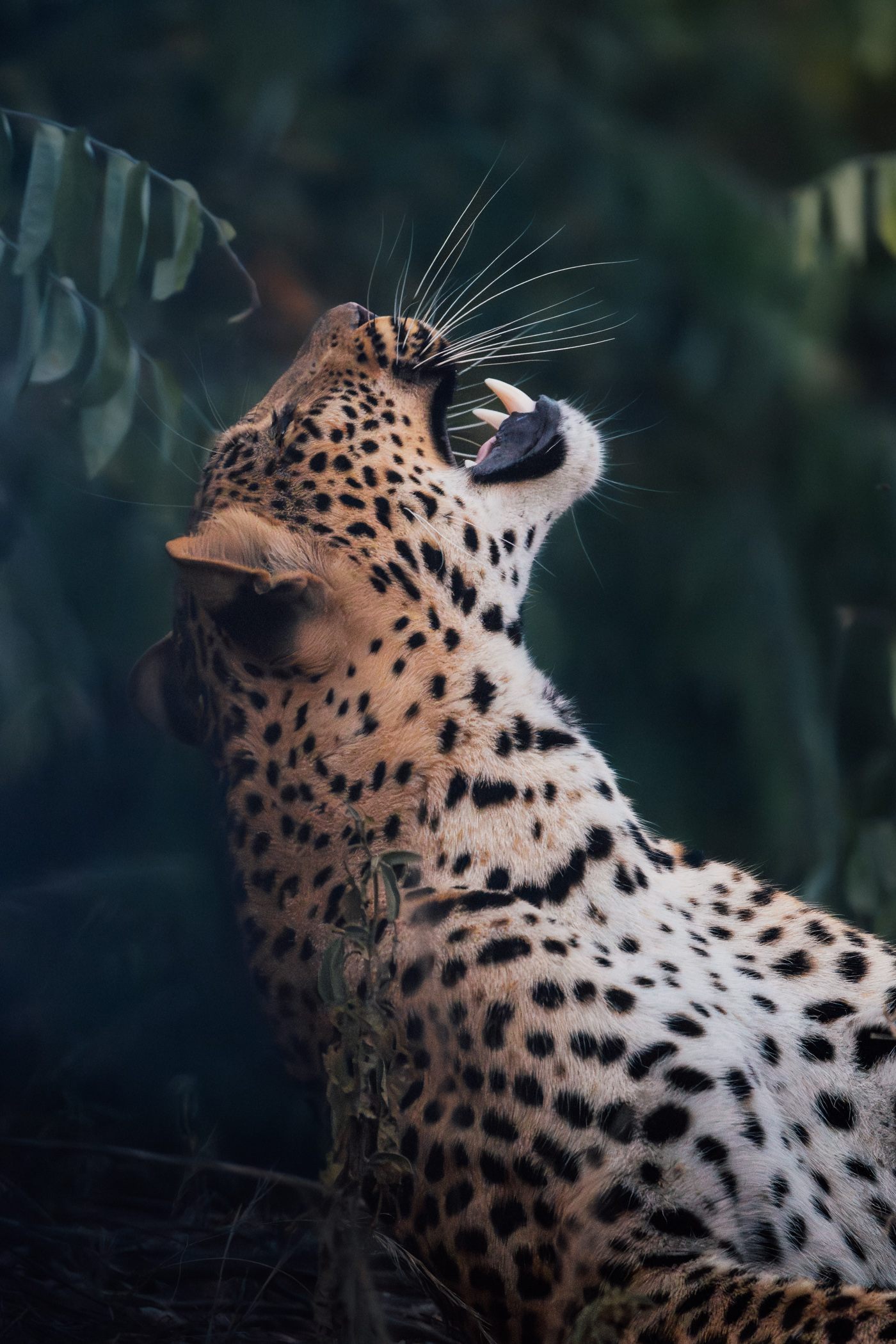
FAB: You co-founded Prints for Wildlife, which has raised over $2.1 million for conservation efforts. What was the biggest challenge in turning that idea into such a powerful movement?
Marion Payr: That idea was truly a “COVID baby.” It was born during the first lockdown in 2020. Like many others, I suddenly had no assignments—everything was cancelled. Meanwhile, there were all these headlines about how wildlife was thriving without tourists around—how lions and leopards were finally at peace. It sounded poetic, but it wasn’t the full picture.
What wasn’t being reported enough was how devastating the loss of tourism was for local communities—especially those whose livelihoods are directly tied to conservation. In many African countries, tourism funds everything from wildlife protection to community development. Unlike in Austria, where we have a social safety net, these communities had no backup. Without income, people had to turn to activities like logging, poaching, or habitat clearing to survive—all of which threaten conservation.
That reality sparked the idea: What if we used photography to support these communities while we were stuck at home? I teamed up with Pie Aerts, a Dutch photographer, and we started reaching out to colleagues. Everyone was in the same situation—unemployed but eager to help. Dozens of photographers donated images. We found a printer and launched a small print sale.
But the response was overwhelming. On the first day alone, we sold over 1,000 prints. The printing house called us in a panic—they couldn’t pack and ship that volume by themselves! So Pie and I rolled up our sleeves, went to the lab, and started packing boxes, labeling prints, and organizing shipments ourselves. Eventually, volunteers joined, and the project snowballed into something far beyond what we imagined.
It’s been one of the most meaningful things I’ve ever been part of. The impact wasn’t just in the money raised—it was in the sense of community, purpose, and solidarity we felt across continents.
FAB: As a photographer, is there a project you haven’t done yet but dream of bringing to life?
Marion Payr: Yes, absolutely. Right now, my dream is to collaborate with a journalist or writer to develop a more in-depth narrative. I do write myself, but since I’m not a native English speaker, I believe there’s real value in partnering with someone whose strength is storytelling through words. That way, I can focus on the photography while they help uncover the story in a more layered and powerful way. That’s the direction I’m currently working toward.
FAB: Travel photography often walks a fine line between documenting reality and romanticizing poverty. Where do we draw the line between representation and exploitation?
Marion Payr: That’s a really important—and difficult—question. I don’t think there’s a clear-cut answer because the line is often blurred. It really comes down to mindfulness and respect.
For example, there’s a huge difference between casually walking through a low-income area—let’s say in Rajasthan, India—snapping photos of people who seem “interesting” or “exotic,” and then posting them online… versus actually engaging with people, taking time to hear their stories, and crafting a thoughtful, collaborative photographic narrative.
The final images might look similar, but the intention and process behind them matter so much. Yes, you could create a beautiful series, get recognition, maybe even build your career on portraits of people who had no say in how they were portrayed. Or you could approach it differently—ethically—by involving them in the storytelling and showing genuine respect. It’s not just black and white. Most of the time, we’re operating in the grey area. And in that space, we must stay intentional.
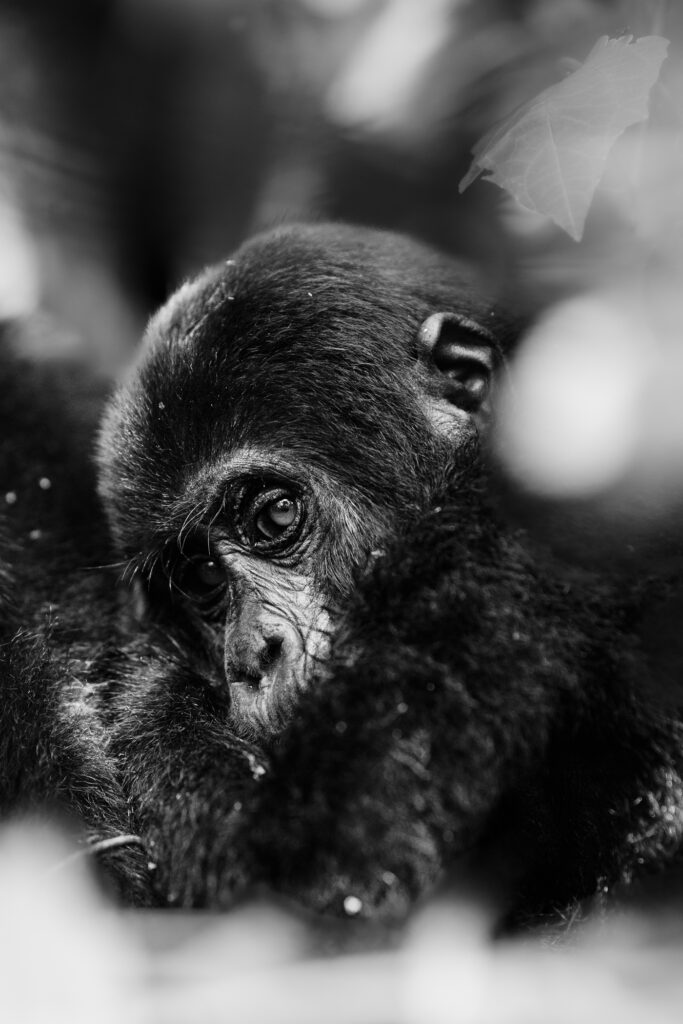
FAB: If an image creates awareness but was captured unethically, does the outcome justify the means?
Marion Payr: No, I don’t believe it does. The process matters just as much as the result. Maybe I’m too idealistic, but I don’t think it’s ever okay to exploit people—or wildlife, for that matter—even if the final product brings attention to an issue.
In wildlife photography, for example, there are practices that cross ethical lines, like baiting animals or photographing captive wildlife. With Prints for Wildlife, we had to make tough decisions. Some stunning submissions featured animals in captivity or artificially staged scenarios. They could have raised a lot of money, but we chose not to include them because how the images were taken didn’t align with our values. Ethics must guide the entire process.
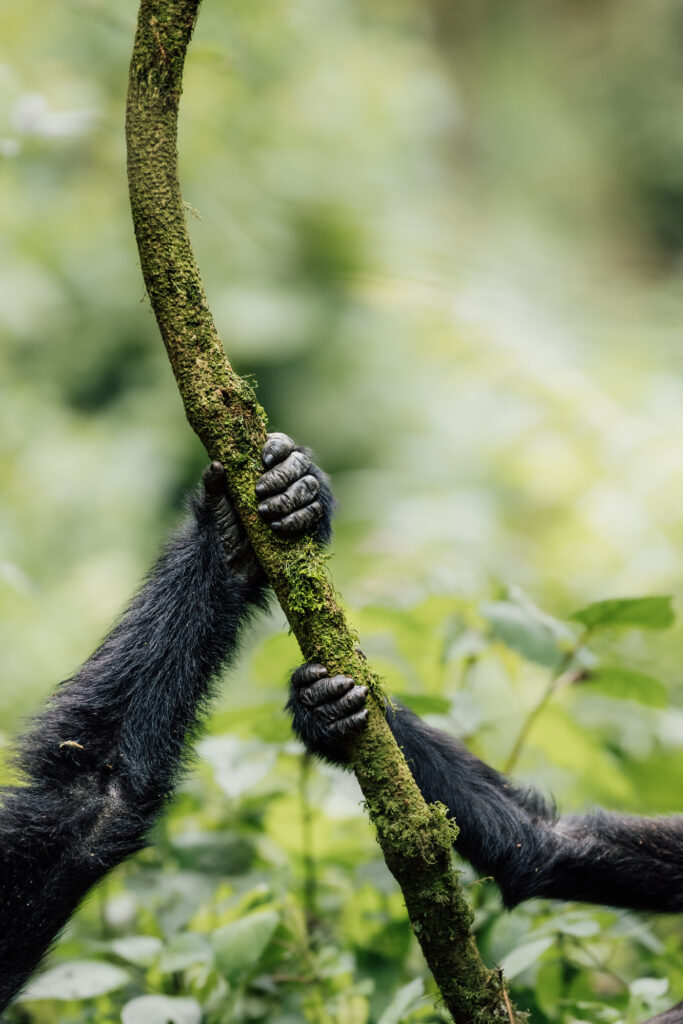
FAB: Has there ever been a moment in your career when you looked back at a photo—or an experience—and thought, I shouldn’t have done that?
Marion Payr: Yes, definitely—maybe not a single photo, but an experience that still sits with me. About eight or nine years ago, I traveled to Myanmar and visited an elephant sanctuary. They claimed to be ethical, but I quickly sensed something was off. There were young elephants there, and they said all the animals were rescued from labor. But I kept asking myself, Where are these young elephants coming from if they’re all former working animals?
There was also the option to bathe with the elephants—something I naïvely thought was okay. I already knew riding elephants was unethical, but I didn’t realize that bathing with them could also be harmful. Those elephants are often trained—really, subdued—just to tolerate that kind of human interaction. Since then, I’ve made it a rule: no touching, no feeding, no petting when it comes to wildlife. I’ve learned to draw clear ethical lines, and I stick to them now.
FAB: Glad you learned something from that. Let’s talk about the term authentic travel, which gets thrown around a lot in marketing. What actually defines authenticity? Is it determined by the traveler or by the community?
Marion Payr: I honestly think authenticity is a bit of a scam. It’s a complicated concept because there’s no clear definition. What feels authentic to a traveler might not feel authentic to the community—and vice versa. So I don’t believe authenticity should be the goal of travel. Chasing it often leads to exactly what you described earlier: romanticized images of poverty, tribal life, or other human experiences.
Instead, I think travel should be about your personal experience. You’re the one telling the story, and ideally, it should reflect a genuine interaction—especially in people photography. If you engage with someone, learn about their passions or interests, then that moment is real, at least between the two of you. Whether or not it’s “authentic” is debatable, but it’s true to that shared experience. And the next person who visits will experience something completely different.
FAB: That makes a lot of sense. Have you ever turned down a photography assignment because it felt exploitative—maybe one that was marketed as “authentic,” but didn’t sit right with you?
Marion Payr: Not really, to be honest. I think people know what kind of work I do, so I don’t get many of those offers. The only time I turned something down was when I was asked to photograph a family holiday experience. Since I don’t have kids, I felt I couldn’t authentically tell that story. I just couldn’t relate, and I didn’t think I could do it justice. That’s the closest example I have.
FAB: That’s fair enough. How do you handle situations where taking a photo feels intrusive, even when the subject has given consent?
Marion Payr: That’s a good question. I don’t think I’ve personally faced that situation in a heavy way. Some photographers work on really intimate or emotionally complex projects—birth, death, war—where even with consent, you have to be very careful about what you choose to capture.
But in travel photography, when people give consent, it’s usually during positive, light-hearted interactions. If I ever found myself in a more sensitive situation, I’d definitely put the camera down. It’s about being respectful and knowing when to step back.
FAB: If you could rewrite the unspoken rules of travel photography, what would you change?
Marion Payr: That’s quite a philosophical one! But I think we need to move away from the obsession with the perfect shot. Travel photography shouldn’t just be about chasing that one iconic image. I’d rather see a shift toward storytelling—capturing a series of images that build a layered, emotional narrative. Not everything has to be polished or picture-perfect. Sometimes, the imperfect shots say more.
FAB: Where do you see travel photography heading in the next 20 years?
Marion Payr: With the rise of AI, there’s definitely pressure on creatives. But I believe people have an innate desire for real experiences—something that feels human. AI can do a lot, but it lacks soul. There’s always going to be a disconnect when something isn’t made by a person.
Maybe I’m being optimistic, but I don’t think virtual experiences can truly replace the realness of travel. The same goes for photography. A human-made image carries an emotional depth that people—hopefully—will still recognize and value. Technical perfection may become less important. Instead, we’ll start to focus more on capturing what’s deeply human.
FAB: If you could go back in time and give your younger self one lesson about travel and photography, what would it be?
Marion Payr: I’d tell my younger self to be more intentional with travel choices. When you’re young, you’re usually just chasing fun and exciting experiences—you don’t always pause to look deeper. But it’s important to do a bit of research early on, to understand the impact your travel decisions can have.
So, my advice would be: travel mindfully. Be a responsible traveler. That awareness matters—it shapes not only your experience but also your footprint. Be conscious, be kind, and don’t forget to take care of yourself too.
FAB: When people look back at your work years from now, what do you hope they remember—say, in the next 200 years?

Marion Payr: Honestly, I don’t think I’m aiming that far ahead. I’m not trying to be a legend or the next superstar in photography. And I’m perfectly okay with that. I’ve never been driven by a desire for lasting fame.
For me, it’s about living in the moment—doing meaningful work now, not chasing recognition centuries into the future.