

For years, aesthetic treatments were associated with dramatic changes — tighter skin, sharper angles, bigger lips, smoother foreheads. But something has shifted. Quietly, and almost everywhere, a new beauty philosophy is taking over: subtle enhancements that preserve a person’s natural expression instead of replacing it.
The new aesthetic ideal doesn’t scream for attention. It whispers.
Beauty That Doesn’t Announce Itself
People today aren’t asking for a completely new face. They want to look fresher, more energized, a little more themselves on their best day. This new wave of aesthetic medicine focuses on refinement:
● softening tired features rather than transforming them
● restoring lost volume without adding heaviness
● enhancing structure without obvious “work”
● prioritizing long-term skin health
It’s less about changing how someone looks — and more about changing how they feel in their skin.
The Doctors Behind the Movement
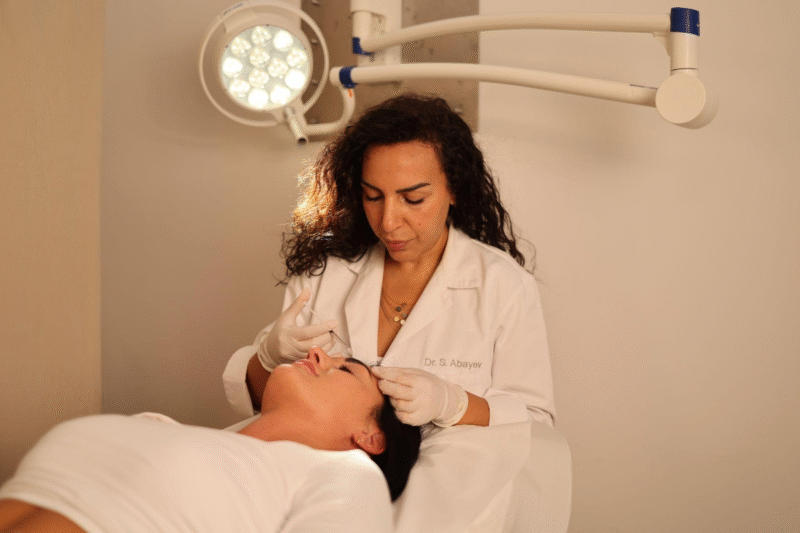
Behind this shift is a generation of aesthetic specialists who genuinely value subtlety. One of them is Dr. Sara Abayev, a plastic surgeon based in Vienna, known for her calm, honest, and deeply personalized approach.
Her perspective reflects what many patients quietly hope for: treatments that support their natural beauty, not overpower it.
Why Patient Expectations Have Changed
This new approach to aesthetics is driven by more than trends. Several subtle cultural shifts play a role:
1. Authenticity feels more powerful than perfection.
People want to look like themselves, just rested, balanced, and smoother around the edges. 2. Overdone aesthetics are easy to spot.
Social media has trained everyone’s eyes. Anything that looks too “filled,” too tight, or too symmetrical feels unnatural.
3. Modern treatments allow for more nuance.
Techniques and products have evolved. Skilled practitioners can create changes that are nearly invisible — except for the confidence they bring.
4. People want aesthetics that age well.
Long-term planning and gentle adjustments are replacing aggressive, one-time fixes. Consultation Over Quick Fixes
One of the defining characteristics of this new era is the emphasis on conversation. Patients want to be understood,not sold to.
Good practitioners spend time asking questions like:
● What bothers you the most?
● What do you love about your face?
● What do you absolutely not want?
The result is a plan that feels personal, deliberate, and emotionally grounded. Aesthetics as Self-Care, Not Reinvention
For many people, subtle aesthetic treatments have become an extension of self-care. Not because they’re trying to hide who they are but because they want their outside to match how they feel inside.
A smoother brow may reflect a calmer season of life.
A fresher under-eye area might help someone feel more awake at work. A little contour can create a sense of harmony they’ve been missing.
It’s not about vanity. It’s about alignment.
The Future Is Natural
If one thing is clear, it’s this: the demand for “I can’t tell what you did, but you look great” treatments will only grow. Subtlety is no longer the absence of effort. it’s the highest form of aesthetic skill.