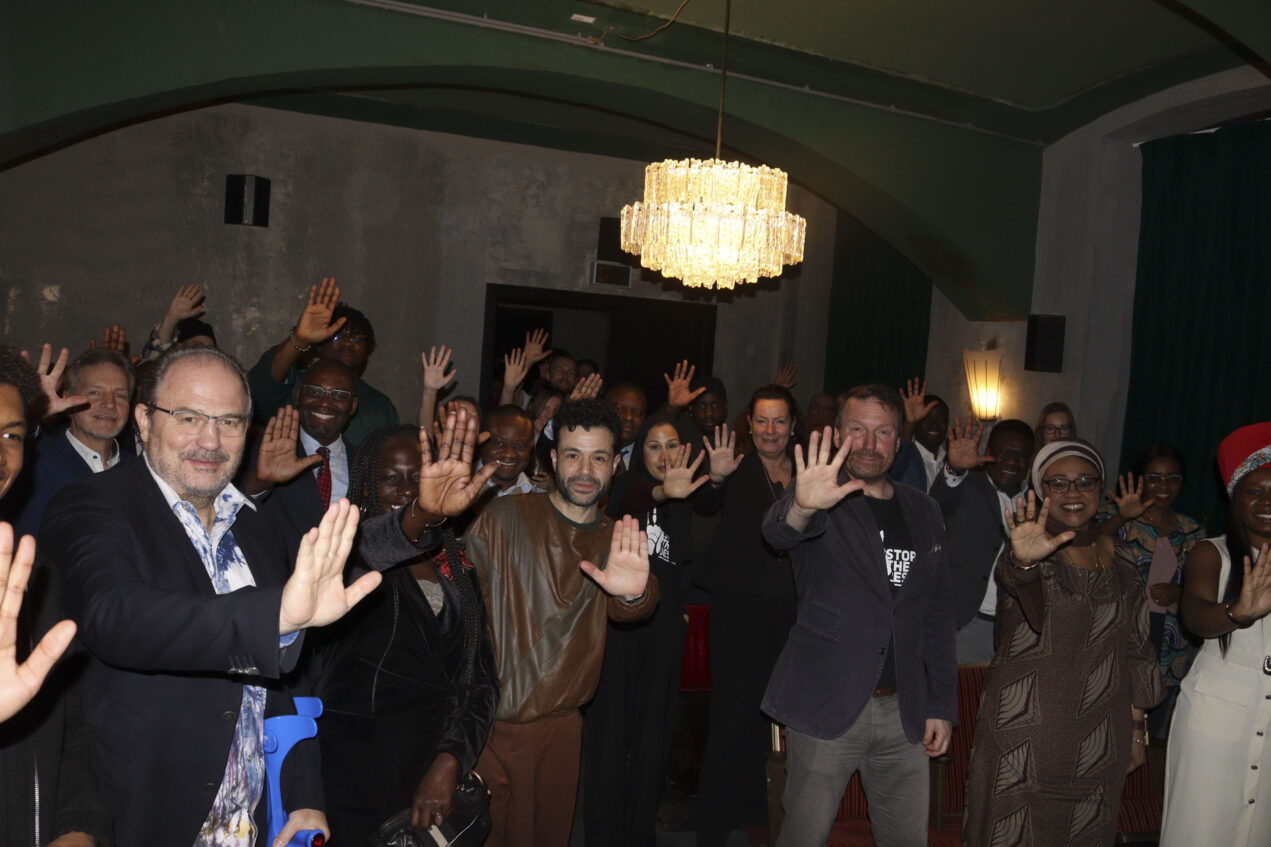


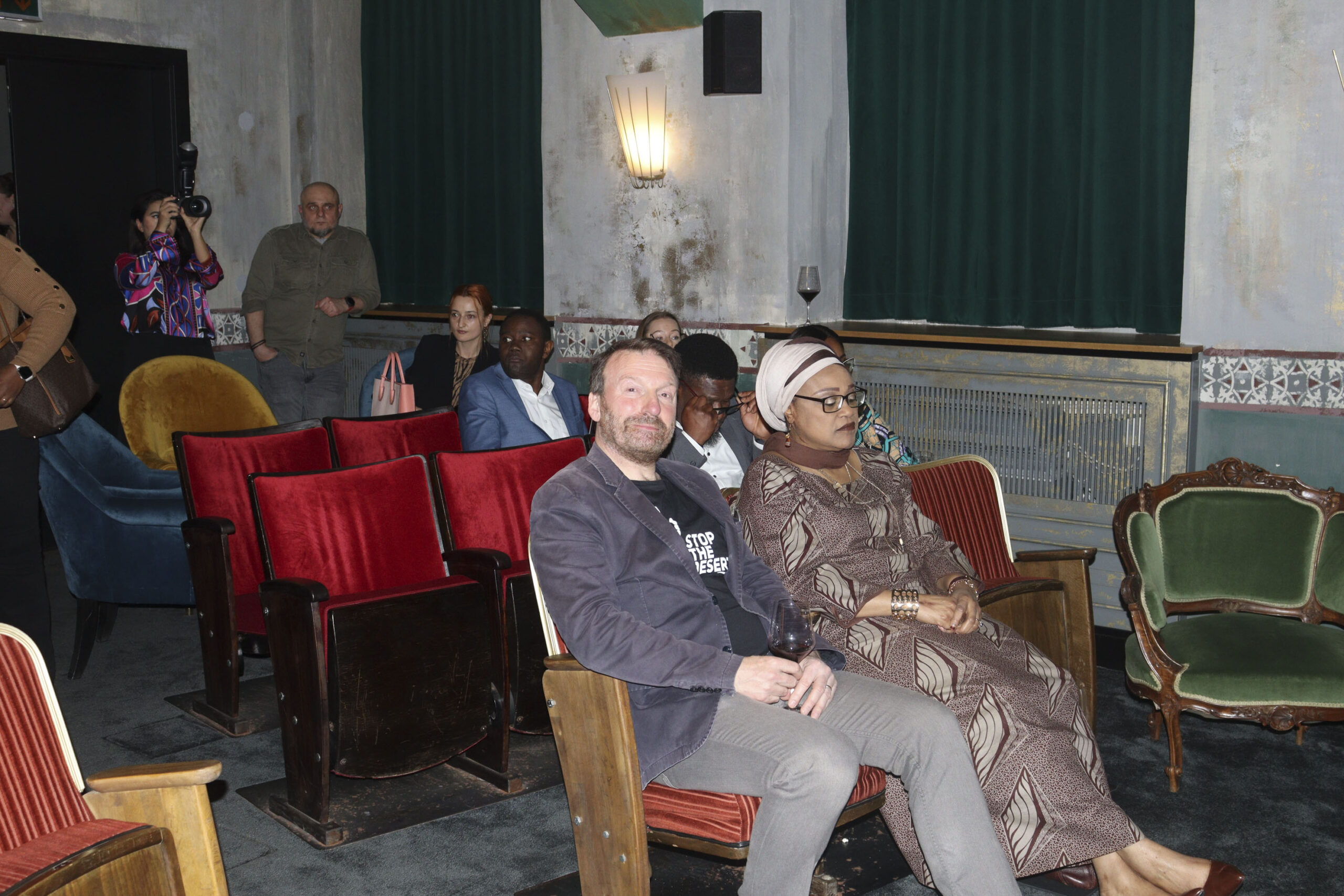
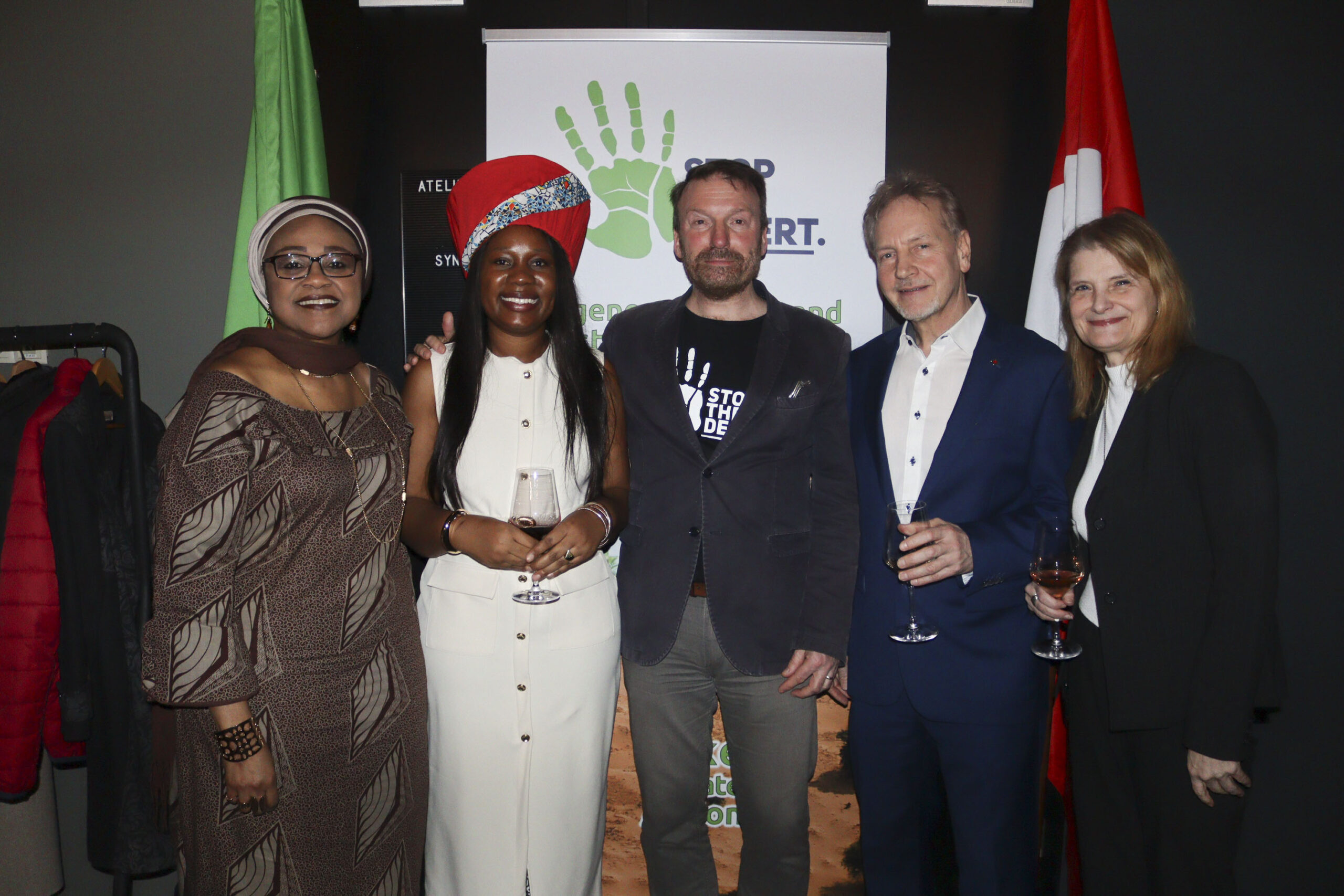
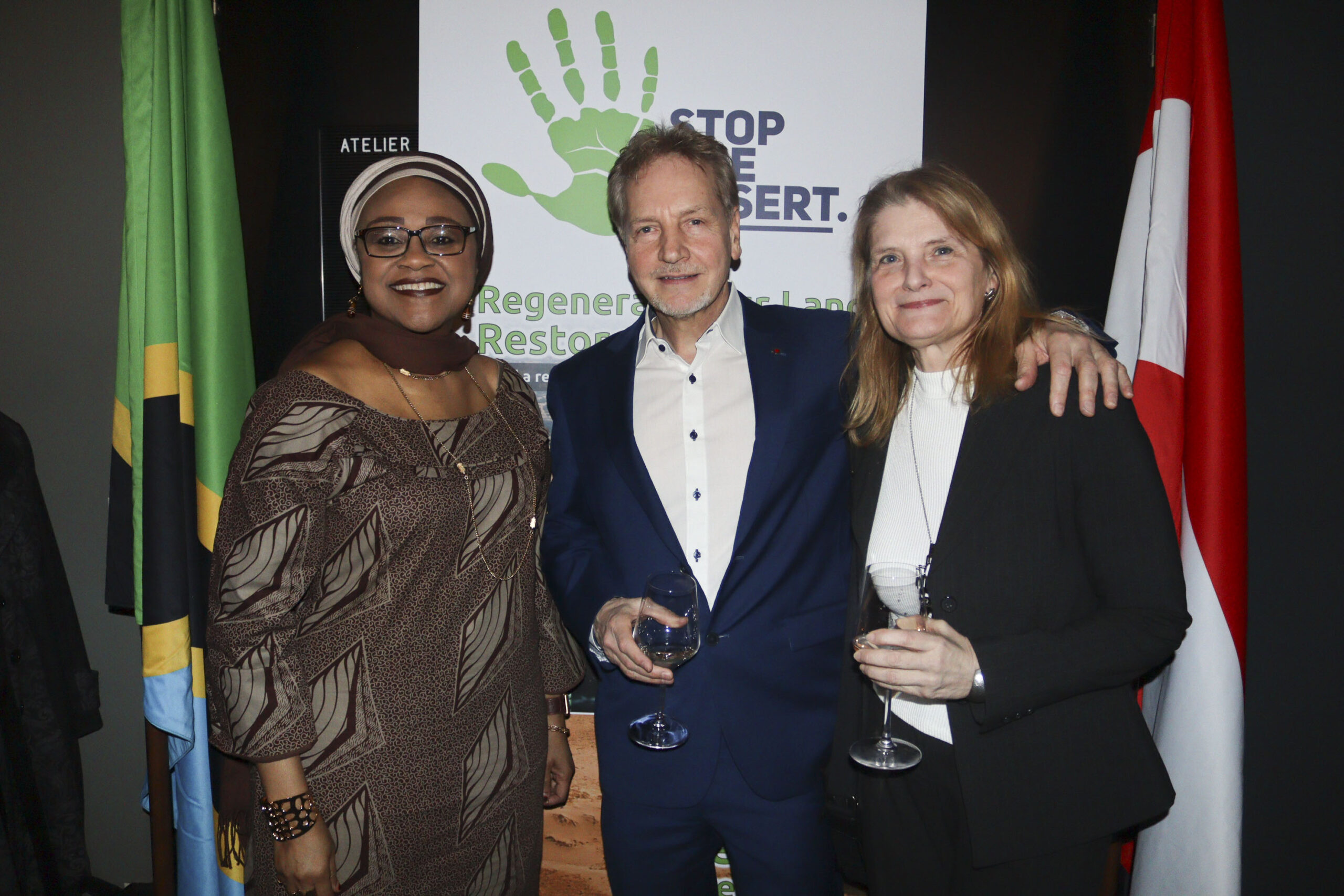
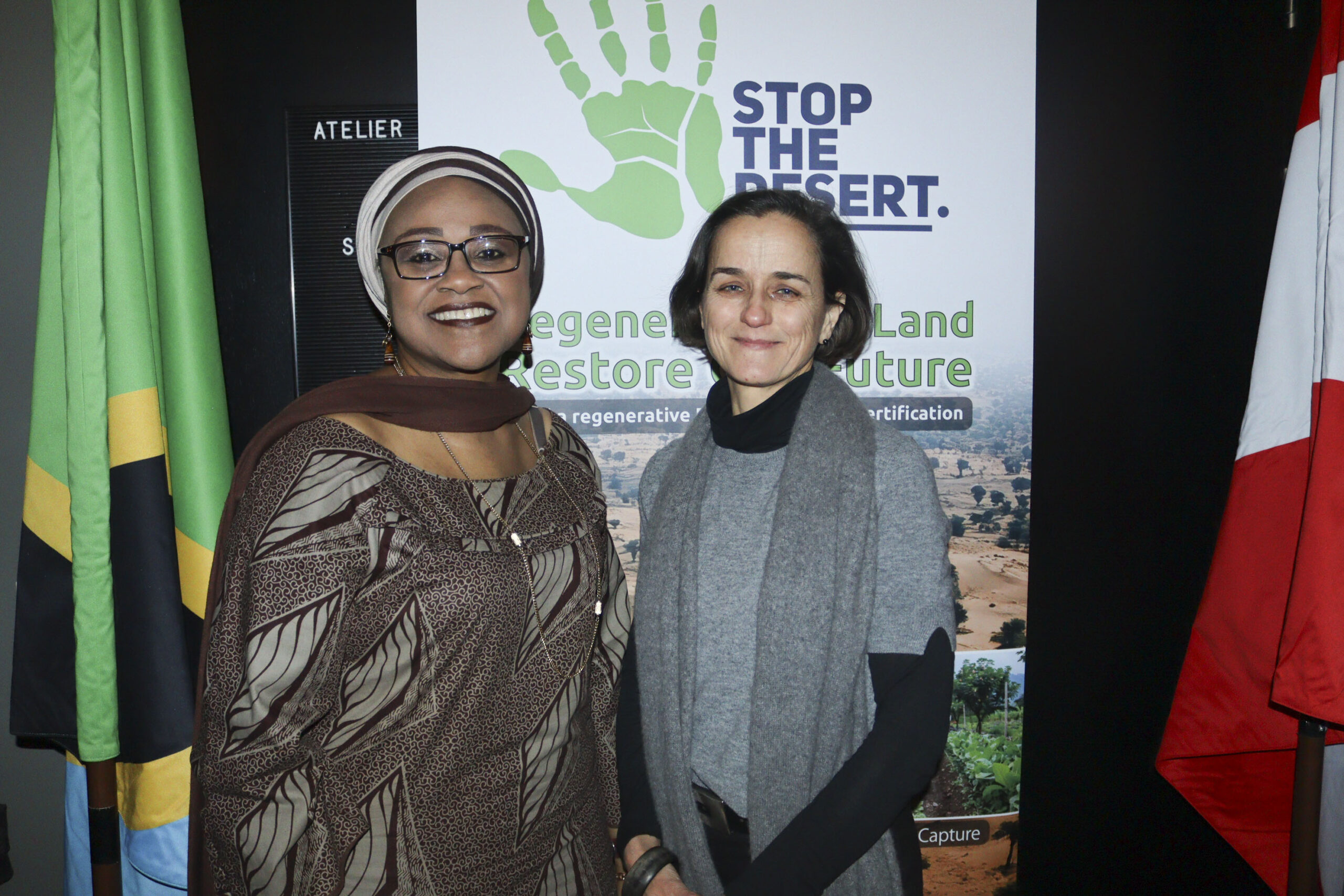
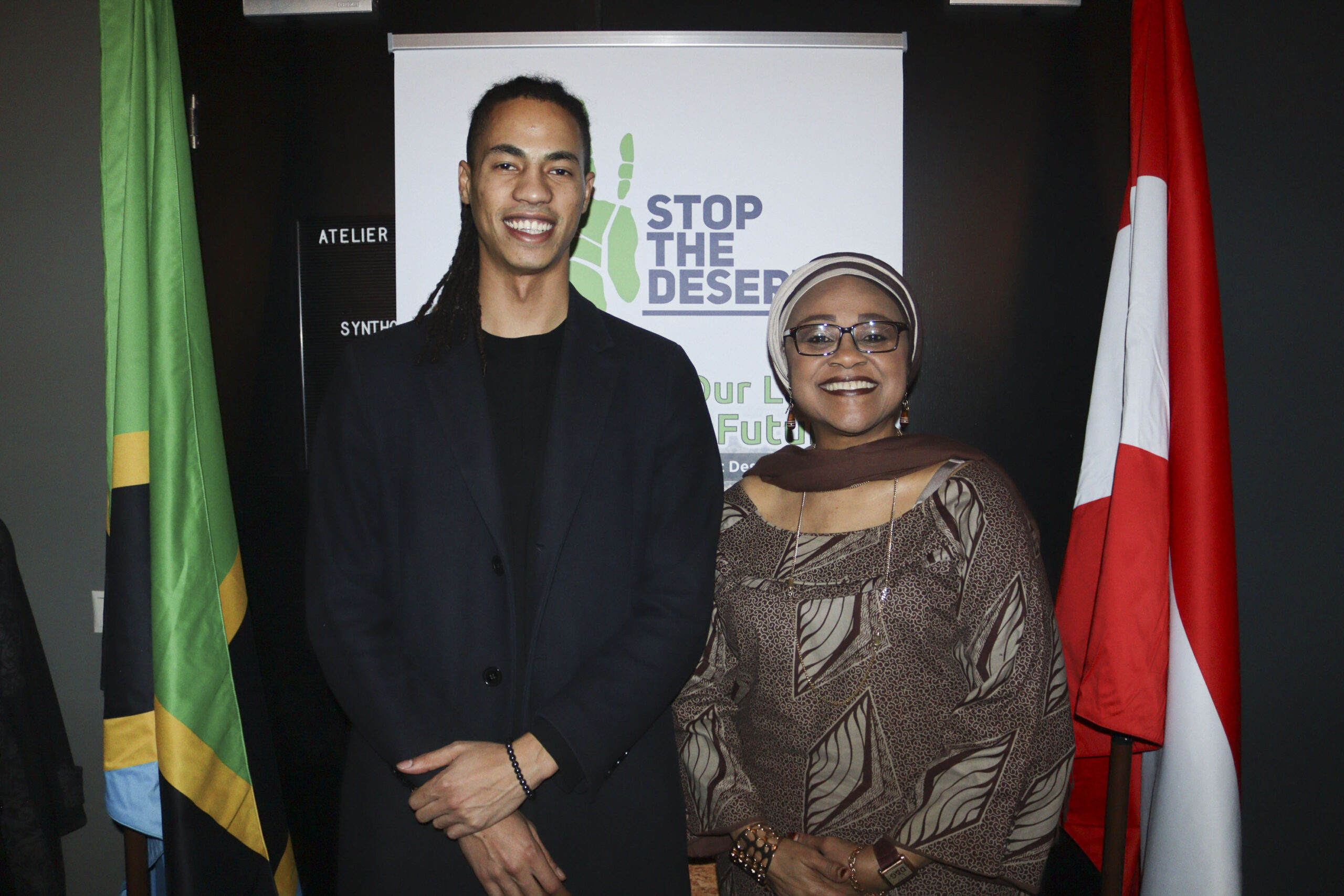
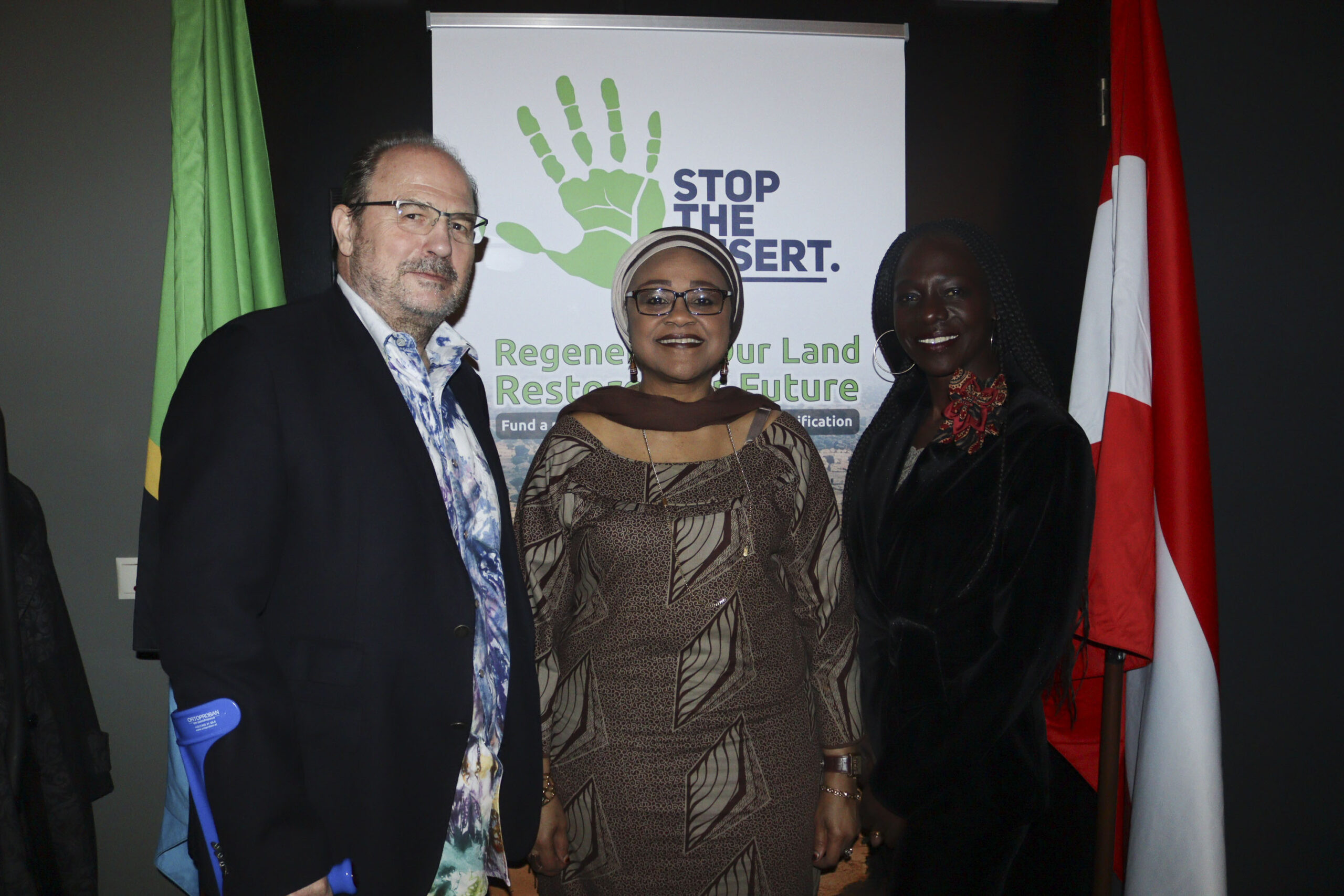
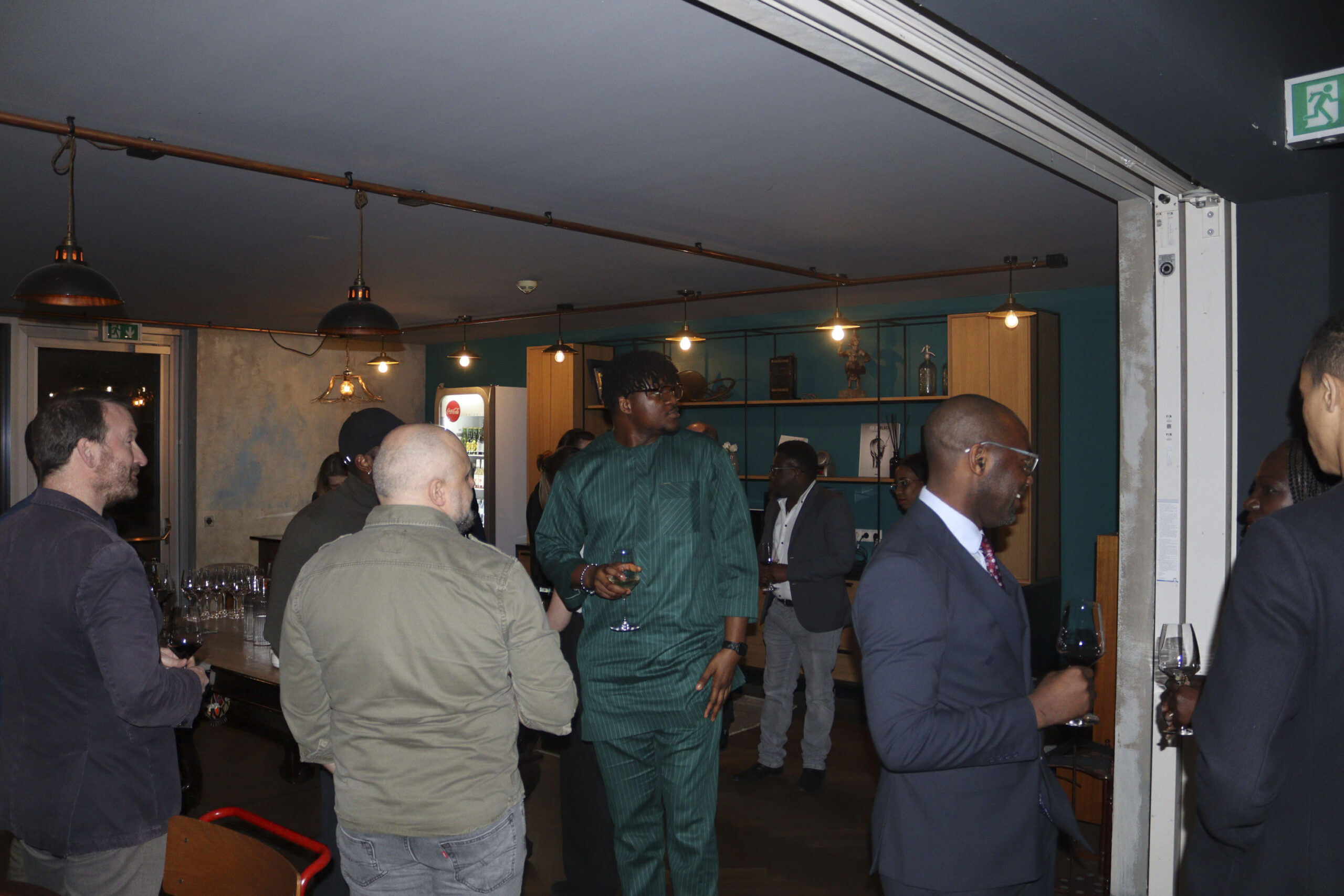
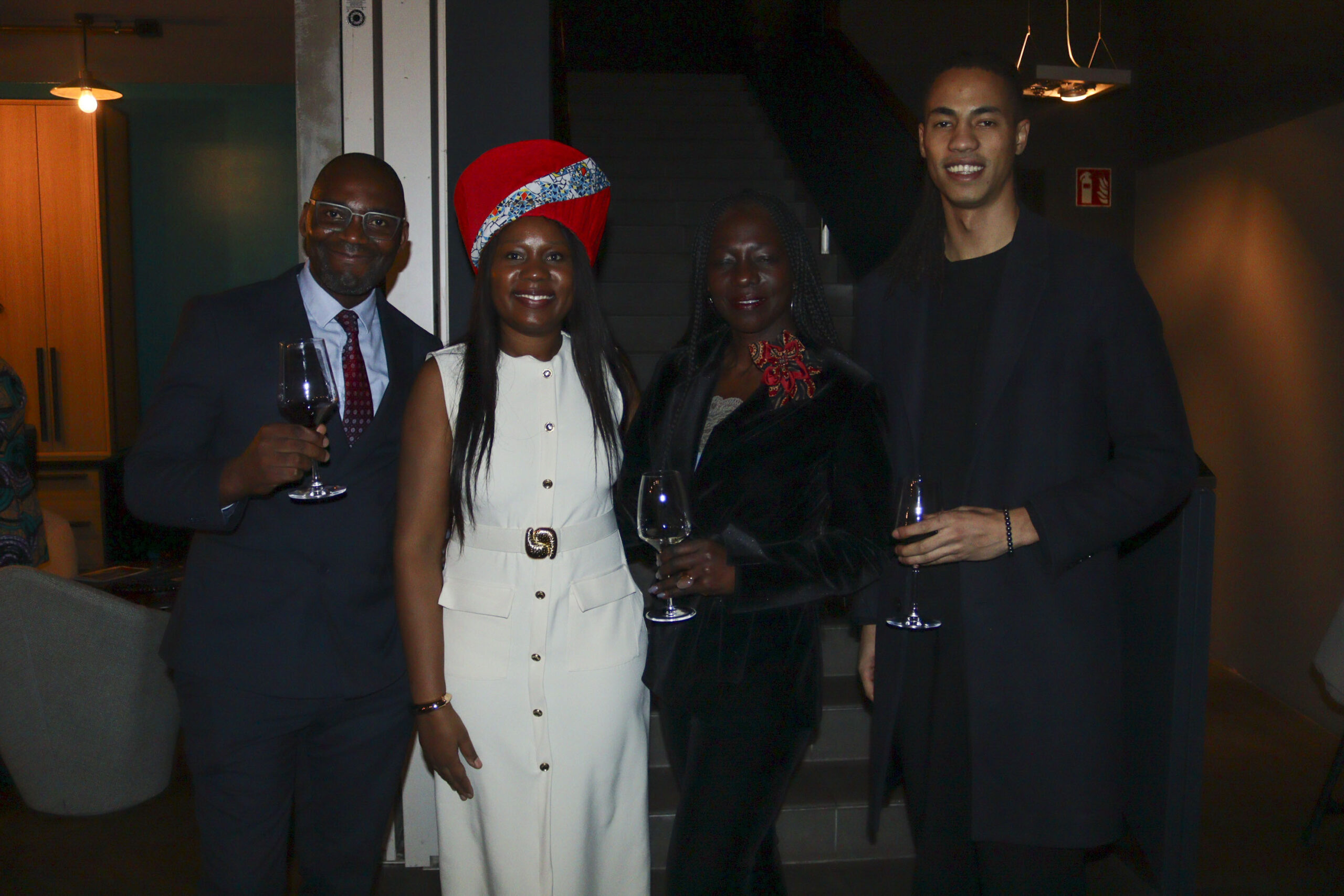
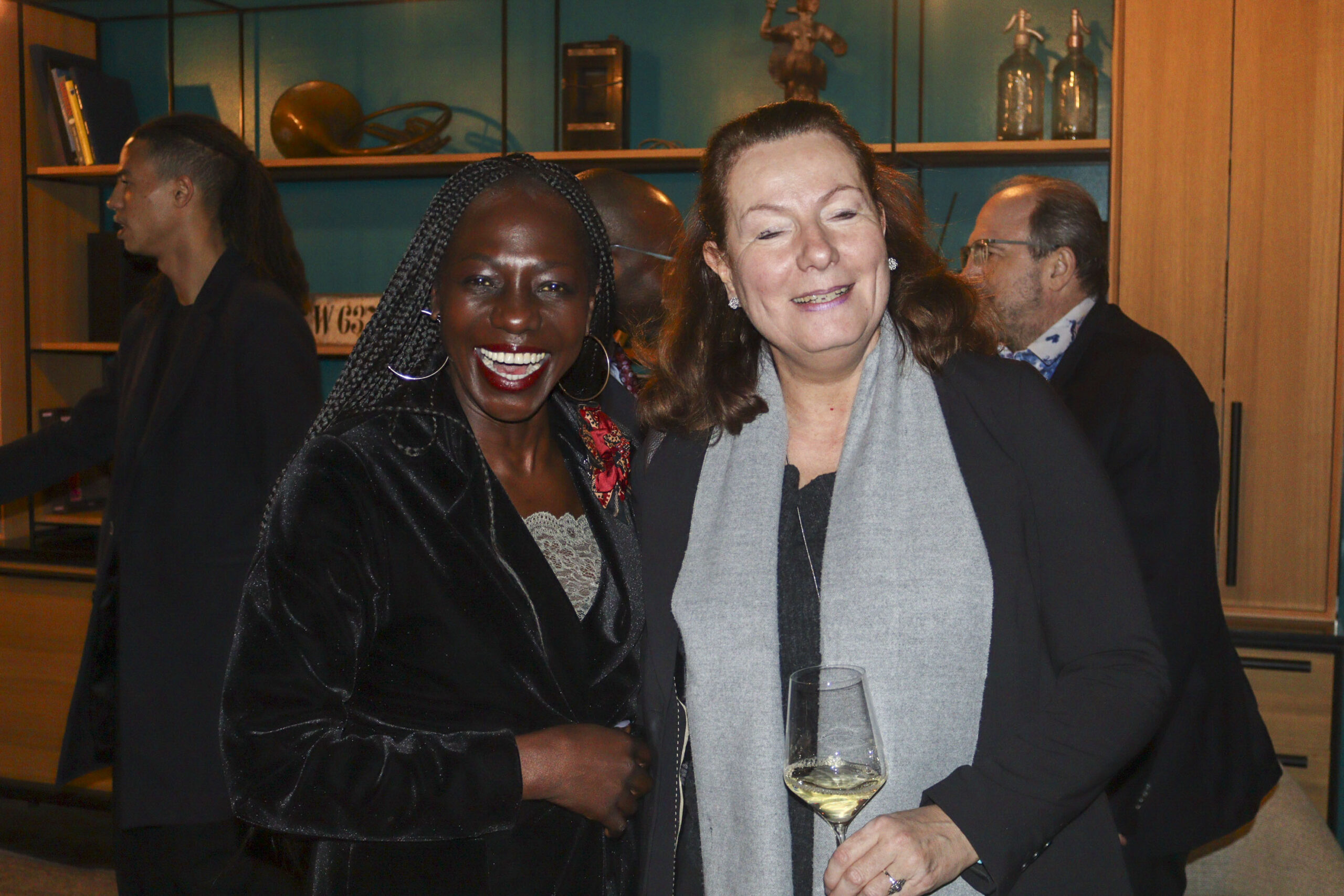
Diplomats, environmental advocates, and cultural leaders gathered in Vienna on 4 March 2026 for an evening that placed one of the world’s most urgent environmental challenges at the centre of public conversation: desertification.
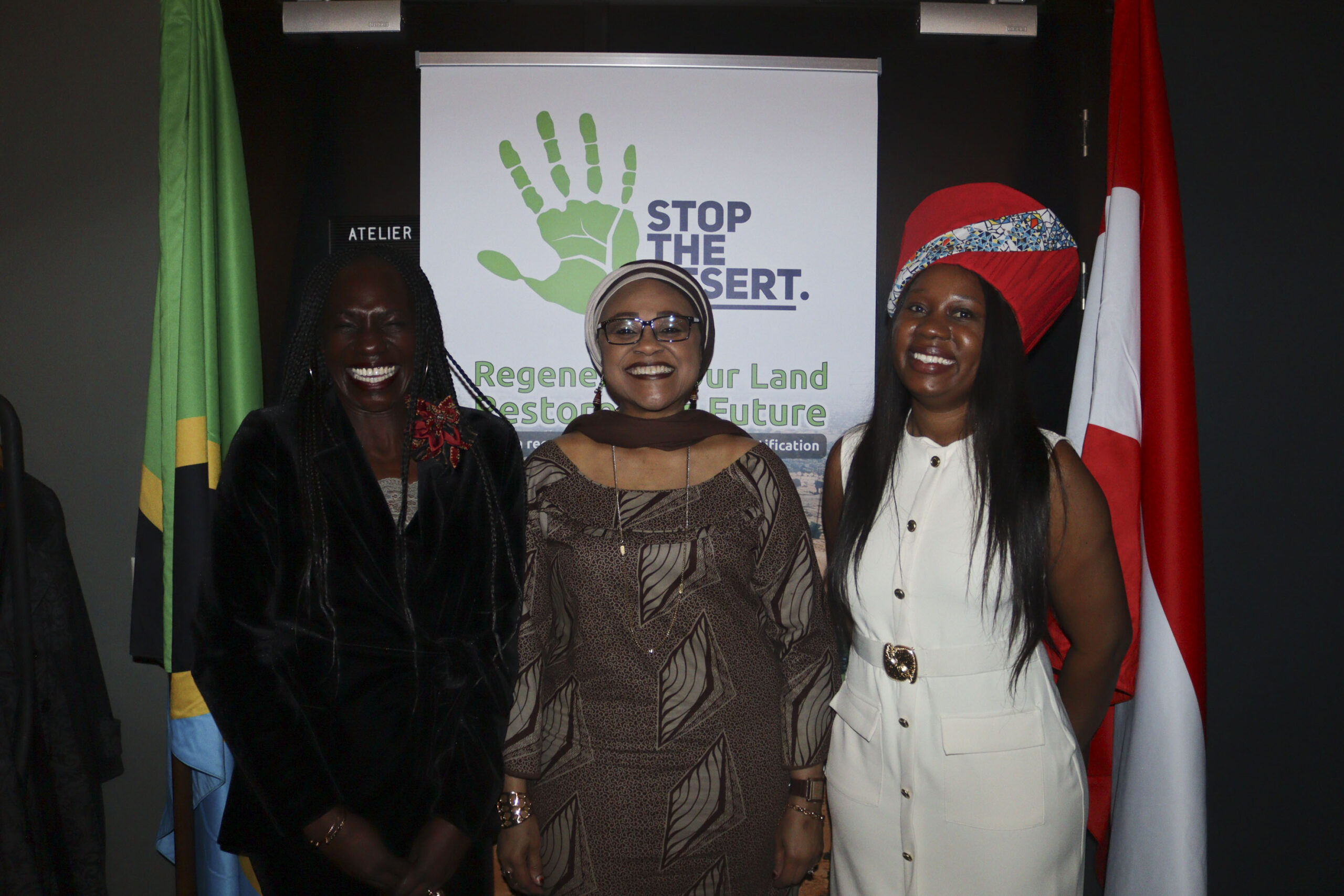
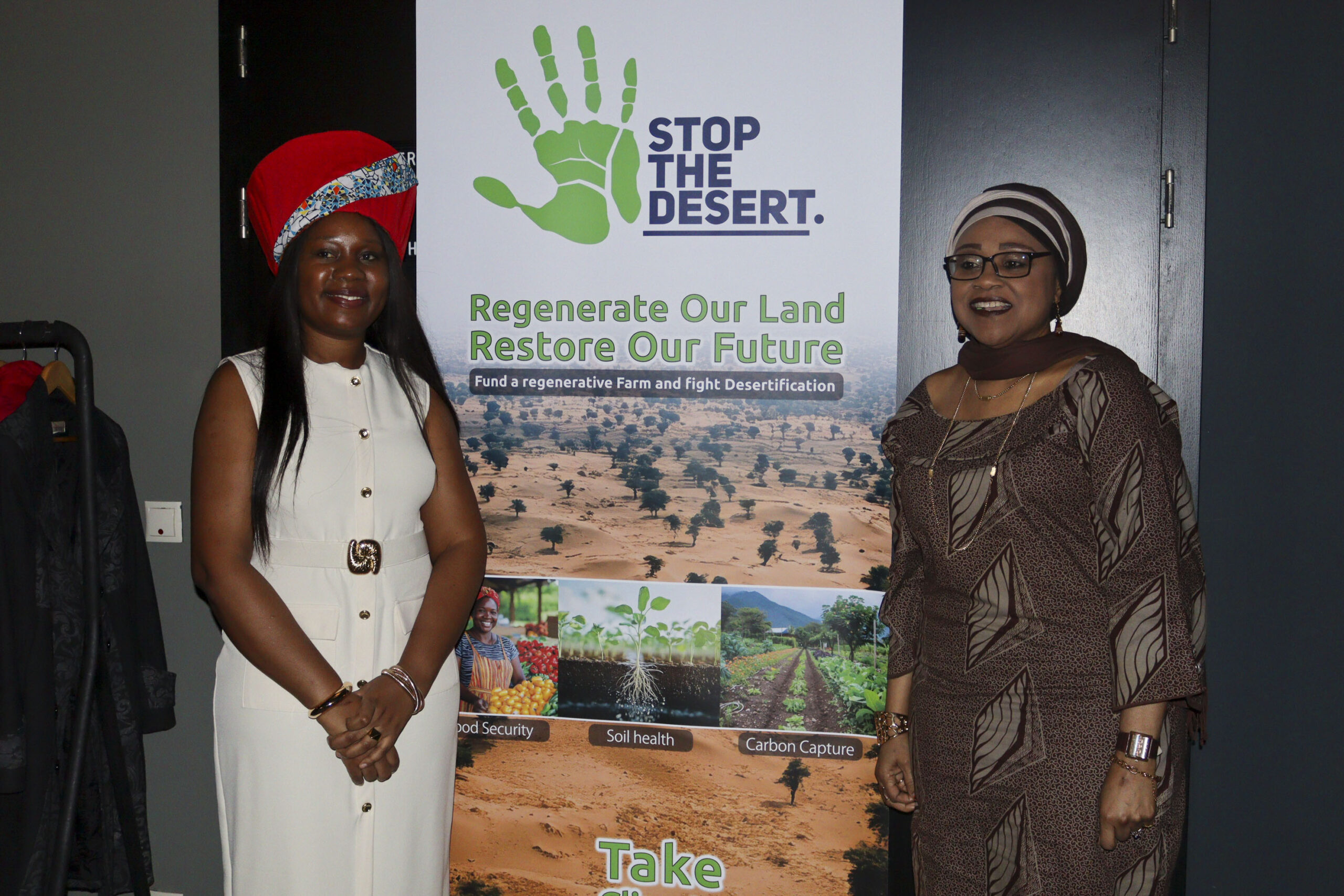
The event, hosted by StopTheDesert in partnership with FAB L’Style Magazine at Vienna’s Cover Club, brought together international stakeholders under a clear message. The loss of fertile land is accelerating worldwide, and reversing it requires global cooperation, practical solutions, and public awareness.
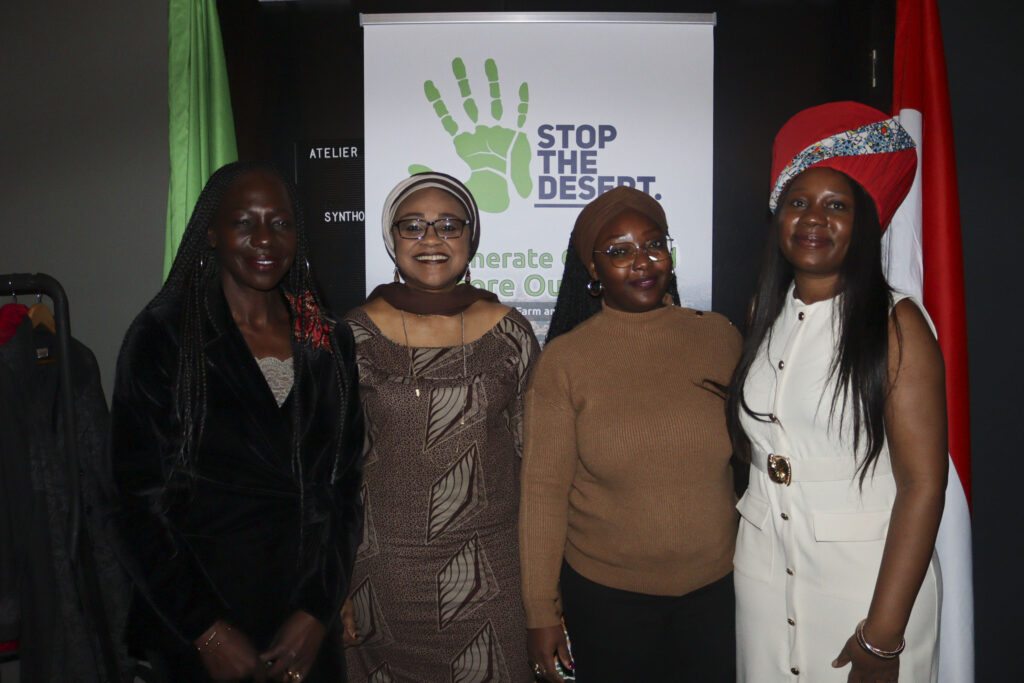
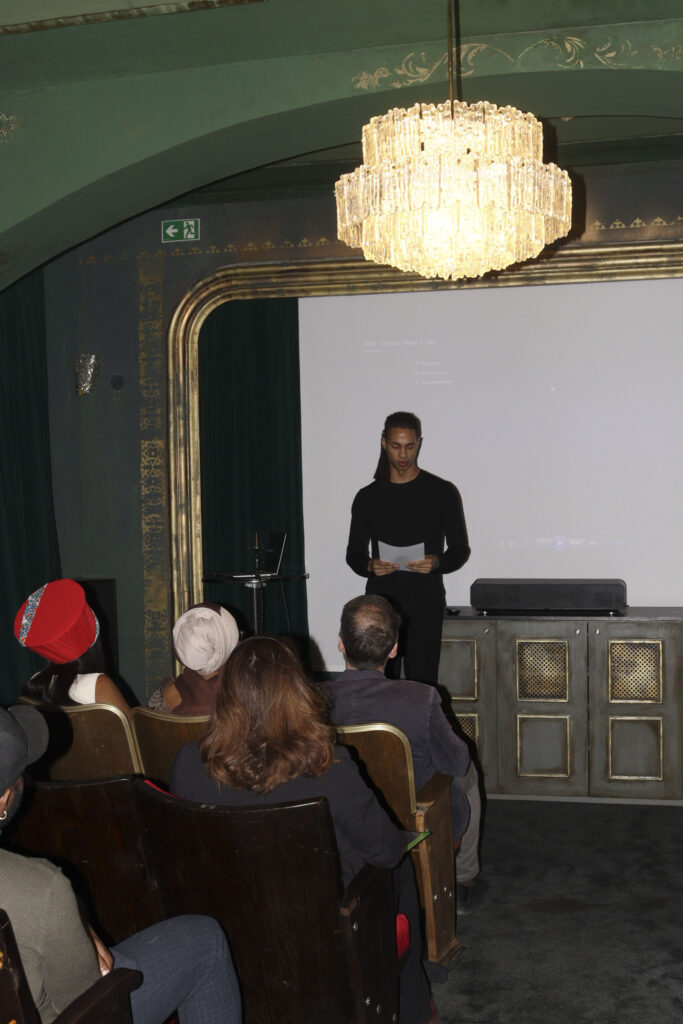
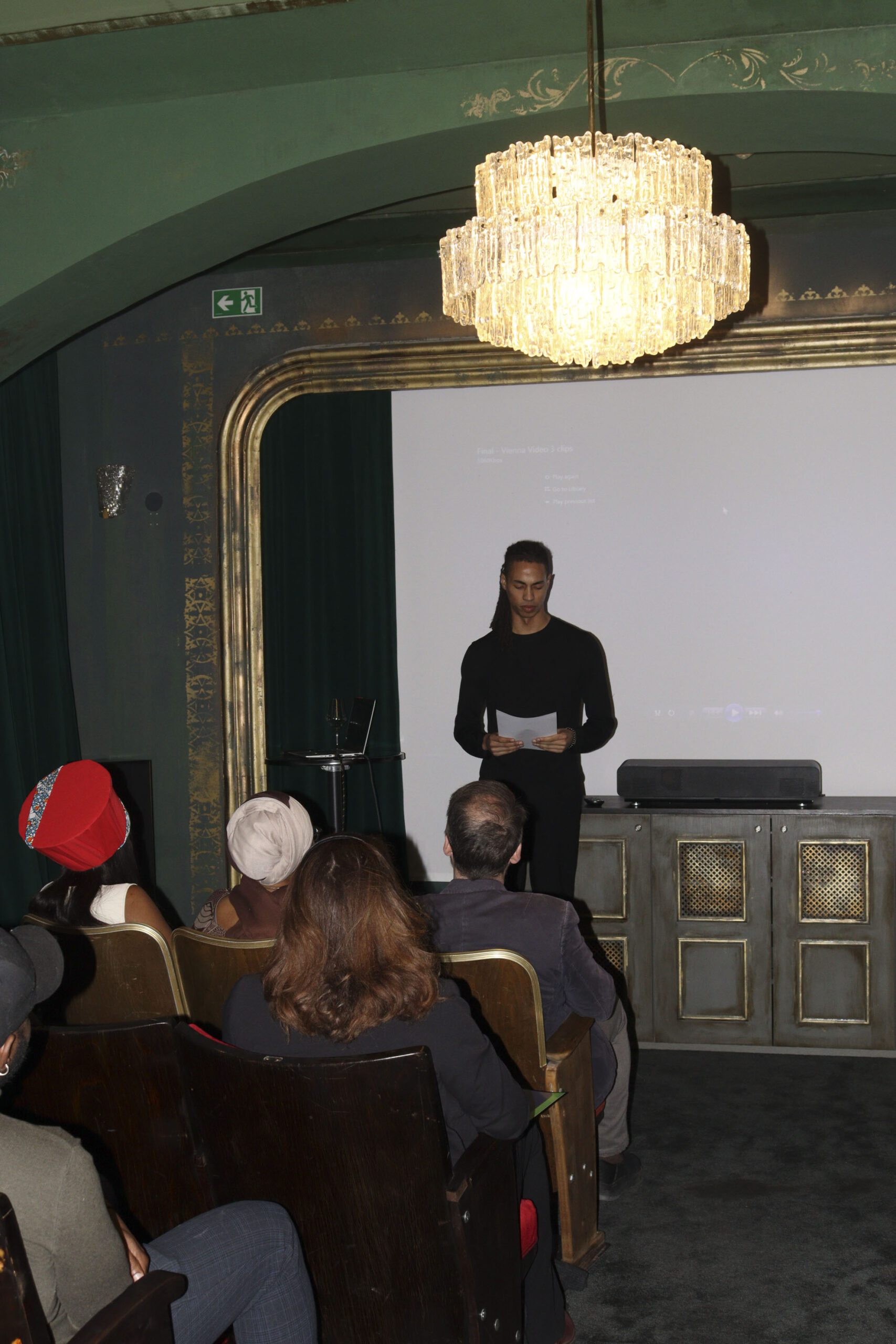
Under the theme “Restore. Secure. Protect,” the organizers described the gathering as both a conversation and a call to action. “We are here because something essential is at stake,” said Alexander Hala, Chief Editor of FAB L’Style during his opening remarks. “Land. Livelihoods. Communities. Future generations. When land stops giving, communities feel it first.”
Diplomatic Support and Global Responsibility
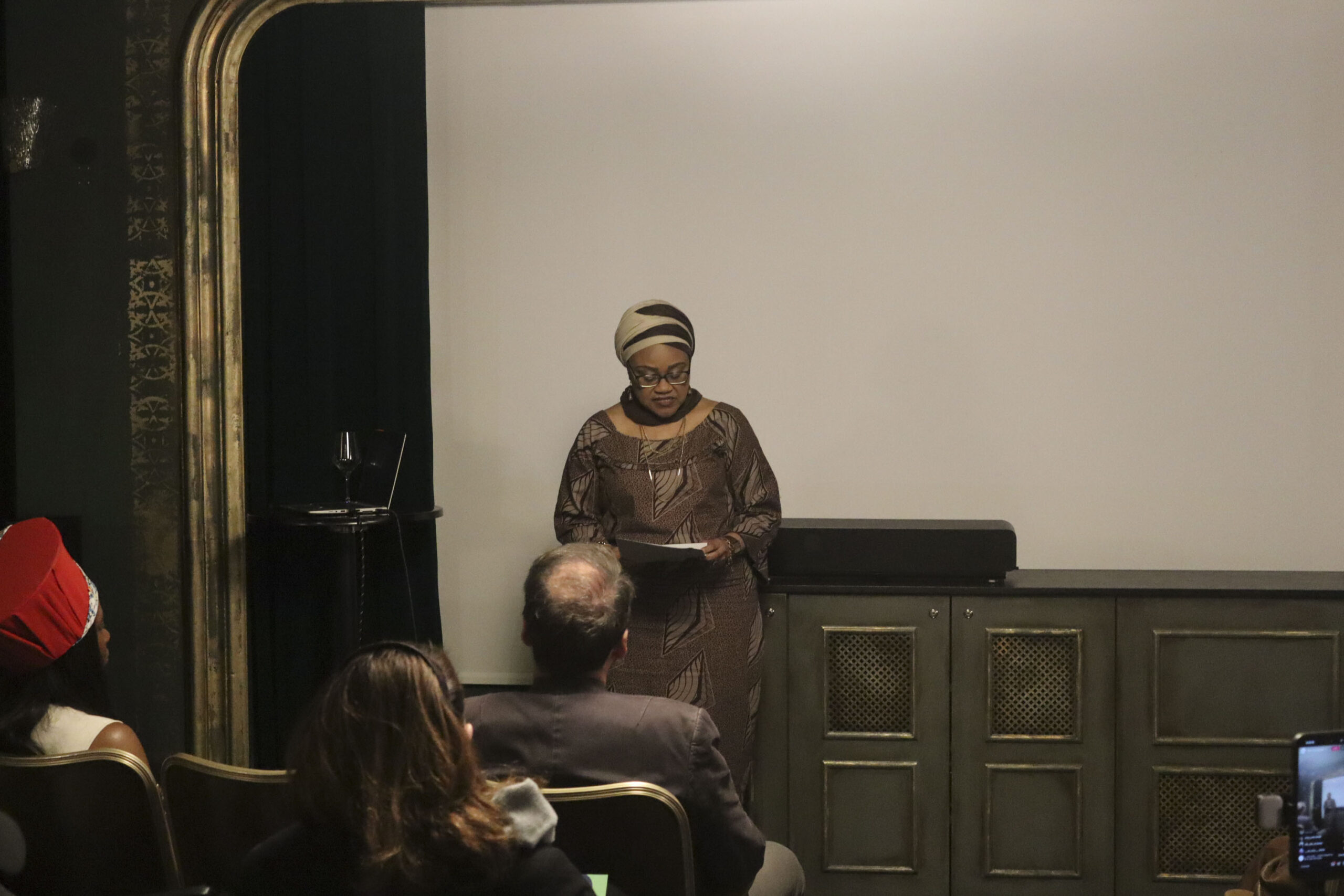
The evening carried strong diplomatic significance with the presence of H.E Ambassador Naimi Aziz, Permanent Representative of the United Republic of Tanzania in Vienna. In her keynote address, the ambassador linked the event to several global initiatives recognized by the United Nations in 2026.
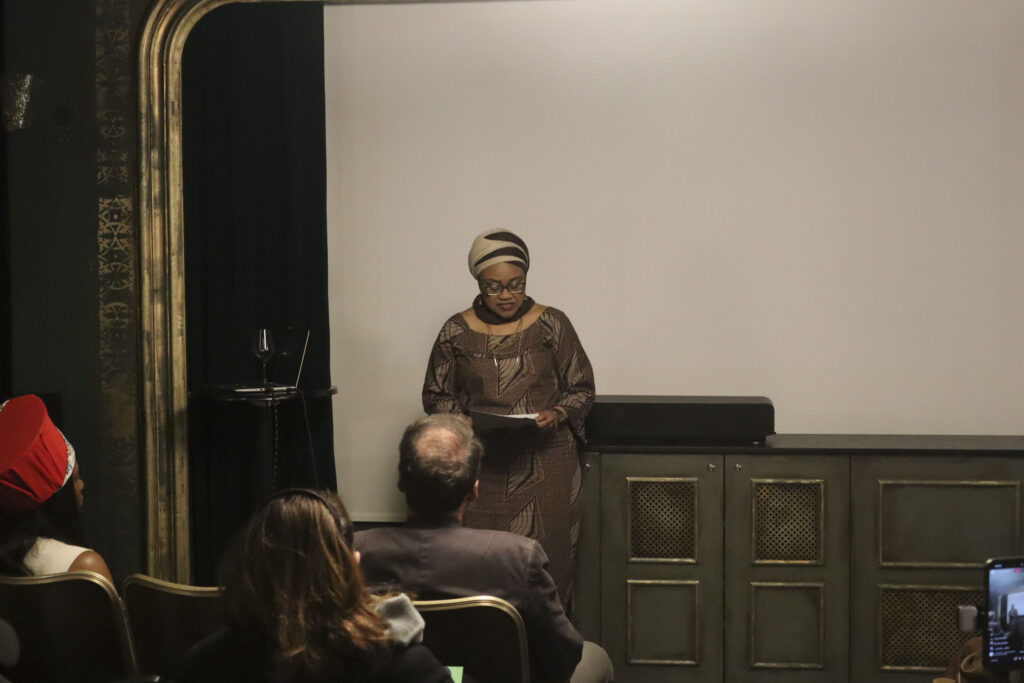
“The United Nations has designated 2026 as the International Year of Volunteers for Sustainable Development,” she said. “It is also the International Year of Rangelands and Pastoralists and the International Year of the Woman Farmer. These themes remind us that restoring land requires volunteers, the knowledge of pastoralists, and the leadership of women farmers.”
Aziz spoke directly about the impact of land degradation in Africa. “In Tanzania, more than 65 percent of our population depends on agriculture,” she said. “Yet across Africa nearly 65 percent of productive land is degraded. Globally almost 40 percent of land shows signs of degradation, affecting more than three billion people.”
She also warned that climate change is no longer a distant issue. “Climate change is no longer something we hear about,” she said. “It is something we experience. Through rising food prices, extreme weather, droughts, floods, and wildfires.”
The ambassador added a message that resonated strongly with the audience. “Indifference is the desert’s greatest ally,” she said.
Must- Read
Now’s Your Time To Consume Fashion Sustainably
Regenerative Fashion and Desertification: How Stop the Desert Is Restoring the Land Beneath Fashion
A Global Crisis Without Borders
Desertification is often associated with distant regions, but speakers stressed that the problem affects far more of the world than many realise.
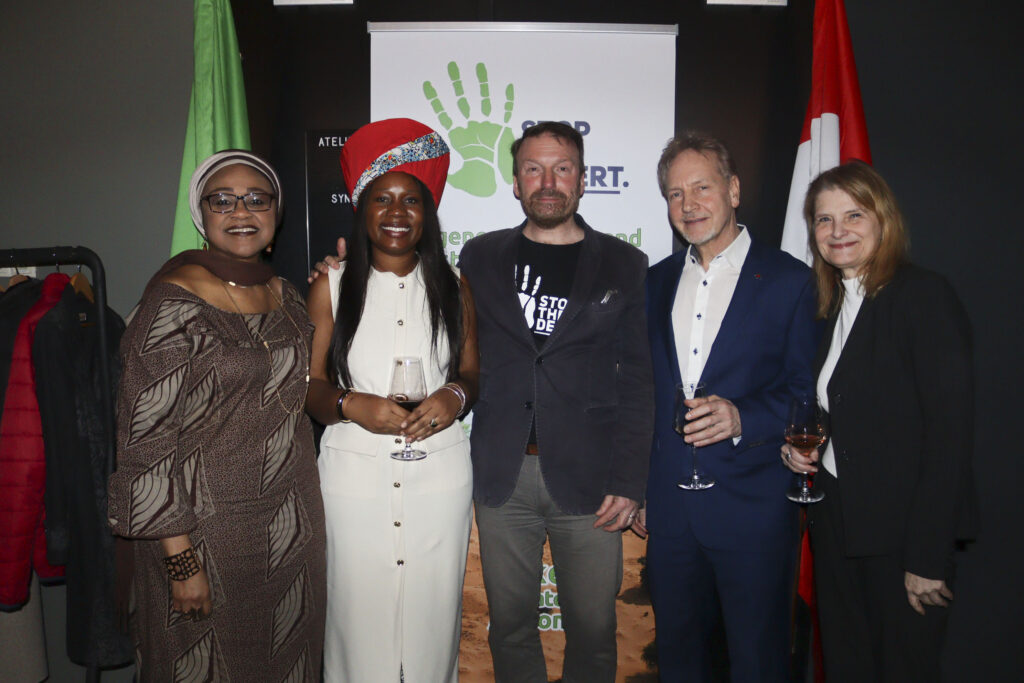
Elias, who co-founded the organisation with Lynette Perkner and Ryan from the Philippines, explained that the movement was built on the understanding that environmental damage does not respect borders.
“The fact that I am from Denmark or Ryan is from the Philippines does not really matter,” Elias told the audience. “Desertification does not know borders. It happens almost everywhere. Large parts of the United States are threatened; it is happening in southern Italy and Spain, and even here in Austria glaciers are receding.”
What began as a small initiative has now grown into a global volunteer movement. “Today we have volunteers from 27 countries,” Elias said. “Many of them are professionals from respected universities and institutions who want to dedicate their expertise to this work.”
Several volunteers travelled from Sweden, England, and Poland to attend the Vienna event, paying their own travel expenses to participate.
The Human Cost of Land Degradation
The environmental crisis described during the evening was grounded in human realities. According to speakers, desertification threatens food security, livelihoods, and economic stability across continents. “This is not an abstract environmental issue,” Alexander said. “When land degrades, hope degrades with it. When land is restored, hope returns.”
He also emphasized the responsibility of cultural industries in shaping public understanding of sustainability. “For too long sustainability has been framed as a limitation,” he said. “But regeneration is growth in its purest form. It restores soil so farmers can feed their families and protects land so communities can remain where they belong.”
Regenerative Farming as a Solution
StopTheDesert’s work focuses on regenerative agriculture as a practical method to restore soil health and protect farmland.
Elias explained that regenerative farming focuses on improving the soil rather than depleting it. “Regenerative farming means farming in a way that improves the land instead of destroying it,” he said. “It includes techniques such as no tilling, cover crops between harvests, and water reservoirs for irrigation.”
These methods help soil retain water and carbon, making farmland more resilient to drought. “One kilogram of carbon in the soil can hold up to forty litres of water,” Elias said. “That helps prevent drought and desertification.”
The organisation’s first major project launched in Tanzania, where farmers were trained in these techniques. “Our first project trained farmers in regenerative agriculture in partnership with Dreamnature,” Elias explained. “We started with twenty farmers, but today we have trained fifty, and we are still counting.”
Building a Global Movement
For StopTheDesert co-founder Lynette Perkner, the Vienna event reflected the growing momentum behind the movement. “The support we have received from FAB L’Style is overwhelming,” she said. “It shows what becomes possible when vision, influence, and purpose come together.”
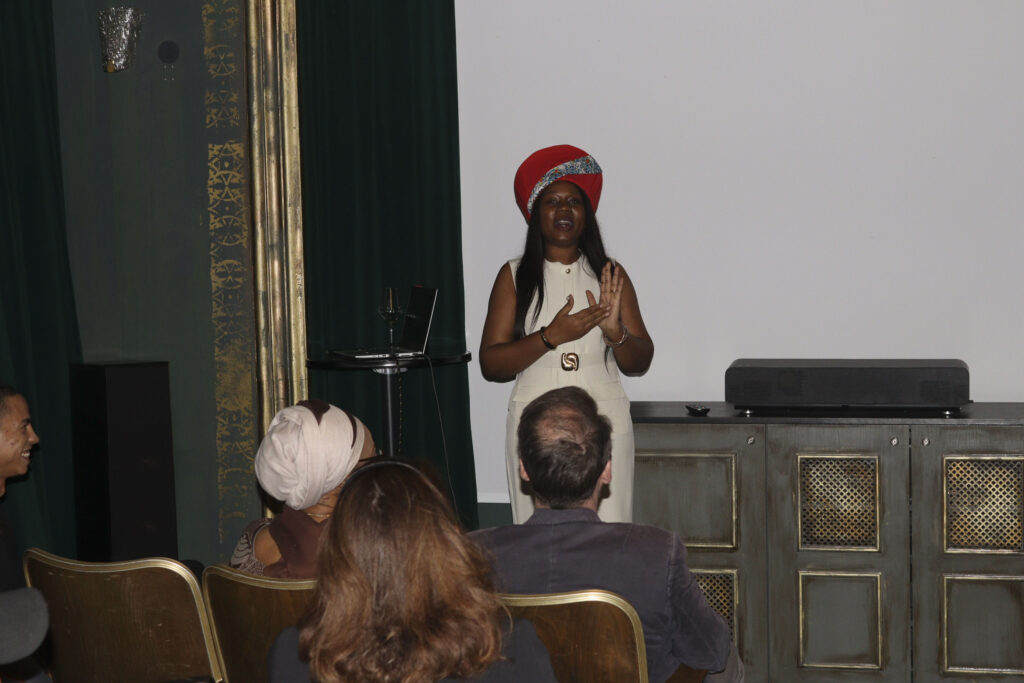
Perkner outlined the organization’s long term goals. “Over the next five years we want to restore degraded land, expand agroforestry projects, and empower communities that are facing desertification,” she said. “Each restored landscape is an investment in stability and in the wellbeing of future generations.”
She also emphasized that the movement depends on collaboration. “This work cannot be done by one organization alone,” she said. “It is built by people, partners, and leaders who refuse to accept a future defined by loss.”
Culture Meets Environmental Responsibility
The partnership between FAB L’Style and StopTheDesert reflects a broader shift in how cultural platforms approach environmental issues. “For FAB L’Style, the collaboration is an extension of an editorial commitment that sits at the intersection of culture, responsibility, and meaningful dialogue,” said Harriet Hala, Founder and CEO of FAB L’Style. She added, “Luxury, properly understood, is not the accumulation of things but the quality of engagement with the world. And there is nothing more genuinely valuable than a liveable planet.” Harriet Hala has long emphasised that cultural platforms must carry more than aesthetic influence. Their reach also carries responsibility.
Alexander Hala, Chief Editor of FAB L’Style argued that media, fashion, and creative industries play a powerful role in influencing public behaviour. “Culture does not sit outside reality,” he said. “It influences how people think, what they value, and how they consume.”
He added that sustainability must move beyond reports and policy papers. “Sustainability that exists only in reports stays distant,” he said. “But when sustainability becomes part of culture, it becomes inevitable.”








An Invitation to Act
The evening closed with a call for continued collaboration between governments, organizations, and individuals. Elias reminded guests that the work of restoring land requires collective effort.
“This is not the beginning of something small,” he said. “It is the continuation of something already moving globally with strength and purpose.”
He also framed the gathering as the start of new partnerships. “Tonight is an invitation,” Elias said. “An invitation to explore collaboration, to open dialogue, and to work together to protect our farmland and our future.”
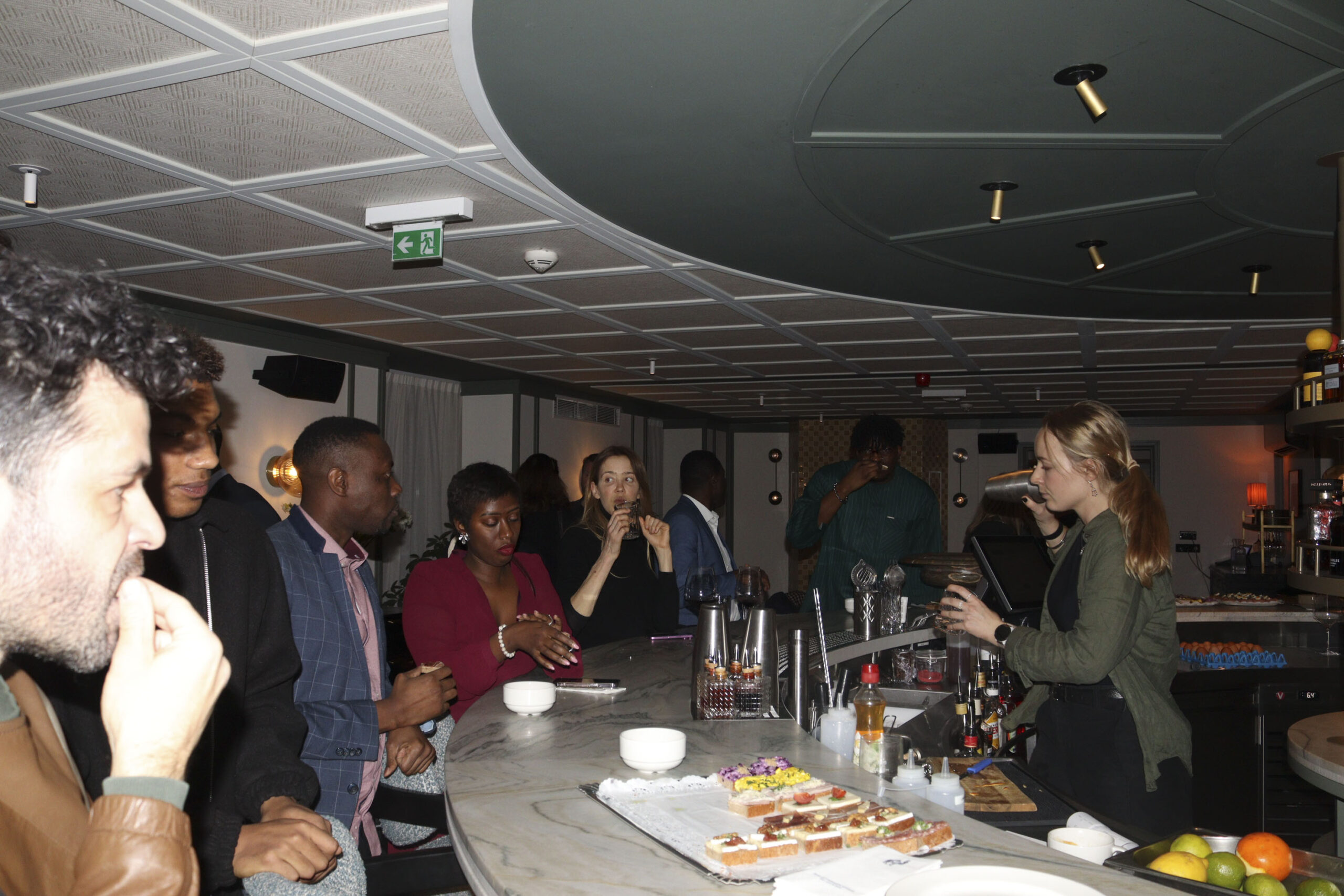
As conversations continued long after the formal program ended, the message of the evening remained clear. The loss of fertile land is a global crisis. But through cooperation, innovation, and shared responsibility, restoration is possible. And the work, organizers say, has already begun.