



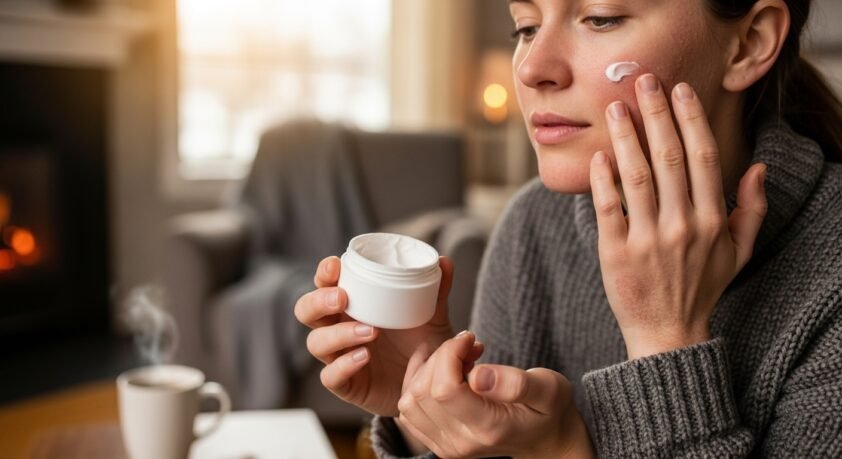
Old Man Winter can do quite a number on your skin. The cold temperatures and low humidity can really dry you out, causing itching, flaking and redness that can make you want to crawl under the covers and hibernate until spring. Thankfully, you can combat your dried-out dermis by taking a multifaceted approach that combines healthy habits and targeted treatments. Consider these tips to soothe your skin and revive that healthy glow.
The Science Behind Winter Dryness
Winter is a harsh season because cold air holds less moisture than warm air does in the summer. You might think that staying inside and cranking the heat would help, but indoor heating further reduces humidity, leading to dryness and exacerbating skin issues. You may experience itching, roughness and flakiness due to the natural oils being stripped from your skin and increased water loss. Sometimes, the things you do to get warm, such as soaking in a boiling hot tub, can make things even worse.
6 Ways to Get Resilient, Hydrated Winter Skin
Here are six strategies to help you combat the drying effects of winter on your skin.
- Control Humidity Levels
Start with your environment. Tackle indoor dryness by adding moisture back into dry winter air with a humidifier. The water vapor and steam these products release into your home will help rejuvenate your skin by soothing the dryness and irritation. Aim to keep humidity levels between 30% and 50% for the best results.
2. Rethink Your Cleansing Routine
Avoid the long, hot baths and showers, as soothing as they seem. The intense heat can further strip your skin of moisture. Instead, use lukewarm water and limit your shower time to five to 10 minutes to avoid dryness. Ditch the harsh deodorized and perfumed soaps for gentle, nonstripping cleansers that moisturize your skin rather than further dry it out.
3. Moisturize Your Skin
As soon as you step out of the bath or shower, apply a thick, creamy moisturizer to your skin. Applying these products to damp skin helps lock in moisture and combat scaly patches. Use rich cream formulations that feature humectants to draw moisture from the air, emollients to smooth and soften your skin, and occlusives to provide a barrier against water loss. Focus on products featuring hyaluronic acid, glycerin, alpha hydroxy acids and aloe vera to get the most relief.
4. Focus on Deeper Rejuvenation
Winter is a good time to try intensive aesthetic treatments, since many of them require avoiding sun exposure and makeup. This season is a good time to stay indoors and recover. Treatments like microneedling, in particular, stimulate collagen and improve skin structure, making skin more resilient over time. Plumping techniques can improve its texture and accelerate tissue repair and regeneration.
5. Choose Hydrating Foods
What you put in your body is just as important as what you put on it. Focus on foods that are rich in healthy fats to provide moisture, vitamin A for cell repair and vitamin C to boost collagen. Deficiencies in these and other nutrients can weaken skin’s protective barrier, resulting in dryness. Eat hydrating, nourishing foods like red peppers, kiwis and tuna, and remember to drink plenty of water.
6. Consider Your Clothes
Certain fabrics can irritate dry skin. Wool and other scratchy materials can make you feel especially uncomfortable. Instead, choose soft and breathable options, like organic cotton and silk and sweaters made from merino or alpaca, which will keep you warm without the itch. Also, when doing laundry, skip harsh detergents and dryer sheets. Choose fragrance-free options instead.
Go All in on Your Winter Skin
Prevent dryness and irritation this winter by focusing on skincare techniques that keep you moisturized and healthy. By the time spring rolls around, you’ll be more than ready to shed your coat to reveal the glowing, healthy skin you’ve been taking such good care of during the snowy season. Take that, Old Man Winter.