


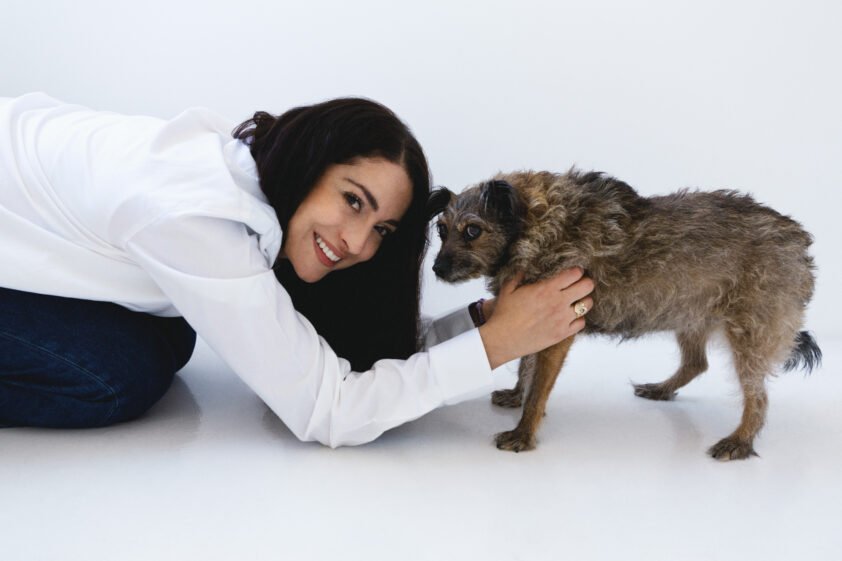
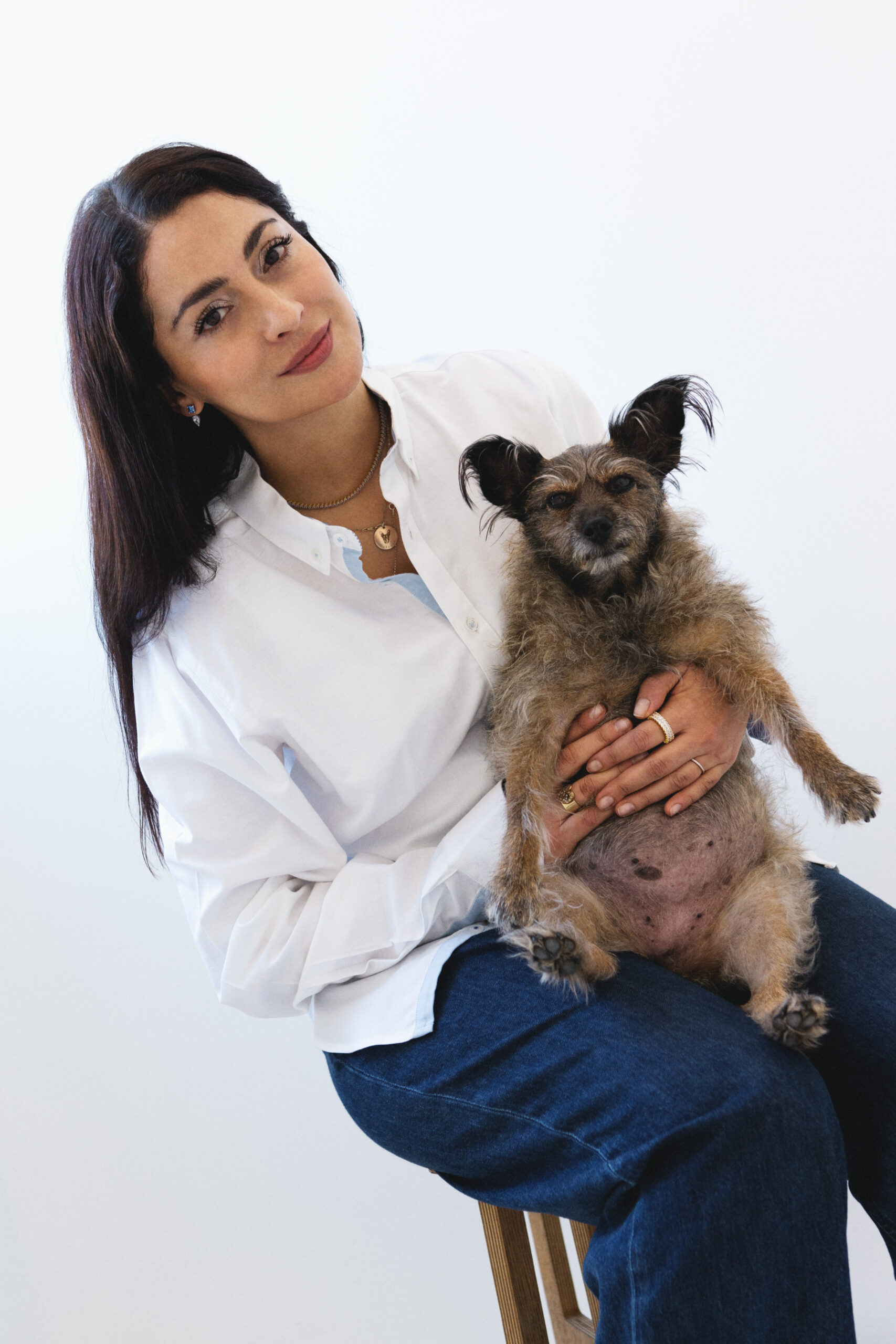
Fashion has always spoken about desire. SENTIENT speaks about responsibility. In an industry where leather is still a billion-dollar symbol of luxury and animal-derived materials continue to dominate global supply chains, Jimena Suarez Ibarrola is setting the agenda from within. As a trained environmental lawyer, human and animal rights activist, and now Founder and CEO of SENTIENT, Jimena did not enter fashion to decorate it. She entered to disrupt it. At a time when climate pressure, biodiversity loss, and ethical accountability are no longer optional conversations, she positions beauty as a vehicle for systemic change. SENTIENT stands at the intersection of next-generation material innovation, legal rigor, and radical empathy, proving that luxury no longer needs exploitation to be aspirational. In this conversation with FAB L’Style, Jimena unpacks the long journey from activism to design, the science behind plant-based leather alternatives, and why the future of fashion belongs to those brave enough to reimagine it.
Jimena Suarez Ibarrola’s Activist Foundations
FAB: You started in law and environmental justice, not traditional fashion design. What moment or experience inspired you to transition from legal advocacy to founding Sentient?
Jimena Suarez: I love that question. It wasn’t a single moment; it happened gradually. There were several key experiences over about ten years that eventually led me to change careers and create Sentient.
The first and most defining moment was when I went vegan 16 years ago. At the time, I was working on grave human rights violations and crime prevention in Mexico, right after law school. My team and I began investigating how organized crime operated, how they trained, and what their activities involved. Sadly, animals were often caught in the middle of this system. We found deep connections between organized crime, the meat industry, and slaughterhouses, both formal and informal.
When I saw what really happens inside those places, I knew I couldn’t unsee it. It didn’t matter whether it was an informal or formal facility. The suffering was the same, and I realized I wanted to dedicate my life to changing that. I understood then that speaking up for animals and reimagining our relationship with them would become my purpose.
At the same time, I had always wanted to be a designer. But like many children of parents who were among the first in their families to access higher education, I was encouraged to choose a “safe” career. My parents thought medicine, engineering, or law were the most secure paths. I chose law because I wanted to build a legacy and make a tangible impact on the world. I wanted to help create a fairer, more humane society.
Still, my love for design, beauty, and creativity never left me. I felt it strongly even as a teenager. When I later studied for my master’s degree at the University of California, Berkeley, that creative spark found new direction. Berkeley, surrounded by the energy of Silicon Valley and San Francisco, exposed me to a culture of innovation, technology, and social entrepreneurship. Everyone around me seemed passionate about doing good through business.
That experience added the final ingredient I needed: innovation. I realized I wanted to build a fashion company that could reinvent leather through technology and sustainability. I wanted to help define the future of materials and ethical luxury.
It took me years to get there. After Berkeley, I had debts to repay, so I returned to law and worked for organizations focused on climate action, biodiversity, and gender equality. Then came 2020. The pandemic disrupted everything, including my own identity. I felt lost and in need of reinvention. That period of uncertainty pushed me to rediscover who I was and what I truly wanted.
That’s when I decided to create Sentient. The idea took shape between 2021 and 2022. It was the result of years of reflection, conviction, and a desire to merge ethics, aesthetics, and innovation into something transformative.
FAB: It was indeed chaotic in 2020. We all had to redefine our identities. You mentioned the need for innovation in fashion, which inspired you to found Sentient after recognizing that gap. Sentient uses next-generation, plant-based materials instead of animal skins. Can you walk us through the innovation behind these materials and how they compare aesthetically and functionally to traditional leather?
Jimena Suarez: Absolutely. From the very beginning, our mission has been clear. If Sentient had a core purpose, it would be to create leather goods without using animal skin, through vegan and sustainable methods.
We chose next-generation materials because they offer a more environmentally efficient way to create fashion. They require significantly less land and resources. Let me give you two examples. One of the materials we implement, Oleatex, is a next-generation leather made in Turkey using olive pommace and olive pits—byproducts from the olive oil industry. This process eliminates a major environmental challenge: land use.
In a world where land conservation is vital, and where species are disappearing at an unprecedented rate, we need those ecosystems to survive. They regulate carbon capture, produce fresh air and clean water, and maintain the planet’s balance. With next-generation, plant-based materials, we can nearly eliminate the need for land used in animal ranching. Whether you call animal leather a byproduct or a co-product, it remains a significant industry on its own, generating high profits and contributing heavily to slaughterhouse revenue. But it always depends on cattle ranching, which demands enormous amounts of land.
The second key aspect of these materials is resource efficiency, particularly water. For instance, cactus vegan leather uses about 93% less water than animal leather. That reduction is crucial if we consider the growing global population and the future challenges of water scarcity. Future generations will face serious water shortages if we don’t act now to use resources more wisely.
Next-generation materials also have a smaller carbon footprint. Cactus leather, for example, emits about 94% less CO₂ compared to animal leather, and it eliminates methane emissions entirely since no cattle are involved. This was one of the main reasons we focused on sourcing innovative materials globally—those with reliable life cycle assessments that help us measure sustainability and efficiency.
The goal is to create more with less, or produce the same quality while using only a fraction of the natural resources. To put this in perspective, one animal leather tote bag can require up to 17,000 liters of water—almost as much water as one person uses for showers over ten years. That’s not a smart or sustainable way to use resources.
We aim to be the bridge between material innovation startups and fashion design. However, many of these new materials have only been developed in recent years—some just two or three years ago. A few have been around longer, like Piñatex and Desserto Cactus Leather, but most are still emerging.
It’s important to recognize that while these materials mimic animal leather, they are not identical. Each is created in different labs, by different teams, using distinct technologies and patents. They all have unique characteristics, much like individuals with their own personalities. So even though they share similarities, we have to learn how to work with each one differently.
That learning curve can be intimidating for many brands, which is one reason the transition across the fashion industry has been slow. Only a handful of brands have fully dedicated their mission to implementing these materials. You can’t treat them the same way as animal leather. Animal leather is made of protein and collagen, so it behaves very differently from, say, a material composed of 85% olive pommace.



Why Animal Leather No Longer Fits the Future of Luxury
FAB: We’re seeing more consumers demanding luxury that doesn’t compromise on ethics. However, one common reservation is that ethical products often lack the aspirational quality people seek in luxury goods. Let’s unpack that. How do you balance design excellence, durability, and sustainability while still creating products that feel aspirational?
Jimena Suarez: That’s a great point, and it’s something we’re still refining. Let’s start with the visual and communication aspect. Until quite recently, brands with a strong mission or activist message—apart from a few exceptions like Vivienne Westwood—were not always associated with beauty, aesthetics, and desirability. Yet these are fundamental to fashion’s language. They create emotion and aspiration, which are essential. That’s exactly what we try to achieve at Sentient.
It’s also worth noting that since the pandemic, sustainability has lost some of its momentum. Many people have grown skeptical of brands that talk about sustainability because they know how difficult it truly is to implement. That’s why we believe it’s crucial to lead with the brand’s identity—its visuals, communication, desirability, and, most importantly, product quality. If your product isn’t desirable, it won’t make an impact, no matter how ethical it is.
When it comes to next-generation material innovation, there’s another important point we’ve learned as a brand. Innovators and material startups need to ensure their products are fully ready for market. Sometimes that doesn’t happen, often due to the fast-paced nature of tech investment and product development. But when a material isn’t ready, it’s the brand that pays the price. We are the face of innovation—the ones who design, manufacture, and place products in consumers’ hands. If a material fails, it reflects on us, not on the startup that produced it. That has happened before, and it’s not an easy position to be in.
We invest months in testing. We run abrasion tests, heat and durability tests, and design trials to match each material with the right product type. Over time, we’ve developed a deep understanding of which materials are best suited for certain items. For example, we know what works well for a large tote versus a small card holder. That expertise helps us navigate the evolving ecosystem of next-gen materials with more confidence.
Still, some risks remain. Even after testing, a material might behave differently once it’s worn over time. Fortunately, we’ve reduced that risk by refining our selection process and spending more time understanding how each material performs in real conditions.
Before introducing any new material, we experiment with different product prototypes to determine its strengths and weaknesses. Our decision always balances sustainability with aesthetics. We’ve received many material samples with strong sustainability credentials, but if they lack aesthetic appeal, we don’t use them. Some even had an organic smell—like fruit or compost—which doesn’t align with what luxury consumers expect.
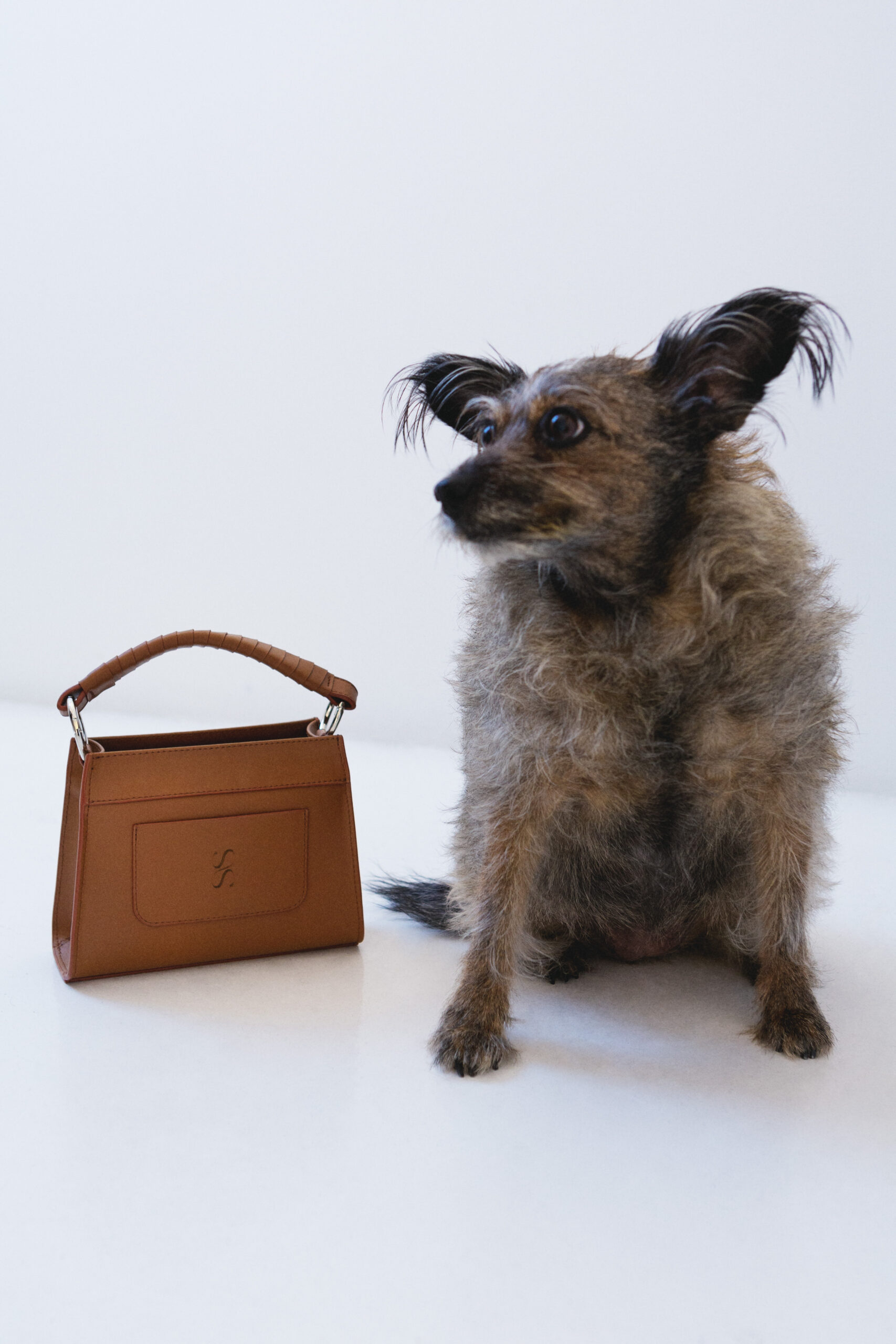
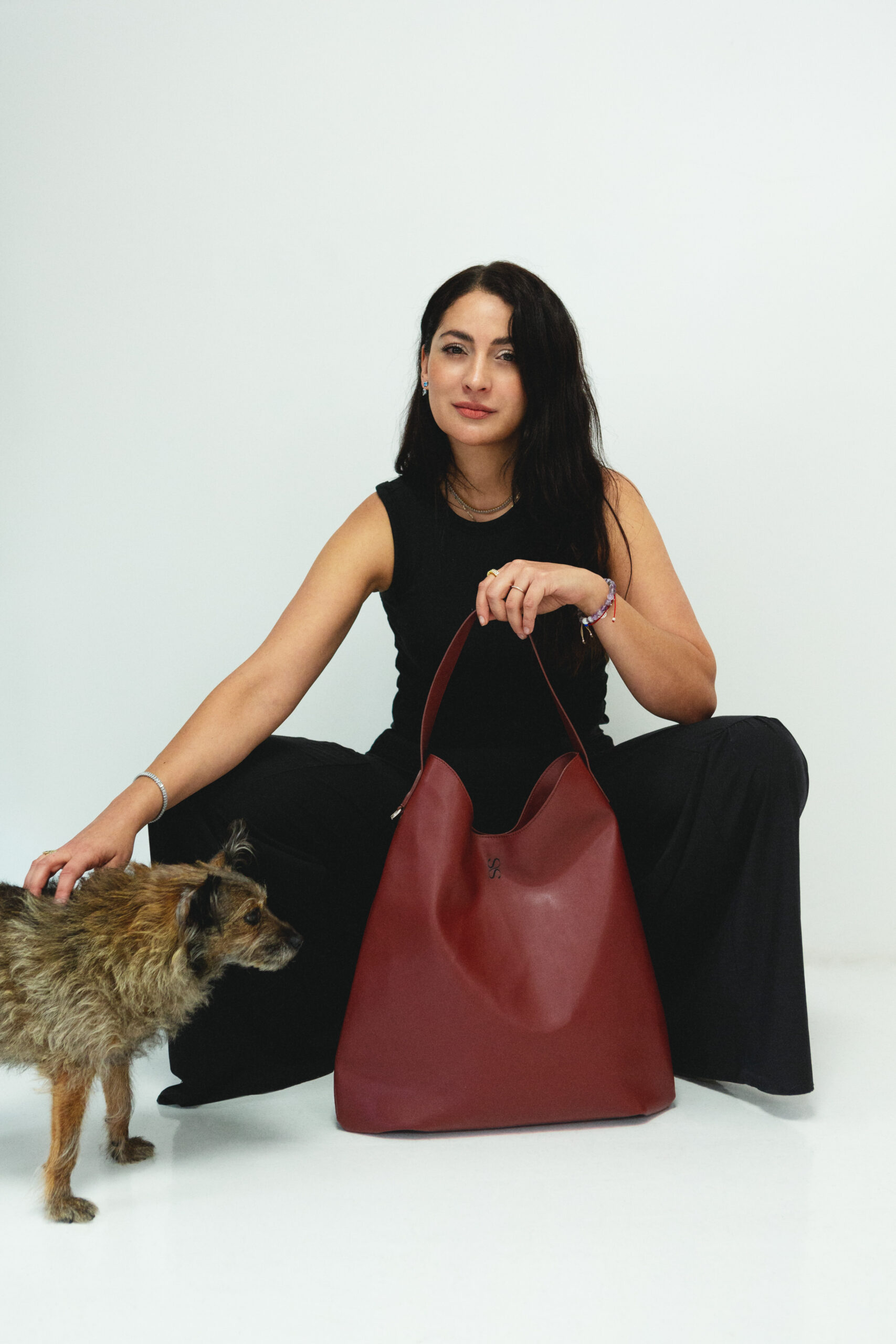
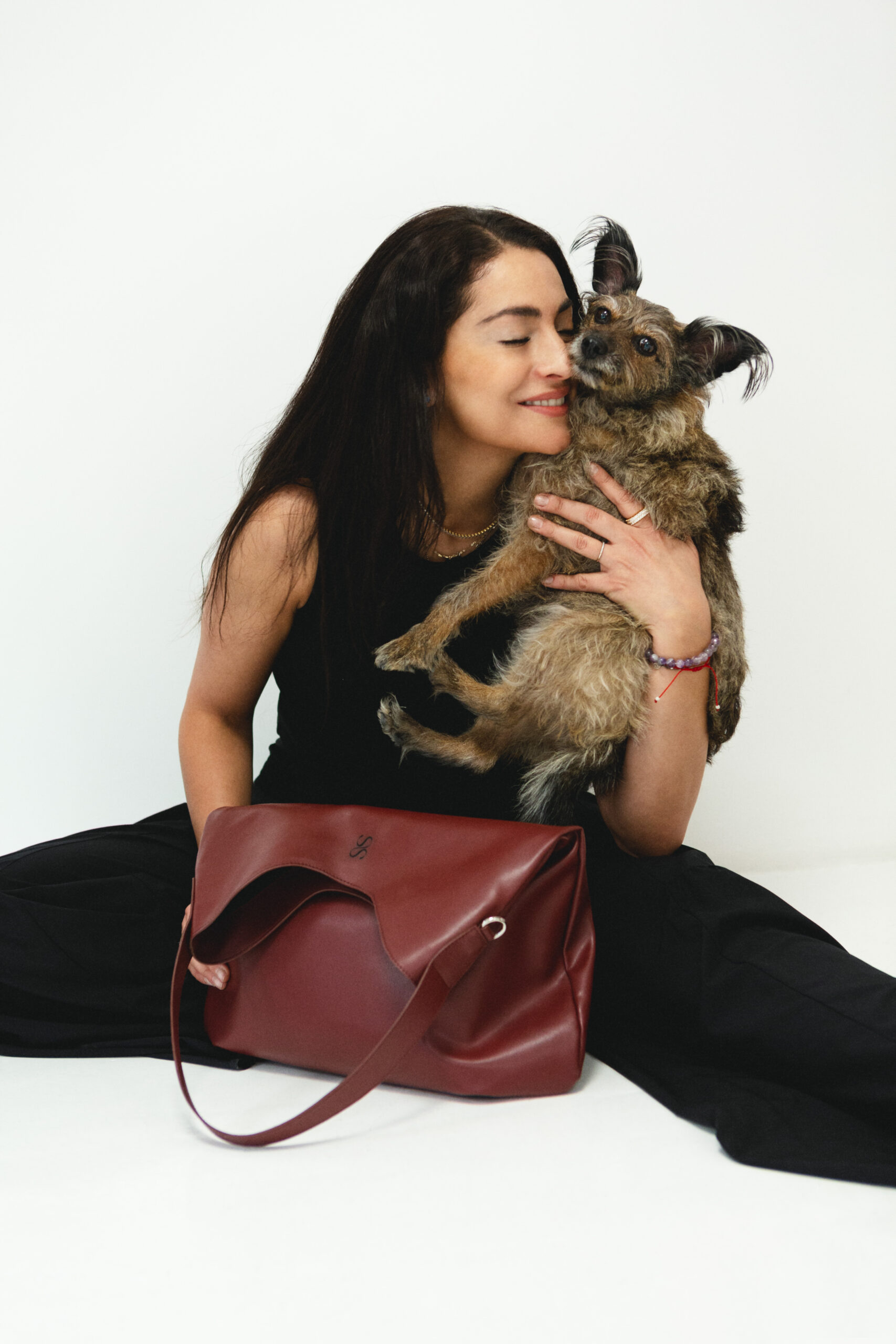
Ultimately, fashion must be both ethical and aspirational. We only choose materials that meet high aesthetic standards, comparable to the finest animal leathers. For instance, olive-based vegan leather, used for the Raíz Carryall, has a soft, luxurious texture reminiscent of lamb leather—though, of course, we prefer not to make that comparison given our vegan and ethical commitments. Still, it demonstrates what’s possible.
The Meaning Behind Sentient’s Collections and Conservation Work
FAB: You mentioned desirability earlier, and how certain materials were excluded because they lacked the aesthetic appeal expected in fashion. So, when someone carries a Sentient bag, what story do you want them to embody?
Jimena Suarez: One of our key messages is that we are not animal leather. We are not ordinary. Animal leather belongs to the past. The shift has already begun. It might not disappear in the next five or ten years, but the transition toward a new material economy is already in motion. If you are still tying your brand or your identity to animal leather, you are holding onto something that is fading. The future is already here, and many multinational companies are quietly preparing for that change, slowly testing the waters. That is part of the story we want to tell.
At Sentient, we often say we wear the future. The present might still feel uncertain. People still wonder whether next-generation innovation will truly define the materials of tomorrow. But when you wear a Sentient piece, you are experiencing what the future looks like.
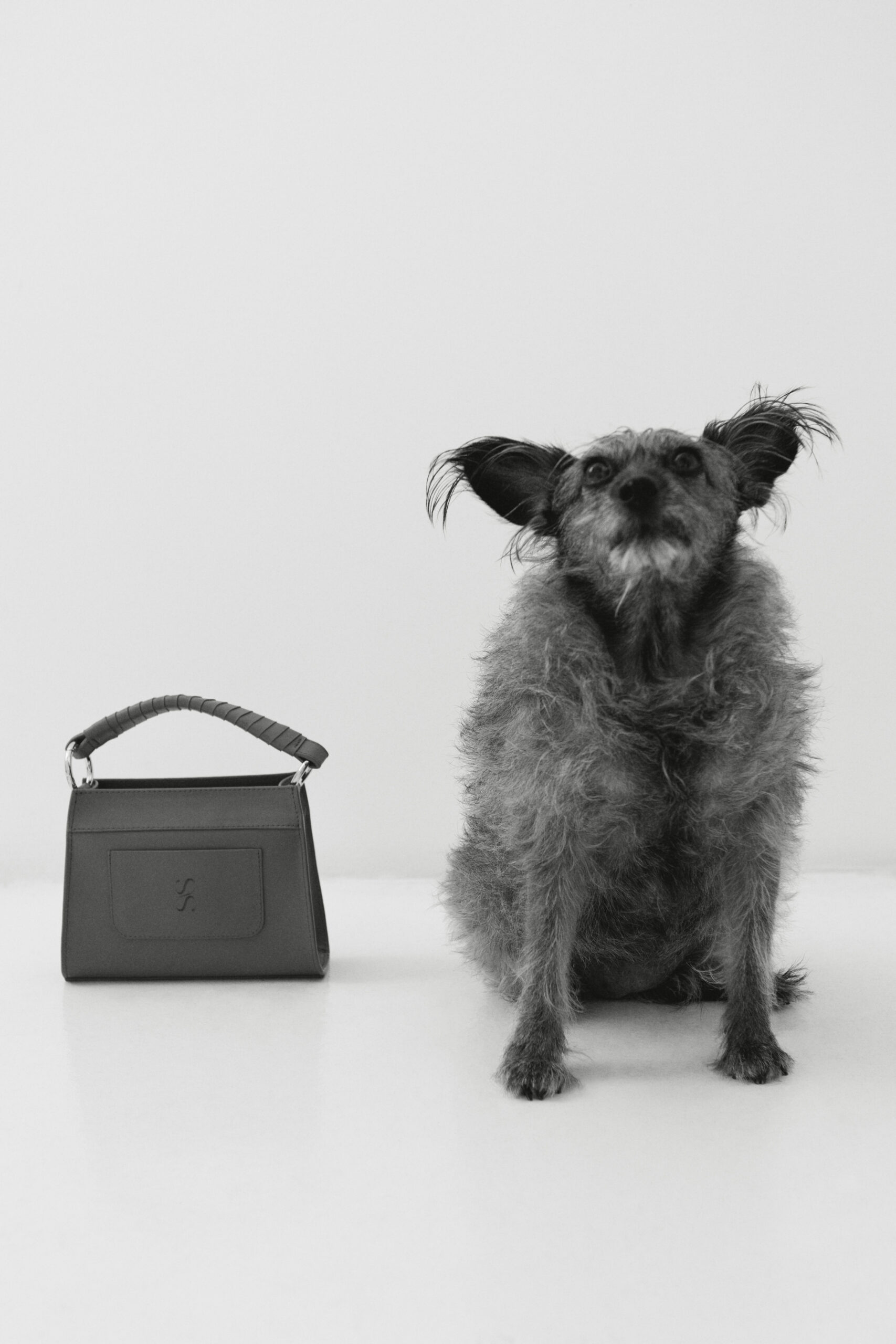
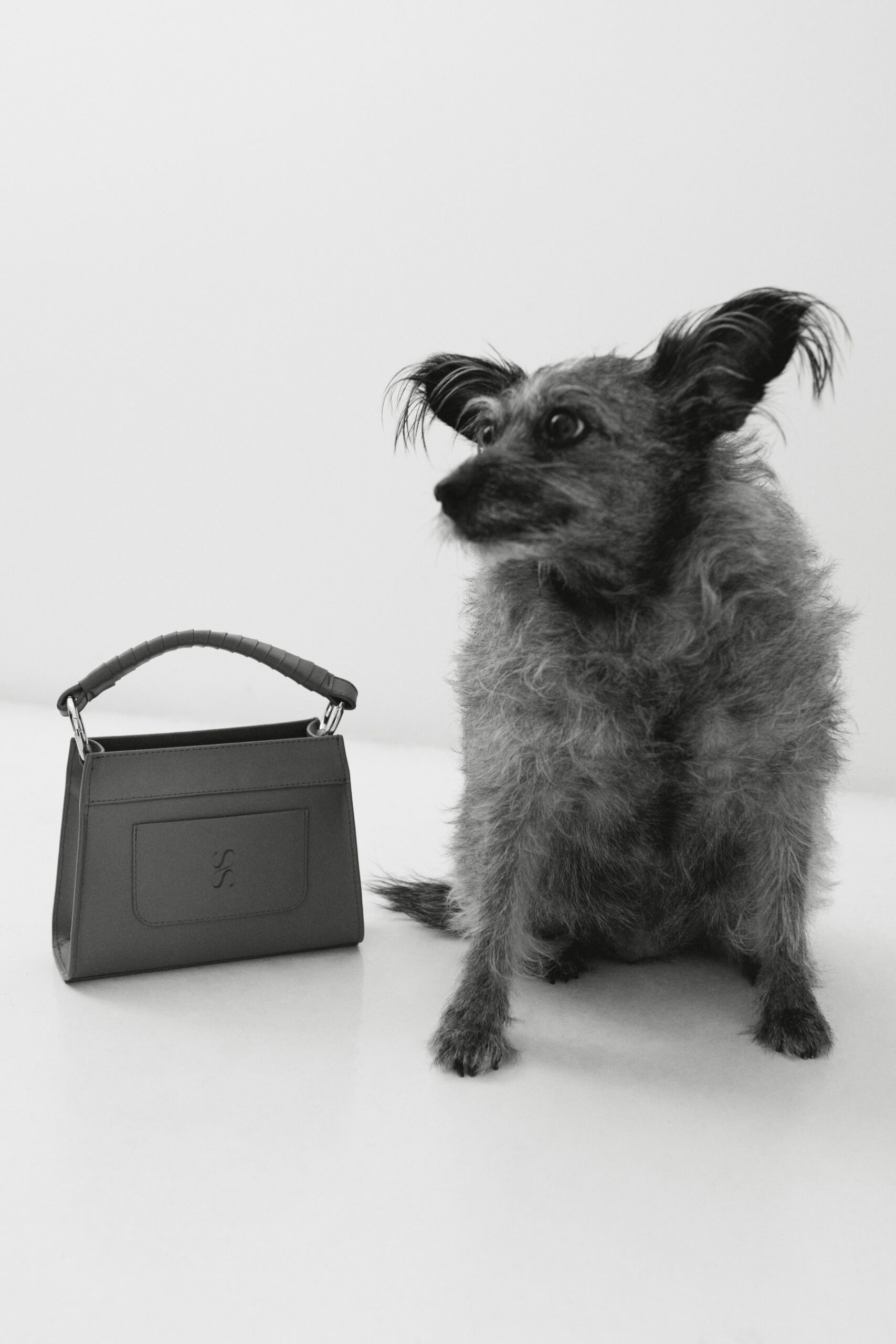
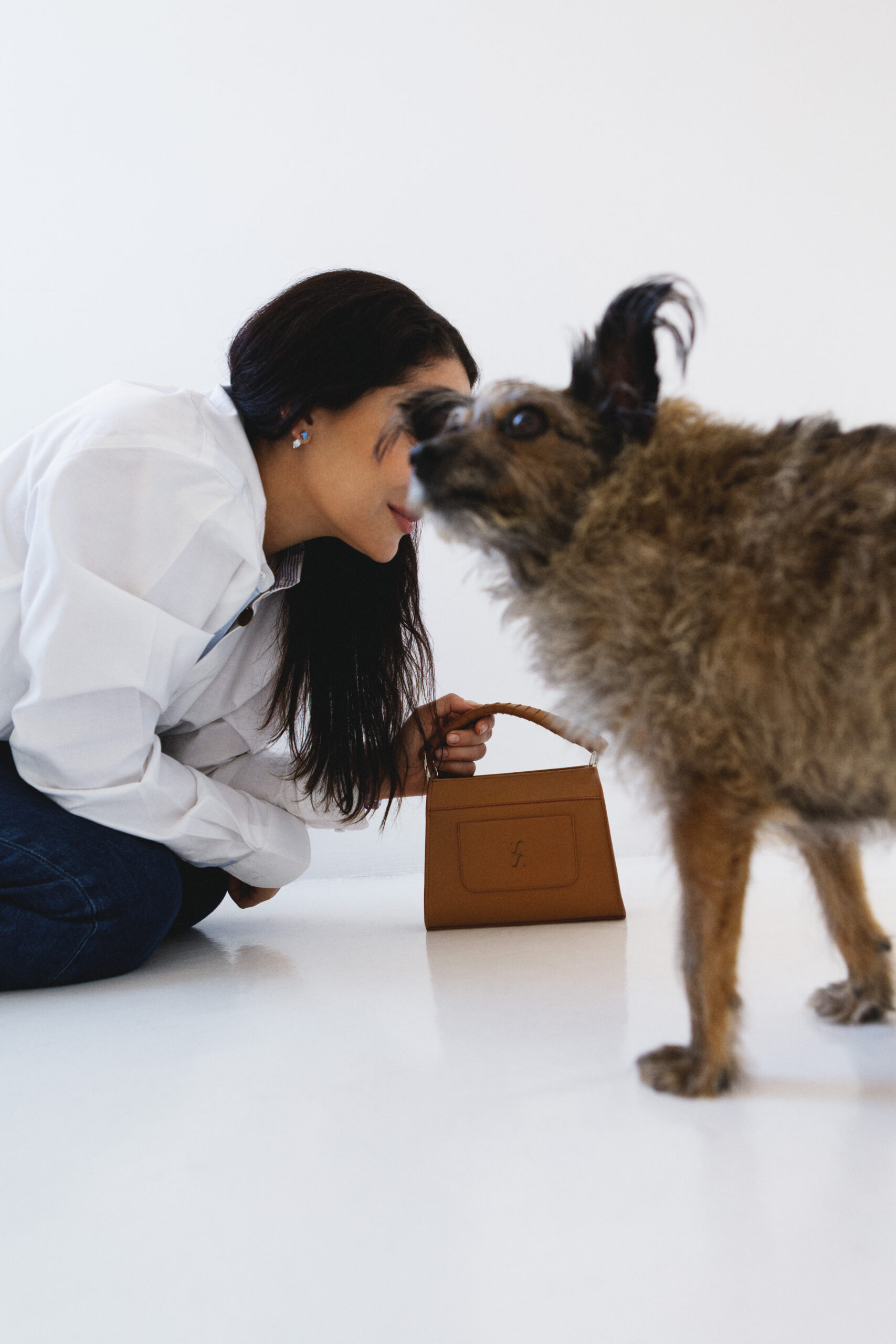
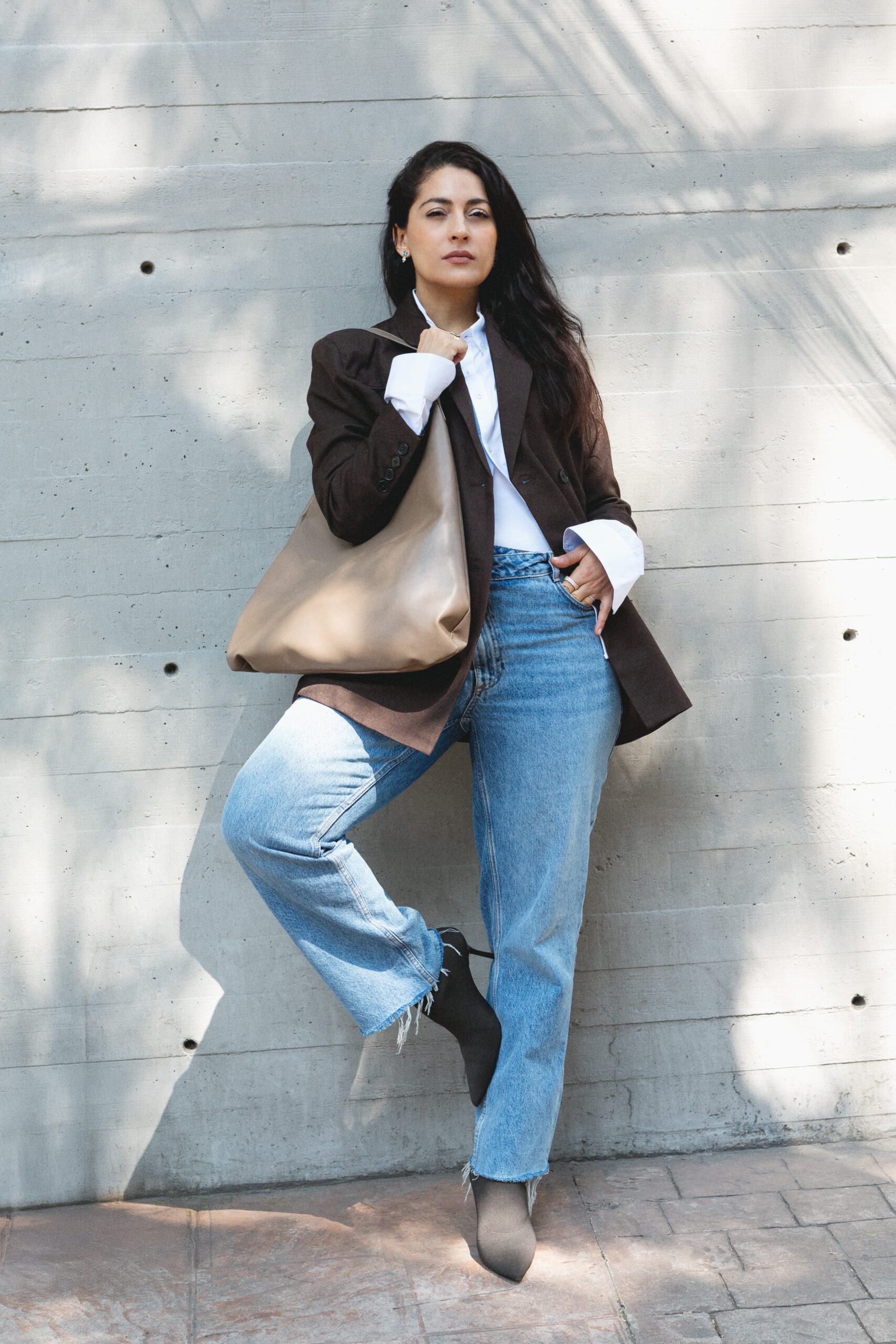
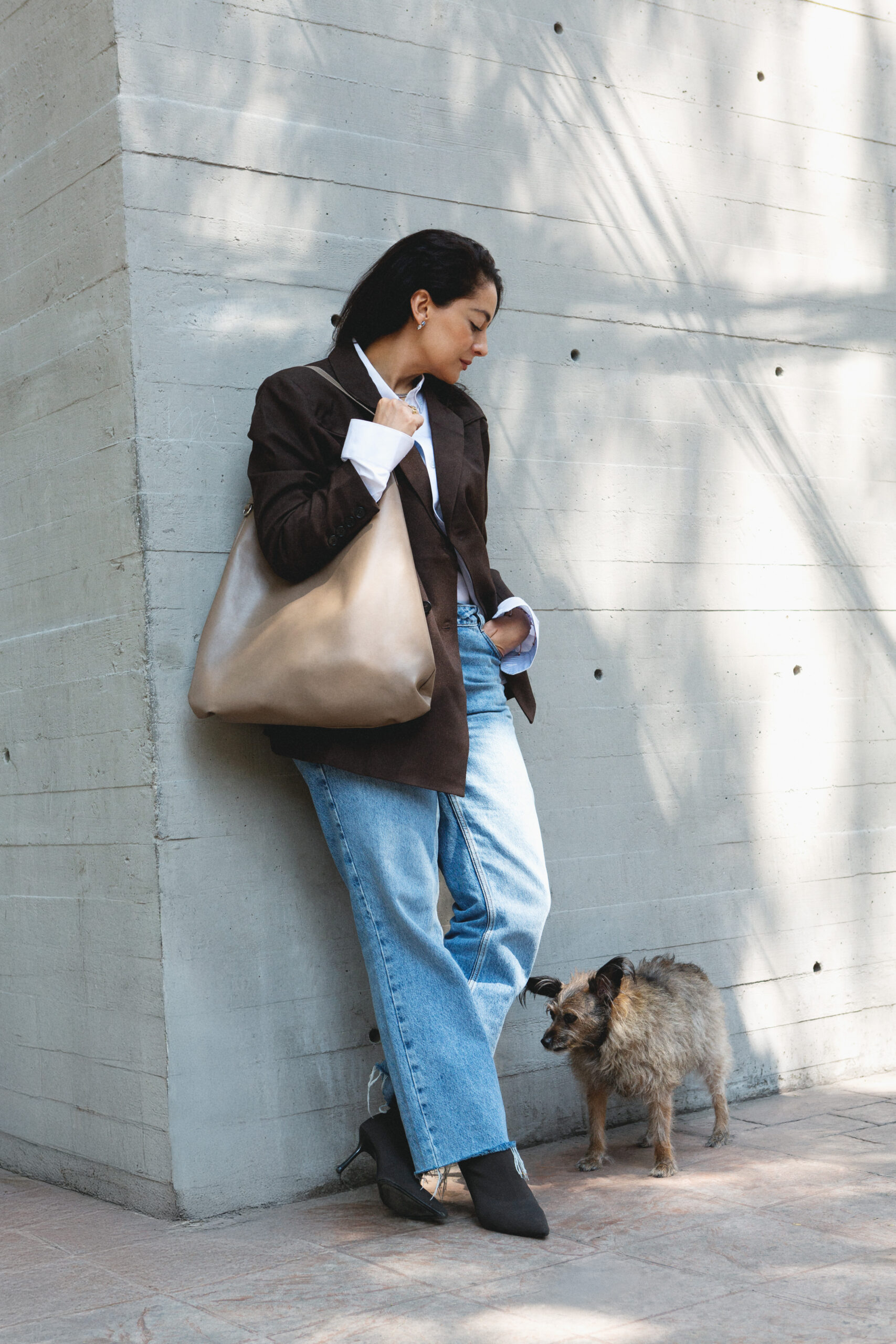
Take our Panthera Maxi, made from cactus vegan leather. When you wear it, you are carrying something durable, beautiful, and full of character. It is ethical and environmentally responsible. It looks as good as, if not better than, traditional leather, yet it is crafted from organic plantations that do not require deforestation. These plantations respect biodiversity and provide raw materials that replace animal leather while emitting far less carbon dioxide and using only a fraction of the water and land. When you carry a Sentient bag, you are wearing the future in your present. That is what we want our consumers to understand.
Each of our collections also connects to a larger cause. For instance, our Panthera collection supports environmental conservation in Mexico through a collaboration with a local organization. The collection is named after the jaguar, a species with deep cultural and ecological significance in Latin America. Jaguars are crucial to maintaining ecosystem balance, and without them, entire habitats would collapse.
Our goal is to make sure every part of what we do aligns with purpose and coherence. Environmental and land conservation are central to our mission, and we demonstrate that through both our materials and our actions. A percentage of our proceeds from the Panthera collection go directly to ecosystem and jaguar conservation in Mexico. The same principle applies to our other collections as well.
Everything we create has meaning. We want our consumers to feel that when they wear Sentient, they are part of something bigger. It is about community, unity, and building a better future. It is about kinship, love, and sentience itself, recognizing that we are all connected and responsible for the world we inhabit.
FAB: You’re not just building handbags. You’re building an ecosystem rooted in ethics and innovation. What has been the most challenging part of merging profit with purpose so far?
Jimena Suarez: That’s a powerful question. The transition to next-gen leather in manufacturing has not been easy. It requires patience and genuine curiosity to understand the material, and that takes time. Many manufacturers deeply tied to animal leather—by culture, identity, or trade—often resist that change.
At Sentient, we had to invest time, resilience, and funding to build those new capabilities. We’re proud of how far we’ve come. When I look at our first handbags compared to our recent Semilla Collection launch, the progress is remarkable. Creating a bag from vegan leather without reinforcements took months of research and development, all funded and driven by Sentient. That commitment often slows growth in the short term, but it strengthens our foundation for meaningful, sustainable profit.
FAB: What role do you see artificial intelligence, biomaterials, and circular design systems playing in shaping the future of Sentient and the wider fashion industry?
Jimena Suarez: I love that question. I’ve been part of many conversations about artificial intelligence, and I understand why there is fear around it. The unknown always creates anxiety. It is part of being human. But when I look at AI, I see potential rather than threat.
Artificial intelligence can help us solve many of the challenges we face, especially when it comes to material innovation. Creating the right material, one that performs well, feels luxurious, and carries the same beauty and desirability as a designer leather handbag, takes time and experimentation. AI can guide research and development, reduce trial and error, and make innovation less expensive.
People often ask why next-generation materials are costly. It is the same story as with any new technology. I remember when flat-screen televisions first appeared; they were groundbreaking and extremely expensive. The same happened with laptops. Early research and scientific progress come with high costs, and those costs are often passed on to consumers.
If we use AI to make research and development more efficient, to identify smarter methods, and to replicate the performance and texture of animal leather, then sustainable materials can become more affordable. AI can help us reproduce the durability, elasticity, and graceful aging that make natural leather so valued.
AI can also play a role in manufacturing. Many of the machines used for leather goods were originally designed for animal leather. The industry now needs to adapt those machines to new materials. Artificial intelligence can support that transition by helping to refine how we cut, sew, and assemble next-generation fabrics.
I want to end with a thought I really connect with. The filmmaker Guillermo del Toro was once asked about artificial intelligence. His response captured my feelings perfectly. He said he fears human stupidity and cruelty far more than he fears artificial intelligence. I completely agree with him.
FAB: Let’s talk about the brain behind the brand, you. When you’re not designing or reimagining sustainability, what brings you personal joy and balance?
Jimena Suarez: That actually connects to your last question. Collaborating on philanthropic causes for each of our collections brings me a sense of balance. These collaborations often resonate deeply with some investors and partners, though not with everyone. You sacrifice a portion of potential growth to support something much bigger, and I’m willing to make that trade. It takes time to build a business, and we are still growing, but giving back has always been essential to who I am.
Throughout my career, I’ve always donated part of what I earn, whether to animal sanctuaries or human rights causes within my community. Creating partnerships through my collections continues that practice and keeps me grounded. At my core, I am an activist with an activist’s heart. I didn’t come into this as a traditional designer. I came into it wanting to create tangible change.
What truly brings me joy is building those connections and fostering that sense of community. It’s what gives purpose to my work and keeps me aligned with why I started Sentient in the first place. It reminds me that what we are doing goes beyond fashion and products. It’s about contributing to something larger, something meaningful. And in a world that often feels dark and chaotic, I find peace in knowing that we are helping to bring a bit of light to it.
FAB: Speaking of collaboration, if you could work with any fashion designer, artist, or cultural icon to create a Sentient limited edition collection, who would it be?
Jimena Suarez: Oh, I love that question. I think SENTIENT would thrive in collaborations that merge cultural storytelling with purpose. I’d love to co-create something with Bad Bunny, because he’s not just a musician — he’s a cultural force who challenges gender norms, celebrates Latin identity, and turns authenticity into desire. That’s exactly the kind of cultural bridge SENTIENT wants to build — between self-expression and consciousness.
And if I could collaborate with anyone in the world, I’d choose Billie Eilish. Her artistic voice is fearless, deeply emotional, and unapologetically compassionate: qualities that mirror everything SENTIENT stands for. Billie has reshaped what it means to be a global icon by using her platform to challenge norms, advocate for animals, and inspire a new generation to think differently about the world around them.
A SENTIENT × Billie Eilish collaboration would be a powerful invitation to redefine how fashion expresses care for animals long exploited for leather goods. Together, we could explore next-generation, bio-based vegan materials and transform them into pieces that feel intimate, expressive, and grounded in purpose. For me, that’s the evolution fashion needs: an alliance between creativity and conscience, where innovation becomes emotional, and compassion becomes iconic.
FAB: Great choice. What’s one lesson from nature that you’ve carried into both your life and your work?
Jimena Suarez: That life moves in cycles. Every person and every business goes through seasons, and none of them last forever. When things get tough, when it feels like I’m standing alone in an empty building shouting into the void, I remind myself that this too will pass.
We’ve seen this pattern in the world as well. After the pandemic, sustainability and climate action dominated global conversations. Now, politics has shifted focus again. But I see that as part of the natural rhythm of things. It reminds me to stay hopeful, both personally and professionally. Nature teaches us that everything — even change itself — is temporary and regenerative.
FAB: Interesting. Nothing is permanent; the world keeps moving.
Jimena Suarez: Exactly.
Recommended For You
FAB: What’s the one item you always carry in your bag, besides your Sentient collection of course?
Jimena Suarez: I always carry a notebook. Each one I own means something to me. They remind me of the child within, the part of me that still dreams and imagines freely. I once heard on a podcast that we’re all just eight-year-olds trying to make it through the day, and that stuck with me. It helps me show compassion when I’m dealing with difficult people or tough situations.
I recognize that child in myself — the dreamer who still believes in better worlds and new ideas. My notebooks are where I channel that energy. Right now, I’m using a Peter Rabbit notebook. It’s playful, nostalgic, and I use it for everything — quick ideas, urgent notes, daily tasks. It feels grounding.
FAB: We’re all just eight-year-olds trying to figure things out. That’s a powerful way to look at it. Now, for readers who love fashion but feel overwhelmed by sustainability buzzwords, where should they start when it comes to making more conscious style choices?
Jimena Suarez: I’d say this: you almost always make a better choice when you buy from small or independent brands. Independent fashion operates differently. The power dynamics are more balanced, and the process is often more transparent.
We’ve become used to a global fashion system where large brands exploit workers, overproduce wasteful materials, and sacrifice creative integrity for profit. Even if an independent label doesn’t make sustainability its central message, supporting it is still a better option because it avoids many of those harmful industrial practices.
So, I’d encourage readers to support independent and emerging brands that are telling meaningful stories — even if those stories are purely creative. We live in a world that’s increasingly polarizing, where narratives of nationalism and exclusion are growing louder. Fashion can counter that. It can build plurality, representation, and cultural diversity.
Every time we choose to support a smaller designer, we help preserve that diversity. We help ensure these independent voices can survive in a challenging market. In the end, where you spend your money shapes the kind of world — and industry — you want to live in.


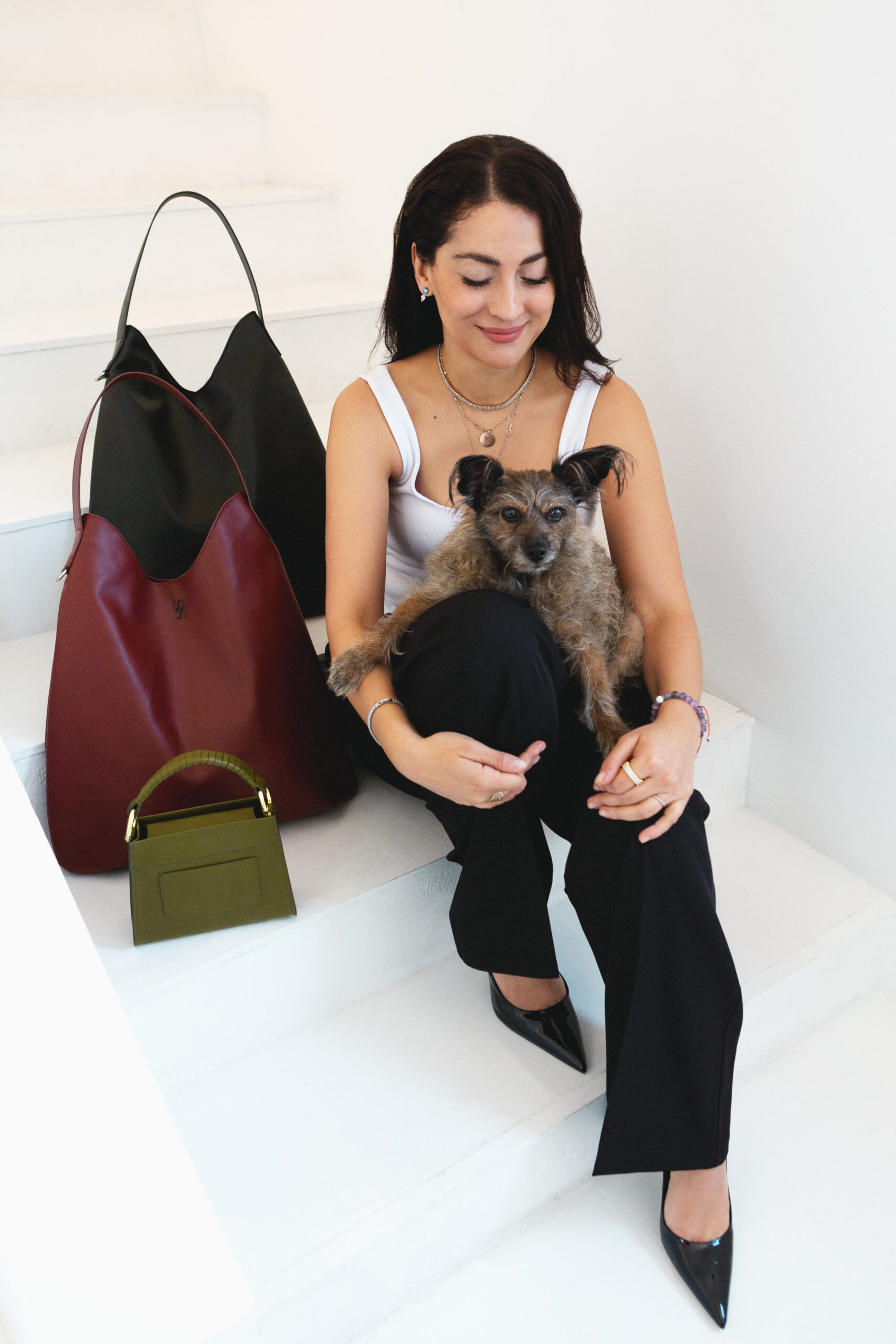
FAB: Excellent advice. To wrap things up, let me close with this question: what do you hope Sentient represents in fashion history 50 years from now?
Jimena Suarez:I hope, with all my heart, that Sentient becomes a catalyst for change. I want it to stand at the center of fashion’s history as the moment when it became unacceptable to use animals for beauty and aesthetics. Beauty and aesthetics are the soul of a culture. They give meaning to society and remind us of what makes us human.
If humanity were to disappear tomorrow, what legacy would we leave behind? I would hope it is not war, conflict, or destruction. I would hope it is art, collaboration, and the beauty we created together. That is what fashion should represent.
There is no need to use the skin of a sentient being to create something beautiful. We must find ways to express creativity and aesthetics without causing suffering to animals that can feel fear, love, and pain. It is undeniable that they can experience these emotions. Our responsibility is to innovate, to protect ecosystems, and to design without harming the natural balance of the planet.
I hope Sentient is remembered as the beginning of that shift. A spark that helped people see the sentience behind every animal that was once turned into a handbag or a pair of shoes. I want the brand to be remembered for shedding light on what others ignored, for proving that fashion can be intelligent, ethical, and deeply human at the same time.