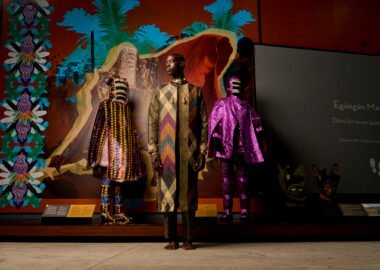



Beneath the runways and wardrobes of the fashion world lies an often-ignored reality: the land we depend on for raw materials is dying. Unsustainable farming, deforestation, and climate change have driven over 12 million hectares of fertile land into desertification every year—the equivalent of losing 17 million football fields. And if current trends continue, the UN warns that by 2050, more than half of the world’s agricultural lands could be rendered unusable. This is not just an environmental issue. It is a fashion issue. It is a human survival issue. And it is the urgent crossroads where regenerative fashion and desertification meet.
Did you know it takes hundreds of years for just one inch of soil to form? Yet we lose four tons of topsoil per year for every human on earth—and it puts our future food supply at risk.
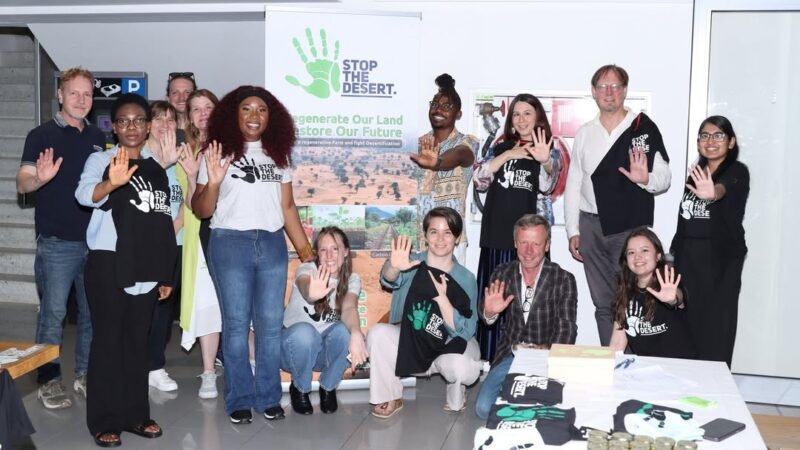
It’s a crisis hiding in plain sight, and yet, as Lynette Penkner, co-founder of Stop the Desert, boldly asks, “Why isn’t this a larger topic in 2025?” Her questions fueled her drive to seek solutions at the intersection of fashion and farming, leading her to spearhead a global movement that’s giving both soil and style a second chance.
Why the Future of Style Depends on Saving Our Soil
Founded with a mission to reverse desertification, Stop the Desert uses a direct-action model to transform at-risk lands through regenerative agriculture. Backed by a groundbreaking 2024 study in California Agriculture, regenerative farming has been shown to restore ecosystems, revive depleted soil, and empower communities within just three years.
“What we do at Stop The Desert isn’t charity,” says Penkner. “It’s a solution. You contribute, farmers cultivate, and together we regrow what was lost.”
Through donations, partnerships, and community-led initiatives, Stop the Desert trains farmers, transitions them to regenerative methods, and supports eco-certification efforts. The model is simple but powerful—fund the soil, fuel the future.
Found For You
Why Regenerative Fashion Matters in the Fight Against Desertification
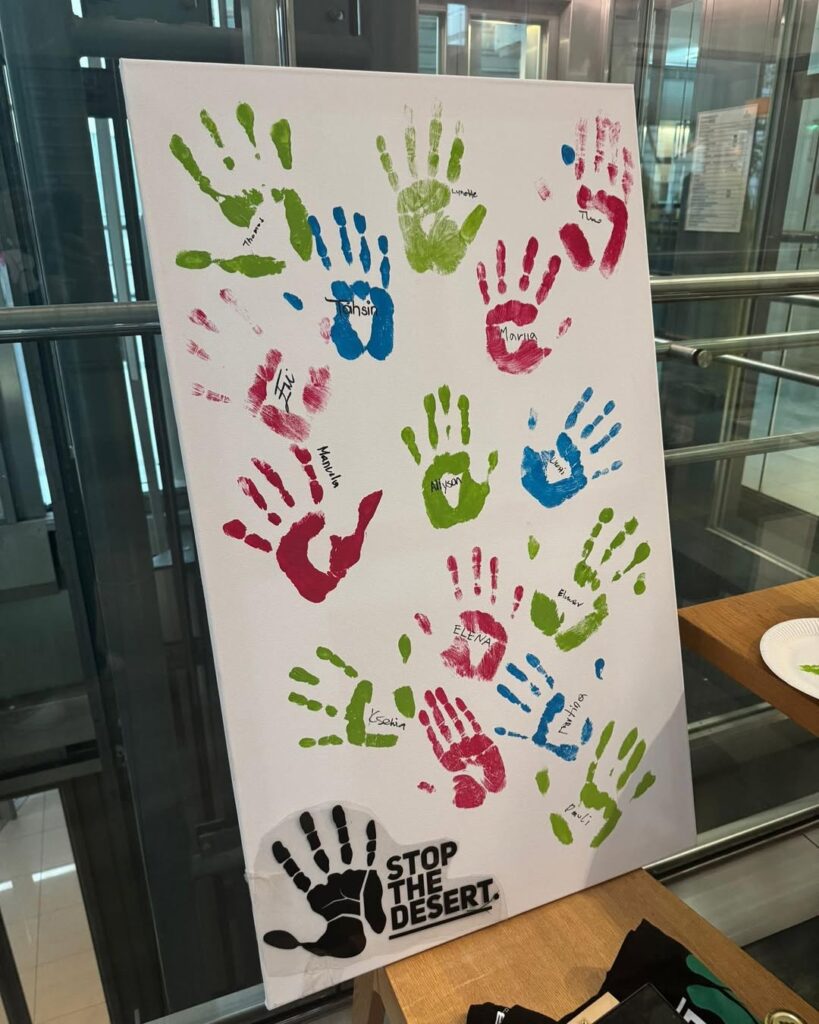
The fashion industry’s connection to land degradation runs deeper than most realize. Cotton overproduction, synthetic dye runoff, and unsustainable sourcing all play a massive role in soil depletion and pollution. Yet, this same industry has the potential to be part of the solution.
“Fashion is a cultural force,” Penkner states. “When we choose regenerative materials—cotton, hemp, flax—we’re not just changing fabrics. We’re changing futures.” By supporting regenerative farming, fashion brands can help pull carbon from the atmosphere, improve water retention in soil, and create sustainable supply chains that give back more than they take.
From Farm to Fabric: A New Standard of Luxury
Imagine a limited-edition garment crafted from cotton grown on land that once stood barren. The tag leads you to a short film about the women who nurtured the soil. A portion of the proceeds funds new regenerative farms.
This isn’t a fantasy. This is the vision Stop the Desert champions.
“It’s time to redefine luxury,” Penkner declares. “Real luxury is integrity—wearing pieces that tell a story of renewal, not exploitation.”
Consumer Choices That Strengthen Regenerative Fashion
Supporting Stop the Desert is more than a donation—it’s a direct investment in our planet’s future. By funding the transition of farms to regenerative practices, supporters become part of a global restoration movement and solution.
Ways to support:
- Donate to sponsor farm transitions.
- Collaborate if you’re a brand seeking regenerative partnerships.
- Shop consciously and choose regenerative materials.
- Share the mission and amplify the movement.
- Volunteer with Stop The Desert
Style That Grows Back
Fashion has always been a reflection of culture—and now, it can be a reflection of conscience. As we step into a future where ethics meet aesthetics, it’s clear that looking good and doing good are no longer separate choices.
“Every garment is a statement,” says Penkner. “Let’s make sure ours say something worth hearing.” By embracing regenerative fashion and supporting organizations like Stop the Desert, we’re not just dressing for today. We’re restoring tomorrow. To support the movement or learn more, visit www.stopthedesert.com
Commonly Asked:
What is the connection between regenerative fashion and desertification?
Regenerative fashion reduces soil degradation by supporting farming methods that rebuild topsoil, restore biodiversity, and reverse desertification.
How does fashion contribute to desertification?
Through cotton overproduction, harmful chemicals, and extractive supply chains that strip soil nutrients and increase land erosion.
Can regenerative fashion actually restore land?
Yes. Regenerative farming can heal degraded soil in a few years, improving water retention, reviving biodiversity, and reducing carbon emissions.
How can consumers support regenerative fashion?
Choose regenerative materials, support organizations like Stop the Desert, and buy from brands promoting soil restoring supply chains.