


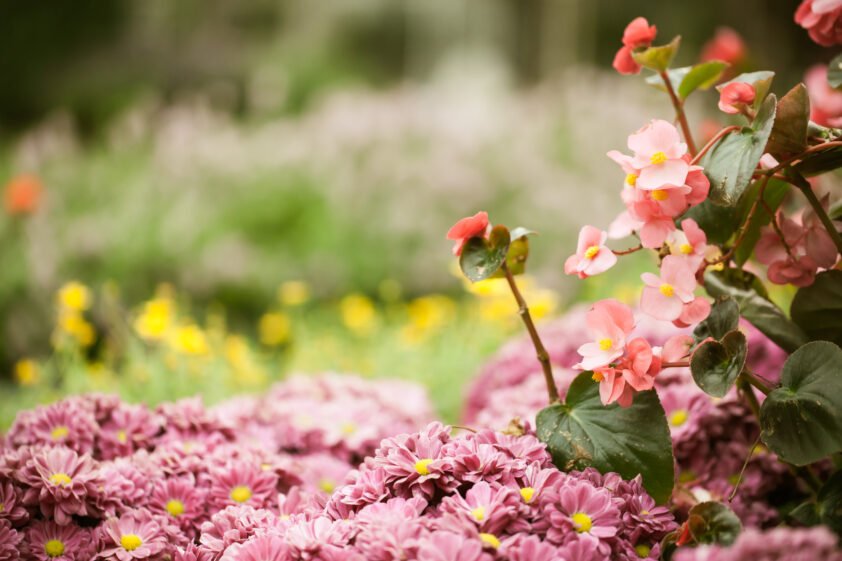
As winter fades, many homeowners begin thinking about how to prepare their garden for spring. The weeks before the season arrives are the perfect time to refresh your lawn, choose new plants, and prepare your outdoor space for the warmer months ahead. Plus, of course, it can also improve your property’s curb appeal, which can help you increase the value of your property and sell your home faster if you are in the process of upgrading.
While every garden is unique and a lot depends on your specific area, there are some tips and strategies that can help. Let’s dive in.
Clean and Check (or Upgrade!) Your Lawnmower
First and foremost, while the grass may not be growing fast yet, don’t be fooled! In just a few weeks, you’ll find yourself dealing with fast-growing weeds and unwanted garden visitors! To keep your lawn in top shape, mowing the grass as it grows and keeping it manicured is essential. For this, it is crucial to be ready in advance! If you are a lawnmower you can rely on, be sure to service it annually. Alternatively, if you are looking for a trustworthy model or wish to upgrade your older version, consider a robot lawn mower. These high-tech machines allow you to take care of your lawn with minimal effort and better, consistent results.
Choose New Plants
While winter may not come to mind as one of the best periods for gardening, there are actually many flower types and plant species that can be planted at the end of winter for a blooming spring garden. Some options include:
- Daffodils: Plant these bulbs early in spring for yellow blooms as the season progresses.
- Tulips: Choose a variety of tulips now to create a colorful display later in spring.
- Pansies: These are hardy flowers that can handle cool weather and provide color early on in your garden beds.
- Peonies: Plant peony roots now for fragrant, elegant blooms in late spring or early summer.
- Daylilies: Go for varieties that offer successive blooms, making your garden lively throughout spring and summer.
- Petunias: These easy annuals thrive in beds or containers and bloom repeatedly throughout the warmer months.
- Lavender: Add this aromatic herb to borders for both beauty and fragrance as the weather warms up.
- Coneflowers (Echinacea): Perfect for pollinator gardens, these perennials are a great choice to add vibrant color and attract bees or butterflies.
Fertilizing Made Simple
Fertilizing plays a key role in helping you maintain your garden. However, this is both a science and an art! Getting it right isn’t always simple, and a mistake can compromise the quality of your soil and the survival rates of your plants!
A lot will depend on your specific climate and soil type, and there’s no one better to help than a local expert. However, there are some rules of thumb that can help in most situations:
- Always follow the instructions on the fertilizer package.
- Test your soil before applying any fertilizer.
- Don’t over-fertilize – more is not always better!
- Apply fertilizer when the soil is moist, never when it’s dry.
- Use slow-release fertilizers to support your soil health over time.
- Water your garden after fertilizing to help nutrients soak in.
- Choose organic fertilizers if possible.
- Fertilize early in the morning or late in the day to avoid evaporation.
- Keep fertilizer away from plant stems and leaves to prevent burns.
- Store fertilizers in a cool, dry place, out of reach of children and pets.
Start a Compost Pile
One of the key tasks to complete before the warmer season comes around is to clear leaves and debris, freeing your lawn of unwanted build-ups. Here, starting a compost pile can have many benefits! It allows you to sustainably get rid of your green and brown waste while also creating rich, nutrient-filled compost that can later be used to feed your garden beds and improve soil health. However, be careful not to add meat, dairy, or diseased plant material to your compost pile, as these can attract pests and spread harmful bacteria.
Trim Hedges and Bushes
Spring is the perfect time to take care of your hedges and bushes! Be sure to get started in advance and trim before your plants enter the growing time. Trimming and pruning before spring comes encourages strong, healthy new growth and helps maintain the shape of your plants that you wish to achieve. Just take care not to prune too late, as cutting during the active growing period can stress the plants, expose it to bacteria and diseases, and reduce their flowering or overall health.
Water Wisely
Watering your plants is an essential element of taking care of them and encouraging growth. However, watering inadequately can stump growth and expose your plants to issues such as root rot, fungal diseases, and issues with the development of their root system.
To keep your plants healthy, always check the soil moisture before watering and aim for deep, consistent watering rather than shallow, frequent sprinkles. Using mulch around your plants can also help retain moisture, but remember that the best option is to avoid bare soil and keep plants close to one another. This helps them retain moisture and create an ecosystem that is essential to support their health.
Check Your Garden Tools
Before spring comes around, take time to check your garden tools, making sure that they are working properly and don’t show any signs of breakage or issues. While taking care of minor problems now is easy, dealing with malfunctioning tools when the grass starts growing fast can cause more than one headache!
Set Up Garden Decorations
Last but not least, this is a great time to start caring for your hardscape features and put up garden decorations. Lights, blankets, heaters, and furniture can do wonders to help you make the most of your time in your garden this summer! Just make sure to treat them properly so that everything can withstand rusting and moisture. If you are unsure how to take the best care of your outdoor items, refer to a local specialist. They will be able to help you protect your investment for longer!