


By January 2026, sustainability will no longer be a side conversation in global fashion. It will be the conversation. As luxury houses recalibrate supply chains, regulators tighten climate targets, and consumers increasingly demand transparency, Africa’s fashion capitals are being reassessed not for spectacle, but for substance. In that reassessment, Nairobi is emerging with unusual clarity.
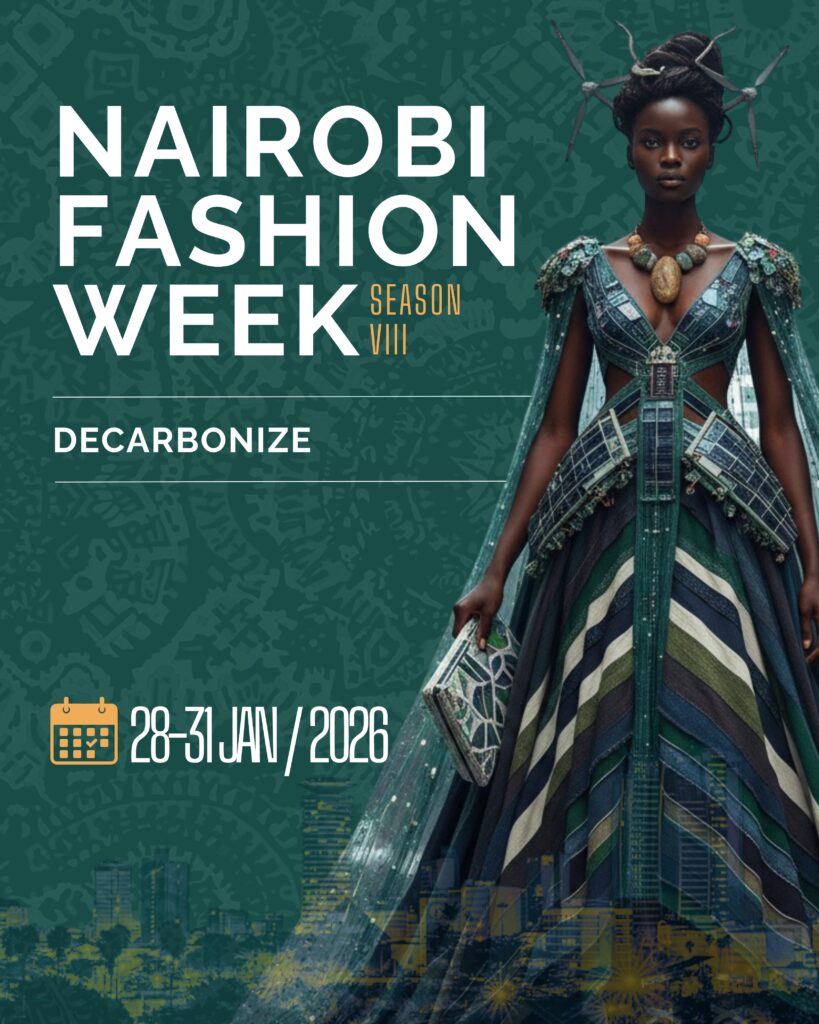
From January 28 to 31, Nairobi Fashion Week returns for its 8th season with a theme that feels less like branding and more like a directive: DECARBONIZE. It is an explicit challenge to designers, buyers, and audiences to rethink how fashion is produced, circulated, and valued in a climate-constrained world. More importantly, it positions Nairobi not as a follower of global sustainability trends, but as a city articulating its own model of responsible fashion grounded in craft, community, and innovation.
Why Sustainability Is Now Fashion’s Central Conversation
This positioning matters. According to the UN Environment Programme, Kenya is already a continental leader in climate policy and green innovation, with Nairobi hosting UNEP headquarters and a growing ecosystem of circular economy startups. Fashion, often overlooked in these conversations, is now becoming one of the city’s most articulate cultural responses to sustainability. Nairobi Fashion Week has evolved into the platform where that response is made visible.
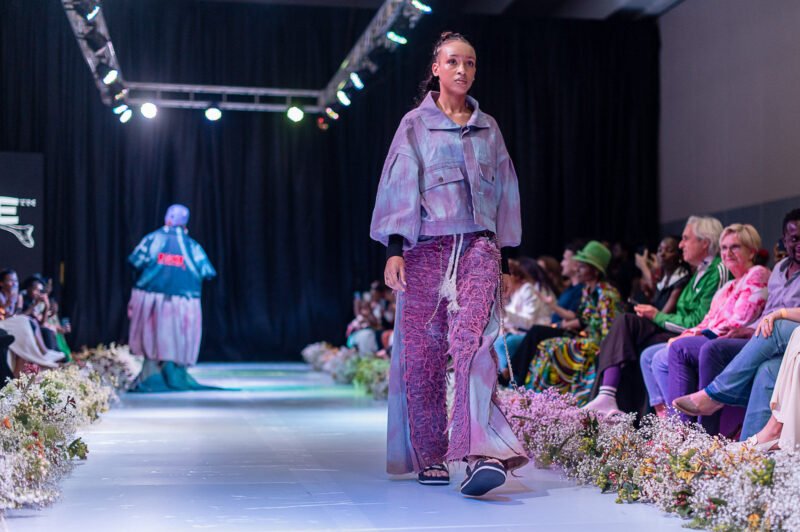
Over 8 seasons, the Week has shifted from a local showcase into a continental convening point. It is where heritage meets experimentation, where artisanship intersects with design education, and where sustainability is treated not as aesthetic virtue signalling, but as operational discipline. Upcycling, slow fashion, ethical sourcing, and community-led production are not new to Nairobi designers. What is new is the confidence with which these practices are being framed as global solutions rather than local compromises.
The 2026 edition deepens this stance. Beyond runway presentations, the programme integrates panel discussions, retail activations, and designer-to-consumer marketplaces that collapse the distance between creation and consumption. These spaces allow audiences to engage not just with finished garments, but with the ideas, materials, and labour behind them. Fashion here becomes conversation, commerce, and cultural exchange at once.
Creative Director Brian Kihindas describes the theme succinctly: decarbonization is about responsibility without sacrificing beauty. This philosophy is evident in the designers returning to the platform. Alumni such as Eva Wambutu, Bone, Afrostreet Kollektions, Rialto Fashions, La Oculta, Kipato Unbranded, and Yevāana Handmade have used the Week as a launchpad for practices that prioritise traceability, material intelligence, and cultural integrity. Accessories designers like Kipato Unbranded and Egypt’s Reem Jano further reinforce the idea that sustainability extends beyond garments into the full language of style.
Found For You
Nairobi Fashion Week 2025 Full Event Recap
Style Icons Around the Globe: What Fashion Looks Like in Paris, Vienna, and Nairobi in 2025
8 Seasons of Building a Sustainable Fashion Platform
Season VIII also reflects Nairobi’s increasingly international dialogue. Designers such as Wanni Fuga from Lagos, Naaniya from France with Malian roots, Studio Lola, VAST, and Yeevana bridging Sri Lanka and Kenya illustrate a fashion ecosystem that is porous, collaborative, and outward-facing. This cross-continental presence does not dilute Nairobi’s identity. It strengthens it. The city becomes a meeting point where African fashion is neither insular nor extractive, but confidently global on its own terms.
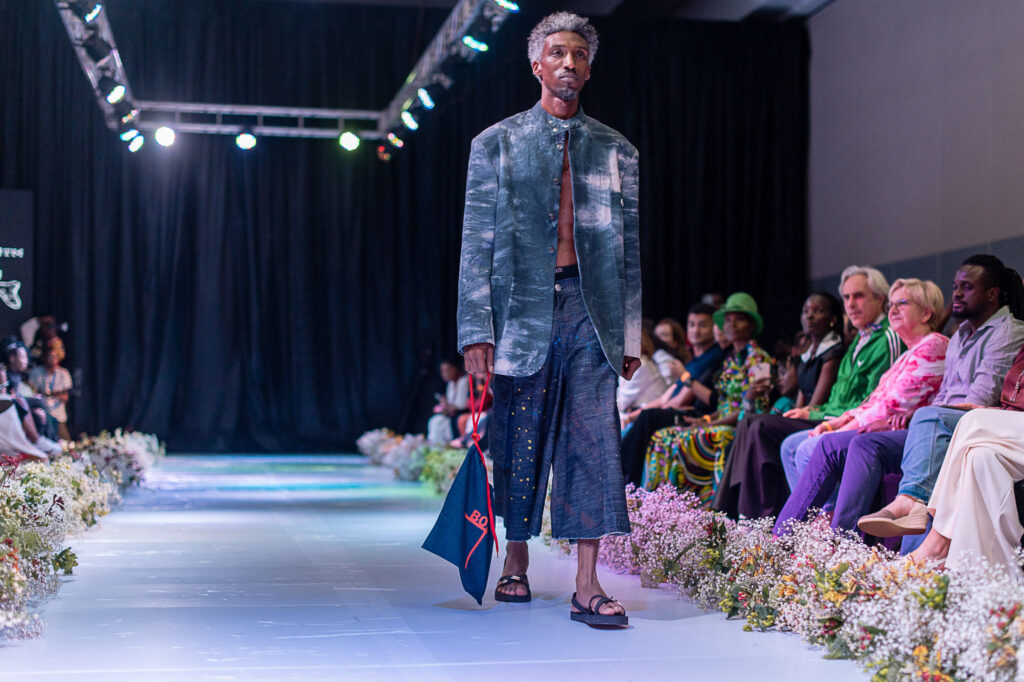
What distinguishes Nairobi Fashion Week is not scale, but coherence. Sustainability is not confined to panels or slogans. It is embedded in material choices, production methods, and community engagement. From hand-smocked and hand-embroidered textiles to regenerated fabrics and upcycled waste, the collections preview a future where luxury is defined by care, not excess.
What Nairobi Fashion Week 2026 Signals for the Industry
Beyond designers, Nairobi’s broader creative ecosystem plays a critical role. Stylists, editors, photographers, curators, and cultural producers have collectively shaped a fashion language that is both rooted and contemporary. This network of talent, supported by an engaged audience and conscious consumers, is what allows the Week to function as more than an event. It operates as an ecosystem.
As Africa’s creative economy gains sharper global attention, Nairobi Fashion Week 2026 arrives at a strategic moment. The questions facing fashion are no longer abstract. Who produces our clothes. At what cost. With whose labour. And for whose future. Nairobi is offering answers that feel practical, principled, and replicable.
This January, the runways will unfold as narratives. Panels will interrogate systems. Retail spaces will invite participation. But the larger story is already clear. Nairobi is not asking for permission to lead Africa’s sustainable fashion conversation. It is already doing so, thoughtfully, steadily, and with intention. For global fashion insiders watching the continent closely, Nairobi Fashion Week 2026 is not just a date on the calendar. It is a signal.