


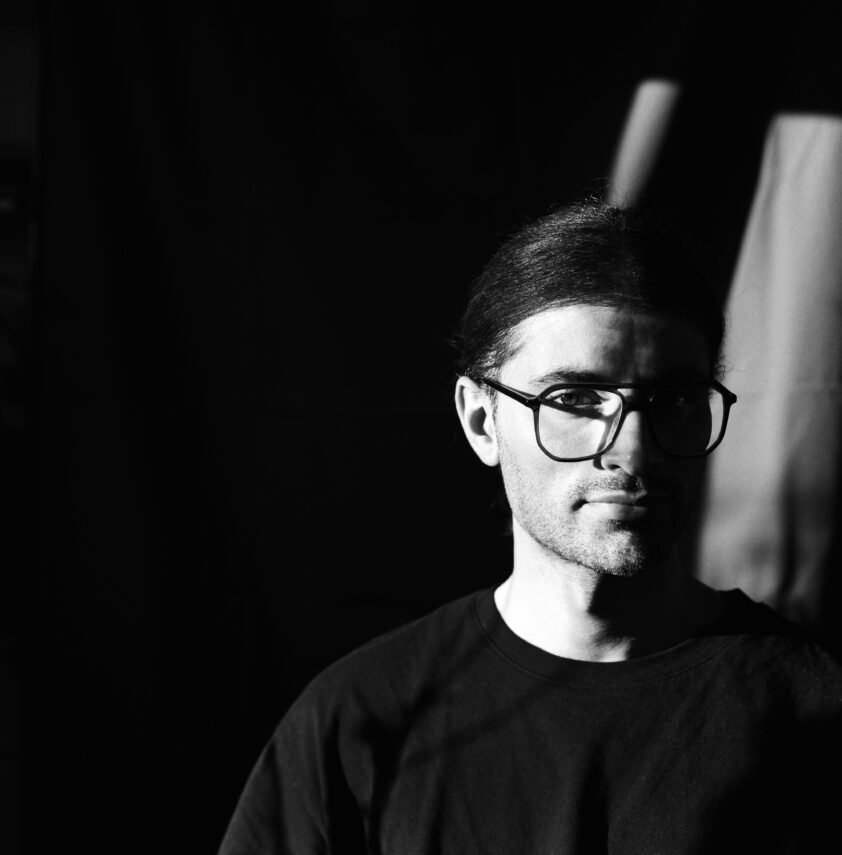
Moulham Obid views fashion as a deeply personal language of survival, memory, and tansfomation rather than as a spectacle. Moulham Obid, who was born in Syria and currently resides in Vienna, creates art at the crossroad of fashion and art. His work is defined by intricate craft, sculptural silhouettes, and an emphasis on sustainability.
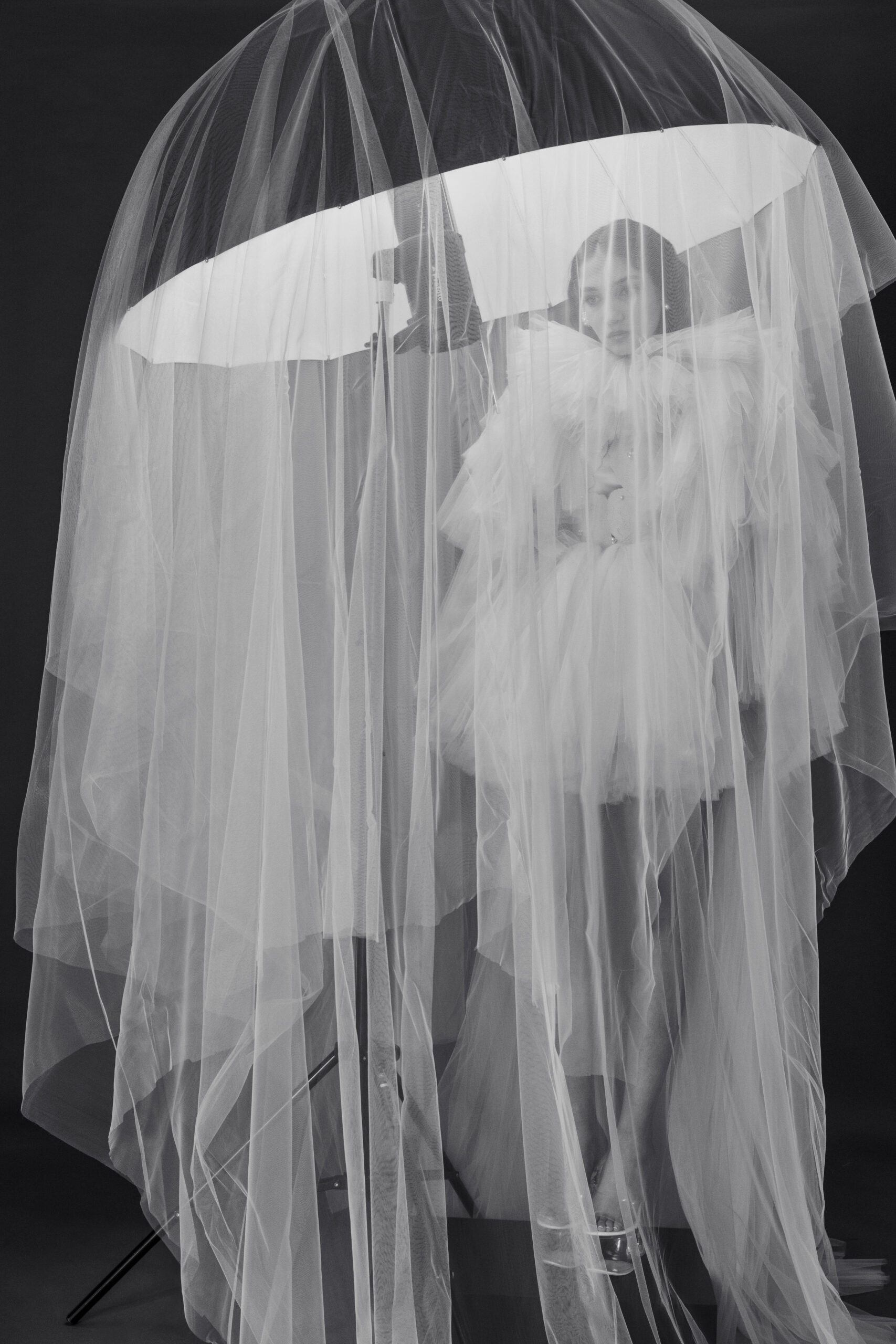
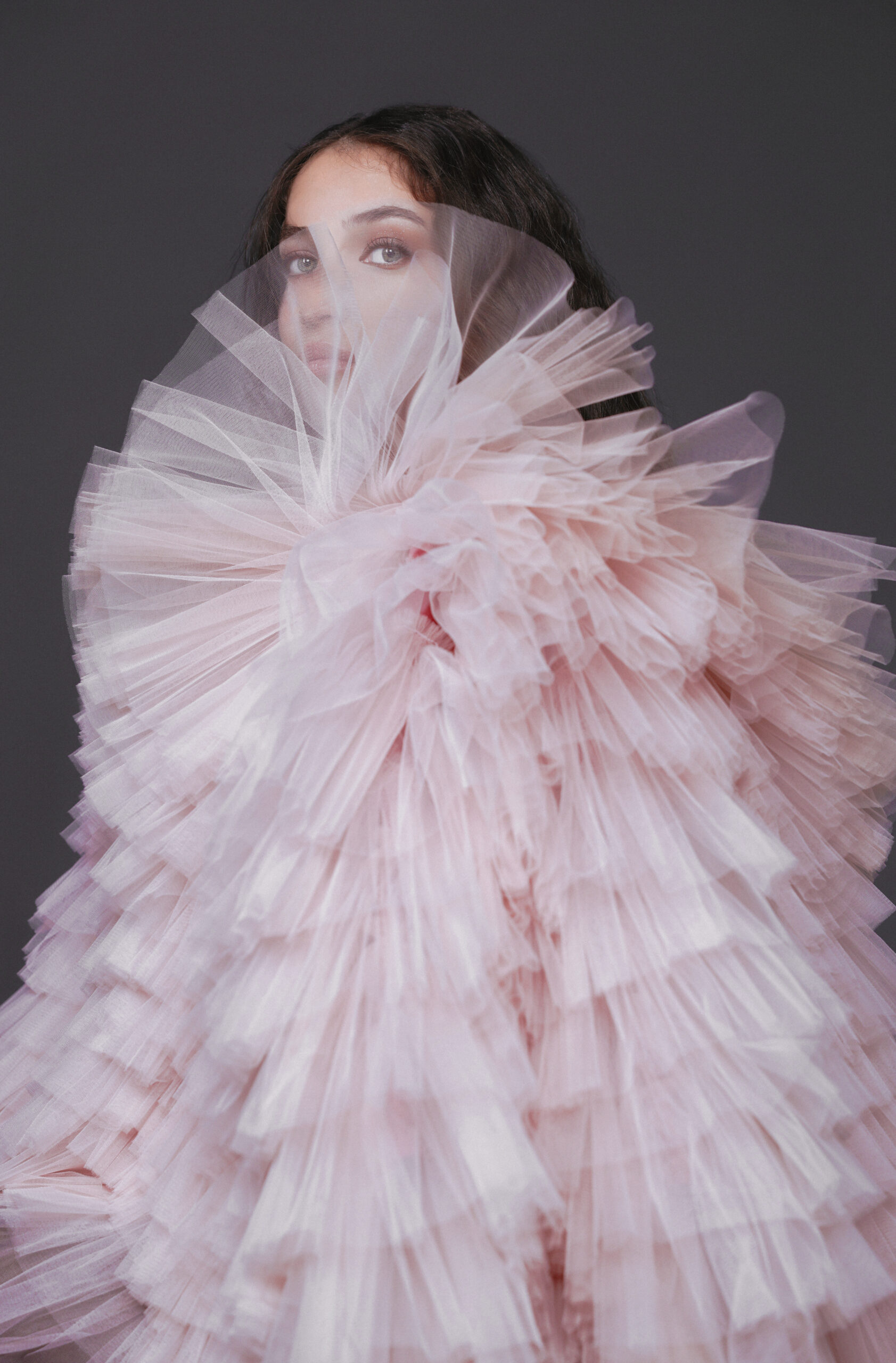
Since establishing his brand in 2017, Moulham Obid’s focus has been on uniting artistic expression with environmental concern, creating a new form of contemporary couture. HIs work often engages with themes of nature and the environment in innovative form, draped in intricate textiles and elaborate embroidery. His work is layered in transparent tulle and flowing silks, creating a modern feminine aesthetic that is both romantic and strong. Conventional techniques meet innovative materials, creating a unique aesthetic.
Moulham Obid’s work has been recognised with numerous awards. The Diva Austrian Fashion Talent Award (2017) for his debut collection PHI launched Moulham Obid’s career on the global stage. The Austrian Fashion Association’s Start-up Grant (2018) recognised Moulham Obid’s commitment to sustainable fashion in his collection GAIA. His critical exploration of environmental concerns in his collection Pollution earned AFA funding (2019). Moulham Obid was also named a finalist for the Fashion Trust Arabia Awards (2022) in the Eveningwear category.
In this conversation with FAB L’Style, Obid traces a journey impacted by displacement, discipline, and devotion to craft—revealing how his brand, Moulham Obid, has evolved into a study of fragility, strength, and the human condition itself.
The Journey from Syria to Vienna
FAB: What is your story?
Moulham Obid: I come from Syria. I studied Fine Arts in Aleppo, where I focused on visual communication. I have been an artist since I was five years old. Drawing has always been my passion and my way of creating my own world. As a child, I often chose to stay in that world instead of playing with others.
During my studies, I felt something was missing. I started exhibiting my work as a painter and began experimenting by combining fabric with paint on canvas. I first explored this approach in Lebanon.
I left Syria in 2012 after graduating. I initially traveled to Dubai, but I stayed only a short time. I did not want to return to Syria, so I moved to Beirut. There, I found a sense of freedom in my art. Beirut allowed me to express myself fully.
That was where I first combined fabric with colour on canvas and presented my exhibition titled Dantel. At that point, I realized that paint alone was not enough. I wanted to include fabric, beads, and texture. That led me to fashion.
I later visited Vienna to see the work of Gustav Klimt, who inspired my graduation project. I had also created an illustration based on a novel by an Austrian writer named Albert Schneider. Visiting Vienna felt like completing a personal vision.
While I was there, I made a decision to stay and study fashion. I studied from 2015 to around 2017 or 2018. After that, I launched my label following my graduation. Winning the Austrian Fashion Award in 2017 for my final collection confirmed that I was on the right path. From that moment, I knew there was no turning back. That is how my journey began.
FAB: Your work feels sculptural and deeply expressive. What truth about your life do your garments carry beyond the visual?
Moulham Obid: It always depends on the concept of each collection. But at the core, my work reflects what it means to be human.
There is always a balance between softness and strength. I express sensitivity alongside courage. That contrast defines both my work and my identity.
More Like This:
2026 Sustainable Fashion Report: Who Is Actually Making Impact
FAB: You moved from Syria to Vienna. What cultural shocks did you experience when you arrived?
Moulham Obid: There were many. I arrived at the age of twenty two and had to build everything on my own. I had to become strong, independent, and responsible very quickly. At the same time, I am a sensitive person, so that contrast shaped my experience.
One of the first shocks was how people perceived Syria. Many assumed it was only desert, and they asked how I could survive the cold. That surprised me. Syria has a rich culture, history, and lifestyle, especially in art and couture.
Another shock was the way people relate to time and relationships. In Vienna, I often heard people say they did not have time. That was new to me. Where I come from, people make time for each other. That difference felt painful at first because it showed a gap in how we express care.
What Defines True Couture Today?
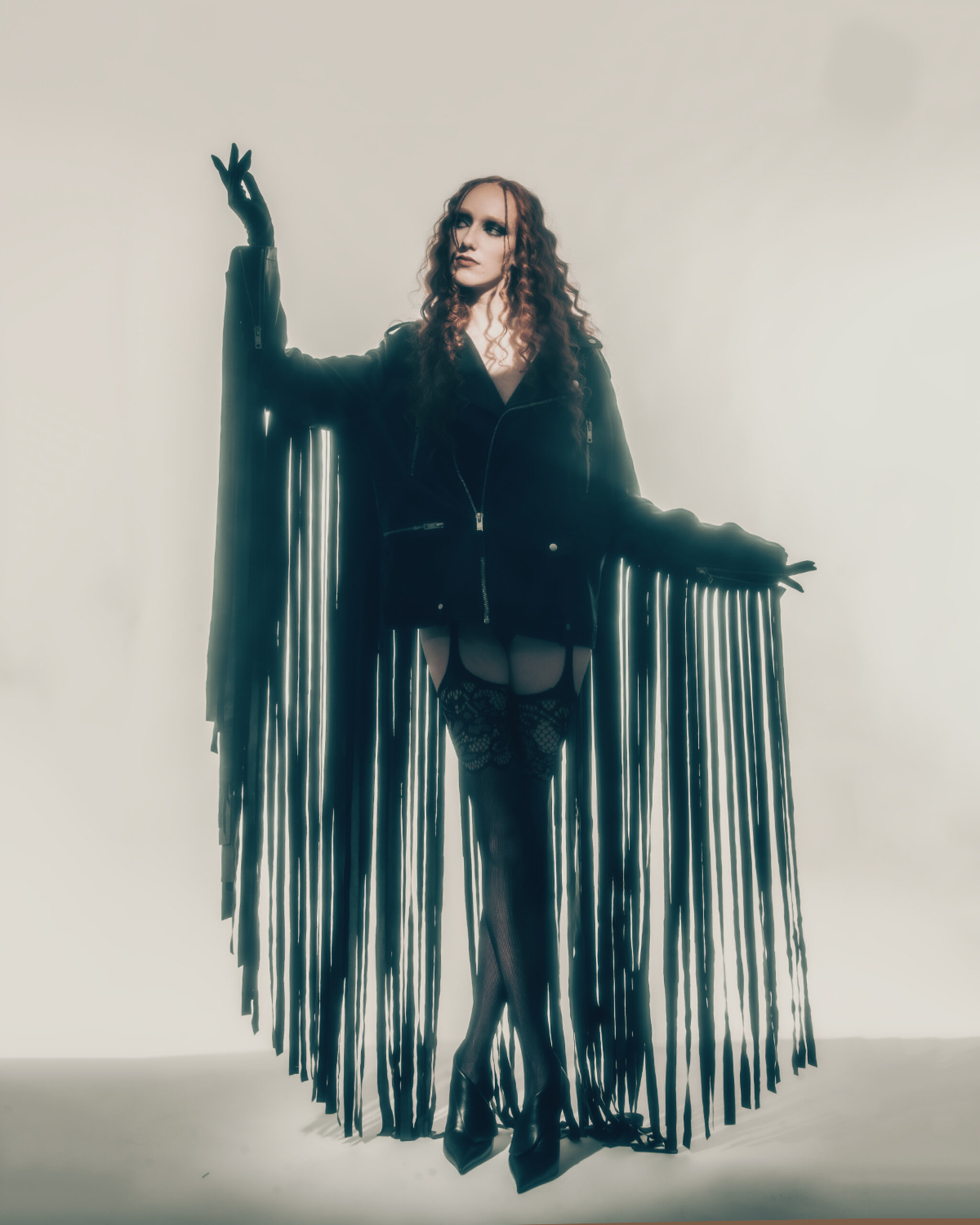
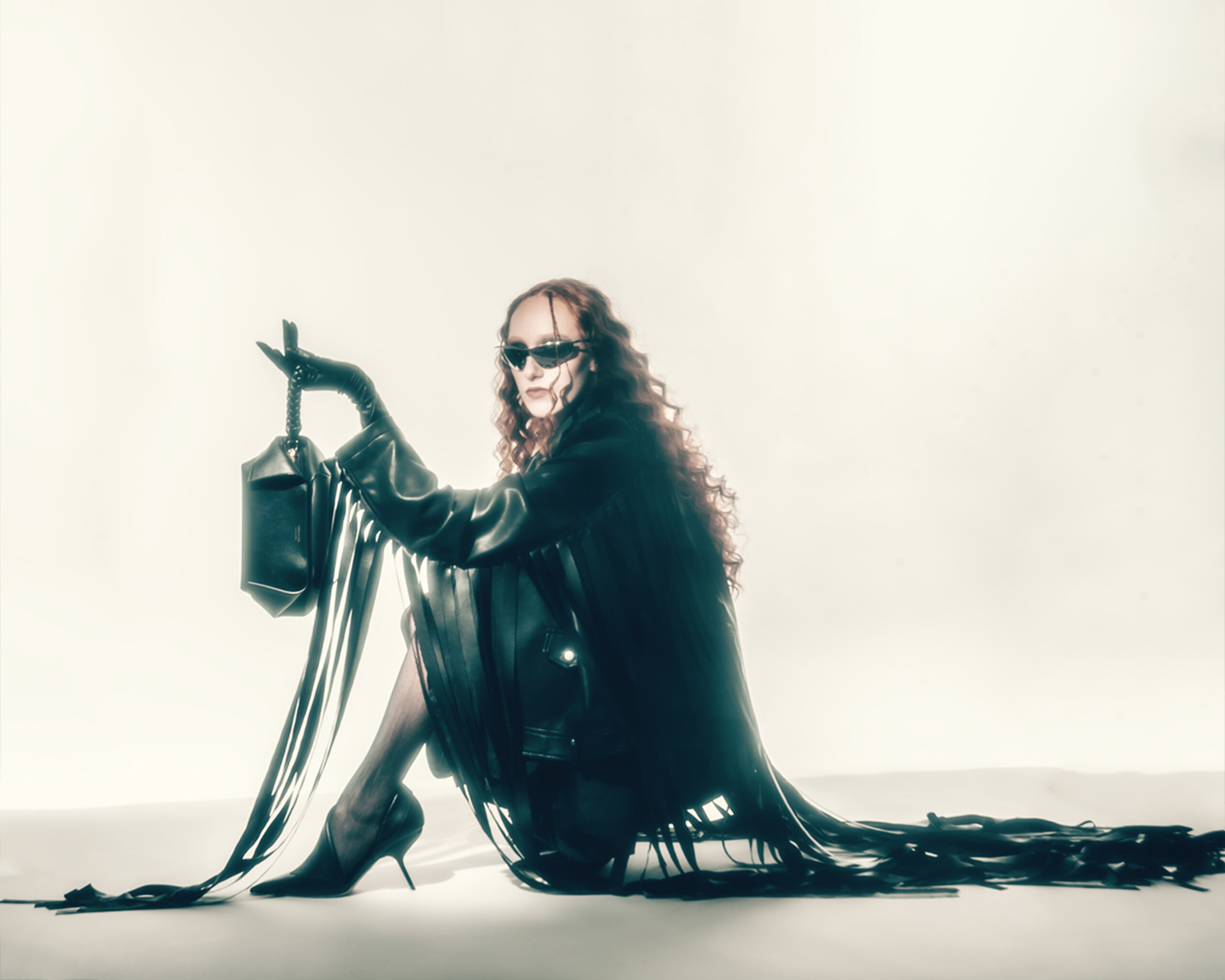
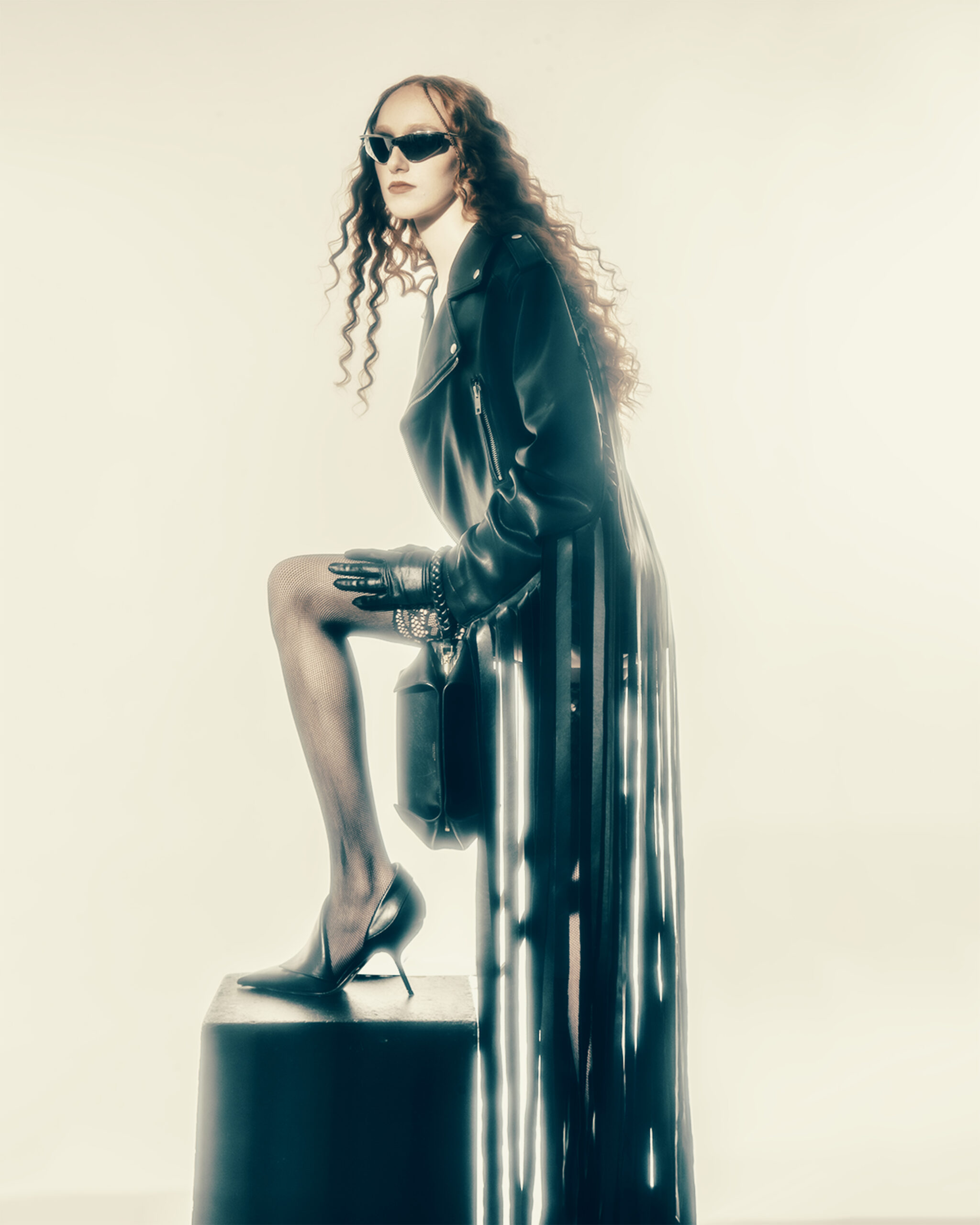
FAB: Coming from a culture where couture is deeply rooted, how do you define true contemporary couture today?
Moulham Obid: True couture is not about being edgy. Many people confuse the two. Couture is about technique. It requires deep knowledge, craftsmanship, and precision. As Serge Carreira once said, not every edgy design is couture. That distinction is very important.
FAB: Tell us more about those techniques.
Moulham Obid: The best way to understand couture is through process. If you give ten meters of fabric to different designers, some will focus on creating volume. But in couture, the process goes deeper. A couture designer transforms the fabric itself before even shaping the design. It is not just about using fabric. It is about reinventing it, building it, and then creating the final piece from that transformation.
FAB: Tell us about your current collection. What is the idea behind it?
Moulham Obid: My current collection focuses on the people behind the brand. I design for individuals who are brave enough to wear my work. Anyone who wears Moulham Obid Obid carries a certain strength.
Since 2018, I have spent time understanding these individuals. I study how they think, where they come from, and what they need. I design within my own vision, but I also want them to feel seen and satisfied. I have built a deep relationship with my clients. They are more than customers. They are a community.
Designing for Emotion: Fragility, Strength, and Femininity
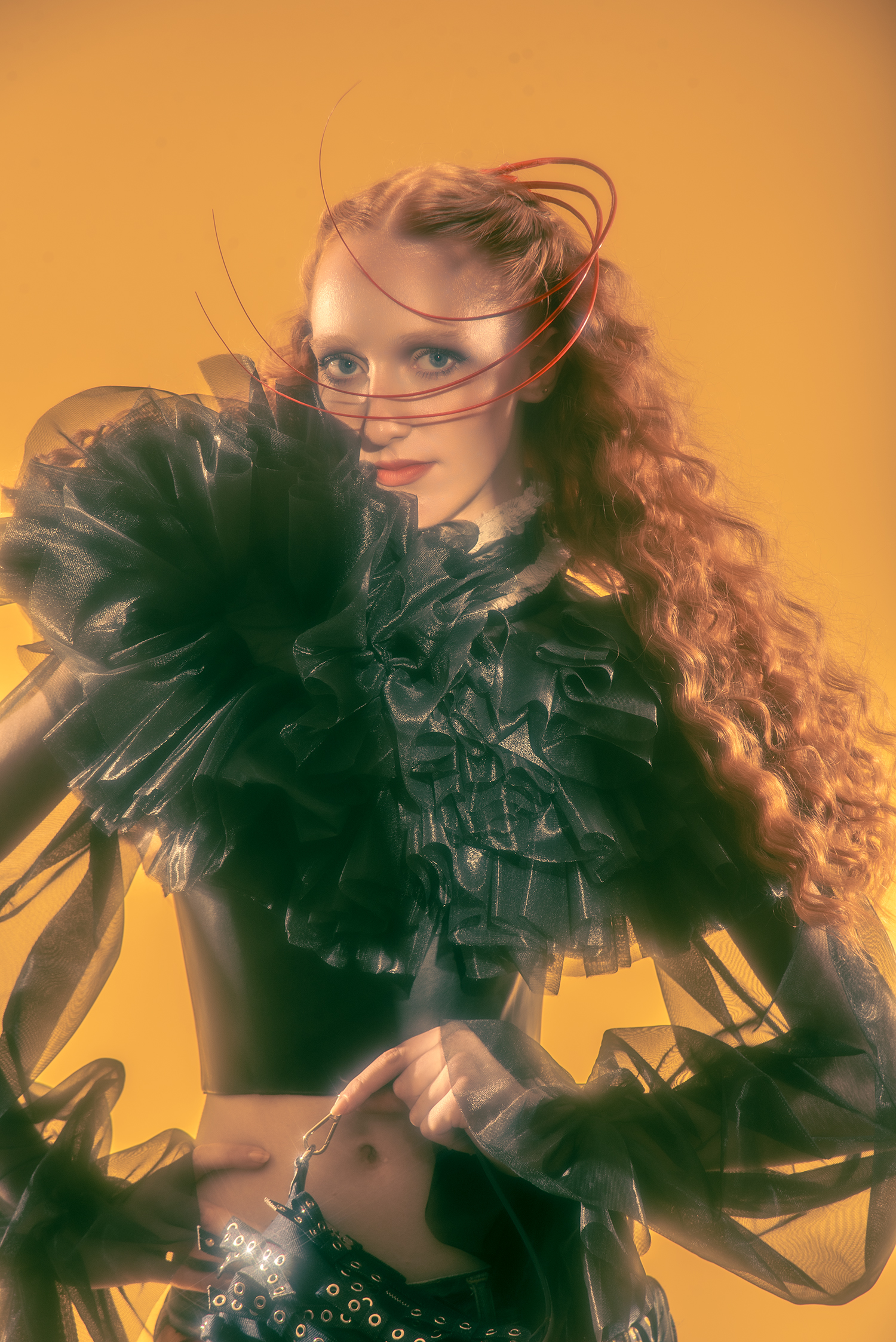
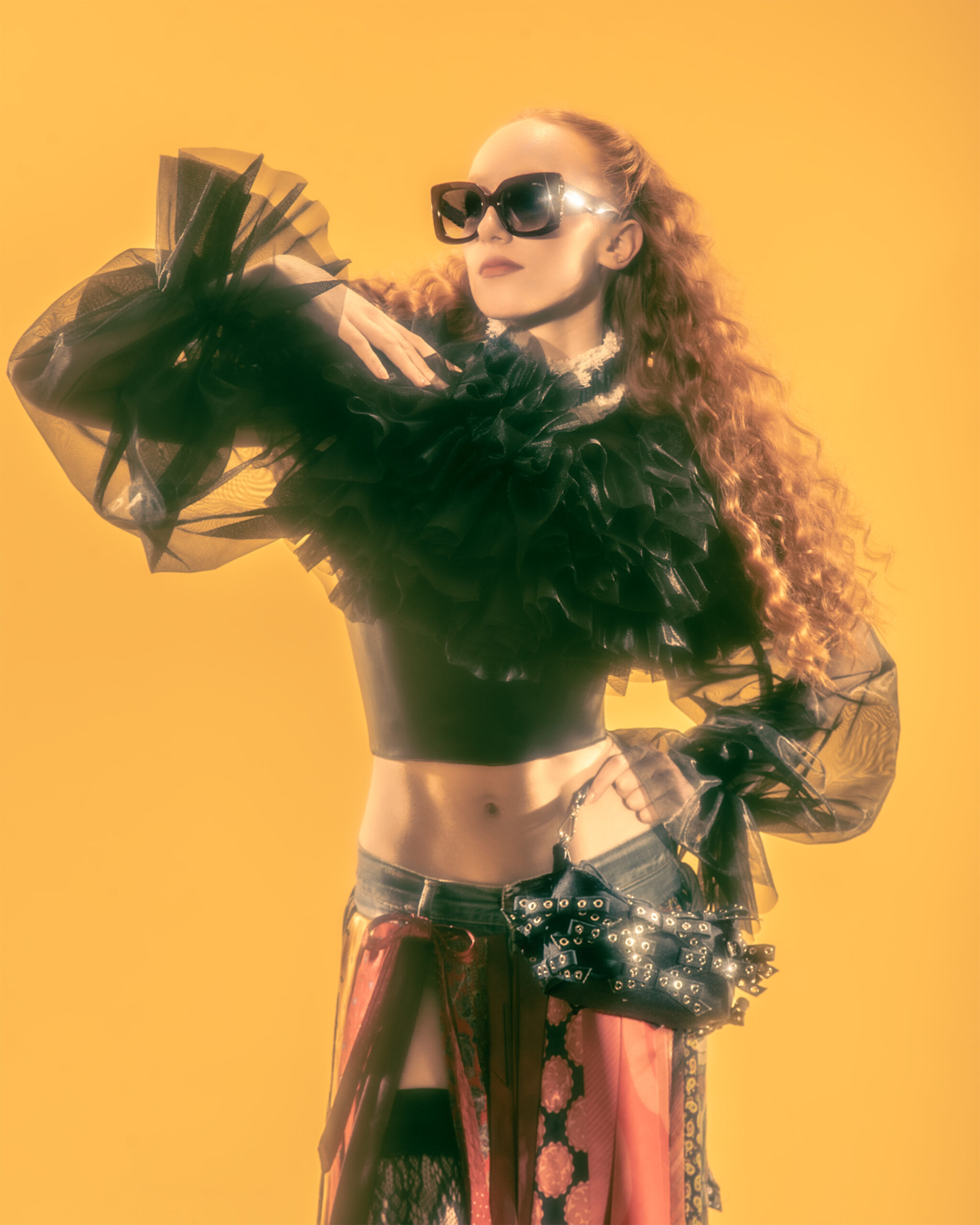
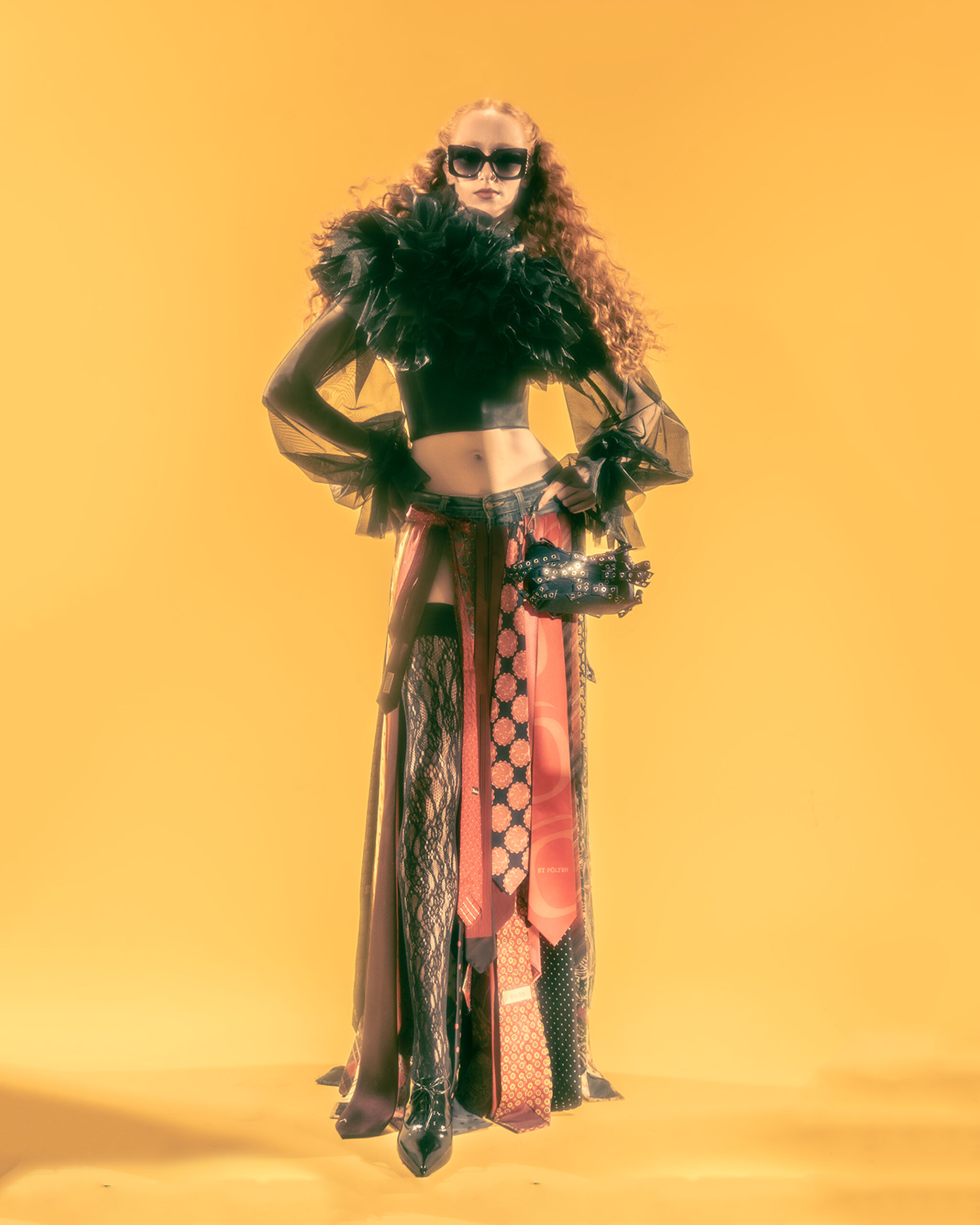
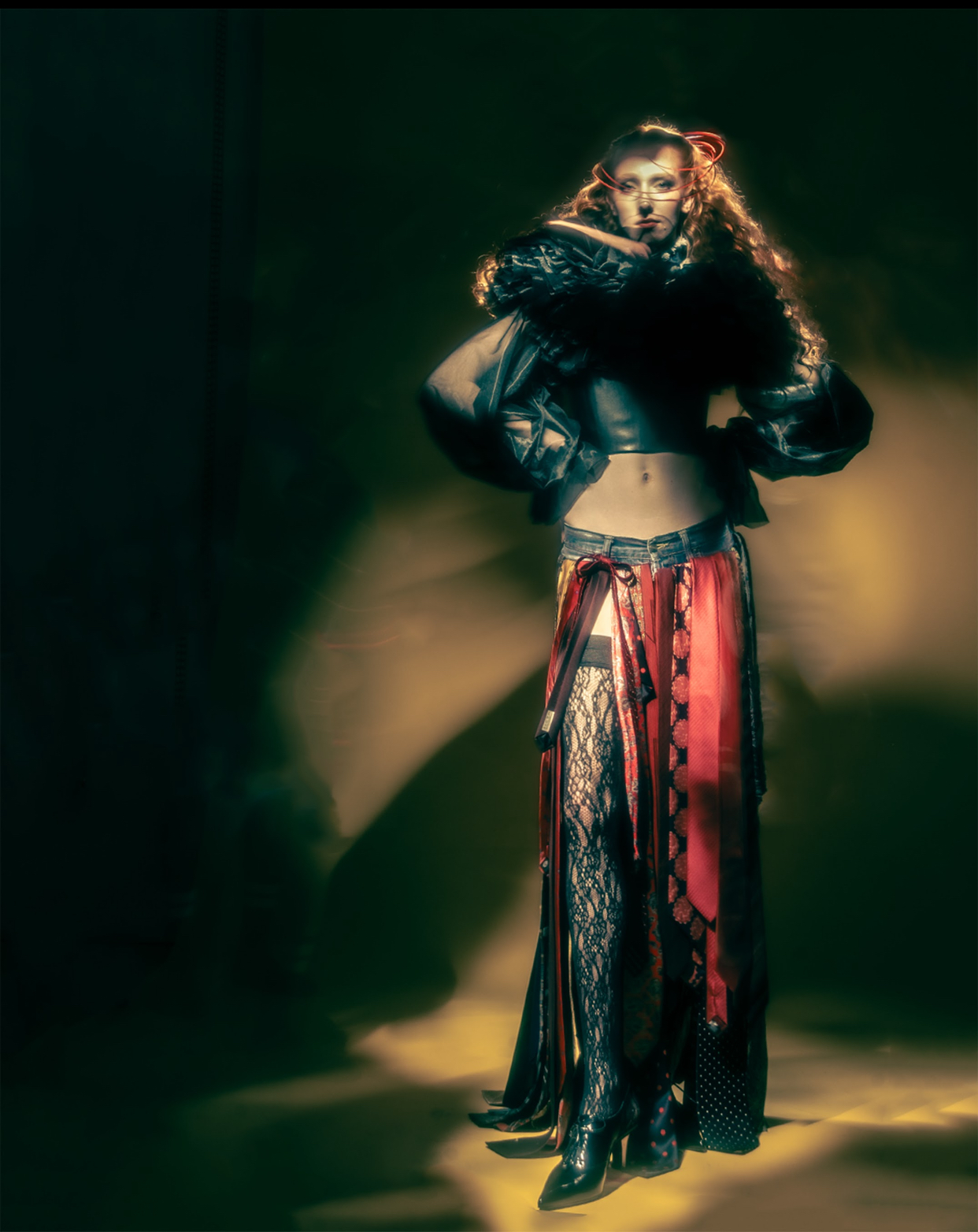
FAB: Your work often expresses both fragility and strength. What does femininity mean to you?
Moulham Obid: Femininity is a feeling. It relates to the fragility of the body and the emotional layers we carry. These layers protect us, not only physically but emotionally as well.
In my designs, I reflect this idea. You often see strong, sculptural outer forms, but beneath them there is a fitted structure. It represents the body and its emotions.
Femininity is not always visible. Sometimes it is something you feel rather than show. The layers in my work represent protection, both for the body and for the emotions we carry.
FAB: Where does your inspiration come from? Do you follow any ritual before you start creating? How do you develop such intricate designs?
Moulham Obid: My process always begins with research. Inspiration can come from many places. It might start with a song, a piece of music, a painting, or even a fabric with a specific colour or texture. Any of these can shape an entire collection.
I have always had many ideas, emotions, and techniques, and I used to try to bring all of them into a single couture collection. For a long time, I created one couture collection each year with that approach.
Now, I work differently. I focus on simplicity and clarity. I begin with one strong source, such as a single painting or a song, and build everything from that point. This helps me communicate my vision more clearly.
From there, I develop materials and explore textures that support the concept. Then I create a mood board to guide the entire process. This structure allows me to stay focused while still being creative.
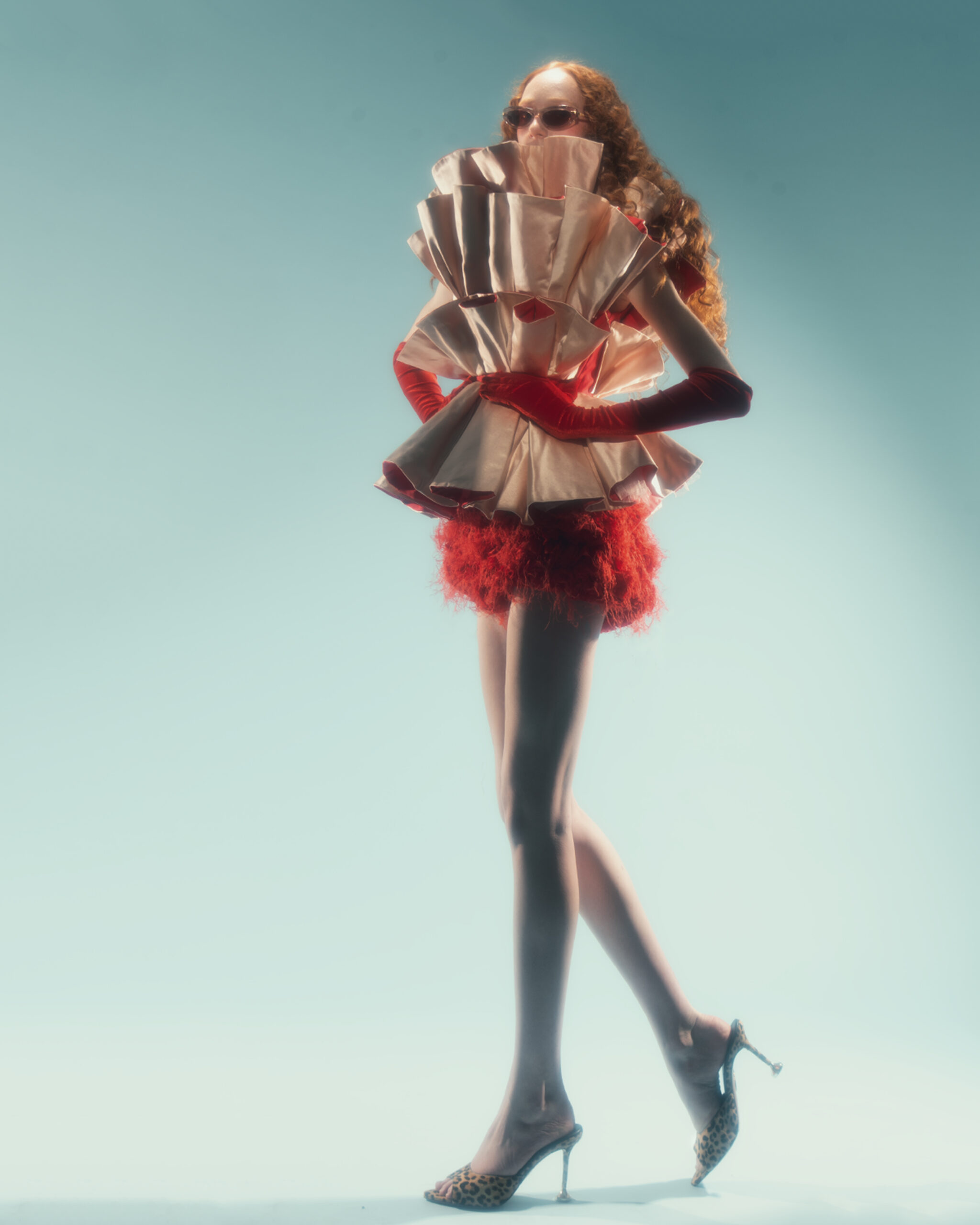
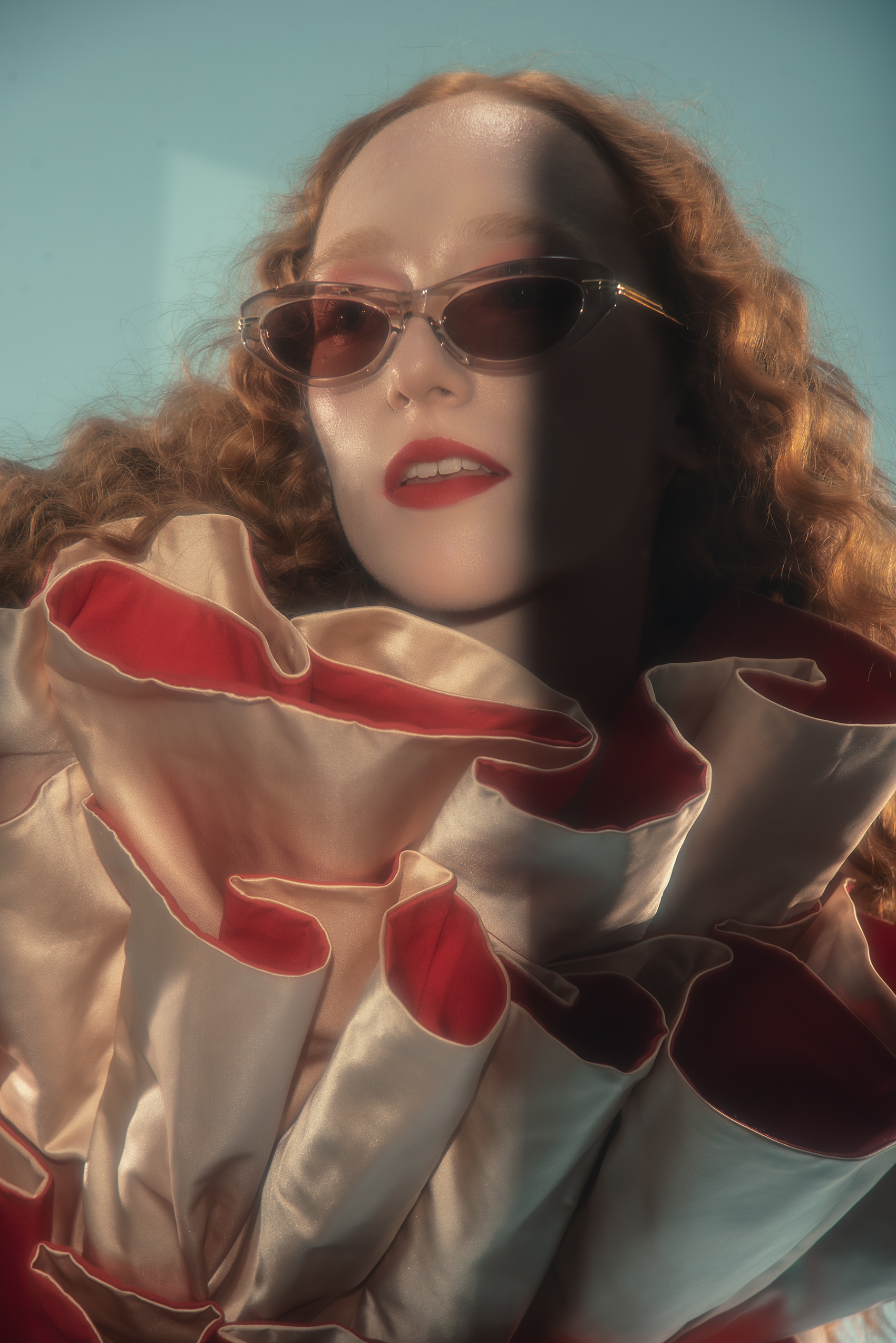
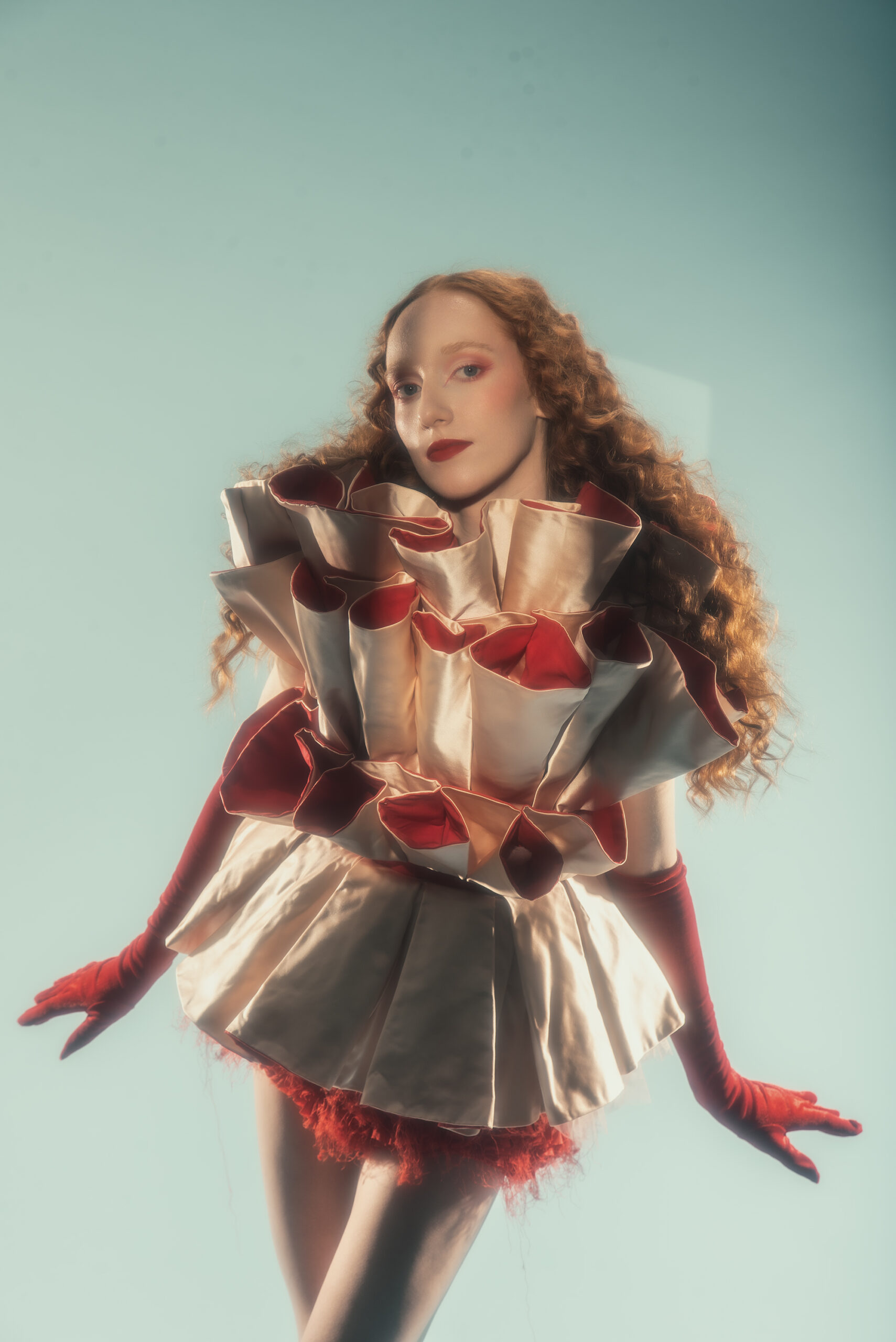
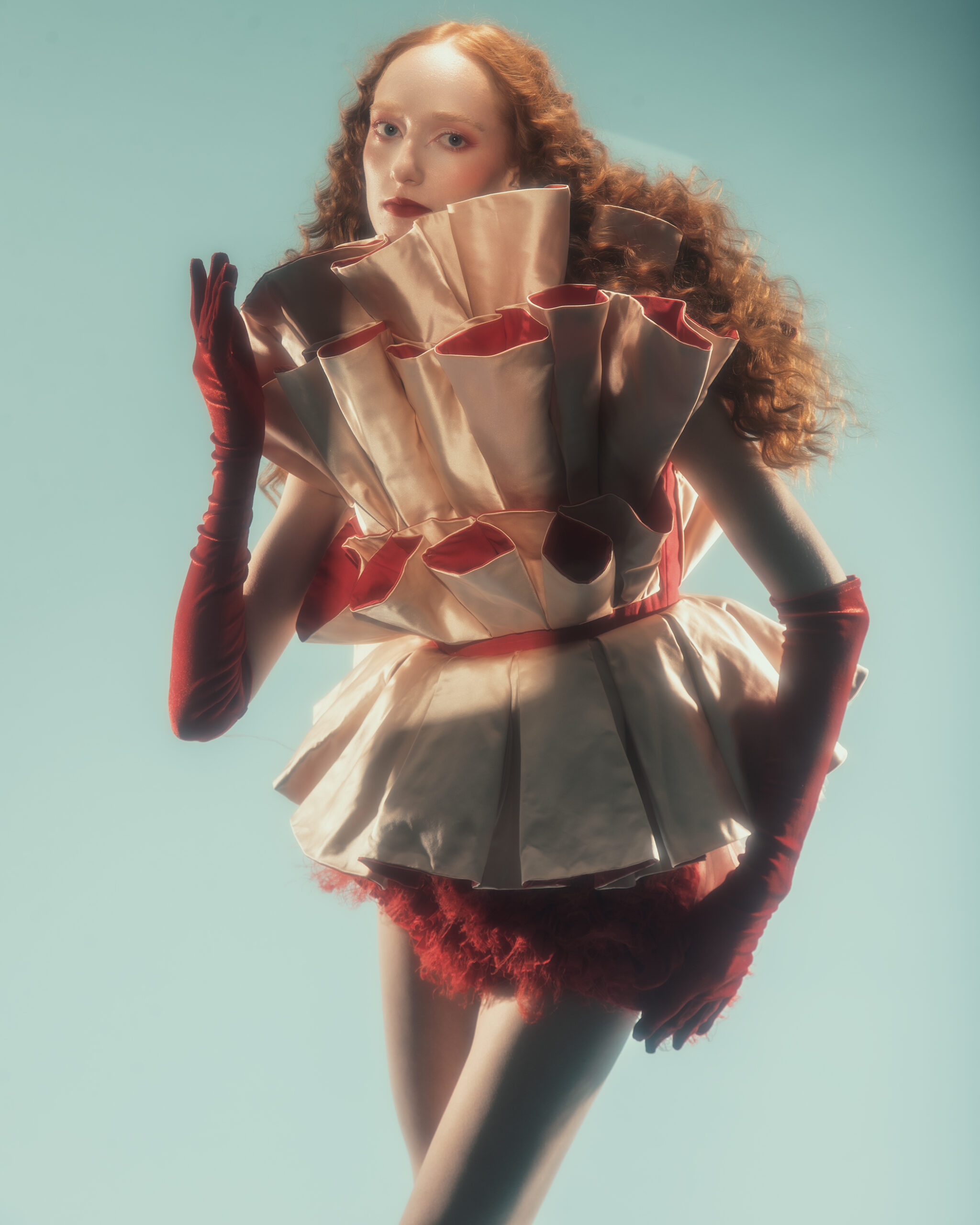
FAB: As a designer from Syria, what specific element of your heritage can we find in your work?
Moulham Obid: There are several influences, but one stands out. In Syria, we have a traditional technique that combines wood with shells to create furniture and decorative objects. It is a very detailed and advanced craft.
Many people do not realize that this technique originates from Syria. It requires precision because the materials are cut into very thin layers and carefully assembled.
Handcraft is deeply rooted in our culture. Almost every woman in Syria receives a sewing machine when she starts her own home. This means many women grow up with strong sewing and embroidery skills.
That tradition inspired me to start a project about eight years ago. I began working with women who have these skills and need support. They contribute handcrafted elements to my designs, and I integrate their work into the final pieces.
It is a collaborative process. Even if someone completes a small part of a garment, it becomes part of a larger creation. In this way, we support each other. Many of these women support their families, and this work creates an opportunity for them while enriching my designs with authentic craftsmanship.
What’s Next for Moulham Obid in 2026
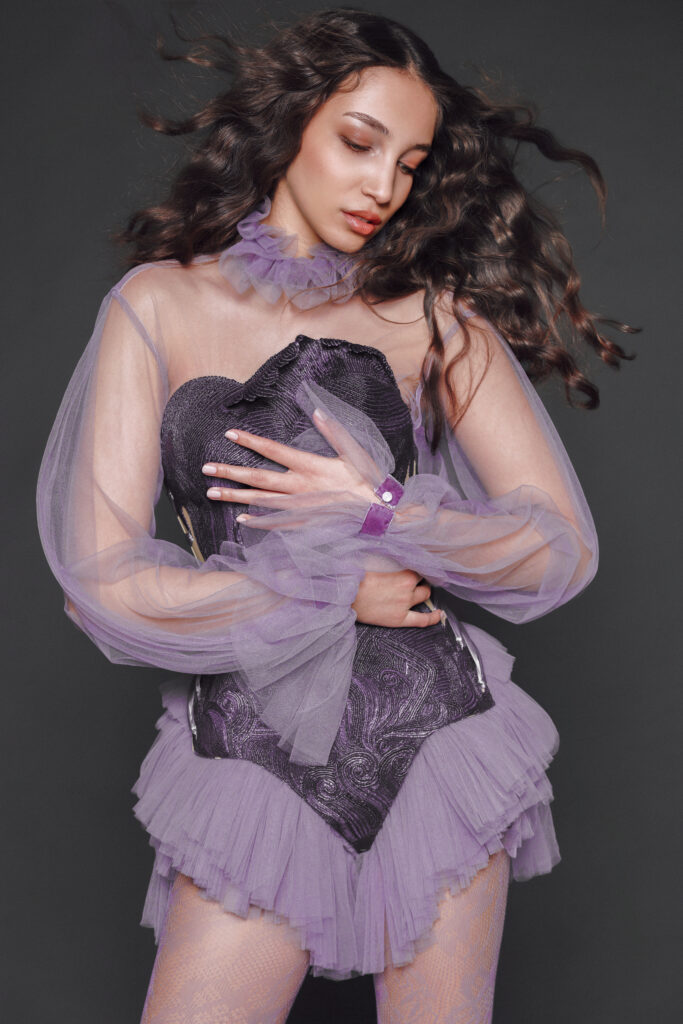
FAB: What can your clients expect from you this year? What should we look forward to in 2026?
Moulham Obid: This year is very important for me and for my brand. I recently joined a mentorship program with the Austrian Fashion Association. Through this program, I am working with experienced mentors from across the global fashion industry.
This experience is helping me refine my brand from the ground up. I am revisiting my philosophy, my identity, and every detail of my work. I want to understand my brand more deeply so I can deliver stronger and more meaningful collections.
Until now, I have learned mainly through personal experience. Now, I am combining that experience with professional guidance. This allows me to grow in a more structured and strategic way.
At the same time, I am very aware of the challenges in the fashion industry. It is not easy to sustain a brand today, especially as an independent designer. Many people enter the industry without a strong foundation, which makes the space more competitive.
Despite this, I remain focused. My goal is to build a brand that is thoughtful, intentional, and true to its identity while continuing to evolve.
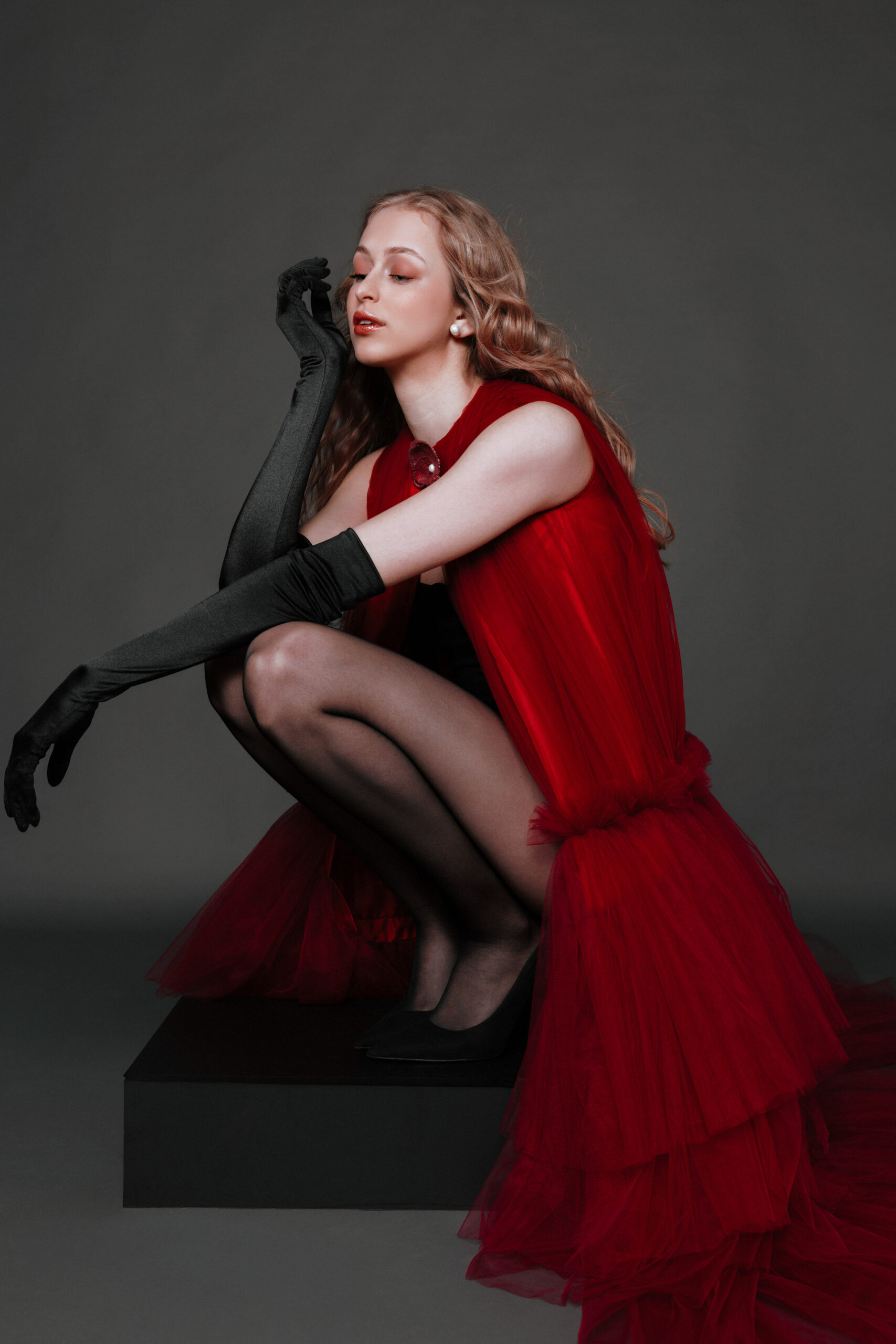
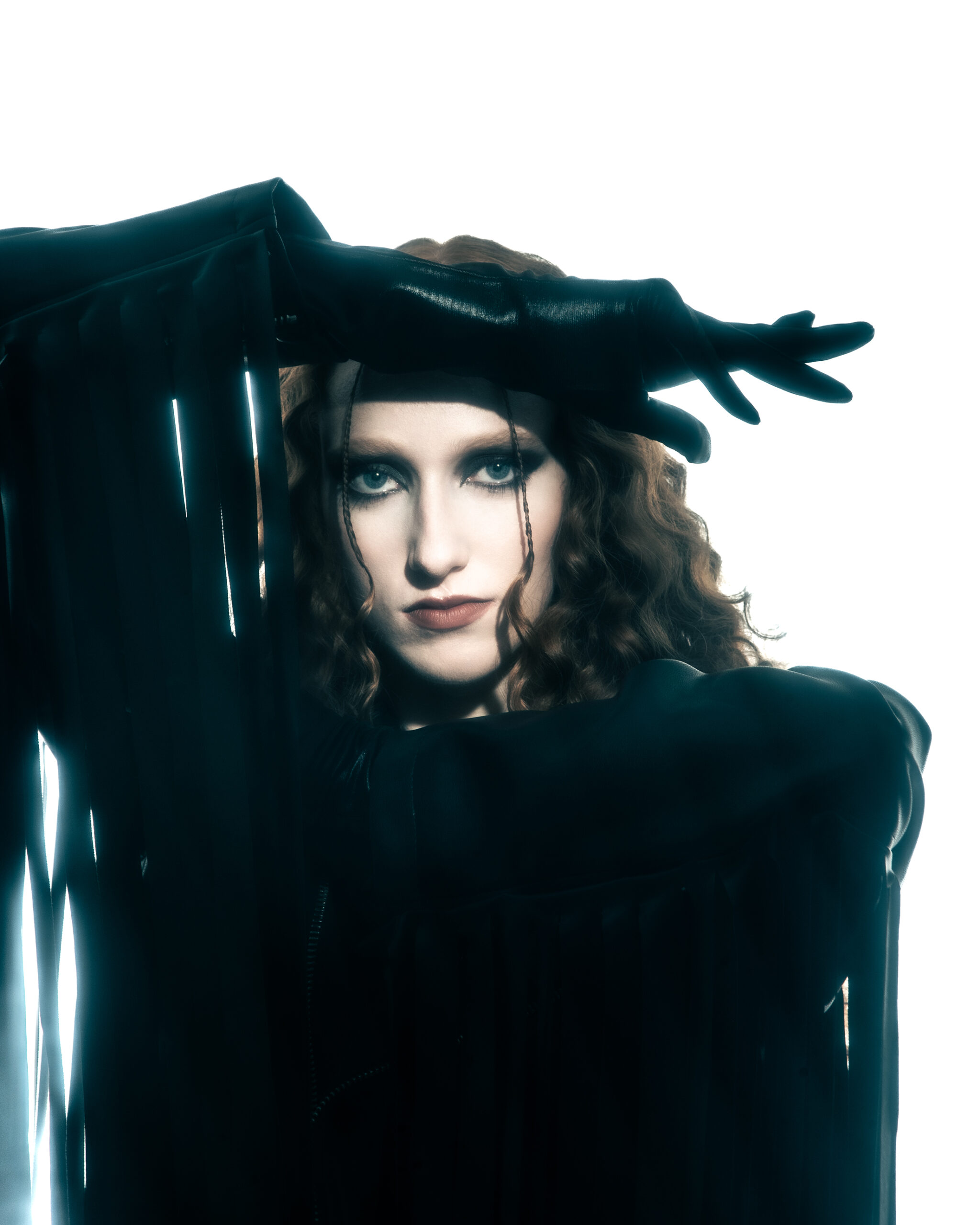
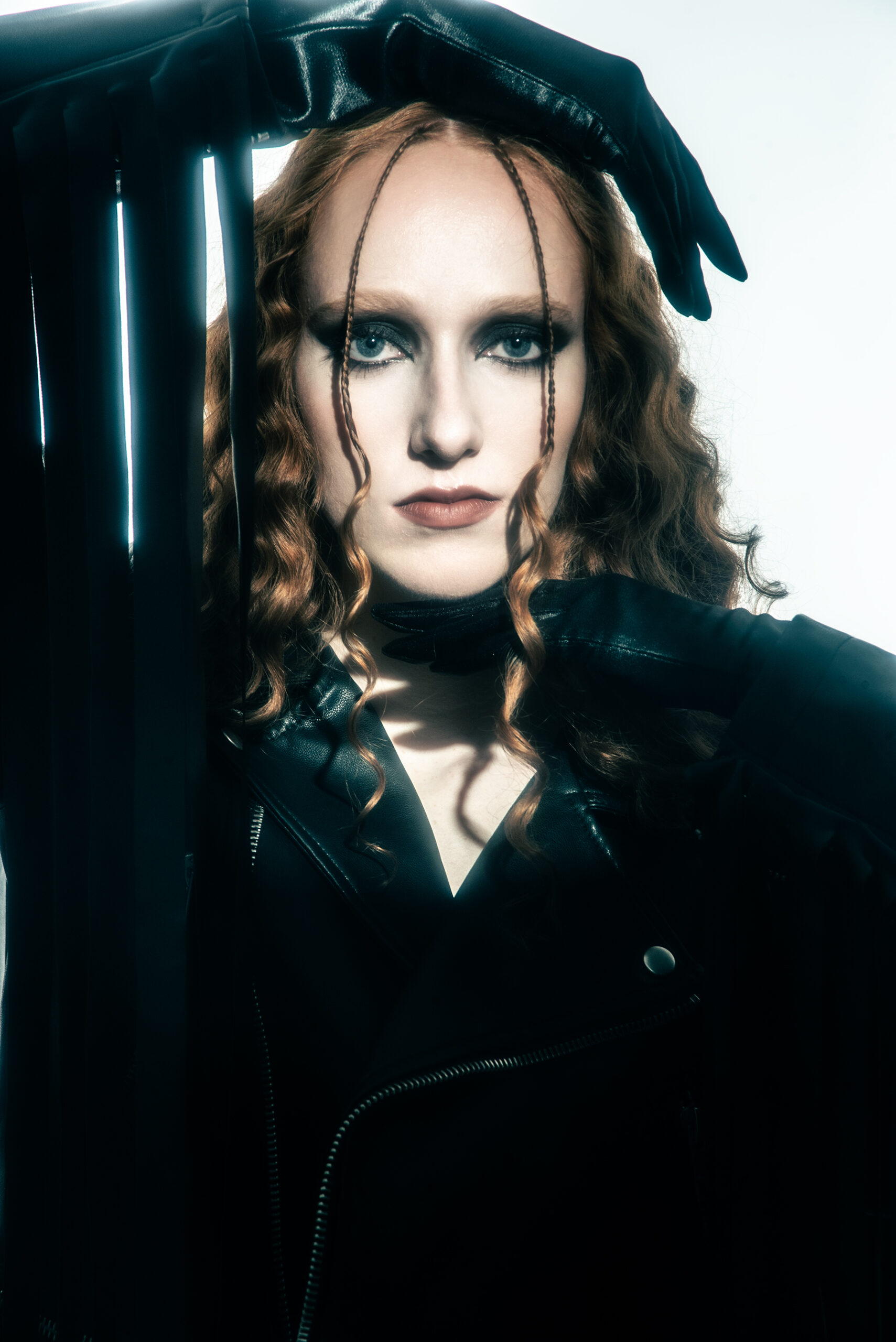
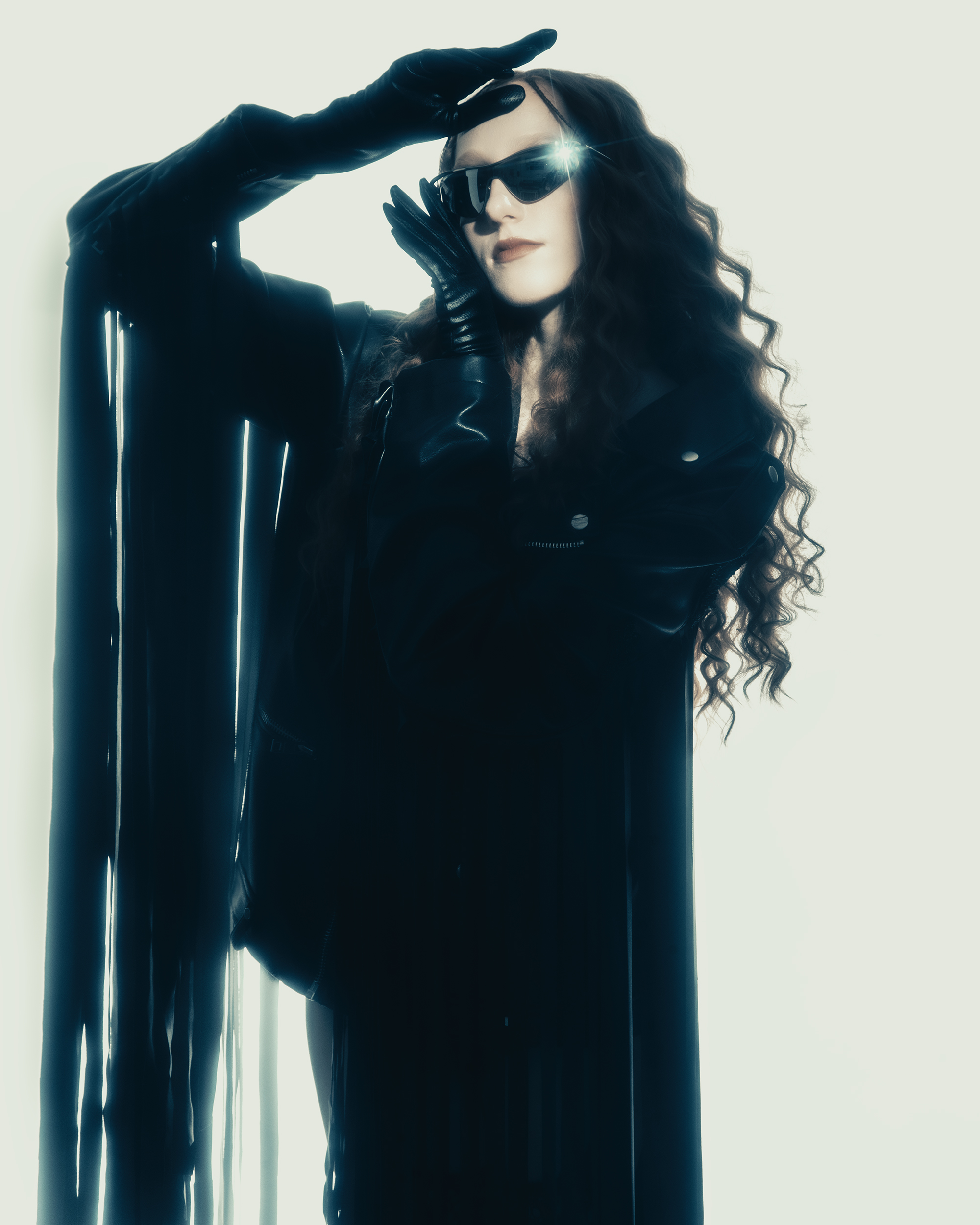
Credits for all images from the Collection Moulham Obid 25
Photographer: Elisa Teichtmeister
Models: Amina Felberbauer, Mira Nagy / Stellamodels
H&M: Irma Hadzic
Styling Assistant: Ayse Altuno