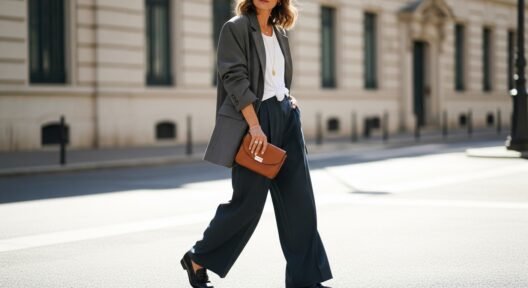


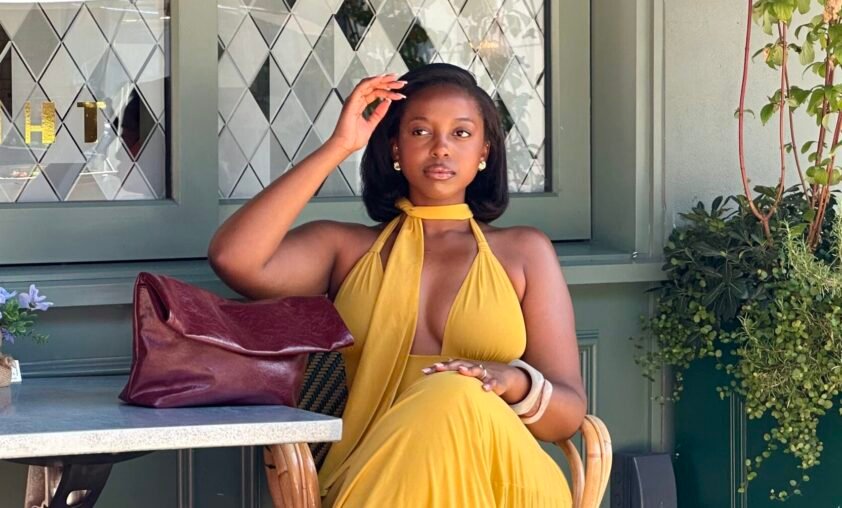
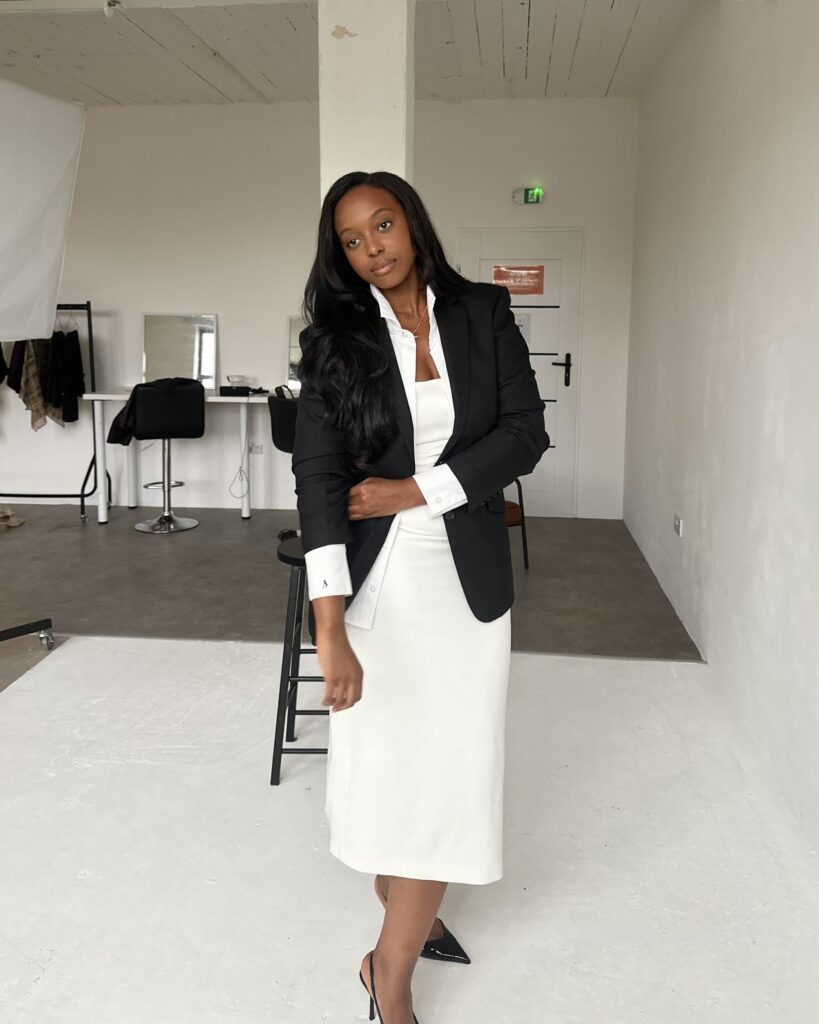
KWEZI, a label that is more interested in how clothes are felt than how they are perceived, is at the centre of a subtle revolution in how women relate to their garments. The brand, which was founded by Justine Scott Kwezi, emerges from a deeply personal interrogation of confidence, visibility, and the emotional weight of dressing. What began in isolation during a global pause has since evolved into a growing community of women adjusting their relationship with their bodies, their choices, and their presence. In this conversation with FAB L’Style, Kwezi reflects on the tension between performance and authenticity, the politics of fit, and the deliberate construction of a brand that does not just clothe women but meets them where they are becoming.
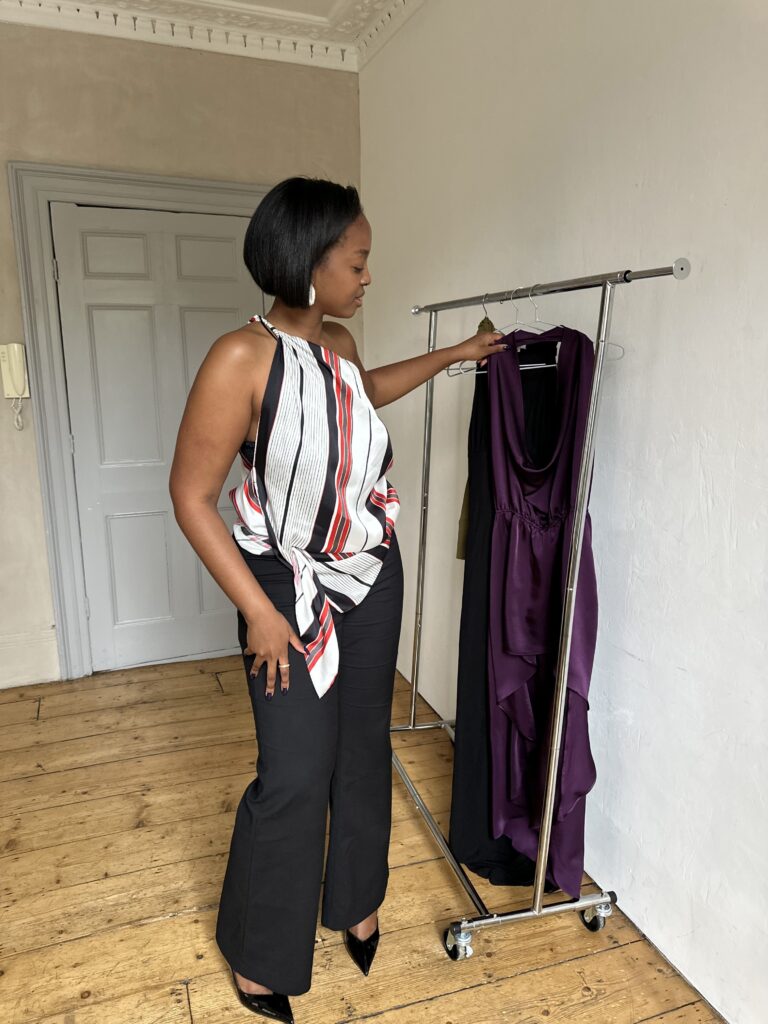
Fashion, Confidence, and the Politics of Visibility
FAB: Every brand begins long before it becomes visible. Who were you before Kwezi existed? What questions about womanhood were you quietly trying to answer?
Justine Kwezi: I first developed the concept when I was seventeen. I had just finished school and did not know what I wanted to do next. Many people around me seemed to have their future planned, but I felt uncertain. I decided to study business at university because it offered broad possibilities and could lead to different career paths.
At the time, I thought I might end up in fashion journalism because I enjoyed writing and studying English. I began university during the COVID period, which meant I spent a lot of time alone in my room. That isolation pushed me to reflect on who I was, who I wanted to become, and how I could find my place in the fashion world.
During that time, I realized that many clothes made me feel uncomfortable. Fashion often seemed designed for a very specific body type, and I did not feel represented in that standard. Many garments simply did not make me feel confident.
I also found myself shopping excessively during lockdown. Packages kept arriving, but I had nowhere to wear the clothes. Eventually, I decided to design a dress that would make me feel comfortable and confident. I wanted it to reflect the person I am.
I began sketching ideas. By 2022, while I was still in university, I realized I did not want to follow a traditional career path after graduation. I wanted to explore this idea seriously and see where it could lead. People responded positively to the dresses I was designing, and many told me they wanted to wear them.
FAB: Do you remember the first time clothing made you feel either powerful or invisible?
Justine Kwezi: Yes, I remember it clearly. It happened before I started university. I tried on a bandage dress from a brand called House of CB. The brand focuses on dresses that highlight a woman’s curves.
The fit was incredible, and it was the first time I wore something that truly celebrated the female body. I felt powerful wearing it. At the same time, I realized that even brands that focus on curves still represent a limited range of body types. I did not always see bodies like mine reflected in that space.
That moment stayed with me. It showed me how powerful clothing can feel, but it also revealed how much room there is for broader representation.
FAB: Since you started your brand, what challenges and wins have you encountered?
Justine Kwezi: I entered the fashion space without much experience in running a business. I had a few business role models around me, but I had never imagined that entrepreneurship would become my path.
In some ways, that lack of experience helped me. Because I did not know everything, I approached the process with curiosity. I took time to learn, ask questions, and educate myself. My university studies helped, but academic knowledge can only take you so far. I had to grow alongside the brand.
One of the biggest challenges has been learning to separate myself from the brand. In the beginning, it was difficult to step back and listen carefully to what customers wanted. Many creators focus only on their own vision. That approach can work, but I realized the importance of building conversations with the women who wear our clothes.
Community has played a huge role in our growth. We talk to women in different spaces, listen to their experiences, and understand what makes them feel confident. Social media has helped us maintain constant communication with our audience.
The business side has definitely been the most difficult part. However, when you build a strong community around your brand, that support keeps you moving forward.
FAB: Many women move through the world negotiating visibility. They want to be seen but also feel safe and protected. From your perspective, how does clothing participate in that negotiation?
Justine Kwezi: Clothing plays a powerful role in confidence. When you feel good in what you are wearing, you enter a room differently. Your posture changes, and your mindset shifts.
For me, a good outfit creates the confidence to step into spaces that might otherwise feel intimidating. Clothing does not only affect how others see you. It also shapes how you see yourself.
Safety and belonging also come from the relationship between a brand and its community. When women feel understood by the people who design their clothes, they develop a sense of trust. They feel that the garments were created with their experiences in mind.
When someone puts on one of our dresses, I want them to feel that connection. I want them to feel that other women share similar experiences and find comfort in the same pieces.
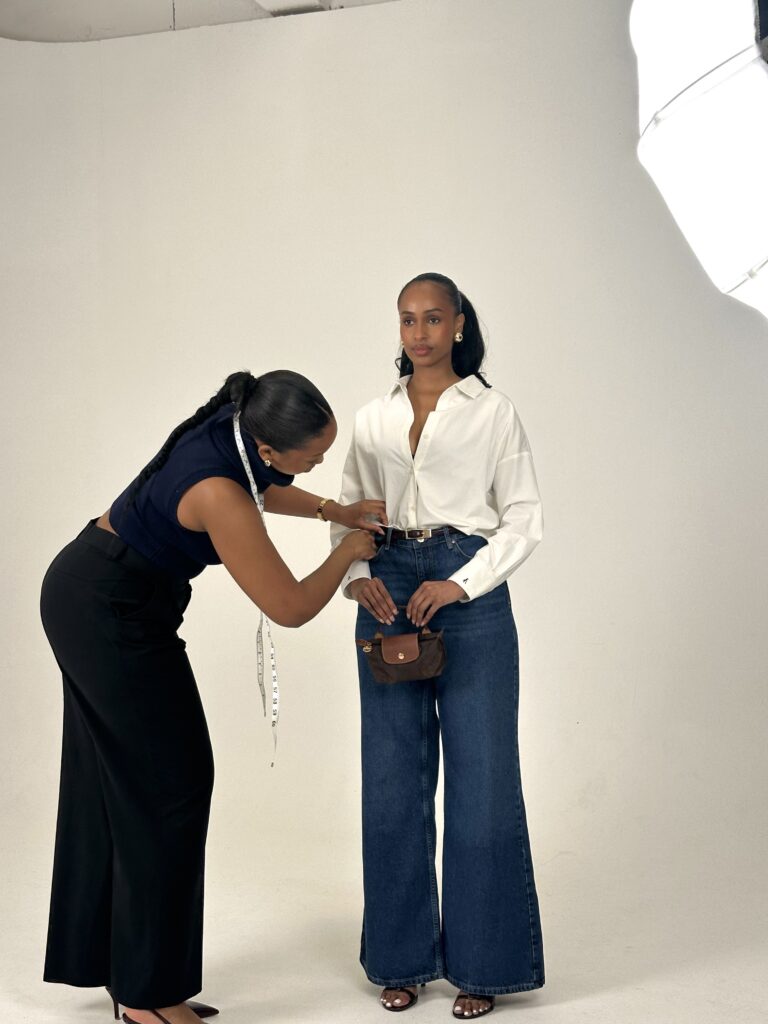
Performance vs Authenticity in the Age of Social Media
FAB: We live in a social media-driven world where performance often shapes identity. Do you think modern fashion has confused confidence with performance?
Justine Kwezi: In some ways, yes. Confidence and performance sometimes overlap. Some people need to perform confidence before they truly feel it.
If someone has never experienced a strong sense of confidence, they may have to act confident first. Over time, that performance can become real. People often describe it as faking it until you make it.
For some individuals, fashion becomes a form of performance. They dress boldly or dramatically to express themselves. At the same time, that performance often reflects a deeper desire for belonging.
Clothing helps people express identity and find connection with others. Because of that, I do not think performance in fashion is necessarily negative. Sometimes it simply represents the journey toward feeling comfortable in your own skin.
The Reality of Building a Female-Led Fashion Brand
FAB: The female-owned brand Hanifa recently shared a post about the difficulties it is facing with supply chains and production. The founder spoke about feeling overwhelmed and even questioned whether the effort is worth it, despite the brand approaching fifteen years. What has your own experience been with supply chains, and what do you think the future holds for female-led brands in this industry?
Justine Kwezi: First of all, it is very sad to see. I think her question about whether it is worth it reflects the pressure founders experience when the stress becomes overwhelming. As founders, we often face challenges that many people outside the industry do not fully understand. It is our responsibility as founders to build a strong infrastructure, but it is harder when you are doing it on your own.
When a brand grows and builds a strong community, the pressure increases. It becomes harder to control every detail and ensure everything arrives on time. You can do everything possible on your side, but something may go wrong at the factory, a material may fail quality checks, or an entire batch may arrive incorrectly.
Customers sometimes compare smaller brands to global companies, but they do not always recognize the difference in resources and infrastructure. At the same time, those large companies do not receive the same level of scrutiny.
Designers often begin working on collections a year before customers ever see them. We go through multiple rounds of testing. Samples may arrive incorrect. Sometimes the sample is perfect, but the full production order has problems. Despite these challenges, designers still want to give their customers the best possible product.
I know that Hanifa has delivered high-quality pieces for many years. I hope she remembers that her work has had a much larger impact than she may feel in this moment and that she continues moving forward.
Different Women, Same Desire: Confidence Across Cultures
FAB: You recently held an event in Kampala, Uganda. What was the vision behind that event, and what did you take away from it afterward?
Justine Kwezi: We held our first event in Kampala last month. My main goal was to create direct conversations with the women who have supported the brand.
When we first launched, we did not ship to Uganda. As a small UK-based brand, the logistics felt complicated and risky. We worried about lost packages and operational challenges. Even so, I knew we had an audience there. We blew up in Kampala, and many women were already supporting the brand online. Even if they had not purchased anything yet, they followed our work and encouraged us in the comments.
That support meant a lot to me. I wanted to create an intimate gathering where I could finally meet them. We organized a small sip and see event where guests could view the dresses, feel the fabrics, and enjoy a relaxed atmosphere.
The event allowed me to speak with women one on one. They shared their opinions, told me which designs interested them most, and explained their buying habits. I also gained a deeper understanding of the women there. Different environments shape how women shop and how they experience fashion.
Meeting them before expanding in Uganda felt essential. I wanted to understand their frustrations, their needs, and their expectations. It was also important to consider pricing that works within their market so they can enjoy the pieces while still feeling comfortable investing in them.
FAB: You just mentioned understanding different needs. When you compare women in the UK with women in Kampala, where do you see the biggest differences, and what do you see connecting them?
Justine Kwezi: The biggest difference appears in buying behavior. Women in Uganda often shop for specific occasions. Many garments are tailored or altered for them, so ready-to-wear clothing is less common.
Their social calendar also differs from that of women in the UK. In the UK, people attend birthday dinners, casual celebrations, and smaller weddings. In Uganda, many women shop for larger events such as galas, major celebrations, and weddings. They often want garments designed specifically for those moments.
Despite these differences, the emotional connection to clothing remains the same. Women everywhere want garments that make them feel confident and special.
In the UK, they invest more in ready to wear statement pieces for occasions, where as ugandans lean towards require a tailoring service for occasions, which we don’t offer yet, so out of what we sell they are more likely to invest in pieces like shirts / styling they can get more wear out of outfits. Even so, both groups want clothing that feels personal and meaningful, as if it was created specifically for them.
FAB: 10 years from now, when someone encounters Kwezi for the first time, what do you hope they understand about the woman who built the brand?
Justine Kwezi: I hope they understand that the woman behind the brand is on a continuous journey. She is discovering herself and learning what truly makes her feel good.
The brand is not only about clothing. It represents growth, self-discovery, and the pursuit of becoming the best version of yourself. I want people to feel that message in every part of the experience.
More than anything, I hope people see Kwezi as a world that surrounds the product. It should represent a feeling and a community, not just a garment.
FAB: What would success look like for Kwezi in 2026 and beyond?
Justine Kwezi: This year I want people to understand the brand more clearly. We have already built a strong community, but I want to offer them a complete experience from beginning to end.
Community events play an important role in that vision. Our Kampala gathering showed me how meaningful it is to meet people in person and build deeper connections.
I am not focused on building a massive brand that competes across countless stores and wholesalers. My goal is to reach a very specific audience. I want to connect with women who share similar experiences, women who are navigating life, learning about themselves, and looking for a space where they feel understood.
I imagine small boutique environments where women can walk in, speak with someone directly, and experience the brand in a personal way. That kind of intimate connection matters more to me than rapid expansion.