



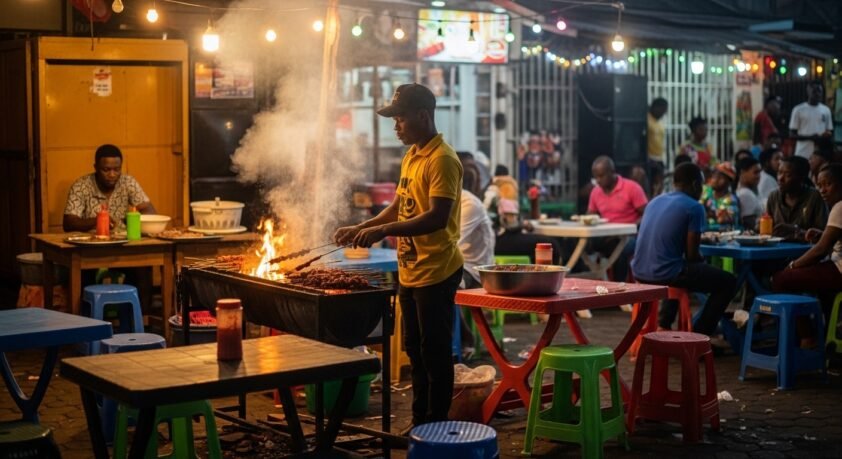
The cities that shape how we dress are now increasingly shaping how we eat. Spend time walking through Tokyo, Lagos, Lisbon or Mexico City and you’ll gradually start to see it. Not just in the clothes people wear or the architecture lining the streets, but in the way food moves through the city, like a tray of pastries disappearing from a Lisbon café counter in the late afternoon or smoke from a Lagos grill drifting into the evening traffic.
In cities with strong creative identities, food becomes part of the same cultural appeal as fashion for many visitors. This shift has started to change the way trips are planned.
Food as a trend
Not too long ago, fashion treated food as something secondary – dinner came after the shows, meetings and gallery openings. Travellers approached meals in much the same way, fitting them around sightseeing rather than building a trip around them.
But this is starting to change. Food trends now spread through culture in ways that feel surprisingly similar to fashion. For example, a dish gains attention in one neighborhood, appears in photographs online, and slowly travels outward as chefs reinterpret it in different cities.
Travel habits reflect this shift. According to research highlighted in Skyscanner’s overview of fashionable foods around the world, more than half of British travellers say eating local cuisine is the activity they most look forward to when travelling abroad. Some even say they have chosen a destination specifically because of a restaurant.
Cities that shape the way we eat
Some cities influence food culture in ways that mirror the influence fashion capitals have on style.
In Tokyo, the dining culture places enormous value on detail and precision. Sit at an omakase counter and the experience unfolds slowly, course by course – each ingredient appears at its peak moment, meant to be savoured as served to bring out its unique characteristics. The philosophy is familiar to anyone who follows Japanese design or tailoring: careful craftsmanship, restraint, and a deep respect for the materials used.
The city of Lagos is packed with energy and colour, and its food reflects that. Street vendors grilling suya (meat skewers) or serving pepper soup are part of everyday life. Lagos Fashion Week has helped draw international attention to the city’s style scene, but the same creative confidence appears in the food culture as well. Meals are social and loud, and often shared between friends.
In Lisbon, pastéis de nata (Portuguese egg custard tart) are often enjoyed at marble café counters, plates of bacalhau (cod) served in quaint neighborhood restaurants, and glasses of vinho verde poured slowly on warm summer evenings. Nothing about the experience feels hurried. The style here is similar – it’s relaxed and familiar, shaped by habit rather than trends.
Mexico City feels expansive by comparison. Markets overflow with colour and sound, and birria tacos simmer for hours before being served, with complex mole sauces that reflect generations of culinary history. Eating here offers insight into a culture where creativity and storytelling have always been closely connected, and this is reflected in the fashion too.
Why food changes the way we travel
For travellers already drawn to destinations because of the architecture, art galleries or fashion scenes, food naturally becomes part of the same curiosity.
The United Nations World Tourism Organisation identifies gastronomy tourism as an emerging protector of cultural heritage. Visitors want experiences that feel connected to everyday life in a destination rather than activities designed purely for tourists, and this can easily be achieved through food. You can see this in the way trips are organised today – restaurant reservations are often made weeks before travel, and visitors explore local neighborhoods through markets, cafés and street stalls. Sometimes a single dish spotted online becomes the starting point for an entire holiday itinerary.
In cities where creativity shapes daily life, food often becomes another way that culture reveals itself, making food-focused travel a worthwhile experience.
Author bio: Lauren White is a lifestyle writer whose pieces revolve around travel, gastronomy, and global contemporary culture. She has a particular interest in emerging culinary destinations and cultural storytelling through food.
Recommended For You