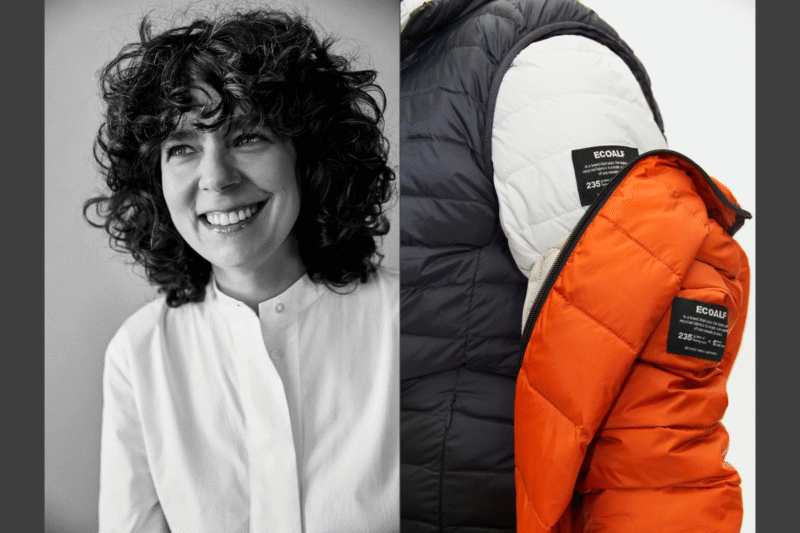
The fashion industry is under unprecedented pressure, with reports showing it contributes up to 10% of global carbon emissions and generates millions of tons of textile waste every year. Consumers, regulators, and activists are demanding more accountability, and the conversation around greenwashing has made transparency non-negotiable. Ecoalf has positioned itself as a global leader in this space by building its model on measurable impact, from recycling ocean plastic to pioneering regenerative materials. In 2025, when sustainability has shifted from marketing buzzword to business imperative, Carolina Blázquez, the brand’s Sustainability and Innovation Director, opens up about the journey, the numbers behind their claims, and what it takes to design fashion that restores rather than exploits
Carolina Blázquez Says Fast Fashion Is Lying to You — and Ecoalf Has the Receipts
FAB: What first sparked your interest in sustainability, and how did that path lead you to Ecoalf?
Carolina Blázquez: Before joining Ecoalf, I worked as a fashion designer for various brands, starting with Inditex. I loved fashion, but over time I began to feel deeply conflicted about the industry. I had spent years travelling to factories around the world and saw first-hand the side of fashion that hides behind the glamour. The waste, the working conditions, and the sheer disregard for the planet are just a few of the issues I witnessed. Eventually, I reached a breaking point. I asked myself, why am I doing this? Do I even want to be part of this industry anymore?
It was at that moment I met Javier Goyeneche, Ecoalf’s founder and president, through a mutual friend. We talked about our frustrations and our shared desire to create fashion in a completely different way. Soon after, I joined him—just the two of us—15 years ago. We didn’t even use the word ‘sustainability’ back then; we didn’t yet understand what it meant. What we did know was that we wanted to make fashion differently, even if we didn’t yet have the blueprint.
I began as Product Director, designing every collection from the ground up. Over time, my role evolved into leading the Sustainability and Innovation Department. Now, I guide the company’s purpose, the North Star that keeps every decision aligned with our values. That’s been my journey, and it’s at the core of Ecoalf’s story.
FAB: You mentioned that when you started, you didn’t even know what sustainability really meant. Many brands still struggle to measure the real impact of their sustainability claims. How does Ecoalf approach transparency and accountability?
Carolina Blázquez: One of my biggest challenges—inside and outside the company—was explaining our sustainability approach in a way that convinced everyone, especially the committee of directors. I quickly realised that opinions and ideals weren’t enough; if I wanted to be taken seriously, I had to speak in their language. And their language was numbers.
We made a rule about 10 years ago: every action we take must be backed by measurable data. Today, we track the impact of every stage of our operations, starting with the supply chain. We don’t stop at Tier 1 suppliers; we dig deep into Tiers 2, 3, 4, and even 5. Using specialised technology from a third-party partner, we gather detailed data from every factory we work with and translate it into tangible impact metrics.
This allows us to perform a complete life cycle assessment for every product we put on the market. Beyond the products themselves, we now track the environmental impact of every internal operation. That’s why we can be so transparent; we know our numbers. We know where we excel, and we know where we need to improve.
Sharing this information openly with stakeholders isn’t a problem for us. In fact, we see it as essential. Numbers alone can feel cold, but when you present them in a way that connects emotionally with people, they become powerful tools for change. Data gives people knowledge, and knowledge gives them power. When customers understand the difference between buying a sustainable product and a non-sustainable one—and have the facts in front of them—they gain the ability to choose better. That’s where real transformation starts.
Slow Fashion: How To Start From Your Little Space
Avoiding Fast Fashion: How to Get a More Sustainable Wardrobe
How Fashion Can Regenerate the Planet
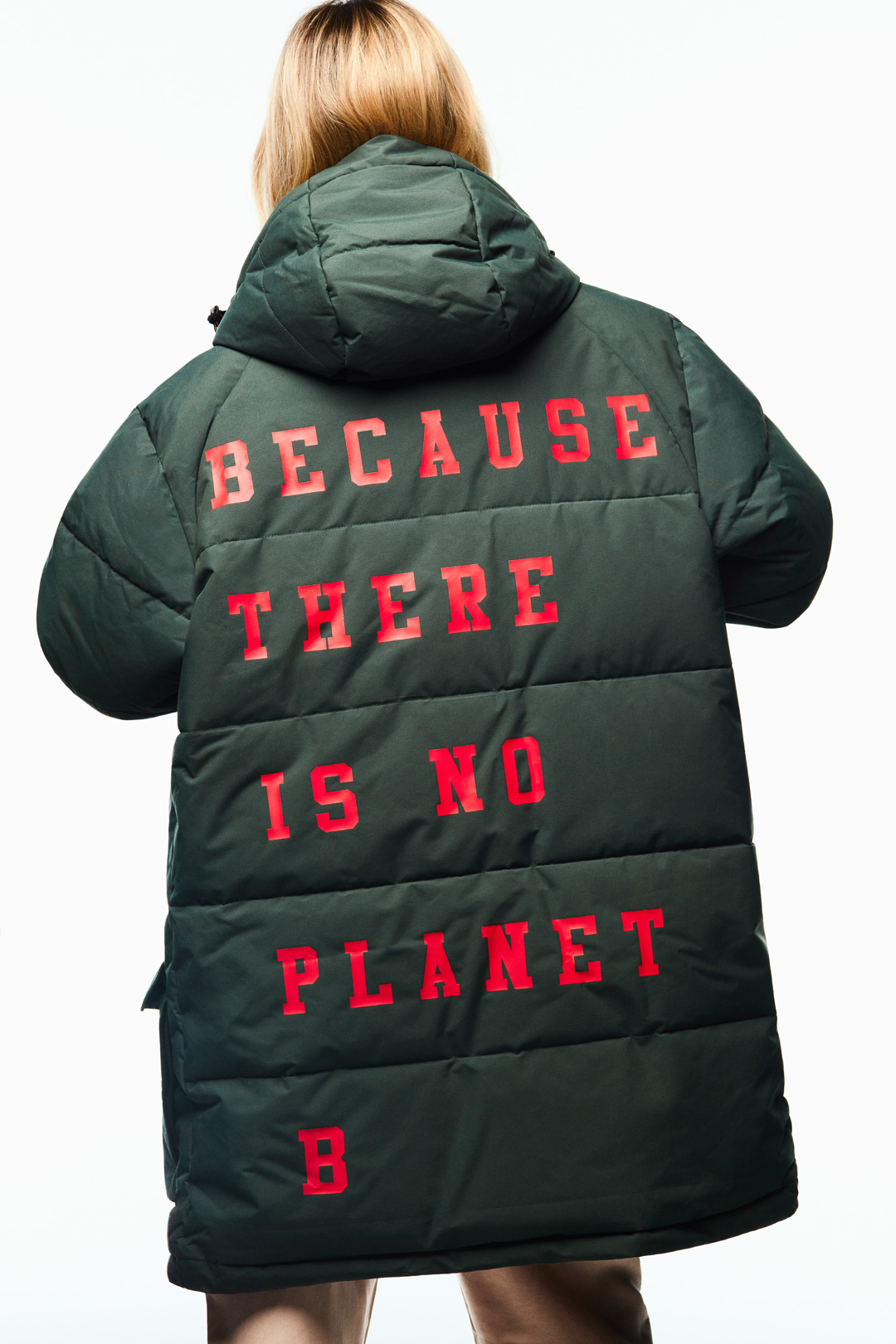
FAB: You’d also agree that fast fashion thrives on overconsumption. Beyond giving consumers access to information and knowing the source of your materials, how do you convince them—and even other brands—that less can mean more?
Carolina Blázquez: This, for me, is the key question. If we could shift the consumer mindset toward buying less, it would spark enormous change. But buying less isn’t enough if the garments are poor quality. The real solution is to replace quantity with quality.
Unfortunately, garment quality across the industry has declined, not just in fast fashion, but even in high-end and luxury brands. Compared to 10 or 20 years ago, fabrics and construction are often inferior. Poor quality means short lifespans for clothes, which in turn feeds the throwaway culture.
Better quality extends a garment’s life and allows customers to form a connection with it. When I was a teenager, buying a special item from a brand you loved meant saving for months. That garment wasn’t just clothing; it was a treasure you valued and cared for. Today, cheap prices make it easy to buy something, wear it once, and discard it. That connection is gone.
To change this, we need to give customers another option: products that are well made, that last, and that carry meaning. Fashion is part of our identity and our culture. But now, so many brands produce identical styles that individuality is disappearing. Rebuilding that emotional connection to garments—and encouraging people to buy fewer, better things—is essential if we want real transformation.
FAB: Let’s talk about Ecoalf’s product and choice of material. What’s the most surprising material you’ve worked with, and what story did it tell once transformed?
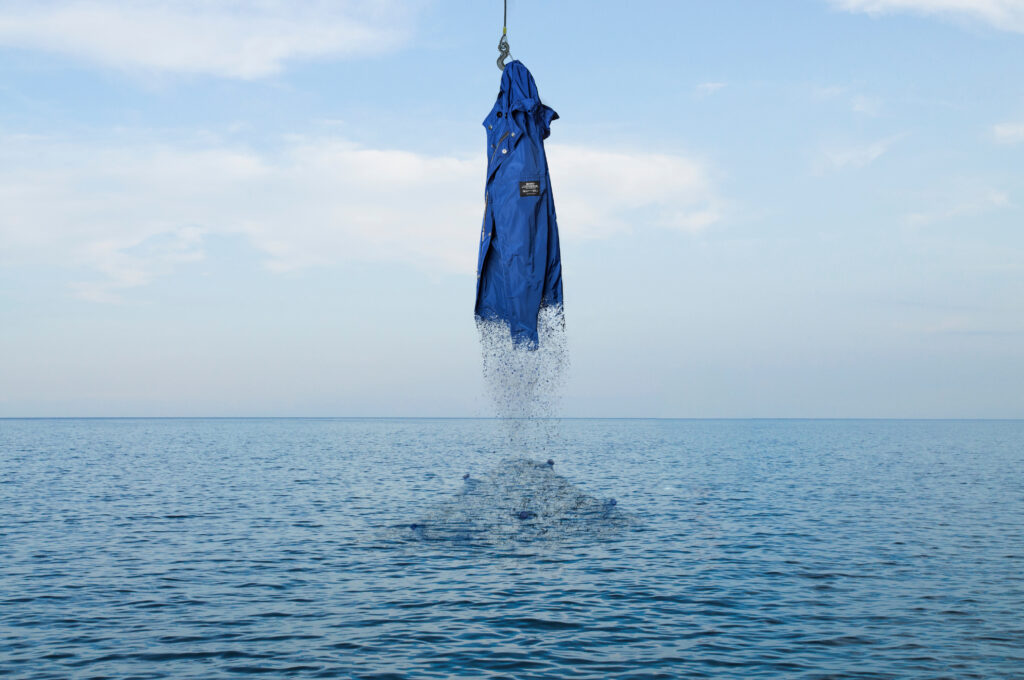
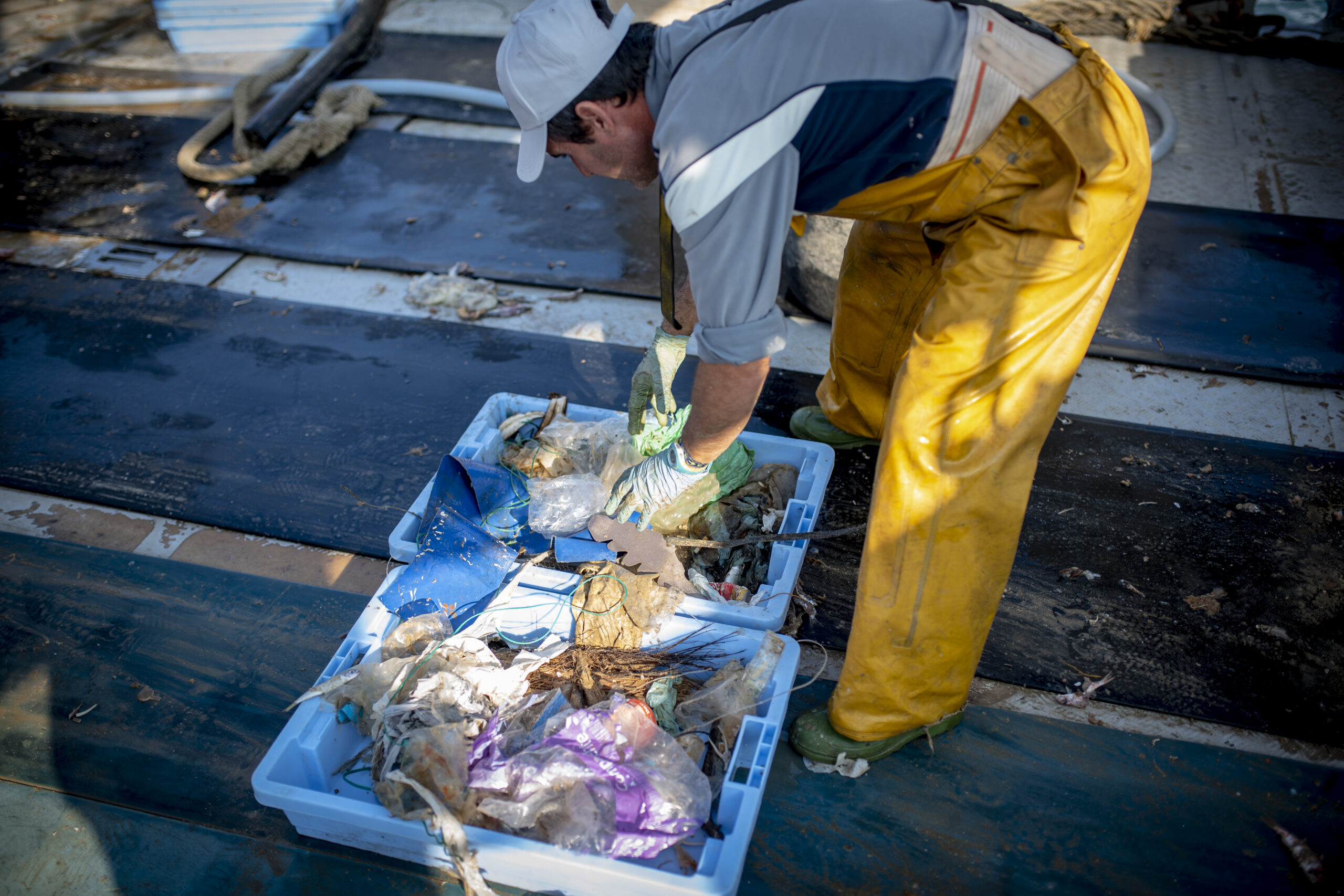
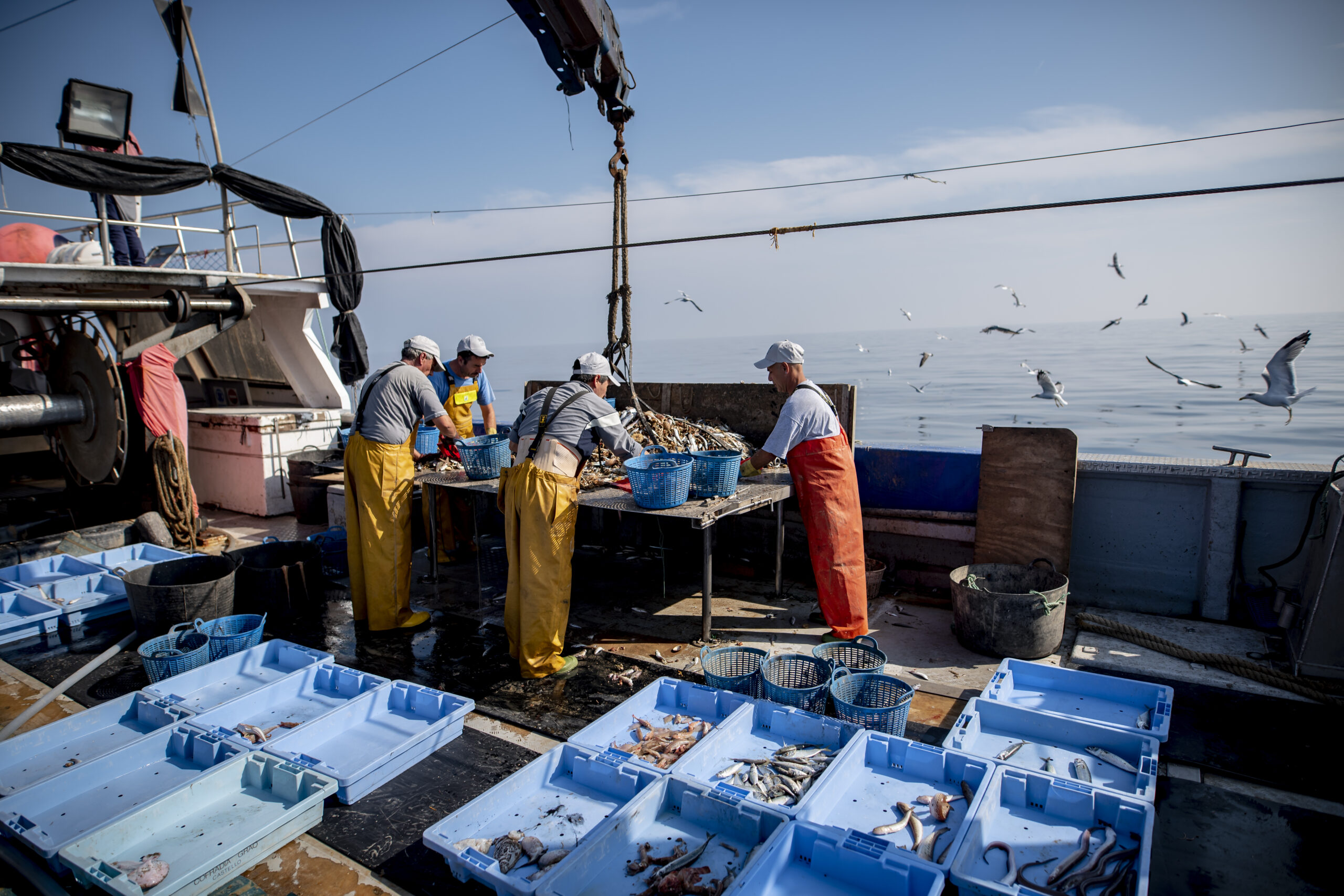
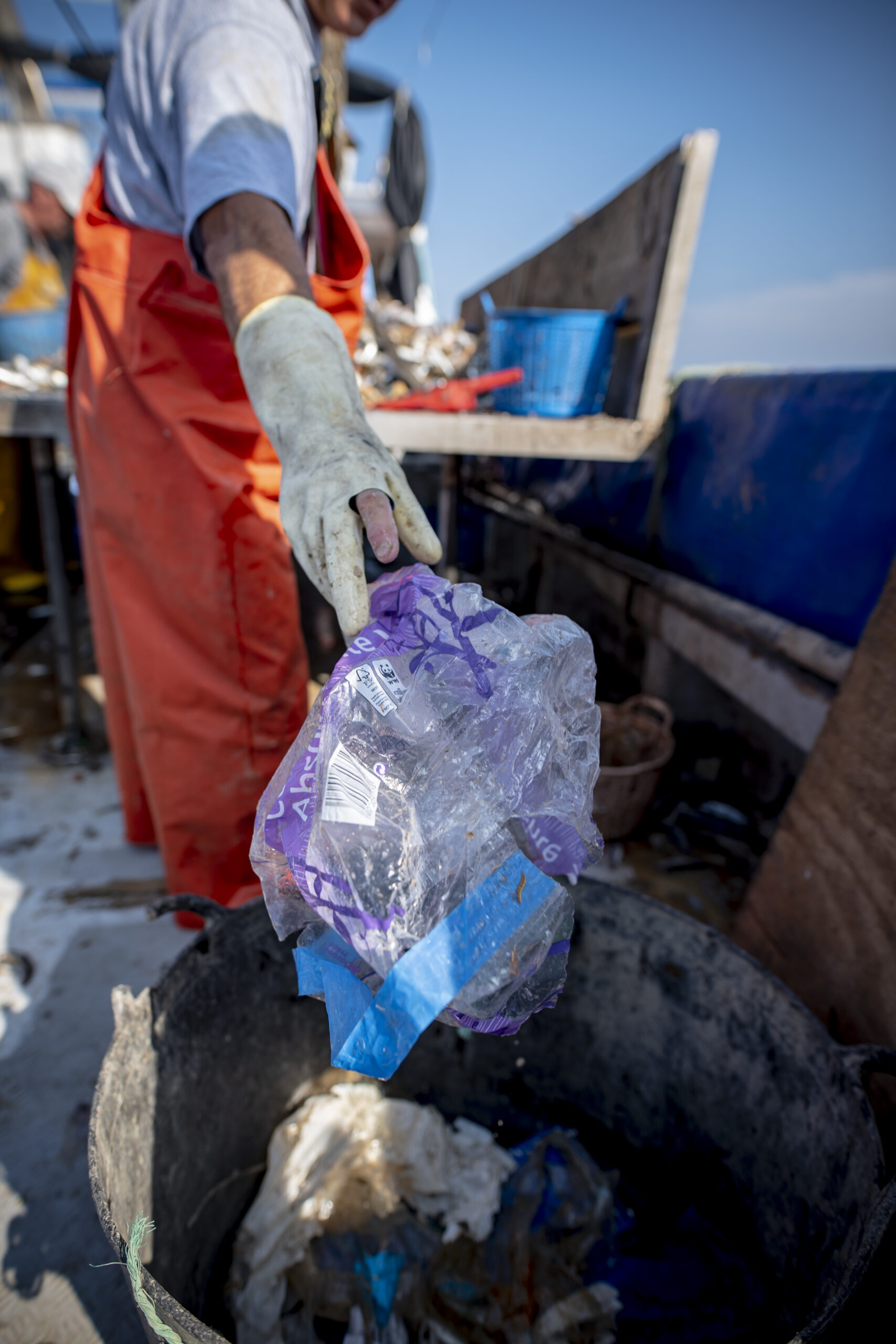
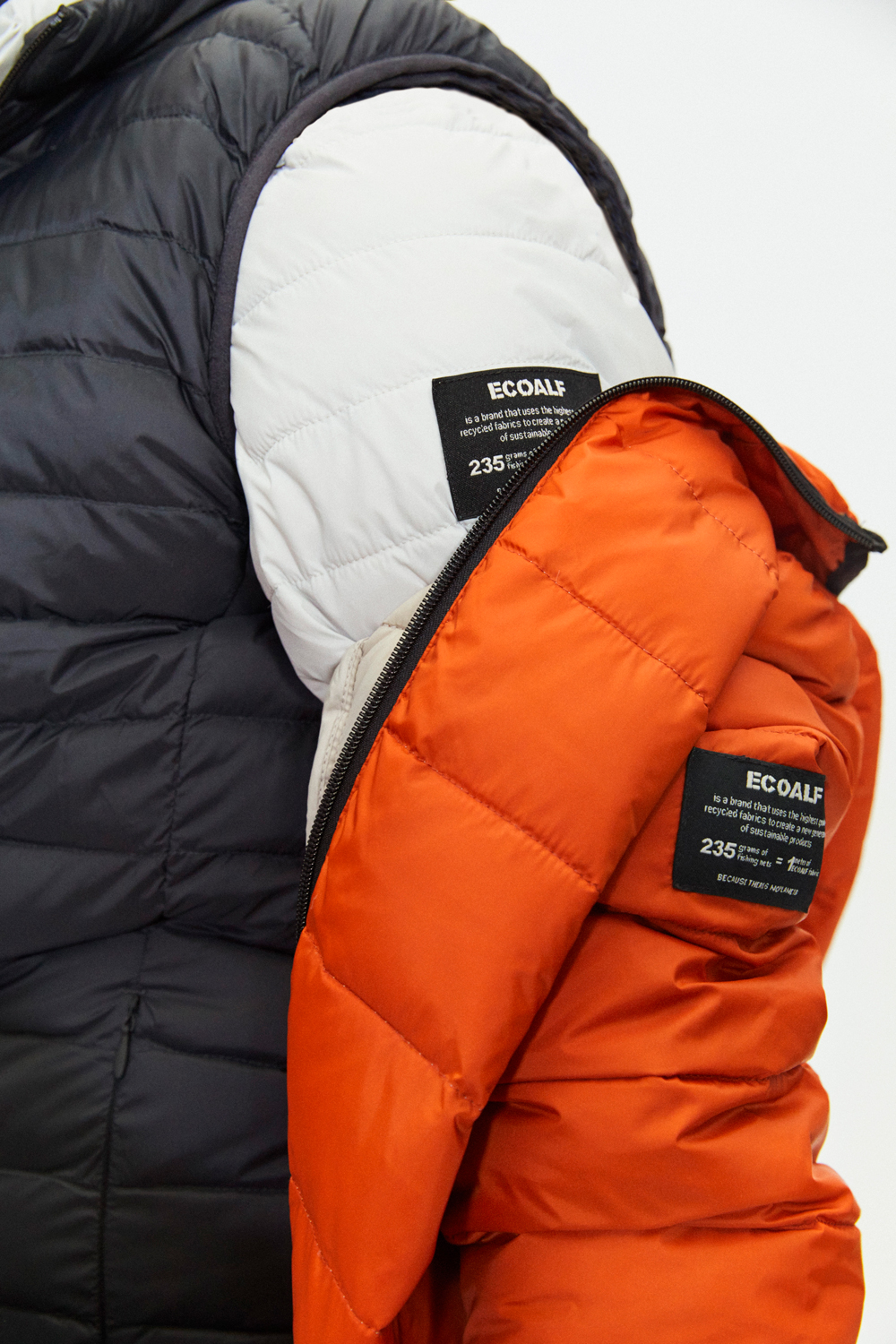
Carolina Blázquez: The most special material we’ve developed is what we call ocean yarn. It’s made from plastic collected from the bottom of the sea through our Ecoalf Foundation. Our mission there is simple but urgent: clean and protect the oceans. We work with fishermen who, alongside their regular catch, haul up marine litter, especially PET plastics like discarded water bottles. That waste is then transformed into polyester yarn. While we don’t collect the plastic ourselves, our fishing partners play a critical role in this effort.
What matters most isn’t the percentage of recycled plastic in the final garment; it’s the fact that the waste is removed from the ocean in the first place. These plastics often spend 10 to 20 years underwater, mixed with organic matter, which makes recycling them extremely complex. The material is degraded, and processing it requires advanced technical solutions.
But for us, the message goes deeper than the fabric itself. It’s about solving problems at their source, not just addressing what’s visible on the surface. Removing waste from the ocean is about more than making clothes; it’s about restoring ecosystems and confronting environmental damage head-on.
FAB: What excites you most about the future of fashion? Is there a material, mindset, or movement you believe will mould the next generation?
Carolina Blázquez: For me, it’s all about mindset. If we could shift how young people think about fashion, everything else would follow. We wouldn’t feel the need to replace our entire wardrobe every month or wear something new every weekend. Fashion should live in the space between need and desire. A garment should say something about you, about who you are. But right now, especially for younger generations, the craving for constant novelty is strong. I see it with my own 17-year-old daughter, who tells me how important it is for her peers to wear something new every day.
Again, the problem is that clothing has lost its value. Prices are so low that garments are treated as disposable. We need to restore value, starting with quality. When clothes are made well, they last, and that opens the door to different business models, like second-hand.
Here in Spain, second-hand still carries a stigma; it’s often seen as cheap or undesirable, perhaps because so many garments today are poorly made to begin with. But vintage second-hand stores prove it doesn’t have to be that way. You can find pieces with exceptional quality and design. We should return to a model where a well-made garment could be passed down from me to my daughter to her daughter. Changing the mindset can create a movement. And once that movement gains momentum, fashion brands will have no choice but to adapt, offering customers what they truly value.
FAB: How do we balance responsibility and ethical practices with aesthetics, making them appealing enough that everyone wants to take part? And what about the fact that sustainable products are often pricier? How do we address that?
Carolina Blázquez: I’ll try to answer both together. First, I’m not sure we truly understand what the younger generation wants to wear. They’re bombarded with so much input that even they struggle to define their own taste.
For years, my business has focused on creating collections that inspire young people, but the challenge is speed. You can’t present an idea and deliver the garment six months later; they move too fast. If you’re not fast, you’re irrelevant to them. The first step is to listen—really listen—to what they want and then create something special for them while keeping sustainability and quality intact.
Something unique creates a stronger emotional connection. It’s not the same as buying what everyone else has. The problem is that fast fashion prices aren’t fair prices. Young people rarely see the true cost of making a T-shirt—the materials, the labour, the environmental impact. Because it’s so cheap, they can buy a new one every week without thinking about it.
Our generation had a different experience. Thirty years ago, when you bought something, it wasn’t cheap; you paid for quality, often produced locally, and you valued it. Today, producing with good materials and sustainable processes costs more. We can’t make those garments cheaper without sacrificing what matters.
So the real shift isn’t about making sustainable fashion “cheap”; it’s about changing buying habits. Maybe you buy one jacket instead of three. Maybe that jacket costs more, but five years later it still looks almost new. Over time, that investment actually costs less than buying a cheaper replacement every year.
What ‘Because There Is No Planet B’ Really Means
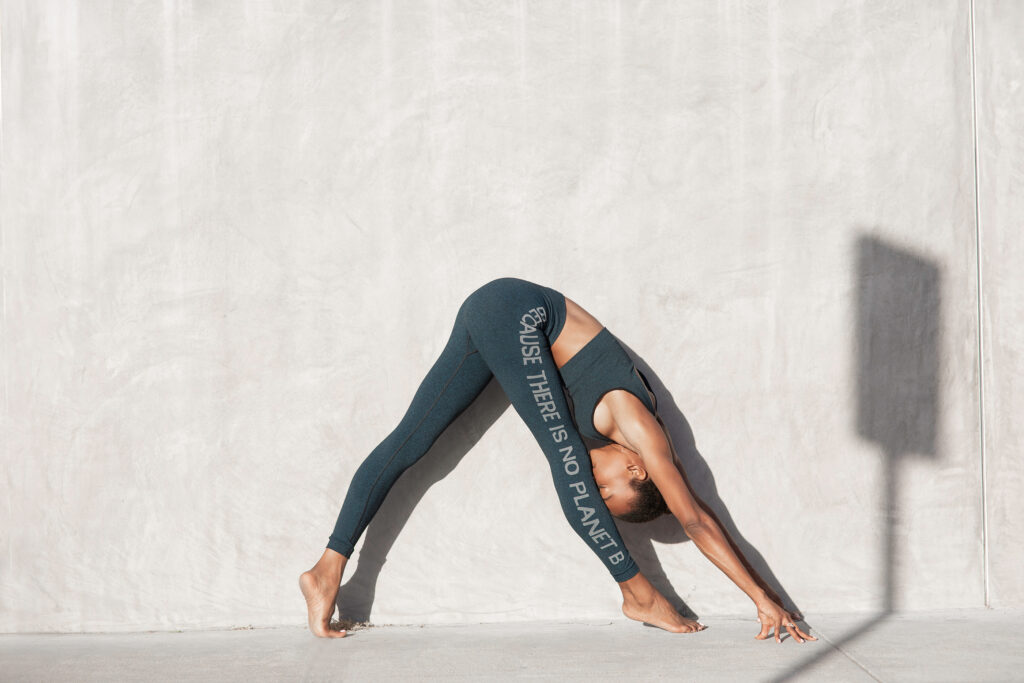
FAB: Let’s talk about Ecoalf’s tagline: Because There Is No Planet B. It’s a profound statement. We don’t have another world to live in. If we destroy this one, there’s nowhere else to go. But beyond that obvious truth, what’s the quieter, deeper meaning you wish more people understood?
Carolina Blázquez: For me, ‘Because There Is No Planet B’ means this: we live beyond the Earth’s limits. We are consuming resources faster than the planet can replenish them. Humanity tends to believe the planet belongs to us, but the truth is the opposite—we belong to the Earth.
The Earth is an ecosystem. We are just one part of it, yet we behave as if our needs outweigh the planet’s. That’s why we exploit it every year, using up resources that should belong to future generations. Right now, we are consuming the equivalent of more than two planets’ worth of natural resources.
So the message is not just “we have no other planet to go to.” It’s a reality check: if we keep consuming like this—not only in fashion but in every aspect of life—there won’t be enough for everyone, now or in the future. Sustainability is about balance: meeting human needs without destroying the planet’s ability to meet its own.
FAB: What do you hope someone feels — not just thinks — when they wear an Ecoalf piece?
Carolina Blázquez: I want them to feel they are part of the change. That connection matters because it deepens the wearer’s relationship with the garment. You’re not just buying a garment; you’re joining a movement.
Carolina Blázquez: Yes. Over the past three or four years, we’ve shifted our focus. At first, we worked mainly with low-impact materials, aiming to reduce harm. But now we believe that’s not enough; we need to create a positive impact. We’re developing materials like cotton, wool, and cellulosic fibres through regenerative practices. This means restoring the land, forests, and ecosystems we work with. Regeneration is holistic. It involves soil biodiversity, CO₂ reduction, water conservation, and community partnerships. We’re proud of this step forward. It’s not just about doing less harm; it’s about giving more back to the Earth than we take.
FAB: From all this work — especially the regenerative focus — what brings you the most joy? And what legacy do you hope to leave at Ecoalf?
Carolina Blázquez: I’d like to be remembered for helping people see that we belong to nature, not the other way around. That mindset changes everything, even how we define business success. True success is not measured by financial results alone. It’s about doing something that benefits both humanity and the planet. If it’s good for the planet, it will be good for us too. Once you make that mental shift, the way you think about business changes completely.
(Aside) If there’s a supplier or a community project that’s genuinely making a difference, we’d love to connect and see if it could be part of a collection. Small, grassroots projects can have a huge impact, and amplifying those voices matters to us. That’s the direction we want to keep moving in.Carolina: I have a quote pinned to my desk that sums this up: We are not a fashion brand; we are a brand cultivating the future.